EN
EN  ID
ID 


Introduction to IoT
How technology changes the way you manage a fleet involves various aspects, from fuel monitoring to driver and task management. As a fleet manager, overseeing and manually managing anywhere from one to a hundred or more vehicles can be an incredibly exhausting task.
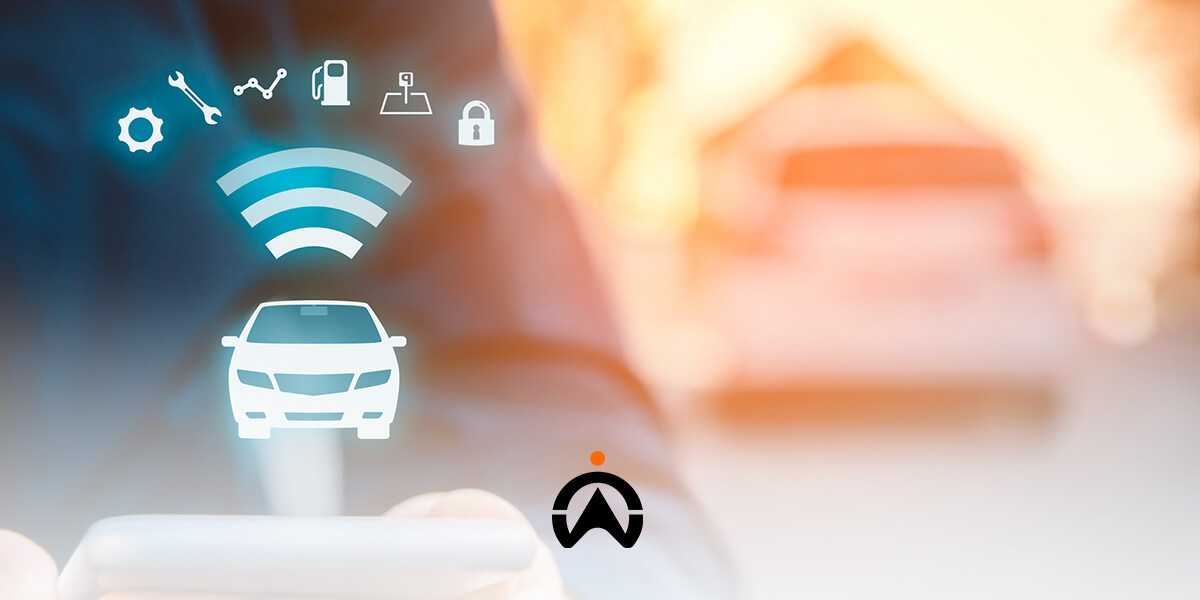
Fortunately, today’s comprehensive and automated fleet management solutions are powered by IoT (along with data capture, telematics, and cloud technology). The term IoT, or Internet of Things, refers to the connection of everyday objects (known as “things”) to the internet. This concept goes beyond simply providing internet access to desktops and smartphones. The scope of IoT extends to a wide range of devices and assets, such as household appliances, smartwatches, and even buildings equipped with sensors and network connectivity that enable them to “communicate” with one another and with us.
It can be said that IoT has paved the way for the transformation of fleet management in areas such as:
Advanced computing performance, wireless technology, and cloud storage: The combination of advancements in wireless communication technology, cloud storage, and improved computing capabilities has revolutionised fleet management, enabling fleet managers to access and collect data about their fleet. As a result, fleet managers can now access real-time or stored data and make faster, more accurate decisions, which has significantly improved fleet management efficiency.
Easily accessible AI and ML technologies: Artificial intelligence (AI) and machine learning (ML) have brought significant advancements in fleet management software development. These advancements empower fleet managers to continuously monitor data from across their entire fleet. Through real-time feedback and detection of changes or deviations, fleet managers gain actionable insights, such as real-time alerts about potential issues (like maintenance reminders), enabling them to make informed decisions to improve fleet performance.
Read also: How IoT Temperature Sensors Work in Monitoring Fleet Storage Temperature
Comprehensive and extensive data: IoT has made business data more accessible and actionable in fleet management. By using sensors, telematics, and other IoT technologies, fleet insights have become broader and more actionable. This valuable information enables businesses to better understand fleet operations, leading to improved performance optimisation and more informed strategic decision-making.
7 Key Benefits of IoT in Fleet Management
Using IoT connectivity has had a significant impact on fleet management. Let’s explore 7 major benefits of using IoT in fleet management:
- Improved route planning and tracking: Advanced route planning and tracking capabilities have brought remarkable transformation to GPS tracking. Fleet managers now have 24/7 vehicle monitoring thanks to the seamless integration of GPS and IoT technologies. This integration delivers accurate, reliable, and real-time data, enabling fleet managers to improve productivity, reduce fuel expenses, and respond quickly to critical situations such as unexpected breakdowns.
- Automation of manual and administrative tasks: Today, streamlining manual tasks and administrative processes is achieved through the optimisation of IoT-powered fleet management software. This advanced software facilitates data collection, storage, and analysis, leading to the automation of routine administrative tasks and manual data entry. By eliminating time-consuming and repetitive tasks, you can focus on higher-value activities.
- Vehicle preventive maintenance: Through a range of digital data, IoT enables comprehensive vehicle assessment, providing fleet managers with timely notifications about maintenance needs. This proactive approach facilitates the scheduling of preventive maintenance, ensuring optimal fleet upkeep and extending vehicle lifespan.
- Fuel efficiency: IoT solutions play a vital role in providing valuable insights into engine performance and fuel efficiency through continuous monitoring of vehicle engine operations. By leveraging real-time data on fuel consumption, fleet managers gain valuable visibility into driver behaviour, particularly idle time, helping to optimise fuel usage, reduce emissions, and improve overall efficiency. By utilising IoT technology, you can gain actionable insights that support data-driven decision-making to enhance fleet performance and fuel efficiency.
- Enhanced delivery management: IoT fleet management solutions and GPS technology have transformed delivery management by offering end-to-end automation. Through seamless integration of various functionalities such as streamlined operations, route optimisation, coordinated dispatching, real-time vehicle location monitoring, and delivery progress tracking, fleet managementsystems improve efficiency and reduce costs. This approach also enhances customer satisfaction by ensuring on-time deliveries and addressing any issues or delays that may arise.
- Driver safety monitoring: IoT sensors provide comprehensive visibility into driver behaviour, such as engine start and stop frequency, speed, braking patterns, accelerator usage, and fatigue monitoring. With access to this data, fleet managers can implement targeted driver training programmes that promote a culture of safer driving practices and effectively reduce accident rates.
- Improved customer satisfaction: With the use of IoT in fleet management and delivery operations, you can offer customers greater convenience, efficiency, and personalised experiences. IoT enables data collection for tailored user insights, monitoring and optimisation of service deliveries, and rapid issue resolution, thereby fostering long-term loyalty through meeting customer needs more effectively.
How IoT Solutions from Cartrack Indonesia’sFleet Management System Improve Fleet Efficiency
Real-time camera technology with artificial intelligence (AI): Use 8 smart cameras to boost driver, fleet, and cargo safety. Our real-time alerts keep drivers informed about potential safety violations and live voice notifications let them make corrections instantly. Plus, you can access recordings straight away.
ID Tags and specialised sensors: Driver ID Tags from Cartrack Indonesia enable the identification of authorised drivers using a vehicle and support tracking of driver activity. In addition, specialised sensors such as CANBus provide real-time data on vehicle mileage, RPM, and diagnostics, including engine health, brake pads, and lights.
Temperature sensors: Protect the freshness of refrigerated cargo with Cartrack’s advanced temperature monitoring solutions. Our sensors enable real-time temperature monitoring and instant alerts for temperature fluctuations in refrigerated trucks or trailers to keep goods fresh. Gain greater peace of mind with comprehensive reports on temperature monitoring for every trip, which can be easily attached to electronic proof of delivery, providing valuable assurance to customers.
Fuel sensors: Improve fuel efficiency and cost savings with Cartrack’s advanced fuel monitoring solutions. Fuel sensors from Cartrack Indonesia can accurately record and analyse fuel consumption data. By monitoring fuel sensor data, you can effectively reduce fuel consumption and minimise the risk of fuel card fraud or theft through a system that matches fuel receipts with vehicle location and status.
GPS tracking: The accurate and reliable technology from Cartrack Indonesia enables real-time tracking of vehicles and assets, as well as monitoring changes in tasks. With this GPS tracking system, you gain unprecedented control and visibility over vehicles and assets, empowering you to optimise resource allocation, streamline operations, and achieve peak productivity.
Read also: 4 Functions of Fuel Sensors in a GPS Tracking-Based Fleet Management System
Trailer tracking: Take control of trailer and cargo security with Cartrack’s trailer tracking technology. Our advanced system enables real-time trailer location tracking and provides comprehensive trip history reports to monitor their whereabouts and ensure optimal security measures. With integrated cargo door and temperature sensors, you can protect cargo from unauthorised access and maintain ideal cargo temperature conditions.
Vehicle diagnostics: Improve maintenance planning and ensure optimal vehicle health with Cartrack’s vehicle diagnostic system. This advanced system provides instant notifications to fleet managers about engine faults, worn brake pads, and fluctuations in oil and coolant levels, allowing you to take proactive action to prevent breakdowns and reduce the risk of accidents.

Want to know more about the System Fleet Management Platform supported by IoT from Cartrack Indonesia?