EN
EN  ID
ID 


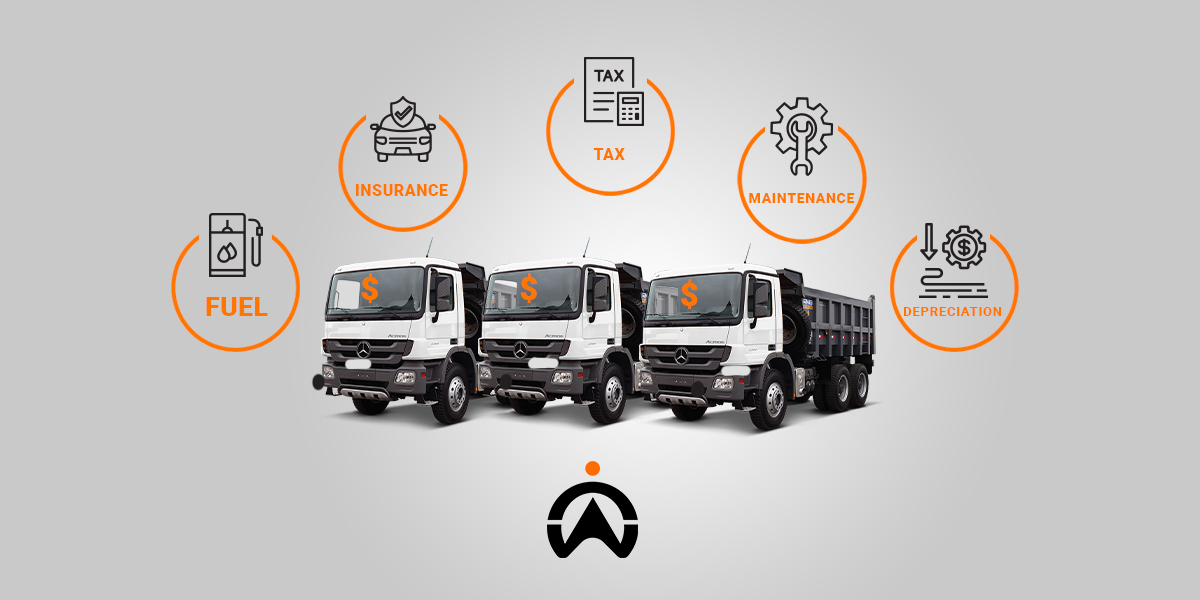
Understanding the Fleet Cycle
The first step in determining when it's time to replace your fleet is to record and understand its life cycle. This includes tracking and managing factors such as acquisition costs, insurance and maintenance costs, optimisation and efficiency, risk of breakdowns and downtime, disposal, and resale value.
Why is the fleet cycle so important?
Depreciation is also the largest fixed cost in a fleet. That is why you should maximise the lifecycle, performance, and utilisation of your fleet to get the best value from it.
You can also quickly identify inefficiencies, such as ongoing breakdowns and repairs, and then address them before they become too expensive. Since maintenance and service costs account for at least 7% of a vehicle's cost, you need detailed and up-to-date maintenance records to keep track of this.
When is the right time to sell your fleet?
This depends on several factors and can vary for each fleet. Everything comes down to the right timing for fleet owners of a fleet. This may involve assessing vehicle age, mileage, composition, size, utilisation, maintenance costs, and technological advancements in the market.
7 Signs It's Time to Change Your Fleet
- Damage After Damage: And cost after cost, for maintenance repairs. If this happens frequently, keeping the vehicle isn't worth it. Reducing repair costs and downtime will help you save money, making the investment in a new vehicle worthwhile.
- Excessive Fuel Consumption: On average, a vehicle consumes about 30 to 40 liters of fuel for every 60 miles traveled. Fuel is one of the largest expenses for fleet managers. With fuel costs constantly rising, it may be wise to upgrade to a newer or more capable vehicle with better fuel economy to help reduce fuel costs.
- Over 100,000 km: Vehicles with over 100,000 km on the clock may be considered "middle-aged," the point at which maintenance costs begin to increase. Mileage is always an indicator of wear and tear. If it's too high, it may need some major repairs. However, as we know, we shouldn't judge a vehicle's age in isolation but rather look at other factors such as the vehicle's condition, maintenance history, and service records. This helps provide a more accurate assessment of the vehicle's long-term viability and durability.
- Excessive Age: Even if a vehicle’s mileage is still relatively low, fleet vehicles that are five years or older should be considered for replacement. This is because most vehicle warranties will have expired and repairs are likely to become more expensive.
- Dissatisfied Drivers: Drivers will be the first to tell you if a vehicle isn't in good condition. Any doubts from them should be a concern for us, especially when we want to keep our drivers and fleet safe.
- Out-of-Date Technology: Having the latest technology helps keep your fleet running at peak performance and reduces the risk of accidents, ensuring the safety of both employees and cargo. This includes GPS navigation systems that help drivers make safer deliveries, or rearview cameras and bumper sensors for added security.
- Vehicle Body Condition: If a vehicle has extensive damage to the exterior, it can reflect poorly on the owner's reputation and can be expensive to repair. If the car's bodywork is this bad, it's best to sell it.
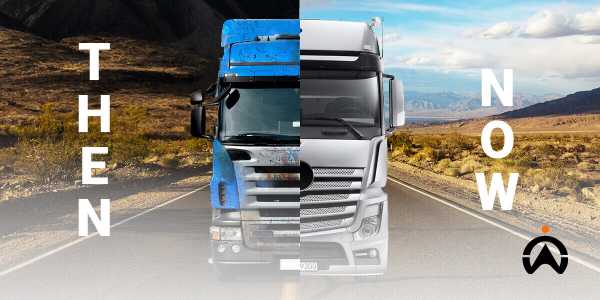
A more perfect, safe and efficient fleet
Understand your vehicle lifecycle with the best features from Cartrack Indonesia:
- Maintenance tracking: Check your vehicle's health and performance to see when they're below standard with maintenance history reports. Service your vehicle regularly and maintain its condition with scheduled maintenance notifications. Use this to maintain your vehicle's warranty and maximise its lifespan.
- Asset utilisation rate: Cartrack Indonesia helps monitor vehicle usage and their functional capacity, and determine whether vehicles are being used properly. If vehicles are underutilised, managers can sell them and invest the money elsewhere. Overuse can lead to more maintenance issues, or even require the purchase of additional vehicles for your fleet.
- Fuel consumption report: Use the fuel consumption report to assess whether your vehicle is using more fuel than budgeted. This could mean the vehicle is inefficient, has maintenance issues, or is being stolen. Replacing such a vehicle with a newer, more fuel-efficient model can help save on fuel costs. You can also use this report to compare vehicles, allowing you to choose one with better fuel consumption.
Get data from Cartrack Indonesia and create the best vehicle replacement plan.
Click here to find out more!