EN
EN  ID
ID 


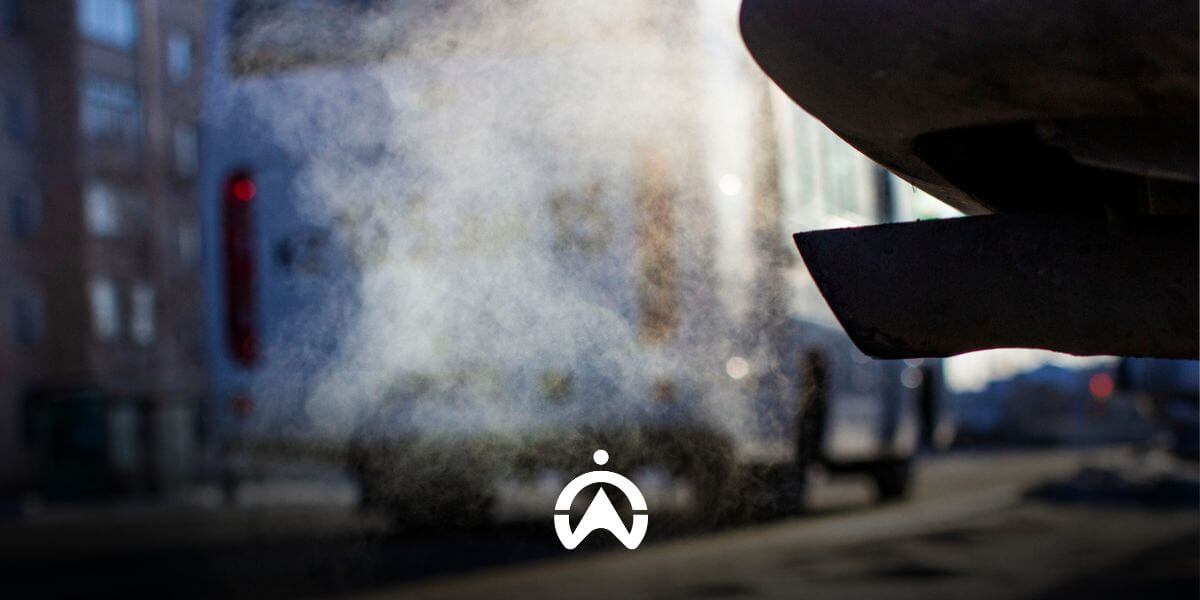
Drivers often leave the engine running while unloading deliveries, get stuck in traffic, or take phone calls at the roadside. Every second the engine is running incurs costs. So, how can unnecessary engine idling be reduced and operating costs be saved?
What is Idling?
Idling is when a driver leaves the engine running while the vehicle is parked or stationary. Every day, millions of cars and trucks are idling unnecessarily.
Examples of Vehicle Idling
Idling can occur in traffic jams, in line at a restaurant drive-thru, or while loading or unloading at the dock. If you're a fleet manager with multiple drivers and vehicles, you'll want to monitor whether they're leaving their vehicles running while unloading, running during traffic jams, or using the AC excessively.
So, What is the Issue with Leaving the Engine On?
Idling for more than 10 seconds uses more fuel and produces more emissions, contributing more to smog and climate change than stopping and restarting your engine. Idling also contributes significantly to general vehicle wear and tear, far more than most people realise.
5 Reasons to Stop Vehicle Idling
1. Reduce wear and tear on vehicle components
One hour of daily engine running can cause approximately 102,998 km of wear on the engine in a year. This is just for one vehicle. Excessive wear can increase maintenance costs by nearly Rp30,220,000 per year and shorten the engine's lifespan. Excessive engine revving puts significant stress on vehicle components. Idling can cause twice as much wear on internal components as driving at normal speeds.
2. Prevent health risks
Engine idling produces the same amount of pollution as a moving vehicle. These pollutants negatively affect health and are linked to illnesses including asthma, heart disease, chronic bronchitis, and cancer. Some studies even report that acute exposure to pollution can result in hospitalisation due to respiratory conditions.
In addition, when a vehicle is idling, there is no airflow to disperse emissions. Therefore, fleet managers should also take steps to reduce engine idling for the health of drivers, as they are more exposed to vehicle pollution than when the vehicle is in motion.
3. Protect the environment
Reducing carbon emissions remains a top concern. In 2022, 38% of shippers, drivers, and operator owners felt pressure to cut carbon emissions in their business. Every 10 minutes your engine is off, you prevent one pound of carbon dioxide from being released (carbon dioxide is a major contributor to global warming). One litre of wasted diesel fuel produces 2.64 kg of CO2 into the atmosphere.
4. Save fuel costs
A car that is idling consumes between 0.76 and 2.65 litres of fuel per hour. A diesel truck that is idling consumes around 4 litres of fuel per hour. One of the most effective ways for companies to build a sustainable business is to use less fuel. Taking steps to reduce mileage and minimise engine idling is a way to reduce fuel consumption and therefore save costs.
4 Ways to Reduce Idling Using a Fleet Management System
1. Driver behaviour reports
Fleet Management System provides data reports on driver behaviour such as when the engine is started, harsh driving, speeding, braking, and manoeuvring. If excessive engine starts are detected, the fleet manager can prevent it. The software reports can also show which drivers have longer engine run times than others, so the fleet manager can notify the drivers accurately.
2. Driver education and motivation
Some people believe that restarting an engine uses more fuel than leaving it running, and your driver may be one of them. According to the Environmental Defense Fund, idling the engine for 10 seconds wastes more fuel than restarting it. Educating drivers about this can encourage them to switch off their engines whenever they are stopped for more than 10 seconds. In fleet management, standard operating procedures for engine idling should be part of the training programme and safety culture. Fleet managers should teach drivers about the impact of excessive engine idling and how to avoid it. Ultimately, this will motivate and empower them to improve their driving behaviour.
3. Optimised routes
Dengan menganalisis data rute yang disediakan, kamu dapat mengetahui di mana terbanyak terjadi dan alasannya, dan mengoptimalkan rute dapat mencegah hal ini. Kemacetan lalu lintas adalah penyebab utama waktu tunggu penyalaan mesin meningkat. Kamu dapat menggunakan GPS Tracker Software untuk mengoptimalkan rute perjalanan.Fitur route optimization dari Cartrack Delivery menggunakan dan algoritma untuk mengevaluasi semua rute yang mungkin untuk pengemudi ambil. GPS Tracker Software menilai beberapa variabel saat menentukan rute terbaik, termasuk lalu lintas saat ini, kecelakaan, dan blokade jalan. Pengemudi dapat menyesuaikan rute mereka saat dalam perjalanan atau sebelum memulai perjalanan.
4. Geofencing area
Fleet managers can use the geofencing area feature to cut down on truck engine idling time by setting up a geofence in the engine start area. When a vehicle enters the designated area, the telematics device will show how long the engine has been running there and send an alert if it’s idling for too long.
As explained above, by reducing idling, business owners can cut down on maintenance costs and fuel expenses. This will obviously have a big impact on net profit and the overall business gain.
If you're looking for extra security features and an advanced fleet management system, Cartrack Indonesia offers various features such as driver behaviour reports, route optimisation, and geofencing areas. Cartrack Indonesia also provides a Scorecard for each driver. This Scorecard can help reduce bad driving habits like excessive engine idling and speeding, which in turn can extend vehicle life, lower the risk of accidents, and improve operational efficiency.
Save on fuel and operating costs from now on, use Cartrack GPS Tracker!