EN
EN  ID
ID 


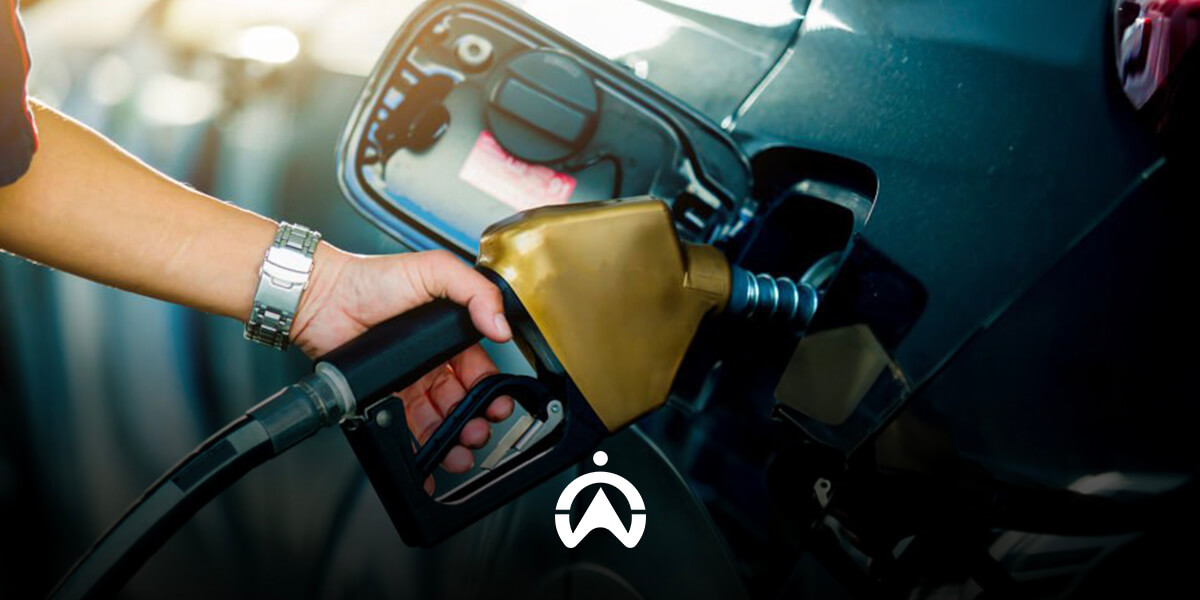
Using fuel sensors is an effective way to monitor detailed fuel usage across a company's operational fleet. This monitoring is essential due to unnoticed waste and undetected fraud.
In this article, we'll discuss fuel monitoring using fuel sensors. We'll also discuss how this technology can help your business achieve maximum efficiency.
Why is Fuel Monitoring Important?
Before we discuss further about fuel sensors, we first need to know why fuel monitoring is important.
Fuel Efficiency
Monitoring fuel consumption can help you identify waste or inefficiencies. By noticing potential waste, you can investigate the causes and implement overall savings in the future.
Spending often becomes inefficient due to undetected fraud and cheating. Using a fuel sensor allows you to detect and address this fraud.
Vehicle performance
This monitoring also allows you to obtain information regarding the engine's condition. This is because fuel waste or leaks often indicate potential engine damage.
In addition, this type of monitoring typically involves fleet telematics devices and GPS trackers. It also allows you to identify fuel-wasting driving behaviours, such as frequent speeding, harsh acceleration, and excessive idling.
Fleet Maintenance Management
Read Also: What Is a Fuel Management System
Timely maintenance will make your vehicle run more efficiently, reduce the risk of major breakdowns, and extend its lifespan. Indirectly, this also helps reduce long-term operating costs.
Emission
With fuel monitoring, you can calculate how effectively you're using fuel. You can also reduce carbon emissions and keep the air clean by optimizing fuel usage.
Also Read: What is a Fuel Management System?
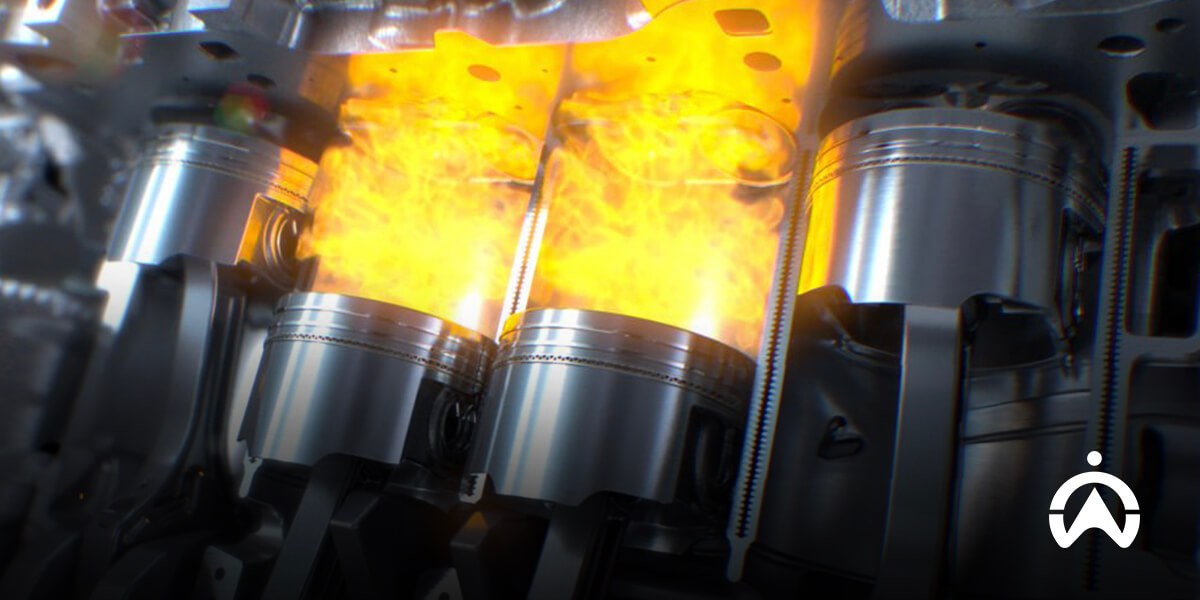
What Is a Fuel Sensor and How Does It Work?
A fuel sensor is a device used to determine the fuel level in a vehicle's tank. By measuring the fuel level in the tank, you can determine the amount in litres.
This tool is usually integrated with a Fleet Management System (FMS) and fleet telematics, allowing you to access the data in an easy-to-read format. Some devices you can use to monitor vehicle fuel consumption include:
Fuel Floater
Every vehicle is equipped with a fuel floater as a built-in sensor or monitoring device. You can see the fuel floater data on the dashboard, specifically in the fuel gauge, which generally doesn't display actual values.
In a fleet management system, this floater is connected to a dedicated telematics device to convert the data into litres. This way, when you access the data on the system dashboard, you'll know the actual figures.
Fuel Probe (Fuel Stick)
As the name suggests, this sensor is rod-shaped and mounted vertically in the vehicle's fuel tank. Unlike a floater sensor, this stick-shaped sensor is an additional sensor typically provided by the Fleet Management System.
This sensor works by reading the oil level in the tank, then the telematics device sends the data to the system. You'll then be able to view this data on the dashboard in the form of graphs or tables in reports.
CANBus
CANBus is a system that allows components in a vehicle to communicate with each other over a single channel. Unfortunately, not all vehicles are equipped with a CANBus system, and not all vehicles' CANBus systems provide fuel information.
This system isn't actually a sensor, but rather a communications centre whose data can be "tapped" by attaching specific telematics devices. This telematics system converts the data into readable formats, such as numbers and graphics.
Fuel Sensor Integration with Fleet Management System
The use of fuel sensors is inseparable from their integration with fleet management software. This is because sensors are simply tools for collecting data and require specific software or systems to read and analyse it.
This integration will also expand fleet management monitoring capabilities, as GPS monitoring is integrated with fuel monitoring. You can also validate fuel claims by viewing vehicle travel history.
Benefits of Using Fuel Sensors in Fleet Operations
Using a fuel sensor will help you obtain accurate operational expense data. Here are the benefits of using a fuel sensor to monitor fuel consumption for your company.
Reduce Expenses and Increase Efficiency
Real-time fuel consumption monitoring is an effective way to detect waste and other issues. By knowing your usage in real time, you can identify the causes of waste and correct them.
This will help you maintain a stable budget, prevent losses, and reduce repair costs. All of this will impact fleet operational spending efficiency.
Reducing Vehicle Downtime
Downtime is an operational constraint that reduces vehicle productivity. Downtime is generally caused by sudden, unforeseen breakdowns.
With fuel monitoring, you'll also be connected to fleet telematics, which can detect engine damage and repair it. Well-maintained vehicles are more fuel efficient and reduce downtime.
More Accurate Expense Analysis
As previously mentioned, fuel sensors are usually bundled with a Fleet Management System (FMS). The use of sensors and fleet telematics within this system allows for clearer data readings and measurements.
With more measurable data, you can record expenses more accurately. This will facilitate budget evaluations and audits, and can inform strategic policy development.
Also Read: Is Fuel Consumption More Economical When Driving on Toll Roads?

Fuel Monitoring with Fuel Sensor from Cartrack
Cartrack's Fuel Monitoring includes the use of sensors tailored to each vehicle, namely:
-
Fuel Analog: Utilizing the vehicle's built-in floater or sensor by adding a telematics device so that the data can be converted into liters.
-
Fuel Probe: Uses a rod-shaped sensor embedded directly in the vehicle's fuel tank and telematics to transmit data.
-
CANBus: Adds a telematics device to “tap” the vehicle’s CANBus data to find out fuel information.
Cartrack's Fleet Management System offers several unique features to support your fleet's fuel monitoring. These include:
Driver Scorecard
This report helps you identify driving habits that contribute to increased fuel consumption. For example, speeding, harsh acceleration, sudden braking, sharp turns, and too long.
You can develop targeted training materials for drivers using the data from this report. This way, you can reduce bad driver habits and maximise efficiency.
Fuel Consumption Graphs and Reports
Cartrack's Fleet Web platform allows you to view fuel usage graphs to detect waste. You can also identify a drastic drop in fuel levels, which could indicate theft.
Not only that, you can also set up notifications for any increases or decreases of a certain amount. Usage reports are also accessible in tabular form and can be set to be received weekly or monthly.
MiFleet
MiFleet is a dedicated expense management feature, including fuel expenses. This feature allows you to record and separate fuel and other expenses for each vehicle.
With MiFleet, you can validate fuel claims and detect potential fraud or misuse. MiFleet is accessible within the FleetWeb platform, and you can receive regular reports.
Monitor Your Fleet's Fuel with Cartrack Now
Fuel waste often goes unnoticed, and fraud often goes undetected. With a fuel sensor, you can track fuel usage in liters, presented in graphs, notifications, and tables in reports.
All of this will significantly reduce fuel costs, allowing you to improve your company's spending efficiency. Learn more about Fuel Monitoring now by filling out the form below.
Also Read: Easy Ways to Calculate Fuel Consumption in Your Fleet
Cartrack's fuel sensor uses advanced telematics to convert data into understandable units (litres). This allows you to see fuel consumption and analyse fuel waste more accurately.