EN
EN  ID
ID 


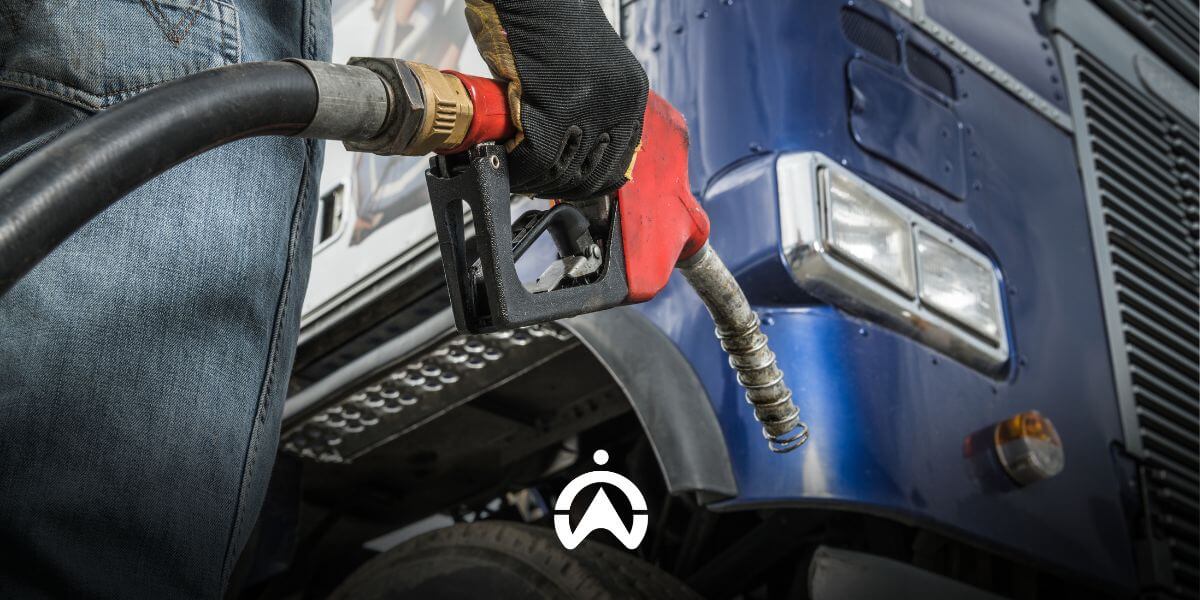
GPS-based fleet management systems offer a range of optional features tailored to your needs, one of which is the fuel sensor. This device is used to monitor and measure the fuel volume in a vehicle's tank. The resulting fuel monitoring data is displayed on mobile apps and fleet management software, alongside tracking data from the GPS tracker. Here are four functions of fuel sensors within a fleet management system.
1. Monitoring Fuel Volume in Real-Time
You may encounter various types of fuel monitoring devices when selecting a fleet management system. Cartrack offers two types: one that integrates with the vehicle's fuel gauge and another designed for external fuel tanks, such as those found on trucks and heavy machinery. Both provide real-time data on the fuel volume in the tank (in liters), which you can monitor at any time via Cartrack’s mobile app and software (Fleet Web).
2. Tracking Fuel Activity
A fuel sensor enables you to track all fuel-related activity within a vehicle's tank. By integrating this with a GPS-based fleet management system, you can generate automated reports that combine data from the GPS tracker to provide comprehensive insights. For instance, Cartrack’s Fuel Summary Report provides information on fuel consumption levels, distance traveled, and average fuel consumption per 100 km over a selected period. Meanwhile, Cartrack’s Refuel Report offers detailed information on refueling events, such as location, time and date, odometer reading at the time of refueling, and fuel volume levels before and after the fill-up.
Read also: What Is a Fuel Management System and What Are Its Benefits?
3. Sending Fuel Alerts
With fleet management software—such as Cartrack’s Fleet Web—you can configure alerts for fuel refilling and fuel loss. These alerts are sent via email or SMS in real-time whenever a vehicle equipped with a fuel sensor undergoes refueling or experiences fuel loss. Fuel loss alerts are triggered by a drastic drop in fuel volume—for instance, due to fuel siphoning, a tank leak, or a vehicle fuel gauge malfunction. You can also verify this by checking the Fuel Graph Report to see if it displays a sharp decline in fuel consumption for that day.
4. Prevent Fuel Fraud
With this system, you can verify fuel receipts and ensure that the claimed fuel volume matches the data tracked by the fuel sensor. Additionally, fuel loss alerts and the Fuel Graph Report heighten your awareness regarding potential fuel theft. Consequently, you can prevent significant financial losses resulting from fraudulent claims and fuel theft.
Add a fuel sensor to your fleet management system package to keep fuel costs efficient. Entrust your fuel monitoring and fleet management to Cartrack—speak with our consultants today and get a FREE LIVE DEMO of the Cartrack fleet management system!