EN
EN  ID
ID 


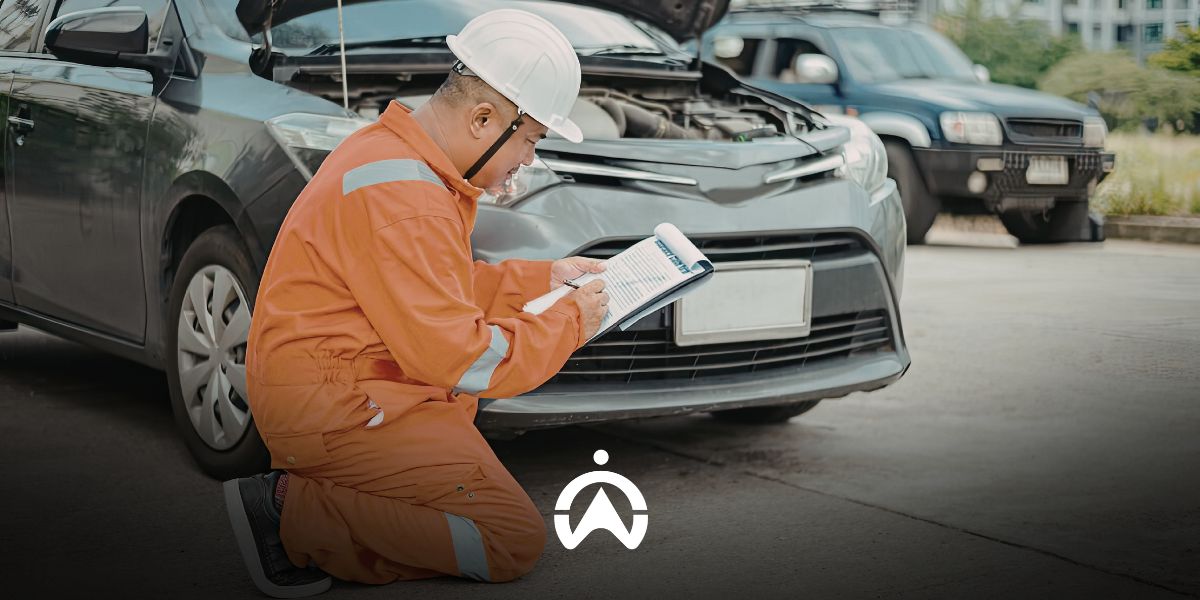
The term downtime refers to the time during which a service or system activity cannot operate. In transportation companies in Indonesia, downtime commonly occurs in vehicles due to damage, decreased vehicle performance, and human error. Vehicle downtime in transportation companies causes business and operational activities to be unable to run optimally. Therefore, it is important for transportation companies in Indonesia to make efforts to reduce vehicle downtime. This way, transportation services run smoothly and business losses can be avoided.
One strategy for reducing vehicle downtime for transportation companies in Indonesia is implementing a GPS-based fleet management system. This technology digitizes vehicle maintenance management, making efforts to reduce downtime more practical and efficient. Here are 5 things transportation companies in Indonesia can do to reduce downtime through fleet management system implementation.
1. Install a GPS Tracker and Monitor Vehicle Usage
How vehicles are used on a daily basis can impact the amount of downtime. To monitor this, you need to install GPS trackers on every vehicle in your transport fleet. You can track the activity of each vehicle—such as operating duration, stop times, distance travelled, harsh braking, aggressive acceleration, and sharp maneuvers. You can also instantly determine the fleet's peak operating hours and vehicle utilization rates. Based on this data, you can identify which vehicles require extra maintenance due to poor driving habits, overuse, or infrequent operation.
2. Take Advantage of Automatic Vehicle Analysis Reports
Various vehicle information detected by the GPS tracker is presented in the form of automatic reports that you can download or send immediately to your email address. With automatic reports that shorten the process of information movement, identifying vehicle performance and handling downtime can also be faster. In addition to detailed information, automatic reports also provide analysis, making it easier for you to take follow-up actions to prevent downtime quickly and accurately. Some automatic reports that you can use to minimize downtime are the Vehicle Operating Hours Report, Risk Management Report, and Driving Safety Report.
3. Automated Periodic Maintenance Scheduling
Periodic maintenance is crucial for minimizing vehicle downtime. However, planning maintenance for a fleet is challenging—especially when done manually—since each vehicle may have unique requirements. With the scheduling automation features found in fleet management software integrated with GPS trackers, each vehicle can have a tailored maintenance schedule based on dates, mileage, and operational duration. Notifications can be set to trigger in advance—whether by time or mileage—giving you the opportunity to organize fleet operations so they remain uninterrupted by maintenance schedules.

4. Digitization of Driver Vehicle Inspection Reports (DVIR)
Vehicles that are no longer new and see frequent use may encounter unexpected issues or require part replacements sooner than anticipated. Since drivers are the primary users, it is essential to provide a digital tool—specifically the Driver Vehicle Inspection Report (DVIR)—that allows them to report vehicle issues while on duty for subsequent follow-up. If you use Cartrack, this feature is available via the dedicated driver app. Using their mobile phones, drivers can report problems regarding side mirrors, steering, the horn, tires, oil levels, the handbrake, headlights, the fuel tank, and more. Reports include a timestamp (automatically generated), odometer reading, and photographic evidence captured via the phone's camera or gallery. Drivers can then transparently track the progress of the report's resolution.
5. Monitor Vehicle Maintenance and Service Progress
Effective administration ensures that no vehicle issue reports or scheduled maintenance appointments are overlooked, allowing vehicle operations to run smoothly without downtime disruptions. A fleet management system centralises data for the entire fleet, enabling you to comprehensively monitor the progress of issue resolutions and maintenance tasks. With Cartrack, the fleet web interface makes it easy to access the information you need and identify the next priorities requiring attention.
Avoid business losses caused by excessive downtime in your transport company's fleet operations by using Cartrack’s GPS-based fleet management system. Experience the benefits of Cartrack’s digitized vehicle maintenance management system—contact us now to get a FREE LIVE DEMO.