EN
EN  ID
ID 


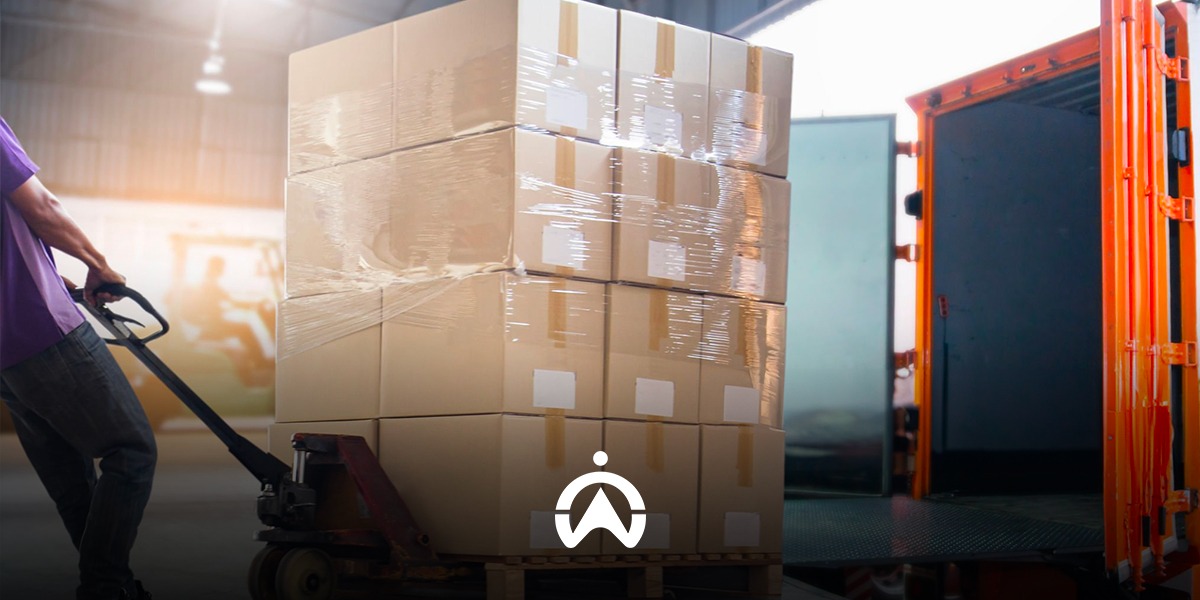
Wholesale entrepreneur (wholesaler) is a crucial part of the distribution chain in the business world. They purchase goods in bulk directly from manufacturers or distributors to resell in smaller units. Their buyers are quite varied, including retailers, commercial industries, institutions, and direct product consumers.
The following are 6 functions performed by wholesaler in its trading activities.
1. Collector and keeper
Wholesalers purchase a wide variety of goods from several manufacturers before demand arises. They maintain large inventories and ensure that goods are consistently available to retailers. The time lag between the inflow and outflow of goods means that wholesalers also serve as storage facilities. Retailers can replenish their stock periodically by purchasing goods from these wholesalers.
2. Sorter, breaker and packer
After purchasing various types of goods from several manufacturers, wholesalers sort them according to size, shape, quality, and so on. They then divide them into smaller lots. Some even repackage them and add their own brands. They perform grading and standardisation functions, ensuring a consistent supply of quality to retailers.
3. Market analyst
Wholesalers monitor market conditions. They gather information from retailers about changing consumer tastes, fashions, and buying habits, which they can then pass on to manufacturers. They also conduct market surveys, comparing prices, quality, taste, purchasing power, competitors, and more. Based on their extensive knowledge of products from different manufacturers, they can also advise retailers.
4. Price stabiliser and risk reduction
By predicting market conditions, demand, and tastes, wholesalers prepare to meet emerging demand. They help stabilise prices by ensuring supply meets demand. Not only do they stabilise prices, but they also help producers mitigate greater risks in the distribution process. Risks arise, for example, from changes in demand or damage to goods during storage.
5. Capital provider
Wholesalers provide financial support to manufacturers and retailers. For manufacturers, wholesalers purchase large quantities of goods regularly with cash, which naturally supports the sustainability of their businesses. They also often order goods in advance to meet surging demand, by paying a deposit or guarantee. For regular retailers, wholesalers sometimes accept installment payments.
6. Goods distributor and transportation provider
Wholesalers enable manufacturers to reach a wider range of consumers and locations. They transport goods from manufacturers to their own warehouses and subsequently to retailers. They even provide delivery services to reach more retailers and retain major clients, managing and maintaining their own fleets of transport vehicles for the movement of goods.
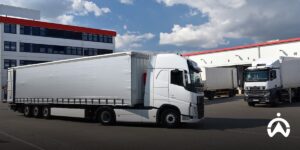
Wholesale business owners require GPS trackers to help manage their transport vehicles and drivers. Beyond simply tracking vehicle locations, these owners can also monitor driver reliability and the security of their goods with the help of GPS trackers.
Wholesale business owners require GPS trackers to help manage their transport vehicles and drivers. Beyond simply tracking vehicle locations, these owners can also monitor driver reliability and the security of their goods with the help of GPS trackers.