EN
EN  ID
ID 


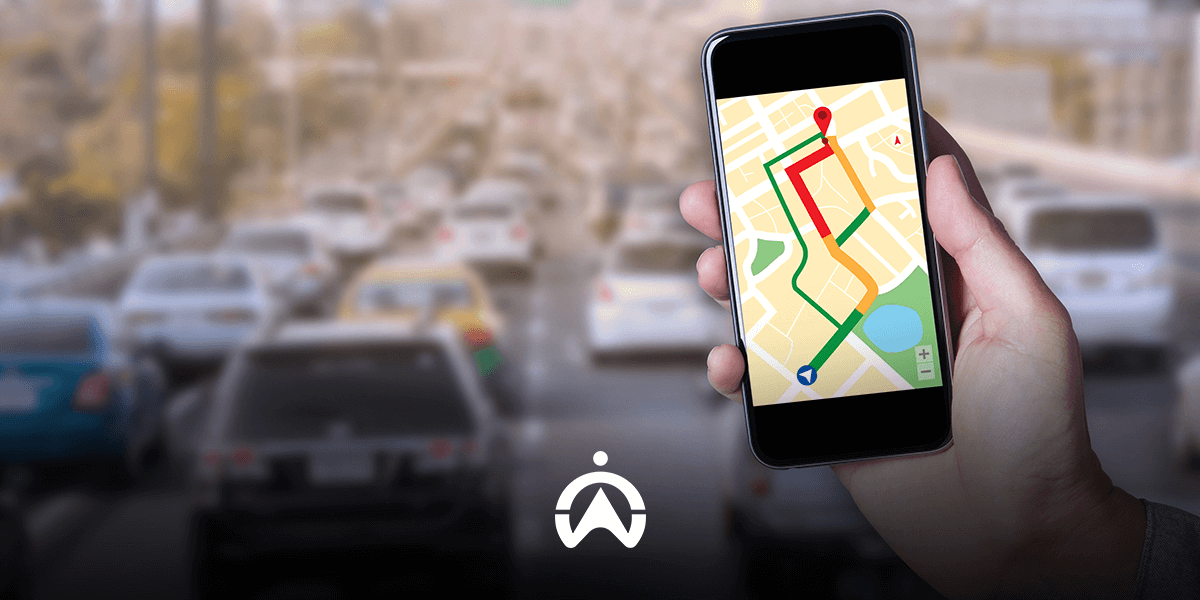
As a fleet manager, helping drivers avoid high-traffic areas is crucial to maintaining fleet operational productivity, service efficiency, and low fuel and maintenance costs.
Before we learn what can help fleets avoid traffic jams, let's first learn what causes traffic jams!
Causes of traffic jams
There are several reasons why we experience traffic jams, let's discuss them one by one!
Weather conditions
Depending on geographic location, different weather conditions will affect traffic. Excessive rainfall, flooding, and weather-related damage to road infrastructure contribute to traffic congestion. Therefore, weather isn't always directly responsible for traffic congestion, but rather the after-effects of weather events that block roads and cause congestion.
Construction
Beyond simply being a hindrance to road users, these projects can significantly impact traffic flow. Lane closures, diversions, and merging zones can create bottlenecks, leading to delays. Furthermore, the delivery of construction materials during peak traffic hours can exacerbate congestion. The workers themselves, traveling to and from the site, can contribute by increasing overall traffic volumes.
Bad driving habits
Following too closely, aggressive driving, high speeds, and sudden lane changes can all cause accidents and impede traffic flow. Likewise, distracted driving, such as texting while driving, can cause accidents, causing congestion and buildup on roads that should not be congested.
Inadequate public transportation
Inadequate public transportation plays a significant role in the reality of congestion. When public transportation lacks adequate capacity and coverage, people lack the option to use it, forcing them to use private vehicles, which block roads and exacerbate traffic congestion.
Hole
These potholes aren't just an annoyance; they can actually slow down traffic, affecting the flow of traffic and overall efficiency. Potholes can damage vehicles, forcing drivers to slow down or stop. Furthermore, they are a common cause of road narrowing, as cars must avoid them. Potholes can also cause accidents and road closures, slowing traffic.
Power outage
Power outages significantly impact traffic congestion, as do poor road conditions. Worse still, power outages make it difficult to plan effective fleet routes because it's uncertain which traffic lights will be operational. The complex road network is designed to function optimally with functioning traffic lights, and without them, traffic becomes chaotic.
Infrastructure problems
No matter where a fleet operates, infrastructure issues are bound to arise, as they are common in many cities and across the country. These include a lack of new roads, bridges, highways, and road construction caused by new infrastructure development.

Why fleets should avoid traffic jams
While it may seem obvious that no one wants to be stuck in traffic jams, fleet managers have specific reasons why they want their drivers to avoid them.
- Waste of time: If you run a fleet business, you know that time is money. The more time drivers spend stuck in traffic, the greater the productivity impact, which can lead to costly losses and unmanageable productivity. Furthermore, if the fleet is transporting perishable goods, traffic congestion places significant pressure on drivers and the business to maintain customer satisfaction and avoid cargo damage and reduced profits.
- Violation: While one or two drivers may get away with cutting their travel time by driving on yellow lines and cutting cars in front, this behavior worsens traffic congestion for all road users and contributes to fleet violations.
- Fuel wastage: Traffic congestion is a major cause of excessive fuel consumption. While it may be more fuel efficient to turn off the engine, idling for more than ten seconds will create congestion, requiring drivers to be prepared to honk their horns to warn others and continue moving forward with other drivers.
Let Cartrack help overcome fleet traffic congestion to increase profits and efficiency.
-
Route planning and optimisation: Ensure drivers avoid traffic jams and save fuel by sticking to carefully planned, defined routes with our route planning tool. Use Cartrack's route optimization tool to create intelligent routes based on key factors like traffic, increasing productivity and extending vehicle life.
- Vehicle tracking: Gain full fleet visibility and track drivers in real-time with our advanced GPS vehicle tracking system. Know where your drivers are and make proactive changes that can save time and money.
- Delivery application: Stay connected with drivers wherever they are with instant assignments, updates, and job prioritization, so your fleet can work smarter and faster in high-traffic areas and help you make the most of every shift, every day.
- Camera solution: Cartrack's LiveVision camera solution offers wide-angle in-cab and road-facing cameras with footage that can be streamed live on the Fleet Pages platform, helping to monitor drivers and traffic conditions, maintain vehicle health, and avoid unnecessary complications such as overheating of the load when drivers are stuck in traffic jams.
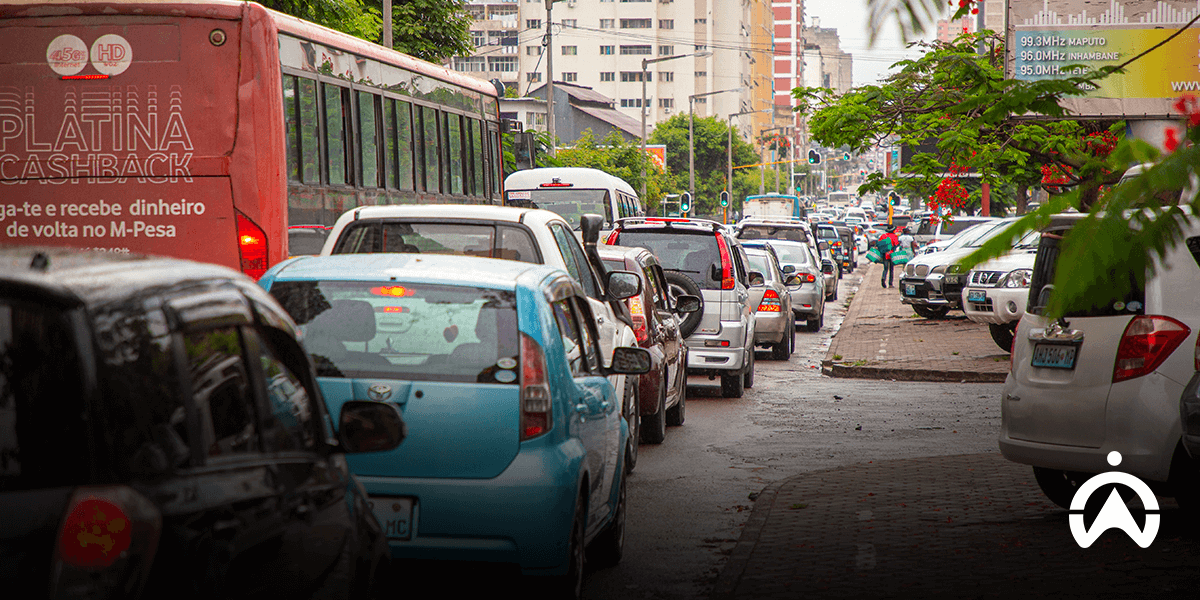
Cartrack Delivery's route optimisation feature helps businesses reduce delivery distances, leading to faster deliveries and improved cost efficiency, ultimately increasing productivity and customer satisfaction.
Cartrack can help fleets get through traffic jams
Contact Cartrack today to start guiding your fleet through traffic jams and improving operational efficiency. Click the link below!