EN
EN  ID
ID 


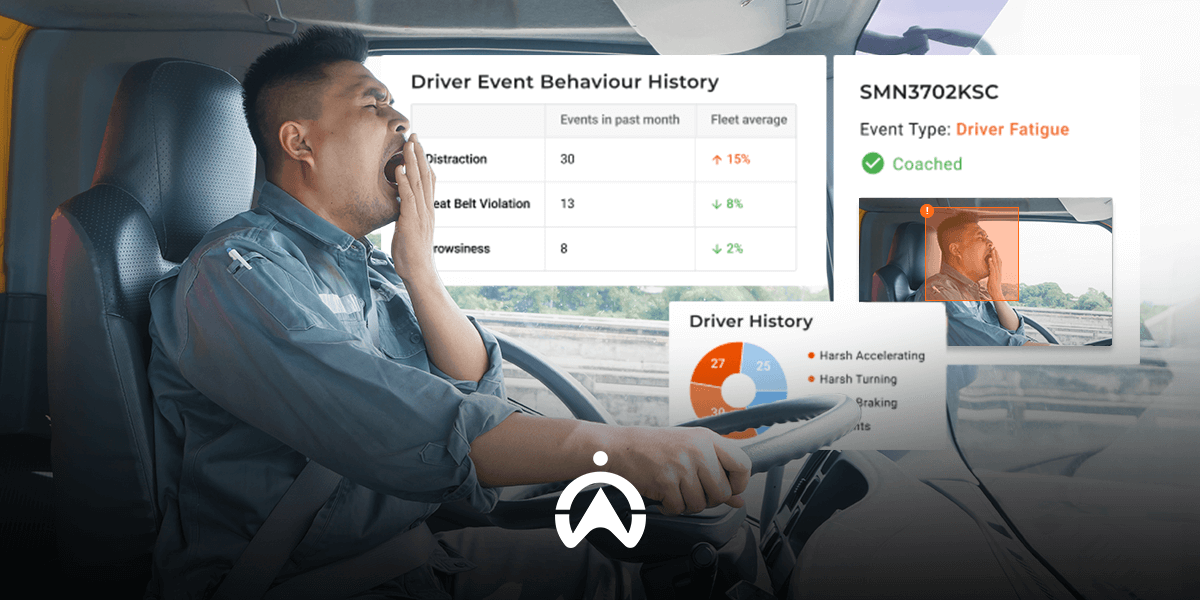
In company operations, vehicle use almost always involves driver involvement. As your fleet grows, so does the need for driver management.
Driver management is just as important as fleet management. In this article, we'll discuss what driver management is and what you need to do to maximize it.
What is Driver Management?
Driver management is the process of managing, monitoring, and optimizing driver performance within a business's operations. This process includes training, scheduling, monitoring, and assessing driving behavior.
Ideally, driver management requires telematics for data-driven monitoring to facilitate assessment and evaluation. Therefore, driver management is often considered a subset of fleet management because it often involves the same telematics.
What are the Benefits of Driver Management?
So, what are the benefits of implementing driver management? Here are some of them.
1. Improve security
By having data on aggressive driving behavior and risky habits, you can provide effective driving training to drivers. This will reduce the risk of accidents that could harm company operations.
2. Optimising regulatory compliance
The government has implemented regulations to ensure road safety, such as banning the use of mobile phones. Camera monitoring can identify drivers who are using mobile phones and not focused on driving.
3. Cultivate accountability
With assessments, proper driving training, and company regulations, drivers can be more responsible. This is evident in the reduction in risky behaviors such as speeding and emergency braking.
4. Maximise vehicle use
Good driving behavior not only minimizes damage but also reduces the risk of accidents. Both play a crucial role in reducing downtime that disrupts operations and extending vehicle lifespan.
5. Save costs and increase efficiency
Significantly reducing breakdowns will increase the productivity of your operational vehicles. This not only saves repair costs but also improves delivery time efficiency.
Read Also: Understanding Transportation Management Systems and Their Benefits for Businesses
How to Implement Driver Management?
If you are new to implementing driver management, here are some initial steps you can take.
1. Identify risky driving behaviors and habits
The first thing you need to do is identify aggressive driving behaviors such as speeding, sudden braking, and sharp turns. Furthermore, you also need to determine whether the driver frequently loses focus while driving.
By knowing these things, you can implement rules such as driving training or issuing warnings to the driver in question. This will significantly reduce the risk of accidents.
2. Provide training for drivers
When it comes to training, you might think it's only mandatory for new drivers. However, you should schedule regular training for experienced drivers based on assessments of their driving behavior.
In this way, good driving behavior is not just an initial formality, but becomes a company operational standard. In the long term, this can develop into a culture that offers numerous benefits.
3. Implement a daily checklist
Next, you should implement a daily checklist, both regarding trip details and checking the condition of vehicle components. This will make it easier for drivers to identify and report any vehicle problems.
This way, drivers can recognise their contribution, responsibility, and vital role in maintaining company assets. Fleet maintenance will be much easier with their direct involvement as daily users.
4. Create driving safety rules
In addition to involving drivers in vehicle maintenance, you need to establish rules regarding proper driving practices. This aims to extend vehicle life, minimise damage, and reduce the risk of accidents.
You can establish consequences for risky behavior, starting with training, warnings, and sanctions. Conversely, you should also reward drivers who consistently maintain disciplined driving practices.
5. Use technology
To achieve comprehensive driver performance monitoring and management, the use of technology is essential. With the right telematics, you can obtain critical data regarding drivers and their driving behavior.
This data will undoubtedly be extremely useful as evaluation material and as a basis for strategic company decision-making. This way, you can maximise efficiency and increase profits.

What Technologies Are Required?
As mentioned before, driver management involves a lot of technology, especially fleet telematics, so what do you need?
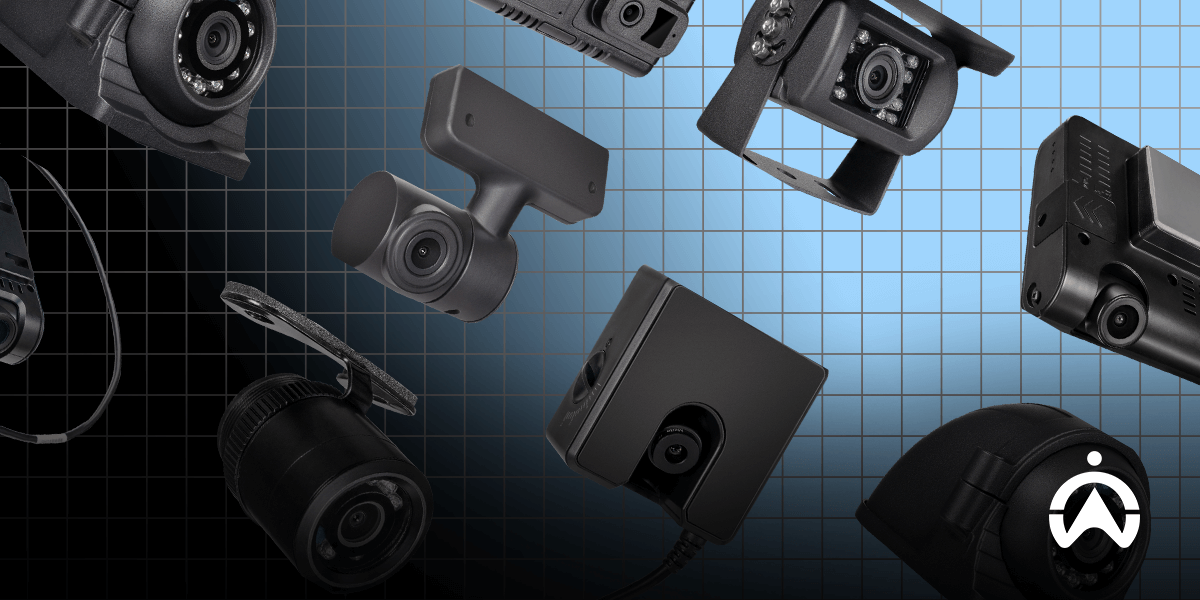
1. Camera Dashboard
Cameras with AI-powered driver monitoring features make it easier to remotely monitor driver behavior. Risky behaviors like cell phone use, smoking, and even microsleep can be detected.
By understanding this, you can provide training to drivers to cultivate better driving behavior. Also, establish regulations regarding short working hours to prevent fatigue.
2. GPS Tracker
GPS Tracker from the Fleet Management System functions not only as a tracking tool, but also to collect vehicle data. This includes data such as the odometer, vehicle active time, and even aggressive driving behavior.
In addition, there is also a Geofence feature to mark the boundaries of work areas or locations that vehicles must not enter due to security risks. All of this will be useful for detecting when a driver does not comply with safety-related rules.
3. Mobile App
Managing drivers would also be much easier if they were equipped with dedicated applications to accommodate their compliance and needs, such as accepting and completing jobs, sending proof of completion, and so on.
Furthermore, the app can also serve as a platform for submitting daily checklists, road information, and reporting damage. This digitalization allows for more efficient driver and fleet management.
4. Driver Scorecard
This automated scoring system will score drivers based on data from existing telematics. The system will detect the location of aggressive behavior as well as data from installed fleet cameras or dashcams.
You'll more easily identify drivers experiencing driving behavior issues and provide them with guidance. You can also reward and reward drivers with the best scores.
5. Fuel Monitoring
Fuel monitoring is also closely related to fleet management and driver behavior. Often, the perpetrators of fuel misuse and theft are your own drivers.
Monitoring using sensors will make it easier to detect waste, misuse, and theft. This data can be used as a benchmark for providing training and sanctions to perpetrators.
6. Alerts
You'll also need a system that allows you to receive automatic alerts or notifications, such as when a vehicle is turned on/off, or when it enters/exits a designated area. Geofence, or driving aggressively.
With these notifications, you can immediately act on potential hazards such as theft or risky behavior. This can minimize the possibility of vehicle theft and the risk of accidents.
7. Two-Way Communication Tool
Using a mobile phone is a traffic violation that can land drivers in trouble with the authorities. So how can you contact them without a mobile phone?
One method is to use a special device called a speaker. This device allows you and your team in the control room to contact drivers in the field without distracting them from driving.
Also Read: Field Service Management: Definition, Functions, and Benefits
Driver Management Solutions from Cartrack
Cartrack offers a comprehensive fleet management solution, including driver management. This eliminates the need for separate systems and allows you to manage everything from a single dashboard.
-
Fleet Management System (GPS Tracking): Cartrack offers GPS trackers equipped with fleet telematics that provide information ranging from position, odometer, vehicle active time, and so forth.
-
Fuel Monitoring: Fuel monitoring that allows you to know your fuel usage with three types of sensors that can be adjusted to suit your vehicle type and needs.
-
AI Camera: AI Cameras can detect mobile phone use, smoking, or distracted drivers, and then issue audible alerts to make the driver alert again.
-
Driver ID Tag: Allows you to identify drivers with a tag or password that can be used for shift allocation, vehicle usage restrictions, and working hour calculations.
-
Delivery: A delivery management solution that makes it easier for you to assign tasks, monitor deliveries, and automatically arrange routes to increase efficiency.
-
Two Way Communication: Long-distance two-way communication solution with the driver via a special speaker without having to use a cellphone which is a safety risk.
-
Panic Button: A panic button that allows drivers to notify you in the event of a medical emergency, accident, or crime so you can dispatch assistance immediately.
In addition to the various solutions mentioned above, Cartrack offers a dashboard accessible via the web and app. You can also configure an Alert Center, allowing you to customize notifications based on specific events.
Your drivers can also connect directly through a dedicated app for daily use. They can accept tasks, send proof of completion, and even request service if there's a breakdown.
Conclusion
Driver management is key to ensuring the safety, efficiency, and sustainability of your operations. With technology support from Cartrack, your company can have complete control over driver performance in real time.
Get a special driver management offer for your company from Cartrack. Fill in your details on the following form so our staff can contact you and recommend a fleet monitoring solution that fits your needs.
Also Read: Maximize Your Business Deliveries with a Delivery Management System