EN
EN  ID
ID 



Communication is a key method for conveying one's needs, actions, and thoughts to others and understanding them. In fleet management, communication is crucial; it plays a vital role in ensuring everyone is on the same page and building trust among team members.
In trucking, there is two-way communication; dispatchers communicate effectively with drivers to ensure they are working on schedule and understand the challenges they face, and drivers provide feedback on the progress of their tasks or any obstacles they encounter, creating a better workflow for the team.
It all depends on clear communication between both parties because with communication, managers can react in a timely manner to any situation their fleet faces, and without communication, the communication channels within the business can break down and prevent managers from carrying out their responsibilities.
What is the relationship between traffic dispatch and drivers?
One of the most important relationships in trucking is the one between the dispatcher and the driver, but due to lack of communication, high driver turnover, and other issues, the dispatcher-driver relationship is often strained.
Dispatchers are not former drivers who have risen through the ranks, most of them are new recruits to the company, with no previous traffic control work history or knowledge of the challenges and obstacles drivers face.
While traffic dispatchers used to be in the field or on the road with drivers, today most traffic controllers are in the office, overseeing their teams only through calls or management tools.
Roles and Responsibilities of Traffic Dispatchers
Without traffic control, fleets often wander without a plan or direction. Dispatchers bring organization and direction to drivers and technicians in the field by overseeing deliveries, pickups, and field service teams, managing asset utilization, and ensuring everything runs smoothly and on time.
All dispatcher responsibilities can be divided into two categories: logistics management and people management.
Here is the explanation:
Logistics Management
This is where dispatchers manage the supply chain, workflow, and task progress. Coordinating people, vehicles, and even equipment, dispatchers lead all these elements to accomplish their goals, whether it's completing tasks, deliveries, or service requests.
Dispatcher responsibilities in logistics management:
-
Schedule deliveries, pickups, and other appointments such as scheduling vehicle tracking unit installations for technicians and clients.
-
Ensuring the fleet complies with regulations in terms of driving hours, driving behaviour, number of breaks taken, etc.
-
Incident management
-
Oversee work orders, fuel management, and fleet maintenance needs.
-
Planning routes for workflow efficiency
People Management
This is the side of their responsibilities where clear and concise communication is essential. Dispatchers supervise and assist workers such as drivers and technicians in achieving their goals.
Dispatcher responsibilities in people management:
-
Onboarding new drivers and technicians
-
Helping workers with challenges that affect their work
-
Communicate with managers when workers are not following guidelines, need additional training, or are experiencing difficulties.
-
Offering customer support, including managing customer expectations regarding delivery
Depending on the business and industry they operate in, these responsibilities can vary. With all the people dispatchers have to guide in a business, can you see why communication is so crucial to their role?
5 Signs That Your Business Needs to Improve Communication with Dispatchers
When both parties fail to exchange information effectively when they need it, it often leads to decreased productivity, missed project deadlines, and failed sales.
Here are some of the impacts of poor communication in a team:
- Frequent Miscommunication
If you start to see signs of communication gaps between dispatchers and drivers, such as unclear delivery information or drivers failing to inform their managers about changes in plans or events that impact their ability to complete tasks, then there may be a communication problem. All critical information should be communicated in advance to ensure smooth operations for both parties. - Lack of real-time updates
If dispatchers struggle to oversee their drivers’ tasks or activities on a daily basis, this can be a clear sign of poor communication. Real-time updates regarding assessments, delivery status, or other important information should be communicated to help track performance, monitor vehicle usage, and manage customer expectations regarding delivery schedules.
Without this information, dispatchers may be unable to explain scheduling delays or inform customers about the whereabouts of their cargo, which can negatively impact customer satisfaction. - Decreased driver safety
Maintaining safety is a top priority that is regularly enforced, monitored, and reported through incident management methods. Without communication or following established actions for specific incidents within the fleet, safety standards can decline and safety procedures will not be followed, endangering drivers, other road users, and workers on the job. - Decrease in productivity
Lack of communication leads to inefficiencies in completing tasks. When activities during work hours aren't recorded and followed up on, this creates room for wasted time, human error, or decreased customer satisfaction. - Poor relationships between dispatchers and drivers
A lack of communication between dispatchers and drivers is often caused by a lack of trust or collaboration between the two parties. Drivers may be reluctant to share their challenges or difficulties with managers they do not know well. This can lead to strained and distant working relationships.
Tips to Improve Communication
To communicate and collaborate effectively, both parties need to listen to each other as well as speak.
Active listening is as important as speaking in communication because in dialogue it is not only about providing answers, but also understanding different points of view and perspectives.
Here are some tips for effective communication between dispatchers and drivers:
- Clear and concise communication
Encourage drivers to communicate any issues they may encounter during a journey or assignment, and dispatchers should do the same by regularly updating their teams on task-related developments that may affect their work. This helps to avoid misunderstandings and delays for both drivers and dispatchers. - Routine check-up
Communicate feedback, new developments, strategies, or challenges through regular check-ins or meetings. Frequent check-ins can build trust, enhance collaboration, and strengthen teamwork within the fleet. - Real-time updates
Communicate important information, such as job assignments, route changes, and other updates, as soon as they occur. This helps drivers make informed decisions and manage their time more effectively. - Training and support
Offer training for traffic controllers and drivers to improve their communication skills and strengthen the relationship between the two. - Take advantage of technology
Trying to communicate effectively with every driver in your fleet can be a daunting task, especially if you have a large fleet. This is where Cartrack's fleet technology and solutions can quickly facilitate communication. Modern fleet management solutions foster healthy and sustainable manager-driver relationships.
How can Cartrack fleet management software positively impact the role of a dispatcher?
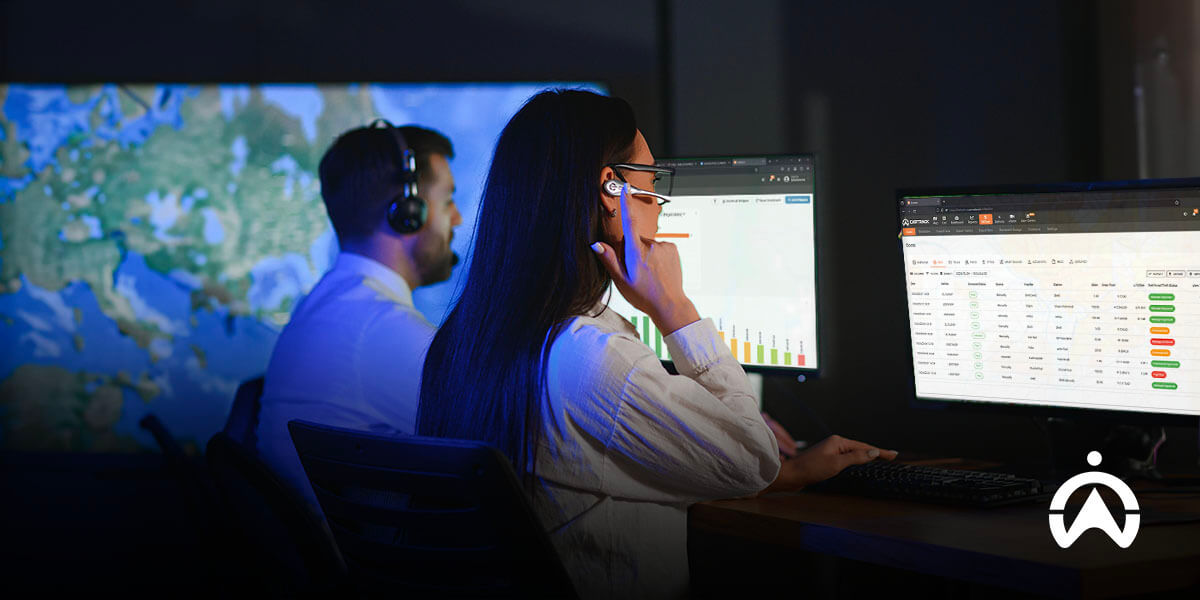
Cartrack fleet management solutions are a trusted method used to improve fleet efficiency by managing various aspects of the fleet such as compliance, safety, fuel, fleet costs, and of course, communication.
Here are some Cartrack features that can reduce misunderstandings between the two parties:
Receive live location updates with vehicle tracking device (GPS)
Lack of communication can reduce fleet visibility and cause delays. Through Real-Time Vehicle Tracking, dispatchers receive live location updates on all vehicles, obtain vehicle diagnostics, and immediately know whether vehicles are on schedule or perform incident management if a driver needs assistance due to an accident or breakdown.
Reduce confusion with route optimization
Route planning manual This can be very time-consuming and prone to human error. Cartrack has a Route Planning feature that plots the most efficient routes, reducing fuel consumption and travel time. Detour alerts are also sent to managers if a driver takes a different route than the designated one.
Improve driver safety with automatic alerts, reports and updates.
Dispatchers and managers can prioritise their drivers' safety and ensure compliance through the Driver Scoresheet. Additionally, instant alerts and automatic updates for driver behaviours such as hard braking, sharp turns, or speeding are also recorded on the Driver Scoresheet, helping to communicate training or skill improvement needs.
Improve two-way communication
Most fleet management software offers real-time communication through instant messaging. Cartrack offers a smart camera solution with two-way in-cab audio communication and a Delivery feature. The Delivery feature is a smart task management feature that allows dispatchers to update drivers on their tasks in real-time and vice versa.
With these two features, dispatchers can use Delivery to update routes and provide instructions and use Smart Camera to alert drivers to risky driving behaviour so they can correct it immediately.
Case study: How Diag uses Features Delivery to achieve efficient communication within the team
Diag is a medical laboratory in Vietnam that required assistance in tracking its vehicles and providing fast deliveries of human blood test packages, samples, and healthcare kits to customers.
Because the materials being transported are time-sensitive, Diag uses Cartrack Delivery for intelligent traffic management and simplified task allocation to ensure prompt delivery while the materials are still in prime condition.
By utilizing Cartrack's best features, dispatchers can maintain effective and efficient communication with drivers, ensuring smooth and safe fleet operations.
Contact Cartrack with click the following link for pricing and installation information!