EN
 ID



What is smart technology?
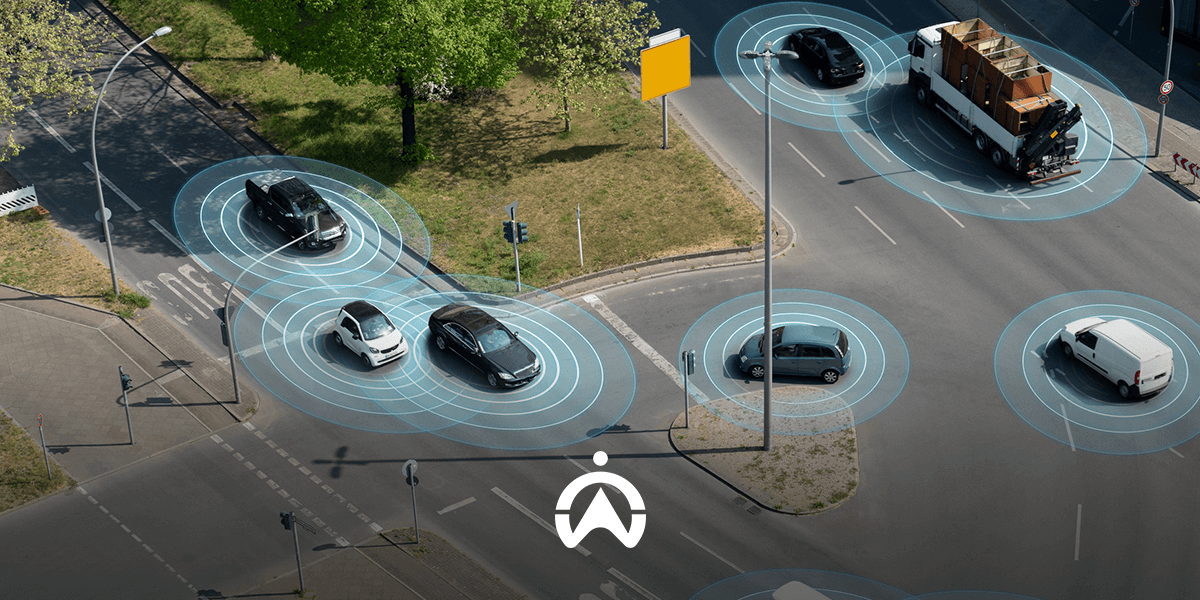
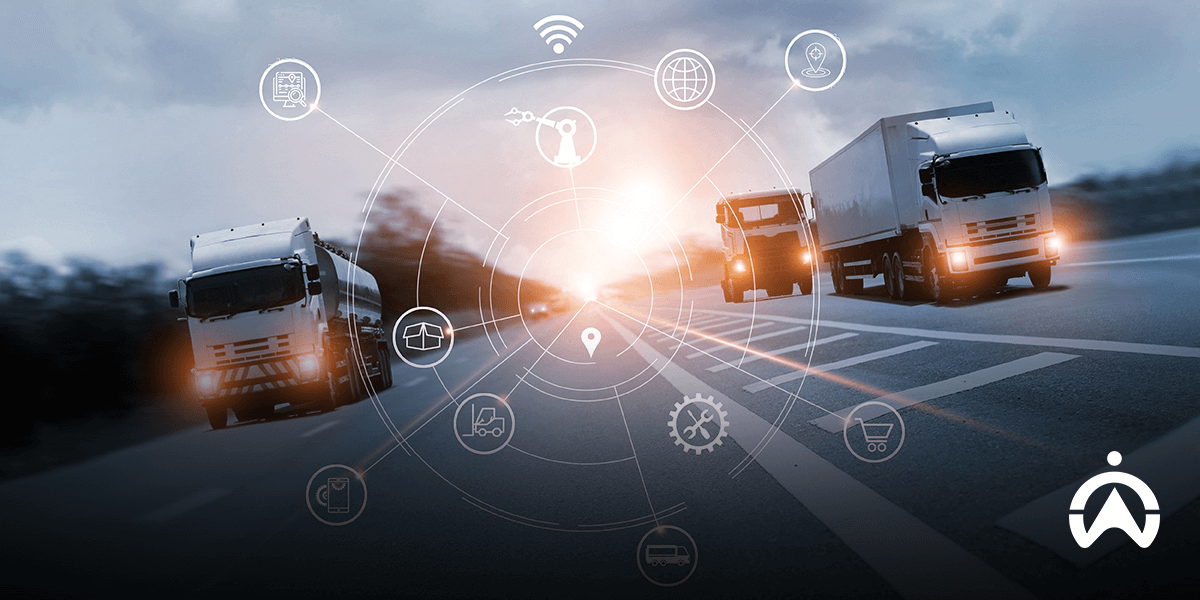
Simply put, smart technology—often referred to as "smart tech"—is a collection of innovative, computer-powered devices. Imagine giving everyday objects a "brain" and internet access; these devices have revolutionised various aspects of our lives. Equipped with sensors, software, and internet connectivity, these devices are rendered "smarter." The sensors within smart technology can measure factors such as vehicle speed, fuel levels, and geographical location.
Examples of smart technology
Smart technology is a term for various technologies that can be used to enhance the operational functions of transport businesses. Here is how it works:
-
Artificial intelligence
Artificial Intelligence (AI) refers to the ability of computers to mimic intelligent human behaviour such as learning, problem-solving, and decision-making. This transformative technology plays a crucial role in achieving smart transportation by leveraging advanced technologies that improve passenger safety, reduce traffic congestion, and minimise accidents.
Here's how artificial intelligence is revolutionising transportation:
– Powering autonomous vehicles: Artificial intelligence enables autonomous vehicles to function, using sensor data to navigate, identify obstacles, and make critical real-time decisions—such as determining which routes to take and how to navigate through traffic. Artificial intelligence ensures that these vehicles can operate safely and seamlessly.
– Traffic management: With its ability to analyse data from cameras and sensors, AI can optimise traffic management by providing alternative routes that avoid deviations based on real-time conditions.
– Logistics optimisation: Similar to how AI provides alternative routes to help avoid traffic congestion, this also applies to delivery services, ensuring timely, efficient, and cost-effective deliveries.
-
Machine Learning
Machine learning (ML) is a subfield of AI that enables computer systems to learn and improve without explicit instruction by using algorithms trained on datasets. This allows for the creation of self-learning models that can predict outcomes, classify information, and continue learning without human intervention.
Here's how machine learning is revolutionising transportation:
– Predictive maintenance: Machine learning algorithms can use sensor data from vehicles (such as engine performance, oil pressure, etc.) to predict potential problems before they cause unexpected downtime and costly servicing.
– Route optimisation assistance: Machine learning can analyse traffic data, predict congestion points, and suggest alternative routes. This data is then fed into navigation applications, allowing drivers to avoid congested road conditions and complete deliveries on time.
-
IoT
The Internet of Things (IoT) is a vast network of interconnected physical objects embedded in sensors, software, processors, and network connectivity. These sensors collect a variety of data about the environment and the status of objects, including their movement and immediate location. Centralised systems then analyse this data, and through this analysis, the raw data can be transformed into useful insights for informed decision-making.
Here's how IoT is revolutionising transportation:
– Fleet tracking: IoT sensors work to monitor vehicle location, fuel consumption, and speed in real-time, giving fleet managers unmatched visibility to optimise routes, reduce fuel costs, and ensure driver safety.
– Preventive maintenance: IoT sensors continuously monitor vehicle health, helping fleet managers identify potential wear and tear on vehicle components. This prevents breakdowns and unexpected downtime, extending vehicle lifespan.
– Supply chain optimisation: IoT devices can track cargo location and temperature, helping to ensure integrity and reduce the likelihood of damage, thereby having a significant impact on supply chain efficiency and customer service.
-
AR vs VR
AR and VR refer to two distinct but related technologies. Augmented reality (AR) blends reality and digital reality, allowing us to see the real world with digital information and images superimposed over it. Conversely, virtual reality (VR) is a computer-generated simulation of a 3D environment that users can interact with virtually. By combining advanced sensor technology and software, these solutions can create more interactive experiences.
AR software analyses data recorded by sensors. VR, on the other hand, creates a fully immersive digital environment that replaces the user's real-world environment. Both AR and VR are prime examples of smart technology because they combine sensor technology, advanced software, and sophisticated displays to create intelligent and interactive experiences.
Here's how AR and VR are revolutionising transportation:
– Driver training: AR can provide a safe and controlled environment to help train drivers and ensure that they can make informed decisions behind the wheel.
– Remote collaboration (AR and VR): AR and VR can enable remote experts to view and interact with a technician’s work environment on-site in real time. This facilitates effective troubleshooting, support, and knowledge transfer.
– Improved navigation: AR-enabled systems can project directions and information directly into the driver's field of view (e.g., the windshield or AR glasses). This allows for safer, more intuitive navigation without requiring the driver to look away from the road.
-
ADAS
Advanced Driver-Assistance Systems (ADAS) are a suite of technologies that use sensors, cameras, machine learning, and artificial intelligence to improve safety and enhance the driving experience. ADAS represent a major breakthrough in the transportation industry.
Here's how ADAS is revolutionising transportation:
– Enhanced safety: The core function of ADAS is to reduce human error, the primary cause of traffic accidents. By providing real-time situational awareness, ADAS significantly lowers the risk of collisions.
– Enhanced driver experience: ADAS reduces driving stress by automating routine tasks such as lane centring and blind spot monitoring, allowing drivers to focus on the road while feeling more confident and in control.
-
Smart infrastructure
Smart infrastructure is a network of intelligent technologies embedded in roads, bridges, and traffic systems that leverages sensors and data analytics to revolutionise the way we travel.
Here's how smart infrastructure is revolutionising transportation:
– Traffic flow optimisation: By improving traffic flow, smart infrastructure can lead to lower fuel emissions and reduced fuel consumption.
– Data-driven decisions: By providing a clear picture of traffic patterns and infrastructure usage, managers can make informed routing decisions.
-
Big data and analytics
Big data refers to large and complex data sets generated by multiple sources within a transportation network. When analysed effectively, big data provides valuable insights that are revolutionising the way we travel:
Here's how big data and analytics are revolutionising transportation:
– Optimised operations: Big data helps managers analyse historical and real-time information such as traffic patterns, weather conditions, and delivery locations to optimise delivery routes, helping ensure on-time deliveries while saving time and money.
– Predictive maintenance: Big data helps managers monitor and predict potential maintenance issues before they occur, helping prevent breakdowns, reduce unplanned downtime, and extend vehicle life..
What are the benefits of smart technology?
From safer roads and more efficient operations to a more sustainable future, smart technology is revolutionizing transportation through a wide range of benefits. These include:
- Fleet and cargo safety enhancements: Smart technologies directly contribute to safer roads and better transportation overall. From advanced sensors that prevent potential accidents to smart traffic management systems that ease congestion, these technologies work together to create a safer environment for everyone involved in transportation.
- Increased efficiency: Smart technology is significantly increasing the efficiency of the entire transportation sector. It helps vehicles find the fastest and most fuel-efficient routes, predicts maintenance needs to prevent downtime, and enables shipping ports and logistics centers to operate smoothly through connected systems.
- Sustainability enhancement: Smart transportation solutions often go hand in hand with increased sustainability. Optimised routes and traffic flows lead to lower fuel consumption and emissions. Predictive maintenance helps extend the lifespan of vehicles and equipment, reducing waste and excess emissions.
- User experience improvements: Smart technology offers a better and more personalised experience for everyone using the transportation system. Real-time traffic updates and route suggestions help users avoid delays, while smart payment and ticketing systems make travel smoother.
- Economic benefits: Smart technology not only improves efficiency, safety, and sustainability but also increases profitability for transportation businesses. Optimised routes, lower fuel consumption, reduced wear and tear, and simplified maintenance make operations more cost-effective.
What role does smart technology play in the transportation industry?
Let's study examples of the role of smart technology in the transportation industry based on its sectors: public, private, logistics, and cargo:
- Smart technology in public transport: Public transport offers shared mobility services to the general public, operating on fixed routes and schedules. Common examples include buses, taxis, and trains. Here is how smart technology plays a role in this transport sector:
– Real-time monitoring and scheduling: Buses and trains are now equipped with GPS tracking; when integrated with mobile applications, this allows passengers to view accurate arrival times, potential delays, and the current location of the vehicles. This eliminates the anxiety associated with waiting, thereby reducing stress for users.
– Integrated Public Transport Networks (IPTNs): IPTNs utilize real-time data and GPS tracking to coordinate various modes of public transport, enabling better route planning and ensuring timely arrivals for users. - Smart technology for personal transportation: Private transportation involves vehicles owned and operated by individuals for personal use. Offering greater flexibility and control, here's how smart technology plays a role in this sector:
– Vehicle telematics: Telematics equips vehicles with real-time route tracking and optimisation, improving the transportation process for both users and service providers. It can also be useful for generating personalised insurance premium quotes, which are typically based on driver behavior.
– Electric and hybrid vehicles: Indonesia is experiencing a rise in electric and hybrid cars, and with the number of charging stations increasing in major cities, the private transportation industry is sure to become greener and more sustainable.
– E-hailing platforms: E-hailing apps like Gojek and Grab use intelligent algorithms to match drivers with passengers, calculate optimal routes, and provide cost estimates. - Logistics and cargo solutions: This sector focuses on the movement of goods and commercial cargo, involving a complex network of vehicles, ships, and warehouses. Here's how smart technology plays a role in the backbone of the supply chain:
– Automated warehouse system: The logistics industry uses automated systems to ensure accurate inventory management, automate package sorting, and increase efficiency.
– Fleet management system: The system is equipped with a variety of technologies that help companies gain unparalleled access and insight into their fleet, from fuel consumption for efficiency to route planning for on-time delivery.
The integration of smart technology into the transportation sector demonstrates Indonesia's progress toward a more efficient, sustainable, and user-friendly system. While significant progress has been made in many areas, there is still room for improvement, and one way to foster this change is through the implementation of fleet management solutions.
What Is Fleet Management?
Fleet management is the optimisation of fleet functions, from vehicle tracking and driver behaviour monitoring to efficient route planning and vehicle maintenance scheduling. The goal is to ensure the fleet operates smoothly, at lower costs, and to ensure customer satisfaction.
What are the benefits of fleet management for the transportation industry?
Fleet management is crucial to the success of the transportation industry. Let's explore some of its benefits:
- Cost reduction: Fleet management systems help optimise fuel consumption by monitoring inefficient driving habits, enabling route planning for maximum efficiency, and preventing costly breakdowns with preventative maintenance. Companies can obtain lower insurance premiums by providing detailed insights into responsible driving practices and fleet operations.
- Increased efficiency: By providing real-time visibility into vehicle locations and enabling route optimisation, fleet management systems make it possible to reduce wasted time and maximise resource utilisation. Knowing where vehicles are and the routes they take allows for rapid adjustments. Furthermore, fleet management tools ensure that all vehicles are utilised effectively, preventing some from idling and becoming overloaded. Simplified communication between drivers and dispatchers eliminates unnecessary delays and misunderstandings, improving overall efficiency.
- Security improvements: Proactively monitoring vehicle health and driver behavior allows for early detection and management of potential issues such as premature wear and tear, preventing breakdowns that could lead to accidents. Fleet management tools with real-time tracking capabilities, vehicle diagnostic technology, and actionable insights help respond quickly to emergencies, accidents, and other vehicle issues.
- Improved customer service: Fleet management systems directly enhance the customer experience. Real-time tracking enables accurate ETAs (estimated times of arrival), and fleet managers can keep clients informed in the event of potential delays. Electronic proof of delivery provides a transparent and accountable record of the delivery process, further boosting customer trust.
Give your fleet the best support with Cartrack Indonesia:
Cartrack is here to help make your fleet more modern, sustainable and future-ready with a range of solutions, including:
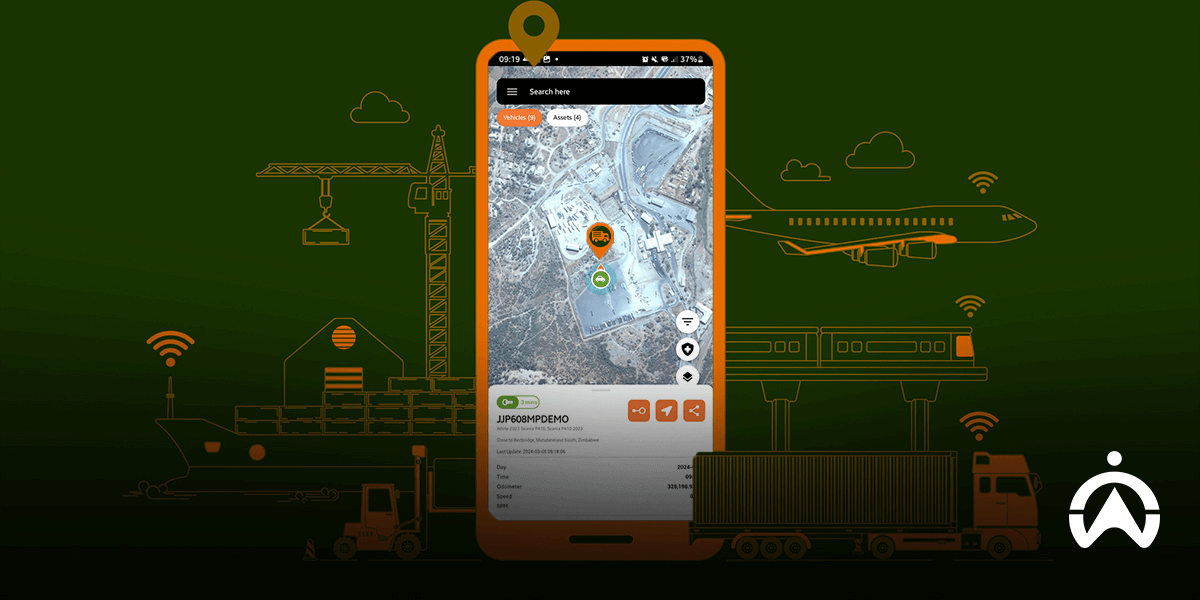
- GPS vehicle tracking: Monitor all vehicles with Cartrack Indonesia's GPS tracking technology. Cartrack's IoT tracking devices are equipped with GPS and GSM technology, providing real-time tracking and monitoring of all vehicles. This real-time tracking can help provide customers with accurate ETAs regarding vehicle arrivals, positively impacting customer satisfaction and business reputation.
- Preventive maintenance: Avoid unplanned downtime and costly, unexpected repairs with Cartrack Indonesia’s preventive maintenance. Our software directly detects issues such as low oil or water levels and alerts users when these problems are identified, ensuring customers can address them before they escalate. This is especially important in industries where even short, unplanned downtime can result in significant financial losses. Enable personalised maintenance and extend fleet lifespan based on specific needs while avoiding prolonged downtime.
- Fuel monitoring: Monitor every liter of fuel used with Cartrack Indonesia's fuel monitoring system. The transportation industry requires businesses to stay on the road, making fuel costs and consumption critical to success. The Cartrack system is equipped with fuel sensors installed inside the fuel tank, which help track fuel levels in real time. This insight helps businesses identify and explain sudden spikes in fuel consumption, thus helping optimize fleet fuel efficiency.
- ADAS: Unlock new levels of safety for drivers with Cartrack's Advanced Driver Assistance Systems (ADAS). Enhance driver awareness of their surroundings by warning them of potential road hazards in real time, helping them avoid them and prevent accidents in an industry where the safety of drivers, passengers, and the public is paramount.
- AI LiveVision: Ensure drivers aren't distracted while behind the wheel with Cartrack's LiveVision AI camera solution. Give drivers access to real-time voice alerts when dangerous driving behaviors, including mobile phone use, smoking, and excessive yawning, are detected, helping them quickly correct their behavior to prevent accidents.
Contact us today by clicking the link below and unlock new levels of success and efficiency for your transport business.