EN
EN  ID
ID 



When you want to buy your first car, you are bound to feel confused and have many things to consider. The fear of choosing the wrong model, or even being deceived, is always in the back of your mind.
There is no need to worry anymore, because we have several points you can consider before buying a car. Come on, read the explanation below!
Mileage or Age of the Car: Which Is Better?
An older car with lower mileage or a newer one with higher mileage? Let’s start by looking at the meaning of both, so we can understand them more clearly.
What is mileage?
There are two meanings of the word mileage:
-
Mileage refers to the number of kilometres a vehicle can travel per litre of fuel.
-
The total number of kilometres the vehicle has travelled over its lifetime. (That is what we will be discussing in this article.)
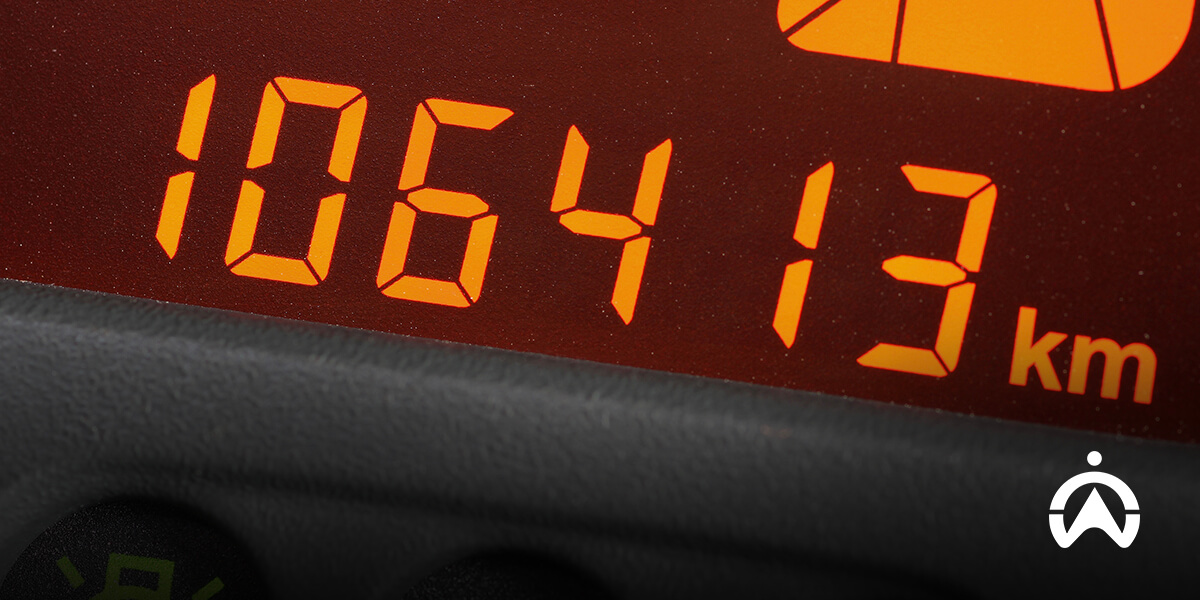
The mileage shown on the dashboard is an important indicator of a vehicle’s condition, such as the level of wear it has experienced over time. The higher a car’s mileage, the more likely its components are to be worn if they are not replaced. However, lower mileage is not always better, because cars are meant to be driven. This means certain parts are designed to lubricate themselves and function properly while the vehicle is in motion, so keeping a car stored in the garage for months will not help and may actually cause it to deteriorate more quickly.
The importance of a vehicle’s age
The older a car is, the more likely it has been driven for a long period of time. In most cases, when it comes to age, newer is better. What matters more, however, is the vehicle’s mechanical condition; a well‑maintained older car will usually give fewer problems than a newer one that has not been properly cared for. Yet modern safety features, fuel efficiency, and connectivity may not be available in older vehicles.
In addition, the warranty coverage for older cars is usually already expired or limited, so you, as the buyer, are responsible for any repair costs. In terms of financing, some banks will not finance vehicles more than five years old, which can make it confusing when buying.
Other Important Factors to Consider Before Buying a Car
-
Determine your budget
Set a budget first if your funds are limited. By deciding on a budget, you can narrow down the price range of the car you intend to buy. In addition, you also have the option to finance the purchase through credit or instalments. -
Check the vehicle’s condition
Take a trusted mechanic with you to inspect the car before buying. There are many things you may not notice that a mechanic will spot, such as previous repairs that were carried out but not disclosed to you. This step also helps prevent deception about the car’s condition being reported to you. -
Accident history
You need to know how many times a vehicle has been in an accident and where the repairs were carried out. With this information you can check the quality of the repairs. Vehicles that have no accident history information should be treated with caution because the previous owner may be hiding something. -
Vehicle insurance
Insurance is an important factor when choosing a vehicle, especially if you buy it outright. If you purchase a car on credit, insurance is usually already provided. Insurance must be in place as a guarantee in case an accident happens one day. -
Buy from a trusted dealer
Make sure you buy the car from a reliable dealer or individual. Try to check the seller’s track record as much as possible so you are not deceived. -
Easy access to spare parts
Sometimes spare parts for certain car models are difficult to find. They may not only be hard to source, but also expensive. Therefore, when buying a car, choose a model that is commonly used so you can more easily find the spare parts you need.

How Can Cartrack Keep Your Car Secure and Help Your New Vehicle Become More Fuel‑Efficient?
Buying a vehicle for business use requires steps to save fuel and maintenance costs. Here is how Cartrack can help:
Advanced Driver Assistance Systems (ADAS)
Consisting of camera-based sensors, intelligent algorithms, artificial intelligence, and machine learning, ADAS helps enhance driver awareness by providing real-time audible alerts whenever a blind spot is detected. ADAS also provides forward collision warnings, improving road safety and helping prevent sudden braking.
Driver monitoring
How a vehicle is driven will affect its lifespan. Driving habits such as excessive idling and harsh braking contribute to greater vehicle wear, which leads to higher maintenance costs and more vehicle downtime. Cartrack has a driver‑monitoring system with solutions that will help you track driver behaviour.
Driver scorecard
Make sure vehicles are maintained on the road with the Cartrack driver scorecard. Drivers will be rated based on events such as speeding and harsh cornering, enabling fleet managers to see who needs training and also providing access to reports that offer better insight into these issues.
Preventive maintenance
Newly purchased used vehicles need to be properly maintained to avoid unexpected breakdowns and accidents. Cartrack's preventative maintenance feature alerts you to mechanical problems, such as worn brake pads or fluctuations in oil and water levels, so you know when your vehicle needs servicing.
Mifleet
Get an easy‑to‑use cost‑management tool to help you monitor company expenses such as tolls, fuel, fines, tyres, and maintenance. With this, you can also detect suspicious activities such as possible fuel theft and fraud.
Route planning
Another way to save fuel, cut costs, increase productivity, and maximise your fleet is by planning routes effectively. Cartrack's route planning platform helps you choose the best route to complete the job, helping you avoid unnecessary delays and ensuring on-time deliveries.
We Protect All Vehicles, Old or New
Cartrack will help you take good care of your vehicles so you no longer need to worry. Contact us today click here