EN
EN  ID
ID 


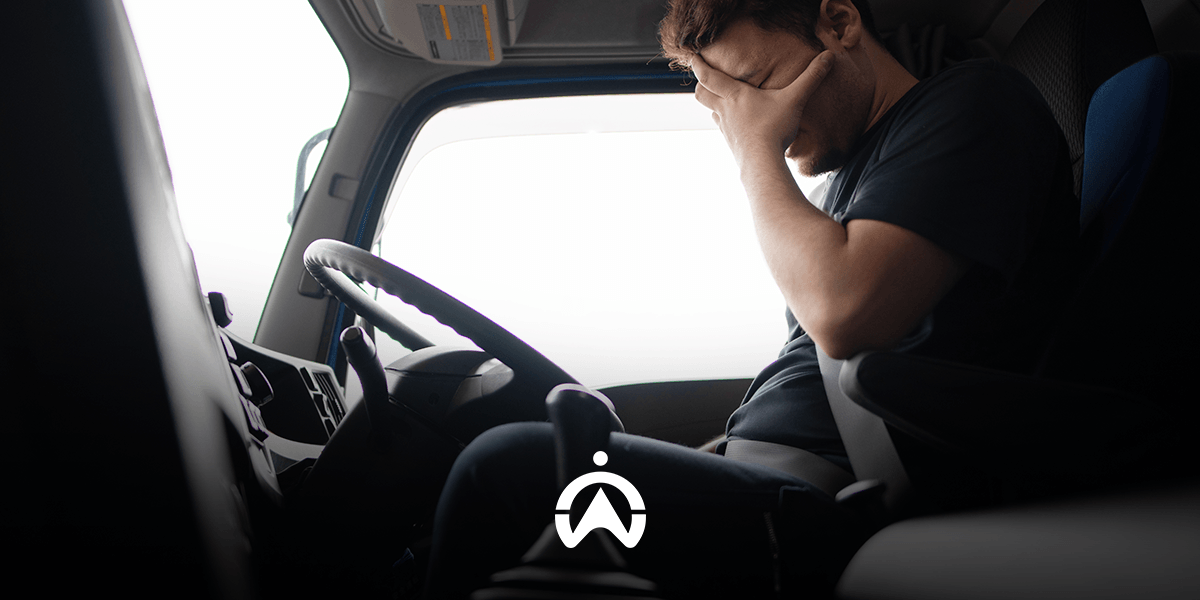
Did you know that driving on a straight, long, and flat road can also be dangerous? One common occurrence is Driving Without Awareness (DWA), better known as highway hypnosis. Highway hypnosis is a condition where a driver briefly loses consciousness while driving and switches to "autopilot" mode.
This phenomenon is often mistaken for driver fatigue. However, highway hypnosis can occur even if the driver is well-rested and not feeling tired at all. While driving in highway hypnosis mode, the driver's eyes remain open but appear hypnotized. When the driver "wakes up" or is fully conscious, he or she cannot recall the period of driving while in highway hypnosis.
Highway hypnosis is caused by monotonous situations experienced by drivers, such as driving on a long, straight, and level road for too long. This isn't always the case; it can also occur when drivers travel on familiar routes and the same conditions repeatedly, even for years.
Based on the level of consciousness, highway hypnosis occurs when the brain is in the middle to lower range of alpha waves. The frequency range of alpha waves is 8-12 Hertz, which is when the brain is in a very relaxed state, such as when daydreaming, meditating, or listening to soft music. Alpha waves can be said to be waves when the brain is at rest, which creates a feeling of calm and mental stability. Alpha states are not ideal for driving.

Highway hypnosis should be avoided because it can lead to unconscious drivers losing control of their vehicles, especially when something unexpected happens. In highway hypnosis, drivers' responses are slow, making them more likely to fail to anticipate unexpected situations and cause accidents.
How to prevent it? Drivers should break out of monotonous or boredom situations while driving, which are the main causes of highway hypnosis. Some ways to do this include driving with someone else so you can chat when you're bored, listening to the radio or a playlist with varying tempos (especially upbeat), and chewing gum or moving your body a little.
In addition, drivers need to avoid driving for too long and improve their sitting posture to optimize blood flow throughout the body. To ensure drivers do not drive consecutively beyond the permitted number of hours, for example, 4 hours as recommended by the government, you can install Cartrack on your vehicle and set an excessive driving time warning. You can also add an Artificial Intelligence (AI) camera to detect if the driver is tired (fatigue) or yawning. For more information about Cartrack's fleet management system and the features we provide, please send us a message here.