EN
EN  ID
ID 


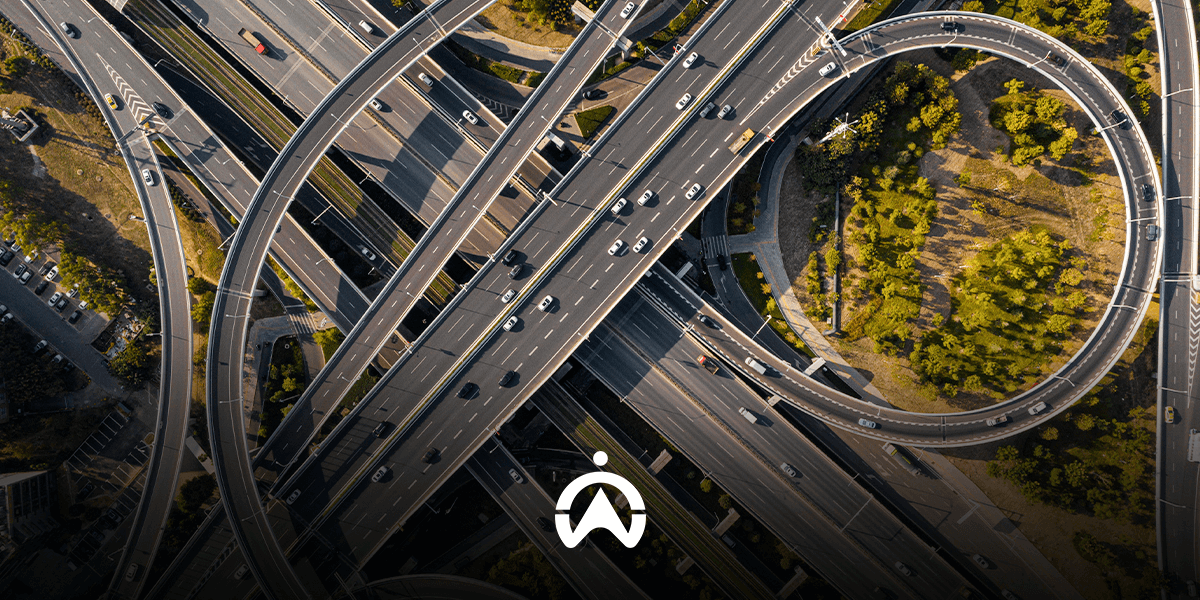
To meet customer demand, route planning and optimisation are vital strategies for more efficient travel. Route optimisation helps business owners make smart shipping decisions and ensures products and services reach customers quickly and smoothly.
Adopting route optimisation and planning is not only a smart move but also a crucial one in today's fast-paced marketplace. Let's see how these powerful tools make your business run!
Challenges in Manual Route Planning
In the past, route planning relied heavily on manual methods, lacking sophisticated tools like GPS tracking and fleet telematics. Fleet managers had to rely on spreadsheets, maps, and forecasts to manage and optimise their operations.
This often leads to inefficient management practices, as business owners must navigate without real-time insight into their fleet's activity.
Here are the four main disadvantages of manual travel planning:
- Time consuming Mapping out routes, accounting for traffic congestion, and factoring in driver rest periods is time-consuming. This time could be better spent focusing on other aspects of the business, such as ensuring cargo security or monitoring fuel consumption per trip.
- Error-prone Manual planning is prone to errors—such as overlooking shorter, more fuel-efficient routes or failing to account for travel time—resulting in delays, increased costs, and frustrated customers.
- Constant Inefficiency Finding the most efficient route that minimises fuel consumption and maximises deliveries is a complex task when done manually, resulting in inefficiencies in operations.
- The Challenge of Dynamic Variables Typically, after mapping out a route, we suddenly need to consider travel duration, weather, and traffic. Manual planning struggles to adapt to these dynamic factors in real-time.
Modern Solutions: Introducing Route Planning and Optimisation Software
After exploring the shortcomings of manual journey planning, many businesses have realised these limitations and are starting to turn to modern solutions for route planning and optimisation.
Let's see how route planning and optimisation offers solutions and improves travel management.
Efficient Mapping with Route Planning
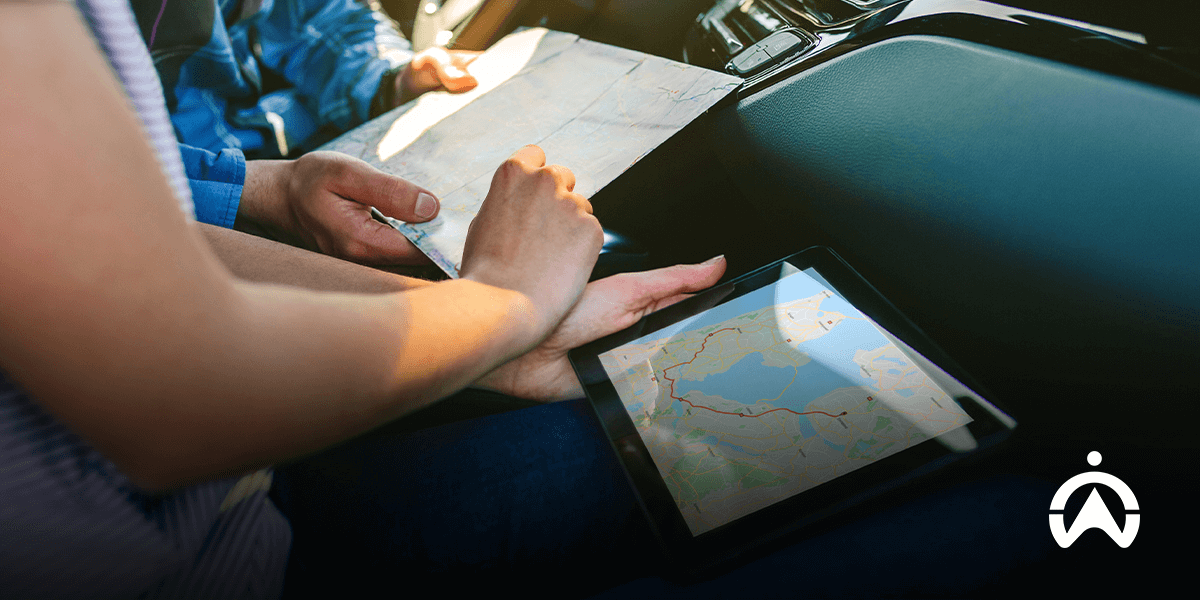
Route planning, in simple terms, is when we try to manually figure out the best way to get from point A to point B. When it comes to deliveries or managing a fleet of vehicles, it's much more than that.
If running a fleet that makes continuous deliveries throughout the day, for example a bakery or pharmacy that makes home deliveries, route planning will involve sequencing visits to all customers and making the most efficient deliveries.
Route planning software can:
- Consider traffic patterns; avoid traffic jams in busy areas in the morning and deliver during off-peak hours.
- Try to minimise distance; consider shipping to a closer suburb first before going out of town.
- Plan a logical route; don't zigzag through town, wasting time and fuel.
Route planning creates the most efficient way to complete a trip with few stops, taking into account various factors to save time and fuel. This planning path differentiates it from traditional trip planning.
Advanced Route Optimisation Solution
Advanced route optimisation takes route planning to the next level. The software can find the most efficient routes that minimise travel time, fuel consumption, and vehicle wear and tear. Advanced route optimisation automatically displays the best order for delivering packages.
This way, the delivery person will cover the shortest distance, avoid traffic jams, and complete all deliveries faster.
Route optimisation takes into account factors such as:
- Real-time traffic conditions
- Weather conditions
- Vehicle capacity
- Driver availability
- Delivery priority
Unlike route planning, which may involve manual processes or basic algorithms, route optimisation relies on sophisticated software algorithms that generate optimal routes tailored to the specific needs of each fleet.
Route Planning vs. Route Optimisation: What's the Difference?
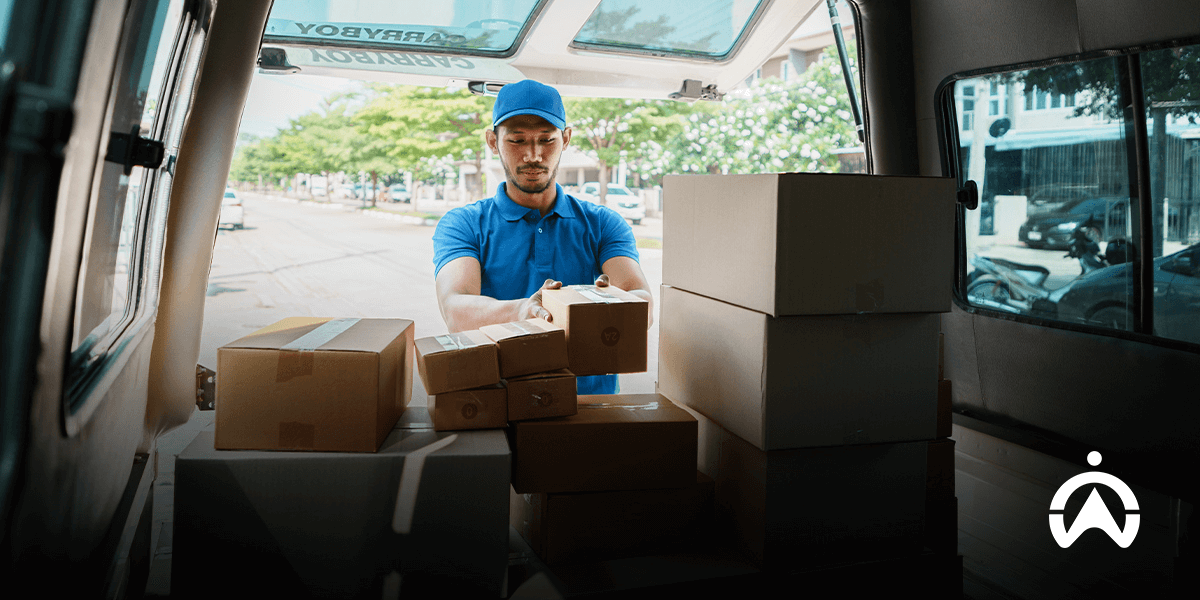
The difference between route planning and route optimisation can be confusing, so let's learn what the difference is.
Route planning can only show the sequence of stops for a delivery route and manually plan routes. While this is a good starting point, it doesn't optimise efficiency. Route optimisation software improves this process by using advanced algorithms and brings benefits to businesses:
- Save Costs: Businesses can save significant money by making routes more efficient and using less fuel. This means reduced spending on fuel, repairs, and general operating costs.
- Increase Efficiency: When routes are optimised, vehicles can work faster and accomplish more in less time. As a result, businesses can achieve more with their resources.
- Satisfied Customers: On-time delivery is crucial for maintaining customer satisfaction. By consistently delivering on time and providing accurate arrival estimates, businesses can create a positive customer experience, leading to better reviews and more loyal customers.
- Eco-Friendly Movement: Route optimisation helps protect the environment by reducing unnecessary travel and fuel use. It's a green approach that demonstrates a commitment to reducing emissions and caring for the planet.
- Smarter Use of Resources: Optimised routes mean businesses are utilising their vehicles, drivers, and equipment optimally. This helps them maximise their investment and run their business more efficiently overall.
- Stay Flexible: Route optimisation software enables businesses to quickly adapt to changes, whether unexpected traffic or last-minute delivery changes, allowing them to remain agile and maintain smooth operations.
- Data-Driven Decisions: Route optimisation software provides valuable data that businesses can use to make informed decisions. By analysing factors such as delivery times and fuel consumption, businesses can identify patterns, pinpoint areas for improvement, and continuously enhance quality over time.
How Route Optimisation Technology Makes Business Run Smoothly
Let's use a pharmacy business as an example. Let's say the business owner plans a delivery with multiple stops for drivers spread across the city, and the business owner has just entered this information into the system. What happens next?
Here's how to eliminate clutter from your delivery schedule:
Step 1: Entering Information
Enter all delivery addresses into the software; businesses can even specify delivery windows for specific customers who need their packages at specific times. The software calculates the distance between each stop, providing a basic idea of travel time.
Step 2: Analysis
Route optimisation software carefully analyses collected data, taking into account factors such as delivery location, time constraints, vehicle capacity, and real-time conditions such as traffic patterns and road closures.
Step 3: Optimisation
This is where the magic happens. Using sophisticated algorithms, route optimisation software calculates the most efficient routes for vehicles. These routes are designed to minimise travel time, fuel consumption, and vehicle wear and tear while ensuring all deliveries are delivered on time. This allows businesses to account for driver rest periods.
The route optimisation software will display the following information:
- A clear map shows the most efficient sequence for completing all deliveries.
- Drivers receive optimised routes on their phones, complete with turn-by-turn navigation and dispatch information for each stop.
- Business owners can track the progress and status of shipments in real-time, providing peace of mind and allowing for last-minute changes to delivery locations.
Step 4: Real-time Adjustment
As the week progresses, the software continuously monitors real-time conditions and adjusts routes as needed. Whether it's an unexpected traffic jam or a last-minute change in delivery schedules, the software ensures our vehicles stay on the most efficient route.
Step 5: Feedback
When a delivery is completed, the software collects data on actual performance, including delivery time and fuel consumption. This data is then used to refine and improve future route planning, ensuring we always optimise our deliveries as efficiently as possible.
And in just one week, the busy week passed without a hitch. Route optimisation software takes the guesswork and frustration out of delivery planning.
It's only one week. Imagine what we could achieve with route optimisation software running for an entire financial year. Business owners can focus on running their business while deliveries continue to run smoothly.
Must-Have Features List for a Powerful Route Planning Software
What makes this technology capable of all the things that simplify delivery management? Check out the features below!
- Multi-Stop Planning: This core function is the foundation of effective route optimisation. The software must seamlessly handle high-volume delivery stops and generate the most efficient route sequence, minimising travel time and maximising productivity. Imagine a sophisticated mapping application that intelligently determines the optimal order for visiting all your destinations.
- Real-Time Traffic Integration: Unexpected traffic congestion can disrupt carefully planned routes. Look for software that integrates live traffic data feeds. This enables dynamic route adjustments, ensuring deliveries stay on schedule despite unforeseen obstacles. View routes as adaptable entities that continuously adjust to real-time traffic conditions.
- Driver Limitations and Preferences: A happy and well-rested workforce is crucial for efficient deliveries. Choose software that allows businesses to input driver preferences and limitations, including driver rest periods, specific skills required for certain deliveries, or vehicle types (such as refrigerated vehicles for goods requiring specific temperatures).
- Advanced Route Optimisation Algorithm: Beyond distance calculations, advanced route optimisation requires sophisticated algorithms. These algorithms must consider numerous factors, including one-way streets, traffic light patterns, and historical traffic data, to create the most efficient routes. This ensures fuel costs are minimised and delivery times are optimised.
- Mobile App Functions for Drivers: The software should provide a user-friendly mobile app for drivers. This app should display optimised routes with turn-by-turn navigation and clear instructions for each stop. This empowers drivers to navigate efficiently and reduces the risk of confusion or delays.
- Powerful Reporting and Analytics: Data is a valuable asset for continuous improvement. Effective route optimisation software should generate comprehensive reports on key performance indicators (KPIs) such as on-time delivery rates, fuel consumption, and driver performance.
By analysing this report, we can identify areas for improvement, further refine routes, and make data-driven decisions for fleet management strategies fleet management.
Why Do Business Owners Need Route Optimisation Solutions?
Here Are Some Indicators That Suggest It May Be Time To Consider a System Such as Fleet Management, Route Optimisation Software, And Related Tools:
- Late Deliveries: Inconsistent delivery times and frustrated customers are sure signs that your current route planning method isn't working.
- High Fuel Costs: Inefficient routing can result in excessive travel times and distances, which can significantly increase fuel costs.
- Inefficient Routes: Drivers spend time stuck in traffic jams and have to return to the same route.
- Unhappy and Fatigued Drivers: Drivers experience long driving hours and inefficient routes, which can result in driver fatigue, stress, and potentially risky driving habits.
- Lack of Visibility: Without the right route planning tools, it's difficult to track delivery performance, identify areas for improvement, make informed decisions, and even follow up on tasks.
Route Optimisation Made Easy with Cartrack Indonesia's Fleet Management Solutions
Cartrack Indonesia is a provider of smart fleet management solutions designed to help CEOs, business owners, and managers improve and optimiSe daily fleet routes.
In terms of delivery, Cartrack Indonesia’s solutions have been proven to enhance fleet operations, reduce fuel consumption, and lower fleet costs, thereby giving managers more time to focus on improving their fleets and operations.
Here are some of Cartrack Indonesia's features that make it all possible:
- Cartrack Delivery Cartrack's Dispatch tool simplifies task assignment and real-time tracking from dispatch to delivery. Automating the process provides full visibility into task progress and allows for easy work allocation to drivers. Through route optimisation, Dispatch provides faster route options, reducing travel time, fuel consumption, and turnaround time.
- GPS Tracking Cartrack’s GPS tracking provides real-time location data and other vehicle insights to help managers improve operational efficiency. Cartrack helps reduce costs per job and enhances fleet visibility as well as overall vehicle safety.
- Geofencing Cartrack’s geofencing feature allows users to set virtual boundaries around specific locations. Managers can monitor vehicles entering or exiting zones—such as warehouses or delivery drop-off points—thereby gaining greater visibility into vehicle activity and ensuring drivers stay on schedule with their tasks.
Start Saving on Travel Costs and Increase Fleet Efficiency with Cartrack Indonesia
With a proven track record of delivering reliable solutions, business owners can trust Cartrack Indonesia to enhance delivery strategies and drive efficiency across fleet operations.
Contact Cartrack by clicking the link below to get a free quote and discover how our proven solutions can enhance trip planning and delivery operations!