EN
EN  ID
ID 


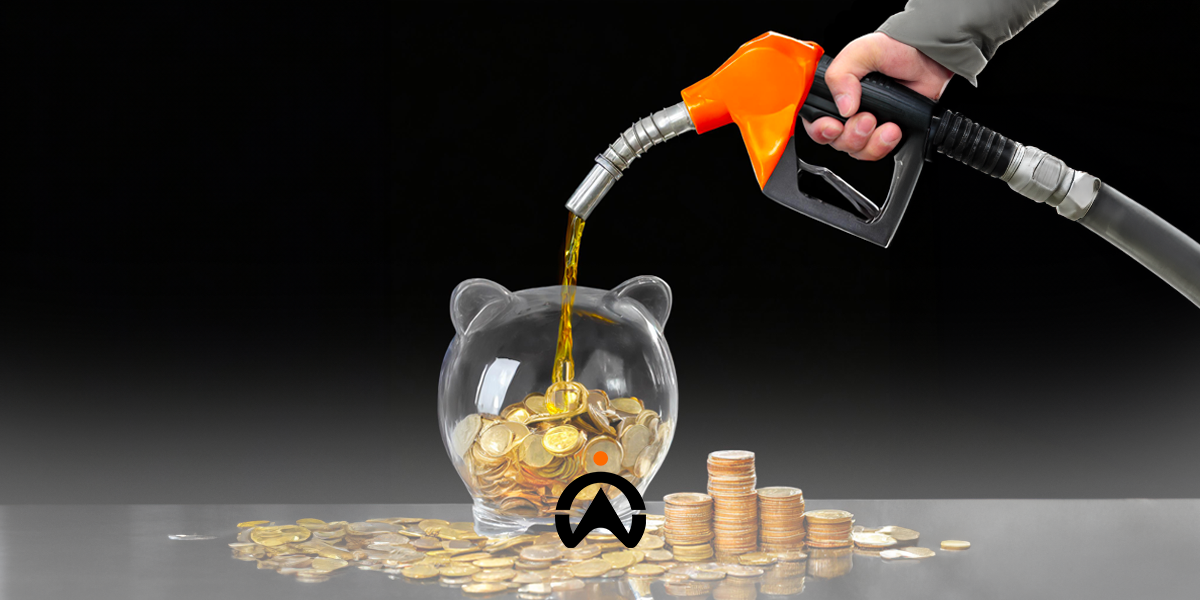
Also Read: What is a Fuel Management System?
Here are 10 hypermiling techniques you can apply:
1. Drive at a constant speed
Driving at a slow, steady speed maintains engine efficiency and significantly reduces fuel consumption. This technique can be especially useful on highways and long-distance journeys where driving conditions are typically stable.
2. Avoid idling
When a vehicle is stationary, the engine remains running. This wastes fuel. Every time a vehicle idles, you lose 3.5 liters of fuel per hour for a bus, 3 liters per hour for a medium-heavy truck, and 1.5 liters per hour for a large sedan. Turning off the engine when the vehicle is stationary at traffic lights, in traffic jams, or when parked will save significant fuel.
3. Coast through
Coasting refers to driving with the vehicle in neutral or the clutch disengaged. This allows the vehicle to ‘coast’ without the use of fuel. This technique is useful when driving downhill or approaching a stop sign or red traffic light.

4. Use engine-off-coasting
A step further from coasting is engine-off-coasting. This technique involves turning off the vehicle's engine while coasting in neutral or with the clutch disengaged when driving downhill or approaching a stop sign or red traffic light. While engine-off coasting can save even more fuel than normal coasting, it is important to note that it requires advanced driving skills and should be used with caution, as it can be dangerous if not done correctly (and some vehicles may not allow the engine to be turned off during motion).
5. Avoid hard acceleration and sudden stops
Fuel consumption can increase by up to 40% due to hard acceleration or sudden braking. This technique involves avoiding rapid acceleration and hard braking by anticipating stops, as well as frequent speed changes and sudden lane changes. By accelerating and braking smoothly, and maintaining a steady speed, fleets can save fuel, reduce emissions, and extend vehicle life.
6. Maintain proper tyre pressure
If vehicle tyre pressure is not maintained within the recommended range, the vehicle must work harder to move forward. This results in increased rolling resistance and fuel costs. Therefore, this technique is crucial to improve fuel efficiency, which in turn saves money on fuel costs.
7. Reduce vehicle weight
This technique is simple — get the junk out of the trunk. The heavier the car, the more fuel it uses to move around. If you are not in the supply chain industry you could avoid travelling with heavy loads. Removing unnecessary items or equipment from your fleet vehicles can reduce vehicle weight, improving fuel efficiency.
8. Avoid air conditioning and other electrical loads
Using air conditioning, headlights, and other electrical loads can increase fuel consumption. However, these may be necessary in certain situations, such as during hot weather or when driving at night. Even in these situations, fuel can still be used efficiently by driving at lower speeds to reduce fuel consumption, as air conditioning and other electrical loads tend to consume more fuel at higher speeds.
9. Plan routes ahead
This is one of the fundamental hypermiling techniques, involving the planning of the most efficient route from point A to point B in order to minimise unnecessary stops, traffic congestion, and fuel consumption. Route optimisation is one of the features offered by Cartrack, helping businesses improve operational efficiency and reduce fuel costs. (Read more: [https://www.tribunnews.com/otomotif/2023/06/26/fitur-optimasi-rute-ini-bisa-tingkatkan-efisiensi-armada-kendaraan-niaga](https://www.tribunnews.com/otomotif/2023/06/26/fitur-optimasi-rute-ini-bisa-tingkatkan-efisiensi-armada-kendaraan-niaga))
10. Avoid traffic congestions
Avoid congested areas or busy intersections during rush hour, as this can lead to fuel wastage from frequent stops and starts. Instead, optimise routes by taking alternative routes or driving during off-peak hours when possible.
Baca Juga: Cara Terbaik Untuk Mencegah Pencurian BBM Di Armada
If you are looking for an effective way to reduce fleet or vehicle fuel consumption, start using Cartrack! Get a fleet management system and software that helps you significantly reduce fleet or vehicle fuel costs. Find out more by clicking the link below!