EN
EN  ID
ID 


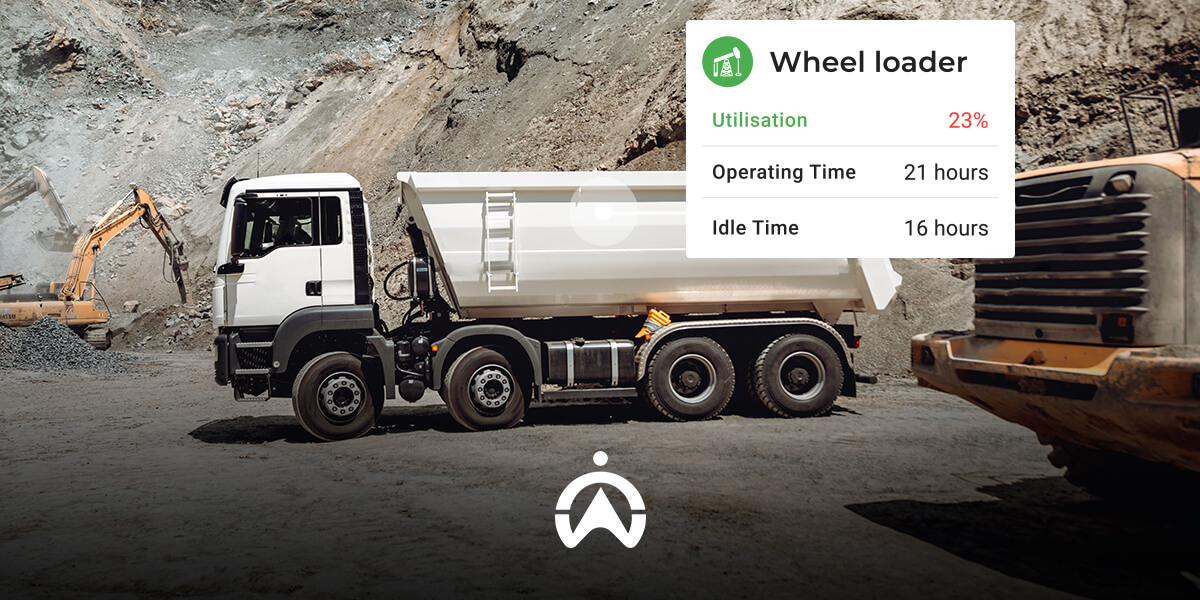
Idling is a condition where the engine is running while the vehicle is stationary (not moving). In driving, idling may be unavoidable, for example in heavy traffic. However, if left unchecked, idling can become a bad habit that ultimately harms the company.
The impact of idling on a single vehicle with an engine capacity of 1,500 cc or less may not be noticeable. However, it is different if you manage a large fleet of vehicles with higher engine capacities, and idling is carried out on a large scale by all your drivers. This results in large-scale fuel wastage, which becomes a significant blow to your business profits.
Recognising the significant impact of idling on company profits, it is important to start monitoring idling during every instance of vehicle use. Beyond the financial cost, idling also causes engine wear and air pollution.
1. Wasting fuel
For every hour of idling, a heavy-duty truck consumes approximately 0.8 gallons of fuel, while a semi-truck uses about 0.64 gallons of diesel when unloaded. Long-haul trucks typically idle for around 1,800 hours annually, consuming approximately 1,500 gallons of diesel. Just imagine the financial waste if this figure were multiplied by the size of your entire fleet and the average fuel price. Unless the stop lasts less than 10 seconds, you should instruct your drivers to avoid idling. There is a good reason for this: idling for 10 seconds or longer actually consumes more fuel than turning off the engine and restarting it.

2. Causes Engine Wear
Long periods of idling have a negative impact on the lifespan of your vehicle’s engine. Because the engine does not operate at optimal temperature during idle, fuel is not fully combusted. This incomplete combustion leaves behind residue, which can contaminate engine oil, foul spark plugs, and damage the exhaust system. As a result, you will incur higher costs for servicing and earlier replacement of parts. If your drivers are idling to warm up the vehicle before starting a trip, a better alternative is to drive the vehicle gently at a low speed.
3. Increased Air Pollution
Beyond wasting fuel, idling vehicles also produce exhaust emissions that are toxic when inhaled. For every 10 minutes of idling, one pound (0.45 kg) of carbon dioxide is released into the atmosphere. In addition to gases, idling vehicles release harmful chemicals and particulate pollution (soot) into the air, contributing to ozone formation, regional smog, and global climate change. Pollution levels increase further if the vehicle's catalytic converter is not functioning properly; ask your technician to check it during vehicle servicing.
Although it may seem trivial, idling actually has a significant impact on companies, vehicles, and the environment. Start monitoring the idling activity of your vehicles and take steps to reduce it. Cartrack’s fleet management system offers an idling monitoring feature that sends alerts via email or SMS whenever idling occurs. Cartrack also provides automated Idle Reports detailing start and end times, locations, durations, and total idling time for your selected period. Leverage Cartrack’s advanced monitoring technology—contact us here today!