EN
EN  ID
ID 


What is fleet fuel efficiency?
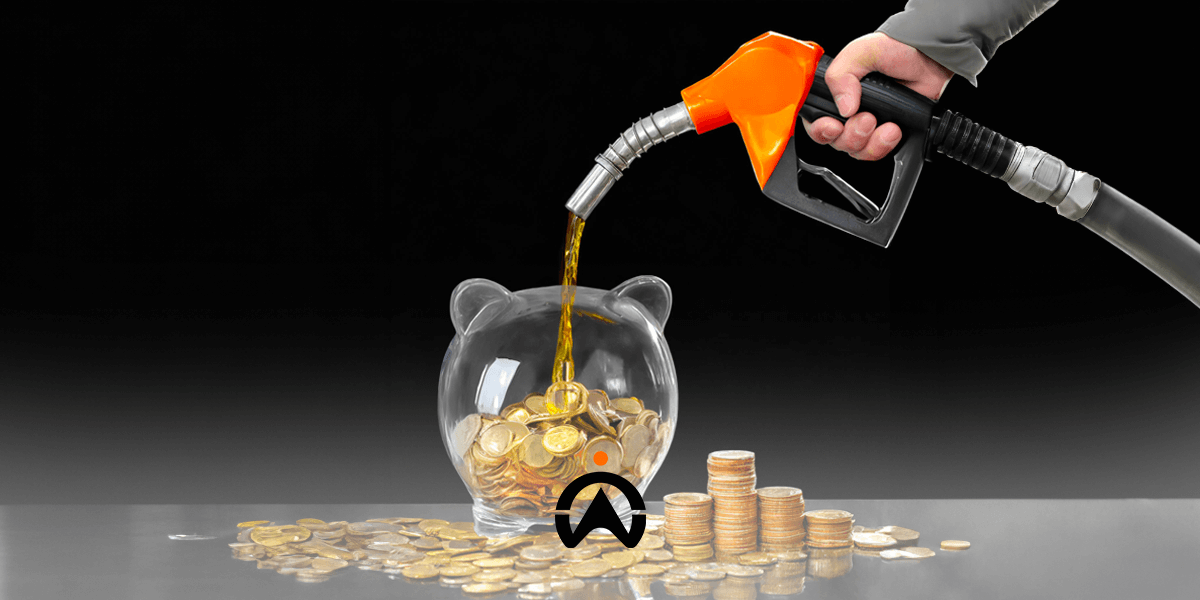
Fleet fuel efficiency is a measure of how well vehicles use fuel while on the road. Fuel efficiency refers to trucks, vans, and engines using fuel effectively to deliver goods, complete routes, and keep businesses running smoothly without wasting fuel or harming the environment.
Will fuel efficiency save money?
In short, fuel efficiency significantly impacts fleet costs. Fuel can be a fleet's single largest operating expense, sometimes accounting for around 60% of the total budget. That's why even small improvements in fuel efficiency can result in significant cost savings.
Efficient vehicles use less fuel, resulting in significant cost savings, especially amidst volatile fuel prices. Less fuel consumption means fewer engine breakdowns, resulting in reduced maintenance costs for labour, parts, and downtime.
Overall, fuel efficiency is a key factor in controlling fleet costs. By investing in fuel-efficient vehicles and implementing fuel-saving practices, businesses can significantly reduce operating costs and increase profits.
Money saving factors to know for fuel efficiency
For businesses that rely on fleets for transportation, fuel costs can quickly add up. To address this, fleet managers need to understand the factors that influence fuel consumption and take strategic steps to improve efficiency.
Here are some factors that influence fuel usage:
- Road and terrain conditions: Road conditions, from smooth highways to bumpy gravel roads, can significantly impact fuel efficiency. Uneven surfaces like cobblestones or gravel roads increase drag, causing the engine to work harder and consuming more fuel.
- Traffic density: Stop-and-go traffic causes higher fuel consumption. Planning routes to avoid heavy traffic and scheduling deliveries during off-peak hours can optimise fuel efficiency.
- Vehicle maintenance: Regular maintenance is essential for maintaining fuel efficiency. Neglecting tasks like replacing the air filter or spark plugs can result in increased fuel consumption over time.
Fuel quality: High-quality fuel from a trusted fuel supplier is crucial for engine performance. Clean fuel provides optimal efficiency and engine health.
How to make a fleet more efficient in fuel usage?
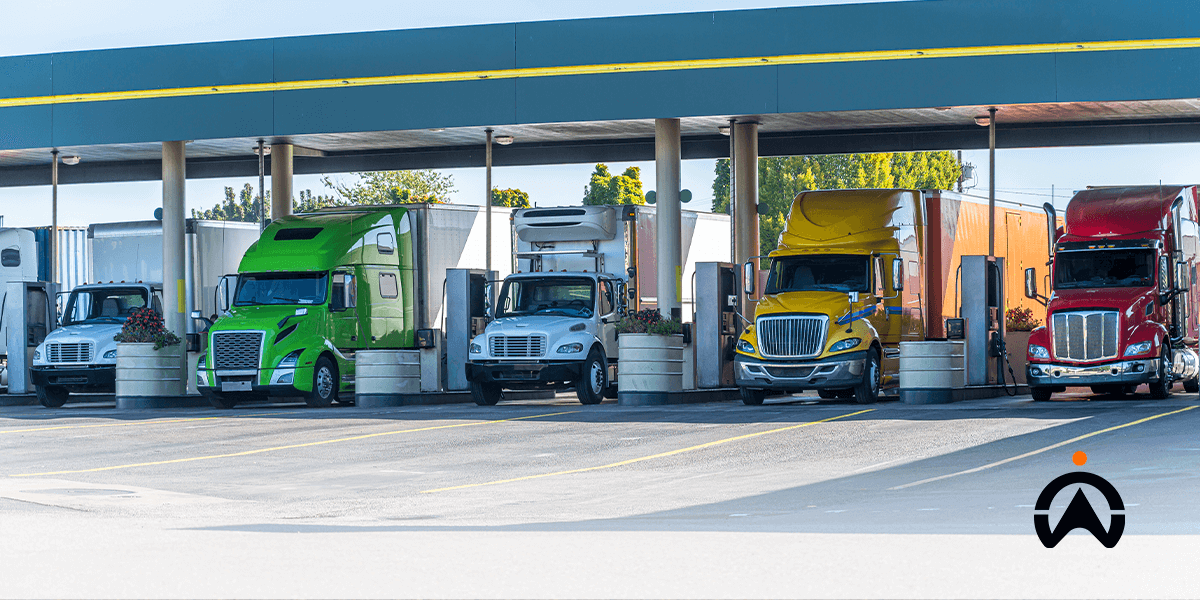
Now that you understand what affects fuel efficiency in a fleet, here are proven solutions to improve fleet fuel efficiency.
Key factors contributing to fleet fuel efficiency include:
- Vehicle selection:Choosing a fuel-efficient vehicle with modern engine technology and aerodynamic design can significantly impact overall fleet efficiency. Hybrid or electric vehicles may also be worth considering for future savings.
- Maintenance practices: Regular and proactive maintenance, including timely oil changes, air filter replacements, and tyre pressure checks, ensures that vehicles operate efficiently and helps minimise fuel consumption. It is typically recommended to conduct vehicle maintenance checks (VMC) every month, every two months, or between 20,000 km and 40,000 km.
- Driver behaviour: Driving habits play a significant role in fuel efficiency. Practising smooth acceleration, moderate speeds, and avoiding unnecessary gear changes contributes to better fuel consumption. Regularly educating drivers on sustainable driving habits and implementing driver training programmes helps promote fuel-efficient behaviour.
- Route optimisation: Using route planning and optimisation tools helps reduce unnecessary distance, idle time, and fuel consumption. Efficient routing ensures that vehicles reach their destinations using the most direct and fuel-efficient paths.
- Telematics and monitoring: Implementing telematics systems enables fleet managers to monitor real-time data on fuel usage, vehicle performance, and driver behaviour. This information helps identify areas for improvement and implement strategies to enhance fuel efficiency.
- Fuel management system: Using a fuel management system helps track fuel transactions, detect irregularities, and effectively manage fuel consumption. A fuel management system can monitor fuel card usage and implement measures to prevent fuel theft.
- Technology integration: Adopting advanced technologies such as fuel-efficient driving apps can provide real-time feedback to drivers about their driving behaviour, encouraging fuel-conscious driving practices.
- Load management: Ensuring vehicles carry optimal loads without excess weight contributes to better fuel efficiency. Avoiding unnecessary cargo weight reduces the energy required to transport goods.
Here are 5 fuel saving tips for fleets:
- Periodically check the tyre pressure of each vehicle.
- Regularly service your vehicle according to the established maintenance schedule.
- Train drivers in driving such as smooth acceleration.
- Use route planning to get the most efficient path
- Reduce the load when needed
- Invest in fleet management software to save fuel
How can fleet management software improve fleet fuel efficiency?
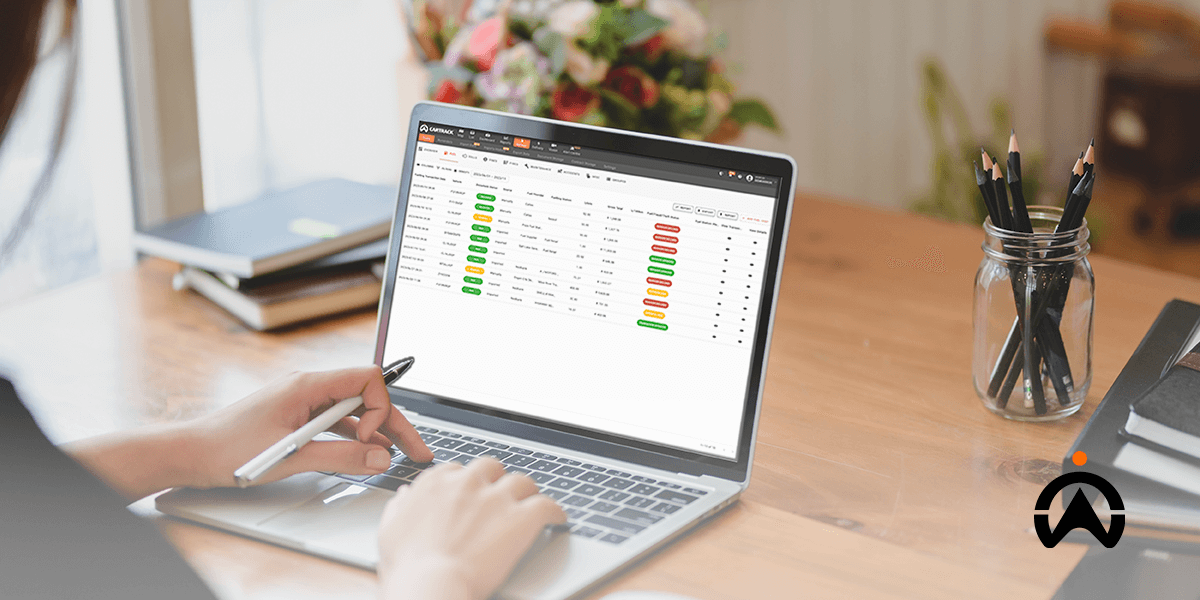
Streamlined fuel management: When it comes to fuel costs, fleet software makes fuel management easier by automatically syncing fuel card data with vehicle assignments. Fleet management software can even provide miles per gallon (MPG) figures, so you can keep track of your fuel usage.
Instant fuel intelligence: With an automated fuel system, you can get real-time updates on fuel usage graphs, CO2 emissions, and operational efficiency, helping you make decisions to save on fuel costs.
Hassle-free fuel transactions: Say goodbye to messy paperwork and confusing fuel records. Fleet fuel software simplifies everything, making it incredibly easy to track fuel usage and see where savings are possible.
Smarter fuel management: By accurately tracking fuel efficiency, fleet software can help you manage fuel usage. We'll have a clear picture of how fuel is used and how it impacts our business, making it easier to manage costs and keep our fleet running smoothly.
Proactive maintenance and driving tips: Fleet software not only helps fleets adhere to maintenance schedules but also encourages efficient driving habits for drivers.
Green route planning: Some fleet software suggests eco-friendly routes that minimise emissions and reduce fuel usage.
By using fleet management software, you will enjoy the following benefits:
- Reduce fleet fuel consumption, thereby saving money
- Fleets run smoother, faster, and further
- Improve operational efficiency
Reduce carbon footprint
Additionally, some governments offer tax breaks or discounts for environmentally friendly vehicles. Fuel-consumption-based emissions fees also play a role, making efficient choices more financially advantageous.
Turn your fleet into a fuel-saving machine
Cartrack Indonesia is an industry leader in vehicle tracking, fleet management, and fuel management solutions. Accurate monitoring and analytics tools can improve fuel efficiency and reduce fuel costs.
Here are 5 features and solutions of Cartrack Indonesia which can help:
- Vehicle maintenance and performance
Cartrack Indonesia helps fleet managers monitor vehicle health with preventive maintenance alerts that inform managers about scheduled maintenance checks. This helps address issues quickly, promotes fleet longevity, and prevents fuel-draining problems such as engine leaks that can waste fuel, ensuring vehicles remain fuel-efficient.
-
Fuel monitoring
Cartrack Indonesia's fleet management system provides real-time fuel consumption monitoring using data analytics. This allows fleet managers to gain insight into vehicle performance, driver behavior, and fuel efficiency trends for each vehicle.
-
MiFleet
MiFleet from Cartrack Indonesia is a cost management system that offers full visibility into fleet operating expenses. By connecting to fuel sensors or integrating with CANBus, MiFleet can monitor fuel consumption data and identify inconsistencies that may indicate fuel fraud by comparing transaction data with fleet vehicle telematics.
-
Fuel usage reports
The system provides contextual metrics on fuel consumption per km traveled and per job completed for each driver and vehicle, enabling fleet managers to pinpoint areas requiring attention and take corrective action.
-
Route Optimisation
Cartrack Indonesia's Delivery App allows driver route optimisation based on the shortest distance, ensuring drivers take the most efficient route while avoiding unnecessary fuel waste and ultimately saving on fuel costs.
Stop wasting fuel and start saving with Cartrack Indonesia's fuel management solutions. Cartrack is the key to answering the pressing question of 'How to save fuel on your fleet'.
Contact Cartrack Indonesia by clicking the following link and get a free demo of our fleet management system!