EN
EN  ID
ID 


5 Tips to Improve Fuel Efficiency for Business Vehicles
Every business that relies on multiple vehicles in its operations often faces the same challenge: finding ways to improve fuel efficiency and reduce fuel costs without reducing travel distance. If you only advise drivers to warm up the vehicle before driving or shift to neutral when stopped, here are additional tips to improve fuel efficiency for business vehicles that you can apply.
Fuel efficiency explanation
Fuel efficiency is the way a vehicle uses fuel effectively based on driving behaviour, speeding habits, and vehicle type.
5 tips to improve fuel efficiency for business vehicles
Method #1 Implement telematics software and fleet management.
Telematics software and fleet management systems are two key tools that help improve fuel efficiency. With telematics technology, you can track business vehicles and drivers in real time. In addition, you can receive alerts when driving behaviour is not up to standard, such as speeding or idling (engine running while stationary).
This data is automatically recorded and made available in a fleet management system such as Cartrack. A fleet management system helps manage all vehicles from a single platform and analyses vehicle telematics data over a specific period or evaluates fleet performance to identify areas that need improvement.
This technology can help you overcome the challenges of fuel consumption.
Cartrack telematics and fleet management software
GPS telematics can help you identify inefficiencies in business vehicles such as vehicle faults, idling, and unnecessary route deviations, all of which impact fuel consumption.
-
GPS Tracking: Fleet managers can know the location of vehicles and gain full visibility of vehicle movements and driver activity.
-
Cloud-based software: The FleetWeb platform and Cartrack mobile app are easy-to-use cloud-based systems that allow you to track drivers in real time, access various reports, receive vehicle notifications, and monitor workflows from anywhere.
Method #2 Use a fuel management system
No more manual fuel consumption calculations—use a smarter and more accurate fuel management system to measure fuel efficiency.
Fuel management system is the process of monitoring, managing, and improving fuel usage and costs. This process uses hardware sensors and software such as telematics systems or accounting software to track real-time consumption and calculate fuel efficiency based on reports.
Cartrack fuel management system solution
With the latest technology, Cartrack helps you identify what your vehicles need and which areas require improvement. FleetWeb and the Cartrack app are powered by telematics technology that makes it easier to identify the root causes of fuel efficiency issues.
-
Fuel sensors and hardware: With Cartrack’s three types of sensors, you can monitor fleet fuel levels to achieve accurate fuel usage tracking.
-
Fuel reports and analytics: Customise, download, and automate fuel reports across multiple vehicles over specific time periods to support decision-making on fuel efficiency. Fleet managers also receive alerts about driver activities that impact fuel consumption, such as idling and speeding.
Method #3 Buy and use fuel-efficient vehicles
Surveys show that newer trucks or business vehicles can improve fuel efficiency. Modern technologies in new commercial vehicles, such as electric trucks and hybrid vehicles, can reduce fuel consumption and operating costs, as well as minimise vehicle downtime.
Cartrack fleet management system for environmental sustainability
Cartrack’s fleet management system helps track carbon dioxide emissions to help achieve targets.
-
Eco-driving reports: Cartrack reports provide insights into how business vehicles can reduce carbon emissions by reviewing driving behaviour. Eco-driving reports track travel distance, excessive idling, and speeding to deliver fuel efficiency data.
-
Business vehicle maintenance history reports: These reports provide maintenance history information so fleet managers can use the data to replace vehicles that are no longer suitable with newer, more efficient ones.
Method #4 Monitor and improve driver behaviour
Investing in drivers is just as important as investing in business vehicles. Skilled and experienced drivers are proven to improve productivity, efficiency, and safety in business operations. However, many businesses overlook the importance of monitoring driver behaviour, which ultimately affects fuel consumption.
Monitoring drivers can help eliminate bad driving habits.
Monitor drivers for fuel efficiency with Cartrack
-
Driver ID Tag: The Driver ID Tag helps you monitor who is using the business vehicle and when it is being used. It allows you to see where the driver starts and ends each trip. In addition, trip summary reports can show where the vehicle stops, idles, or performs other activities.
-
Driver Scorecard: This scorecard shows driver performance in points based on driving behaviour such as harsh acceleration, sudden braking, and excessive idling. It serves as a driver performance evaluation tool that can later be used for driver training and improvement.
-
Driver behaviour reports: Behaviour reports provide detailed insights into harsh braking, speeding, aggressive acceleration, and idling by drivers. With driver behaviour reports, you can identify which actions are affecting fuel efficiency.
Method #5 Improve vehicle maintenance
Proper maintenance of vehicles will help avoid unplanned downtime and improve the fuel efficiency of business vehicles. Regular maintenance can also help maintain optimal fuel savings, ensuring that vehicles continue to operate like new.
Because fuel efficiency is linked to vehicle health, following a vehicle maintenance schedule can help improve fleet fuel efficiency. Carry out vehicle maintenance with regular oil changes and tyre pressure checks, or monitor real-time telematics data on vehicle health, which can lead to costly repairs and downtime later if overlooked.
Preventive maintenance for fleet fuel efficiency
Cartrack fleet management software helps track vehicle and engine maintenance history. The features provided are:
- Maintenance reminder: Schedule vehicle maintenance and specify the type of service. Cartrack software will remind you of the next maintenance due for each business vehicle.
- MiFleet Cartrack: Cost management and accounting software helps you keep track of vehicle maintenance schedules and manage costs for repairs, towing, servicing, tyre replacements, and more. In this way, fleet maintenance will not be forgotten, and the history of vehicle maintenance costs will not be lost.
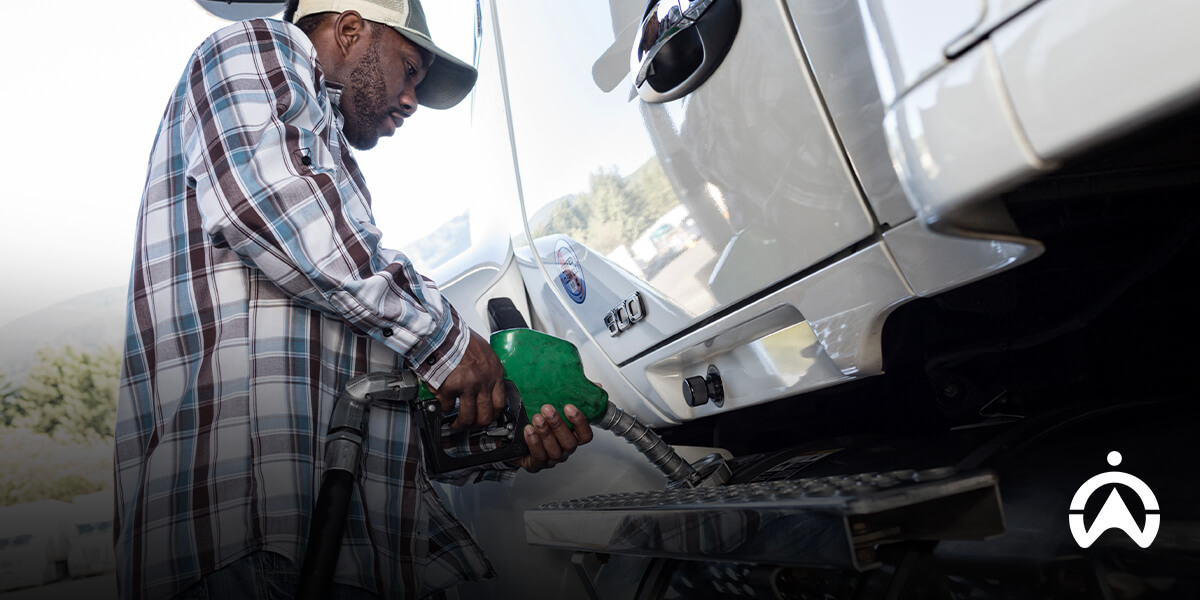
Improve the fuel savings and efficiency of business vehicles with Cartrack.
Telematics-based fuel solutions can help improve the fuel savings of business vehicles. They are designed to make it easier to achieve fuel efficiency, whatever your vehicle or engine type.
Contact us to get a live demo of Cartrack’s fleet management and fuel management system by clicking the link below