EN
EN  ID
ID 


Whatever challenges you face as a fleet manager, there are ways to monitor driver behaviour with the help of telematics software.
This article will discuss what you can do to empower drivers and improve fleet driving behaviour. All of this will deliver significant business benefits that you cannot afford to ignore.
In addition, you will find several factors influencing driver behavior and driver assessments that can help ensure you hire the right drivers.
What Is Driver Behaviour?
Driver behavior can be defined as the actions a driver takes while operating a motor vehicle. It essentially encompasses driving methods and driver characteristics, whether intentional or unintentional. Typically, driver behaviour is characterised along a spectrum ranging from normal to risky and aggressive.
If you are a fleet manager, it is important to understand the various factors that can influence your drivers' methods. These factors can affect your drivers' ability to assess risks and make decisions on the road.
Factors Influencing Driver Behaviour
1. Disturbances/Distractions
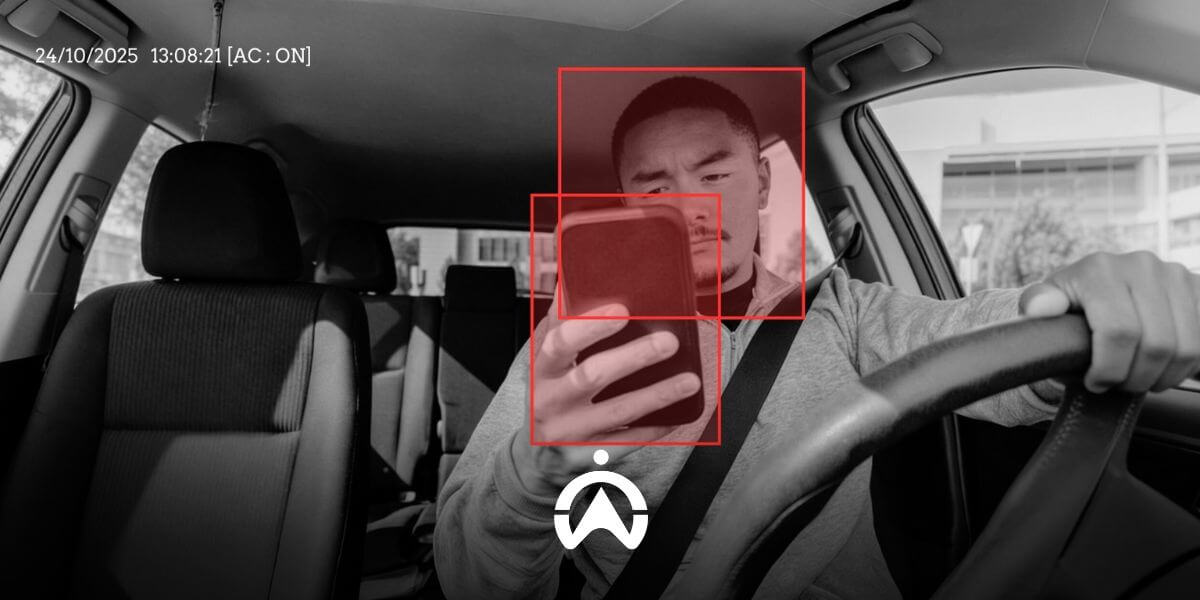
Any action that diverts a driver's eyes from the road is considered a distraction. Common distractions include using a smartphone to send text messages and answer calls while driving.
2. Reckless driving
Actions such as speeding, running red lights, changing lanes without signaling, or driving too fast can endanger other road users; all of these are considered reckless driving.
3. Fatigue
Aside from the danger of falling asleep at the wheel, fatigued drivers may have slower reaction times than alert drivers, making it more difficult to respond to sudden road hazards.
4. Age and experience
There is ample evidence indicating that age and experience affect the risk of accidents. For instance, teenage drivers have higher accident rates than drivers over the age of 25.
5. Driving under the influence
Driving while intoxicated or under the influence of drugs contributes to a significant number of accidents in Indonesia. Beyond alcohol, narcotics and illicit drugs are also among the causes.
Types of Driver Behaviour Assessment
After understanding the driving behavior factors mentioned above, you also need to ensure that you have hired the right drivers for your fleet. One way to do this is by assessing their behaviour, skills, and knowledge.
There are many ways you can assess driver behaviour; some of them include:
1. Driver behaviour questionnaire
Drivers were asked about their daily driving habits and indicated, on a scale (0 = never and 5 = almost all the time), how often they engaged in each driving behaviour listed.
2. Attitudes towards the traffic safety scale
You can ask them questions regarding their views on driving safety. This will provide insight into their behaviour as well as their understanding of applicable traffic regulations.
3. Transactional analysis of driver behaviour
This test will help you understand how drivers react under pressure and their working styles. You will gain insight into how they manage their work, time, and communication.
6 Ways to Improve Driver Behaviour and Safety
1. Establish a safety policy
Companies must establish safety policies, procedures, and expectations for drivers to follow. These policies must be displayed, signed by both managers and drivers, and periodically reviewed. In doing so, the company can demonstrate its commitment to reducing traffic-related accidents, injuries, and fatalities.
2. Check the driver's record
Check the records and driving history before rehiring a driver. You can screen out those with a poor driving record to avoid future incidents.
3. Training drivers
The best way to implement safe driving practices is to train your drivers on safety protocols. Show them the consequences of risky driving behaviours, such as excessive speeding, distracted driving, and more. You can also enroll them in driver behavior courses to equip them with better knowledge.
4. Motivate your drivers
Providing training motivates and encourages drivers to improve their performance. Empower drivers with an assessment scheme designed for success, fostering positive driving habits.
You can also create an incentive program to reward drivers for good driving behaviour. This will motivate them to improve their driving habits.
Data from fleet management platforms can be used to encourage good driving habits. For instance, if data reveals that a particular driver makes frequent stops, you can address the issue directly with them. Presenting such case studies during training sessions can also serve to motivate other drivers.
5. Vehicle maintenance
If your vehicles are well-maintained, you will have a safer fleet overall. They will perform better, allowing you to prevent accidents on the road and protect your drivers.
You can receive real-time alerts regarding engine malfunctions, worn brake pads, fluctuations in oil and coolant levels, and other diagnostics, allowing you to know exactly when your vehicle requires servicing.
6. Use vehicle telematics software.
Leverage smart data from your fleet management platform to gain the insights you need regarding driving behavior and practices. You will be able to track events such as speeding and harsh braking, and implement systems to stop these incidents in their tracks.
How to Improve Driver Behaviour Through a Fleet Telematics Management Platform
This monitoring will certainly improve driver performance as well, thereby extending the vehicle's service life. Here is how a fleet management platform can help you:
1. Driver behaviour reports
You can obtain driver scorecard data reports from the fleet management platform and access the various information you need. You can also view vehicle status details such as idling (engine running while stationary), aggressive driving, speeding, and other risky behaviours.
You can also access detailed reports on specific driving behaviours—such as location details, duration, and the distance covered while speeding. If you notice excessive fuel costs, you can cross-reference this with productivity reports to identify potential causes.
On-demand trip reports can also be generated if you wish to analyse and compare all vehicles and the drivers operating them. The report data will assist fleet managers in making decisions.
2. Driver behaviour warnings and reminders
Given the daily tasks fleet managers face, a fleet management platform assists them through its alert and reminder features. Managers can configure driver behavior alerts and receive the specific information they require. For instance, they can set up alerts triggered by ignition events—such as the engine turning on or off—and choose where these notifications are sent, such as via email. Alternatively, they can receive real-time alerts when safety rules are violated, allowing for immediate follow-up.
Drivers can also receive real-time in-cab preventive alerts, notifying them when they commit a traffic or safety violation—such as failing to maintain a safe following distance from other vehicles. You can also set up specific reminders; for instance, you might want to be alerted to check that a driver is following a designated route and maintaining a steady speed.
3. AI-powered camera
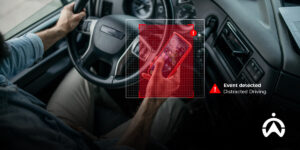
You can use up to eight internal and external vehicle cameras to ensure the safety of drivers, the fleet, and cargo. These cameras can detect risky behaviours such as drowsiness, inattention, smoking, and more.
Additionally, an in-cabin monitor helps drivers spot potential hazards and reduces blind spots. Footage recorded by this camera can also be used for accident investigations and to assist with insurance claims.
Not only that, fleet managers can also use recordings of poor driving behaviour for case studies and to educate drivers.
Benefits of Enhancing Driver Behaviour Monitoring Systems
You can rely on Cartrack to meet all your driving behaviour monitoring needs. Here are some of the benefits you can enjoy:
- Reduces costs because poor driving behaviour can be monitored and accidents prevented.
- Ensuring compliance with your company's policies
- Identify dangerous driving behaviours to ensure road safety compliance and protect your fleet.
- Protect your drivers by notifying them in real-time if they are not driving correctly
- Provide accountability via tags or driver ID identification
- Save on operating costs such as fuel and maintenance, and extend the lifespan of your vehicle
Maximise the safety of your drivers and fleet with Cartrack's fleet management software. Contact us by clicking the WhatsApp button or by filling out the form on this page.