EN
 ID



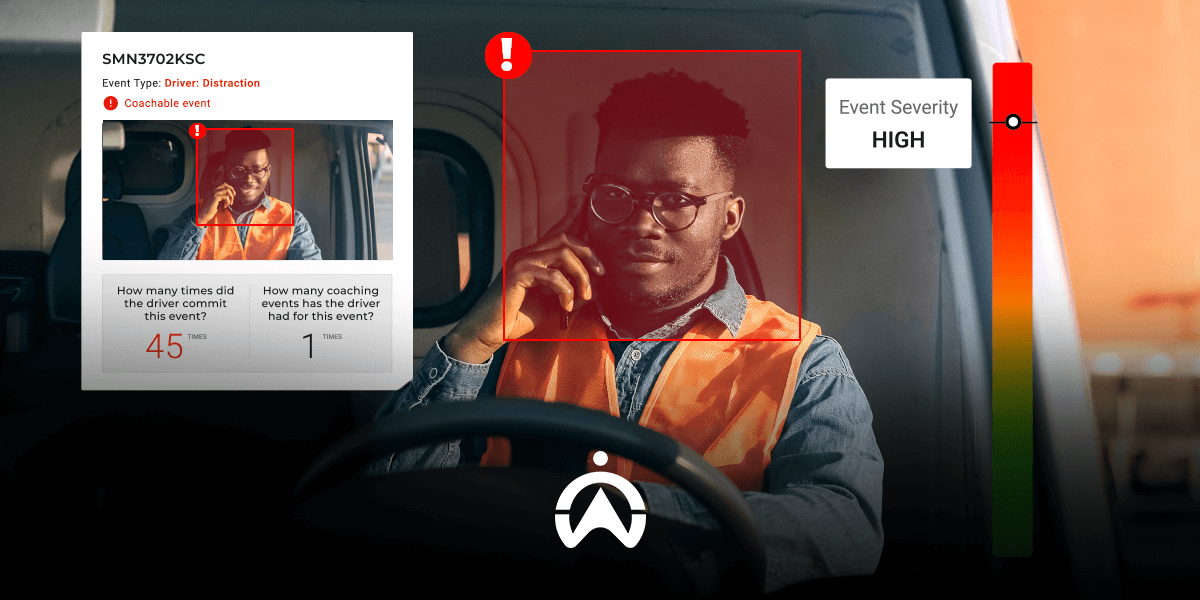
In an era where technology continues to evolve rapidly, the fleet industry is undergoing a massive transformation. One of the latest innovations—a significant milestone—is the integration of artificial intelligence-powered cameras, or AI (Artificial Intelligence) cameras.
What Is an AI Camera?
An AI camera is a technology that combines artificial intelligence (Artificial Intelligence) with camera hardware to enhance its ability to recognise objects, optimise settings, and deliver a better user experience. Through machine learning and data analysis, AI cameras can recognise faces, objects, and surrounding environments, as well as automatically optimise camera settings.
What Is the Difference Between AI Cameras and Other Cameras?
- Improved Photo and Video Quality One of the advantages of AI cameras is their ability to automatically recognise subjects in a shot. This enables the camera to intelligently adjust parameters such as lighting, focus, contrast, and colour saturation to produce better images instantly. Subject recognition technology allows the camera to detect and adjust settings according to the subject being photographed, resulting in sharper, brighter, and more vibrant images.
- Enhanced Photography Features AI cameras have also improved various photography features. For example, AI can expand portrait mode capabilities with more precise bokeh effects, even on smartphone cameras. The use of AI in low-light photography enables cameras to produce brighter and clearer images in low-light conditions.
- Revolution in Object Recognition AI cameras are capable of identifying objects in images with a high level of accuracy. With advanced object recognition, cameras can offer features such as object-based image search, facial recognition, and motion detection. This not only improves the user experience in photography but also forms the foundation for the development of security, surveillance, and other object-recognition applications.
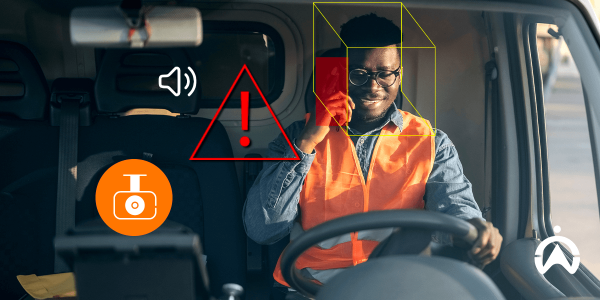
Development of AI Camera Technology in Fleet Management Systems
The development of Artificial Intelligence (AI) camera technology has transformed the landscape of fleet management. In recent years, the evolution of this technology has significantly impacted how fleets are operated and monitored. With integrated artificial intelligence, AI cameras are capable of providing accurate, real-time data analysis. Far more than just a monitoring tool, they serve as a valuable source of information for fleet managers. From detecting risky driving behaviour to preventive vehicle maintenance, this technology creates new opportunities to optimise fleet efficiency and safety. Consequently, the advancement of AI camera technology has proven to be a crucial milestone in enhancing fleet performance and safety in the modern era.
Why Are AI Cameras Important in Fleet Management Systems
AI cameras are becoming increasingly important because of their ability to transform the way we view and manage fleets. Their primary advantage lies in fast and accurate data analysis. These cameras are not just monitoring tools but also valuable sources of information for making smarter decisions in fleet management.
In the context of safety, AI-powered cameras can detect risky driving behaviours and provide real-time alerts to drivers. This not only enhances driver safety but also helps reduce the risk of accidents and associated losses.
Benefits of AI Cameras in Fleet Management Systems
The use of AI cameras offers a number of significant benefits in fleet management. Firstly, by using AI cameras, fleet security is substantially improved. With careful monitoring from AI cameras, fleet managers can obtain information about fleet conditions at any time and take preventive action to reduce the risk of unwanted incidents.
In addition, AI cameras assist in preventive vehicle maintenance. The analysis generated by this technology enables early identification of mechanical issues in vehicles, so that necessary maintenance can be carried out before serious damage occurs. As a result, fleet downtime can be minimised and vehicle lifespan extended.
Challenges of Fleets Without AI Cameras
In facing challenges in fleet management, the absence of Artificial Intelligence (AI) camera technology can be a major obstacle to fleet efficiency and safety. Without AI cameras, fleet monitoring and supervision become limited, leaving gaps in driver safety and increasing the risk of accidents. Furthermore, without real-time analysis provided by AI cameras, fleet managers struggle to make accurate, data-driven decisions. The absence of this technology can also make it difficult to schedule preventive maintenance and identify mechanical issues in vehicles, which in turn may affect the overall lifespan of the fleet. Thus, the lack of AI cameras can be a serious challenge that hinders efforts to achieve maximum efficiency and safety in fleet operations.
Application of AI Cameras in Fleet Efficiency Solutions
In the pursuit of efficiency within fleet management, the implementation of Artificial Intelligence (AI) camera technology represents a crucial step. Integrating AI cameras into fleet efficiency solutions significantly enhances overall fleet management. Through a connected system, this advanced technology enables real-time fleet monitoring. With precise and rapid data analysis, fleet managers are empowered to make smarter, more timely decisions. The use of AI cameras not only facilitates the monitoring of drivers and vehicle conditions but also creates opportunities for route optimization, fuel cost minimization, and improved operational efficiency across the board. Consequently, the adoption of AI cameras is more than just a solution; it serves as a vital foundation for achieving maximum efficiency in fleet management.
Case Study of Fleet Success Using AI Cameras
Case studies illustrating the successful use of Artificial Intelligence (AI) Camera technology in fleet management are a clear testament to the critical role this innovation plays. Many companies that have implemented AI cameras in their fleets have reported significant improvements in operational efficiency and fleet safety. For example, company X successfully reduced accident rates by leveraging the AI camera's ability to detect risky driver behavior. Meanwhile, company Y reported significant savings in fuel and vehicle maintenance costs after using AI camera technology for real-time monitoring and preventative maintenance. From these cases, it can be concluded that the effective implementation of AI cameras can have a significant positive impact on fleet management, improving operational efficiency, and ensuring fleet safety in daily activities.
How Cartrack AI Cameras Improve Fleet Solutions
- Enhanced Safety: One of the key advantages of AI cameras is their ability to improve fleet safety. Through real-time analysis, AI cameras provide alerts regarding potentially dangerous driver behaviour, such as sudden braking or driver fatigue.
- Monitoring Driver Behaviour: Cartrack’s AI camera technology enables real-time monitoring of driver behaviour. This facilitates the provision of feedback or guidance to drivers, helping to improve safety and efficiency for future trips.
- Video Recording for Accountability: Cartrack AI cameras also record video that can be used to understand events around the fleet. This footage helps in evaluating incidents or accidents, as well as ensuring driver accountability.
- Route Optimisation and Efficiency: With data generated by AI cameras, Cartrack can help optimise fleet travel routes. This helps save time and fuel, and improves overall operational efficiency.
- Providing In-depth Analytical Data: Cartrack’s AI cameras provide in-depth analytical data on fleet performance. This data assists fleet managers in making smarter and more effective decisions.
With AI camera integration, Cartrack provides an integrated solution that helps improve overall fleet safety, efficiency, and operational effectiveness.
Implementation of Cartrack AI Cameras in Fleet Solutions
The implementation of AI cameras in fleet management can be carried out through an integrated connected system. By using Cartrack AI cameras, fleet managers can monitor their fleets directly from the office and obtain important information to make the right decisions at the right time.
Cartrack AI cameras have unlocked tremendous potential in improving fleet efficiency and safety. With their ability to provide real-time data and in-depth analysis, AI cameras form the foundation of smart fleet solutions. The implementation of this technology not only enables fleet operational optimisation but also provides a competitive advantage for companies in facing the ever-changing challenges of the fleet industry.
So, if you want to take your business to the next level, it’s time to use AI-powered cameras from Cartrack! Click here to find out more!