EN
EN  ID
ID 


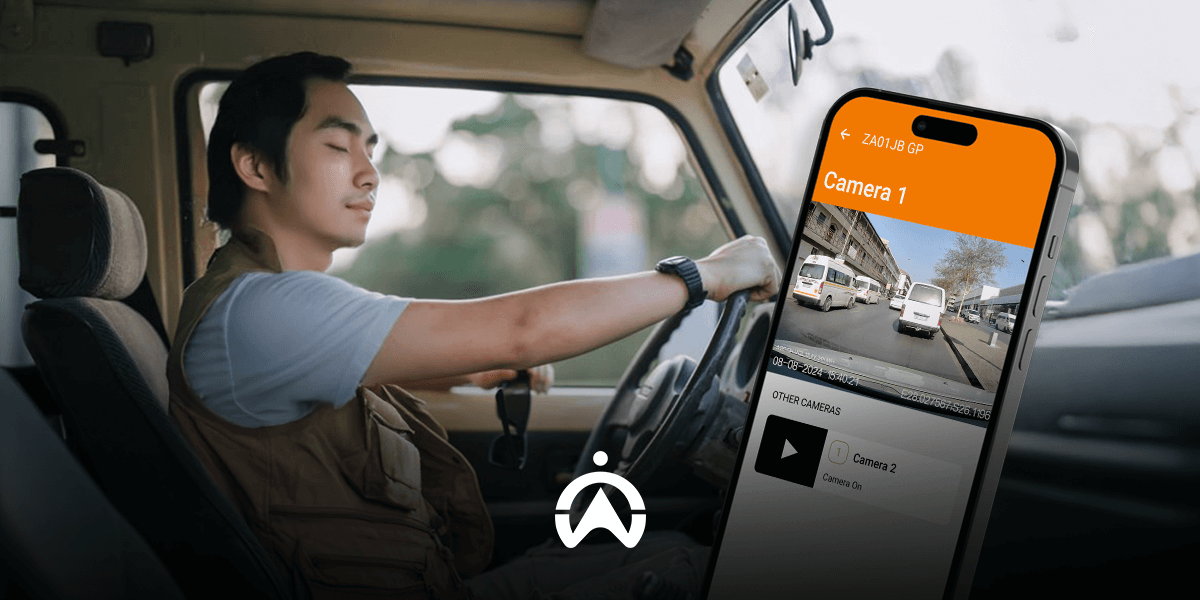
Have you ever lost focus while driving and unconsciously closed your eyes for a few seconds? This is a symptom of driver fatigue, known as microsleep.
According to the Chairman of the National Transportation Safety Committee (KNKT), approximately 60% of traffic accidents in 2024 were caused by driver fatigue. According to him, this is also closely related to the long working hours of drivers.
Understanding the phenomenon of microsleep while driving is crucial, especially if you work in the transportation and logistics industry. This article will discuss microsleep, including its causes, effects, and solutions for preventing it.
What is Microsleep?
Microsleep is a very brief period of sleep, lasting around 15 seconds or less, characterized by closed eyes or a nodding head. It's so brief that sometimes a person doesn't even realize they've fallen asleep.
The phenomenon of microsleep is closely related to sleep deprivation and fatigue, but it can also occur due to prolonged monotonous activity, such as driving on a toll road for long distances.
Causes of Microsleep While Driving
Despite its brief duration, microsleep while driving carries a significant risk of accidents. Fatigue and microsleep are even suspected to be among the leading causes of road accidents, including in Indonesia.
So, what exactly causes microsleep?
1. Lack of sleep
Lack of sleep has a significant impact and is closely linked to microsleep. Those who work shifts are particularly susceptible to microsleep.
Furthermore, this phenomenon is more common in those with sleep disorders such as insomnia and sleep apnea. This is due to poor quality sleep, which leads to fatigue and drowsiness.
2. Fatigue
Freight and passenger transport drivers who drive long hours are particularly susceptible to fatigue, especially if their work requires them to travel from one city to another in short intervals.
Furthermore, drivers who drive alone are also highly susceptible to fatigue because there's no one else to take turns driving. This fatigue can also make drivers drowsy and experience microsleep at times.
3. Health conditions and consumption of certain medications
People with certain health conditions are also more likely to experience microsleep, such as diabetes, anemia, and mental health conditions like depression and anxiety disorders.
Additionally, taking medications that cause drowsiness can also trigger microsleep. Some medications that cause drowsiness include antihistamines, pain relievers, and antidepressants.
4. Driving on the toll road
Microsleep doesn't just occur in those who are sleep-deprived, exhausted, or taking certain medications. In fact, even those who get enough sleep can experience microsleep when performing monotonous activities for extended periods.
One common occurrence is driving on a toll road when it's quiet and the road is completely clear. In such circumstances, the brain can easily go into autopilot mode, increasing the risk. microsleep also increased.
Also read: Vehicle inspection (KIR): Definition, requirements and costs 2025
The Impact of Microsleep on Drivers and Businesses
Microsleep sebenarnya tidak berbahaya, tetapi apa yang terjadi karena microsleep lah yang sangat berisiko untuk merugikan. Beberapa dampak yang ditimbulkan oleh microsleep adalah:
1. Risk of fatal accidents
For both private vehicles and company vehicles, microsleep poses a risk of accidents and collisions. Single-vehicle accidents such as hitting a road divider, skidding, and rolling over are also very likely.
Furthermore, fatal accidents can also occur if the toll road is congested or busy. Besides potentially hitting other vehicles, you're also very likely to cause a chain reaction accident that could result in injuries or even fatalities.
2. Operational losses
If microsleep leads to an accident, operational losses are unavoidable. These include damaged goods, delayed deliveries, and even damage to the delivery fleet, all of which can be substantial.
These losses do not include damage to vehicles or other parties caused by the accident. Your company must of course compensate for vehicle damage, material losses, and so on.
3. Legal impact and company reputation
Accidents caused by microsleep can be categorized as negligent driving. If the accident causes harm to other road users, the company may be subject to criminal and civil penalties.
Not only that, your company or business's reputation will also be damaged because the accident will be publicized. This could potentially damage existing relationships and even influence the decisions of potential clients.
Also Read: Improving Road Safety with Fleet Management Technology
How to Prevent Microsleep While Driving
Avoiding the dangers of microsleep can be done by preventing and avoiding its causes. You can start with the following:
1. Set a schedule for adequate rest and sleep.
Before driving, ensure the driver in charge gets enough rest and sleep. If working a shift, advise the driver to take breaks when not on duty.
2. Avoid driving alone
Driving alone can be boring, especially on open roads like toll roads. Make sure you assign drivers in pairs, so they can chat and take turns driving.
3. Use an effective shift system
An effective shift system is one that fairly divides work and rest time among drivers. This ensures no driver works long hours, which can lead to fatigue.
4. Consumption of food and drink
Consuming food and drinks while driving can help drivers stay awake. Caffeinated beverages like coffee and tea are especially effective in alleviating drowsiness, as long as they're not consumed in excess.
5. Use technology to detect fatigue
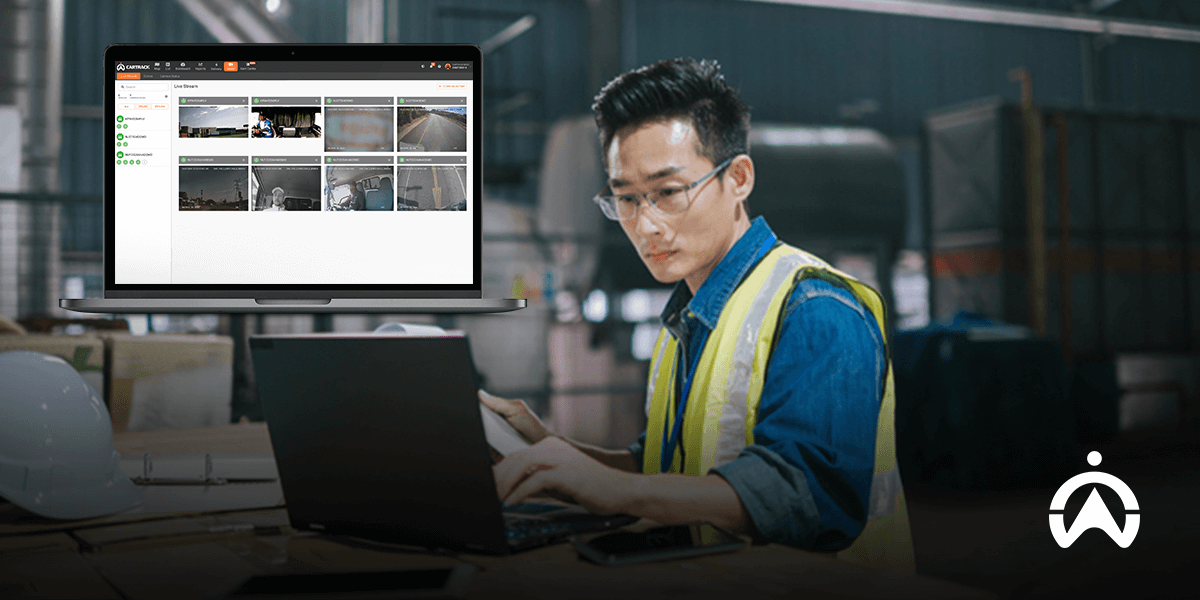
Besides avoiding the causes of microsleep, you can also use technology to detect driver fatigue. One way is to use an AI camera that can detect signs of driving fatigue, such as Cartrack's AI Vision.
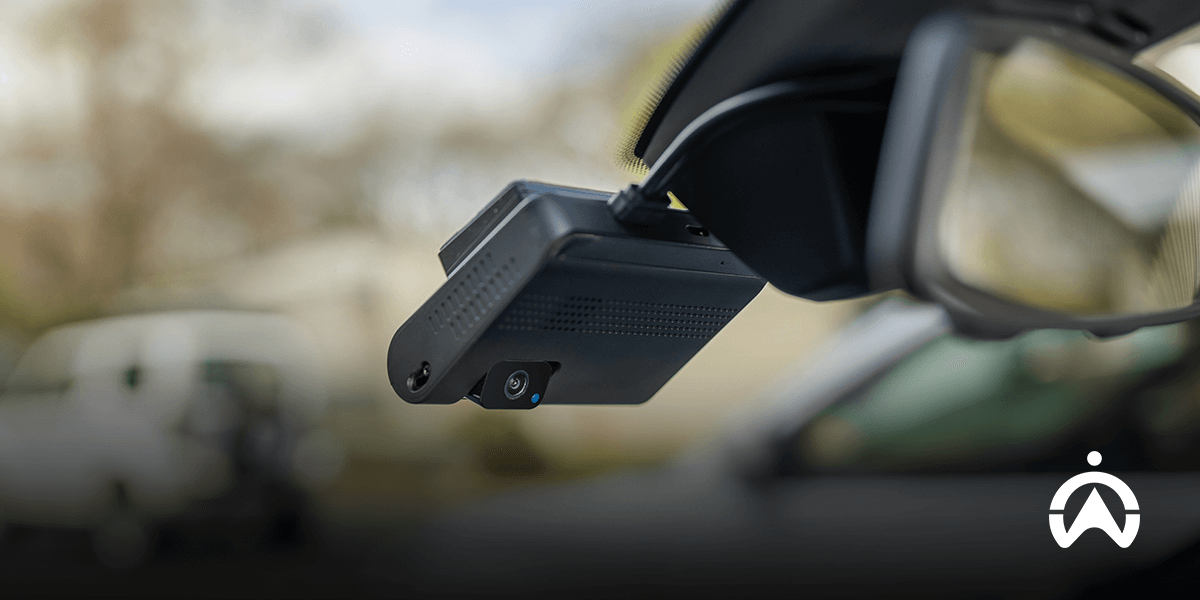
Cartrack's AI Camera Solution Detects Fatigue and Drowsiness
Cartrack's camera solution is equipped with Artificial Intelligence (AI) that can detect driver behavior. It will provide immediate alerts to drivers if they are detected as tired, drowsy, smoking, or using a mobile phone.
Additionally, AI can detect potential collisions ahead and will warn the driver. If the driver tries to cover the camera, fleet manager will be notified so that the driver can be given a warning.
Cartrack's AI Vision is available to suit your various needs with variations:
- AI Dual Vision: AI cameras face the cabin and the road ahead
- AI Multi Vision: AI camera for monitoring up to 4 cameras
- AI Multi Vision Pro: AI camera for monitoring up to 8 cameras
Also Read: The Dangers of Overloading in Freight Transport & How to Avoid It
Microsleep is a very short period of sleep that can contribute to road accidents. As a business owner in the transportation and logistics sector, you need to know how to address microsleep in drivers.
One way to do this is by using technology like AI-powered cameras that can detect fatigue. You can find this solution with Cartrack's AI SmartCabin and Driver Monitor Cameras.
Get special offers and demos from Cartrack by filling in your details on the digital form below!