EN
EN  ID
ID 


Imagine waking up to find the lights automatically on and the room temperature just right for starting the day. It may sound like something out of a science fiction movie, but it's now a reality thanks to the Internet of Things (IoT).
IoT developments not only make everyday life more convenient, but they also play a significant role in streamlining business operations. They increase efficiency, optimise savings, and even facilitate rapid decision-making.
What exactly is IoT technology and how does it work? Learn more about IoT, from its definition, how it works, its benefits, to its applications in various fields in the following article.
What is IoT (Internet of Things)?
The Internet of Things is a technology that allows various devices to connect and "communicate" with each other over the internet. This connectivity allows these devices to provide automatic responses to specific situations/circumstances.
The word "things" in the Internet of Things refers to any device, from smartphones and TVs to washing machines and cars to medical devices. Connecting these devices will undoubtedly simplify various tasks and increase efficiency and convenience.
What are the components of IoT?
The IoT has several key components whose presence is crucial for the IoT system to function. These key components include:
1. Sensors and devices
Sensors and smart devices are key components of IoT systems. This is because sensors are the components that interact directly with the environment to collect various data for processing and triggering automated actions.
IoT sensors are often integrated with smart devices, such as lights equipped with motion sensors. Some commonly used IoT sensors include temperature sensors, pressure sensors, humidity sensors, motion sensors, light detectors, and so on.
2. Connectivity
As the name suggests, IoT systems rely heavily on internet connectivity. For all smart devices to connect and automation to occur, a sufficient internet connection is essential.
However, the internet isn't the only form of connectivity used; it can also be combined with other forms of connectivity. For example, Bluetooth, Z-wave, and Radio-Frequency Identification (RFID) are used.
3. Cloud Storage
With so many sensors, you'll need a lot of storage space. Therefore, IoT typically uses the cloud to store and process data 24/7.
In an IoT system, the cloud is like the brain, not only storing but also continuously processing information. However, for efficiency, it sometimes requires the assistance of edge devices that can process data locally, eliminating the need for forwarding it to the cloud.
4. User Interface
Next, there's the user interface, or UI, which is the part of the system you interact with directly. This UI can take the form of a web-based dashboard, a smartphone app, or a voice interface (e.g., Alexa). Within this user interface, we can do things like:
-
View and read device data
-
Setting up the device
-
Get notifications
-
Setting up automation
Also Read: How IoT Temperature Sensors Work to Monitor Storage Fleet Temperatures
How Does IoT Work?
Now that we know the components, let's move on to how IoT works. The steps are as follows:
-
Data collected: Sensors and devices collect data on environmental conditions, such as air temperature, GPS position, or movement.
Example: The temperature sensor on the AC detects that the room temperature is 30°C.
-
Data sent via connectivity: Data from sensors is sent to the Cloud via a Wi-Fi network for further processing.
Example: The temperature sensor sends data that the room temperature is 30°C to the Cloud.
-
Data is processed in the Cloud or Edge Device: Simple data is processed directly on the Edge Device. More complex data is sent to the Cloud for further processing.
Example: The system checks the setting that temperature 28°C = AC is on
-
Taking action: The system determines what action to take based on the received data. This action could be, “turn on the AC,” “turn off the engine,” “send a notification,” and so on.
Example: The automatic system turns on the AC.
-
Users get info: You can view data in real-time, make manual settings, and get notifications.
Example: You get a notification that the AC has turned on automatically.
What are the benefits of using IoT?
The use of IoT has various benefits, particularly in simplifying work and increasing convenience. Some of these benefits include:
1. Manage remote devices
IoT allows us to control and operate devices remotely using internet connectivity. Your life would certainly be easier if a robot vacuum cleaned your house while you were away at work.
You also don't need to worry if you leave electronic devices on or forget to turn them off. This is because you have the control to turn them off via your smartphone.
2. Automation and efficiency
Interconnected devices make it easier to set up automation and increase efficiency. Automation also reduces human involvement, saving time and effort on various tasks.
This applies to both increased comfort at home and practicality in business and work. In business, automation also allows you to employ fewer workers, which also contributes to cost savings.
3. Data-based decision making
Sensors and smart devices are key components of IoT systems. With data from various sensors, the system can process situations and respond quickly based on that data.
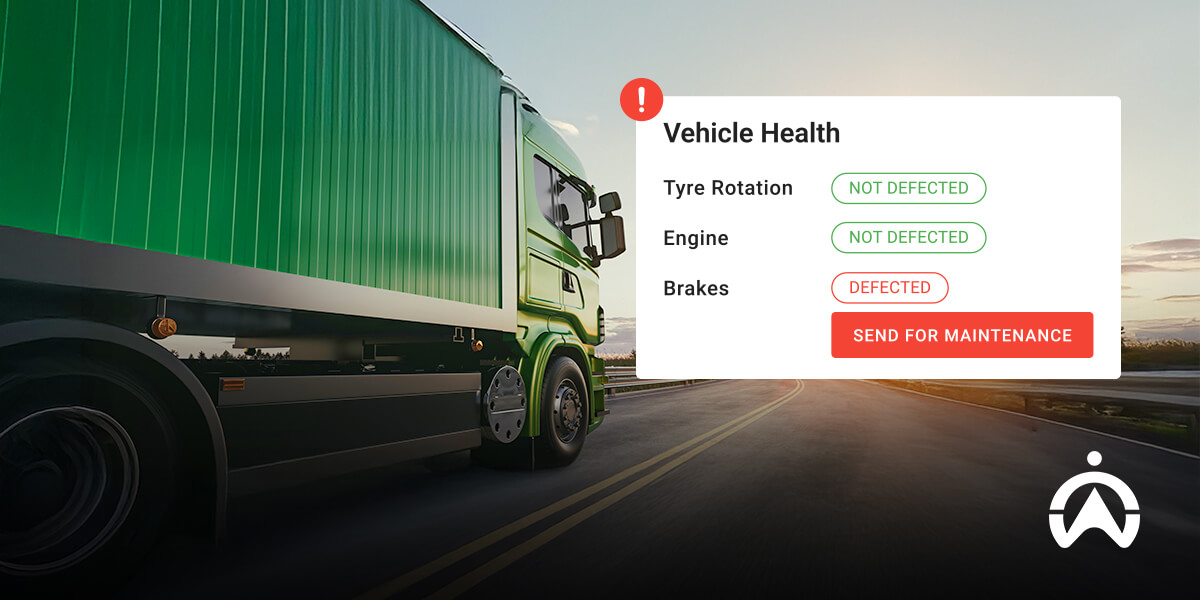
For example, a factory machine experiences a problem where the temperature rises above normal while it's operating. Using data from sensors, an IoT system can immediately issue a warning or even shut down the machine if it reaches a certain temperature.
4. Increase security
IoT systems are also extremely useful for improving security, whether monitoring homes, offices, or vehicles. In fact, you can monitor all of them simultaneously within the same system.
You can utilise smart cameras, use automatic locks, and even activate notifications for suspicious situations. This way, if a theft or other crime occurs, you can immediately address it.
5. Save energy and costs
Nowadays, we are inseparable from various electronic devices that require electricity. One environmental concern is how to use these devices wisely and support energy conservation.
The good news is, IoT allows you to save energy by automatically limiting consumption. For example, by setting devices to turn on and off automatically according to need.
Also Read: 4 Benefits of Cargo Door Sensors for Company Fleet Management in Indonesia
Examples of IoT Applications in Various Fields
So, how is IoT being applied and used in various areas of everyday life? Consider the following examples.
1. Smart Home (automatic lights, smart AC)
The most relevant example of IoT implementation in our daily lives is the concept of the smart home. With a smart home, you can live more comfortably and safely thanks to the automation of various electronic devices.
From automatically turning on lights and air conditioning to enhancing security with CCTV cameras and smart locks, you can have full access and control of your electronic devices from your smartphone or smart speaker like Alexa.
2. Health (wearables)
Smartwatches are now very common. These devices allow you to track health data, including heart rate, oxygen levels, sleep data, and physical activity.
IoT also allows you to be treated at home with Remote Patient Monitoring technology. Using data from various health-related sensors, doctors can stay informed about your condition without requiring hospitalisation.
3. Transportation (GPS, autonomous vehicles)
Another use of IoT is for fleet management, as offered by Cartrack. You can use GPS and various sensors to gain comprehensive monitoring and improve the safety of your fleet.
Furthermore, IoT is also used in autonomous vehicles or self-driving vehicles, such as those from Tesla. Using various sensors, AI, and IoT, these vehicles can operate autonomously without the need for human intervention.
4. Industry (factory automation)
IoT also plays a role in factory automation, where machines in every production process are automatically connected to each other. Besides increasing time efficiency, this automation also minimises human involvement, allowing companies to be more efficient in their workforce.
Furthermore, IoT systems can also enhance security by detecting issues and damage. This way, companies can avoid more serious damage that could disrupt operations.
What are the challenges and risks of using IoT?
IoT certainly simplifies various tasks, increases efficiency, and makes life more convenient. However, its use also comes with various challenges and risks, such as:
1. Data security & privacy
With interconnected systems, IoT systems are highly vulnerable to hacking, which could potentially damage and disable all functions. Furthermore, data security and privacy are also at risk because they are automatically stored online.
However, currently developed IoT systems generally incorporate cybersecurity components. This way, extortion and personal data theft can be minimised.
2. Technology dependence
While using IoT makes life incredibly convenient and efficient, this can also indirectly lead to an unhealthy dependence on technology, making it difficult for us to function normally without its assistance.
3. Initial costs
IoT requires a variety of smart devices that not everyone has. If you want a fully integrated system, you'll need to invest in the infrastructure, which requires significant capital.
IoT-Based Fleet Management from Cartrack
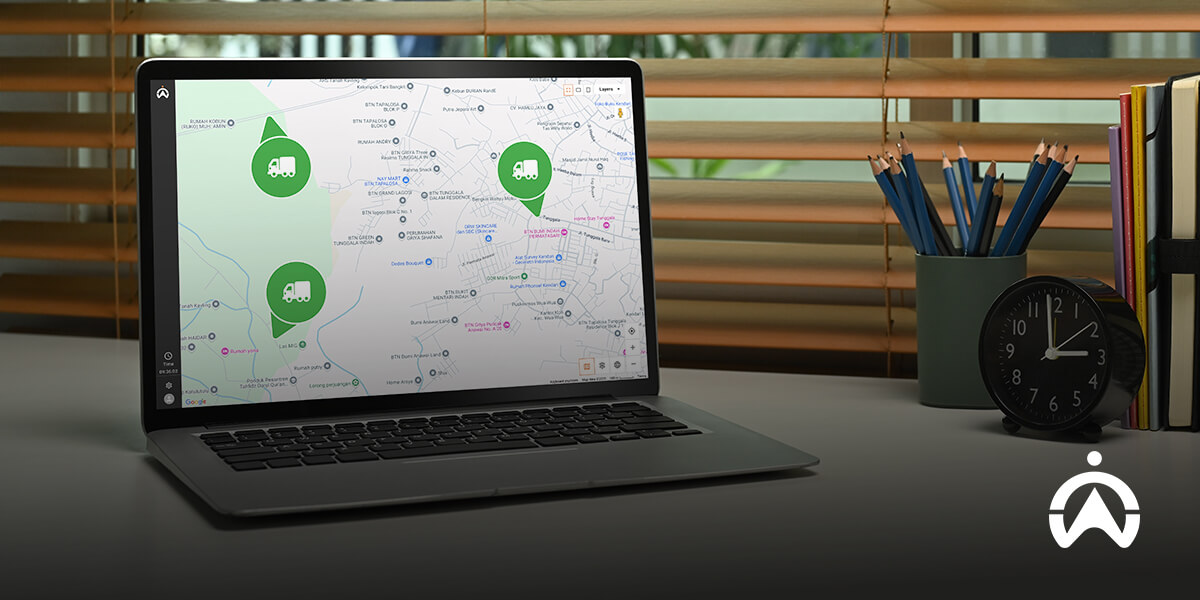
One application of IoT in the transportation sector is IoT-based fleet management, such as that offered by Cartrack. Cartrack's entire system is internet-based and cloud-based, allowing access anytime, anywhere.
-
GPS Tracker → Allows you to track vehicles in real-time and access them on a web dashboard or smartphone app.
-
IoT sensors → Cartrack also offers sensor technology, ranging from fuel sensors, temperature sensors, and so on that can enrich your vehicle fleet data.
-
AI Camera → Cartrack's camera and dashcam solutions can detect driver behaviour, detect potential accidents, and you can access all the information.
-
Start Prevent → Prevent theft by automatically disabling the vehicle's starter if it is far from the designated zone.
-
MiFleet → Cost management system software that simplifies fleet administration and financial management.
Also Read: This is the Best Panic Button for Your Vehicle!
That concludes our discussion of the Internet of Things (IoT), from its definition to the challenges and risks of using it. IoT enables numerous automations, increasing efficiency in time, effort, and costs.
One use of IoT in the transportation sector is in fleet management, as offered by Cartrack. These include GPS trackers, various IoT sensors, and security systems to prevent theft.
For those of you running a transportation and logistics business, you can trust Cartrack's fleet management solutions to ensure your fleet security. Complete your details in the form below and receive a special offer from Cartrack tailored to your business!