EN
EN  ID
ID 


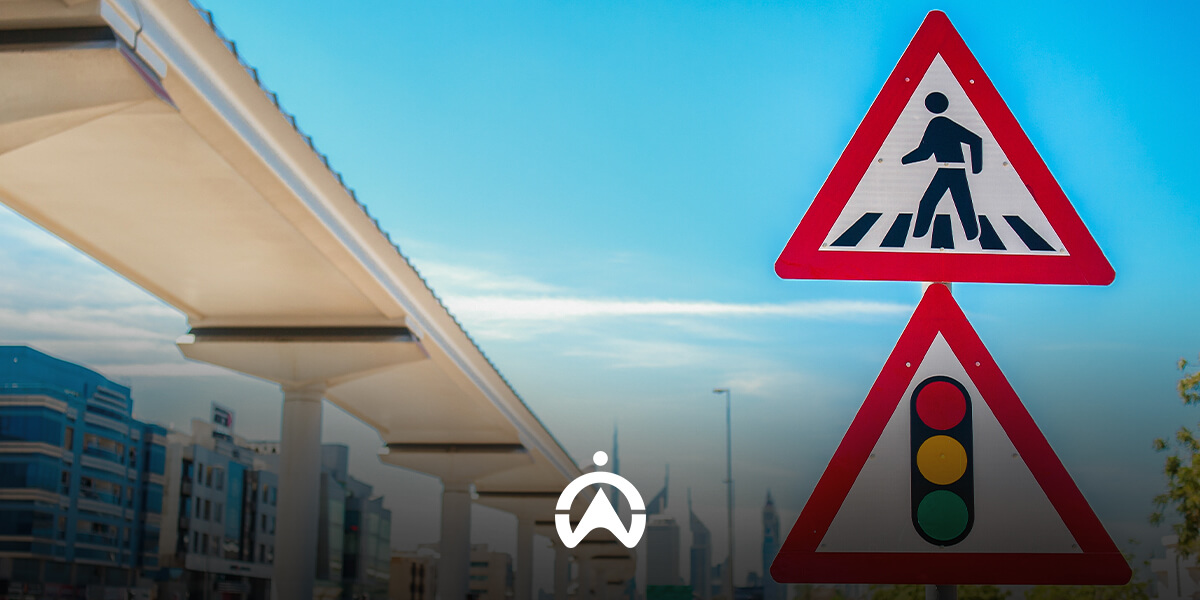
Road safety refers to efforts made to reduce the risk of accidents and injuries on the road. These efforts encompass an understanding of traffic regulations, awareness of vehicle condition, and driving skills.
This responsibility does not rest solely with individual drivers, as it concerns the safety of many people on the road. As the owner or manager of a business operating a vehicle fleet, your role is also crucial in ensuring your business's operational safety.
This time, we will delve deeper into road safety—covering everything from the causes of accidents to how technology can assist you. Read on to find out more!
Common Factors Causing Accidents
In general, road accidents are caused by three factors: the human element, the vehicle, and the environment.
Human Factors
The human factor is the most frequent contributor to road accidents—ranging from car and motorcycle riders who speed, drive while intoxicated or drowsy, to those who smoke or use mobile phones while driving.
As a business owner, such risky driving behaviour often goes unnoticed due to the lack of in-cab monitoring. It only comes to light after an accident has occurred and an investigation reveals that the aforementioned factors were the cause.
Vehicle Factor
Another cause of accidents is vehicle-related factors—specifically, the condition and roadworthiness of the vehicle itself. If your vehicle is not regularly maintained, the risk of encountering problems on the road and causing an accident increases significantly.
These range from visible issues—such as bald tires and non-functional lights—to other defects that absolutely require inspection. Another common cause of both single-vehicle accidents and collisions is brake failure.
Environmental Factors
The final factor contributing to accidents is the environmental factor. Although this factor is beyond human control, how one deals with it often plays an additional role in causing accidents.
Common situations include adverse weather causing slippery roads, flooding, damaged roads, and poor lighting. In such conditions, your caution and driving skills will be crucial to the safety of the journey.
Read Also: Microsleep While Driving: Causes, Consequences, and Prevention
How to Improve Road Safety
Road safety is the responsibility of every road user, whether driving a personal or company vehicle. Business owners and companies alike also need to adopt a proactive approach to ensuring driving safety.
For Motorists
As a driver, here are some things you can do to improve driving safety:
-
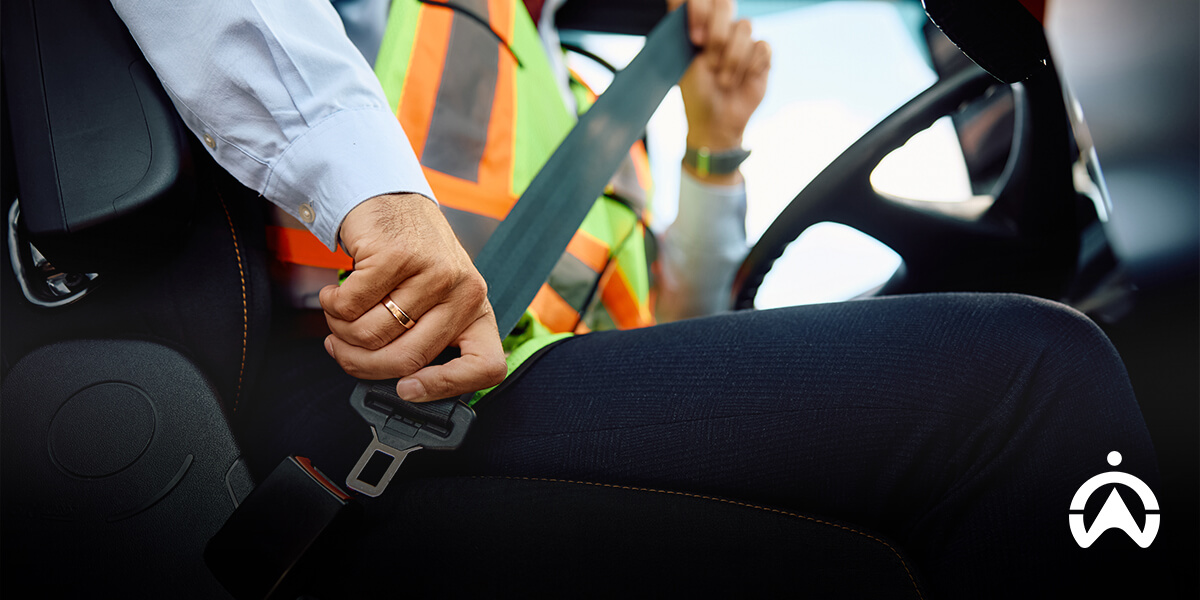
Always wear a seatbelt or helmet when driving or riding.
-
Observe speed limits when driving on certain roads, such as toll roads.
-
Keep a safe distance from other vehicles to minimize the potential for collisions.
-
Avoid microsleep while driving by taking a break immediately if you feel tired or drowsy.
-
Pull over and stop if you have to take a call.
For Companies
For business operational fleets, company regulations and policies regarding driving practices and vehicle maintenance significantly impact safety. Here are some things you can do as a business manager to promote safe driving.
-
Implement driving safety training for all drivers.
-
Perform regular vehicle inspections and maintenance to ensure the vehicle is always in top condition.
-
Use a Fleet Management System to manage your fleet while enhancing safety and security.
-
Build a safety culture in every SOP and daily briefing so that staff are always careful and prioritize safety.
-
Set safe working hours so that no staff gets tired due to long working hours and lack of rest.
The Role of Technology in Improving Safety
In addition to human oversight, the use of technology can also significantly improve safety. Some fleet management technologies you can use include:
1. GPS Tracker
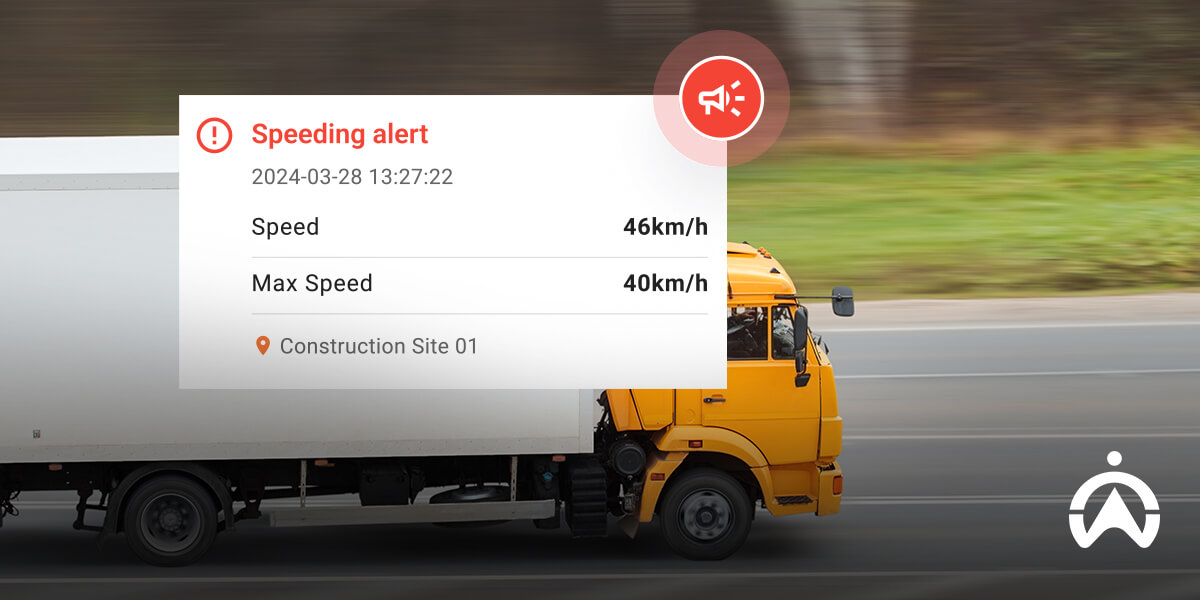
Using a GPS tracker makes it easier for you to track delivery processes or fleet movements in real-time. Additionally, GPS trackers are typically equipped with comprehensive telematics capabilities that provide information on factors such as aggressive driving behaviour.
You'll be alerted if the driver is speeding, braking hard, making sharp turns, and so on. With an integrated system like Cartrack, you may also receive notifications of these incidents and be reprimanded.
2. AI Camera & Dashcam
Artificial Intelligence (AI) technology in fleet cameras can help you detect and provide real-time alerts regarding risky driving behaviours—such as when a driver is drowsy, smoking, or using a mobile phone while driving.
Furthermore, using a dashcam can provide visual evidence in the event of accidents or road disputes. You can also use dashcam footage as case study material to train drivers on how to handle specific situations.
3. Integrated Fleet Management System (FMS)
An integrated Fleet Management System not only simplifies vehicle monitoring but also provides comprehensive reports. With these reports, you can conduct evaluations and formulate policies regarding operational efficiency.
Additionally, there will be other useful features, such as automated scheduling of periodic maintenance. Cartrack's Maintenance feature, for example, allows you to receive notifications for maintenance and regulatory matters, such as test checks.
Also read: Vehicle inspection (KIR): Definition, requirements and costs 2025
Road safety is an effort to minimize the risk of accidents, and it is the responsibility of all road users to ensure everyone's safety. For business owners, this is also a crucial concern, as operational safety significantly impacts their company's revenue and reputation.
Cartrack offers integrated fleet management that supports safe driving, from comprehensive telematics and fleet cameras to automated repair scheduling. Complete your details in the form below, and our staff will contact you with a tailored quote.