EN
EN  ID
ID 


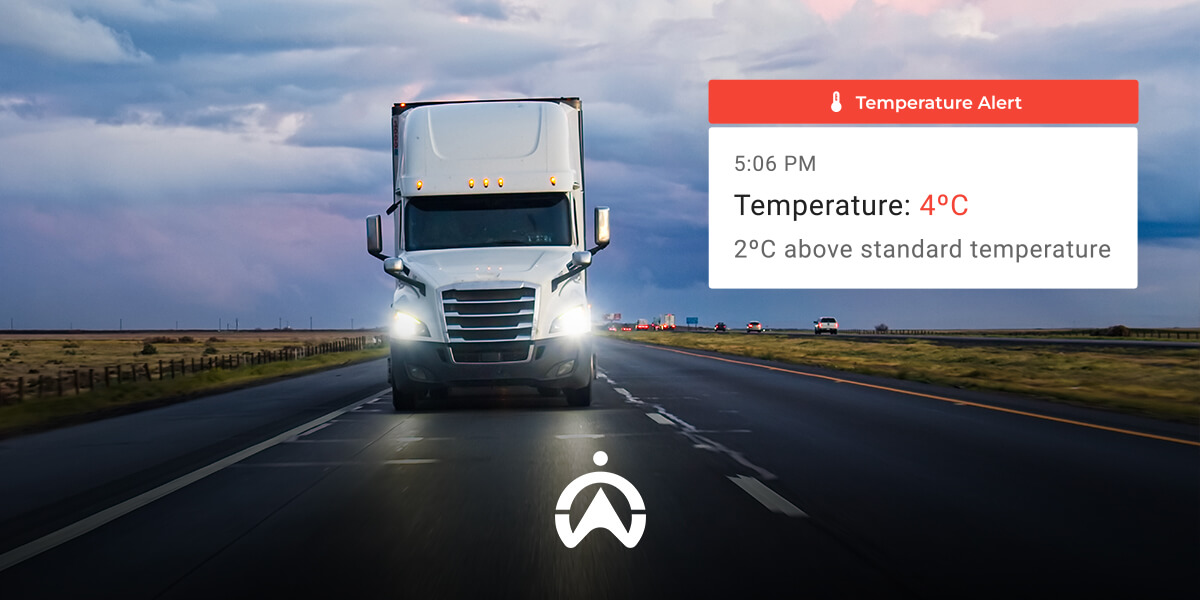
Temperature sensors are key to preventing significant losses for companies, especially those in cold-chain logistics. Imagine if your food or medicine shipments were damaged simply because the temperature inside the cargo wasn't monitored.
Not only is replacing your product financially detrimental, but your business reputation is also at risk due to the loss of customer trust. Therefore, you need to use temperature sensors integrated into your fleet management system.
What is a Temperature Sensor?
A temperature sensor is a device that detects, measures, and displays the temperature of an object or environment. The data displayed on this device can be either analog (using a needle) or digital (numerical).
This device isn't just for measuring temperature; it can also be part of a specific related system. For example, a temperature sensor in an air conditioner for automatic temperature adjustment or a machine security system that can sound an alarm if the temperature reaches a certain limit.
Temperature sensors also play a crucial role in fleet management, particularly in cold-chain logistics fleets, where temperature stability is crucial. These systems can provide automatic notification if there is a significant temperature change that could potentially damage the product.
How does it work?
Temperature sensors work by responding to temperature changes and converting them into electrical signals, which are then translated into data. To detect these temperature changes, some sensors involve direct contact with the object, while others don't.
Types of temperature sensors that involve direct contact include thermocouples and thermistors. Meanwhile, sensors that don't require direct contact with an object include infrared sensors, which are often used to measure human body temperature.
The use of temperature sensors in IoT systems allows data to be sent to a server for access on the system dashboard. Furthermore, the data can be processed to activate specific automation, such as alerts for temperature changes within a certain range.
Read also: How IoT Temperature Sensors Work in Monitoring Fleet Storage Temperature

Why Temperature Sensors Are Important for Companies
The use of temperature sensors is very important for companies because it is related to various things, such as:
1. Maintain product quality
In industries related to food, beverages, pharmaceuticals, and other cold-chain logistics, temperature stability significantly impacts product quality. Without temperature control, products can be damaged or rot by the time they reach their destination.
For example, when shipping tropical fruits like bananas, they may ripen during transit. If the cargo temperature rises, the ripening process will accelerate, which is not ideal for supermarket stock.
2. Regulatory compliance
If you want to expand your business internationally, there are international regulations and standards you must comply with regarding temperature monitoring. Failure to comply with these regulations could result in sanctions, loss of your operating license, and damage to your reputation.
The Guidelines for Good Distribution Practice (GDP) and Hazard Analysis and Critical Control Points (HACCP) are examples of globally applicable standards. Cold chain businesses generally use these standards in their operations.
3. Early detection of technical problems
Using a temperature sensor can also help you detect problems with your cold truck. Sometimes, the temperature of cold cargo can fluctuate due to factors such as loose doors or a faulty cooling system.
By identifying unusual temperature changes, you can identify technical issues more quickly. This way, you can quickly find solutions to ensure smooth delivery and prevent losses due to product damage.
4. Operational Efficiency
There are situations where refrigerated cargo experiences excessive cooling, resulting in increased fuel consumption. One cause is the difference in temperature outside the cargo and the regulated temperature inside.
Overcooling often goes unnoticed due to various factors in the field. Temperature sensors help you detect signs of overcooling so you can adjust the temperature as soon as possible to avoid waste.
5. Customer security and trust
By monitoring temperature, you not only ensure goods reach their destination but also ensure their quality is maintained. You can also register your business for recognition for meeting certain international standards.
This will gain the trust of existing customers and attract new ones. Your brand will be strengthened, and your company's reputation will improve, especially when compared to other companies in the same industry.
Also Read: Getting to Know the Internet of Things (IoT), How It Works, and Examples of Its Use
Use of Temperature Sensors in Fleet Management
Temperature sensors are used not only in everyday life and manufacturing, but also in logistics fleets. Some of their uses include:
1. Cargo temperature monitor
In cold-chain logistics, temperature stability during shipping significantly impacts the quality of the product being shipped. The use of temperature sensors helps drivers and delivery managers ensure product quality.
By ensuring product quality is maintained until it reaches its destination, you'll avoid potential losses due to damaged goods. You can also take immediate action if your cold truck experiences problems with its cooling system.
2. Real-time alerts
As part of fleet management, temperature sensors can also be used to automate reminders or notifications. This way, you can detect if the vehicle's cargo temperature increases or decreases below the ideal temperature during a trip.
The IoT sensors used in the Fleet Management System are connected to the internet, allowing data to be accessed remotely. This system also enables automation and instant notification.
3. Data integration with Fleet Management System
The Fleet Management System allows you to monitor your vehicles comprehensively, including using sensors. Internet connectivity also allows remote access to temperature sensor data.
Additionally, by integrating temperature sensors with fleet management, you can also receive monthly, daily, or weekly reports. This data can be used for policy analysis, performance evaluation, and more.
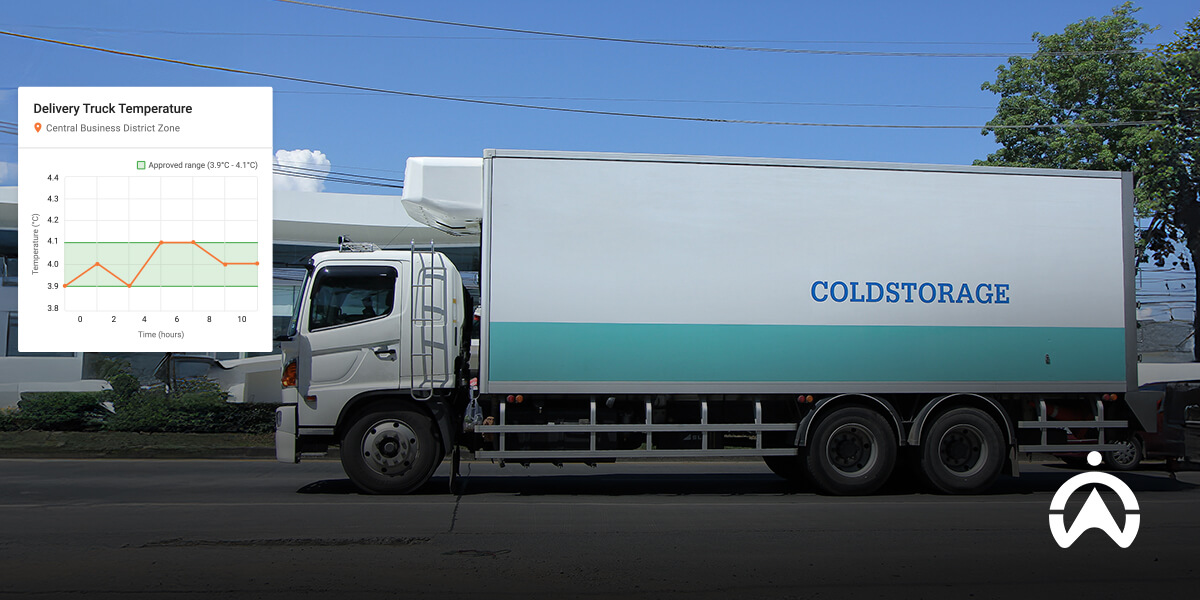
Temperature Sensor in Cartrack's Fleet Management System
One of the additional features you can add to Cartrack's Fleet Management System is a temperature sensor. This device is installed directly in the cargo area of your fleet and connected to Cartrack's telematics system, allowing you to access the data from your dashboard.
To detect temperature changes based on cargo door opening and closing activity, you can also add a cargo door sensor. Furthermore, several other features that are equally important for comprehensive fleet monitoring include:
-
GPS Tracker: GPS tracker to find out the location of the vehicle in real-time, making monitoring easier.
-
Fuel Monitoring: Fuel monitoring using 3 types of fuel sensors according to the needs and type of vehicle.
-
AI & Non-AI Camera: Visual monitoring with dashcams and fleet cameras with or without AI technology.
-
Delivery: Delivery management solution to simplify task allocation, delivery scheduling, and route optimization.
-
Maintenance: Helps you to schedule and record routine maintenance and receive accident reports and repair requests from the driver app.
-
Driver Identification: An identification feature to ensure that only certain drivers can use authorised vehicles.
-
Panic Button: A panic button that drivers can use to notify the company if there is an emergency on the road.
All these features will be connected into a single system, centralising your fleet monitoring. The Fleet Web monitoring dashboard allows you to easily access all features and view real-time data.
Price and How to Subscribe
You can choose the temperature sensor feature for free when you subscribe to Cartrack's Fleet Management System. Starting at Rp220,000, you'll get two additional features, installation fees, and a monthly internet quota.
Complete all your cold chain fleet management needs with Cartrack and ensure product quality is maintained. Fill in your details in the form on this page so our staff can offer you the best Cartrack products and services.
Also Read: Cargo Door Sensors: Minimising Theft and Smuggling