EN
EN  ID
ID 


We know that transportation plays a huge role in our lives, from shipping goods and car rentals to tour buses. However, have you ever considered the business opportunities that arise from this close relationship?
This time, we'll discuss the transportation business, including its types, business opportunities in Indonesia, and how to get started. Read on for a complete explanation if you're interested in starting a business in the transportation sector!
What is the Transportation Business?
The transportation business is a business related to moving goods or people from one place to another using vehicles. This business encompasses various modes of transportation on land, sea, and air.
The following are examples of transportation businesses in Indonesia according to their respective types:
-
Land transportation business → Online transportation, logistics and expeditions, shuttle cars, car/motorcycle rental, taxis, bus rentals, and so on.
-
Maritime transportation business → Shipping companies, ship charters, shipping goods by sea, inter-island tourism, and so on.
-
Air transportation business → Airlines, cargo delivery by air, and so on.
Potential Transportation Business Opportunities in Indonesia
The transportation business and industry in Indonesia offer significant opportunities now and in the future. This is influenced by various factors, such as:
-
Digitalisation and transportation applications
-
E-commerce drives logistics services
-
Local tourism is on the rise post-pandemic
-
Electric vehicles and eco-transportation
There are many types of transportation businesses in Indonesia, from vehicle rentals to online transportation. Some potential transportation businesses in Indonesia include:
1. Rental Mobil/Motor
Vehicle rental businesses are very common in Indonesia, especially in urban areas and around tourist destinations. These businesses can range from small-scale fleets with just a few vehicles to large-scale fleets with tens or even hundreds of vehicles.
2. Shuttle Travel
Another business is the shuttle travel business, whether airport transfers or intercity transfers. This service is highly sought after because it often implements a drop-off and pick-up system, making it more convenient and easier for customers.
3. Instant Delivery
The delivery business still offers significant potential, especially with the rise of e-commerce and online shopping habits. Instant delivery services, which allow customers to receive their orders within hours, are also in high demand.
4. Bus Company
Bus transportation companies generally serve passengers traveling between cities, for tours, or for rentals for other purposes. This business also offers significant potential in Indonesia, especially since land transportation remains a popular option.
5. Online Transportation
With its convenient and user-friendly services, online transportation is one of the fastest-growing transportation businesses in Indonesia. Despite the presence of major players like Grab and Gojek, this business still has ample opportunities for competition.
Also Read: 5 Best Business Insights for Your Fleet!
First Steps to Starting a Transportation Business
For those of you who have plans to start a business in the transportation services sector or a transportation company, apply the following 7 steps:
1. Determine the Type and Target Market
The first thing you need to determine is the type of business and its target market. Whether it's a car rental, a shuttle service, or another business with larger capital requirements, such as a bus company or logistics company.
When deciding on a business type, you should also consider the opportunities and who the target market will be. Also, find out whether market demand for that sector is large enough for your business to have the potential to grow.
2. Financial Research and Planning
Once you've determined your business type and target market, the next step is to conduct competitor research or study. Identify and record key operational aspects, such as the type of fleet they use, their scope of business, and so on.
By observing your competitors, you can usually roughly calculate the budget required for operations. From there, you can create a financial plan that, of course, fits your available budget.
3. Fleet Preparation
Next, you'll enter the most crucial and potentially capital-intensive part: establishing a fleet. You can decide whether to use an existing private fleet, rent one, or purchase one.
Ensure that the fleet you choose truly aligns with your business needs and won't burden operations. Aim for a fleet that's fuel-efficient and capable of operating effectively in a variety of terrains.
4. Take care of legal matters
With your fleet in place, it's time to take care of the legalities, both regarding your fleet and its business permits. Ensure all your vehicles are equipped with the necessary documents, such as vehicle registration certificates (STNK), vehicle ownership certificates (BPKB), and have passed the vehicle inspection (KIR).
If you're buying a used vehicle, make sure the documents are officially transferred to your name and are officially yours. Furthermore, if your business involves providing passenger transportation, you'll also need to apply for a special yellow license plate.
5. Recruit HR and Prepare SOPs
As you move into operational preparation, you can begin recruiting human resources, including drivers and other staff if needed. You can also begin developing standard operating procedures (SOPs) to provide clear rules and directions for operations.
It is highly recommended that you create SOPs that comply with government regulations. This is to avoid operational disruptions due to perceived violations of applicable laws and regulations.
6. Take Advantage of Technology
Using fleet management technology will make it easier for you to manage your fleet and improve road safety. This includes GPS Trackers, which allow you to track your vehicles and monitor their driving behaviour.
Not only that, integrated Fleet Management Systems like Cartrack also offer a variety of additional features, including fleet cameras, fuel sensors, and start-prevention to prevent theft.
7. Marketing and promotion
Before starting operations, ensure you've initiated a massive promotional campaign, both digitally and non-digitally. Choose the most effective marketing and promotional media that can reach the widest possible target market.
Additionally, take advantage of collaborations with various platforms that can support your business's promotion and visibility. For example, if you own a car rental business, you can register your business with an online booking service.
Also Read: Benefits of Fleet Management Systems for Fleet Rental Businesses
Challenges and How to Overcome Them
As a business that involves vehicles in its operations, the transportation business faces several challenges that you should be aware of from the outset. These challenges include:
1. High Operating Costs
The transportation business is always concerned with fuel consumption, vehicle taxes, and repair costs. Regarding fuel, for example, some potential challenges include driving habits such as speeding, which wastes fuel.
Meanwhile, poorly maintained vehicle health can also lead to serious damage, which can incur significant expenses. If not managed properly, these issues can seriously disrupt business finances.
2. Market Competition
The next challenge is market competition and the large number of players in the same or similar business sectors. It's crucial for you to have a unique selling point that will attract customers to your services.
You also need to maximise operational efficiency so that your budget can be allocated to promotions and marketing. In addition to implementing effective marketing and promotions, ensure you consistently provide the best possible service to retain customers.
3. Risk of Fleet Loss & Misuse
One common situation involves drivers using business vehicles for personal needs or even taking on part-time work. This can be detrimental to the company, as the vehicle is being used for non-business purposes.
Furthermore, fleets are highly vulnerable to theft and theft by unauthorised parties, especially if your business involves renting or leasing vehicles with a keyless system.
Cartrack's Fleet Management Solution for Transport Businesses
To minimise potential losses and maximise efficiency, you can use Cartrack's fleet management solution to monitor your fleet and drivers. Here are some features that can help you manage your transportation business.
GPS Tracker
GPS tracking allows you to monitor your fleet's location in real time and view each vehicle's daily journeys. You can also access data related to driving behavior, such as speeding and hard braking.
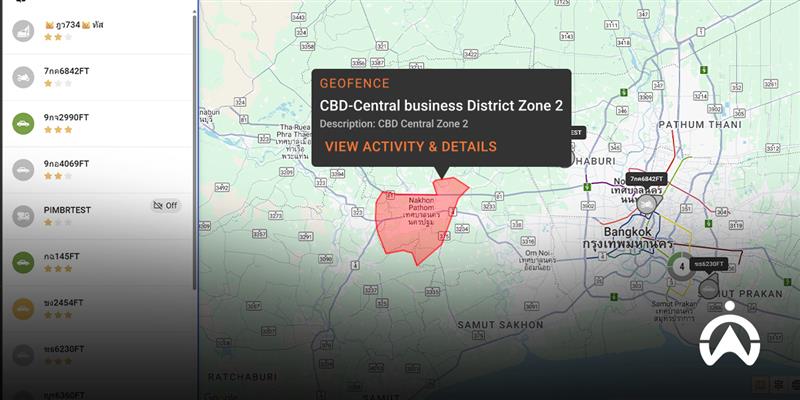
Geofence dan Point of Interest
You can set geofences and points of interest to delimit work areas or restricted areas. You can also set notifications if your fleet enters or exits these designated areas.
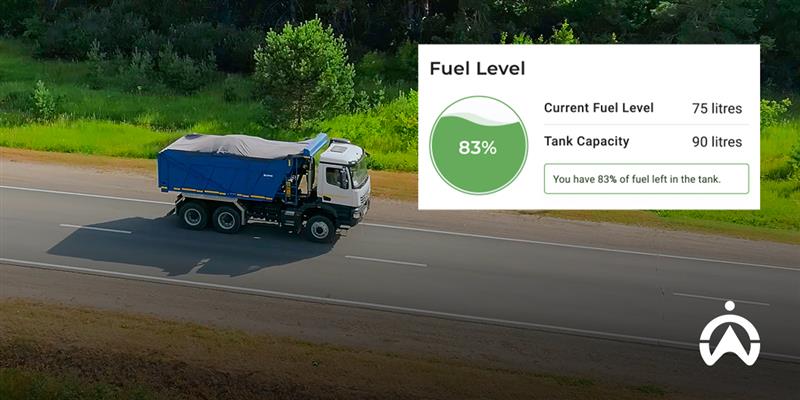
Fuel Monitoring
Learn about your fleet's fuel usage with three types of sensors available depending on your vehicle type. These sensors will help you detect fuel fraud or theft.
AI Vision
A visibility solution that allows you to monitor risky driving behaviors such as cell phone use, smoking, or drowsiness. The system will automatically alert you if the AI camera detects any risky behavior.
Start Prevent
This feature allows you to remotely disable the vehicle's starter when there's potential or suspicion of theft. Once the vehicle is turned off by the thief, it won't start again.
Delivery
Cartrack's Delivery Management System makes it easy to manage deliveries for your logistics or last-mile delivery business. You can schedule deliveries, shorten routes, and easily track delivery status.
Read Also: 4 GPS Tracker Features for Car Rental Businesses Beyond Location Tracking
With its close ties to economic activity and tourism, the transportation industry has significant potential for continued growth. The technology supporting this industry is also constantly evolving, one example being Fleet Management Systems.
Cartrack's fleet management solution can support your transportation business with a variety of features, from GPS tracking to Start Prevent. Simplify your business operations with Cartrack. Click the link below and complete your personal details to connect with our staff.