EN
EN  ID
ID 


Truck fleet management is more than just making sure the fleet operates every day. You have to manage fuel, routine maintenance, breakdown service, to ensure on-time delivery so that operations continue to run smoothly.
Without a sound fleet management strategy, you could face losses and lose many customers. Therefore, you need a smart fleet management solution, one of which is a Fleet Management System.
What is Truck Fleet Management?
Truck fleet management is an operational vehicle management system that includes location monitoring, maintenance scheduling, fuel consumption, and driver performance.
This effort involves using software to help simplify fleet management processes. The goal is to improve efficiency, safety, and compliance with regulations related to operational vehicles.
Currently, fleet management itself refers to the use of GPS trackers and telematics for real-time vehicle monitoring. This internet-based system is better known as a Fleet Management System.
Also Read: What is Fleet Management in Logistics?
What Are the Key Activities in Truck Fleet Management?
Following are some key activities that need to be implemented in fleet management for businesses and companies.
1. Vehicle monitoring
Vehicle monitoring involves using a GPS tracker to accurately determine the vehicle's location. This makes it easier for you to track the delivery's progress without having to contact the driver directly.
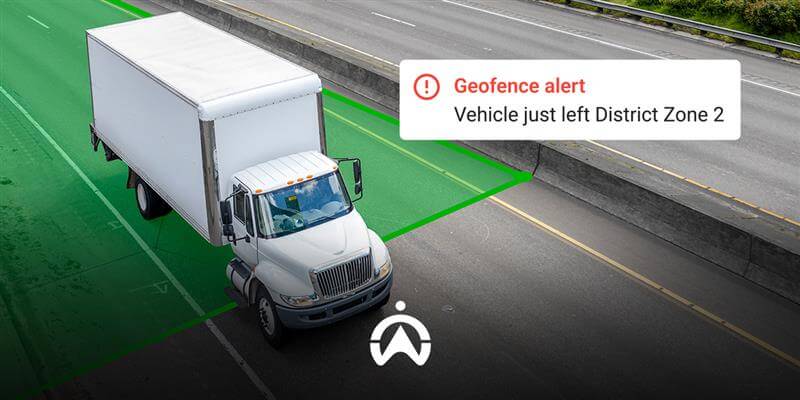
Additionally, using a GPS tracker is also linked to enhanced security, for instance, with features like geofencing. If a vehicle is stolen or the tracker is tampered with, you will know immediately.
2. Driver management and monitoring
Drivers need to be aware of many things, from their working hours and driving behavior to risky driving activities. Many drivers neglect their jobs due to a lack of monitoring.
Driving behaviors such as frequent speeding and sudden braking, or prolonged idling, can also impact fuel consumption. Meanwhile, activities like using a cell phone while driving can lead to accidents.
3. Fuel management
Fuel is one of a company's largest operational expenses and is highly susceptible to waste due to many factors. One of the most significant contributing factors is driver behavior.
Furthermore, fuel is also vulnerable to fraud, such as through purchase manipulation. Fuel theft is also common, often involving truck drivers themselves.
4. Fleet maintenance & service
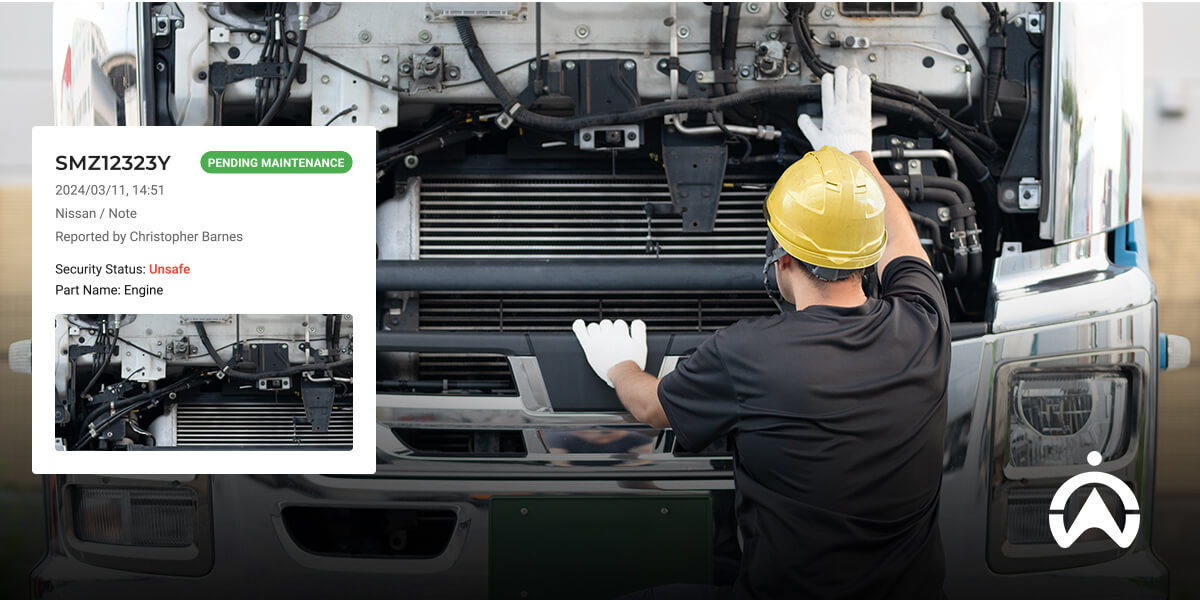
In addition to damage caused by unexpected accidents, companies often face other expenses related to sudden breakdowns. This is often due to a lack of regular truck maintenance and long working hours.
These unannounced service calls can be reduced if you focus on preventing breakdowns by implementing regular inspections and maintenance. Maintenance management is not only cost-effective, but it also increases productivity and minimises downtime and failed deliveries.
5. Operational cost management
Fleet operating costs include fuel, maintenance and repairs, tolls, insurance, traffic tickets, and so on. Without proper bookkeeping, your expenses will be difficult to track and efficiency will be difficult.
Truck fleet management includes managing these expense records for future audits and evaluations. You can limit unproductive spending and optimise efficiency.
6. Safety & regulatory compliance
Another important aspect of truck fleet management is safety and regulatory compliance. For example, efforts to minimise accidents can be made by monitoring driver activity while driving.
Furthermore, there are specific regulations you must comply with to ensure your operational vehicle can operate without violating any specific regulations. One of these is the mandatory roadworthiness test, which is carried out every six months and is often missed due to lack of reminders.
7. Performance reporting
Every month, you need to monitor whether operations are running smoothly overall. Therefore, you need data containing all information about vehicle performance, drivers, activities, and routes traveled.
You can use this data going forward to identify potential waste, ineffective performance, or problematic drivers. This way, you can make strategic decisions for better operations and maximise efficiency.
Read Also: How Vessel Fleet Management Helps the Shipping Business
Benefits of Implementing a Fleet Management System for Trucks
By implementing truck fleet management, you can get various benefits as follows:
1. Maximise efficiency
One of the main benefits of implementing truck management is increased efficiency. This can be seen in fuel consumption, routine maintenance, and faster and more efficient delivery times.
2. The location of the vehicle can be known with certainty
You no longer have to guess where your shipment is, because you can check it in real time on the monitoring platform. This monitoring is also useful for detecting vehicle theft or misuse.
3. Increased security of fleet and goods
Fleet management also enhances the security of your fleet and goods, for example, by providing notifications when a vehicle is started without authorization. Or by setting up geofences, which allow you to receive notifications when a vehicle leaves the work area.
4. Facilitate regulatory compliance
Implementing truck management will also make it easier for you to comply with regulatory requirements. For example, implementing safe driving practices, maintaining vehicle maintenance, and conducting routine roadworthiness tests on time.
5. Data analytics for business decisions
If done correctly, you'll have data and information about vehicle operations. This data can then be used to make strategic decisions for your company.

Cartrack Fleet Management System for Truck Fleet Management
Using a Fleet Management System will help you simplify the entire truck fleet management process. This way, you can achieve efficiency and reap all the benefits.
Cartrack's Fleet Management System offers a comprehensive solution for managing your operational fleet, namely:
-
GPS tracker: Real-time vehicle location tracking with geofence feature to detect suspicious activity.
-
Fuel Monitoring: Fuel monitoring with a fuel floater, fuel probe, or CANBus to detect waste and theft.
-
AI & Non-AI Camera: Fleet and driver camera monitoring with AI technology that can provide voice alerts when it detects risky activity.
-
Delivery: Delivery management to facilitate scheduling, work distribution, route optimization, and delivery tracking.
-
Maintenance: Fleet maintenance management, including routine maintenance, service scheduling, and accident reporting directly from the driver app.
-
Mi-Fleet: Cost management to document expenses for various operational needs, ranging from fuel, insurance, tolls, and so on.
-
Driver Scorecard: Driver assessment using scores to identify driving behavior.
-
IoT Sensor: Several sensors that can be added to the truck such as Temperature Sensor, Cargo Door Sensor, and Power Take Off (PTO) Sensor.
-
Start Prevent: A theft solution that works by turning off the starter when the vehicle is turned off so it cannot be started again.
-
Panic Button: Panic button to notify the control room that there is an emergency such as robbery and so on.
Cartrack's Fleet Management System for trucks starts at Rp 150,000 per unit per month. This price includes the cost of the equipment, free installation, and training, but may increase depending on additional features desired.
Simplify your truck fleet management with Cartrack now. Complete your personal details in the digital form on this page so our team can contact you with the best offer.
Also Read: Best Fleet Management: How to Maximise Revenue