EN
EN  ID
ID 


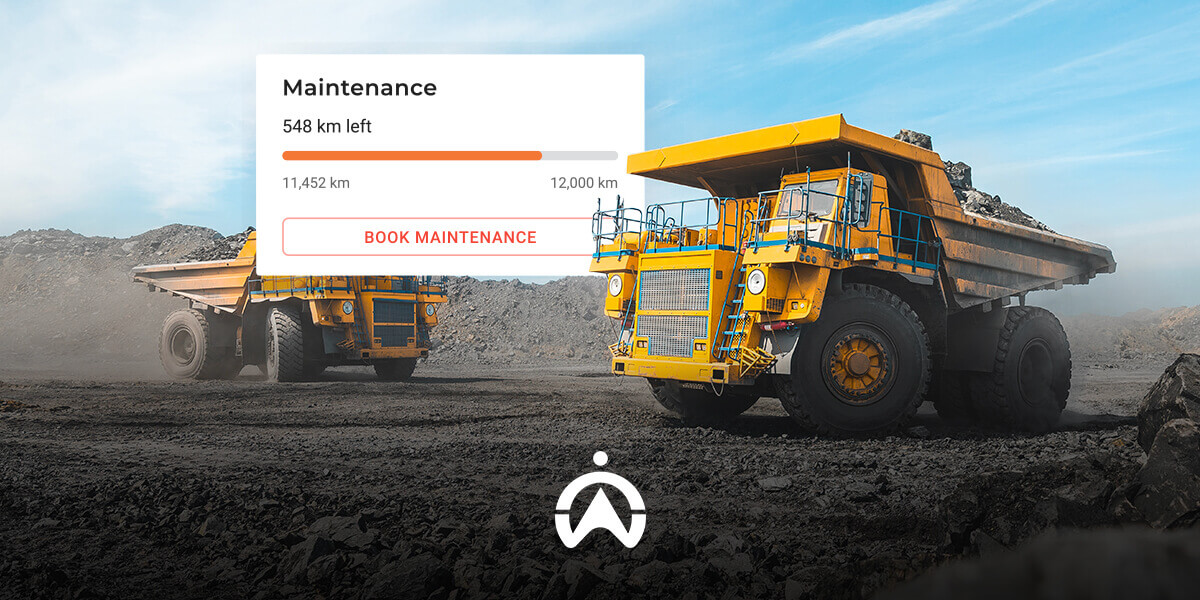
Preventive maintenance is a type of maintenance performed routinely to anticipate vehicle breakdowns and losses caused by unexpected downtime. Effective implementation and management of preventive maintenance can help companies control costs, maintain fleet operational reliability, and preserve asset value and durability over the long term. What steps are necessary to ensure effective vehicle preventive maintenance? Consider the following six points.
1. Use a fleet management system
Effective preventive maintenance management requires effective technology. GPS-based fleet management systems, such as Cartrack, not only monitor vehicles but also comprehensively manage them. Some of the benefits you can get from maintenance include scheduling maintenance based on the date, engine operating hours, or mileage of each vehicle; receiving automatic notifications; and enabling electronic driver vehicle inspection reporting (DVIR).
Read also: Vehicle Maintenance: Prevent Breakdowns & Unexpected Costs
2. Inventory your vehicle
Using a fleet management platform, you can inventory each vehicle and create groups based on region, type, or other categories to simplify fleet management. Some information you can input to help manage maintenance includes make, model, year, tire size, chassis number, engine number, license plate number, odometer, and current driver. A good asset inventory can save you time and prevent maintenance management errors.
3. Plan a maintenance schedule for each vehicle.
Don't wait for a vehicle to break down before taking it to the workshop. Unscheduled downtime caused by vehicle issues while on the road can be costly. That is why you need to schedule regular maintenance for every vehicle. Calendar intervals, mileage, and engine operating hours are often used as benchmarks to help you schedule vehicle maintenance—for example, changing the oil every six months, rotating tires every 10,000 km, and replacing the fuel filter every 500 hours of engine operation. There is no need for the hassle of manual record-keeping; a fleet management system can automatically track the mileage and engine operating hours of each of your vehicles.

4. Vehicle inspection by the driver
Inspections are key to identifying areas that need more attention before costly damage occurs. You can train drivers to perform pre-trip inspections, covering several crucial areas, such as brakes, tires, fluids (fuel, coolant, oil, fluid leaks, etc.), and electricals (brake lights, turn signals, warning lights, horn, etc.). For process efficiency and seamless integration between departments, Driver Vehicle Inspection Reports (DVIRs) are generated electronically. As available in Cartrack Delivery (a driver assignment and delivery management app), the DVIR feature allows drivers to electronically submit inspection reports with photo evidence, odometer readings, and location; and track the progress of each report.
5. Document vehicle preventive maintenance digitally
Paper documentation is at risk of loss and damage, so start documenting every vehicle maintenance electronically. Cartrack's fleet management platform offers MiFleet, a feature for electronically managing fleet costs and administration. Simply enter the details of each maintenance performed and upload documents, such as service notes and receipts, eliminating the need to waste time checking the maintenance history of each vehicle. You can also automatically download vehicle Maintenance Reports for any period you choose and view maintenance costs for a specific period or per vehicle.
6. Leverage data to improve maintenance effectiveness
A GPS tracking-based fleet management system provides you with a large set of data (Big Data) that is processed for easy understanding and provides insights for follow-up. Some vehicle GPS tracking information can be used to improve the effectiveness of preventive maintenance, including driving behaviour, engine or coolant temperature (with additional temperature sensors), and engine diagnostics from the CAN Bus (with additional CAN Bus sensors). Vehicles with the most frequent risky driving incidents will require more attention. Likewise, if the vehicle's engine or coolant temperature consistently exceeds a set threshold.
By regularly and proactively maintaining your vehicles, you maintain the productivity of your fleet operations, minimise the risk of road accidents, and extend the lifespan of your vehicles. Use the Cartrack fleet management system with a variety of additional features to help you effectively manage preventative maintenance for your fleet. Send us a message here and get a free online Cartrack demo.