EN
EN  ID
ID 


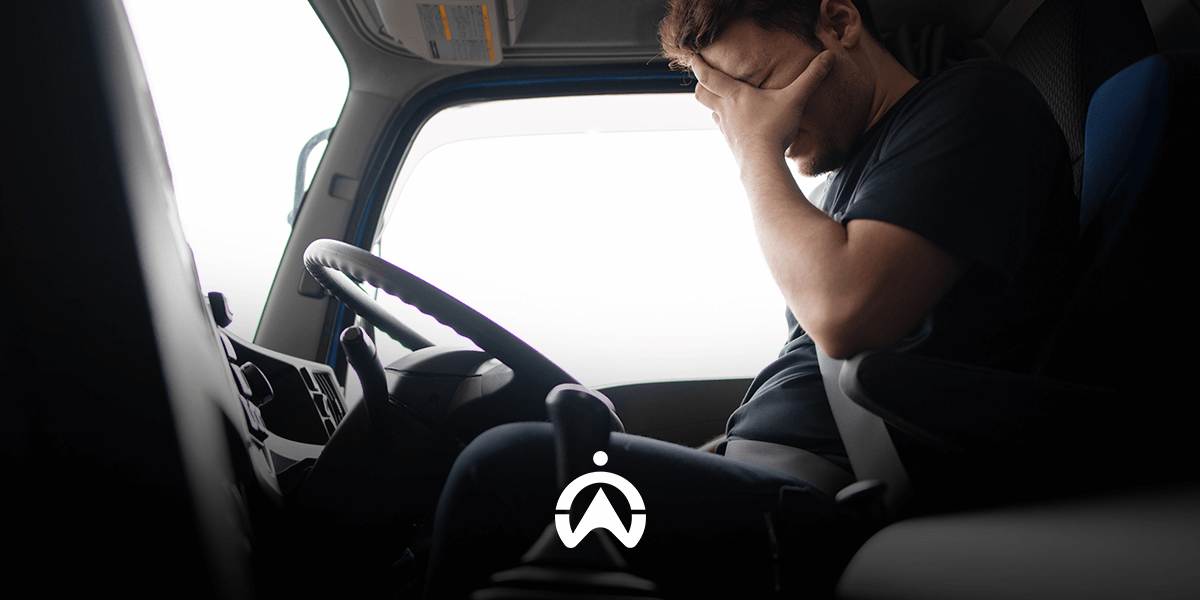
Did you know that driving on straight, long, and level roads can also be dangerous? One common condition is Driving Without Awareness (DWA), better known as highway hypnosis.
What is Highway Hypnosis?
"Highway hypnosis" is a state in which a driver momentarily loses conscious awareness while driving and shifts into "autopilot" mode. Although often mistaken for fatigue, this condition can occur even when the driver is well-rested and feels no tiredness at all.
While driving in autopilot mode, the driver's eyes remain open but appear hypnotized. When the driver "wakes up," or is fully conscious, they have no memory of what happened just moments before.
Causes of Highway Hypnosis
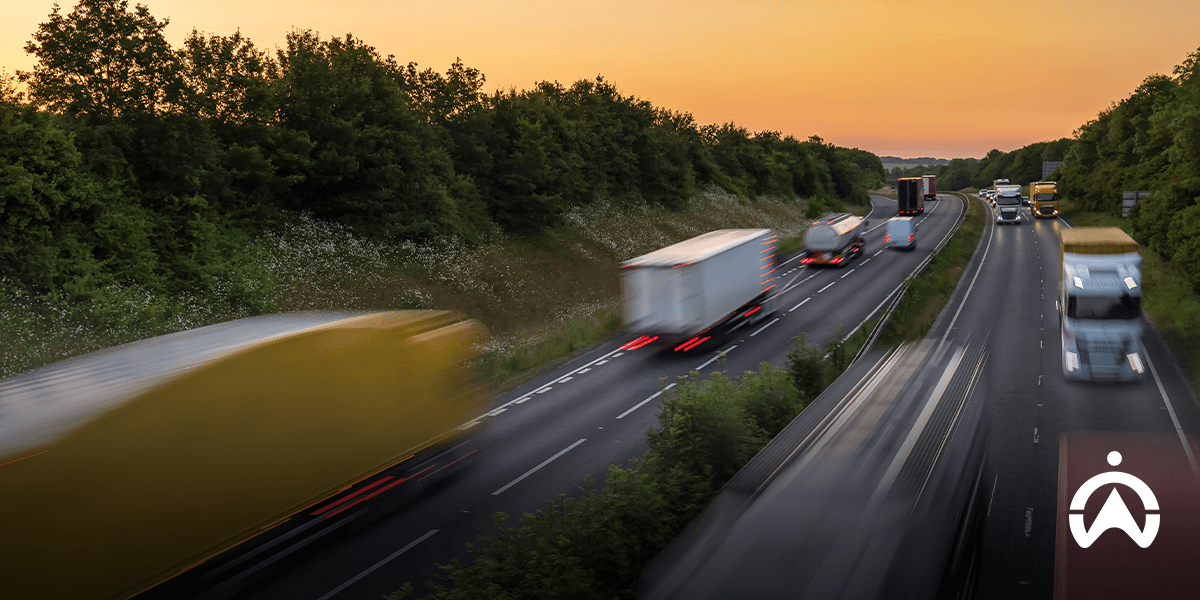
"Highway hypnosis" is caused by the monotony of driving—such as traveling for extended periods along long, straight, and unobstructed routes like toll roads. The continuous sight of white lane markers can lull the brain into a state of relaxation.
When the brain enters a resting state, it activates autopilot, signaling a loss of consciousness. This condition is certainly not ideal for driving, as your reflexes will also be impaired.
Not only that, this condition can also occur when a driver is traveling on a very familiar route with the same conditions. For example, if the driver has traveled the same route hundreds of times over the years.
Highway Hypnosis Symptoms
When you experience this situation, you generally won't know it at the time, but only after you regain consciousness.
1. Temporary memory loss
Drivers may be unable to recall recent journeys, as if they had suddenly passed a certain location or traveled several kilometers further. This indicates a decreased awareness of their surroundings.
2. Blank stare and only focus on one point
Drivers experiencing this condition will appear expressionless and unresponsive, even though they are still driving. They will be seen staring at the road, seemingly focused, but actually just staring blankly.
3. Minimal movement while driving
While driving, drivers typically make occasional movements such as checking the rearview mirror, adjusting their seating position, or observing surrounding vehicles. If a driver fails to make these movements, it is possible that *highway hypnosis* has set in.
4. Changing lanes or changing speed without realizing it
Drivers experiencing this condition may not be aware that they are driving too fast, too slow, or even changing lanes. The vehicle may become unstable or occasionally veer off-road, making it extremely dangerous on busy roads.
5. Excessive yawning or loss of control
Besides being a sign of drowsiness, yawning can also be a sign of boredom. This condition can also cause drivers to lose control of certain body parts, such as hands leaving the wheel or nodding their heads.
Also Read: Recognize the Impacts and Prevent Microsleep While Driving
The Dangers of Highway Hypnosis for Drivers and Companies
This phenomenon has become one of the causes of operational disruptions in shipping which also has the potential to be very detrimental to your company.
1. High Accident Risk
Reduced awareness can cause drivers to fail to maintain a safe distance from other vehicles, recognize traffic signs, and see pedestrians or animals in the road. This increases the risk of accidents, both minor and fatal.
2. Slow Response to Emergency
Reduced awareness reduces a driver's reflexes. If a sudden situation arises, such as a vehicle in front suddenly stopping, they may react too late or not at all.
3. Bad Decision Making
Losing focus during this phase can cause drivers to deviate from their lane without realizing it or miss important turns. They also often brake or accelerate suddenly and inconsistently.
4. Financial Losses and Company Reputation
An accident involving a vehicle will result in losses for the company due to repair costs, compensation, and legal costs. This will also impact the business's reputation, especially if safety is a priority for the client.
5. Asset Damage and Operational Disruption
If an accident occurs, company operations will be disrupted due to vehicle damage and delivery delays. If goods are damaged, the company must also replace them and reschedule deliveries.
How to Prevent Highway Hypnosis While Driving
So how can we prevent this condition from causing losses, both for the driver and the company.
1. Don't Drive Alone
Having a driving companion can reduce driver boredom during long journeys. Furthermore, drivers can take turns, preventing fatigue from prolonged driving.
2. Listening to the Radio or Music
Listening to fast-paced music will increase alertness and help relieve boredom. Avoid relaxing music, which can actually make you feel relaxed and sleepy.
3. Prepare Food and Light Drinks
Keep snacks like gum, chips, or other light foods on hand to boost energy and distract from boredom. Caffeinated beverages like coffee and tea can also be consumed by drivers during the trip to improve focus.
4. Make sure you get enough rest as recommended.
Ensure your drivers adhere to the recommended maximum continuous driving limit of four hours. Companies should also regulate driver work hours to avoid excessively long hours, which increase the risk of microsleep while driving.
5. Stretch and rest
When driving long distances, drivers are advised to stop every four hours to stretch and rest. Stretching helps improve blood flow to the brain, preventing over-relaxation and drowsiness.
6. Take Advantage of Technology
You can also utilize technology like AI cameras for driver monitoring. These cameras can provide audible alerts if they detect signs of fatigue or distraction, such as frequent yawning, head nodding, and so on.
Prevent Highway Hypnosis with Cartrack's AI Camera
Cartrack's AI Vision delivers driver monitoring technology with AI-powered cameras. These cameras can provide live audible alerts when they detect risky driving behavior, such as:
-
Fatigue
-
Not focus
-
Use of mobile phones
-
Smoking
-
Use of seat belts
-
Potential accident from the front
-
Camera closure
This camera will also automatically upload footage if risky behavior is detected by the AI. With this camera, symptoms such as not focusing, frequent yawning, or nodding your head will be detected and given an immediate warning.
Also Read: Best Dashcam Recommendations for Driving Safety
A driver's loss of focus and awareness while driving on a monotonous route is a very dangerous situation, as it can lead to accidents and risk operational losses for the company.
One way to address this situation is to use AI cameras that can detect distracted driving, yawning, and fatigue. The cameras can also provide audible warnings to help drivers regain their alertness.
Minimise the risk of accidents caused by highway hypnosis and microsleep with Cartrack’s AI Vision. Fill out your details in the following form so the Cartrack team can provide a special AI Vision offer for your company.