EN
EN  ID
ID 


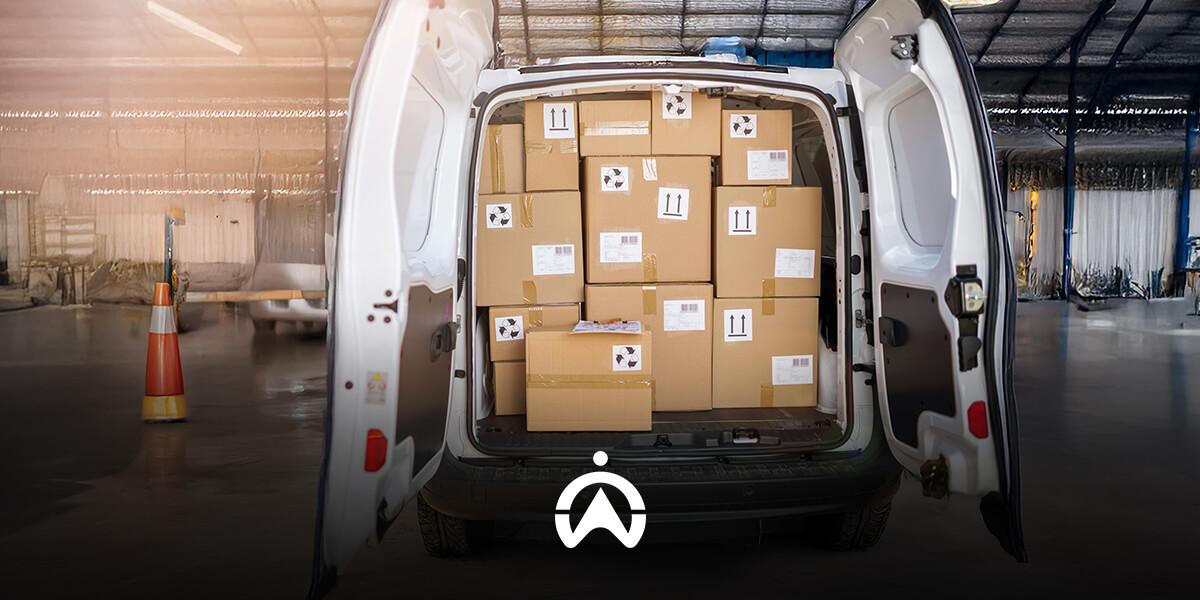
When shipping large quantities of goods, will you rent one truck for your goods only or share it with other shippers?
If you choose a shipping method that dedicates one truck to your goods, your shipment is FTL. If you choose to share space and costs with other shippers, your shipping method is LTL.
So, what are FTL and LTL? Let's learn about their definitions, differences, and factors to consider for shipping efficiency. We'll also discuss how fleet management technology can provide a security solution for your shipments.
Understanding FTL and LTL
Shipping large quantities of cargo is categorised into two methods, namely FTL (Full Truckload) and LTL (Less-than Truckload).
What is FTL?
FTL stands for Full Truckload, which refers to shipping large quantities of cargo that fill the entire truck's carrying capacity. FTL typically involves only one shipper with a single destination, for example, from a factory to a warehouse.
However, in modern logistics, full FTL shipping can also mean you pay the full shipping cost even if you don't fill the truck to capacity. Furthermore, as long as the shipper is the same, you can specify multiple drop-offs.
Advantages of FTL
-
More flexible schedule
-
Items arrive faster
-
Safer because it is not mixed with other items
-
Suitable for sensitive items and those requiring special treatment.
FTL disadvantages
-
The cost is more expensive because you rent a truck yourself.
-
Still pay in full even if you don't fill the truck to the brim.
What is LTL?
LTL stands for Less-than-Truckload, which means shipping using only a portion of a truck's capacity. This method allows you to share space and shipping costs with other shippers using the same service.
In a single LTL shipment, the truck's full capacity is shared among multiple shippers with multiple destinations. This method is often used by small businesses such as MSMEs.
Advantages of LTL
-
The cost is cheaper because it is calculated based on the weight of the load.
-
Suitable for MSME businesses
-
More environmentally friendly because the truck load is maximised.
Disadvantages of LTL
-
It takes longer because there are many transits.
-
Delivery time is not flexible because it has to wait for other loads.
-
The risk of damaged goods is higher because they are loaded together with other goods.
-
Not suitable for cargo requiring special treatment
Also Read: Understanding Cold Chain Logistics and 5 Key Elements to Maintaining the Quality of Temperature-Sensitive Products
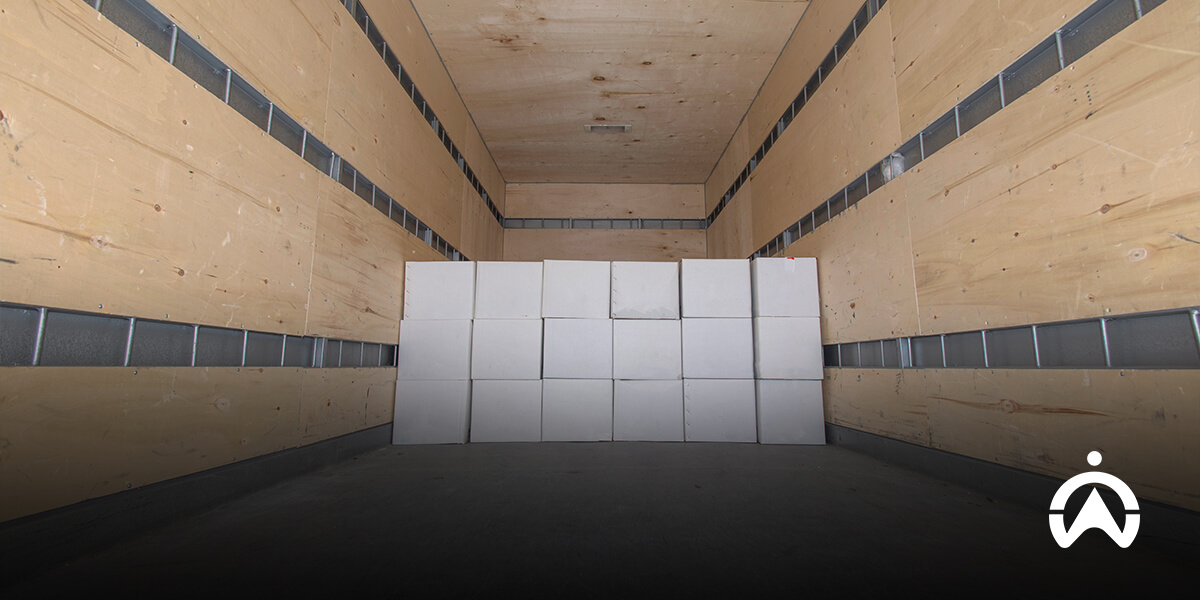
Differences between FTL and LTL in Shipping Operations
After understanding the meaning, advantages and disadvantages of each FTL and LTL method, this time we will compare the differences between the two.
|
Factor |
FTL (Full Truckload) |
LTL (Less Than Truckload) |
|
Truck Capacity Usage |
One shipper rents one truck (full or not full) |
One truck carries goods from several shippers |
|
Number of Senders & Recipients |
1 sender, 1 or more recipients (can be multiple drop-offs) |
Many senders, many recipients |
|
Delivery Speed |
Faster, because it goes straight to the destination |
It takes longer, because you have to transit several times. |
|
Cost |
More expensive, because it is charged for one truck |
More economical, because costs are based on the volume of goods |
|
Goods Security |
Safer, because it is not mixed with other items |
More risky, because the shipment is mixed with other goods |
|
Suitable Types of Goods |
Large volume, fragile items, and fast delivery |
Small volume, not too sensitive items |
When to Use FTL or LTL?
When planning a freight shipment, you need to understand the ideal situations for selecting FTL or LTL. Things to consider include:
1. Cargo weight
The amount of cargo to be shipped depends on the type of fleet used. For example, a tronton truck has a capacity of 18 tons. If your cargo weighs close to 18 tons, you can choose the FTL method.
Conversely, if your cargo weight exceeds the truck's capacity, you can choose the LTL method. You can also contact your logistics provider directly for recommendations based on your needs.
2. Urgency of delivery
The next thing you should consider is the urgency of the shipment. If you need fast delivery, you should use the FTL method, which will deliver the goods directly to their final destination.
However, if delivery times are more flexible, choosing LTL won't be a problem. LTL shipments will take longer because they'll transit through a warehouse or distribution point before being delivered to their destination.
3. Type of goods
The type of goods you're shipping will also be a crucial consideration when choosing a shipping method. If the items you're shipping don't require special attention, LTL won't be a problem.
However, if you're shipping sensitive, fragile, or high-value items, you'll want to use FTL. This reduces the risk of items coming into contact with other items, which could cause damage.
4. Budget
Another important consideration is your shipping budget. If you're on a tight budget, LTL is the best option, especially if your cargo isn't bulky and doesn't require special attention.
If budget isn't your priority for fast and safe shipping, FTL is the perfect solution. Using FTL will improve time and operational efficiency.
Cargo Capacity for FTL & LTL Shipping
Apart from the four things above, the next thing you can consider is the load capacity of the logistics fleet you will choose.
Please note that each shipping company has its own standards and requirements for the load capacity of its fleet. However, as an estimate, you can refer to the following table.
|
Truck Type |
Dimensions (P x L x T) (m) |
Load Capacity (kg) |
|
Engkel Box (CDE) |
3 x 1.6 x 1.6 |
±2.000 kg (2 ton) |
|
CDD Box |
4.2 x 1.9 x 1.8 |
±4.000 kg (4 ton) |
|
Fuso Light |
5.5 x 2.1 x 2.0 |
±8.000 kg (8 ton) |
|
Heavy Fuso |
6.5 x 2.2 x 2.2 |
±12.000 kg (12 ton) |
|
Tronton Box |
9.5 x 2.3 x 2.3 |
±18.000 kg (18 ton) |
|
Wingbox / Trailer 20ft |
6 x 2.4 x 2.2 |
±20.000 kg (20 ton) |
|
Wingbox / Trailer 40ft |
12 x 2.4 x 2.4 |
±30.000 kg (30 ton) |
If the weight of your shipment reaches 80% of your fleet capacity, you can choose the FTL method. If it's less than 80%, LTL is a more cost-effective option.
Besides measuring weight, truck loads can also be calculated using pallets. The number of pallets a truck can carry also varies depending on the truck type and the shipping service's policies.
Common pallet sizes used in Indonesia are 1100 mm x 1100 mm (Indonesian standard) and 1200 x 800 mm (European standard). Shipping companies typically also limit the height of each pallet to ensure cargo is secure during transit.
Palletized shipping is common in industries that ship uniform, uniformly shaped cargo. Therefore, it's often used for factory-to-warehouse shipments using the FTL method.
Example of FTL and LTL Usage Scenarios
To help you better understand the differences, here are some examples of scenarios where FTL and LTL methods are used.
One example of the use of the FTL method is shipping from a factory to a distributor's warehouse. For example, an electronics factory in Karawang might ship 1,000 refrigerators to a distributor's warehouse in Jakarta.
Another example is when a factory or warehouse ships products on a large scale. For example, a cement factory in Gresik might send a truckload of 18 tons of cement to a construction project in Tegal.
Meanwhile, examples of LTL methods include smaller-scale shipments. For example, a shipment of 500 prayer robes weighing approximately 500 kg from a local tailor in Bogor to a clothing store in Tanah Abang Market.
Another example is when a warehouse of an electronics distributor for brand A ships 100 laptops to an authorised reseller. The LTL method used is LTL because 100 laptops only take up about 20% of the truck's capacity.
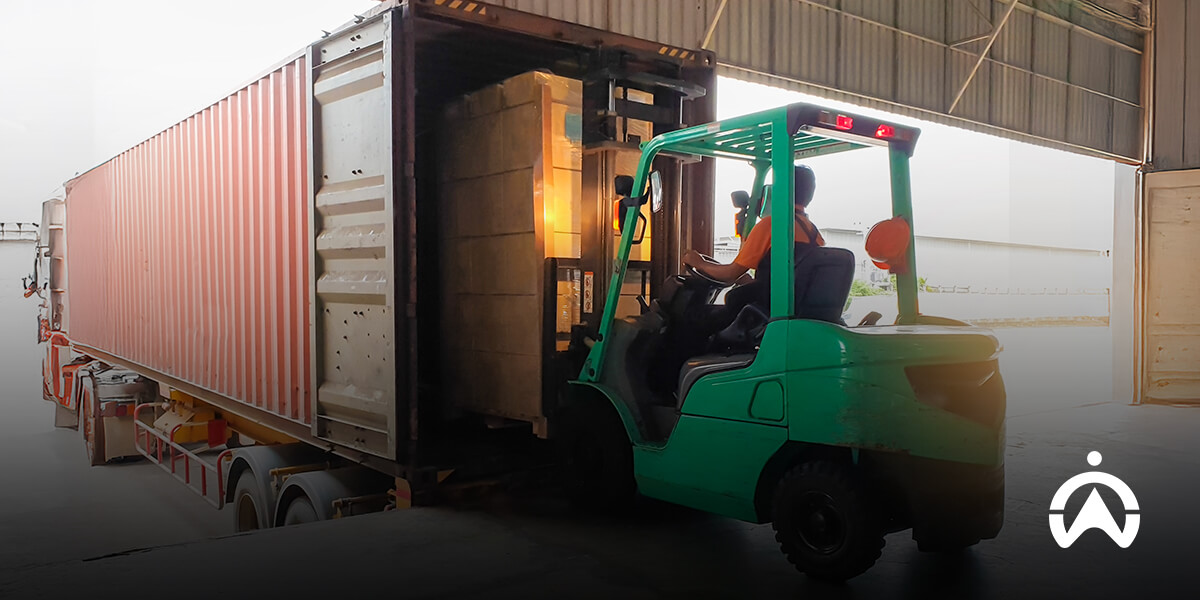
Optimise Shipping Security with Cartrack
For those of you in the logistics business, optimising shipping security is a priority. Whether shipping via FTL or LTL, you can utilise a fleet management system like Cartrack to:
-
GPS Tracker: Cartrack provides real-time GPS tracking that allows you to monitor your logistics fleet. Ensure every FTL and LTL shipment is always monitored and follows the designated route.
-
Cartrack Delivery: Cartrack's Delivery Management System will help you manage deliveries, delegate drivers, and optimise routes. This will greatly assist you in managing your fleet and deliveries.
-
LiveVision and SmartCabin: Cartrack's visibility solutions offer dashcams and AI-powered fleet cameras. In addition to monitoring drivers, the cameras can also be installed inside and outside the vehicle for enhanced safety.
-
Fuel Monitoring: Fuel sensors will help you monitor fuel usage across your fleet. This will alert you to any fuel theft, which can be detrimental to operations.
-
Cargo Door Sensor: To prevent shipments from being infiltrated by other items that might disrupt operations, you can also install sensors on the cargo doors. This way, you'll know if the cargo doors are opened before they reach their destination.
Also Read: With a GPS Tracker, Your Shipping Service Customers Can Also Track Shipments
For those of you who run a logistics and shipping business, Cartrack's fleet management solution will make it easier for you to manage your shipments. From GPS Trackers to Cargo Door Sensors, Cartrack can help improve the security of your business and fleet.
Do you own or manage a logistics and shipping business? Complete your details at the following link to receive consultations and special offers from Cartrack!