EN
EN  ID
ID 


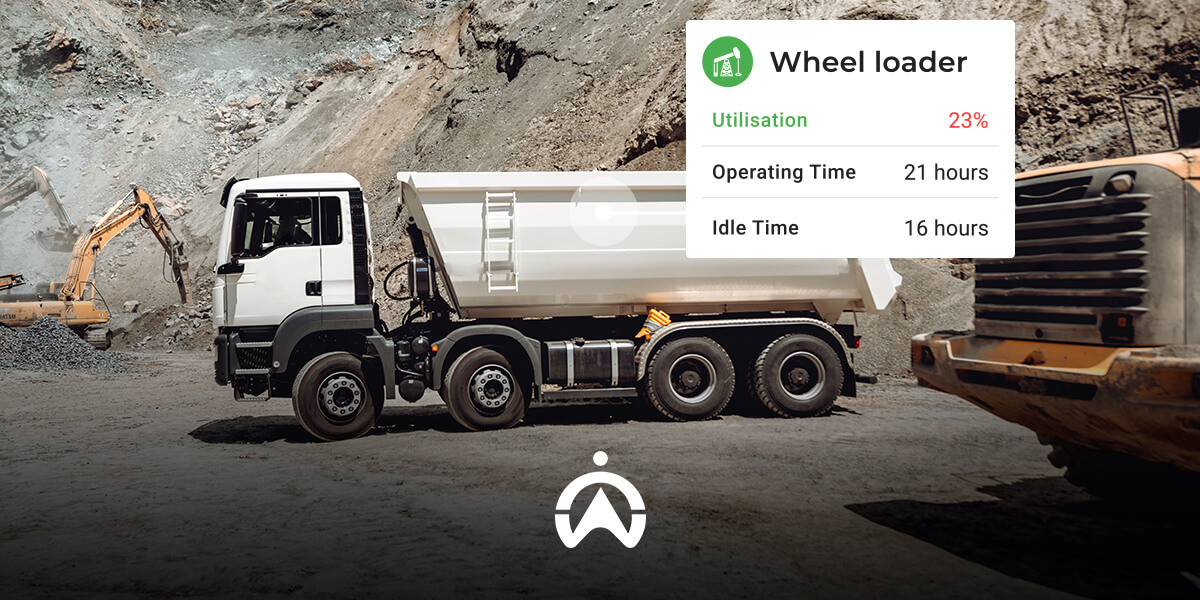
Idling is an unavoidable condition when a business vehicle is operating. Idling that lasts for a few minutes is considered normal, but idling that lasts for hours should be investigated.
Vehicle idling can be caused by both productive and non-productive reasons. Unfortunately, not many businesses realise that this is important to monitor, as it can impact overall business continuity.
What is the “Idle” Condition in a Vehicle?
Idling occurs when the engine is running but the vehicle is stationary or not moving. A vehicle is considered idling when it remains stationary in one spot for a significant period of time, for example when:
-
Stuck in a traffic jam
-
Queuing (entering the toll road, loading and unloading, entering the port, etc.)
-
Waiting for passengers at the bus stop
-
Repairing or checking certain parts of the vehicle
-
The driver deliberately turned on the engine to rest comfortably in the vehicle.
At first glance, the above may not seem like something that could potentially cause harm or negative impacts to the company. Many businesses feel no need to monitor things without understanding the negative impacts.
Negative Impact of “Idle” on Companies
If a company's operational fleet frequently experiences idling, then there are several losses that can occur, such as:
1. Wasteful fuel consumption
You've probably heard that turning off and restarting your vehicle is more fuel-efficient than idling. In fact, idling actually wastes about 2 to 4.5 litres of fuel per hour.
Imagine having dozens or even hundreds of vehicles that frequently idle for long periods. You'd be surprised at the significant costs you could save by managing your idling time wisely.
2. Maintenance costs increase
Idling can also damage the engine and vehicle components because the fuel doesn't burn completely and leaves residue. This occurs because the fuel's energy is converted into heat energy without kinetic energy.
If left unchecked, engine failures will occur frequently, increasing service and replacement costs. This is certainly not ideal in the long run, as the waste will be significant.
3. Shorten the service life of assets
Every business wants its operational assets to be usable for the long term and with minimal wear and tear. Unfortunately, this will be difficult to achieve if your drivers habitually idle without realising the consequences.
Vehicles that frequently travel in and out of repair shops and experience ongoing breakdowns are at risk of permanent damage. This is detrimental to the company, as the asset's lifespan is reduced and it must be replaced with a new vehicle.
4. Decreased productivity
Idling Excessive driver overtime can indicate a lack of driver productivity, which can impact operations. For example, delivery delays can occur due to drivers waiting in drive-thru lines too often or sleeping for extended periods in their vehicles.
Furthermore, vehicles that frequently experience damage due to excessive idling also experience more downtime. This can result in delayed deliveries or the company having to reschedule deliveries using a different fleet.
5. Air pollution
If your business is committed to being environmentally friendly, idling without a productive reason is a form of negligence. Prolonged idling produces emissions that contribute to air pollution and the health of drivers and passengers.
This can damage customer trust if they share the same commitment. The company's image may be damaged if its commitment to environmentally friendly shipping processes is frequently violated.
Also Read: What is a Fuel Management System?
Idle Types: Productive and Nonproductive
Most idle conditions are unproductive and cause losses for the company. However, some types of idle are actually necessary for delivery productivity or vehicle usage.
Productive idle
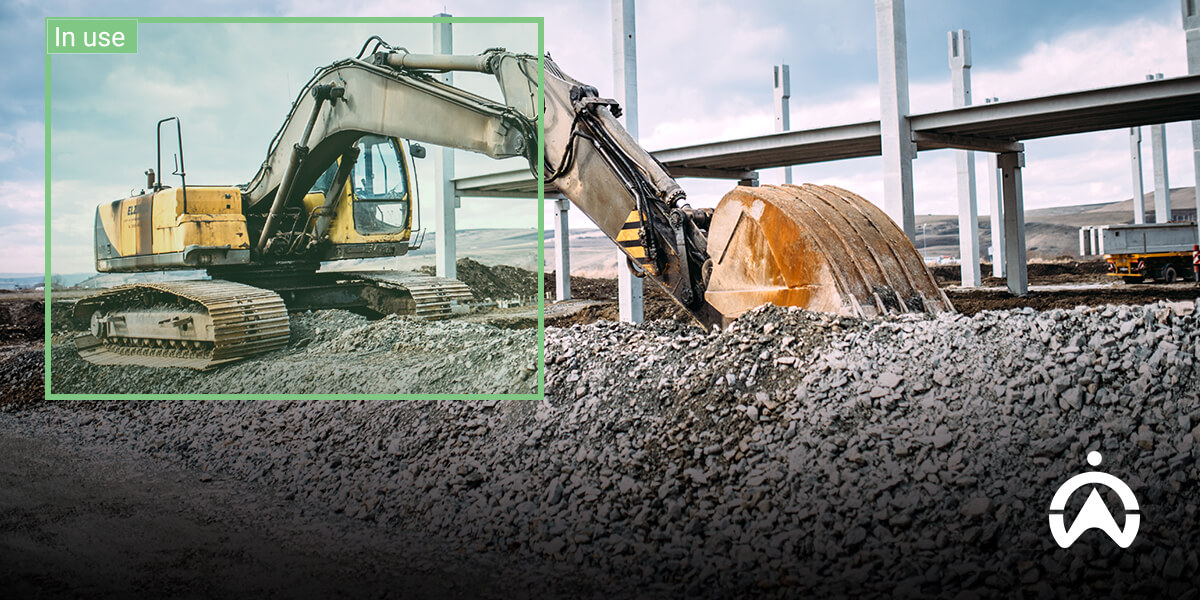
One example is idling on heavy equipment, where the engine must remain running due to the use of certain peripheral features. For example, when parts like a crane, dump truck bed, or excavator bucket are being operated at one point.
Idle times on heavy equipment can be detected by installing a power take-off (PTO) sensor integrated into a GPS tracker. This sensor will provide information when any part of the vehicle is in use, ensuring productive idling.
Additionally, there are other idling functions that are also considered productive, such as those of refrigerated container trucks or ice cream trucks. Both types of vehicles require their engines to be constantly running to keep the refrigeration running and the product being transported in good condition.
Idle Nonproduktif
Nonproductive idling occurs when the engine is running but the vehicle is not moving without any specific purpose related to work or the company. For example:
-
Unloading process
-
Queuing at the ferry port
-
Queuing at the gas station
-
Queuing at a drive-thru restaurant
-
Severe traffic jam
-
Resting in the vehicle while turning on the AC and radio
Non-productive idling is actually unnecessary and drivers should turn off the vehicle if they have to stop for a long time.
Minimise Idle with Cartrack's Fleet Management Technology
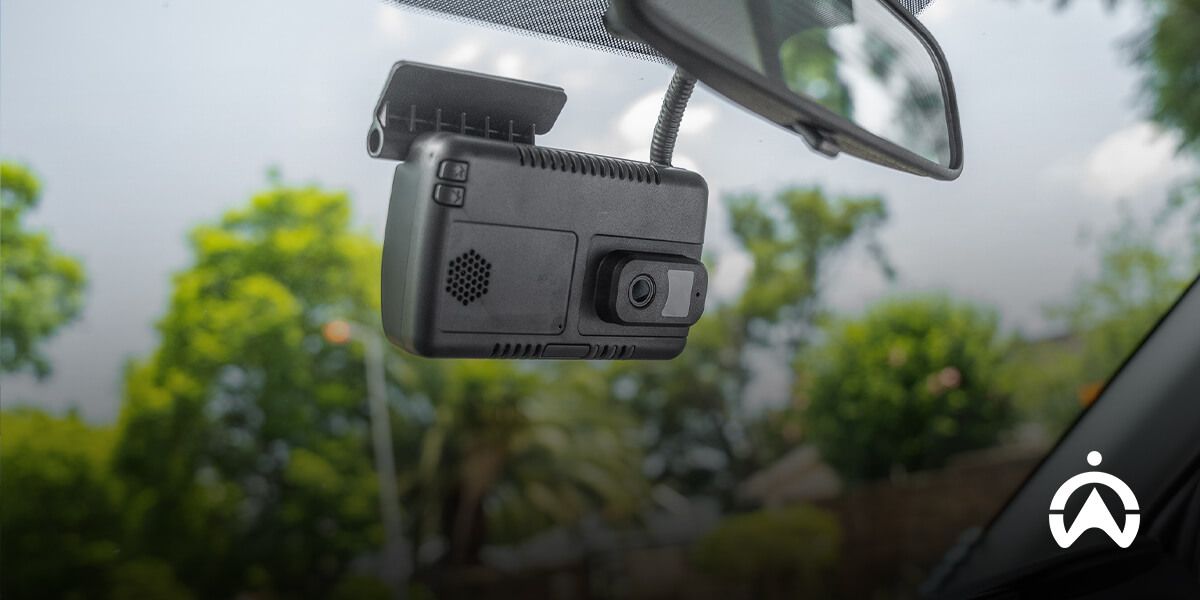
Idling can be detected and minimised using fleet telematics technology and GPS Tracker solutions such as those offered by Cartrack. With this technology, you can evaluate performance, educate drivers using data-driven insights, and set permitted durations for productive idling.
Cartrack's driver monitoring includes idle as one of its parameters, where you can view the idle status by:
-
View colour status on the map where yellow indicates idle
-
Receive idle notifications in real-time
-
Checking the fleet work dashboard
-
Get automatic reports (in PDF or Excel format)
In addition to GPS tracking and telematics for monitoring vehicle status, Cartrack also offers other solutions for fleet management, including:
-
Fuel Monitoring: Fuel monitoring using three types of sensors tailored to your operational needs and fleet type.
-
AI & Non-AI Vision: Visual fleet and driver monitoring using cameras equipped with Artificial Intelligence (AI) technology.
-
Driver Identification: Driver identification tags that ensure only authorised drivers can operate designated vehicles.
-
Start Prevent: An immobiliser security solution that automatically disables the starter when potential theft is detected.
-
Delivery: A delivery management solution that simplifies job allocation, route optimisation, and driver/courier tracking.
-
IoT sensors: Cargo Door Sensor, Power Take-Off Sensor, Tailgate Sensor, and Temperature Sensor.
-
Panic Button: An emergency alert button that notifies the company in the event of unexpected incidents such as robbery, a medical emergency, or other critical situations.
Identify idling and other factors contributing to fuel wastage with Cartrack’s fleet telematics solutions. Complete the following form to learn more about Cartrack’s Fleet Management System.
Read Also: Monitoring Fuel Consumption with Fuel Sensors & Fuel Probes