EN
 ID



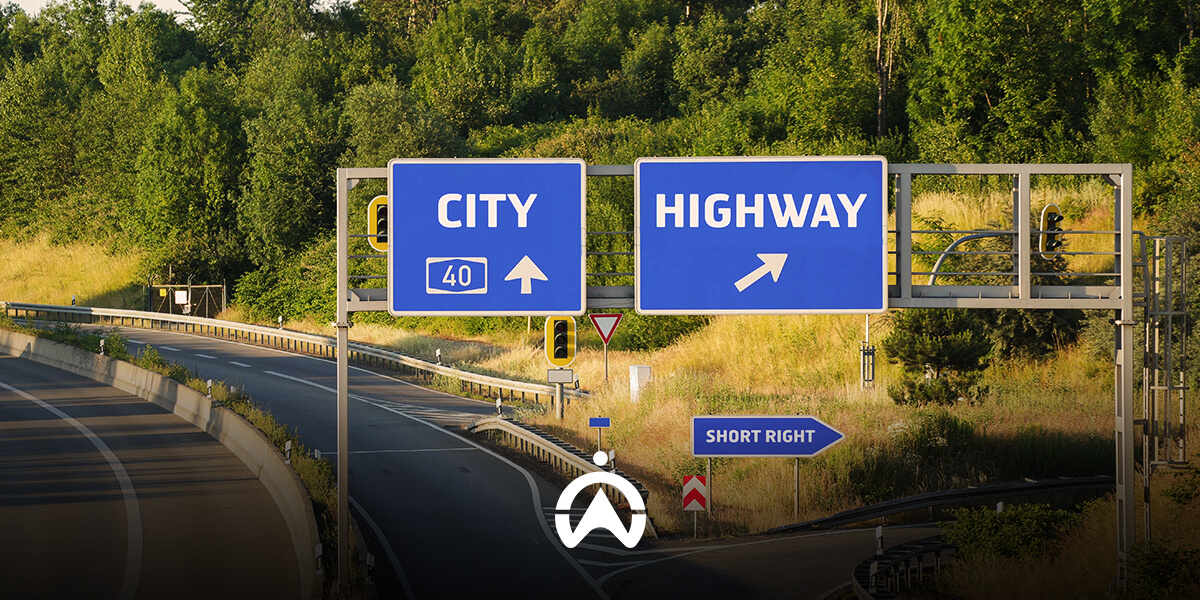
As a user of a four-wheeled vehicle or more, one important consideration when driving is choosing the right route. Most drivers believe that using toll roads will save more fuel. However, is this true? fuel consumption is increasingly economical when driving on a toll road? Let's find out the answer together!
Differences Between Toll Road and Non-Toll Road Travel
In save fuel costs, operational costs of course we need to consider more deeply, which route should we use!
1. Travel via toll road
Theoretically, the longer the distance travelled, the more fuel-efficient the vehicle's fuel consumption. Therefore, some drivers choose to use toll roads rather than non-toll roads.
Besides shorter distances, the smooth, straight, and unobstructed conditions of toll roads allow cars to travel more smoothly, thus reducing fuel consumption. This is another reason why drivers prefer to pay for toll road access.
However, some toll roads are often congested due to the dominance of four-wheeled vehicles and larger. This congestion ultimately leads to wasted fuel consumption.
2. Non-toll road travel
Walaupun perjalanan via jalan tol telah menjadi pilihan utama pengemudi, beberapa pengemudi tetap memilih menggunakan jalur non-tol untuk perjalanan sehari-hari. Alasan perjalanan non-tol dipilih oleh pengemudi karena pengemudi ingin menghindari tarif tol relatif mahal. Tarif tol ini dapat menambah anggaran operasional sehari-hari dan dapat menyebabkan pemborosan.
Kedua jalur perjalanan yang telah disebutkan di atas mempunyai kelebihan dan kekurangan masing-masing. Nyatanya, apabila pengemudi tidak dapat menerapkan metode mengemudi yang benar atau tetap melakukan kebiasaan buruk saat mengemudi, pada akhirnya baik di jalan tol atau non-tol konsumsi BBM tetap saja boros.
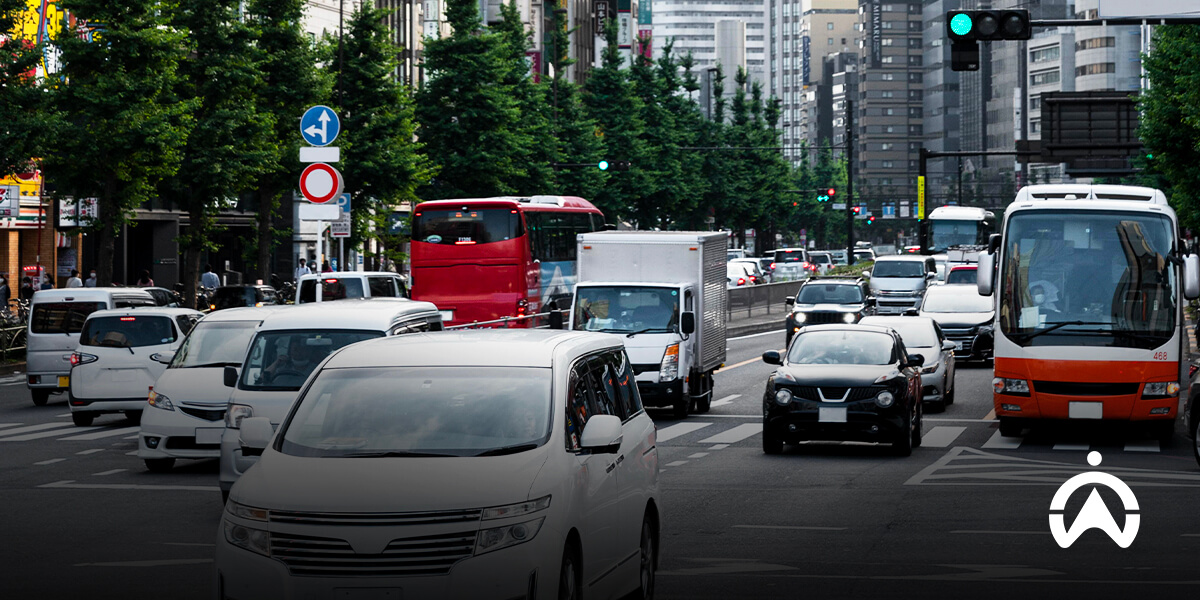
Tips for Saving Fuel Consumption When Using Toll or Non-Toll Roads
In the end, every driver uses different routes, but those routes may not always support fuel cost savings. Here are some fuel-saving tips that you can apply on both toll and non-toll roads:
1. Maintain speed and increase speed when needed
Maintaining speed on toll roads is easy, but not so easy on non-toll roads. When drivers use non-toll roads, heavy traffic requires them to continuously increase and decrease speed in short bursts. In fact, vehicles use more fuel when decelerating and accelerating from a stop to a moving state. Therefore, it is recommended to maintain speed for 5 seconds after starting a journey to save fuel.
2. Speeding burns fuel faster
Speeding while driving naturally requires more fuel. Therefore, drivers should maintain a normal speed to minimise fuel consumption. An optimal speed of 50 km/h to 80 km/h is recommended.
3. Reduce idling
When the roads are busy or congested at certain times, your vehicle will definitely experience... idling (the engine is running but the vehicle is not moving). If the vehicle does not move for more than 60 seconds, the driver is advised to turn off the engine to avoid idling or idle. If the engine is not turned off, in 10 minutes, approximately 3 liters of the vehicle will be wasted.
4. Use safe driving techniques
Driving style can affect how much fuel a vehicle uses. Unsafe driving practices such as speeding, harsh acceleration, sudden braking, and sharp turns can increase fuel consumption. Furthermore, these driving behaviours can also cause engine damage, resulting in unplanned repairs.
5. Pay attention to routine vehicle maintenance
The healthier the vehicle, the more efficient the fuel consumption. By following vehicle maintenance schedule, vehicle performance can be guaranteed. Believe it or not, tire pressure also affects fuel consumption. Ensure tire pressure meets the manufacturer's specifications to minimize fuel consumption.
How Cartrack Can Help Minimise Fuel Consumption
Cartrack is a leading fleet management system with various features designed to optimise fuel consumption. Cartrack has more than 2,100,000 active customers worldwide. Here’s how Cartrack’s features can help improve your vehicle’s fuel efficiency:
1. Monitor fuel usage
With CANBUS and fuel sensors, fleet managers can monitor the fuel consumption of their business vehicles using real-time fuel data and accurate fuel level information.
2. Route optimisation
Use Cartrack's Delivery System to get the best navigation while on the road. The Delivery system can optimise job management by providing shorter, faster routes that avoid congestion, so you use less fuel to get the job done.
3. Driver training with Driver Scorecards
Teach efficient driving by monitoring driver behaviour through Driver Scorecards and their reports. With access to both, you can see when there is dangerous driver behaviour such as speeding, harsh cornering, or idling.
Those are the features and sensors that can help you save on fuel consumption. Did you know? With the features above, you can save 5–15% on your vehicles' fuel consumption. Contact Cartrack now for a free live demo of these features! Click this