EN
EN  ID
ID 


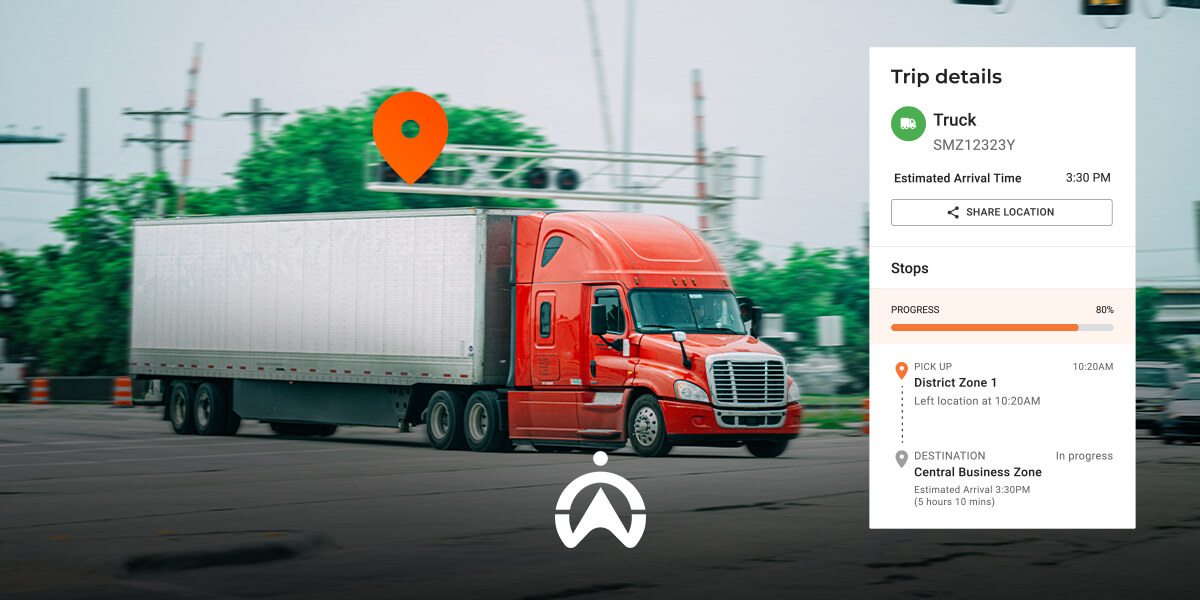
Managing a large-scale logistics company is certainly different from managing last-mile deliveries or expeditions. While we've previously discussed Delivery Management Systems (DMS), this time we'll discuss Transportation Management Systems (TMS).
What is a TMS and how is it different from a Delivery Management System? Find out more in this article.
What is TMS?
A Transportation Management System (TMS) is a system that allows business owners to manage and optimise freight shipments. At first glance, a TMS might sound similar to a Delivery Management System (DMS), right?
In fact, although they both focus on shipping goods, their scopes differ. TMS focuses on large-scale deliveries as part of the supply chain, while DMS focuses on customer delivery (last-mile).
A DMS can also be integrated into a TMS, allowing the system to be integrated right down to last-mile delivery. However, many DMSs are also offered as separate systems from a TMS.
Besides being similar to a DMS, you might also think of a TMS as a Fleet Management System. The difference is that an FMS focuses on vehicle management and driver behaviour rather than the dispatch process itself.
To be clearer, you can find the differences between TMS, DMS, and FMS in the following table.
|
Aspect |
TMS (Transportation Management System) |
DMS (Delivery Management System) |
FMS (Fleet Management System) |
|
Main Focus |
Manajemen pengiriman barang dalam rantai pasok (supply chain). |
Last-mile delivery management. |
Vehicle and driver management in fleet operations. |
|
Used by |
Logistics companies, distributors, manufacturers and businesses with large shipping volumes. |
Expedition services, e-commerce, restaurants, or businesses that frequently send goods directly to customers. |
Companies that have many operational vehicles (logistics, ride-hailing, public transportation, etc.). |
|
Key Features |
|
|
|
|
Coverage |
From factory → warehouse → distributor in the supply chain. |
From warehouse/store → to end customer. |
From a vehicle & driver perspective for fleet efficiency. |
|
Tracking Focus |
Shipment/goods, not the vehicle. |
Last-mile delivery (courier or driver). |
Vehicle & driver, not the goods. |
TMS Key Features
Transportation Management Systems typically consist of features that can simplify logistics processes and increase efficiency, such as:
-
Transportation planning: This system makes it easier for you to consider land, sea and air transportation options by providing comparisons.
-
Transportation management: Allows you to manage transportation costs, manage orders, and billing and payments.
-
Delivery monitoring: You can track your delivery in real-time and get notifications if your delivery is delayed or delayed.
-
Document management and compliance: TMS also helps you automate shipping documents and ensure compliance with transportation, tax, and customs regulations.
-
Cost analysis: Can measure the performance and efficiency of costs incurred for delivery and provide data-based reports.
Also Read: Best Fleet Management: How to Maximise Revenue
Benefits of Using TMS for Logistics Businesses
If you currently manage a business that operates in the business and supply chain sectors, using a TMS will be extremely beneficial. Some of the benefits include:
1. Reduce Shipping Costs
Route optimisation is one of TMS's flagship features, allowing you to choose the best route to save fuel. With TMS, you can also get the best advice when choosing the mode of transportation that best suits your needs.
This way, you can determine the best mode of transportation and the budget for each. This allows you to save on shipping costs in the long run without sacrificing delivery quality.
2. Improve Operational Efficiency
By optimizing routes, you can save fuel, which in the long run can also improve operational cost efficiency. However, efficiency in the logistics business is certainly not limited to costs and expenses.
A TMS allows you to simplify long and complex processes. Not only does it save operational costs, it also speeds up and simplifies administrative tasks that are prone to human error.
3. Conduct Real-time Monitoring
Real-time tracking is crucial for monitoring the overall logistics process. It allows you to provide more accurate delivery time estimates to recipients.
Not only that, you can also receive notifications if there are any delivery issues that might cause delays. This eliminates the need to contact and be contacted by the driver directly for regular delivery updates.
4. Simplify Document Management
Every shipment is accompanied by various documents, both related to the shipment itself and to regulatory compliance. Before automation, drivers may have had to carry printed documents that were susceptible to loss or damage.
Using a TMS allows you to digitise shipping documents such as Bills of Lading, Invoices, and Proof of Delivery. This eliminates the need for drivers to carry reams of documents, and makes it easier for you to verify them.
5. Helps data-based decision making
You'll certainly agree that every operational policy adopted must have a clear basis and rationale. Using a TMS allows you to generate reports based on shipping data, which is undoubtedly very useful.
These reports can help you with data-driven efficiency analysis. This way, you might be able to implement new rules that will hopefully improve efficiency.
Also Read: What is Fleet Management in Logistics?
Manage your fleet more efficiently with Cartrack's Fleet Management System.
If your business focuses more on fleet utilisation than deliveries, a Fleet Management System is the right solution for you. Cartrack offers an FMS solution that makes it easy to manage your fleet, with features like:
-
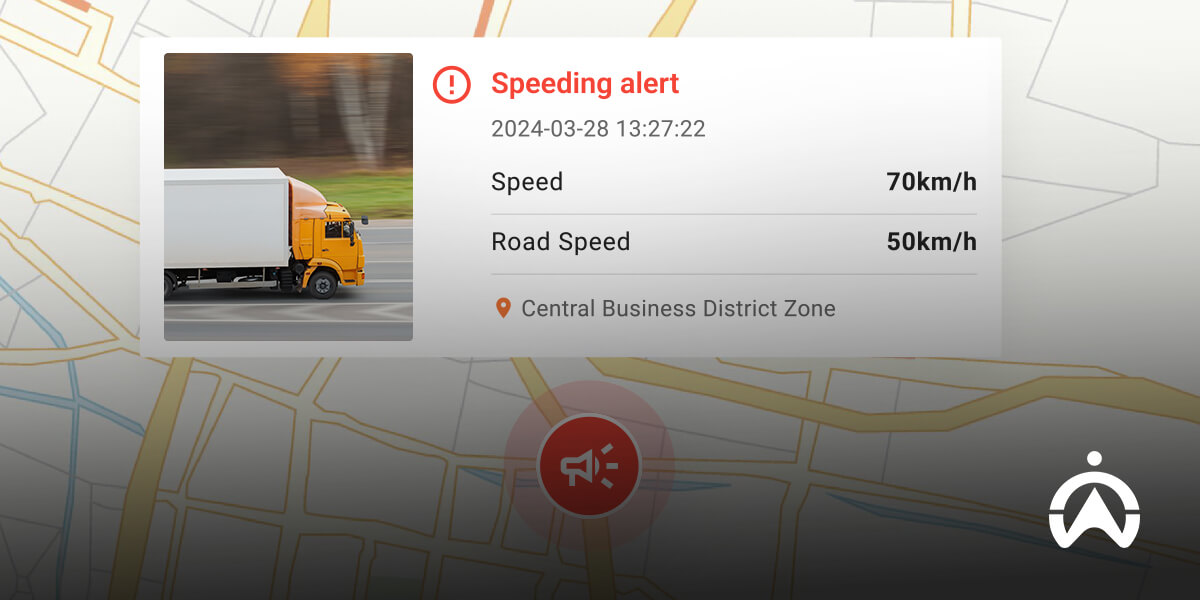
GPS Tracker → Allows you to do real-time vehicle tracking of fleet locations complete with odometer and driving data.
-
Fuel Monitoring → Allows you to monitor the fuel usage of each fleet and be aware of any indications of theft.
-
LiveVision → AI dashcam and camera solution to monitor drivers and improve vehicle visibility in real time.
You can also add other features as needed such as Start Inhibit Relay, Cargo Door Sensor, PTO Sensor, and so on.
That concludes our discussion of Transportation Management Systems (TMS) and their differences from Delivery Management Systems and Fleet Management Systems. Make sure you use the right system for your business needs.
For those of you focused on vehicle management, such as in the car rental business, Cartrack's Fleet Management solution might be perfect for you. Complete your details in the form below to receive a Cartrack quote and a live demo!