
4 Misconceptions about GPS Tracking Devices That Fleet Vehicle Companies Need to Know

GPS trackers have become an essential requirement for companies that rely on vehicle fleets. There are numerous direct benefits to using GPS trackers, ranging from increased productivity to cost efficiency. Despite these proven benefits, several misconceptions persist regarding GPS trackers and their role in business.

Here are 4 common misconceptions about GPS tracker that you should know as a fleet vehicle company manager.

1. "The GPS tracker system is expensive, so my operating costs are higher."

As with many other businesses, there are upfront costs when you subscribe to a GPS tracking service. These costs are reasonable, given the various components you are essentially "renting" from the service provider—such as software, hardware, servers and network infrastructure, data security, specialised SIM cards, system maintenance and software updates, customer support, and more. Nevertheless, these costs are far outweighed by the benefits and the return on investment (ROI) you will realise.

Using GPS trackers can reduce fuel consumption, minimize losses from accidents and vehicle damage, lower communication costs, increase delivery completion rates, prevent theft and fraud, and boost customer satisfaction. These benefits will undoubtedly generate significant profits for your fleet company, potentially delivering an ROI of up to three times the investment. Implementing GPS trackers and the associated software does not drive up operational costs; instead, it makes your operations more efficient.

2. "I don't need a GPS tracker. My phone is enough for communicating and keeping track of work status in the field every day."

A GPS tracker replaces the manual monitoring previously performed by fleet operators via telephone—a highly inefficient process, given that drivers cannot always actively use their mobile phones. With a GPS tracker, anyone with access to the monitoring platform can track vehicle locations and delivery progress at any time, without needing to call drivers or couriers who are out on the road.

Furthermore, GPS tracking provides data on vehicle entry and exit times, refueling details (volume, time, and location), refrigerated cargo temperatures, cargo door opening and closing times and locations, and more. GPS trackers address the most significant communication challenges currently facing fleet companies. With GPS tracking, monitoring field operations becomes easier and more efficient in terms of time, processes, and costs, while operators can become more productive by gaining the opportunity to handle other tasks.
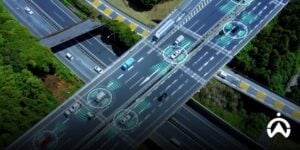
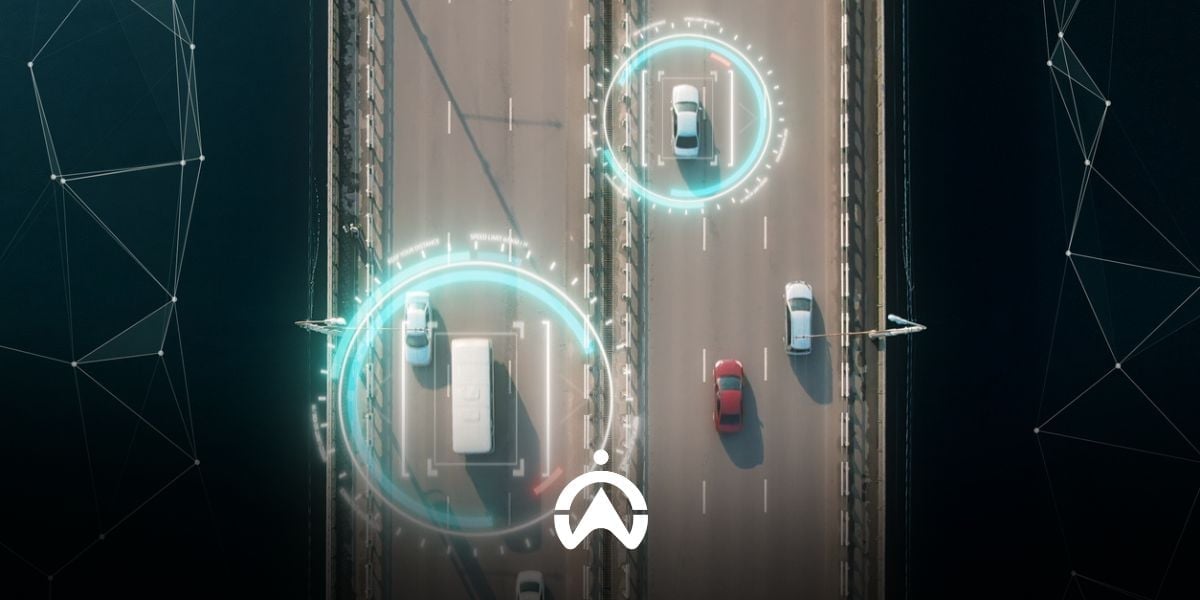
Aerial view of highway with digital signals of autonomous vehicle technology

3. "My driver doesn't feel comfortable working if he's constantly being tracked with a GPS tracker."

In a fleet company context, it is important to eliminate the perception that a GPS tracker is a secret surveillance tool. A GPS tracker is used like any other business tool, with the purpose of measuring efficiency and providing insights for business improvement. Managers, operators, drivers, General Affairs, administration staff, and even finance and HR teams can benefit from implementing a GPS tracking-based fleet management system.

It is crucial for management to properly educate drivers on the purpose of implementing GPS tracking. For drivers, this technology helps them work more productively, drive more safely, and complete deliveries more smoothly. Data on driving behaviour can be used to develop targeted training materials for drivers. Additionally, incentive systems can be implemented to reward the most efficient and safe drivers based on specific performance parameters within the system.

4. "My business isn't big enough to need a GPS tracker system."

If your business relies on a vehicle fleet, you need to know how it is performing, where your vehicles are located, and what activities are taking place. Regardless of the size of your fleet, a real-time vehicle monitoring system can protect your company's assets, prevent losses due to theft and vehicle misuse, and reduce both insurance and operational costs.

With GPS technology, you build an efficient fleet management system as the foundation of your business. As your business continues to grow, you will not struggle to manage a larger fleet. This is because you already have a system that is flexible for fleets of all sizes, from small to large. The automation functions of this GPS tracking based fleet management system give you greater opportunities to optimise and grow your vehicle fleet company.

Cartrack GPS trackers can help your fleet business improve operational and administrative efficiency while reducing costs. You can confidently implement Cartrack for your fleet, as the system is suitable for both large and small-scale operations. Find out more about the benefits of Cartrack and get a FREE DEMO!
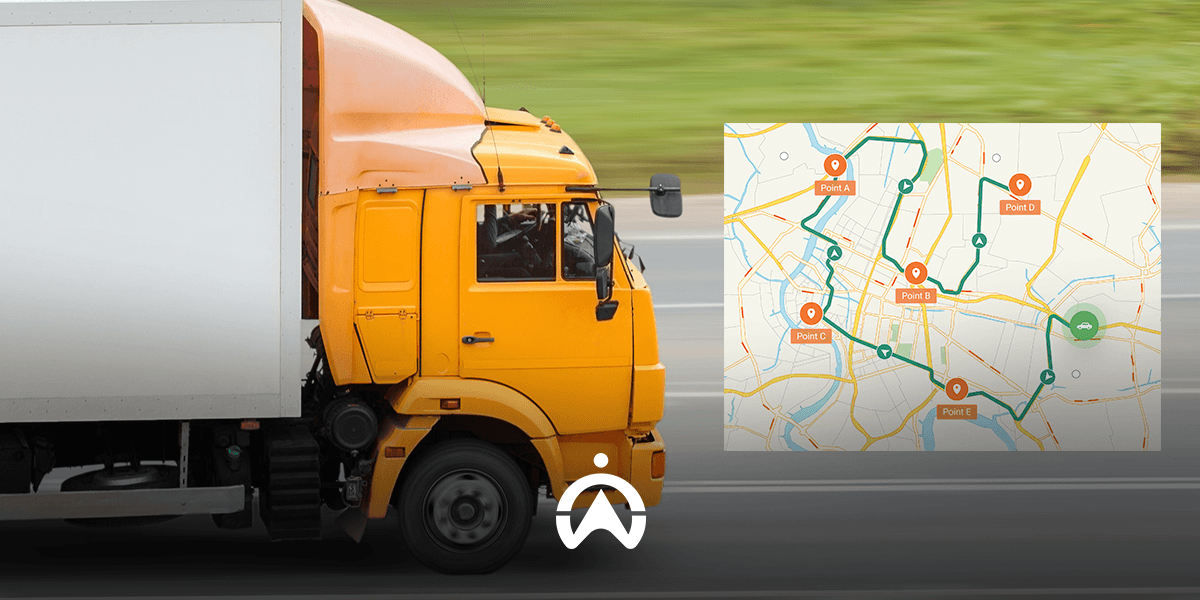
3 Automation Steps for Efficient Fleet Management

Automation provides solutions for various industries by enabling more effective and productive workflows. In fleet management, automation can be the perfect tool for building an efficient system. With automation, tasks can be completed faster, expenses become more efficient, and the likelihood of human error is reduced. Your company can also gain significant benefits by shifting to an automated mode.

Here are 3 automation steps for efficient fleet management

1. Automation in Fleet Management

Fleet monitoring devices make vehicles increasingly “smart”. Vehicles can effectively track their own maintenance needs and communicate this information to fleet managers. This allows you to take proactive action and minimise downtime. Automated scheduling also makes it easier for fleet managers, especially those managing large fleets, to carry out vehicle repairs and maintenance according to plan.

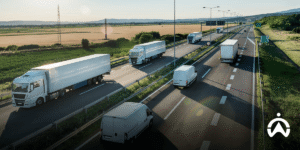
Aerial view of trucks and vans on highways for efficient fleet management automation.

2. Automation in Fuel Management

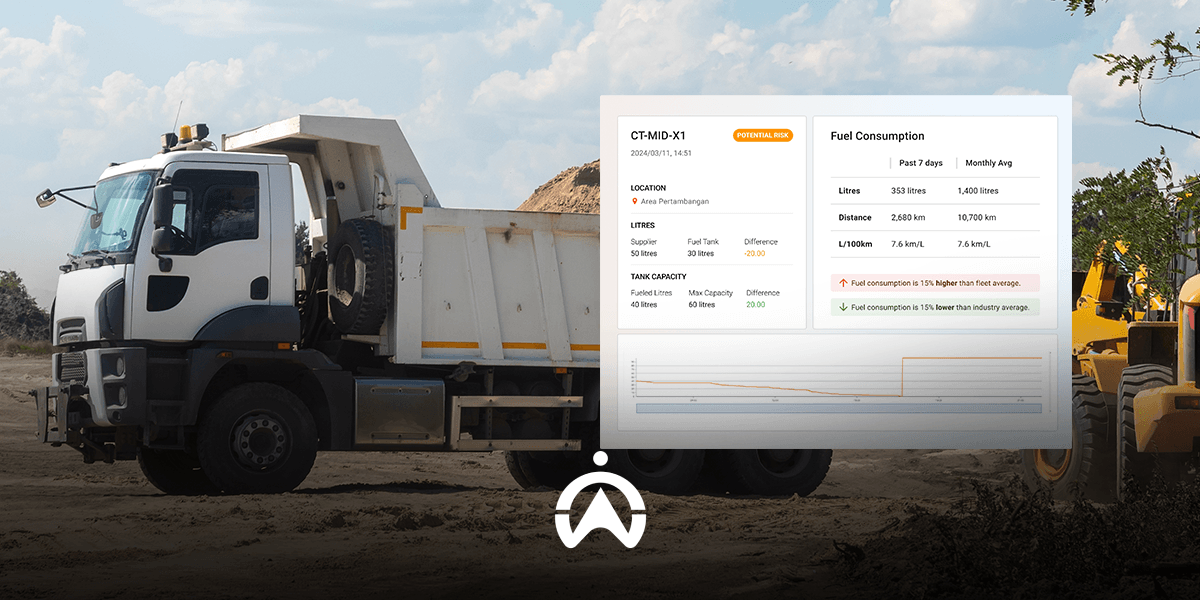
Fuel management across fleet operations is a demanding responsibility, especially in the absence of a proper system. By using telematics, fuel management becomes more efficient. This technology can automatically generate various types of comparative fuel efficiency graphs based on trip history and distance travelled. You will be able to identify which vehicles are the most fuel-efficient in terms of fuel consumption.

3. Automation in Data Collection

Data collection is a crucial part of information analysis. Each vehicle generates a large amount of data daily, from distance travelled, speed, fuel consumption, etc. Collecting this data manually is not only tedious and time-consuming, but also highly prone to errors. GPS technology helps you not only automatically collect vehicle activity data, but also provide insights through reporting. Accurate and real-time information gathered automatically gives you greater control to analyse effectively for fleet optimisation.

Advances in automation technology with Big Data, data analytics, and Cloud computing enable Cartrack to create smart fleets across various industries. Our tracking devices and fleet management software provide a feature-rich and effective system. Consult with us to start automating your fleet today and get a FREE DEMO!

4 Important Criteria for Choosing the Best Fleet Management System in Indonesia

The ability to track the location of vehicles and staff at all times helps companies minimise costs and optimise operations. For businesses with supply chain management, such as logistics, construction, and transportation, a Fleet Management System (FMS) can be invaluable. With numerous FMS options available in Indonesia, how do you choose the best one for your company?

Here are 4 important criteria in choosing the best Fleet Management System

1. Solutions Specifically Designed for Your Business Needs

Because vehicle management needs vary across industries, you need to carefully consider whether the Fleet Management System provider can deliver solutions that address your specific business requirements. Logistics businesses, for example, tend to focus more on maximising fleet utilisation while keeping costs efficient. The challenge lies in high fuel expenses and limited visibility of fleet operations. Therefore, if you run a logistics company, you should start looking for a Fleet Management System provider that offers fuel efficiency solutions and comprehensive monitoring.

A good fleet management solution should be flexible and ready to accommodate growing needs, such as the addition of vehicles or new types of monitoring. For this reason, it is better if the Fleet Management System provider has a system developed in-house by their internal developers. This way, technical issues can be addressed immediately, and solutions can be designed specifically and in a more targeted manner.

2. Integrated in One Platform

Check whether the Fleet Management System provider offers multiple functions such as monitoring, dispatching, routing, reporting, and finance within a single platform. This will certainly make it easier for you and your team to manage the fleet, especially if your company has several branches in different regions. Collaboration between managers, operators, finance teams, and others also becomes more efficient through a single integrated Fleet Management System platform.

Besides integrated functions, you should also choose a Fleet Management System provider that uses a web-based and mobile application platform. This type of platform makes it easier to manage and integrate data from various systems and different office locations. You and other users can manage the fleet anytime and anywhere, simply by accessing it through a web browser or a mobile application. It is also important to ensure that the FMS platform you use is robust, with well-maintained internal server infrastructure so that data traffic runs smoothly.

A row of white delivery trucks in the loading and unloading area of ​​a distribution facility

3. Performance-Oriented Monitoring Parameters

Being able to assess performance across various parameters is an important factor when choosing a fleet management solution. A good Fleet Management System will give you a comprehensive view of fleet operations and workforce efficiency. You will also have better control over fleet usage while ensuring driving safety.

Some important parameters within a Fleet Management System for evaluating fleet performance include location, mileage, operating hours, driving behaviour, and fuel consumption. Choose an FMS that offers parameters aligned with your needs. For example, if you run a construction business, you may require parameters to monitor the performance of concrete mixer trucks and hydraulic levers. This FMS data can be used to help you implement best practices in fleet operations.

4. Real-Time for Effective Management

Another important factor when choosing a fleet management solution is real-time monitoring. A good Fleet Management System should enable operators to monitor and take appropriate action on activities in real time. You can be quickly informed when a vehicle deviates from its route, or when a container temperature drops drastically, ensuring that delivery quality and timeliness are maintained. You can also provide estimated delivery times or inform customers if there are any changes.

Besides real-time monitoring, the route replay feature based on actual time is also important so that operators can view fleet performance at specific points in time and locations. Accidents that occur can also be tracked for analysis and serve as evidence to support insurance claim processes. All of this certainly improves the effectiveness of fleet management, operator readiness, and customer satisfaction.

To meet today’s industry challenges, the Fleet Management System you use must meet the four criteria above. Cartrack is here to address the needs of fleet owners in Indonesia for a high-quality Fleet Management System. With 16 years of experience in fleet management, you can entrust your fleet management system to Cartrack. Get FREE DEMO from us to find out how Cartrack can help your business.

Telematics: A Solution for Green Vehicle Fleet Companies

The issues of climate change and global warming increasingly demand that industries implement more sustainable operations. One such approach is reducing carbon emissions, which has become a long-term responsibility and investment for companies.


So how can businesses contribute to environmental sustainability while maintaining financial efficiency? The answer is by leveraging the right technology, such as fleet management technology.

Technology Enables Maximum Efficiency

Actionable intelligence from a superior telematics system ensures your vehicles, both personal and corporate, operate at maximum efficiency. One of the key steps in determining efficiency is having a complete picture of your vehicle's costs over a given period.

MiFleet, Cartrack's innovative management software, is designed to give you an advanced overview of your fleet costs and provide detailed analysis. It also helps you compare fleets within a specific group to determine which vehicles or drivers are the most efficient. You can then gain the information you need to replicate their efficiency across your entire fleet.

For construction or agricultural vehicles, the combination of telematics and MiFleet software can calculate accurate costs for each vehicle. Using factors such as operating hours, maintenance costs, fuel consumption, and driver expenses, you can provide a 100% accurate hourly rate.

White truck with green trailer crosses country road

Reduce Emissions Through Driving Safety

Changing driver behavior is the best way to achieve safer and more efficient transportation, while also positively impacting the environment. Teaching your workforce to drive within their vehicle's capacity and helping them understand the importance of doing so will significantly contribute to reducing CO2 emissions.2.

The telematics data sent by Cartrack devices can tell you how fast a vehicle was traveling at specific intervals, how long it was idling, whether there were any hard braking or sharp turns, and much more. Fleet owners can then use this information to improve their drivers' skills and implement penalty and incentive schemes to ensure better driver performance. This translates into savings in fuel, tire, and brake costs; improved maintenance cycles; longer vehicle lifespan; and significantly improved safety due to reduced potential vehicle damage.

Telematics data can also help you determine routes that have a lower negative impact on the environment. Through data analysis, you can see which routes use more fuel, identify where heavy traffic volumes impact vehicles, and at what times they occur. Using this intelligence, you can implement changes that increase your business's profitability, reduce your environmental impact, and extend the service life of your vehicles.

The Power Is in Your Hands

The real power behind our actionable intelligence is that it's always available and easy to understand. The Cartrack app puts this intelligence in your hands, allowing you to download reports on any vehicle under your contract. These reports include bad driving alerts, fuel reports, and electronic logs that differentiate between personal and business trips. You can even receive alerts if your vehicle has entered a restricted zone, receive accident alerts, and the current location of your vehicle—depending on your Cartrack service contract type.

Drive positive environmental change. Contact Cartrack today for    and understand how we can help your business go green!

4 Ways a Motorcycle GPS Tracker Can Improve Your Business

Motorbike fleets are an alternative for faster deliveries, especially in areas with heavy traffic. If you operate a business with a motorbike fleet, a GPS tracker will help you monitor assets and manage riders. The use of a motorbike GPS tracker can also improve your business—but how? Read the following 4 points!

1. Send Orders on Time

With a GPS tracker, operators can easily dispatch the nearest rider to a location. The geofence feature can also help operators determine whether the assigned motorcycle has entered or exited a specific area on time. Operators can monitor delivery progress through the task management feature, ensuring that order deliveries run smoothly and on time.

2. Manage Fleet More Efficiently

Motor GPS trackers help overcome communication challenges between operators and motorcycle riders who are on duty on the road. The GPS tracker provides all the monitoring information needed by operators, including the location and timing of when the motorbike is switched on and off. Automatic alerts also ensure that operators are informed of real-time events happening on the road.

Motorcycle couriers wearing helmets receive equipment from colleagues as a form of operational efficiency in business with the support of motorcycle GPS trackers.

3. Provide Accurate Fleet Management Data

The data recorded by a motorcycle GPS tracker can be automatically sent in the form of reports across various categories, such as trips, geofence, and idling. The data provided by the GPS tracker is detailed and comprehensive, with a high level of accuracy that can be relied upon. The GPS tracker software also uses artificial intelligence (AI) to assess driving behaviour. All this data provides insights that enable you to improve the productivity of your motorbike fleet.

4. Increase Customer Satisfaction

Deliveries become more efficient with GPS technology, ensuring orders arrive on time and enabling a higher number of deliveries. Not only are deliveries punctual, but orders also arrive safely due to monitoring of driving behaviour. You can also provide customers with updates on order status, as delivery progress with a GPS tracker is transparent. All of this will naturally improve customer satisfaction and add positive value to your business.

No need to worry about finding the right motorcycle GPS tracker, because Cartrack is here to meet your needs. Learn more about how Cartrack’s features can fulfil the four points above through a FREE DEMO with our consultants.

4 Powerful Benefits of GPS Software for Your Business

Service companies with fleet vehicles now rely on technology to manage their workforce and assets. The most commonly used technology is GPS software, which helps monitor assets and manage field staff as they move from one job to another. How do businesses that use GPS monitoring software differ from those that do not use it at all?

1. Timely Delivery

With the route planning feature, fleet operators can select the most efficient routes and set up notifications for delays, slow progress, and route deviations, enabling them to take immediate action to maintain punctuality. Another feature, such as Cartrack’s “What’s Nearby?”, allows operators to dispatch the nearest driver to a location, complete with an estimated travel time.

Without GPS software, operators cannot view vehicle locations in real-time or ensure that work is being carried out responsibly. Furthermore, the entire manual process of managing the fleet's tasks is time-consuming, leading to recurring delays.

2. Lower Fuel Costs

Additional sensors and various features within GPS monitoring software enable operators to identify and control fuel-wasting activities—such as speeding, sudden acceleration, and engine idling. Meanwhile, fuel sensors and smart reports help prevent fuel theft and fraudulent claims, while also identifying the least fuel-efficient vehicles.

Without GPS software, the monitoring system lacks accountability. This creates opportunities for misuse—such as unauthorised vehicle use outside working hours, excessive idling, or fuel theft. You might also struggle to know where to begin improving fuel efficiency, as you lack the accurate and reliable data provided by GPS software.

Aerial view of highway with smart vehicle tracking using GPS software for business marked with blue digital indicators.

3. Increased Productivity

GPS monitoring software enhances comprehensive fleet operational visibility, ensuring businesses maintain control. GPS monitoring software has even evolved to manage dispatch tasks digitally—such as the Delivery feature in Cartrack’s Fleet Web platform. This digitalisation across various areas boosts fleet productivity.

Without GPS software, operational management systems become less efficient, affecting the time required to complete fieldwork. Consequently, fewer tasks are completed, necessitating increased working hours and overtime pay.

4. Significant Profit Growth

By completing more jobs and achieving greater fuel efficiency, your business profits can increase significantly. Timely—or even early—deliveries, combined with safe driving habits, will boost customer satisfaction. Positive customer feedback resulting from the use of this GPS software ultimately enhances your business's competitiveness and profitability.

Without GPS software, field asset and workforce management are ineffective, preventing you from delivering excellent customer service. Your business will also struggle to compete, as the industry is inevitably shifting toward digital fleet management.

Launch your fleet business with Cartrack software, which guarantees you all four benefits mentioned above. The diverse functions of Cartrack’s GPS software simplify the management of your fleet’s vehicles and drivers. Furthermore, Cartrack’s GPS software is web-based, allowing you to access it from anywhere via an internet browser. Contact a Cartrack consultant today to identify the best solutions and packages for your business—and get a free demo!