
Benefits Of Managing Fuel Consumption In A Fleet Business

Managing vehicle fuel consumption should not be a time-consuming task. You can use a reliable fuel management system and see its impact on your business!

One of the biggest responsibilities that fleet managers have is finding ways to minimise the cost of operating a large fleet. Naturally, fuel management makes the process of cost reduction much easier.

See how fuel management can help you reduce average fuel consumption across your fleet!

How to Improve Vehicle Performance

Fleet managers are constantly looking for new ways to maintain fleet performance and achieve maximum operational results. Fuel is one of the most valuable resources. Therefore, managers need to take the right steps to ensure that fuel is not wasted.

Fuel Management System is part of a fleet management system that uses telematics technology to:

    • Reading fuel consumption in real-time

  • Improving fuel efficiency

  • Reducing fuel consumption

  • Sending notifications when fuel theft is detected

A fuel management system can provide detailed information on fleet fuel usage and its causes. You can determine whether increased fuel consumption is due to incorrect tyre pressure, misaligned tyres, or vehicle load.

Ultimately, all of this helps managers better control fuel consumption. Therefore, we can conclude that fuel monitoring is a key component of fleet management.
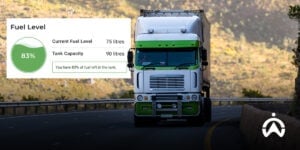
Large trucks on mountain roads with fuel consumption efficiency indicators for fleet businesses.

So, how does a fuel management system work?

With GPS technology, the fuel management system automatically generates different charts to compare fuel usage based on previous trips. These charts provide operational insights to business owners and help identify various technical issues related to usage.

Fuel consumption management is highly beneficial for fleet managers as it can significantly reduce operational costs. A fuel management system provides accurate data on:

  • Cost per mile

  • Fuel theft

  • Driver behaviour (unsafe driving, speeding, excessive idling)

How to reduce fuel consumption with a fuel monitoring system

Fuel costs tend to increase every year. Therefore, in budgeting and managing fuel expenses, fleet managers need to use the following tips!

Driving Behaviour 

They investigate how their drivers operate vehicles and provide training to improve driving behaviour. Poorly driven vehicles consume more fuel and can also lead to future maintenance issues.

Vehicle Inspection

Poor driving habits cause vehicle damage, so vehicle health inspections can have a significant impact on fuel usage costs and maintenance expenses.

Route Management

Finding the most efficient route can prevent excessive fuel consumption and reduce overall delivery time.
Trucks drive down the highway with fake fuel gauges, demonstrating the importance of managing a business fleet's fuel consumption.

Challenges to Overcome When Managing Fuel!

If you want to manage a fleet efficiently, you will realise that fuel management is only one of many challenges that need to be addressed. There are also:

  • Fuel Consumption Management

  • Internal and External Fuel Fraud

  • Undetected fuel leaks

  • Complex and time-consuming fuel reporting

Benefits of Using a Fuel Management Tool

  • Improving accuracy

    Get detailed data on your fleet and automatically calculate the amount of fuel consumed using a fuel monitoring system. You can also store the data for further analysis with the help of a fuel control system.

  • Improving fuel efficiency

    Track the routes taken by drivers and implement more efficient routes. This is done so that the company can save costs and reduce fuel consumption.

  • Reducing fuel theft

    Fuel theft is considered a major issue in the fleet industry. Using a fuel monitoring system can reduce fuel theft attempts by recording daily fuel consumption and fuel costs.

  • Automated reports

    Receive real-time reports such as fuel levels, unauthorised vehicle usage, and excessive engine idling. This allows you to investigate how far vehicles travel and how much fuel is being consumed.

Reduce fleet costs with a trusted fleet management company. The smart dashboard from Cartrack Indonesia provides fast fleet monitoring across your entire fleet, along with many other benefits for fleet managers.

Learn more about fuel consumption by using <fleet management solutions from Cartrack Indonesia and start saving fuel!
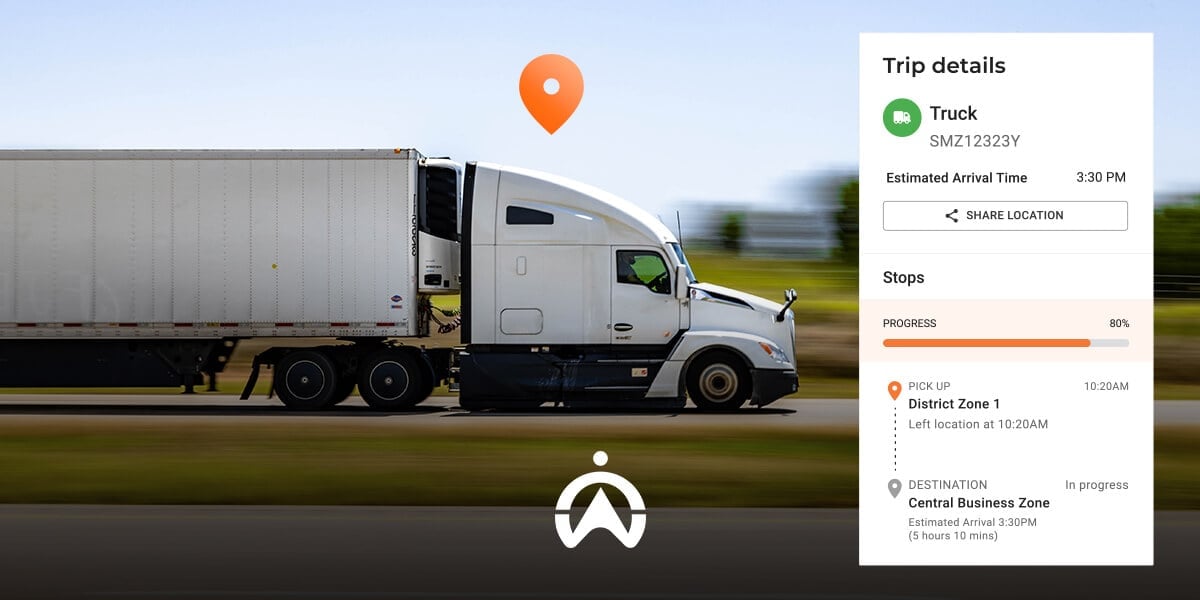
How Vehicle Tracking System Works And Its Benefits!

To operate a successful fleet business, a vehicle tracking system plays a very important role! Vehicle tracking systems provide telematics technology to run fleet operations efficiently and successfully. Let’s find out how it works and what benefits it can bring to your business!

The trucking, taxi, logistics, and car service industries rely on vehicle tracking systems to operate efficiently. However, today's vehicle tracking systems go beyond simply determining a vehicle's precise geographic location. Let's learn more about vehicle tracking systems!

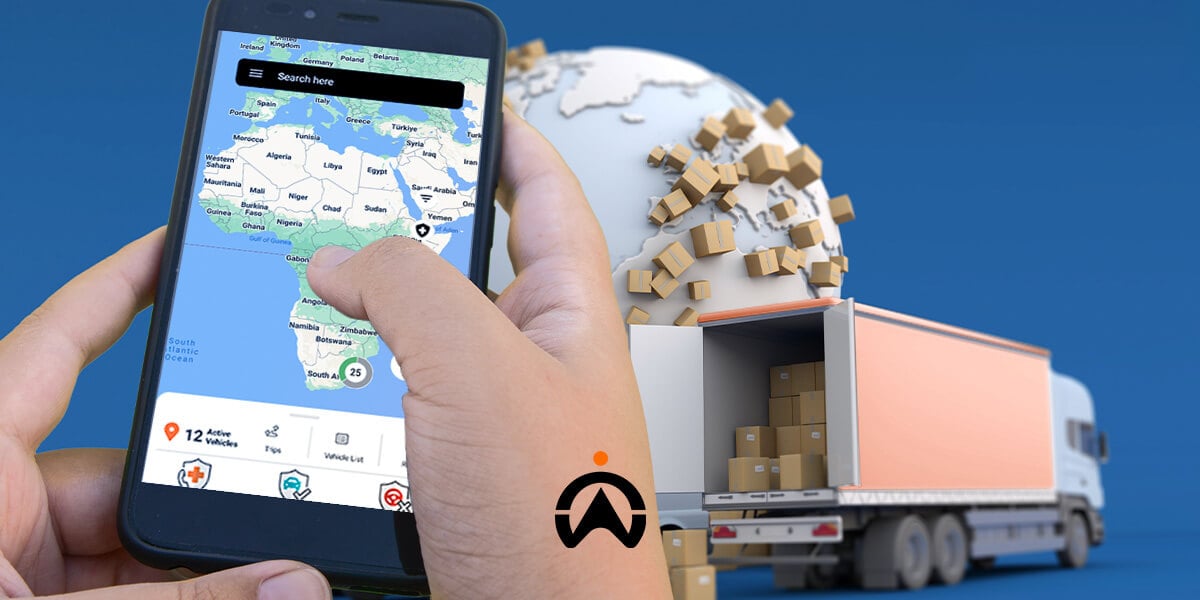
Vehicle tracking application on smartphone to monitor the location of white car on the highway in real-time.

Why do vehicles need a tracking system?

A vehicle tracking system requires a GPS device in order to function. A GPS device is a small, portable unit installed in a vehicle (or even on assets for tracking purposes), allowing you to track the exact location of the vehicle or asset and receive information about when, where, and how your vehicle is being used.

GPS, which stands for Global Positioning System, is a constellation of satellites that provides highly accurate positioning, navigation, and timing (PNT) services worldwide. A GPS tracking system uses the positions of three or more satellites from the Global Navigation Satellite System (GNSS) to determine an exact geographical location.

How do vehicle tracking systems work? Since there are various vehicle tracking devices, here's how vehicle tracking systems work based on their purpose:

  • For fleet tracking: Imagine you are a fleet manager who wants to know the exact geographical location of your drivers and fleet. However, customers are often unhappy with your service; their complaints include late deliveries, missed deliveries, and lost or damaged assets. On top of that, you have a pile of paperwork to manage, including missing and unsigned Proofs of Delivery (PODs). In this case, fleet managers often use a GPS tracking system to monitor the location of their vehicles. With a vehicle tracking system, fleet managers have a simpler way to manage and oversee their vehicles. Fleet managers receive information about where drivers and vehicles are at any given time, where drivers have travelled throughout the day, completed deliveries, and electronic PODs.
  • For vehicle security:Do you often worry when your business vehicles are on the road? Put your mind at ease, as you can now use a tracking device or GPS to stay informed about your vehicle’s geographical location at all times, receive alerts if a driver is inactive, and if your business vehicle is stolen, it can be tracked and recovered.
  • To access data and information when needed: Are you a fleet manager looking for a tracking system that provides the information and data needed to improve productivity, enhance customer service, and effectively manage and maintain vehicles? Then the vehicle tracking solution you need is one that can monitor vehicle mileage for your fleet business, provide access to driver behaviour data and information, and help reduce vehicle misuse.

A black van on a highway with an orange location pin icon, depicting how the vehicle tracking system works.

7 Benefits of Vehicle Tracking Systems

The primary benefit of a vehicle tracking system is providing real-time vehicle tracking, a fundamental function that paves the way for many more. Vehicle tracking has many more benefits for your business, including:

  1. Complete visibility of drivers, fleet vehicles, and assets: In the past, fleet managers had no easy way to know the exact geographical location of their fleet. Today, a GPS tracking system allows fleet managers to create, assign, and monitor driver tasks from a single platform. The ability to oversee the entire fleet operation provides greater control over productivity, service delivery, and costs.
  2. Reduction of operational costs and increased profits: Whether it is saving money or time, GPS tracking provides actionable insights into how time, money, and fleet resources are used. With this, fleet managers can reduce unnecessary costs, avoid wasted time, and increase profits.
  3. Reducing vehicle downtime: Some fleets need to be used continuously every day. However, there are also vehicles that are not used at all for long periods. Vehicles require regular maintenance; otherwise, they will suffer wear and tear and break down. With a vehicle tracking system, fleet managers receive diagnostics and alerts to ensure vehicles are serviced regularly and to reduce the risk of damage. This ultimately helps reduce vehicle downtime due to breakdowns.
  4. Improved customer satisfaction: A vehicle tracking system not only improves customer satisfaction by increasing productivity through clear task assignment and progress tracking, but also enhances the customer experience by involving customers at every step. With a vehicle tracking system, customers can track their cargo in real time from dispatch to delivery. This allows fleet managers and customers to communicate if there are any emergency changes to the delivery. Customers can also sign electronic delivery documents and receive email confirmations.
  5. Prevention of theft: Another reason fleet businesses benefit from vehicle tracking is that it provides the ability to recover stolen vehicles. A vehicle tracking system helps reduce vehicle-related crime by making vehicles easy to locate. This helps avoid financial and resource losses caused by vehicle theft.
  6. Reducing administrative work: Managing administrative tasks can be stressful and time-consuming. With a vehicle tracking system, you no longer need to create spreadsheets manually or fill in and search through piles of documents. A vehicle tracking system reduces the administrative burden on fleet managers because it can track fleet locations while storing electronic delivery documents in one place. The administrative workload is reduced, allowing employees to increase productivity by focusing fully on completing their tasks.
  7. Improved driver safety: Driver safety should be a priority for fleet businesses because business success depends on drivers being able to complete tasks efficiently and safely. On the other hand, risks during travel can also lead to accidents, legal issues, and financial losses. A vehicle tracking system improves driver safety by providing route optimisation features that allow fleet managers to create the most cost-effective, time-efficient, and safest routes. In addition, there are cameras to monitor drivers and send emergency assistance when needed. Vehicle tracking devices can also monitor poor driving behaviour such as speeding, harsh braking, and sudden acceleration.

Cartrack Indonesia provides an easy-to-use vehicle tracking platform that allows fleet managers to oversee all fleet operations in one place. Cartrack Indonesia’s features ensure fleet managers run their fleet systems as efficiently as possible at the lowest cost, so businesses achieve optimal benefits.

Get vehicle tracking devices from Cartrack Indonesia.

Find out more by clicking the following link!


5 Best Business Insights for Your Fleet!

To integrate with Silacak, the following requirements must be met: to manage operational vehicles efficiently, a company needs to know exactly how its vehicles are used on a daily basis. However, this is often challenging due to various factors, such as the size of the fleet and the complexity of travel or delivery routes.

The best way to streamline fleet management is by using  a telematics system. This system consists of GPS      and various sensors installed directly onto the vehicles to collect real-time operational data.

By using a fleet management system, here are some insights that can be useful for data-driven decision-making.

Real-time fleet location

Installing GPS devices   in your vehicles will help you keep track of     each oneThis gives you greater flexibility in managing schedules and routes, monitoring deliveries, and dispatching assistance should any issues arise.

Furthermore, GPS technology   allows you to establish virtual boundaries using a specific feature    . You can mark operational areas, warehouse locations, or ports, and set up notifications to alert you whenever a vehicle enters or leaves these designated zones.

Data from this tracking system will help you identify the causes of operational issues—such as delays—and find solutions. You can also detect potential vehicle theft or misuse by analysing the routes taken by the vehicles.

Bagaimana_cara_mengubah_data_menjadi_Insight_yang_bermanfaat

Fuel consumption

Gain insights into fleet activity, resource allocation, and overall performance to make informed decisions. Another highly beneficial aspect of managing operational vehicles is monitoring fuel usage through a fuel monitoring system. Without such monitoring, there is a significant risk of waste, fraud, and even fuel theft.

Fuel monitoring system typically uses sensors to collect data on each vehicle's fuel usage. You can track fuel purchase history and consumption patterns through charts and tables   provided in reports.

At Cartrack, this system is not only integrated with GPS tracking  , but can also be linked with MiFleet MiFleet a dedicated cost management platform. This allows you to directly record and manage all fuel-related expenses.

Driver behaviour

Telematics devices can also track risky driving behaviors such as speeding, harsh braking, and sharp cornering. Furthermore, there is also Driver Scorecard feature that allows you to view driver assessments based on their driving behavior.

Gain insights into fleet activity, resource allocation, and overall performance to make informed decisions. This makes it easier for you to detect risky behavior, which you can use as a basis for driver training. With this monitoring, you can improve the safety of both your drivers and your fleet.

You can also use the driver monitoring camera, namely AI Vision from Cartrack. Apart from recording the road and the driver, this camera can provide an audible warning if it detects the driver is tired, smoking, not using a seat belt, etc.

5_Insight_bisnis_yang_dapat_kamu_terapkan

Vehicle condition

Other fleet management constraints that can disrupt operations are:    due to sudden vehicle breakdowns. One way to address this is to perform regular, scheduled fleet maintenance.

Not only does it improve vehicle visibility and monitoring,   For operational vehicles, it can also be used to schedule maintenance. You can schedule vehicle maintenance based on mileage or specific periods.

Drivers can also report damage digitally through the app and attach photos or videos of the damage. This allows fleet managers to schedule repairs promptly to avoid further damage.    sudden.

CO2 emissions

Many large companies in Indonesia have begun regularly calculating CO2 emissions to comply with ESG (Environmental, Social, and Governance) reporting. As is known, operational vehicles are one of the emission producers that require attention.

Insight further benefits from   One example is Cartrack's CO2 emissions report. This report allows companies to better understand the environmental impact of their energy use and report it to the public.

This reporting will demonstrate that the company is contributing to environmental sustainability. This will impact the company's reputation among investors, consumers, and the general public.

With the fifth   With the above, companies can manage their operational vehicles more efficiently while also being environmentally responsible. Consult on your fleet management needs with Cartrack—get in touch by filling out out the form on this page.

This Is The Secret To Managing Fleet Risk Management

Pertanyaan ini pasti pernah terlintas, kira-kira apa yang membuat armada menjadi lebih aman? — Seperti pepatah “lebih baik mencegah daripada mengobati”. Itulah prinsip di balik manajemen risiko. Manajemen risiko armada adalah senjata rahasia yang digunakan perusahaan untuk memastikan para pengemudi, karyawan, dan kendaraan selalu aman dan terlindungi.

It is important to have a contingency plan in place to reduce existing risks. This is where a backup plan, or risk management, becomes essential. Fleet management helps anticipate and prevent negative incidents such as accidents, breakdowns, or theft. However, effective risk management is not only about avoiding problems, but also about creating added value.

How does it work? 

Well, if you own or manage a fleet of vehicles, you naturally want to ensure that the fleet operates efficiently and has a positive impact on the business, right? Fleet managers must minimise the risk of breakdowns or accidents to avoid costly repairs and unnecessary downtime. By implementing safety policies, conducting driver training, and maintaining vehicles regularly, businesses can not only reduce operational risks but also improve performance and lower fleet costs in the long term.

What is the role of a fleet risk manager? 

A fleet risk manager plays an important role in overseeing and managing risks associated with fleet vehicle operations. They are responsible for identifying potential risks and implementing strategies to mitigate them.

Their responsibilities may include:

  • Developing and implementing safety policies and procedures to promote driver safety and minimise the risk of accidents.

  • Conducting driver training to improve skills and ensure compliance with safety policies and regulations.

  • Monitoring vehicle performance and maintenance to reduce the risk of breakdowns and improve fleet efficiency.

  • Implementing telematics technology to monitor driver behaviour and vehicle performance, using the collected data to identify areas for improvement. Managing insurance and claims processes to minimise financial risk.

  • Staying up to date with industry regulations and best practices to ensure compliance with the latest laws.

A red truck speeding down the highway, depicting the efficiency and management of fleet risk management for logistics security.

Benefits of Effective Fleet Risk Management

It does not take long to see the benefits of risk management for your fleet, as it provides immediate advantages from the moment it is implemented. Enjoy a variety of benefits such as the following:

Higher return on investment: By keeping your fleet in excellent condition, you can avoid unexpected downtime and other costly issues, ultimately leading to a higher return on investment. This can help you save money and invest in other important areas of your business.

Lower insurance premiums: By managing fleet risks, you demonstrate to insurance companies that you are committed to safety. This can result in lower insurance premiums, ultimately helping you save money.

Improved workplace focus: By prioritising fleet safety, you create a culture that encourages employees to take extra preventive measures in their duties. This helps keep everyone in the organisation safer and more focused on the tasks at hand.

Proactive prevention: With risk strategies in place, you can predict and prevent problems before they occur. This helps you make more informed decisions, leading to better outcomes for your business.

The Ultimate Secret to Fleet Risk Management: Cartrack Indonesia Fleet Technology. With the growing number of vehicles on the road, fleet risk management is becoming increasingly difficult to manage. Cartrack Indonesia provides technology and services designed to help fleet managers navigate this process with their fleet solutions.

Real-time monitoring: With installed tracking units and the Cartrack Indonesia fleet management platform, fleet managers stay connected to their fleet at all times through accurate vehicle locations and instant notifications. Cartrack Indonesia also offers a Geofence feature that allows you to set virtual boundaries within specific areas and receive real-time alerts whenever your vehicles enter or leave those areas.

Driver behaviour analysis: Cartrack Indonesia’s technology also includes driver behaviour analysis through driver score reports that indicate when drivers display unsafe behaviour, such as speeding, harsh braking, and sharp cornering. In addition, AI-powered cameras with in-cabin audio alerts sound when drivers show signs of fatigue or distraction. This helps fleet managers provide targeted training and coaching to inattentive drivers, ultimately improving driver safety and reducing the risk of accidents.

Maintenance tracking: The Cartrack Indonesia fleet management system tracks the mileage and engine lifespan of each vehicle to help ensure that vehicles are properly maintained and serviced according to schedule. Managers receive notifications about upcoming routine services through automatic reminders when vehicles reach maintenance thresholds. This helps reduce the risk of breakdowns and other issues such as accidents.

Accident management: In the event of an accident, Cartrack Indonesia’s telematics technology can detect sudden impacts or collisions and immediately send incident notifications to fleet managers, while their tracking units help quickly locate the vehicle and trigger a rapid response to dispatch assistance to the scene. This can help save drivers’ lives and reduce the risk of harm to other drivers and vehicles.

Time tracking: This enables the monitoring of drivers’ working and rest hours, ensuring that drivers receive the required rest periods.

Real-time risk alerts: Prevent violations with Cartrack Indonesia fleet software that provides real-time alerts on operational risks and prevents unauthorised vehicle or engine use until the risks have been addressed.

Specialised sensors: Cartrack Indonesia offers a wide range of specialised sensors tailored to various industries. With sensors such as CANBus vehicle diagnostics, cargo door monitoring, temperature monitoring, and seat pressure sensors, Cartrack Indonesia empowers industries including transport, logistics, construction, and security to improve efficiency, security, and safety.

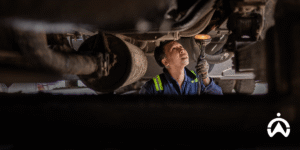
 Mechanics in blue uniforms perform undercarriage inspections to manage fleet risk management to ensure the safety of vehicles in the workshop.

All of these smart features and services are available through Cartrack Indonesia, helping fleet managers become more aware of potential risks while their fleets are operating and, at the very least, reducing their day-to-day stress with the best fleet management solution, which helps identify and mitigate risks while keeping their fleets operating safely and efficiently.

Cartrack Indonesia offers a comprehensive range of telematics and fleet management services that help keep vehicles, drivers, and assets safe and protected.

Contact Cartrack Indonesia today to learn more about how we can help your business!

You Definitely Need This: The List of the Best Fleet Compliance Guidelines

Managing a fleet involves significant responsibility, including ensuring that both vehicles and drivers comply with fleet compliance guidelines. In addition to creating a safe working environment for drivers and vehicles, such guidelines can also help businesses avoid negative impacts on productivity and budgets caused by fines and unnecessary accidents.

The fundamentals of fleet compliance guidelines are important to understand in order to achieve safe and effective fleet management. Detailed guidelines can ensure that businesses and fleet managers meet all required aspects. In this article, we have compiled the fundamentals of fleet management guidelines that comprehensively outline everything you need for your business and fleet.

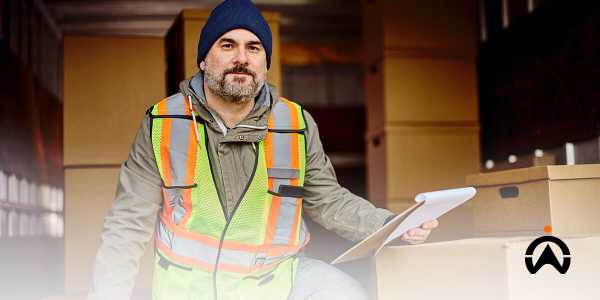
Petugas berompi keselamatan mencatat logistik di depan tumpukan kardus, menerapkan pedoman kesesuaian armada terbaik di gudang.

Why is it important to comply with fleet compliance guidelines?

Complying with fleet management guidelines goes hand in hand with fleet risk management. Both are important for identifying issues that could make a fleet unsafe, and then finding ways to avoid these problems and make the necessary improvements.

Fleet managers must know this! Here is the list of fleet compliance guidelines you need!

1. Prioritising Tax Compliance

Companies must comply with local tax laws to avoid fines and meet legal compliance standards. Here are the tax flows that must be considered:

  • VAT: Value Added Tax

  • Income Tax

  • BPJS: Social Security Administering Body

  • Article 21 Income Tax

2. Conduct Regular Vehicle Inspections

As part of an overall fleet inspection checklist, a fleet vehicle maintenance checklist can help ensure that fleet vehicles are roadworthy and in peak condition. Regular vehicle inspections help identify vehicle defects, improve fleet safety standards, and extend fleet lifespan.

Start the vehicle inspection process by recording the vehicle’s odometer reading, the last six digits of its VIN, licence plate details, make and model, and the first and last name of the assigned driver. This information helps you track vehicle mileage, age, identification markers, and the driver assigned during the inspection.

Once completed, follow the 5-step checklist below to carry out a comprehensive inspection:

  • Pre-Operation: Check oil, transmission, and windscreen washer fluid

  • Interior: After starting the engine, check whether the following are functioning properly: fuel level, horn, air conditioning, interior lights, and brake pedal. Then check the seat belts and upholstery. Ensure the first aid kit is stocked and the vehicle is equipped with emergency tools such as warning devices, a torch, and a spare wheel.

  • Mirrors/Windows: Test the windscreen wipers and ensure the mirrors are clean.

  • Exterior: Start by checking the front and rear lights, indicators, and hazard lights. Then inspect the tyres for wear and damage, and check the pressure of the spare tyre.

  • Under the Vehicle: Check for fluid leaks and any loose or hanging objects.

By identifying these issues and taking immediate action, businesses can avoid further safety problems.

3. Monitor Licence and Permit Validity

Complying with legal requirements is non-negotiable. This includes ensuring that fleet registrations and licences are up to date and valid to keep fleet vehicles operational and to avoid fines. Fleet managers should continue to monitor the following administrative items:

  • Obtain and arrange proper permits for vehicles

  • Register vehicles with the relevant authorities

  • Monitor driver licence renewals

  • Ensure vehicle registration renewals are completed on time

4. Conduct Internal Audits!

So, let’s say you are implementing a new fleet management system or looking to identify pain points in your current system. Conducting an internal audit can help you do both.

A comprehensive audit not only assesses all aspects of fleet management, but also provides better insight into whether a company's processes comply with government regulations, fleet management requirements, and best practices.

Here is a detailed fleet management audit checklist:

  • Kebijakan Manajemen Armada – Tinjau kebijakan keselamatan armada dan kesehatan.

  • Kendaraan – Tinjau inspeksi kendaraan dan rencana untuk penggantian kendaraan. Nilai prosedur pemantauan kendaraan. Analisis penggunaan bahan bakar.

  • Pengemudi – Penilaian pengemudi dan tinjau pelatihan staf. Tinjau kelayakan lisensi dan pengaturan asuransi. Latih ulang pengemudi jika diperlukan.

  • Pihak Ketiga – Tinjau dan nilai penyedia pihak ketiga.

  • Keamanan Armada – Tinjau dan nilai keamanan armada.

  • Operasional – Penilaian dan tinjau inventaris.

After all data has been assessed and reviewed, it is important to carry out the following three final steps:

  • Review and evaluate recommendations from previous audits

  • Review current audit findings

  • Obtain approval of findings from the relevant company authorities

5. Know Fleet Driver Working Hours

Although a company may only have a few fleet drivers, accurately knowing their hours of service (HOS) above all else is nearly impossible. However, tracking each driver’s HOS is essential to remain compliant with health, safety, and environmental requirements. Managing HOS leads to better fatigue management and a safer fleet.

Pekerja gudang rompi keselamatan memeriksa tumpukan kotak kardus untuk mengecek kesesuaian armada logistik.

Easy Fleet Compliance Control with Cartrack Indonesia

Here’s how Cartrack Indonesia’s advanced telematics features can help ensure fleet compliance, safety, and risk management:

  • Get automatic updates on permit renewals and registration fulfillment with MiFleet accounting software that seamlessly integrates into Cartrack Indonesia's fleet management platform.

  • Enable fleet managers to track vehicle servicing and scheduled maintenance, ensuring proper safety compliance through the MiFleet system.

  • Ensure fleet drivers are well-rested by tracking their HOS. The Cartrack Indonesia SaaS platform enables you to monitor driver shifts and generate shift reports, facilitating proactivity and continuous improvement.

  • Use Cartrack Indonesia’s AI-powered camera solutions to provide drivers with real-time alerts regarding risky driving behaviour, allowing them to correct it immediately while improving driver accountability and safety.

Mencapai pemenuhan kesesuaian di seluruh armada dapat menjadi tugas yang sulit, bahkan tidak mungkin. Cartrack Indonesia datang dengan pengumpulan data dan pelaporan yang akurat – sebuah sistem telematika canggih adalah teman terbaik setiap manajer armada.

Find out more by clicking the following link!

How to Stop Vehicle Idling to Save Fuel and Operational Costs

Drivers often leave the engine running while unloading deliveries, get stuck in traffic, or take phone calls at the roadside. Every second the engine is running incurs costs. So, how can unnecessary engine idling be reduced and operating costs be saved?

What is Idling?

Idling is when a driver leaves the engine running while the vehicle is parked or stationary. Every day, millions of cars and trucks are idling unnecessarily.

Examples of Vehicle Idling

Idling can occur in traffic jams, in line at a restaurant drive-thru, or while loading or unloading at the dock. If you're a fleet manager with multiple drivers and vehicles, you'll want to monitor whether they're leaving their vehicles running while unloading, running during traffic jams, or using the AC excessively.

So, What is the Issue with Leaving the Engine On?

Idling for more than 10 seconds uses more fuel and produces more emissions, contributing more to smog and climate change than stopping and restarting your engine. Idling also contributes significantly to general vehicle wear and tear, far more than most people realise.

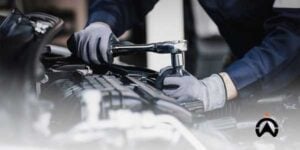
Car engine maintenance by mechanics to reduce vehicle fuel consumption.

5 Reasons to Stop Vehicle Idling

1. Reduce wear and tear on vehicle components

One hour of daily engine running can cause approximately 102,998 km of wear on the engine in a year. This is just for one vehicle. Excessive wear can increase maintenance costs by nearly Rp30,220,000 per year and shorten the engine's lifespan. Excessive engine revving puts significant stress on vehicle components. Idling can cause twice as much wear on internal components as driving at normal speeds.

2. Prevent health risks

Engine idling produces the same amount of pollution as a moving vehicle. These pollutants negatively affect health and are linked to illnesses including asthma, heart disease, chronic bronchitis, and cancer. Some studies even report that acute exposure to pollution can result in hospitalisation due to respiratory conditions.

In addition, when a vehicle is idling, there is no airflow to disperse emissions. Therefore, fleet managers should also take steps to reduce engine idling for the health of drivers, as they are more exposed to vehicle pollution than when the vehicle is in motion.

3. Protect the environment

Reducing carbon emissions remains a top concern. In 2022, 38% of shippers, drivers, and operator owners felt pressure to cut carbon emissions in their business. Every 10 minutes your engine is off, you prevent one pound of carbon dioxide from being released (carbon dioxide is a major contributor to global warming). One litre of wasted diesel fuel produces 2.64 kg of CO2 into the atmosphere.

4. Save fuel costs

A car that is idling consumes between 0.76 and 2.65 litres of fuel per hour. A diesel truck that is idling consumes around 4 litres of fuel per hour. One of the most effective ways for companies to build a sustainable business is to use less fuel. Taking steps to reduce mileage and minimise engine idling is a way to reduce fuel consumption and therefore save costs.

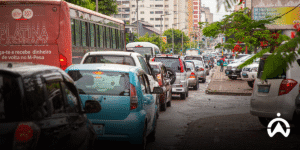
Heavy urban traffic congestion is one of the main causes of vehicle idling which wastes fuel.


4 Ways to Reduce Idling Using a Fleet Management System

1. Driver behaviour reports

Fleet Management System provides data reports on driver behaviour such as when the engine is started, harsh driving, speeding, braking, and manoeuvring. If excessive engine starts are detected, the fleet manager can prevent it. The software reports can also show which drivers have longer engine run times than others, so the fleet manager can notify the drivers accurately.

2. Driver education and motivation

Some people believe that restarting an engine uses more fuel than leaving it running, and your driver may be one of them. According to the Environmental Defense Fund, idling the engine for 10 seconds wastes more fuel than restarting it. Educating drivers about this can encourage them to switch off their engines whenever they are stopped for more than 10 seconds. In fleet management, standard operating procedures for engine idling should be part of the training programme and safety culture. Fleet managers should teach drivers about the impact of excessive engine idling and how to avoid it. Ultimately, this will motivate and empower them to improve their driving behaviour.

3. Optimised routes

Dengan menganalisis data rute yang disediakan, kamu dapat mengetahui di mana  idling terbanyak terjadi dan alasannya, dan mengoptimalkan rute dapat mencegah hal ini. Kemacetan lalu lintas adalah penyebab utama waktu tunggu penyalaan mesin meningkat. Kamu dapat menggunakan GPS Tracker Software untuk mengoptimalkan rute perjalanan.Fitur route optimization dari Cartrack Delivery menggunakan   dan algoritma untuk mengevaluasi semua rute yang mungkin untuk pengemudi ambil. GPS Tracker Software menilai beberapa variabel saat menentukan rute terbaik, termasuk lalu lintas saat ini, kecelakaan, dan blokade jalan. Pengemudi dapat menyesuaikan rute mereka saat dalam perjalanan atau sebelum memulai perjalanan.

4. Geofencing area

Fleet managers can use the geofencing area feature to cut down on truck engine idling time by setting up a geofence in the engine start area. When a vehicle enters the designated area, the telematics device will show how long the engine has been running there and send an alert if it’s idling for too long.

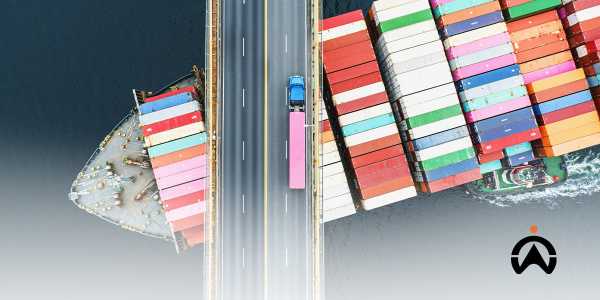
Container trucks on the shipping route, a solution to stop vehicle idling to save operational costs.

As explained above, by reducing idling, business owners can cut down on maintenance costs and fuel expenses. This will obviously have a big impact on net profit and the overall business gain.

If you're looking for extra security features and an advanced fleet management system, Cartrack Indonesia offers various features such as driver behaviour reports, route optimisation, and geofencing areas. Cartrack Indonesia also provides a Scorecard for each driver. This Scorecard can help reduce bad driving habits like excessive engine idling and speeding, which in turn can extend vehicle life, lower the risk of accidents, and improve operational efficiency.

Save on fuel and operating costs from now on, use Cartrack GPS Tracker!

Visit Cartrack Indonesia for more information.