What is Route Optimisation and its Benefits for Business?

Inefficient distribution routes often cost companies money, both due to delays and fuel consumption. This is especially true if your business operates a large fleet.

Efficient deliveries require effective planning, which can often be difficult to achieve when managed manually. This is why you should familiarise yourself with a type of automation called route optimisation, which is commonly used in delivery operations and field services.

What is Route Optimisation?

Route optimisation is the process of finding the best route using algorithms to analyse and consider multiple factors. Based on this analysis, the system will recommend the best route according to the company's needs.

Route optimisation will be crucial for both the delivery and field service industries. In addition to improving operational efficiency, this will also significantly impact on on-time delivery to customers.

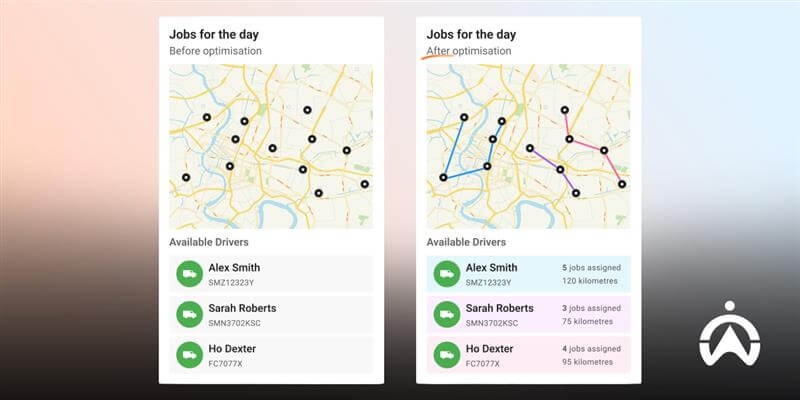
Comparison of work assignment maps before and after implementing route optimization for business route efficiency.

Challenges Without Route Optimisation

So what if you don't implement route optimisation? Here are some challenges you might encounter:

1. Delivery delays due to inefficient routes

Each courier or field technician must visit multiple locations daily. If the assigned route is inefficient, delays in the distribution or processing process are likely due to traffic jams or circuitous routes.

2. Uneven achievement of work solutions

Inefficient delivery route planning relies heavily on the driver's skill and experience in navigating routes. Therefore, the amount of work completed each day can vary significantly between drivers.

3. Uncontrolled operational costs

With route selection heavily dependent on the driver, you're at risk of uncontrolled spending. Again, this is because some drivers are skilled at determining routes, while others rely heavily on manual navigation systems.

4. Customer dissatisfaction due to delays

Delays in delivery or service are unavoidable without route optimisation. This will impact a business's reputation and customer loyalty, who may be dissatisfied with the delays.

Read Also: What Is a Fuel Management System?

Benefits of Route Optimisation

Optimising delivery routes isn't just about determining the fastest route; it also improves overall efficiency in business operations. Here are some of the positive impacts you can experience immediately:

1. Speed ​​up delivery time

With optimised routes, deliveries are arranged based on distance, location, and priority. This reduces travel time and eliminates detours, eliminating the need for drivers to guess the best route.

2. Save fuel

Shorter, more efficient routes will automatically reduce fuel consumption. By minimising time wasted on the road, whether due to traffic jams or taking wrong turns, you'll achieve greater savings.

3. Increase productivity

Proper delivery trip planning allows couriers and technicians to complete more tasks in a day. This allows you to increase daily output without adding additional fleet or manpower.

4. Maximise customer service

Timely delivery and technician arrivals will create a better customer experience. This will build their loyalty and your business reputation.

5. Better operational control

Systematic route planning makes it easier for the management team to schedule deliveries or jobs and monitor them online. All processes become more organised, with reporting data that aids decision-making.

Read Also: How to Easily Calculate Fleet Fuel Consumption

Examples of Use in Various Industries

How exactly is route optimisation used and how does it benefit every industry? Find out more!

1. Last-mile delivery

Route optimisation will help you sort deliveries based on location, priority, and distance. This way, couriers can deliver orders more efficiently without having to make multiple trips.

2. Catering and Restaurants

Restaurants and caterers offering delivery services will benefit greatly from route optimisation. This can reduce travel time, ensuring food reaches consumers fresh.

3. Field Service

Companies that provide field services, such as air conditioning technicians, Wi-Fi technicians, and other service providers, can use route optimisation to schedule visits. This makes operations more efficient by reducing unnecessary back-and-forth trips and the time technicians spend on the road.

4. Distribution Company

The distribution process from distributors to retailers will be more efficient by using route optimisation. Efficient routes allow for faster deliveries and allow vehicles to accommodate more delivery points in a single trip.

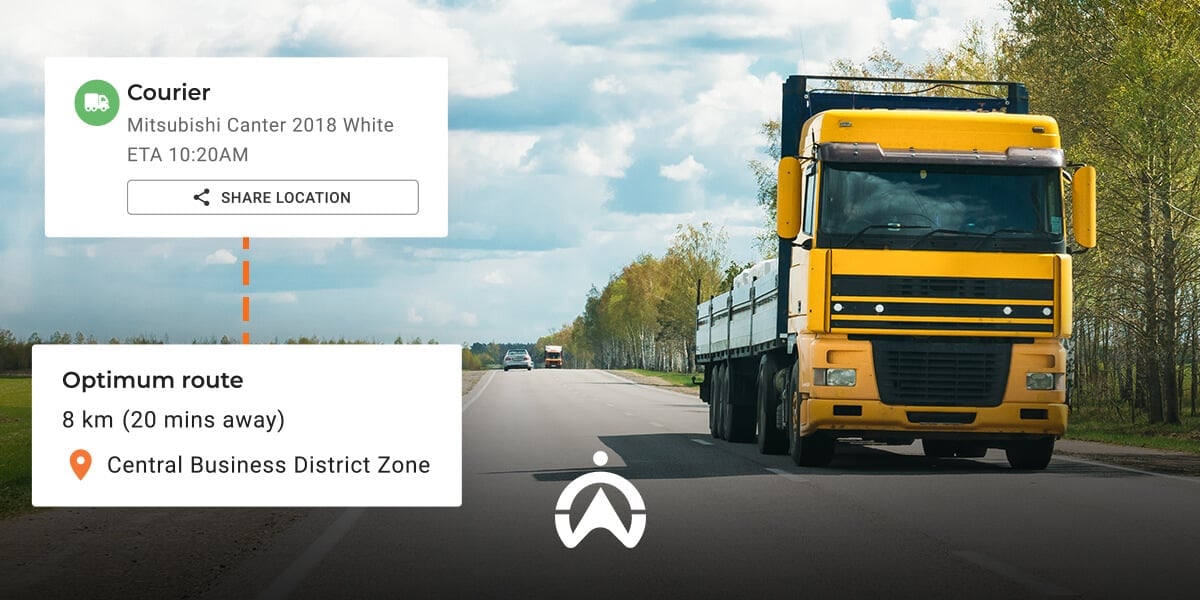
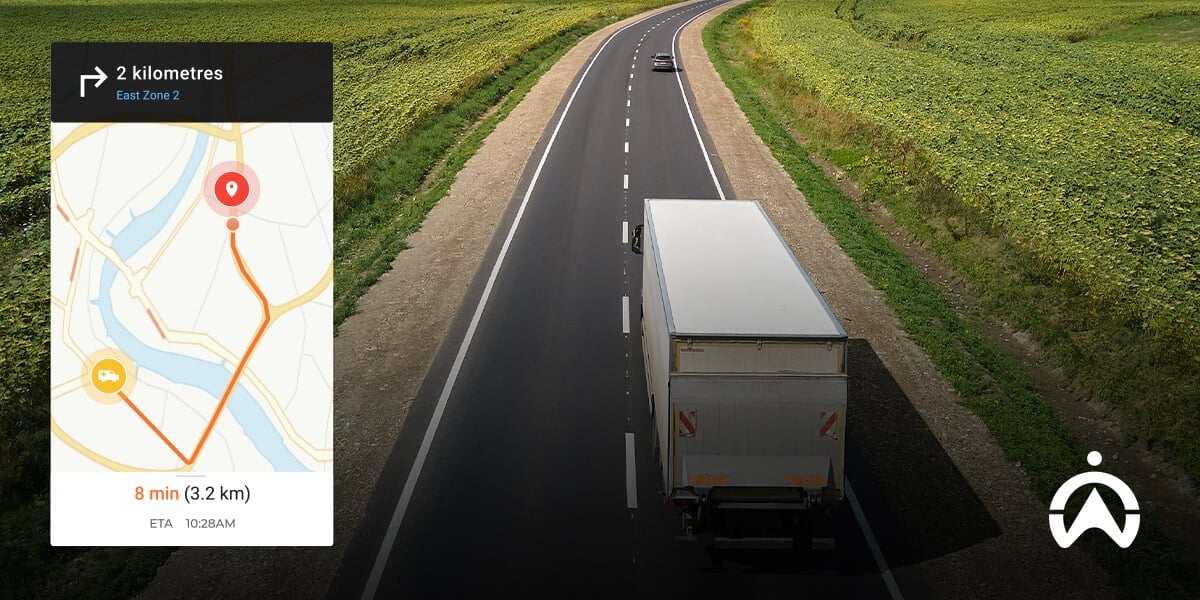
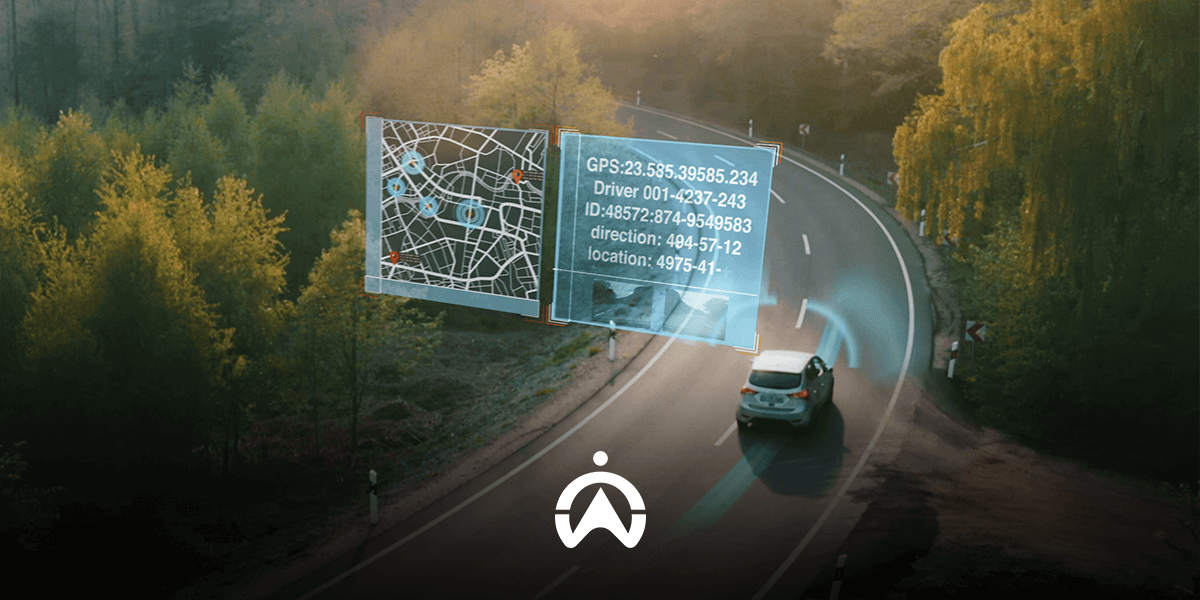
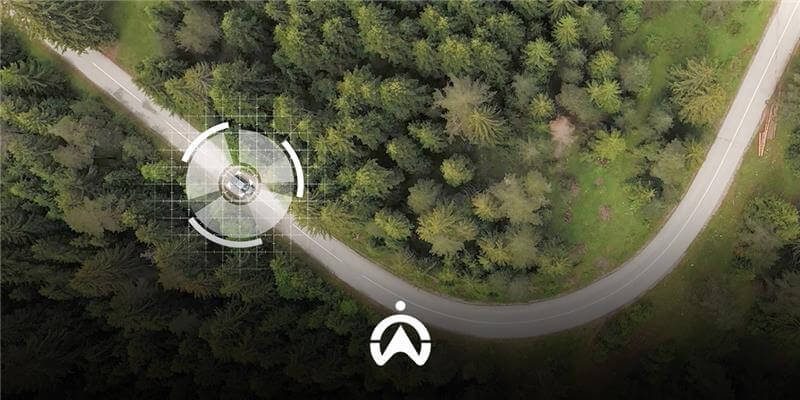
Illustration of the route optimization feature on a truck driving on a highway with a GPS route map display.

Cartrack's Route Optimisation feature

Route optimisation is one of the key benefits of the Cartrack Delivery Management System. The Delivery feature helps you improve delivery efficiency by:

Some other features you can add to maximize your delivery fleet management are:

  • Fuel Monitoring: Fuel monitoring for four-wheeled fleets using sensors tailored to the vehicle type.

  • AI Vision & Non-AI Vision: Fleet and driver monitoring to improve safety, as evidence of accidents, and for insurance claims.

  • Maintenance: Vehicle maintenance management based on mileage or a certain time period.

  • Driver Identification: Driver identification in the form of a tag or password to ensure there is no misuse of the vehicle.

  • CarPool: A company vehicle booking and scheduling platform to ensure smooth operations.

Conclusion

Route optimisation isn't just a tool for determining the fastest route, it's also a solution for improving overall efficiency. With faster, more productive, and more cost-effective deliveries, you can provide better service to your customers.

Cartrack Delivery makes it easier to manage deliveries, including route optimisation. Fill in your details in the digital form below so our team can contact you with the best offer.

Understanding Highway Hypnosis, Its Dangers, and How to Prevent It

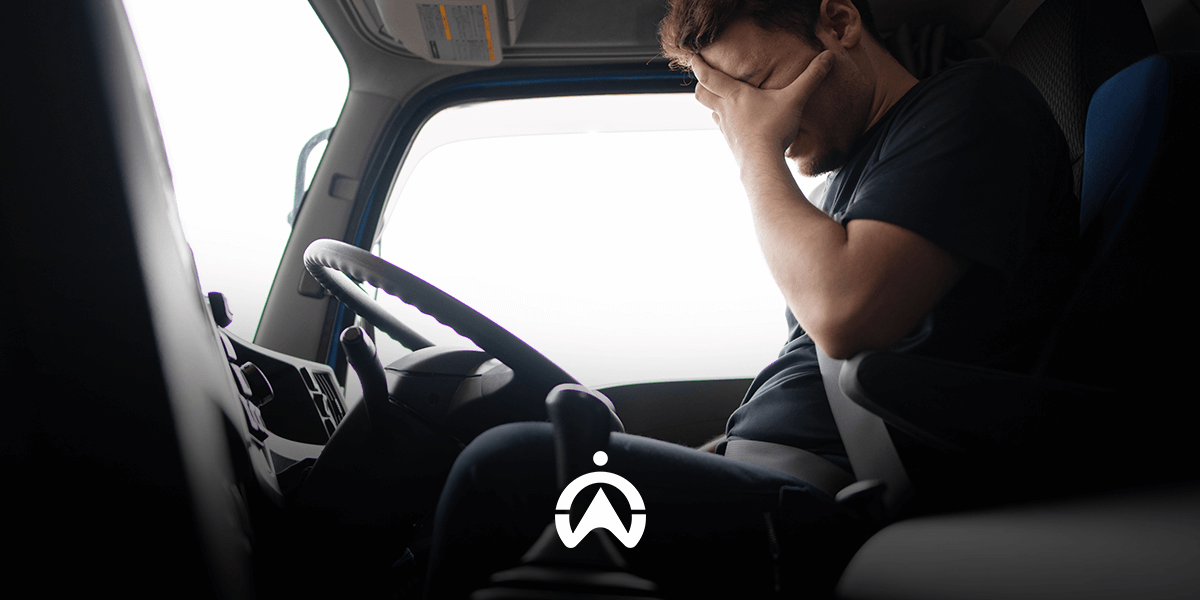
Did you know that driving on straight, long, and level roads can also be dangerous? One common condition is Driving Without Awareness (DWA), better known as highway hypnosis.

What is Highway Hypnosis?

"Highway hypnosis" is a state in which a driver momentarily loses conscious awareness while driving and shifts into "autopilot" mode. Although often mistaken for fatigue, this condition can occur even when the driver is well-rested and feels no tiredness at all.

While driving in autopilot mode, the driver's eyes remain open but appear hypnotized. When the driver "wakes up," or is fully conscious, they have no memory of what happened just moments before.

Causes of Highway Hypnosis

"Highway hypnosis" is caused by the monotony of driving—such as traveling for extended periods along long, straight, and unobstructed routes like toll roads. The continuous sight of white lane markers can lull the brain into a state of relaxation.

When the brain enters a resting state, it activates autopilot, signaling a loss of consciousness. This condition is certainly not ideal for driving, as your reflexes will also be impaired.

Not only that, this condition can also occur when a driver is traveling on a very familiar route with the same conditions. For example, if the driver has traveled the same route hundreds of times over the years.


Highway Hypnosis Symptoms

When you experience this situation, you generally won't know it at the time, but only after you regain consciousness.

1. Temporary memory loss

Drivers may be unable to recall recent journeys, as if they had suddenly passed a certain location or traveled several kilometers further. This indicates a decreased awareness of their surroundings.

2. Blank stare and only focus on one point

Drivers experiencing this condition will appear expressionless and unresponsive, even though they are still driving. They will be seen staring at the road, seemingly focused, but actually just staring blankly.

3. Minimal movement while driving

While driving, drivers typically make occasional movements such as checking the rearview mirror, adjusting their seating position, or observing surrounding vehicles. If a driver fails to make these movements, it is possible that *highway hypnosis* has set in.

4. Changing lanes or changing speed without realizing it

Drivers experiencing this condition may not be aware that they are driving too fast, too slow, or even changing lanes. The vehicle may become unstable or occasionally veer off-road, making it extremely dangerous on busy roads.

5. Excessive yawning or loss of control

Besides being a sign of drowsiness, yawning can also be a sign of boredom. This condition can also cause drivers to lose control of certain body parts, such as hands leaving the wheel or nodding their heads.

Read Also: Understand the Impacts of Microsleep While Driving and How to Prevent It

The Dangers of Highway Hypnosis for Drivers and Companies

This phenomenon has become one of the causes of operational disruptions in shipping which also has the potential to be very detrimental to your company.

1. High Accident Risk

Reduced awareness can cause a driver to fail to maintain a safe distance from other vehicles, overlook traffic signs, or fail to notice pedestrians or animals on the road. This increases the risk of accidents, ranging from minor incidents to fatal crashes.

2. Slow Response to Emergency

Reduced awareness reduces a driver's reflexes. If a sudden situation arises, such as a vehicle in front suddenly stopping, they may react too late or not at all.

3. Bad Decision Making

Losing focus during this phase can cause drivers to deviate from their lane without realizing it or miss important turns. They also often brake or accelerate suddenly and inconsistently.

4. Financial Losses and Company Reputation

An accident involving a vehicle will result in losses for the company due to repair costs, compensation, and legal costs. This will also impact the business's reputation, especially if safety is a priority for the client.

5. Asset Damage and Operational Disruption

If an accident occurs, company operations will be disrupted due to vehicle damage and delivery delays. If goods are damaged, the company must also replace them and reschedule deliveries.

How to Prevent Highway Hypnosis While Driving

So how can we prevent this condition from causing losses, both for the driver and the company.

1. Don't Drive Alone

Having a driving companion can reduce driver boredom during long journeys. Furthermore, drivers can take turns, preventing fatigue from prolonged driving.

2. Listening to the Radio or Music

Listening to fast-paced music will increase alertness and help relieve boredom. Avoid relaxing music, which can actually make you feel relaxed and sleepy.

3. Prepare Food and Light Drinks

Keep snacks like gum, chips, or other light foods on hand to boost energy and distract from boredom. Caffeinated beverages like coffee and tea can also be consumed by drivers during the trip to improve focus.

4. Make sure you get enough rest as recommended.

Ensure your drivers adhere to the recommended maximum continuous driving limit of 4 hours. Companies should also manage drivers' working hours to avoid excessively long shifts, which increase the risk of microsleep while driving.

5. Stretch and rest

When driving long distances, drivers are advised to stop every four hours to stretch and rest. Stretching helps improve blood flow to the brain, preventing over-relaxation and drowsiness.

6. Take Advantage of Technology

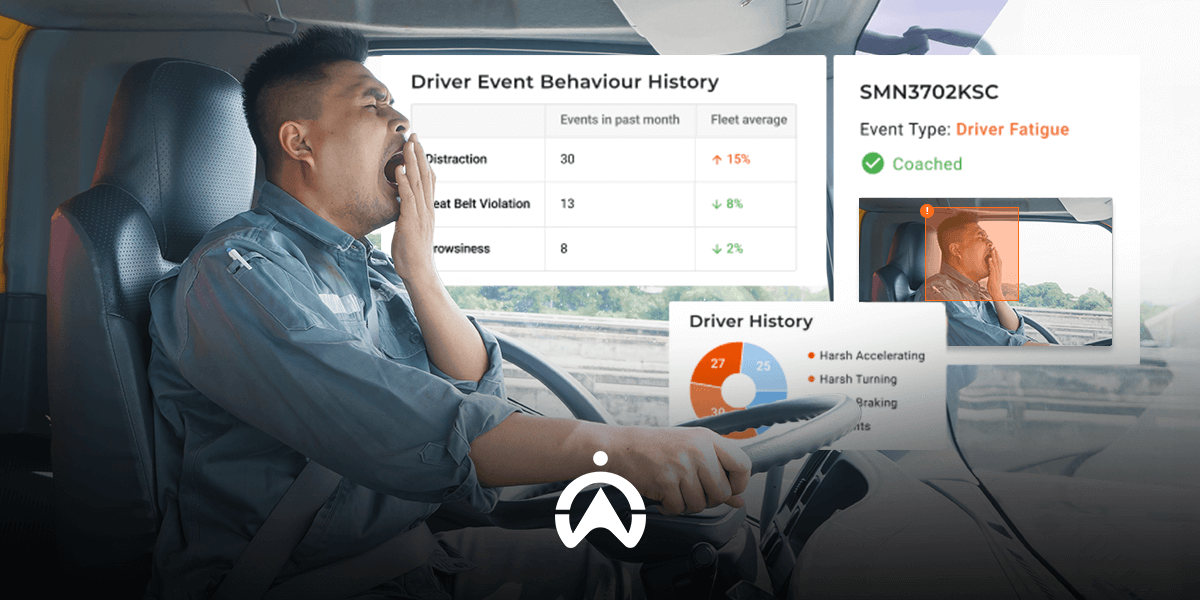
You can also leverage technology, such as AI-powered cameras, for driver monitoring. These cameras can provide audible alerts if they detect signs of fatigue or a lack of focus—such as frequent yawning, head nodding, and the like.


Prevent Highway Hypnosis with Cartrack's AI Camera

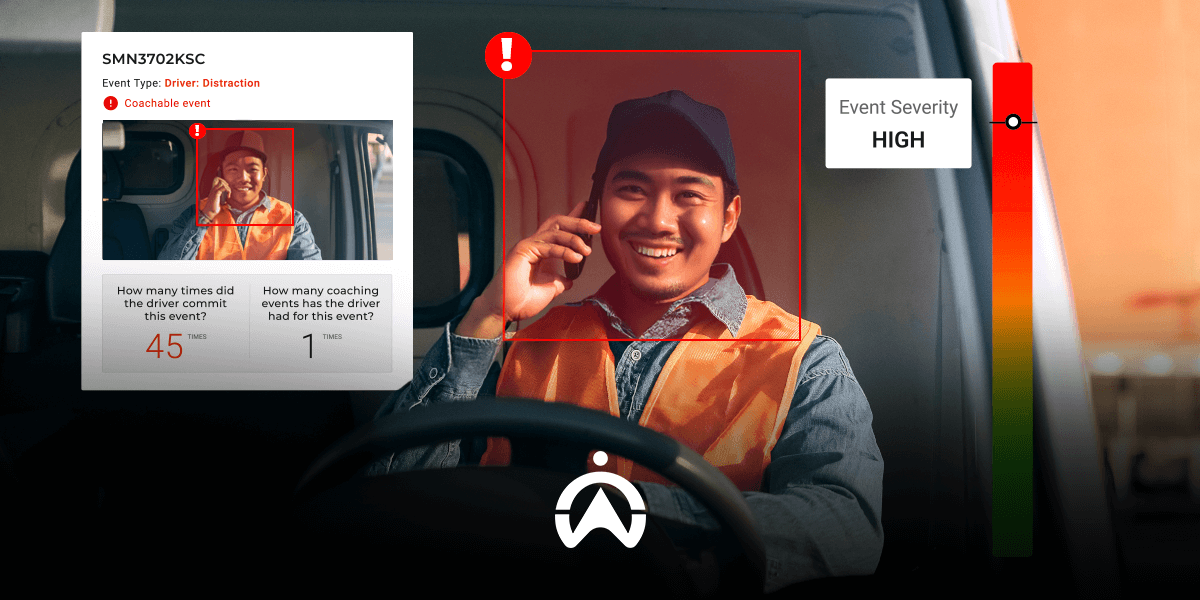
Cartrack’s AI Vision features driver monitoring technology powered by AI-enabled cameras. These cameras can provide real-time audible alerts when they detect risky driving behaviors, such as:

  • Fatigue

  • Not focus

  • Use of mobile phones

  • Smoking

  • Use of seat belts

  • Potential accident from the front

  • Camera closure

This camera will also automatically upload footage if risky behavior is detected by the AI. With this camera, symptoms   such as not focusing, frequent yawning, or nodding your head will be detected and given an immediate warning.

Read Also: Best Dashcam Recommendations for Driving Safety

  A driver's loss of focus and awareness while driving on a monotonous route is a very dangerous situation, as it can lead to accidents and risk operational losses for the company.

One way to address this situation is by using AI cameras capable of detecting distracted driving, yawning, and fatigue. These cameras can also provide audible alerts, helping drivers regain their focus and stay alert.

Minimize the risk of accidents caused by "highway hypnosis" and microsleep with AI Vision from Cartrack. Provide your details in the following form so that the Cartrack team can prepare a special AI Vision offer for your company.

Benefits of Using Front and Rear Car Dashcams

In the increasingly competitive world of transportation and logistics, fleet monitoring has become a necessity. Besides fleet management systems, another solution widely used by companies is front- and rear-mounted car dashcams.

Using front and rear dashcams is a strategic approach that not only improves safety but also operational efficiency. Read more about these dashcams in the following article.

What is a Front and Rear Car Dashcam?

A front-rear car dashcam is a dashboard camera that consists of two cameras facing the front (road) and the rear (cabin). This type of device is also often referred to as a dual camera dashcam.

Unlike dashcams, which can only record road conditions ahead, this device also adds driver monitoring functionality. This allows drivers to perform their duties safely, efficiently, and to standards.

Front and rear car dashcams on the market usually have superior features, ranging from Artificial Intelligence (AI) to wireless car dashcams.

A person monitors the live stream dashboard of the route and surveillance cameras in the office, demonstrating the benefits of using front and rear car dashcams for fleets.

Benefits of Using Front and Rear Dashcams

The benefits of using a front and rear dashcam or dual camera dashcam include:

1. Transparency and Evidence of Incidents

A front-facing camera facing the road would be invaluable for accident investigations and insurance claims. The footage could also be used for internal audits of risky driving behavior.

2. Monitoring Driver Behavior

In addition to driving behaviors like speeding, sudden braking, or sharp turns, the device can also record risky behavior in the cabin, such as distracted driving, using a mobile phone, or smoking.

3. Remote Fleet Monitoring

Visual access to road conditions and driver activity in the cabin will provide a clear overview of operational progress. This will also indirectly improve driver behavior, as they will know they are being monitored.

4. Reduce Operational Costs

Dengan adanya pemantauan perilaku berkendara seperti mengerem mendadak, mengebut, idling yang menyebabkan fuel waste dapat dikurangi. Hal ini tentunya juga akan mengurangi biaya operasional dan memaksimalkan efisiensi.

Best Dashcam Recommendations for Improved Driver Safety

Tips for Choosing the Best Front and Rear Dashcam for Your Fleet

Choosing a car camera for a company's operational fleet will be different from choosing a camera for a personal vehicle. Here are some things to consider when choosing a front and rear dashcam.

1. High Video Quality (HD/Full HD)

Choose a camera with a minimum resolution of 720p (HD) or 1080p (Full HD) for clear, blur-free footage, especially of faces. This will be especially helpful if the footage is later needed as evidence in an incident or traffic violation.

2. Cloud and Live-Streaming Features

This feature allows you to monitor directly from your company's control center. This way, you can ensure operational vehicles are being used as intended.

3. Large Capacity Storage

Storage capacity is crucial, as it relates to recordings that will be accessed later. Ensure the device you choose has ample storage to prevent data from filling up quickly and requiring deletion.

4. Fitur Artificial Intelligence (AI)

AI-powered cameras would be extremely beneficial in improving driver behavior, which is often aggressive on the road. AI features can detect risky behavior such as drowsiness or distraction and immediately issue an audible warning.

5. Integration with Fleet Management System

Ensure the device you choose integrates with your fleet management system to enable truly comprehensive monitoring. This also makes it easier to identify where risky behavior is occurring.

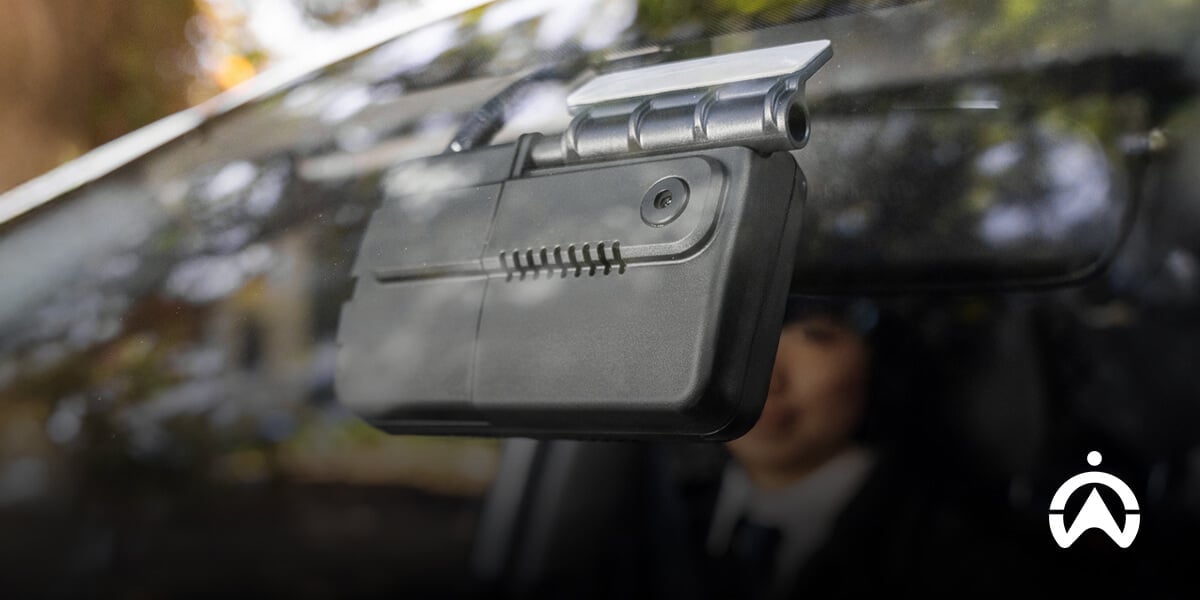
The front car dashcam camera is mounted on the windshield to record the journey and improve driving safety.

Cartrack's Best Front and Rear Dashcam Recommendations

One of Cartrack's camera monitoring solutions is the Dual Vision, a front-and-rear car dashcam. This device features two cameras, one facing the road and the other facing the driver.

In addition to monitoring road conditions and the surrounding environment, this device is also useful for monitoring driver behavior. Dual Vision comes in two options: AI and non-AI, which you can choose based on your needs.

AI Dual Vision makes it easier to monitor your driver because this device is equipped with AI to detect risky behavior. Once such behavior is detected, an immediate audible alert will sound. The following triggers an alert:

  • Fatigue

  • Not focus

  • Use of mobile phones

  • Smoking

  • Use of seat belts

  • Potential accident from the front

  • Camera closure

In addition to Dual Vision and AI Dual Vision, Cartrack also has several other camera monitoring solutions, namely:

  • Road Vision: Specifically for road monitoring, functioning like a standard dashcam.

  • Multi Vision: Non-AI camera system with up to 4 cameras per vehicle unit.

  • AI Multi Vision: Cameras with AI up to 4 cameras per unit.

  • AI Multi Vision Pro: Fleet cameras with AI up to 8 cameras per unit.

With a fleet of 4 to 8 cameras, you can use them both inside and outside the vehicle. You can also minimize blind spots with an in-cabin monitor.

Best Dashcams for Private Cars and Fleets

Price and How to Subscribe

Cartrack's front-and-rear cameras, or Dual Vision cameras without AI, are available on a monthly subscription basis starting at Rp275,000. The AI ​​Dual Vision subscription starts at Rp550,000.

Cartrack offers more than just front and rear dashcams; it also offers a camera monitoring solution with up to eight internal and external cameras for a single vehicle. Complete your details in the digital form below so our team can contact you with the best fleet camera offer.

Fleet Management Software: Definition and Features

If your company has a fleet of vehicles for its operations, you're responsible for managing these resources, along with the staff who operate them. The best solution to simplify this is to use fleet management software.

Supported by fleet telematics, Fleet Management System software can display information on vehicle movement, driving behaviour, and vehicle activity. With a GPS tracker installed in your vehicle, you can access all of this information via a single dashboard.

Is Fleet Management System the same as GPS Tracker?

A GPS tracker is a device installed on a vehicle that allows us to track its location, whereas a Fleet Management System (FMS) is software designed to manage a fleet comprehensively.

Through this platform, you can read GPS tracker data as well as data from various sensors, including fuel sensors. The software can be integrated with various other features or systems, such as ERP and SAP.

So, fleet management software is more than just a GPS tracker for tracking vehicles; it's software for comprehensive fleet monitoring. A GPS tracker is just one of the many monitoring solutions available in a Fleet Management System.
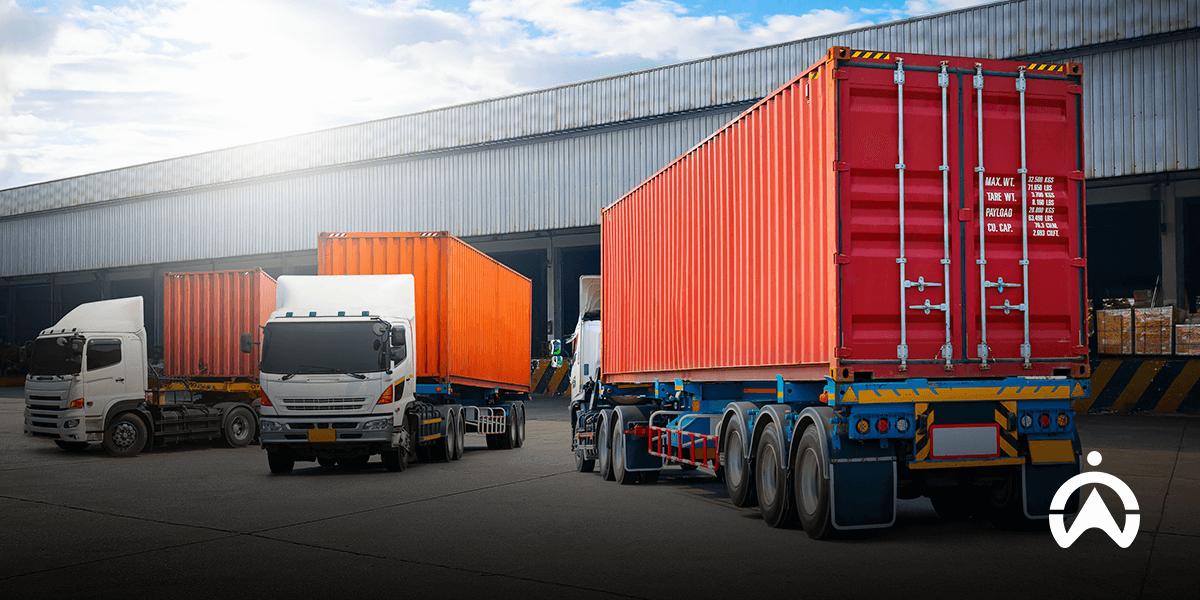
A row of logistics trucks in the loading and unloading area managed using fleet management software.

The Challenges of Managing a Fleet without Fleet Management Software

Can we manage our fleet without using specialised software? The answer is yes, but you'll face the following challenges:

1. Monitoring is not comprehensive

If you decide to use a standard GPS tracker, you may only be able to track the vehicle's location. You would need a separate platform to monitor fuel levels, observe risky driving behavior, and handle other administrative tasks.

2. Security risks

Corporate or business fleets are constantly exposed to the risk of theft and misuse, which can be extremely detrimental to the company. Without comprehensive monitoring, you'll struggle to react quickly to any attempted theft.

3. Inefficient fleet management

Fleet management encompasses all aspects, ranging from maintenance, fuel usage, and scheduling to operational monitoring. Without a single software solution to streamline overall management, the process becomes inefficient.

4. Operational cost increases

Fuel consumption is the largest operational expense, reaching up to 30% of total expenses. Fraud, driving behaviour, and inefficient route selection are all contributing factors to cost overruns.

5. Incomplete data for business evaluation

When you plan to improve efficiency through evaluation, you may encounter difficulties due to a lack of data for analysis. Policies created without comprehensive data analysis will not necessarily be effective in improving efficiency.

Read Also: Fleet Management System: Definition and Its Benefits for Business

Benefits of Using Fleet Management Software

If you decide to use fleet management software, you will get the following benefits:

1. Inventory vehicles and drivers

You can manage various types of vehicles on one platform, from motorcycles and passenger cars to trucks and buses, heavy equipment, and even ships. Each vehicle is inventoried with details according to its vehicle registration (STNK).

In addition to vehicles, you can also enter driver details, including their driver's license and driver identification tag (if applicable). For easier management, you can create selectable vehicle and driver groupings for specific display.

2. Track vehicle location and activity

Integrated with a GPS tracker, you can monitor vehicle location and activity via the Fleet Management System platform. You can view location, speed, distance traveled, trip history and duration, engine start/stop times, and area-based activity (geofencing).

You can set up notifications for specific events that are critical to your fleet's operations, such as when vehicles enter and exit a project area. This also applies to areas your fleet should avoid for safety reasons.

3. Monitor driver behaviour and working hours

You can also monitor driving behaviour based on vehicle activity, such as aggressive driving (speeding, sudden braking, harsh acceleration, and sharp cornering) and idling (idling without moving).

Fleet management software equipped with AI technology can even automatically assess driver behaviour through Driver Scorecard Reports. This enables you to provide better driving training to enhance safety and efficiency.

4. Manage service and administrative schedules

If you manage a large fleet, handling service schedules and administration can be a significant challenge. With this software, you can create service and maintenance schedules, as well as manage vehicle registration (STNK) renewals, based on mileage or specific time intervals.

You simply need to set reminders for specific distances, time periods, or operating durations. This data is automatically detected by the system, eliminating the need for manual input.

5. Create reports faster

Fleet management software simplifies your administrative tasks, such as reporting. All data is recorded in detail, then processed and presented in the form of automatically generated statistics and reports.

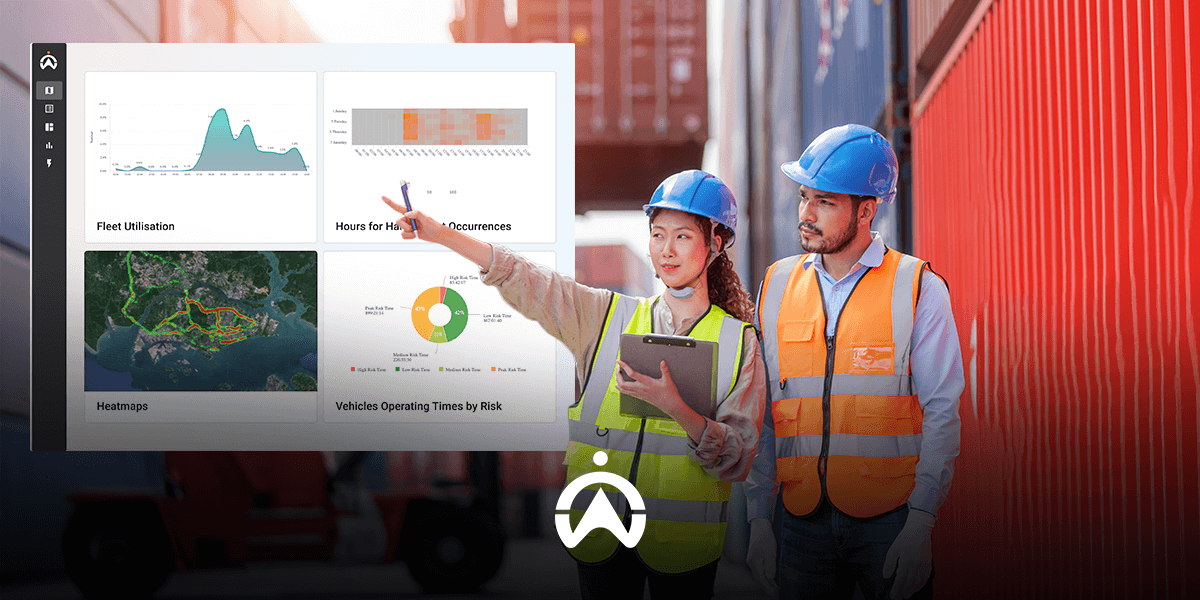
In Cartrack’s Fleet Management System, statistics showing overall fleet performance can be found in the Dashboard menu. For automated reporting, Cartrack offers over 60 types of reports, which can be downloaded directly or sent to your email on a regular basis.

6. Finding inefficiencies in operations

The Fleet Management System platform presents data in an easy-to-understand format, allowing you to readily identify inefficiencies. For instance, by looking at the total idle duration for all vehicles over the course of a month, you can estimate the amount of wasted fuel.

You can also monitor aggressive driving behaviours that impact service costs, tire replacement, and the vehicle's lifespan. Your operations will be more efficient if your drivers reduce risky driving habits and idling.

Key Features of Fleet Management Software

So how can Fleet Management System software provide these benefits? Here are the key features a reliable FMS platform should include.

1. Real-time GPS tracking

Real-time tracking allows you to know the exact location of all vehicles. This allows you to estimate the duration of a trip or when the fleet will arrive at a specific location, resulting in more accurate delivery estimates.

2. Trip replay

This feature is essential so you can track where your fleet has been moving within a specific time period. You can also see if vehicles have strayed from their designated routes, as this data is useful for improving efficiency.

3. Virtual boundaries (Geofencing)

This feature allows you to create work area boundaries or specific areas where vehicles are prohibited from entering. You can also set up notifications when your fleet enters or exits these locations as an early indication of theft or misuse.

4. Driving behavior (Driver behavior)

You'll be able to detect aggressive driving behaviour such as speeding, sudden braking, or sharp turns. This feature will be extremely useful for preventing accidents, improving road safety, and improving efficiency.

5. Security notification (Alert)

You can use this feature to detect if a vehicle is outside the work area, operating outside of working hours, idling, or driving aggressively. This way, you can immediately identify any security or safety risks and take precautions.

Read Also: Fleet Management: How to Successfully Manage a Large Corporate Fleet!

Considerations for Choosing the Best Fleet Management Software

There are several things you should consider when choosing Fleet Management System software, namely:

1. Adjust to your needs

The first thing you should consider is whether the software meets your company's/business's needs, especially if you want specific features like fuel tracking, fleet cameras, route optimisation, and so on.

2. Scalability

Furthermore, you also need to consider scalability, as your needs may increase as your business grows. Ensuring the software you choose supports scalability will simplify your long-term planning.

3. User-friendly

A fleet management platform should simplify the complexities of fleet management. Therefore, choose software that's visually appealing and easy to use, and includes training to maximise its features.

4. Integration with other software/systems

Integration with ERP allows your fleet's operational information to be directly linked to data from the company's financial and logistics systems. This allows managers to monitor performance while synchronising with budget and operational planning.

5. Data security

Data theft and misuse are not uncommon when using certain software. You should ensure that your service provider guarantees customer data protection so you can use the software with confidence.

6. 24/7 customer service

In your operations, you'll absolutely need customer service that can help you at any time. Consider a service provider that offers 24/7 customer support, as this will make it easier for you to resolve any issues.

7. Device warranty

Make sure your service provider offers a device warranty for the GPS tracker and any other devices used in the system. This ensures you receive free repairs or replacements if the device experiences problems or damage.
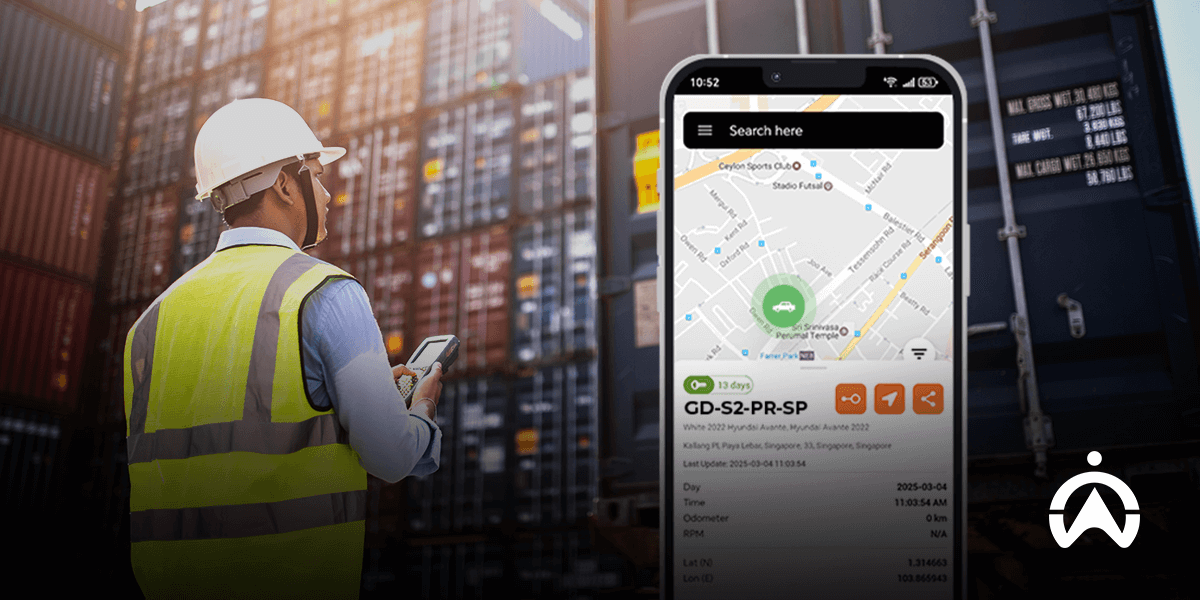
The sender application interface displays to monitor the delivery status on the fleet management software feature.

Fleet Management Software from Cartrack

Cartrack offers Fleet Management System software that allows you to monitor your vehicles comprehensively, including GPS tracking, fleet cameras, fuel monitoring, and more.

Cartrack's FMS can be used on a wide range of vehicles, from motorcycles and passenger cars to buses and trucks, and even heavy equipment. Cartrack also offers a variety of additional features to optimise your fleet monitoring, such as:

  • Fuel Monitoring: Fuel monitoring utilises three types of sensors tailored to specific needs and vehicle types.

  • AI and Non-AI Vision: Dashcams and fleet cameras for the visual monitoring of your drivers and vehicles, utilising either AI or conventional technology.

  • Mi-Fleet: Vehicle administration and financial accounting software for efficiently managing fleet operating costs.

  • Maintenance: An easy solution for fleet servicing and maintenance management, featuring scheduling based on mileage or specific time intervals.

  • Start Prevent: An immobiliser that disables the vehicle's starter when there are indications of theft.

  • Panic button: An emergency button that sends a notification to the control room in the event of an accident, robbery, or other emergency situation.

  • CarPool: A feature that allows you to easily schedule and book the use of the fleet.

  • Delivery: Cartrack’s Delivery Management System for simplified delivery management, route optimisation, and Proof of Delivery.

  • Driver Identification: A driver identification tag or password for each vehicle to prevent misuse.

Cartrack Advantages Compared to Other Software

Here are the reasons why you should choose Cartrack as your comprehensive fleet monitoring solution.

Capability

 Cartrack

Regular GPS Tracker

Purchase of equipment and installation costs

Free (included in subscription rental)

Paid separately

Device warranty

Lifetime

1 year

Complete travel history

up to 1 year prior (web) up to 5 years prior (by request)

up to 1 year previously

Dashboard

Web and apps

Web only

Customer service

24/7

Working day

Technician location

24 cities across Indonesia

Only in some big cities

Cartrack Fleet Management Software Prices and Subscription Methods

Get Cartrack's Fleet Management System software with a subscription starting at Rp140,000/unit/month. The cost will depend on the package type and additional features you choose. Basic features include:

  • Real-time car tracking

  • Complete travel history

  • Risky driving behaviour (harsh acceleration, sharp turns, and sudden braking)

  • Geofencing (virtual boundaries)

  • Security notification

  • Idling data (lights up but not moving)

  • Automatic usage reports

  • Web and app dashboard

  • 24/7 customer service

You won't have to pay any additional costs for the product or installation, as these are included. Furthermore, you'll receive a lifetime warranty on the equipment, allowing you to get a replacement if it breaks down.

Protect your business vehicle fleet with comprehensive fleet management software from Cartrack. Fill out the form below so our team can get in touch with you and provide a special offer for your business or company.

Cargo Door Sensor: Minimising Theft and Smuggling

Imagine receiving a driver report that your delivery truck was broken into while in transit. Goods are lost, customers are disappointed, and the company's reputation is at stake.

As a logistics fleet owner or manager, you may encounter many challenges, from unauthorised cargo smuggling, damaged cargo contents, to theft, all of which can cause losses for your company.

This time, we'll introduce the solution to all of these problems: cargo door sensors. Learn more about how these sensors work and how they can benefit your company's needs.

What Is a Cargo Door Sensor?

A cargo door sensor is a type of sensor used to detect the opening and closing of doors on a vehicle's cargo hold. This sensor can help you identify suspicious behavior, such as opening the cargo door before reaching its destination.

Combined with the use of a GPS tracker, you'll know the location, date, and time the door was opened and closed. With automatic notifications, you can also receive real-time notifications when the door is opened outside the proper area.

Also Read: Getting to Know the Internet of Things (IoT), How It Works, and Examples of Its Use

How does it work?

Typically, these sensors use magnetic devices that attach when the door is closed and detach when the door is opened. When the sensor detects door opening or closing, a signal is immediately sent to the fleet management system.

This allows data to be recorded in the system and can be viewed on the dashboard and in vehicle reports. You can also configure notifications if cargo is opened outside the destination area.

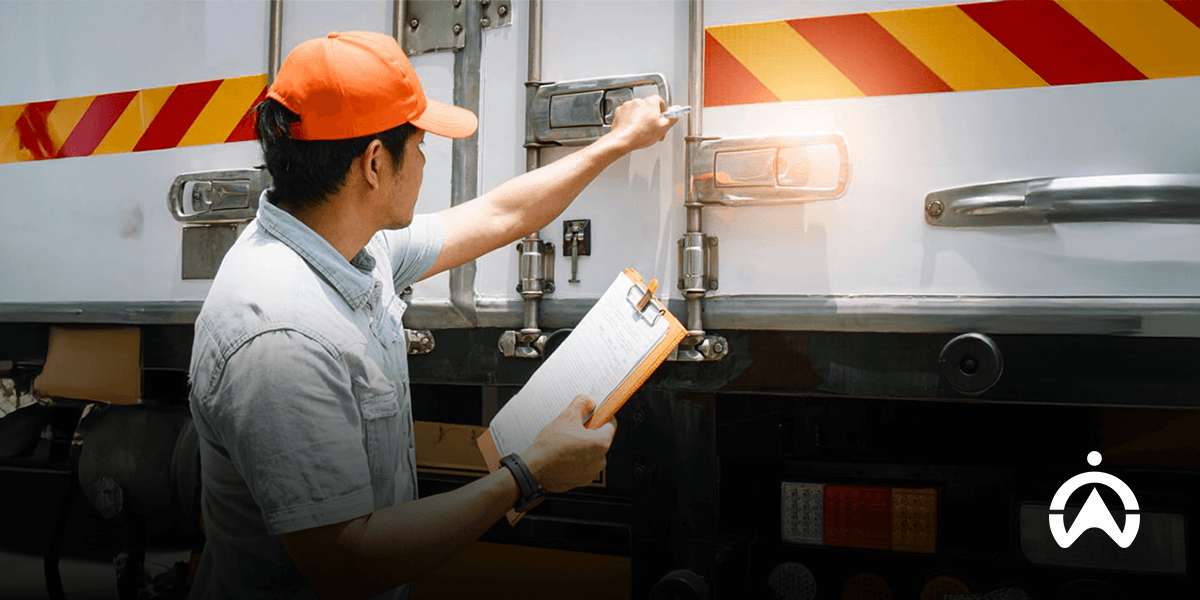
Officers check the cargo doors of trucks to prevent the risk of theft and smuggling of goods during delivery.

What are the Benefits for Business?

Some of the benefits you can get if you use this device include:

1. Tracking Cargo Theft and Misuse

Cargo doors being opened in an inappropriate place could indicate theft of goods or misuse of vehicle cargo for side shipments (smuggling). You can estimate the amount of cargo unloaded by the duration of the door opening.

If the cargo is open while the vehicle is in motion, the fleet manager can immediately contact the driver to check. In this case, the door may not have closed properly or there may have been an act of theft, such as the “jumping squirrel” case which still occurs frequently in Indonesia.

2. Maintaining Product Freshness in Refrigerated Cargo

Opening and closing refrigerated cargo doors can affect temperature, especially when shipping food or beverages. To maintain product freshness in refrigerated cargo, you'll need to install this sensor in addition to the temperature sensor.

Notifications can be sent every time a door is opened and closed to ensure that refrigerated cargo is not left open for too long. This prevents temperature fluctuations, energy waste, and product quality degradation in the cooler.

3. Minimise the Cost of Losses in Shipping

By reducing the risk of theft, misuse of cargo, energy waste, and product damage in refrigeration, you can minimise shipping losses. The benefits will be significant even if not all of your cargo is equipped with these sensors.

Imagine the return on investment you would receive if all your cargo vehicles were equipped with these sensors. With optimal fleet management, these benefits can be maximised.

4. Improve Customer Satisfaction

Combined with a GPS tracker, this sensor ensures the reliability of your company's fleet delivery service. With real-time notifications when a door opens, you can take immediate action to prevent any potential cargo security risks.

Your customers' business will run smoothly, with a secure supply, as orders are delivered in the correct quantities, with no lost or damaged items. Customer satisfaction and trust in your service will increase, as will your company's image and profits.

Also Read: How IoT Temperature Sensors Work to Monitor Storage Fleet Temperatures

Cargo Door Sensor from Cartrack Fleet Management

Cargo Door Monitoring is an add-on or additional feature you can add when subscribing to Cartrack's Fleet Management System. You can install this sensor on trucks with both side and rear doors.

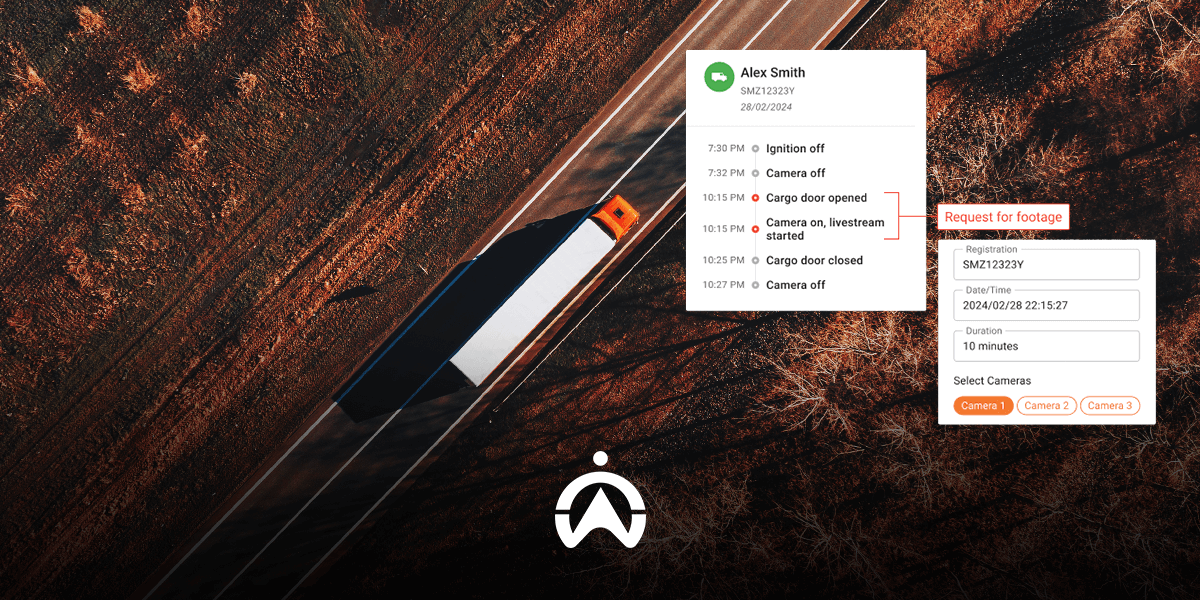
The data you can find out includes:

  • Date and time when the door was opened

  • Location of the door opened

  • Date and time when the door was closed

  • Duration (from when the door is opened until it is closed again)

Data will be available in graphical form on the dashboard or in tabular form in automated reports. You can also set up notifications for cargo door opening and closing and combine them. with Geofence feature.

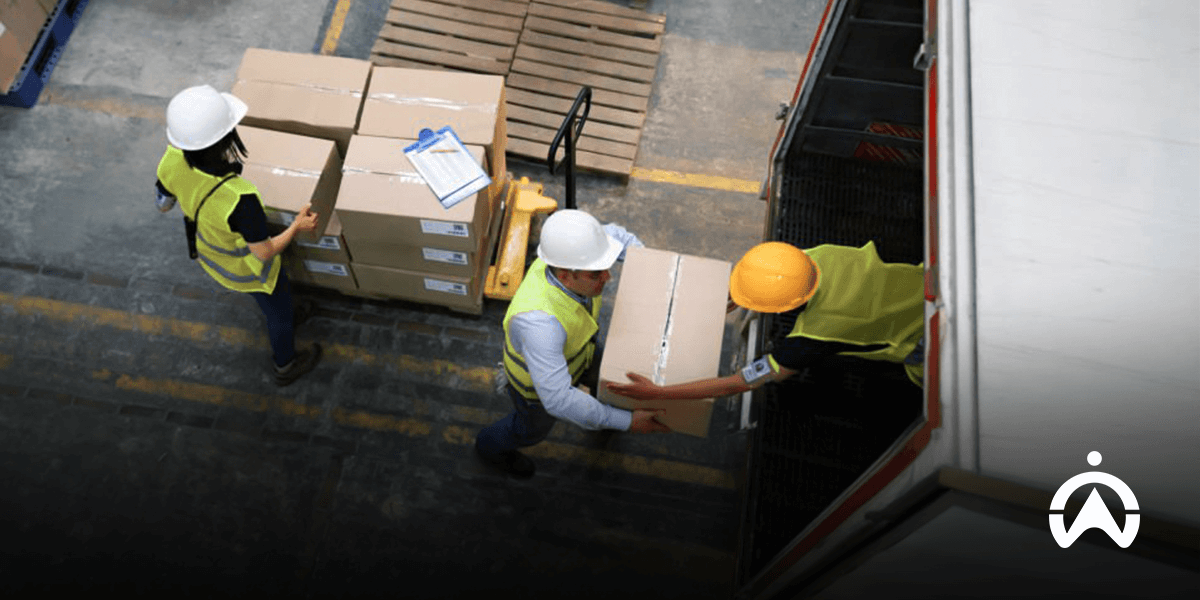
Warehouse workers load boxes into a cargo truck equipped with cargo door sensors to minimize theft of goods.

Cargo Door Sensor Prices and How to Purchase Them

You can get this sensor by subscribing to Cartrack's Fleet Management System, starting at Rp150,000/unit/month. Features you'll get with this subscription include:

  • Real-time GPS tracking

  • Trip history

  • Find the nearest driver

  •  Idling

  • Geofence and point of interest Point of Interest (POI)

  • Driving behavior (speeding, sudden braking, sharp turns)

  • Automatic reports (including carbon emissions reports)

  • Machine working hours

  • Two additional sensor options

Can I just buy the sensor without subscribing to the Fleet Management System?

It's important to note that sensors are simply devices whose functionality and settings require a specific system or software, such as a Fleet Management System. Without this system, the sensor cannot display data, and you cannot configure notification and geofence settings.

So, to be able to monitor cargo doors, you must first have a system capable of accommodating its functions.

Conclusion

By using door sensors on cargo, shipping risks can be reduced, security increased, and customer satisfaction increased. Equip your shipments with cargo door sensors today. Fill in your data in the following form so that our staff can contact you and provide the best offer from Cartrack.

Car ADAS: how it works, features and advantages

Advanced Driver Assistance Systems (ADAS) in cars are the latest automotive technology used to improve road safety. You can already find this technology in the newest cars and trucks, particularly electric vehicles (EVs).

In the transportation and logistics industry, ADAS technology is key to reducing accident risks, lowering operational costs, and maintaining company reputations. ADAS is no longer just about driver safety; it's now also a business efficiency strategy.

What is Car ADAS?

ADAS in cars is a set of safety systems that can respond automatically with warnings or intervening actions to prevent accidents. This automation is based on information collected by the vehicle's sensors, radar, and cameras.

This system helps drivers become more alert by activating warnings in the form of alarms, specific sounds, and vibrations on the steering wheel. With more advanced technology, ADAS may also intervene to prevent hazards, such as by applying automatic braking.

Car ADAS features are extremely beneficial in minimising human error while driving, which often leads to accidents. Car manufacturers generally develop their own ADAS systems tailored to the needs of their consumer market.

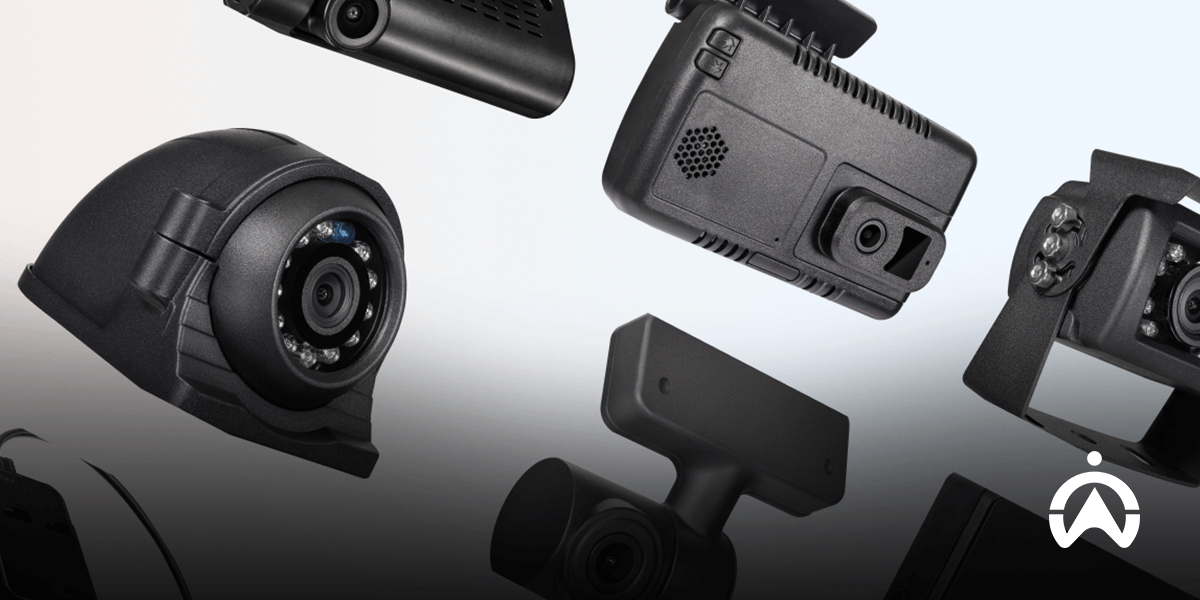
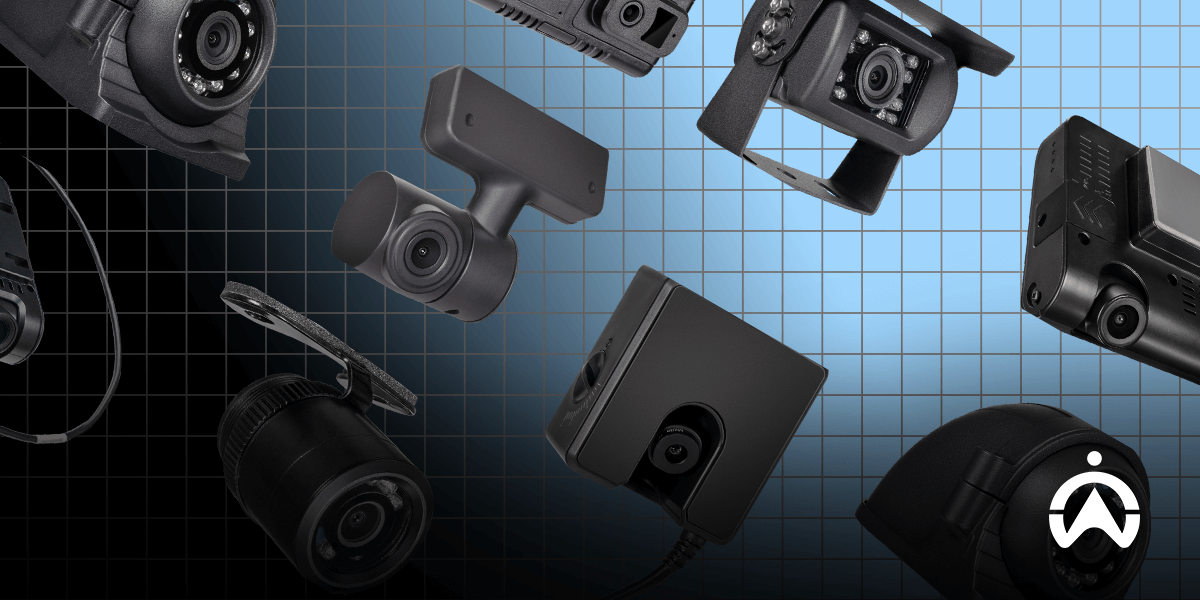
A wide selection of black dashcam cameras used to support car ADAS systems and features.

What Features Are Available in ADAS?

As a combined system, ADAS consists of several features, each with a distinct function in improving driving safety. Some of the key features you'll find in a car's ADAS are:

1. Adaptive Cruise Control (ACC)

This feature allows the car to adjust its speed based on data from on-board sensors, radar, or cameras. This allows drivers to maintain a safe distance from the car in front and prevent head-on accidents.

2. Lane Departure Warning (LDW)

This system uses sensors to detect lane markings on the road and provide a warning if the vehicle strays. This feature, also known as lane keeping, is extremely helpful if you accidentally stray from your lane due to a lack of focus.

3. Automatic Emergency Braking (AEB)

Unlike ACC, which only adjusts speed, this feature controls the brakes to slow the car down or stop it completely if there is a potential collision. This applies not only to vehicles ahead, but also to other objects such as road barriers or pedestrians.

4. Blind Spot Monitoring

Blind Spot Monitoring detects blind spots in a vehicle that are not visible from the driver's seat or rearview mirror. This allows drivers to be more careful about hitting other vehicles, especially on busy roads.

5. Traffic Sign Recognition (TSR)

Traffic Sign Recognition (TSR) is a feature that helps you identify traffic signs. When it detects a specific traffic sign, the system displays it on the screen so you can obey it.

6. Driver Drowsiness Detection

Using a camera that faces the driver, this feature can detect signs of fatigue such as yawning or nodding off. The technology issues an immediate audible warning so you can get back to focusing on the road.

How Does Car ADAS Work?

ADAS systems have a dedicated control unit in the vehicle where information gathered by sensors, radar, and cameras is processed. It works as follows:

1. Sensors, radars, and cameras collect information

Sensors, radar, and cameras connected to a car's ADAS system collect information about the vehicle's surroundings. This information can include images, distance to other vehicles, and so on.

2. Data is processed in the Electronic Control Unit (ECU)

The data is then forwarded to the Electronic Control Unit (ECU) in the ADAS system for processing. Based on the processing results, the system will issue a warning or perform automatic intervention to mitigate the hazard.

3. Warnings and interventions are carried out

Automatic warning responses can include alarms, sounds, or steering wheel vibrations, depending on the technology used. Meanwhile, automatic interventions can include emergency braking, automatic speed adjustment, and so on.

What are the Benefits of Car ADAS?

One of the biggest causes of accidents on the road is human error. The general function of ADAS is to reduce the risk of accidents and their impact on drivers, so that safety improves.

1. Reduce the risk of accidents

ADAS features help drivers avoid accidents in their own ways. For example, the Accelerated Assistance (ACC) feature adjusts speed, or the Drowsiness Detector detects fatigue.

2. Helping the driver

ADAS can also assist you while driving, for example through the Blind Spot Monitoring feature, which allows you to see conditions around all sides of the vehicle. This not only prevents and reduces the risk of accidents but is also very helpful when parking.

3. Increase situational awareness

By being aware of their surroundings, drivers can be more alert and have situational awareness while driving. This allows them to make decisions such as increasing speed or changing lanes more carefully.

4. Driving comfort

You can drive more comfortably with features that make driving easier. For example, Blind Spot Detection makes parking easier, or Traffic Sign Recognition helps you recognize traffic signs.

5. Increased efficiency

Speeding and sudden braking are driving habits that waste fuel. With warning and intervention systems in place, you are much less likely to brake suddenly or speed, which makes your fuel use more efficient.

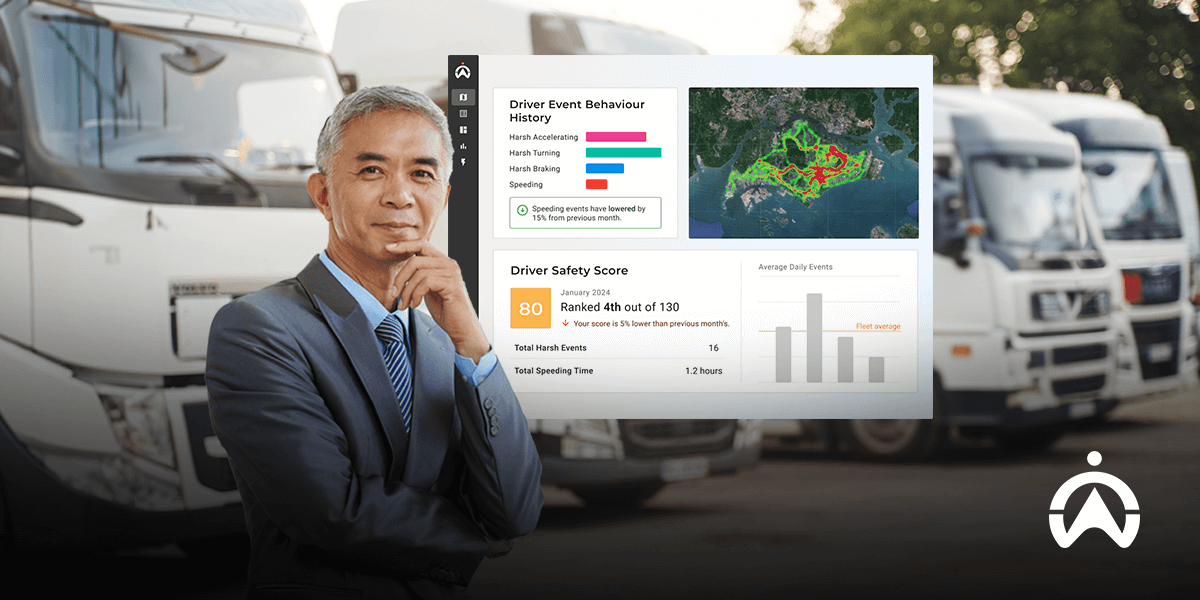
A businessman stands in front of a fleet of trucks with a digital dashboard displaying the cars' ADAS features to monitor driver safety.

Do All Cars Have ADAS?

The technology used in ADAS was once found only in high-end cars. Today, however, many mid-range cars use the same technology, particularly electric vehicles (EVs).

Not all cars currently in use in Indonesia are equipped with the latest ADAS technology with a high level of automation. However, you can add your own features with similar functionality, such as Cartrack's AI Vision.

AI Vision: ADAS Camera from Cartrack

Cartrack's AI Vision is not only a fleet camera; it also acts as an AI-powered driving assistant. The camera can issue an audible warning when it detects one of these risky behaviours, such as:

  • Front Collision Warning: Monitors vehicle speed and distance to other vehicles and provides a collision warning if they are too close.

  • Cell Phone Detection: Detects cell phone use that can distract you while driving.

  • Distracted or Fatigued Driving: Detects the driver's head and eye position to determine if they've been distracted for a certain period of time. This feature helps companies prevent fatigue-related accidents, a leading cause of fleet incidents.

  • Passenger: Detects the presence of passengers entering when the vehicle engine is running.

  • Camera Cover Detection: Detects if the driver intentionally or unintentionally covers the camera so that monitoring is obstructed.

  • Seatbelt Detection: Ensures seatbelt use, for both drivers and passengers, to minimise the risk in the event of an accident.

Get an AI camera from Cartrack starting at Rp550,000 per month, including installation. Here's what you'll get:

  • Fleet telematics

  • Night Vision

  • LiveStream video & audio (real-time camera monitoring)

  • Remote request footage

  • Direct in-cab calling: 2 way communication

  • Audible in-cabin AI safety alerts

  • AI event based footage auto upload

  • Coaching tool

Conclusion

More than just advanced technology, automotive ADAS is a real solution for safety, efficiency, and cost savings in fleet management. With Cartrack's AI Vision, you can reap the benefits of ADAS without having to replace your vehicle.

Protect your vehicle assets and your drivers with a smart, data- and AI-driven safety system. Fill in the form and the Cartrack team will be ready to help you choose the best ADAS camera solution for your fleet.

Driver Management: Benefits, Implementation, and Supporting Technologies

In company operations, vehicle use almost always involves driver involvement. As your fleet grows, so does the need for driver management.

Driver management is just as important as fleet management. In this article, we'll discuss what driver management is and what you need to do to maximize it.

What is Driver Management?

Driver management is the process of managing, monitoring, and optimizing driver performance within a business's operations. This process includes training, scheduling, monitoring, and assessing driving behavior.

Ideally, driver management requires telematics for data-driven monitoring to facilitate assessment and evaluation. Therefore, driver management is often considered a subset of fleet management because it often involves the same telematics.

A wide selection of black surveillance cameras as driver management support technology to monitor the fleet.

What are the Benefits of Driver Management?

So, what are the benefits of implementing driver management? Here are some of them.

1. Improve security

By having data on aggressive driving behavior and risky habits, you can provide effective driving training to drivers. This will reduce the risk of accidents that could harm company operations.

2. Optimising regulatory compliance

The government has implemented regulations to ensure road safety, such as banning the use of mobile phones. Camera monitoring can identify drivers who are using mobile phones and not focused on driving.

3. Cultivate accountability

With assessments, proper driving training, and company regulations, drivers can be more responsible. This is evident in the reduction in risky behaviors such as speeding and emergency braking.

4. Maximise vehicle use

Good driving behavior not only minimizes damage but also reduces the risk of accidents. Both play a crucial role in reducing downtime that disrupts operations and extending vehicle lifespan.

5. Save costs and increase efficiency

Significantly reducing breakdowns will increase the productivity of your operational vehicles. This not only saves repair costs but also improves delivery time efficiency.

Read Also: Understanding Transportation Management Systems and Their Benefits for Businesses

How to Implement Driver Management?

If you are new to implementing driver management, here are some initial steps you can take.

1. Identify risky driving behaviors and habits

The first thing you need to do is identify aggressive driving behaviors such as speeding, sudden braking, and sharp turns. Furthermore, you also need to determine whether the driver frequently loses focus while driving.

By knowing these things, you can implement rules such as driving training or issuing warnings to the driver in question. This will significantly reduce the risk of accidents.

2. Provide training for drivers

When it comes to training, you might think it's only mandatory for new drivers. However, you should schedule regular training for experienced drivers based on assessments of their driving behavior.

In this way, good driving behavior is not just an initial formality, but becomes a company operational standard. In the long term, this can develop into a culture that offers numerous benefits.

3. Implement a daily checklist

Next, you should implement a daily checklist, both regarding trip details and checking the condition of vehicle components. This will make it easier for drivers to identify and report any vehicle problems.

This way, drivers can recognise their contribution, responsibility, and vital role in maintaining company assets. Fleet maintenance will be much easier with their direct involvement as daily users.

4. Create driving safety rules

In addition to involving drivers in vehicle maintenance, you need to establish rules regarding proper driving practices. This aims to extend vehicle life, minimise damage, and reduce the risk of accidents.

You can establish consequences for risky behavior, starting with training, warnings, and sanctions. Conversely, you should also reward drivers who consistently maintain disciplined driving practices.

5. Use technology

To achieve comprehensive driver performance monitoring and management, the use of technology is essential. With the right telematics, you can obtain critical data regarding drivers and their driving behavior.

This data will undoubtedly be extremely useful as evaluation material and as a basis for strategic company decision-making. This way, you can maximise efficiency and increase profits.

Businessman stands in front of a fleet of trucks to illustrate driver management and logistics transportation management systems.

What Technologies Are Required?

As mentioned before, driver management involves a lot of technology, especially fleet telematics, so what do you need?

1. Camera Dashboard

Cameras with AI-powered driver monitoring features make it easier to remotely monitor driver behavior. Risky behaviors like cell phone use, smoking, and even microsleep can be detected.

By understanding this, you can provide training to drivers to cultivate better driving behavior. Also, establish regulations regarding short working hours to prevent fatigue.

2. GPS Tracker

GPS Tracker from the Fleet Management System functions not only as a tracking tool, but also to collect vehicle data. This includes data such as the odometer, vehicle active time, and even aggressive driving behavior.

In addition, there is also a Geofence feature to mark the boundaries of work areas or locations that vehicles must not enter due to security risks. All of this will be useful for detecting when a driver does not comply with safety-related rules.

3. Mobile App

Managing drivers would also be much easier if they were equipped with dedicated applications to accommodate their compliance and needs, such as accepting and completing jobs, sending proof of completion, and so on.

Furthermore, the app can also serve as a platform for submitting daily checklists, road information, and reporting damage. This digitalization allows for more efficient driver and fleet management.

4. Driver Scorecard

This automated scoring system will score drivers based on data from existing telematics. The system will detect the location of aggressive behavior as well as data from installed fleet cameras or dashcams.

You'll more easily identify drivers experiencing driving behavior issues and provide them with guidance. You can also reward and reward drivers with the best scores.

5. Fuel Monitoring

Fuel monitoring is also closely related to fleet management and driver behavior. Often, the perpetrators of fuel misuse and theft are your own drivers.

Monitoring using sensors will make it easier to detect waste, misuse, and theft. This data can be used as a benchmark for providing training and sanctions to perpetrators.

6. Alerts

You'll also need a system that allows you to receive automatic alerts or notifications, such as when a vehicle is turned on/off, or when it enters/exits a designated area. Geofence, or driving aggressively.

With these notifications, you can immediately act on potential hazards such as theft or risky behavior. This can minimize the possibility of vehicle theft and the risk of accidents.

7. Two-Way Communication Tool

Using a mobile phone is a traffic violation that can land drivers in trouble with the authorities. So how can you contact them without a mobile phone?

One method is to use a special device called a speaker. This device allows you and your team in the control room to contact drivers in the field without distracting them from driving.

Also Read: Field Service Management: Definition, Functions, and Benefits

Driver Management Solutions from Cartrack

Cartrack offers a comprehensive fleet management solution, including driver management. This eliminates the need for separate systems and allows you to manage everything from a single dashboard.

  • Fleet Management System (GPS Tracking): Cartrack offers GPS trackers equipped with fleet telematics that provide information ranging from position, odometer, vehicle active time, and so forth.

  • Fuel Monitoring: Fuel monitoring that allows you to know your fuel usage with three types of sensors that can be adjusted to suit your vehicle type and needs.

  • AI Camera: AI Cameras can detect mobile phone use, smoking, or distracted drivers, and then issue audible alerts to make the driver alert again.

  • Driver ID Tag: Allows you to identify drivers with a tag or password that can be used for shift allocation, vehicle usage restrictions, and working hour calculations.

  • Delivery: A delivery management solution that makes it easier for you to assign tasks, monitor deliveries, and automatically arrange routes to increase efficiency.

  • Two Way Communication: Long-distance two-way communication solution with the driver via a special speaker without having to use a cellphone which is a safety risk.

  • Panic Button: A panic button that allows drivers to notify you in the event of a medical emergency, accident, or crime so you can dispatch assistance immediately.

In addition to the various solutions mentioned above, Cartrack offers a dashboard accessible via the web and app. You can also configure an Alert Center, allowing you to customize notifications based on specific events.

Your drivers can also connect directly through a dedicated app for daily use. They can accept tasks, send proof of completion, and even request service if there's a breakdown.

Conclusion

Driver management is key to ensuring the safety, efficiency, and sustainability of your operations. With technology support from Cartrack, your company can have complete control over driver performance in real time.

Get a special driver management offer for your company from Cartrack. Fill in your details on the following form so our staff can contact you and recommend a fleet monitoring solution that fits your needs.

Also Read: Maximize Your Business Deliveries with a Delivery Management System

The Best Private Car GPS Tracker from Cartrack

What do you do if you can't find your vehicle in its last parking location? You might have to call the police first and wait indefinitely, hoping it's found soon.

This time, we'll discuss one of the technologies used to prevent vehicle theft: GPS trackers. With a GPS tracker for your private car, you'll feel safer when leaving or lending out your vehicle.

What Is a GPS Tracker?

A GPS tracker is a tracking device that relies on the Global Positioning System (GPS) satellite navigation system. This device allows users to monitor their location in real time remotely via a web dashboard or app.

Tidak hanya itu, Anda juga bisa mengetahui riwayat perjalanan kendaraan yang akan berguna untuk memastikan penggunaan dan keamanan. Hal ini membuat   semakin banyak diminati, termasuk di kalangan pengguna mobil pribadi.

Satelit pemantau bumi dengan panel surya yang mendukung sistem jaringan GPS untuk mobil pribadi terbaik.

What are the functions of GPS for private cars?

There are many functions that this tracking device can offer for private vehicles, such as:

1. Track vehicles in real-time

You can see the vehicle's current location while it's being used by someone else to ensure the safety and integrity of the user. You can also see the whereabouts of family members to ensure they're safe while driving.

2. Access travel history

Access the trip history for vehicles shared with other family members to easily monitor their use. As a parent, you can find out if your child is using a vehicle to unauthorised locations.

3. Get security notifications

With a GPS tracker, you can set up notifications to prevent theft. You can also receive notifications when your vehicle is started, so you know if it's started without permission, which could indicate theft.

4. Set the usage area limits

Get notified if your vehicle enters or exits a pre-defined area with a Geofence. This is especially useful if you decide to restrict driving areas for family members for safety reasons.

5. Receive usage reports

Receive vehicle usage reports over a specific period of time so you can analyse any wasteful or risky driving behaviour. If a member exhibits risky driving behaviour, you can immediately reprimand them for their dangerous behaviour.

Also Read: Understanding the GNSS Navigation System and How It Differs from GPS

What are the Benefits of Using GPS for Private Cars?

Using a GPS tracker on your private vehicle will give you various benefits, such as:

1. Increase security

Real-time tracking and security notifications will alert you when a vehicle is started without authorization or leaves an authorised area. This will certainly improve security by identifying theft early.

2. Makes monitoring easier

If you have a shared vehicle with other family members, a GPS tracker can be very helpful in monitoring it. As a parent, you'll be able to monitor your child's driving to ensure their safety.

3. Reduce driving risks

Pelacak mobil seperti Cartrack juga dilengkapi dengan telematika yang juga dapat mendeteksi akselerasi kasar, rem mendadak, dan menikung tajam. Jika anggota keluarga Anda sering menggunakan kendaraan dengan perilaku berisiko di atas, Anda bisa menegurnya.

4. Optimise efficiency

With access to driving data, you'll be able to understand your overall vehicle usage and potential waste. For example, by analyzing unnecessary usage, idling, and so on.

5. Manage vehicles

For those of you who own more than one vehicle, a GPS tracker with a Fleet Management System is the solution. You'll be able to track all your vehicles simultaneously, access their data in a single dashboard, and receive usage reports.

Can GPS Trackers Be Used for All Types of Private Cars?

The GPS tracker can be used on all types and makes of private vehicles, including Toyota, Nissan, Daihatsu, Honda, Mitsubishi, Suzuki, Hyundai, Wuling, and others. It's suitable for both fuel-powered and electric vehicles with rechargeable batteries.

However, the duration of tracking device installation on each vehicle will naturally vary. The installation methods used on fuel-powered and electric vehicles may also differ slightly.

Also Read: Best Recommended GPS Applications for Trucks

Cartrack's Recommended GPS for Private Cars

Cartrack's Fleet Management System isn't just a car tracking app; it's a comprehensive fleet monitoring solution. This solution isn't just for corporate or business fleets, but is also suitable for your personal vehicles.

The advantages of tracking devices from Cartrack are:

  • Real-time tracking

  • Complete travel history

  • Risky driving behaviour (harsh acceleration, sudden braking, and sharp turns)

  • Geofencing (virtual boundaries)

  • Security notification

  • Idling notification (engine running but not moving)

  • Web and app access

  • Various additional features (Fuel Monitoring, AI Camera, etc.)

  • 24/7 customer service

  • Automatic usage reports

Not only a GPS tracker, vehicle monitoring from Cartrack also allows you to add certain features according to your personal vehicle needs, such as:

  • Fuel Monitoring: Fuel monitoring to track waste and fraud with three sensor options according to needs and vehicle type.

  • AI Vision dan Non-AI Vision: Pemantauan kamera untuk mendokumentasikan perjalanan untuk bukti kecelakaan, pelanggaran lalu lintas, dan klaim asuransi.

  • Maintenance: Fitur untuk mempermudah perawatan rutin kendaraan pribadi Anda dengan pengingat otomatis berdasarkan jarak tempuh dan waktu servis terakhir.

  • Start Prevent: Immobiliser that allows you to disable the vehicle starter when there is an indication of theft so that the vehicle cannot be started after it is turned off.

  • Panic Button: Tombol panik yang dapat memberi peringatan kepada Anda untuk mengirimkan bantuan segera jika ada situasi darurat atau bahaya.

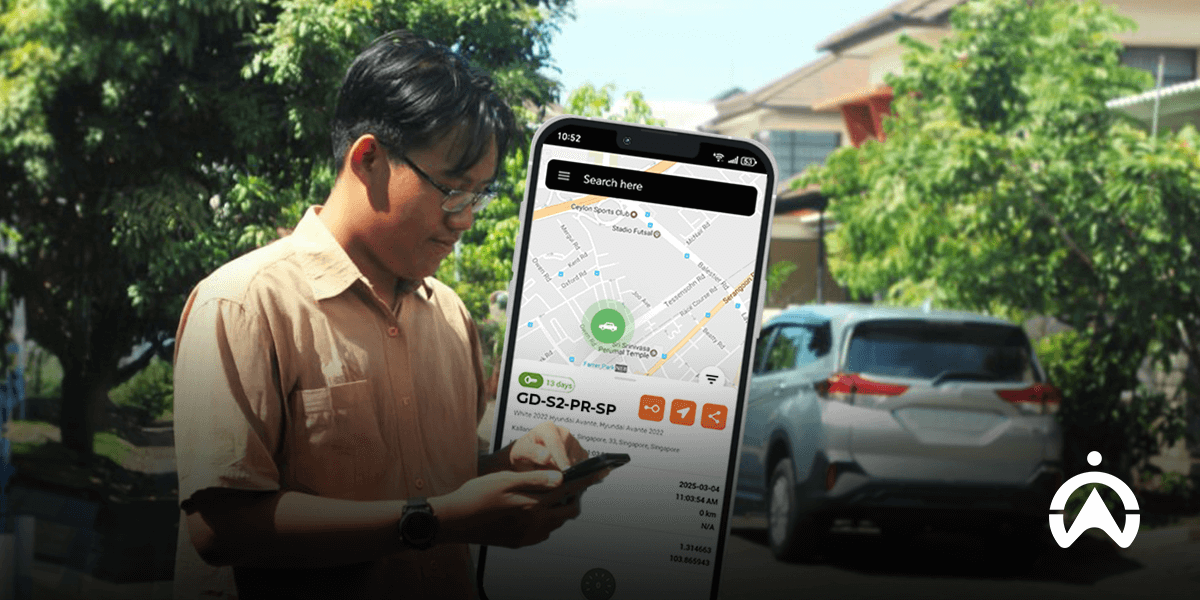
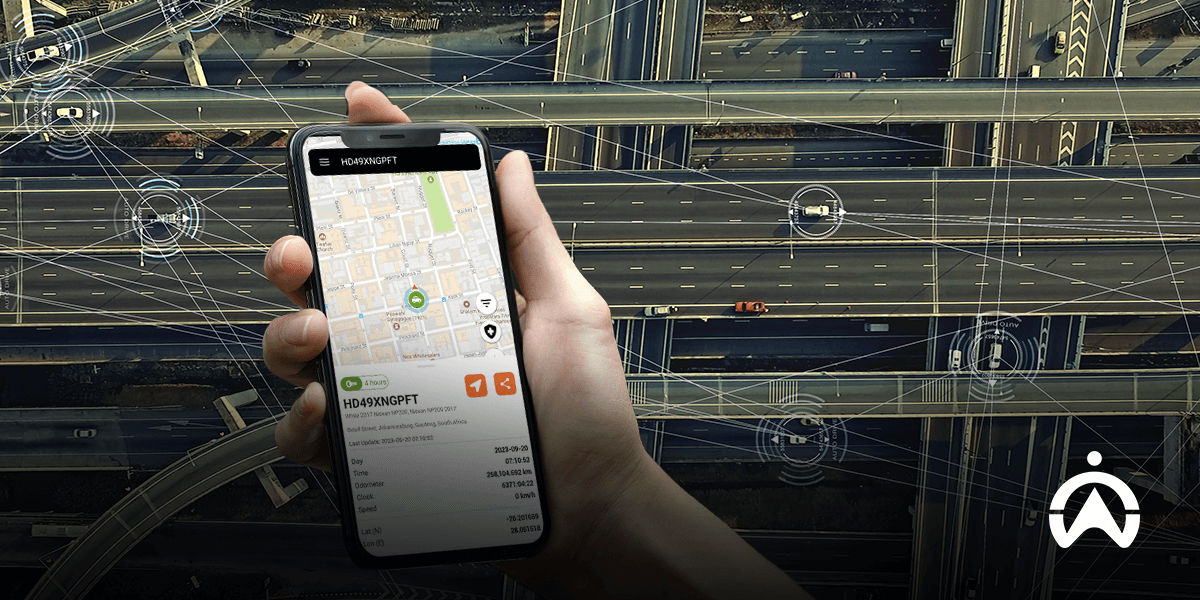
Pria memeriksa lokasi parkir kendaraan menggunakan aplikasi GPS untuk mobil pribadi terbaik dari Cartrack di ponselnya.

Prices and How to Subscribe to Personal Car GPS from Cartrack

Cartrack's personal vehicle GPS system starts at Rp140,000 per unit per month. This price includes equipment rental, installation, and internet data. You'll have access to:

  • Real-time tracking

  • Trip history

  • Idling (engine running but not moving)

  • Geofence dan Point of Interest (POI)

  • Driving behaviour (speeding, sudden braking, and sharp turns)

  • Reports (complete travel history, working hours, and risk management).

You'll only be charged extra if you want to use additional features like Fuel Monitoring and so on. This fee also includes lifetime insurance, so you can enjoy it with greater peace of mind.

Protect and monitor your personal vehicle by adding a GPS tracker from Cartrack. Get a special offer from us for your personal vehicle needs by filling in your personal details in the digital form below.

Anti-Theft GPS Tracker for Motorcycles

How Fleet Management Helps Shipping Businesses

Just like other vehicle fleets, vessel fleets also require management so that their utilisation for business can be maximised. One solution to simplify their management is by using Fleet Management System (FMS)

Fleet management is essential if you own a boat charter business or any other business. Learn more about fleet management, including its definition, challenges, benefits, and how technology can help.

What is Fleet Management?

Fleet management is the management of a maritime fleet to maximise its efficiency as a mode of transportation and logistics. This includes monitoring, maintenance, and operational management of the shipping business.

In the shipping world, you'll be familiar with a tracking system called the Automatic Identification System (AIS). This system is an international regulation (including in Indonesia) for vessels of certain sizes and requirements.

With AIS, you can monitor the condition of other vessels in the same waters, thereby avoiding collisions. AIS is also very helpful in the rescue and assistance process in the event of a fleet-related accident or incident.

In addition to AIS, many businesses add GPS trackers and fleet management systems for additional monitoring and internal management. For smaller vessels that don't require AIS, a fleet management system can also be used for fleet management.

Officers inspect shipping containers at the stacking yard for efficient fleet management and shipping business logistics.

Challenges in Managing a Fleet of Ships

In managing a marine fleet, here are the challenges you may face in the field:

1. High operational costs

The costs of purchasing fuel, maintenance, and even crewing a ship are substantial. If you don't manage all these costs effectively, waste is highly likely, and efficiency will be difficult to achieve.

2. Risk of theft

If you own a small tourist boat rental business (such as a speedboat), the risk of theft is likely to be greater. Without a monitoring system like AIS or GPS tracking, your assets are highly vulnerable to theft.

3. Safety issues and regulatory compliance

Indonesia has specific regulations and rules regarding the use of ships, both passenger and cargo ships. Therefore, as a ship owner, you need to ensure that your fleet complies with these regulations.

4. Lack of technology integration

Many shipping companies in Indonesia still don't utilise technology in their management, particularly small recreational vessels. Without technology, manual management becomes increasingly difficult, especially if the fleet exceeds five vessels.

Also Read: Fleet Management System: Definition and Benefits for Business

Benefits of Technology for Fleet Management

The application of technology in fleet management on ships will provide various benefits such as:

1. Makes tracking easier

By using technology such as a platform or specialized fleet management software, you can easily locate and track vessels. Ensure the platform you use integrates with AIS or allows tracking with a GPS tracker.

2. Makes maintenance easier

Fleet Management System platforms typically make it easier for you to perform vehicle maintenance based on engine hours and the last service date. This preventative maintenance minimizes the risk of unexpected breakdowns.

3. Cost efficiency

By reducing sudden breakdowns, you'll experience fewer unexpected expenses. Unexpected costs of purchasing a new boat due to theft can also be avoided by maximizing tracking.

4. Improve navigation safety

With tracking, a well-maintained fleet, and the aid of a GPS tracker, shipping safety will be enhanced. This will minimise the risk of damage and unwanted accidents.

5. Improving customer satisfaction

All of the above will significantly contribute to a positive user experience. This way, you can increase customer satisfaction with the services you offer.

Also Read: Fleet Management System for the Mining Industry

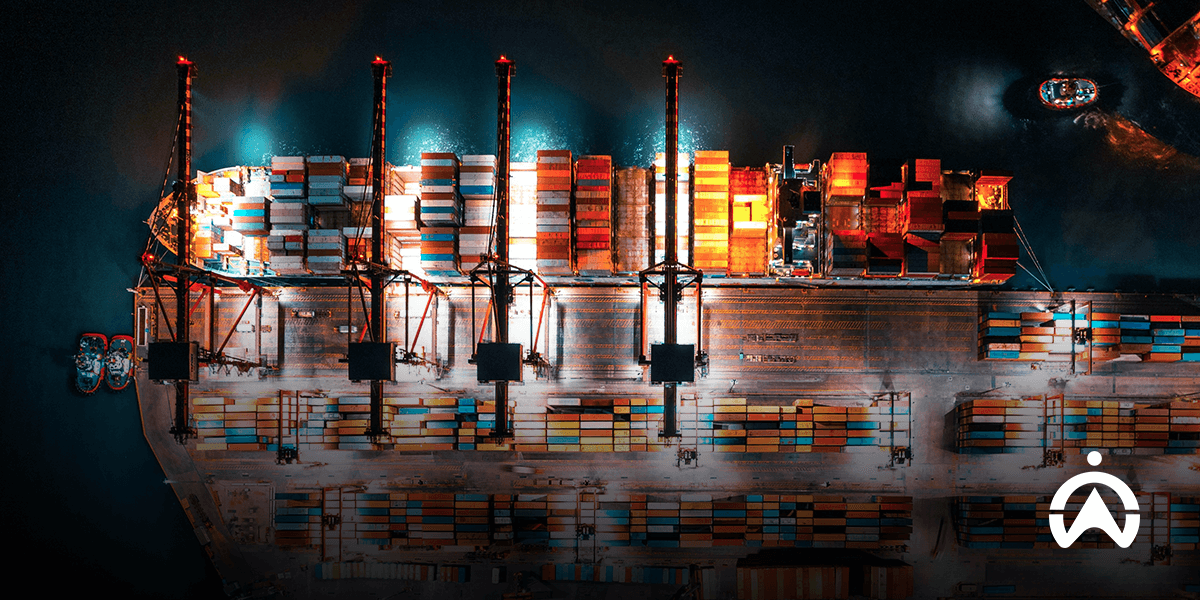
Aerial view of a container ship at night as part of a logistics shipping fleet management system.

How Cartrack Can Optimise Fleet Management

Cartrack's Fleet Management System can be a solution for monitoring and managing your marine fleet. If AIS is required for your fleet, you can use Cartrack as an additional tracker for internal management.

For those of you with a recreational boat rental business that doesn't require AIS, the GPS tracker from Cartrack's Fleet Management System will also be beneficial. Here are some features that will simplify your fleet management:

GPS Tracker

A GPS tracking solution that makes it easy to determine your vessel's exact location in real time and its voyage history. In addition to its monitoring function, this tracker can also be the first indication of theft.

Geofence

Create a virtual boundary (geofence) around areas that are permitted or restricted during the use of your vessel. This feature helps provide an early indication of theft when a vessel enters or leaves a designated area.

Maintenance Reminder

Cartrack has a Maintenance feature that allows you to set preventive maintenance reminders. This feature allows you to receive notifications so your vessel doesn't miss routine maintenance based on engine operating hours or the last service.

Also Read: 5 Functions of a GPS Tracking-Based Fleet Management System for Police Fleets

That concludes our discussion on fleet management on ships to improve efficiency and improve operations. You can utilise technology such as a Fleet Management System to assist you in this management.

Consult with Cartrack about your shipping business needs for fleet monitoring and management solutions. Complete your personal details in the form below so our staff can contact you and provide a tailored quote.

Best Car GPS from Cartrack

Using a car GPS is essential, especially for those of you who own a business or company that uses cars for its operations. With so many tracking devices on the market, finding the best car GPS can be a bit challenging. Read on to learn everything you need to know about car GPS.

Why is Choosing the Best Car GPS Important?

GPS is a device that allows you to remotely track a vehicle's location. As a business owner, this is crucial because it directly impacts vehicle safety and security.

Your business or company's operational vehicles are always at risk of loss, theft, or misuse. Therefore, you need a monitoring solution that goes beyond just a GPS tracker that can track location.

You also need to monitor vehicle activity through usage history, risky driver behaviour, and data from various sensors. All of this can be done by choosing a car GPS that's integrated with a Fleet Management System like Cartrack. This service is available through a subscription rental system starting at Rp140,000/fleet/month.

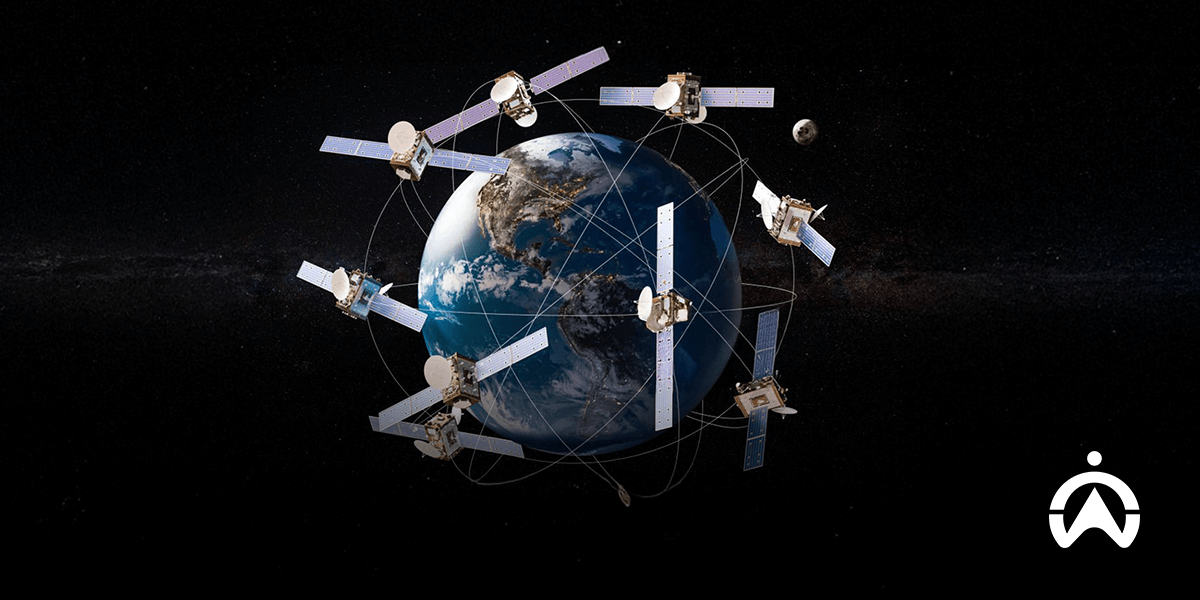
Illustration of satellites circling the earth, representing a precision network for the best car GPS systems.

What are the characteristics of a good car GPS?

For those of you who are buying a tracking device for the first time, here are the things you should pay attention to when choosing the best car GPS:

1. High tracking accuracy

A GPS tracker for your car should have high accuracy, especially if you're using it for your business/company's operational fleet. Furthermore, the GPS should ideally be able to track in real time so you can monitor its location accurately.

2. Easy to access via application

You're not always in the office when you need to track your vehicle. Therefore, you should look for a platform that allows tracking from an app, allowing you to access it anytime and anywhere using your smartphone.

3. Device durability

As a tracking device, the car GPS you purchase should ideally be durable. Also, make sure the service provider offers a warranty that allows you to replace the device if it turns out to be damaged or faulty.

4. Additional features

GPS trackers integrated with a Fleet Management System typically come equipped with additional features such as geofences, engine sensors, and other sensors. These additional features are extremely useful because they allow for more comprehensive monitoring.

5. After sales service support

As a technology user, ensure the GPS provider you choose offers excellent after-sales service. This way, if you encounter any issues later, you can contact them and get the best solution.

See Also: What is a GPS Tracker? Read on to learn more!

Best Car GPS Recommendations from Cartrack

Cartrack offers the best car GPS, part of a comprehensive Fleet Management System. This GPS tracker offers several advantages, including:

  • Real-time tracking with high accuracy

  • Complete travel history

  • Engine diagnostics and risky driving behavior (harsh acceleration, sharp cornering, and sudden braking)

  • Geofencing and exit area notification

  • Access mobile and desktop applications

  • 24/7 Customer Support Service

  • Automatic reports based on time period

You can also add various other additional features as needed, such as:

  • Fuel Monitoring: A fuel monitoring solution to prevent theft, fraud, and waste. Three types of sensors are available to suit your vehicle's needs: Fuel Analog, Fuel Probe, and CANBus.

  • AI and Non-AI Vision: Camera monitoring solutions for both driver monitoring and fleet security. There are two types of cameras available: AI Vision and Non-AI Vision, which allow for live streaming.

  • Start Prevent: An immobiliser that disables the vehicle's ignition if there's any indication of theft. When the vehicle is turned off, it won't start again, allowing you to quickly locate it.

  • Maintenance: Features for managing vehicle fleet maintenance, scheduling services, and viewing vehicle status.

  • CarPool: An online company vehicle booking and scheduling solution to simplify fleet management.

  • Delivery: More efficient delivery with route optimization, delivery management, and automatic task delegation.

  • MiKey: Digital vehicle access without a physical key, making management easier.

  • CargoDoor Monitoring: Cargo door monitoring solution to ensure cargo is only loaded and unloaded where it should be.

  • Temperature Sensor: Temperature monitoring for vehicles equipped with cooling (supply chain) where you can get notifications if the temperature changes.

  • Cement Rotation Sensor: Monitors the rotation of the cement mixer to ensure the vehicle is working properly.

  • Driver Identification: Ensure the vehicle is only used by specific, approved drivers.

  • Power Take-Off Monitoring: To ensure that the heavy equipment engine is running while working using additional tools.

  • Panic Button: A safety and security solution that allows drivers to report emergency situations so the office can immediately send assistance.

Smartphone payment application for the best car GPS service transactions from Cartrack.

Fleet Management System Cartrack VS GPS Tracker Normal

Capability

 Cartrack

GPS Tracker Normal

Real-time tracking

✔

✔

Trip history

✔

✔

Geofencing and exit area notification

✔

✔

Engine diagnostics and driving behavior

✔

✘

Mobile and desktop access

✔

✘

24/7 customer service

✔

✘

Automated reports

✔

✘

Additional features and sensors

✔

✘

How Much Does the Best Car GPS from Cartrack Cost?

With Cartrack's GPS Tracker subscription starting at just Rp140,000/fleet/month, you won't be charged for purchasing the equipment or installation. However, you may incur additional fees for activating certain features.

The best car GPS from Cartrack is suitable for various business and individual needs:

  • Car rental business: Monitor locations and limit usage areas.

  • Logistics companies: Vehicle tracking for timely delivery.

  • PO bus: Monitoring fleet schedules and stops.

  • Companies with operational vehicles.

  • Individual users: For monitoring private vehicles.

Also Read: Understanding the GNSS Navigation System and How It Differs from GPS

Maximise your vehicle monitoring with the best car GPS from Cartrack! Complete your personal details in the digital form below and receive a direct quote from a Cartrack representative for your various needs.

Also Read: Anti-Theft GPS Tracker for Motorcycles