
10 Benefits of Using a Digital Delivery Assignment System

Managing delivery tasks is much easier with a digital system purpose-built for that exact objective. Cartrack’s Delivery solution is one such digital tool for delivery dispatch and management. It consists of integrated software and applications serving both central dispatchers and couriers. The system streamlines every step of the process—from job creation, assignment, and delivery sequencing to progress tracking and the submission of proof of delivery.

Various types of business can benefit from this digital delivery assignment system, such as food delivery, logistics, manufacturing, distribution, wholesaling, retail, and services. By implementing the most efficient task management methods, companies can drive peak performance from every employee involved, both individually and as a team.

What are the benefits of using this digital delivery assignment system? Read the explanation below

1. Manage all assignment processes from one platform

Operators can easily create jobs, optimise route sequences, track nearby drivers, dispatch tasks, reassign work, monitor job progress, and receive proof of delivery—all from a single platform. With real-time progress monitoring, operators can immediately resolve issues that arise in the field and ensure tasks are completed on time.

2. Arrange the priority order of tasks

While all tasks are important, some may warrant higher priority. With a digital dispatch system, operators and delivery teams can focus on top-priority tasks first before addressing less urgent ones. Operators can easily adjust the route sequence using a simple drag-and-drop action or by utilising the ‘route optimisation’ feature. You can view the route sequence directly on the map and assess the efficiency of the delivery route.

3. Provide detailed information that is easily accessible

With a digital shipping system, you can enter detailed information for each delivery, including the customer's name, address or location coordinates, contact details, and item specifics such as type, quantity, size, weight, description, and barcode. Drivers can easily view all of this information when accepting a task and can connect directly to a navigation app for directions to the delivery location.

4. Clear and flexible delegation of tasks

Operators or managers can assign one or multiple jobs as easily as drag and drop. Drivers will be notified when they receive a job and can immediately accept or reject it by providing a reason. The system ensures no mandatory information is missed, providing absolute clarity in assignments. Furthermore, tasks can easily be reassigned to another driver if the turnaround time tolerance threshold has been exceeded. Naturally, the location tracking function also helps central operators determine whether the same driver can still complete the job or if it needs to be transferred to another available driver.
A line of delivery vans with one orange van standing out

5. Monitor work progress regularly  

Monitoring deliveries manually can be complex and time-consuming due to the high volume of drivers, vehicles, and delivery tasks. With a digital delivery assignment system, central operators can view all delivery progress in real-time at any moment. Operators will receive real-time updates at every stage of job completion and will be notified immediately if any delivery issues arise, such as delays or damaged goods.

6. Get proof of delivery completion instantly

The digital dispatch system enables your drivers to submit proof of job completion instantly via the app. This proof can take the form of photos and/or electronic signatures. The submitted digital proof is immediately received by the central operator, complete with a timestamp and the driver's location coordinates at the time of submission.

7. Facilitates repetitive assignments

There may be multiple recurring delivery jobs for the same customer to the same destination. Rather than continually re-creating jobs manually, dispatchers or managers can duplicate existing jobs and assign them to the same or different drivers. Several other easy methods can also be used for these repetitive assignments, such as creating reusable job plans or bulk importing job files.

8. Automate report generation

All delivery details are recorded in the system and reports are generated automatically. Managers can instantly download job reports or driver reports for the required period. In Cartrack Delivery, all proofs of delivery—both photos and electronic signatures—are included in the job report. Simply click the link within the report, and the proof of delivery file will open, allowing you to save the file directly to your PC.

9. Improve team collaboration

A digital delivery assignment system fosters seamless collaboration between couriers or drivers and dispatchers or fleet managers. Transparency at every stage of the process helps the team work together efficiently. Beyond drivers and operators, other departments also benefit from this delivery assignment system. The billing department, for instance, can process invoices much faster upon receiving the proof of job completion sent by the driver live.

10. Improve customer satisfaction

With a digital assignment system, shipping operations can run more efficiently, allowing for greater delivery volumes. Any issues can also be resolved quickly thanks to comprehensive visibility into every process. When shipping operations run smoothly and efficiently, customer satisfaction increases, and profits rise.

The right delivery dispatch tool helps you manage tasks efficiently, ensures all delivery jobs are completed successfully, and boosts your business profitability. Choose Cartrack’s Delivery for the best delivery management tool. Contact us here now to get a live demo of Delivery from the Cartrack team.

6 Ways to Improve Driver Habits and Driving Skills with Fleet Telematics Software

Do you need data to coach your drivers on dos and don'ts? Are your fuel costs skyrocketing due to poor driving behaviour?

Whatever challenges you face as a fleet manager, there are ways to monitor driver behaviour with the help of telematics software. 

This article discusses what you can do to empower your drivers and improve driving behaviour across your fleet. All of it brings business benefits you can't afford to ignore.

In addition, you will find several factors influencing driver behavior and driver assessments that can help ensure you hire the right drivers. 

What Is Driver Behaviour?

Driver behavior can be defined as the actions a driver takes while operating a motor vehicle. It essentially encompasses driving methods and driver characteristics, whether intentional or unintentional. Typically, driver behaviour is characterised along a spectrum ranging from normal to risky and aggressive. 

If you are a fleet manager, it is important to understand the various factors that can influence your drivers' methods. These factors can affect your drivers' ability to assess risks and make decisions on the road. 

Factors Influencing Driver Behaviour

1. Disturbances/Distractions

Any action that diverts a driver's eyes from the road is considered a distraction. Common distractions include using a smartphone to send text messages and answer calls while driving.

2. Reckless driving

Actions such as speeding, running red lights, changing lanes without signaling, or driving too fast can endanger other road users; all of these are considered reckless driving.

3. Fatigue

Aside from the danger of falling asleep at the wheel, fatigued drivers may have slower reaction times than alert drivers, making it more difficult to respond to sudden road hazards. 

4. Age and experience

There is ample evidence indicating that age and experience affect the risk of accidents. For instance, teenage drivers have higher accident rates than drivers over the age of 25. 

5. Driving under the influence

Driving while intoxicated or under the influence of drugs contributes to a significant number of accidents in Indonesia. Beyond alcohol, narcotics and illicit drugs are also among the causes. 

Types of Driver Behaviour Assessment

After understanding the driving behavior factors mentioned above, you also need to ensure that you have hired the right drivers for your fleet. One way to do this is by assessing their behaviour, skills, and knowledge. 

There are many ways you can assess driver behaviour; some of them include: 

1. Driver behaviour questionnaire

Drivers were asked about their daily driving habits and indicated, on a scale (0 = never and 5 = almost all the time), how often they engaged in each driving behaviour listed.

2. Attitudes towards the traffic safety scale

You can ask them questions regarding their views on driving safety. This will provide insight into their behaviour as well as their understanding of applicable traffic regulations. 

3. Transactional analysis of driver behaviour

This test will help you understand how drivers react under pressure and their working styles. You will gain insight into how they manage their work, time, and communication. 

6 Ways to Improve Driver Behaviour and Safety

1. Establish a safety policy

Companies must establish safety policies, procedures, and expectations for drivers to follow. These policies must be displayed, signed by both managers and drivers, and periodically reviewed. In doing so, the company can demonstrate its commitment to reducing traffic-related accidents, injuries, and fatalities. 

2. Check the driver's record

Check driving records and history before hiring a driver again. You can screen out those with a poor driving history to avoid incidents down the line.

3. Training drivers

The best way to implement safe driving practices is to train your drivers on safety protocols. Show them the consequences of risky driving behaviours, such as excessive speeding, distracted driving, and more. You can also enroll them in driver behavior courses to equip them with better knowledge. 

4. Motivate your drivers

Providing training motivates and encourages drivers to perform better. Empower your drivers with the right scoring scheme for success, building positive driving habits.

You can also create an incentive program to reward drivers for good driving behaviour. This will motivate them to improve their driving habits. 

Data from fleet management platforms can be used to encourage good driving habits. For instance, if data reveals that a particular driver makes frequent stops, you can address the issue directly with them. Presenting such case studies during training sessions can also serve to motivate other drivers. 

5. Vehicle maintenance

If your vehicles are well-maintained, you will have a safer fleet overall. They will perform better, allowing you to prevent accidents on the road and protect your drivers.

You can receive real-time alerts regarding engine malfunctions, worn brake pads, fluctuations in oil and coolant levels, and other diagnostics, allowing you to know exactly when your vehicle requires servicing.

6. Use vehicle telematics software.

Leverage smart data from your fleet management platform to gain the insights you need regarding driving behavior and practices. You will be able to track events such as speeding and harsh braking, and implement systems to stop these incidents in their tracks.

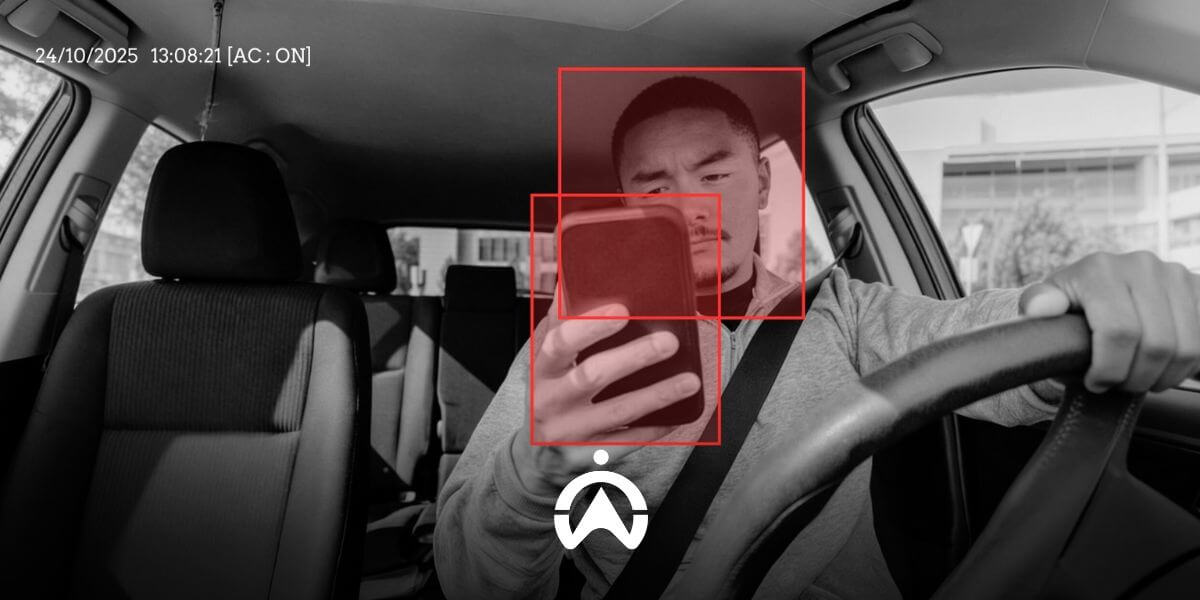
Telematics system alerts detect distracted driving when a driver is holding a cell phone, one way to improve driver habits using fleet telematics software.

How to Improve Driver Behaviour Through a Fleet Telematics Management Platform

This monitoring will certainly improve driver performance as well, thereby extending the vehicle's service life. Here is how a fleet management platform can help you: 

1. Driver behaviour reports

You can obtain driver scorecard data reports from the fleet management platform and find all the information you need. You can also view vehicle statuses such as idling (engine running but not moving), aggressive driving, speeding, and other risky behaviour.

Anda juga bisa mengakses laporan terperinci untuk setiap perilaku berkendara, seperti melihat rincian lokasi, durasi, hingga jarak yang ditempuh dengan mengebut. Jika terjadi pemborosan biaya bahan bakar, Anda bisa mencocokkannya dengan laporan produktivitas untuk melihat kemungkinan penyebabnya. 

On-demand trip reports can also be generated if you wish to analyse and compare all vehicles and the drivers operating them. The report data will assist fleet managers in making decisions.     

2. Driver behaviour warnings and reminders

With all the daily tasks a fleet manager faces, a fleet management platform helps through its alert and reminder features. Managers can set up driver behaviour alerts and receive the information they consider necessary. They can create trigger alerts for when the ignition is switched on and off, and choose where they want those alerts sent, for example by email. Or get real-time alerts whenever safety rules are not followed, and follow up immediately.

Drivers can also receive real-time in-cab preventive alerts, notifying them when they commit a traffic or safety violation—such as failing to maintain a safe following distance from other vehicles. You can also set up specific reminders; for instance, you might want to be alerted to check that a driver is following a designated route and maintaining a steady speed.

3. AI-powered camera

Anda bisa menggunakan sampai dengan 8 kamera internal dan eksternal kendaraan untuk menjaga keamanan pengemudi, armada, kargo. Kamera ini dapat mendeteksi perilaku berisiko seperti mengantuk, tidak fokus, merokok, dan sebagainya. 

Additionally, an in-cabin monitor helps drivers spot potential hazards and reduces blind spots. Footage recorded by this camera can also be used for accident investigations and to assist with insurance claims.

Not only that, fleet managers can also use recordings of poor driving behaviour for case studies and to educate drivers. 

Benefits of Enhancing Driver Behaviour Monitoring Systems

You can rely on Cartrack to meet all your driving behaviour monitoring needs. Here are some of the benefits you can enjoy: 

  • Reduces costs because poor driving behaviour can be monitored and accidents prevented.
  • Ensuring compliance with your company's policies
  • Identify dangerous driving behaviours to ensure road safety compliance and protect your fleet.
  • Lindungi pengemudi Anda karena mereka akan diberi tahu secara   jika mereka tidak mengemudi dengan benar
  • Provide accountability via tags or driver ID identification
  • Save on operating costs such as fuel and maintenance, and extend the lifespan of your vehicle

Maximise the safety of your drivers and your fleet with Cartrack's fleet management software. Contact us by clicking the WhatsApp button or by filling in the form on this page.

Improve Driver Safety with SmartCabin Cameras

You and your team may not be able to continuously monitor your drivers' safety on the road, but Cartrack's telematics devices can. Equipped with Artificial Intelligence (AI) technology, Cartrack's SmartCabin cameras automatically detect driver activity that poses a risk to themselvestheir vehicles, their cargo, and other road users.

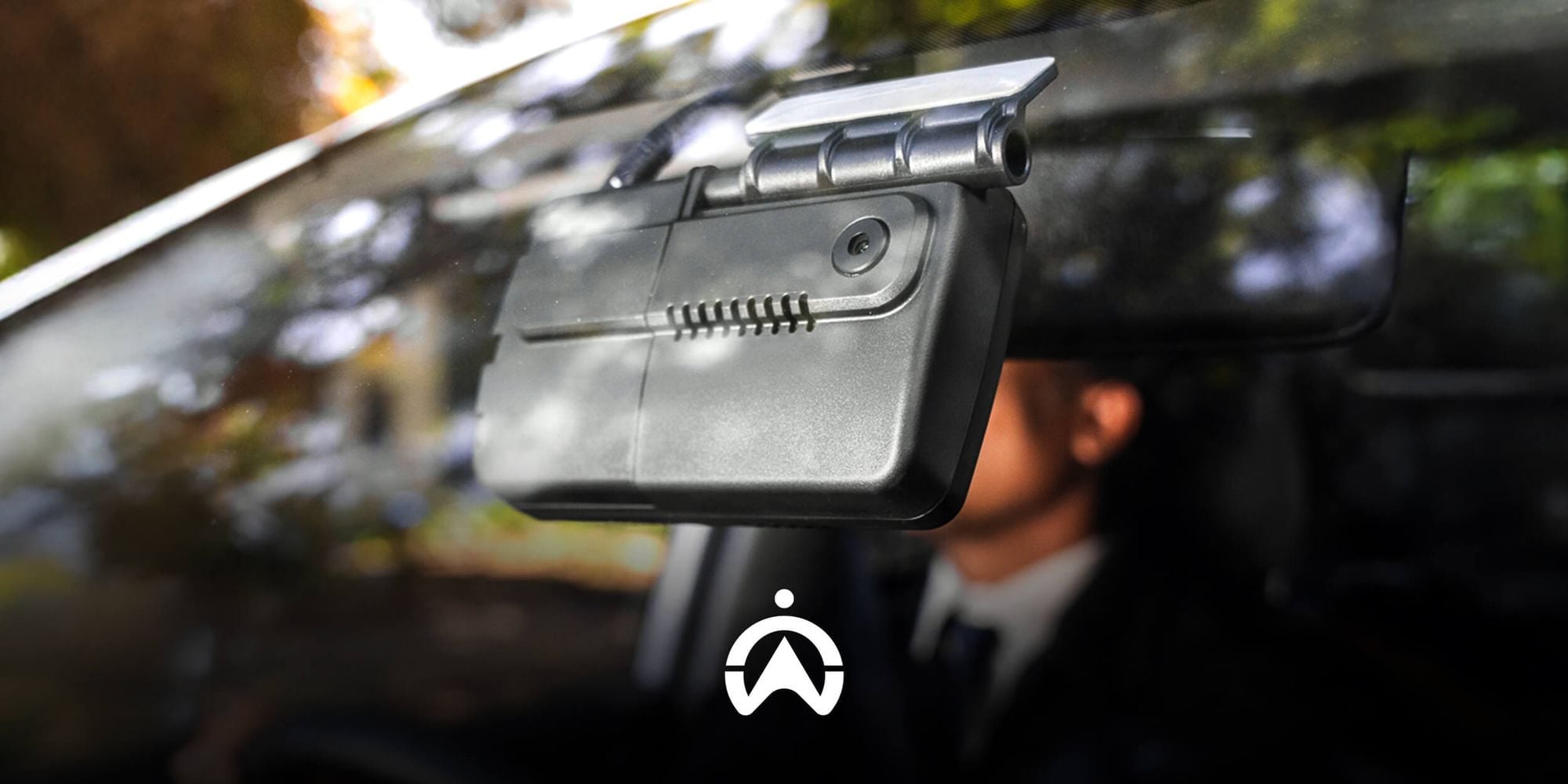
Cartrack SmartCabin is an AI-powered camera with one lens facing the road and the other facing the driver's cabin. The Advanced Driver Assistance System (ADAS) camera, which faces the road, detects forward collision risks. The Driver Monitoring System (DMS) camera, which faces the driver's cabin, detects when the driver is fatigued or distracted, making phone calls, or covering the camera.

1. Forward Collision Risk

SmartCabin AI technology calculates the speed and distance between the driver’s vehicle and the vehicle ahead. If the following distance is too short and there is a risk of a forward collision, SmartCabin automatically records video and issues an audible warning to the driver.

2. Fatigue or Loss of Focus

The SmartCabin camera analyses the position and orientation of the driver's head and eyes. This allows the AI technology to detect whether the driver's gaze or focus has shifted away from the road for an unsafe length of time.

3. Mobile Phone Usage

SmartCabin cameras detect mobile phone usage specifically during phone calls, namely when the driver is speaking with the phone positioned near the ear. SmartCabin will not detect a risk if the driver is speaking using a Bluetooth earpiece.    

4. Camera Obstruction

If the camera is obstructed, whether by the driver or another party, intentionally or unintentionally, SmartCabin will automatically record the incident and send it to Fleet Web. Fleet managers can then review the footage to verify whether there are any intentional actions linked to dangerous incidents, such as vehicle hijacking and other related events.

Cartrack SmartCabin acts like your assistant to monitor driver safety throughout the journey. Whenever it detects an event, SmartCabin sounds an alert to warn the driver. This helps keep drivers safety-conscious at all times.

The recordings, in the form of video complete with audio, are sent directly to Cartrack Fleet Web so that fleet managers or operators can immediately carry out inspections. Recording begins 5 seconds before the incident and continues until 5 seconds after the incident. SmartCabin cameras produce colour video with resolutions of up to 1080p and are capable of recording in low-light conditions.

Contact us here for more information about the SmartCabin camera and Cartrack's other special features.

Boost Your Construction Business with Smart Fleet Management Software

High-rise buildings, homes, bridges, iconic structures, and the cities we live in today—all of these are built thanks to construction companies. To bring these masterpieces to life and ensure operational success, you need effective fleet management capabilities. If you work in the construction industry, you have come to the right place.

We will show you how to empower and grow your construction business, and how smart fleet management software can help you achieve this.

We will show you how to empower and grow your construction business, and how smart fleet management software can help you achieve this.

What does a fleet management software platform do?

This can also be referred to as a fleet software platform.

Businesses and industries of all types can use this tool to manage every aspect of their operations, leveraging the accurate data it provides. For instance, you can gain insights into maintenance, driver behaviour, fuel expenses, fuel consumption, and much more.

For a fleet manager, time is money.

Many tasks can be automated to reduce time spent on administrative work and create more time for growing the business.

Certain managerial qualities are also required to boost morale, building upon a solid fleet management process.

What skills do you need to become a fleet manager?

  1.  Establish quality monitoring

    Construction fleet managers need to maintain an overview of their operations, drivers, and vehicles throughout the day. At any given time, if a vehicle is out of service, they must be able to explain the reason, react quickly, and promptly find a solution. Alternatively, if an issue arises on-site, they need to identify who is responsible for a specific construction project or which driver is assigned to a particular vehicle or piece of equipment.

  2. Make safety a priority

    Measures must be taken to secure the fleet. Real-time vehicle tracking is essential to prevent or detect theft and to safeguard assets during construction projects. Fleet managers also need to ensure proper vehicle operation and establish performance standards for drivers. This ensures the safety of drivers, vehicles, and assets while simultaneously avoiding unnecessary fleet costs. Another safety measure involves ensuring compliance with rules and regulations, including reminding drivers to avoid distractions and safety hazards. To this end, managers should identify restricted zones for their fleet and implement geofences or barriers to prevent drivers from entering unsafe or unauthorised areas.

  3. Understanding data

    Fleet managers need to analyse, interpret, and quickly react to software data to make immediate decisions that safeguard operations. They must respond to data alerts—such as vehicle breakdowns, poor driving behaviour, or vehicles being out of position. For instance, a vehicle might be malfunctioning, requiring maintenance to prevent costly repairs to construction equipment.

  4. Manage vehicle maintenance and make better decisions

    Managers need to take a more strategic approach to the data received from software platforms, using it to plan ahead and improve organisational efficiency. They can generate predictions or forecasts regarding maintenance plans for both new and existing vehicles. Software platforms can provide answers to questions such as whether additional vehicles are needed, or which vehicles are the most heavily used and the most efficient, thereby facilitating future planning. Ultimately, the goal is to reduce fleet costs and enhance operational efficiency.

What types of fleet management industries are out there? 

  • Vehicle rental and leasing
  • Cold chain logistics
  • Construction
  • Taxi
  • Transportation & logistics

In this article specifically, we will delve into what fleet management entails for construction businesses and provide you with construction fleet tracking and telematics solutions.

What is construction fleet management?

This involves planning and overseeing all vehicles, drivers, and assets to ensure productivity and effective workflows within the business.

This is a process in which fleet managers gain full visibility and control over their operations using route planning, vehicle fleet monitoring, data collection, and reporting.

Construction fleet managers need to identify what works and what doesn't, so that project delays and cost impacts on the overall business are minimised.

An intelligent fleet management platform is the answer to effective construction fleet management—here’s how.

Why you need Cartrack's fleet management solution to boost your construction fleet business

  • GPS vehicle and equipment tracking: Easily locate your vehicles and assets to keep them secure and stay informed about their condition—and monitor whether they are being used efficiently.
  • Maintain your construction assets: Receive maintenance alerts when your vehicles and machinery require service to reduce costs and extend their lifespan. Additionally, minimise downtime and boost productivity.
  • Construction fleet safety: AI-powered cameras provide insights into driver behaviour, ensuring drivers remain focused and drive correctly.

Equipment fleet management in construction fleets

Vehicle management is not only important for your construction vehicles or fleets; heavy equipment fleet management plays an equally important role.

Equipment failure of this kind can be highly detrimental to the business, reducing the number of projects that can be undertaken and leading to missed deliveries to clients.

Let's look at a concrete mixer, for example.

Our system enables you to produce your own batches of concrete, which can be transported directly to where they are needed on the construction site. It also saves time and money, as you do not need to rely on a concrete batching plant for deliveries and can control the quantity used.

For instance, if you have ten cement mixers on-site, do you know whether they are being used effectively and are properly secured? Monitor them using GPS tracking technology and access the data through the platform.

They can be left running unsupervised and spinning without any cement inside—meaning they are not being used efficiently. You may have some that are underutilised, so you would save money by not purchasing more where they aren't needed.

Also receive instant alerts if it is stolen, used without authorisation, or requires repair.

4 key benefits of fleet management software for construction fleets

  1. Optimising fleet and operator performance

    A well-functioning fleet management system involves maximising the analysis of vehicle and operator data.

    Data such as fuel consumption, mileage, mechanical diagnostics, maintenance, and driver performance enables managers to gain a comprehensive understanding of the fleet operator's history and performance.

    Fleet managers can then improve daily operations, save costs, and make informed business decisions.

    For instance, truck breakdowns and maintenance can be extremely costly. Managers can use this data to develop and manage vehicle maintenance schedules, thereby reducing the need for repairs and extending vehicle lifespan. Operations can also run at full capacity, leading to lower fuel costs. Furthermore, data regarding optimal routes and safe driving practices can be utilised to enhance driver safety and improve fuel efficiency.

  2. Improving productivity and workflow

    Once fleet management software is installed, there is less room for errors, issues, delays, or anything else that could disrupt the workflow, resulting in greater overall efficiency.

    Fleet managers must efficiently coordinate the dispatch of vehicles and equipment to keep construction projects on schedule. They can plan efficient routes, identify the best paths, and dispatch the nearest available drivers to meet site requirements. The right personnel are assigned to the right jobs, ensuring tasks are completed effectively and on time. Projects are accurately planned, and teams remain accountable and on top of the tasks necessary to keep the project moving forward.

    As a result, the company will have more time to respond to urgent requests and adapt quickly without delay.

  3. Improve invoicing

    Automated reports notify you exactly when your construction team arrives at or leaves the assigned project site.

    This allows you to see their actual working hours so you can accurately bill your clients and pay your team's wages, helping you avoid wasted costs.

    Managers must consider handling invoices and transactions digitally, which will also enhance data security and safety.

    Also, to implement financial record-keeping on digital platforms in order to improve accuracy and minimise errors and/or payment mistakes.

    This will enable construction companies to review payment history and send accurate invoices to clients.

  4. Better budgets and forecasts

    The primary goal of executing a successful construction operation is to determine whether a capital gain is realised. By doing so, companies can leverage fleet data to gain an overview of expenses and understand which projects are profitable and which are not.

    Obtain reports to forecast expenses and revenue, and to generate more accurate budgets and projections for the future. For instance, they can assess the amount spent on fuel over a specific period and set appropriate budgets.

    Overall, businesses must understand their financial standing in order to take the appropriate actions to keep their doors open and their finances healthy.

How to grow an efficient construction business

Kami tahu platform manajemen armada akan memberi Anda kendali lebih besar atas bisnis Anda, tetapi seperti halnya bisnis apa pun, elemen lain penting untuk kesuksesan Anda.

We have a few additional tips for you.

  1. Build a great team: You need the right people in the necessary roles to ensure the work is done correctly. You must also reward them for high-quality work and empower them to achieve even better results.
  2.  Build a strong network: Attend events and expand your connections to grow your customer base. Build rapport with existing clients and pave the way for positive referrals.
  3. Launch a website: Your website should include valuable information about your company and services, and answer questions frequently asked by your customers. You should outline how your services will solve their problems.

  4. Build effective sales and marketing channels: Having an engaging website and social media accounts is a good starting point for an online presence. However, to take it a step further, you should consider employing effective digital strategies—such as SEO, analytics, content marketing, and advertising—as part of your overall growth strategy.

  5. Invest in the right construction fleet management software: As mentioned, a SaaS platform will facilitate smoother operations and give fleet managers greater control over their fleets through accurate reporting and data insights.

The best fleet management solution for construction businesses is out there. Start with fleet management software from Cartrack. Grow and enhance your business with a modern, technology-powered platform.