
4 Advantages of Installing a Camera Integrated With a GPS Vehicle Tracker

The evolving features of GPS vehicle trackers are making fleet management increasingly practical and sophisticated. One feature gaining popularity among fleet business owners is the monitoring camera. While GPS vehicle trackers allow you to track trips, monitoring cameras enable you to visually observe activities taking place during the journey. This integration of GPS vehicle trackers and monitoring cameras provides you with comprehensive visibility over your company's fleet.

4 other benefits if you install this monitoring camera feature on your company vehicle

1. Maintain Asset Security

With Cartrack, you can install up to four surveillance cameras in a single vehicle. Video recording operates around the clock (24/7)—even at night or in low-light conditions—and footage can be accessed remotely from anywhere. You can position them in areas requiring heightened security, such as the cargo hold and the driver's cabin. These cameras help prevent and expose crimes like cargo theft or vehicle hijacking, serving as an additional layer of security to protect your drivers, cargo, and vehicles.

2. Improve Driver Behaviour

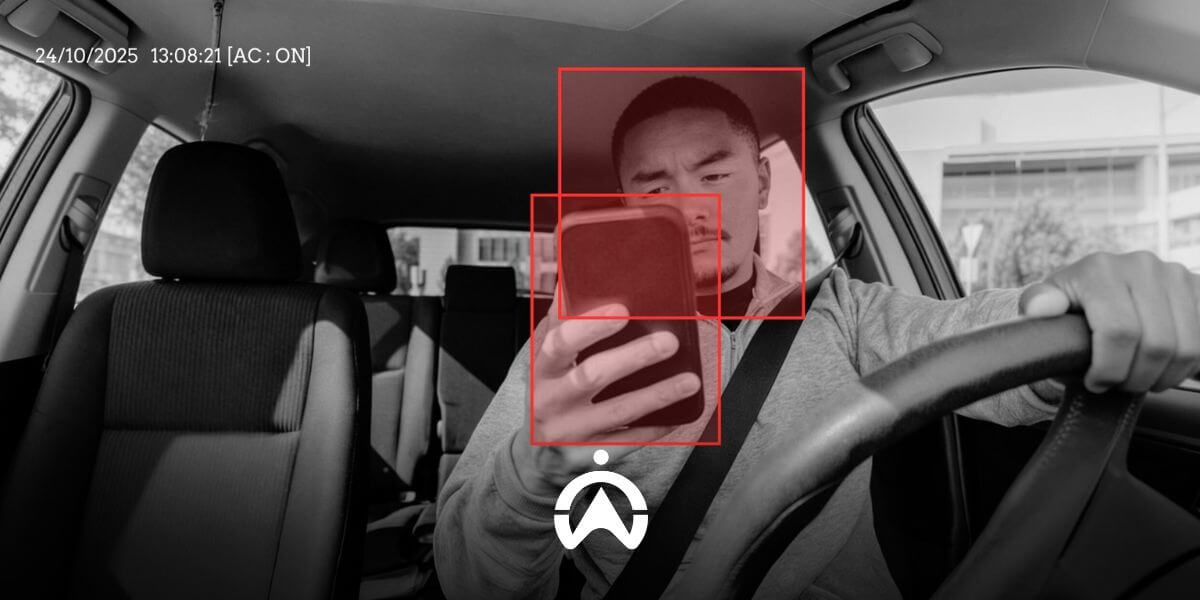
Surveillance camera footage provides fleet managers with insights into driver behaviour. Cameras can be installed to face the road—capturing driving habits—or the driver, ensuring they are fit to operate the vehicle. You can also monitor driver discipline, such as adherence to uniform and health protocols, work hours, and mobile phone usage. This footage, combined with driver monitoring data from GPS vehicle trackers, can serve as a basis for evaluation and driver training aimed at enhancing professionalism, improving driving habits, and preventing financial losses from traffic fines or other driving violations.

The dash cam integrated GPS vehicle tracker is mounted on the car windshield for driver safety.

3. Makes it easier to make insurance claims

The most common reason companies install in-vehicle cameras is to ensure they have direct evidence in the event of incidents such as accidents, fires, or vehicle theft. This facilitates the process of filing claims for vehicle insurance, personal accident insurance, and even employee-related coverage. Recorded evidence also enables insurers to quickly verify whether the incident falls within the scope of the policy. Integration with GPS vehicle trackers provides additional data—such as driving speed, as well as the location and time of the accident—ensuring that relevant parties receive comprehensive information about the incident.

4. Monitor Vehicle Usage

The monitoring camera feature provides visual insights into how your employees use the vehicles. Any errors or instances of misuse can be verified through video footage. This function also complements another GPS vehicle tracking feature: driver ID tags. These magnetic tags must be tapped before a driver uses the vehicle, allowing you to identify the user and track their driving activities and behaviour. With monitoring cameras in place, you can ensure that driver identities are not swapped or misused. You can also monitor vehicle usage outside of scheduled hours, cargo utilisation efficiency, and post-use cleaning procedures in accordance with your company's established health protocols.

Cameras integrated with GPS vehicle trackers enhance fleet visibility, making your fleet management more professional and efficient. Want to try this feature? CONTACT US NOW to learn about the benefits and order the Cartrack Live Vision camera—includes free installation and a 1-year warranty!

5 Ways A Fleet Management System Boosts Company Profits in Indonesia

Companies in Indonesia that rely on vehicle fleets—ranging from logistics, food and beverage, transportation, and car rentals to construction and mining—have experienced significant benefits from fleet management systems. By incorporating telematics, the Internet of Things (IoT), and big data analytics, these systems enhance fleet efficiency, potentially leading to increased company profits.

How a Fleet Management System Increases Company Profits

How do fleet management systems impact the profits of fleet companies in Indonesia? Here are five ways.

1. Improving Fuel Efficiency

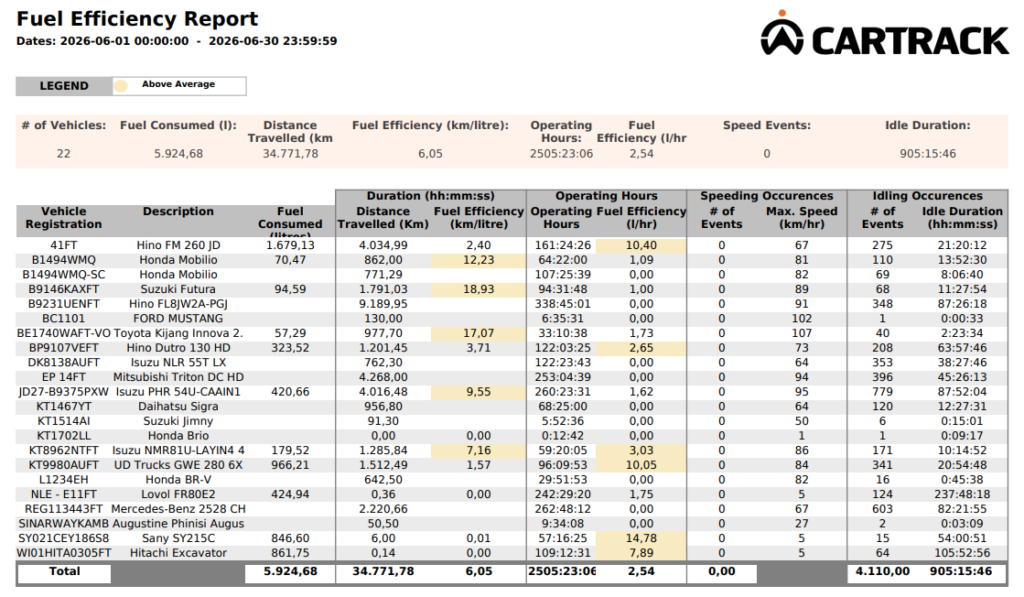
Fleet management systems like Cartrack Indonesia offer several features that help improve fleet fuel efficiency, including route planning, "What’s Nearby?", fuel sensors, automated fuel reports, and idling monitoring. Route planning helps you select the most efficient routes based on historical trip data and prevents route deviations. "What’s Nearby?" identifies vehicles closest to a destination, enabling more efficient task assignment. Fuel sensors monitor fuel tanks in real-time and send notifications regarding refueling or fuel loss. Automated fuel reports—such as Cartrack’s Fuel Efficiency Report—provide deeper insights into your fleet's fuel usage efficiency, identifying both the most fuel-efficient and the least fuel-efficient vehicles. Idling monitoring tracks and sends alerts for fuel-wasting activities, specifically when the engine is left running while the vehicle is stopped or parked.

Information and analysis from this fleet management system's automated monitoring and reporting capabilities help you take targeted measures to improve fuel efficiency, thereby boosting company profits.

2. Improving Driving Behaviour

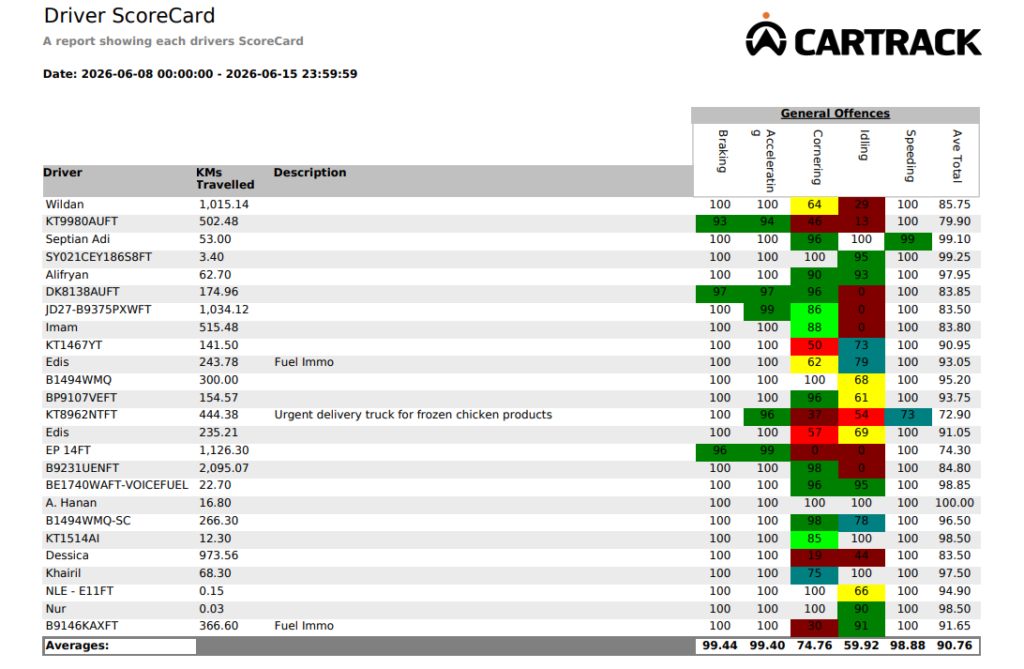
Fleet management systems feature driver monitoring, which tracks several parameters of risky driving behaviour—namely speeding, harsh acceleration, hard braking, and sharp cornering. The system can send alerts via SMS or email when these events occur. If you use Cartrack Indonesia's fleet management system, you will also receive automated driver monitoring reports—such as Driver Score Reports and Driving Safety Reports—as well as data analysis regarding the times when such risky driving behaviors frequently occur.

All information gathered from driver monitoring helps you improve your drivers' driving behaviour, thereby protecting cargo from damage and optimising vehicle maintenance costs.

3. Increasing Driver Productivity

One of the challenges facing fleet companies in Indonesia is driver productivity. Fleet operators often lack visibility into driver activities, making it difficult to ensure the effective use of working hours and the efficient completion of tasks. A solution offered by fleet management systems is the digitalisation of job assignments—such as the "Delivery" feature provided by Cartrack. With this feature, you can remotely assign tasks to drivers, outlining a sequence of job stages that each include specific start and completion time targets. You receive notifications if any stage is not started or completed on schedule, allowing you to then check your vehicle's real-time location.

This feature streamlines the assignment process, ensures working hours are used effectively, and increases the volume of completed work, thereby boosting your company's profits.

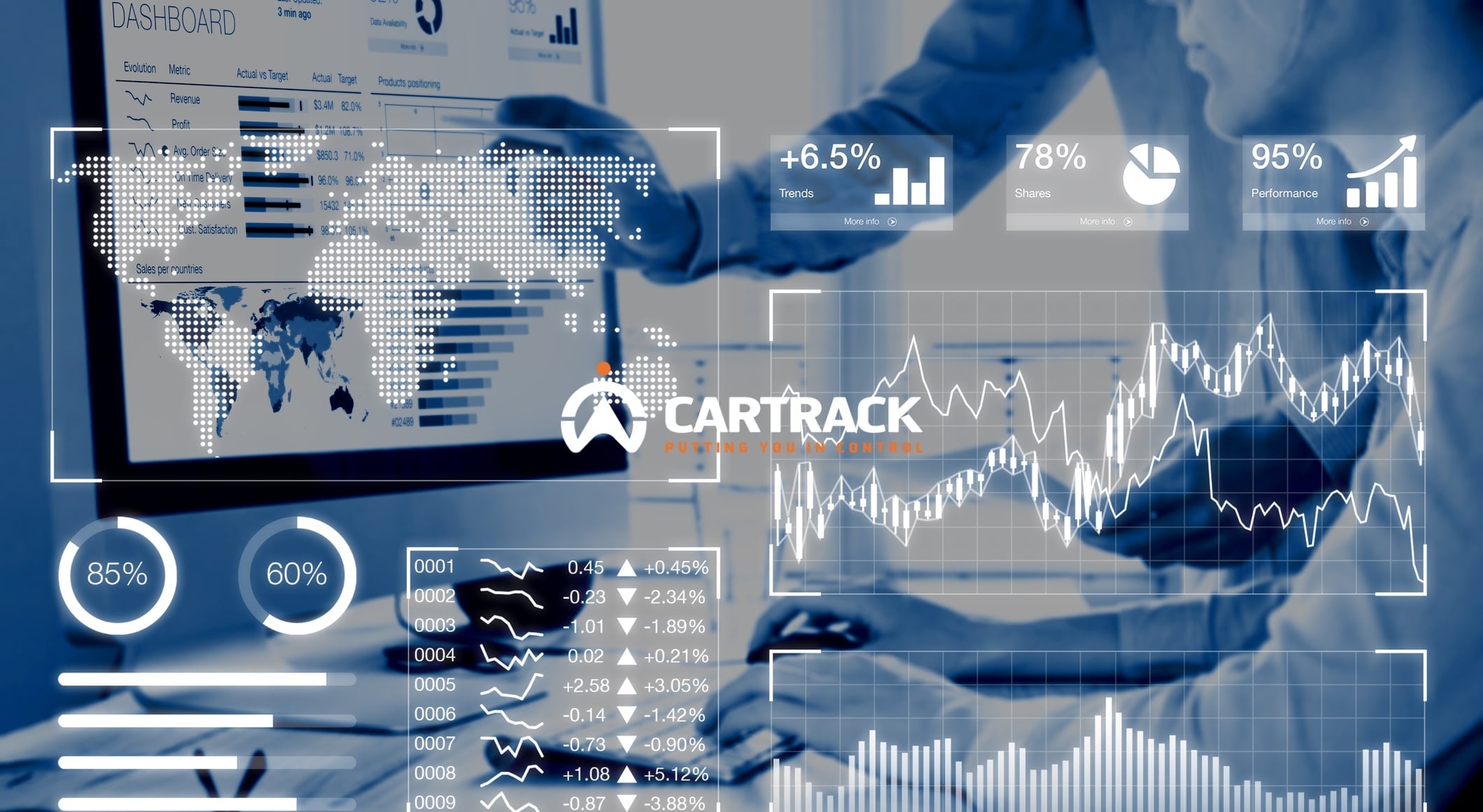
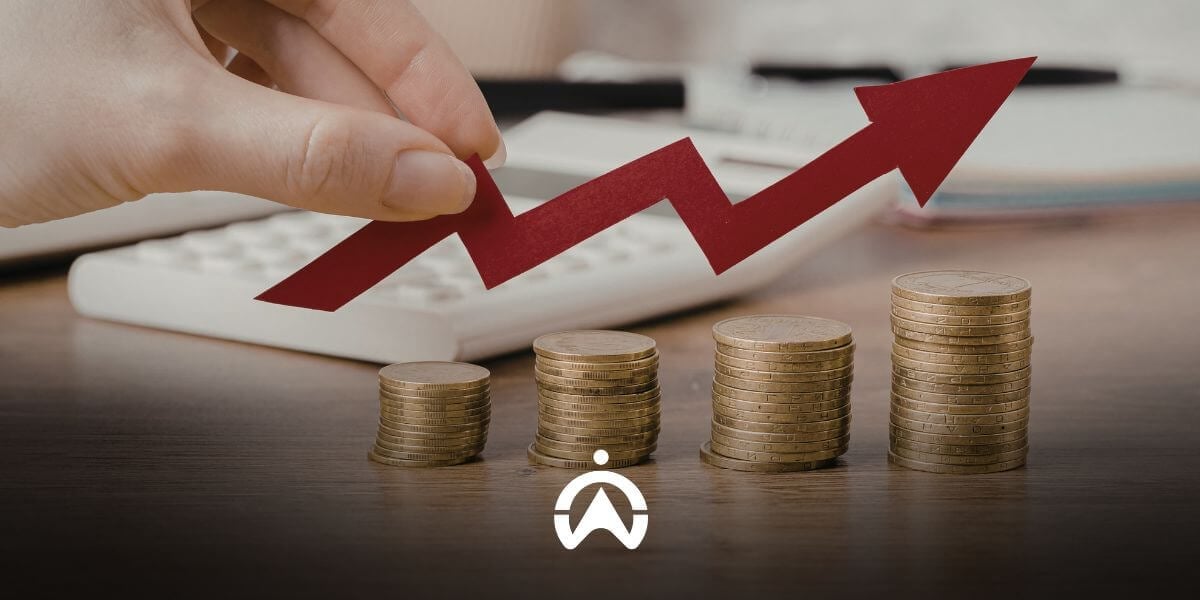
Illustration of business partnership and economic growth graph to increase company profits through fleet management system.

4. Optimising Vehicle Utilisation

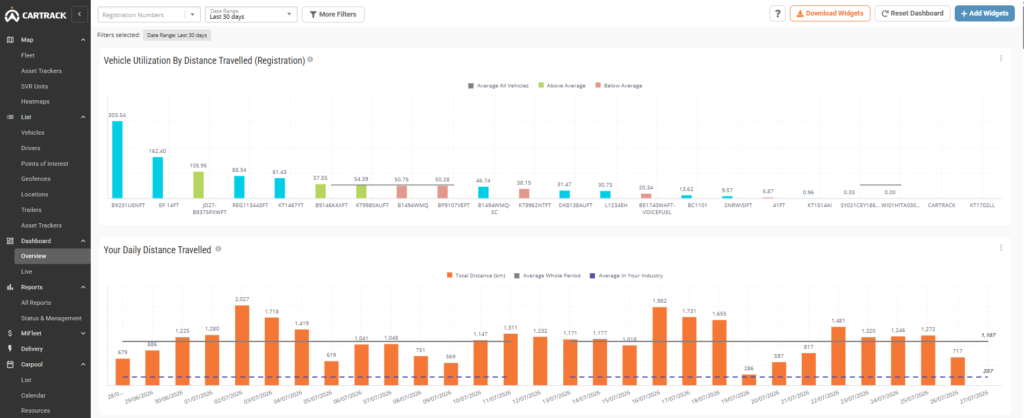
Are your company vehicles being utilised optimally? To find out, you need a fleet management system featuring trip and operating hour monitoring. You can track exactly where and when your vehicles are driven—from the moment the engine starts until it is turned off—and receive notifications if a vehicle is used outside of scheduled assignments. To identify the driver, you can use the Driver ID tag feature—a magnetic key that must be tapped against a reader before starting the vehicle—as well as monitoring cameras like Cartrack’s AI and non-AI vision systems. Cartrack’s fleet management system also provides quick comparative data on vehicle utilisation based on mileage, accessible via the Dashboard menu on the Cartrack Fleet Web platform.

Information comparing vehicle utiliation assists you in planning operations to ensure every vehicle in the fleet is used optimally. By optimising vehicle utilisation and reducing misuse, you contribute to increasing the company's profitability.

5. Improve Customer Satisfaction

The combination of various features within a fleet management system can significantly enhance customer satisfaction regarding your fleet. Features such as Delivery, Route Planner, and What’s Nearby? ensure that deliveries are efficient and well-managed, thereby preventing delays. Temperature sensors monitor the temperature of refrigerated cargo and send notifications when levels exceed permitted thresholds, helping to prevent product spoilage. Cargo door sensors track the location and timing of door openings and closings, which helps safeguard the cargo's contents. Geofencing and Share Location features allow customers to track deliveries and stay informed when a vehicle enters or leaves their designated area.

These fleet management system features ensure timely and transparent deliveries, as well as the maintenance of product safety and quality, thereby boosting customer satisfaction—which naturally has a positive impact on your business continuity and profitability.

Implement a fleet management system for your vehicle fleet in Indonesia and kickstart a profit-boosting strategy for your company! Contact us now to get a FREE LIVE DEMO!

Cartrack's Fleet Management System Streamlines Corporate Vehicle Fleet Administration Management in Indonesia

Beyond fleet operations, the Cartrack fleet management system can also streamline the administrative (back-office) management of your company's vehicle fleet in Indonesia. Relevant divisions that benefit from using the Cartrack fleet management system include customer service, finance and accounting, billing and collections, general affairs, and human resources. With just a single username, you can create multiple sub-users with specific access rights for these relevant divisions. How does Cartrack benefit your company's fleet back-office operations in Indonesia?

1. Customer Service

Handling numerous customer inquiries regarding shipments across Indonesia can be challenging without fleet visibility. Cartrack’s fleet management system enables customer service teams to track vehicle locations at any time and provide updates to customers. Furthermore, the "share location" feature allows customers to view the delivery progress of their orders in real-time, while the geofence feature triggers notifications—sent via email or SMS—when your vehicle enters the destination area.

2. Finance and Bookkeeping

With Fuel Refill Reports, the finance team can verify fuel purchase receipts to prevent fraudulent claims, while Fuel Graph Reports can be used to detect fuel theft, thereby minimising losses due to fraud.

To ensure efficient fleet financial record-keeping, Cartrack offers the Mi-Fleet feature, designed to provide easy insight into both operational and non-operational fleet costs. Finance teams can manage payment schedules and configure email or SMS notifications directly within Mi-Fleet. Relevant documents—such as insurance policies and vehicle lease agreements—can also be uploaded to the system. Whenever needed, you can simply access Fleet Web via your internet browser—anytime, anywhere—to download these documents.

3. Billing/Collection

Digitising fleet assignments also impacts billing and collection efficiency. With a delivery management application, proof of delivery—such as a photo or the recipient's digital signature—can be uploaded via mobile phone and instantly transmitted to the Fleet Web platform. This enables the billing and collections team to process invoices more quickly for dispatch to customers, allowing you to receive payments sooner.

Staff review administrative documents next to laptops for the efficiency of Cartrack's fleet management system for the company.

4. General Affairs

Managing a vehicle fleet—especially a large-scale one—can become chaotic and error-prone without an efficient administrative system. General Affairs (GA) teams can benefit from the Reminders feature in Cartrack’s Fleet Web platform. Service and maintenance schedules can be set based on date, mileage, or the operational duration of each vehicle. GA teams can also input other schedules, such as vehicle registration (STNK) renewals and driver's license renewals, into the Reminders system. Automated notifications are sent via email or SMS, with alerts configurable to trigger at specific times or mileage intervals in advance.

The Vehicle Inspection menu can also help the GA team assess the condition of vehicles during their journey. Drivers can report vehicle issues along with photographic evidence, which will then be processed by the GA team. The GA team can update the report's progress, and drivers can monitor it, ensuring they are informed about the vehicle's condition when they return to use it.

Regarding vehicle usage management, the GA team can utilise the "Alert" feature to receive notifications of unscheduled vehicle use and track the vehicle's location. This feature is useful for managing corporate or rental fleets that may have scheduled usage queues. The addition of a remote immobiliser feature would also significantly enhance vehicle security.

5. Human Resources

Cartrack’s location tracking and operational hour monitoring help Human Resources (HR) teams calculate overtime and monitor driver work discipline. HR teams can track exactly when each driver starts and ends their trips for the day. In cases of excess working hours, the team can determine whether the day's trips involved significant delays or were productive, allowing them to accurately calculate the appropriate amount of overtime pay.

The integration of various functions into Cartrack’s single fleet management system platform ensures seamless and efficient corporate fleet management. Experience streamlined fleet administration with Cartrack’s GPS-based fleet management system. Contact us to get a FREE LIVE DEMO!

5 Ways a Fleet Management System Improves Delivery Efficiency

In this era of digitalisation, the demand for efficient delivery is increasingly high. Logistics companies in Indonesia must be capable of organising more efficient operational workflows, particularly during peak periods—when high order volumes truly put delivery management capabilities to the test. This is why logistics companies require a fleet management system, which effectively helps enhance delivery efficiency.

1. Efficient Route Planning

A GPS-based fleet management system enables you to monitor vehicles and their routes in real-time. Additionally, you receive real-time notifications based on the settings you have configured in the route planner. Cartrack’s Fleet Web platform offers a range of selectable route notifications, including route start, route end, route deviation, return to route, route cancellation due to deviation, slow route progress, route not started, and late completion. You can choose to receive all or specific key route notifications via email or SMS.

2. Digitalisation of Delivery Assignments

Minimise phone calls and manual paperwork in delivery assignments by using specialised tools for assignment and delivery management. One such example is Cartrack Delivery, which enables drivers to receive tasks, update task completion statuses, and submit proof of delivery—such as photos or digital signatures—via their mobile phones. Additionally, the system includes barcode scanning capabilities to track outgoing stock and verify that the items carried by the driver match the assigned order. These details are entered when creating a task and include barcodes, descriptions, addresses, item quantities, scheduled start and end times, task sequences or routes, and service rates. Beyond making delivery assignments more efficient, this digitisation also accelerates the processing of delivery invoices.

3. Real-Time Route Monitoring

On fleet management platforms like Cartrack’s Fleet Web, you can plan routes based on trip history and assign them to specific delivery vehicles. Simply select an efficient route, configure route notifications, and schedule it for your chosen vehicle. Routes can be automatically scheduled for future days, maintaining the same vehicle and timing. In addition to route planning, Fleet Web includes a "What’s Nearby?" feature to handle situational delivery needs; this allows you to identify the vehicle closest to and fastest at reaching the destination, ensuring more efficient assignments.

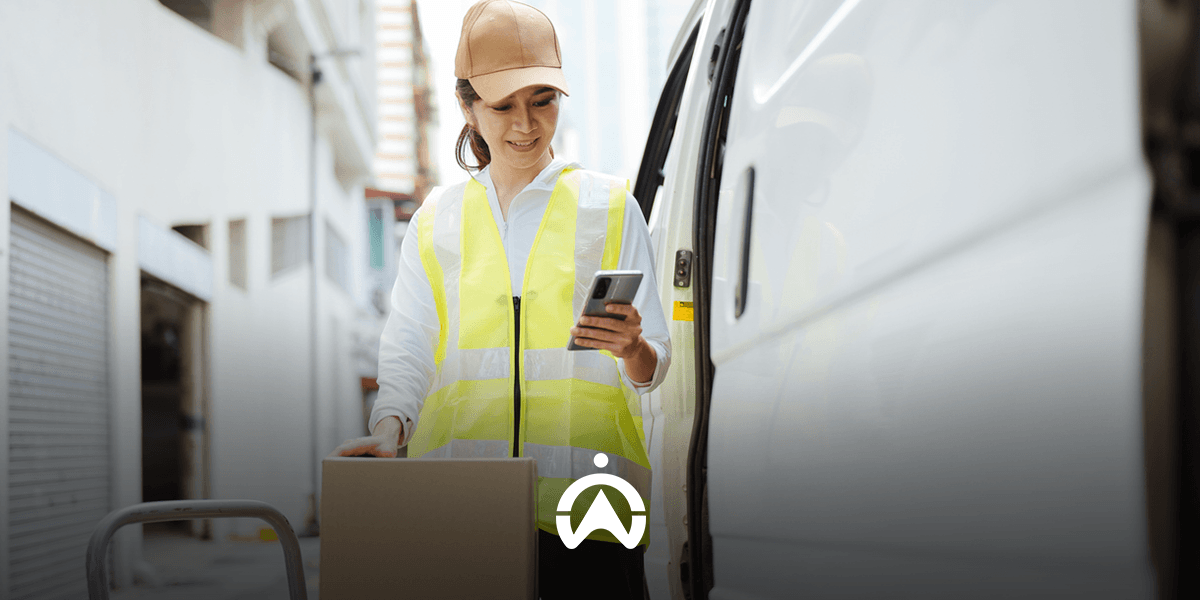
Couriers are recording logistics schedules in the van to improve delivery efficiency with the fleet management system.

4. Visibility for the Goods Recipient

Recipients need certainty regarding their shipments, such as knowing the real-time location of their orders. This visibility is crucial, especially when the recipient is a distributor or reseller who is also accountable to their own customers. This is why a GPS-based fleet management system is essential; it allows recipients to track shipment locations in real-time. With Cartrack, you can share vehicle location links using the "share location" feature. You can set the link's validity period to align with the scheduled delivery timeframe—for instance, extending it up to three days. This feature also alleviates the workload on your customer service team, who might otherwise have to handle a high volume of calls and inquiries regarding delivery progress.

5. Automated Delivery Status Notifications

In addition to real-time location tracking, automated notifications should be sent to customers so they do not need to constantly check the status of their orders. You can provide this service to your customers by utilising the geofencing feature found in GPS-based fleet management systems. Automated notifications can be sent via email or SMS when a vehicle enters the destination area. When customers are informed that an order is approaching, they can prepare themselves or the drop-off site accordingly. This leads to more efficient unloading and allows drivers to complete their daily deliveries faster.

With the support of a GPS-based fleet management system, your logistics company can boost delivery efficiency - positively impacting both customer satisfaction and company profits. Implement Cartrack—Indonesia's leading GPS-based fleet management system—and start enhancing your delivery fleet's efficiency! Contact us today to get a free live demo.

Cartrack Fleet Management System Helps Indonesian Companies Optimise Fleets through Data-Driven Strategies

A GPS tracker-based fleet management system grants you access to a vast database. However, you need assistance to extract value and identify connections within that data to generate actionable insights. Cartrack offers a smart fleet management system solution, helping companies in Indonesia design data-driven fleet optimisation strategies.

1. Geofence Data and Cargo Door Sensors to Improve Loading and Unloading Efficiency

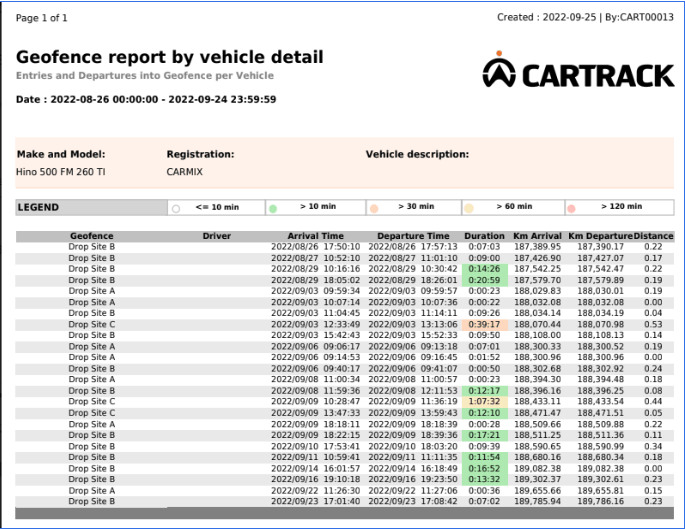
Cartrack’s fleet management system features geofencing to monitor vehicle activity within a specific area and cargo door sensors to track the opening and closing of cargo doors. The combination of these features is highly beneficial for Indonesian logistics companies, as it provides insights into the efficiency of loading and unloading operations at monitored locations, such as customer warehouses.

With Geofence and Cargo Unloading Reports, you can track the times vehicles enter and exit specific areas, the duration of stops within those areas, and the length of time cargo doors remain open or closed. This allows you to assess whether loading and unloading processes are efficient or if too much time is being spent in a particular area, enabling you to devise efficient cargo handling policies or strategies. Beyond this monitoring data, you should also consider factors such as the quantity and type of goods, as well as the number and profiles of the employees performing the loading and unloading tasks.

2. Vehicle Utilisation Data to Optimise Operations

vehicle utilization report

Cartrack’s fleet management system provides quick comparative data on mileage and trip completion for your entire fleet via the Dashboard menu. You can easily identify the busiest vehicles and those that are rarely used, as well as assess whether all vehicles are productive and utilised in a balanced manner.

This data can serve as a reference when you conduct further field investigations—for instance, to determine if vehicles are rarely used due to their poor condition. Based on Cartrack data and field observations, you can then decide whether to add, reduce, or replace vehicles, or reorganise vehicle utilisation to optimise your company's fleet operations in Indonesia.

3. Idling and Fuel Consumption Data for Fuel Cost Efficiency

Poorly monitored fuel consumption and purchasing is a key factor contributing to the high fuel costs faced by companies in Indonesia. This lack of oversight creates opportunities for individuals to engage in practices that harm the company, such as fuel theft, fraudulent refueling claims, and wasteful activities—for instance, leaving the engine running (idling) while sleeping inside the vehicle.

Cartrack’s fleet management system offers a solution for this through its idling monitoring feature and fuel sensors. The data provided by these features—available in both the Dashboard and Reports—offers insight into your fleet's fuel consumption efficiency and helps you identify opportunities to save on fuel costs.

You can track each vehicle's monthly fuel consumption, fuel fill-up volumes and locations, average mileage per liter, as well as total idling duration and locations. Cartrack also provides comparative data, making it easy for you to identify the least fuel-efficient vehicles or those with the highest idling rates so you can take appropriate action.

4. Historical Trip and Working Hour Data to Increase Driver Productivity

Driver productivity and driving safety present distinct challenges for companies in Indonesia that operate fleets. To ensure your drivers remain productive during working hours, you need to track trip history and the duration of each journey, in addition to monitoring vehicles in real-time.

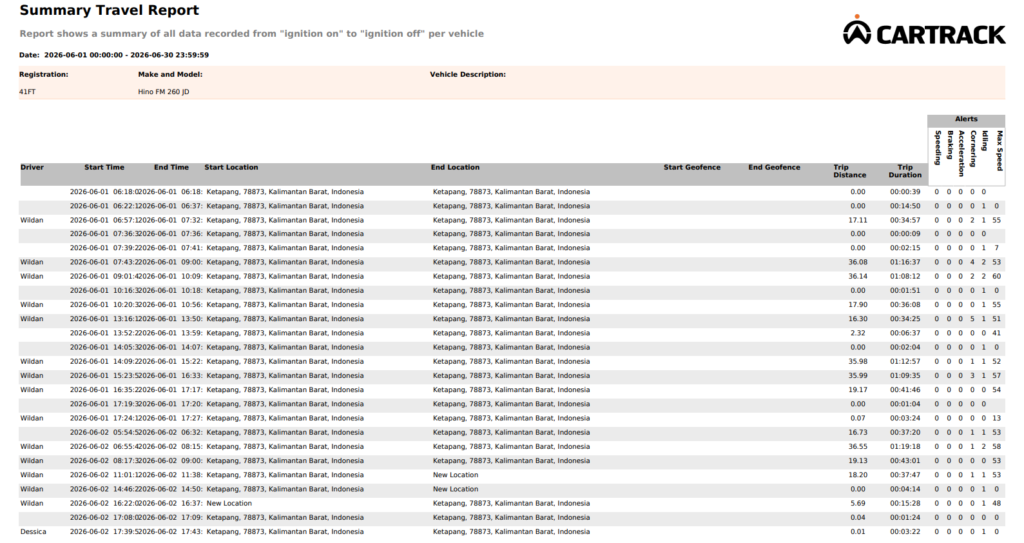
Cartrack’s fleet management system provides this data in the form of automated reports, such as Trip Summary Reports and Stop Time Reports. For companies operating heavy equipment fleets in Indonesia, Cartrack also offers Engine Operating Hour Reports. You will receive data points such as trip start and end times, start and end locations, distance traveled and trip duration, stop duration, vehicle stop locations and geofence details, and total operating hours. The Route Replay feature also allows you to replay routes from specific dates, providing a map-based visualisation of the points traversed by the driver. All this data assists you in evaluating driver performance and formulating policies to boost productivity and reduce overtime.

5. Driver Behaviour Data to Reduce Vehicle Maintenance Costs

Another data-driven strategy involves optimising vehicle maintenance costs through driving behavior monitoring. To achieve this, you need data on your drivers' on-road behaviors that can impact vehicle condition—specifically harsh acceleration, speeding, hard braking, and sharp cornering.

Beyond simply tracking the frequency of such actions, Cartrack’s fleet management system can automatically generate scores based on driving behaviour and distance traveled. This driving behaviour data is available through various reports, such as the Risk Management Report, Driving Safety Report, and Driver Score Report. Additionally, the Dashboard menu allows you to quickly identify times when poor driving behaviour is most likely to occur and compare the frequency of such behaviour across your drivers.

This data can assist you in evaluating and training to correct poor driving behaviour. You can also further track trends in the timing of poor driving behaviour, whether due to driver fatigue or traffic congestion, to then inform driver assignments. By minimising poor driving behaviour, your vehicles will last longer and reduce maintenance costs.

With Cartrack’s fleet management system, you can streamline your workflow, eliminating the need to manually search for data or compile statistics and comparisons. Cartrack presents this information in the form of easy-to-understand automated statistics and reports, featuring the specific parameters and details required for in-depth analysis. Quickly and accurately develop data-driven strategies to optimise your company's fleet using Cartrack’s fleet management system—contact us today to get a FREE LIVE DEMO!

3 Tips To Save On The Cost Of Maintaining Your Company's Vehicle Tires

Keeping tires in top condition is crucial for companies that rely on fleets, especially those with high mileage. Besides boosting performance, proper tire maintenance also impacts fleet cost efficiency, such as reducing tire replacement frequency, improving fuel efficiency, and minimising accident losses. Support your company's tire maintenance efforts and cost efficiency.

Here are 3 tips that you can apply with Cartrack Indonesia's fleet management system.

1. Perform periodic tire maintenance

Frequent use across diverse terrains and weather conditions necessitates periodic maintenance for your vehicle's wheels and tires—specifically, every 10,000–12,000 km or every six months. This maintenance includes rotation, balancing, and alignment. Beyond ensuring driving safety and comfort—particularly during long-distance trips—such maintenance helps address uneven tire wear, thereby extending the service life of your vehicle's wheels and tires.

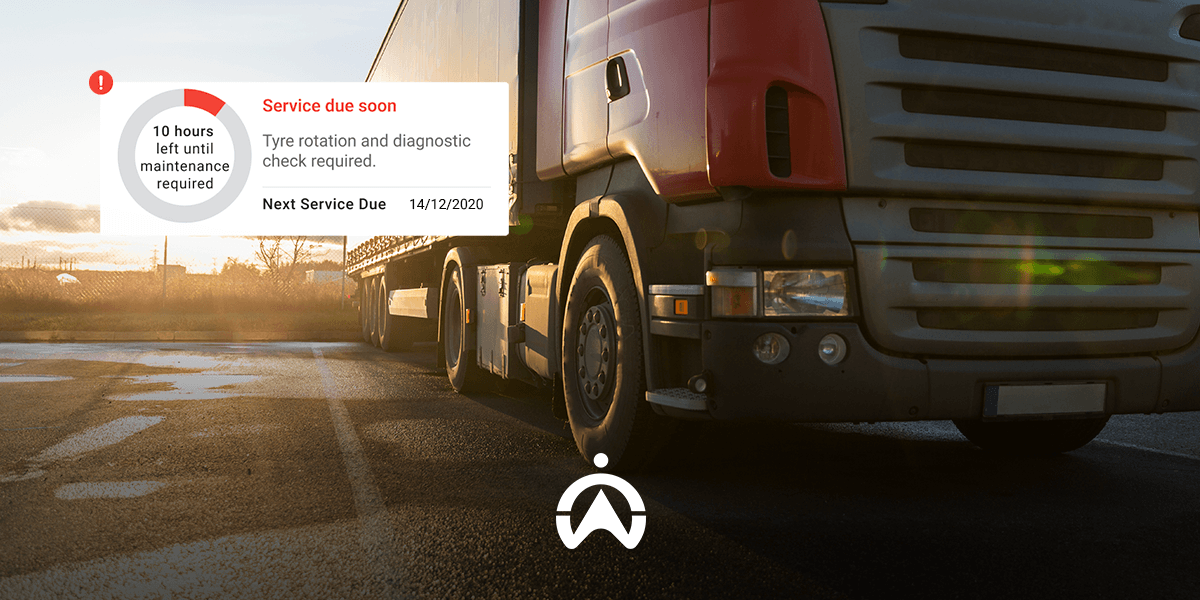
To help you manage maintenance schedules for each vehicle, Cartrack Indonesia’s fleet management system includes a Reminders feature. Integrated with data from the Cartrack GPS trackers installed in your vehicles, the Reminders feature on the Cartrack Fleet Web platform allows you to manage maintenance schedules based on date, mileage, and usage periods. Notifications can be configured to be sent in advance—whether based on time or mileage—via the Fleet Web platform, email, or SMS.

The large black wheels of a steamroller are compacting new asphalt as part of the company's tire maintenance cost-effectiveness efforts.

2. Practice Good Driving Behaviour

Poor driving habits cause your company to make frequent trips to tire dealers or repair shops. Driving behaviours that should be avoided to ensure tire longevity include harsh acceleration, sharp and fast cornering, hard braking, and speeding. These poor driving practices generate excessive tire-to-road friction and high heat; prolonged exposure to high temperatures causes your vehicle's tires to wear out quickly.

To ensure your drivers operate vehicles safely, utilise the driver monitoring feature within Cartrack Indonesia’s fleet management system. You can track the time and location—and even replay the route—whenever drivers engage in harsh acceleration, sharp cornering, hard braking, or speeding. You can configure notifications to alert you whenever such poor driving behaviour occurs. This data is also available through various automated reports, assisting you in evaluating and training your drivers. If you wish to gain a real-time visual overview of your drivers' behaviour on the road, you can also install Live Vision cameras in your vehicles.

3. Manage Costs More Efficiently with Mi-Fleet

 Fleet management system

Cartrack Indonesia offers Mi-Fleet, an integrated cost management feature within a single Fleet Web platform. This feature allows you to efficiently manage various fleet expenses, including tires. Cost reports can be directly downloaded or emailed, eliminating the need for manual creation, thus minimising costly data entry errors.

Using these automated cost reports, you can compare vehicles with high tire-related costs against the most cost-efficient ones, then investigate the underlying reasons—such as poor driving habits, vehicle age, or high mileage. With Mi-Fleet, you also gain insights into solutions for optimising tire maintenance costs, thanks to the integration of operational and cost management within a single platform.

Use Cartrack Indonesia’s fleet management system and start optimising tire maintenance costs for your company’s fleet! Contact us now to get a FREE LIVE DEMO and learn more about how Cartrack Indonesia’s fleet management system can help improve tire cost efficiency.