
Choose Tracking with Mobile GPS or Vehicle GPS Tracker?

With the emergence of mobile phone-based GPS tracking features, are vehicle-installed GPS trackers still necessary? For commercial and government vehicles, the answer is certainly yes. Although both allow you to view real-time locations, dedicated GPS devices can provide far more detailed information. Which option is more suitable for your needs? Take a look at the following information on mobile phone GPS tracking and vehicle GPS trackers below.

The Main Differences Between Cell Phone GPS Tracking and Vehicle GPS Trackers

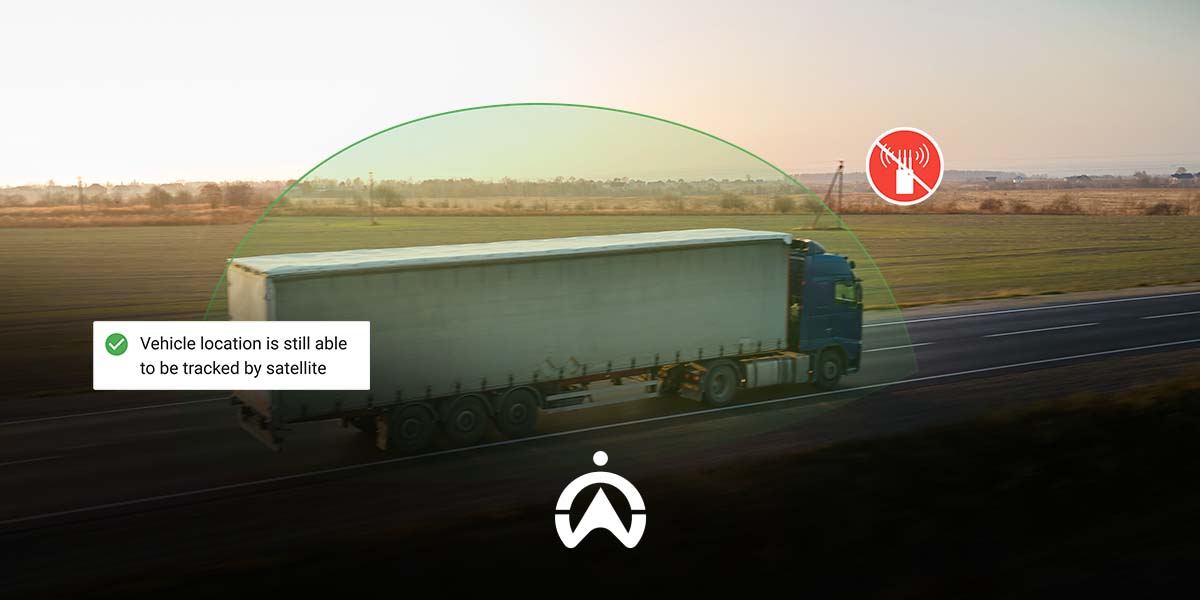
The GPS tracking function on mobile phones, available through various Android and iOS applications, tracks the mobile device being carried. If your driver leaves their phone at the workplace, you will not be able to track your vehicle. The same applies if the driver’s phone is switched off. In contrast, you can track your vehicle at any time with a GPS tracker installed in the vehicle. Even if the vehicle is outside mobile network coverage, the GPS tracker will continue operating and store the information on the device. The stored tracking data will be transmitted once the vehicle is back within coverage range.

Vehicle GPS Trackers Offer Added Value

All types of trackers are useful for tracking the location of your vehicles. When they first emerged, that function was already considered sufficient, but today it is no longer the minimum benefit expected from a vehicle GPS tracker. Vehicle GPS tracker providers now offer various added values, expanding vehicle monitoring functions into complete fleet management systems. In addition to monitoring vehicle locations in real-time, GPS trackers can also be used to monitor productivity, reduce fuel consumption, optimise mileage, improve maintenance scheduling, and enhance driving safety.

In addition, many fleet vehicles have specialised functions or additional equipment, such as refrigerated cargo units, ploughs, cranes, and towing hooks. With the appropriate additional sensors, GPS trackers can monitor the use of this equipment on vehicles. Some of the sensors that can be integrated with GPS trackers include temperature sensors, fuel sensors, cargo door sensors, concrete mixer sensors, CAN Bus, and power take-off. You can also remotely disable the vehicle starter with the additional remote immobiliser feature. These capabilities are simply not possible with mobile phone GPS tracking, especially when combined with the technical support and lifetime warranty provided by certain GPS tracker companies to their customers.
Layar laptop menampilkan ikon truk dan van dengan pin lokasi untuk pelacakan kendaraan menggunakan sistem GPS tracker.

Mobile GPS Tracking is a Budget-Friendly Option

One of the reasons commercial fleets have not yet installed GPS trackers is budget constraints. Mobile phone GPS tracking therefore becomes an alternative option because of its lower cost. You only need to pay for internet data, as well as the service if the application is paid or includes premium features. Some mobile phone GPS tracking application providers offer monthly subscriptions with convenient payment through mobile phone credit, meaning there are no complicated subscription contracts.

Not only tracking locations, some mobile GPS tracking applications also provide features, among others.    and monitoring phone call history and social media activity. Furthermore, implementing this mobile-based GPS tracking solution is very quick; simply download the app and configure a few necessary settings. You don't need to wait for the tracking device to arrive and be installed on your vehicle.

If budget is the reason you have not yet implemented a monitoring system for your vehicle operations, you may consider using mobile phone GPS tracking rather than having no tracking at all. However, you are unlikely to obtain the same level of detailed information as with a vehicle GPS tracker. In addition, driver integrity and discipline significantly affect the effectiveness of mobile phone GPS tracking. You need to ensure that drivers do not leave behind or switch off their work phones during working hours so that you can always track their location whenever required.

For those of you who want to start using a GPS tracker, Cartrack offers a variety of solutions tailored to your needs. Our technicians will come to your location to perform the installation. You can then directly monitor and manage your fleet from the Cartrack app or website. Rest assured, Cartrack's software is easy to understand and use. Contact us now to start your best vehicle monitoring experience!
6 Driving Practices That Should Be Minimised for Operational Cost Efficiency

Fleet cost efficiency can be achieved across various areas, primarily driving practices. If you are able to effectively control your drivers’ driving behaviour, you can save a significant amount of costs. These costs include fuel, maintenance, damage, accidents, and overtime. Below are 6 driving practices that should be minimised for operational cost efficiency.

1. Aggressive Driving

Changing lanes, tailgating, blocking, and cutting in on other vehicles are some types of aggressive driving practices. Not only does this increase the risk of a collision, but it also wastes fuel. For light-duty vehicles, this behaviour results in fuel consumption of approximately 10-40% in heavy traffic and 15-30% in light traffic at highway speeds. Over time, this behaviour also leads to vehicle problems, such as burned clutches and reduced engine life.

2. Sudden Acceleration and Hard Braking

Sudden acceleration or braking can cause excessive wear on vehicle components. Continuous harsh acceleration can damage engine mounts, fuel system components, suspension, and brakes. As a result, vehicles begin to experience more damage, leading to downtime and gaps in your fleet services. In addition, if the driver is operating a trailer, sudden acceleration or braking forces may cause cargo and its contents to shift. If not secured properly, this can result in serious damage.

3. Speeding

Speeding increases the risk of a collision because there is less time and distance to respond to unexpected events. Furthermore, this driving behavior increases fuel costs, particularly if the vehicle is driven above 60 mph (approximately 96.5 km/h). For every additional 1.6 km/h (1.25 mph) above 60 mph, fuel costs increase by approximately 4-9% per gallon. This increase in fuel consumption is even greater for medium and large trucks.

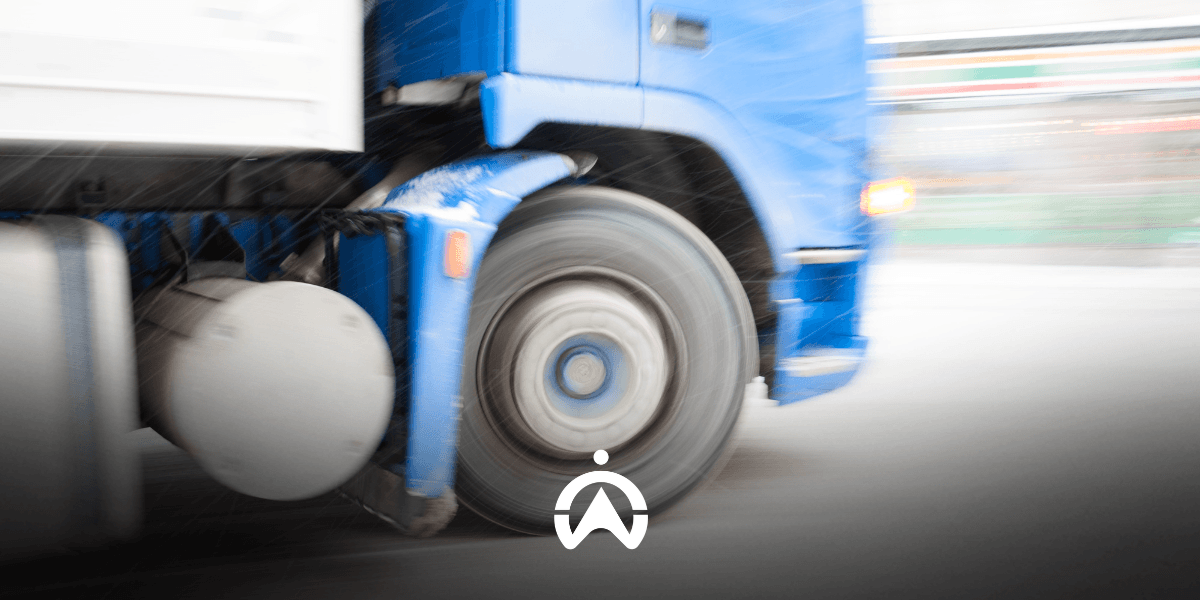
White trucks speeding on the highway to improve the operational cost efficiency of logistics companies.

4. Excessive Idle

Idling or leaving the engine running while the vehicle is stationary can consume more than 17% of your fuel. In passenger vehicles or light trucks, each hour of idling burns more than half a gallon of fuel. In medium and heavy trucks, this figure is even higher, approaching one gallon of fuel per hour of idling. In addition, engine temperature is lower during idling, which means combustion becomes inefficient and leaves residue deposits on your spark plugs and cylinders. This can lead to several vehicle problems, such as difficulty starting the engine and increased fuel consumption.

5. Taking an Inefficient Route

Poor routing can add to operational costs. One factor that can lead to inefficient routing is a lack of oversight. In some cases, rogue drivers may intentionally detour for personal reasons, increase mileage to earn extra commission, or waste time by working overtime. Imagine the additional costs these irresponsible driving practices can incur for companies, in addition to the additional fuel costs.

6. Misusing Vehicles

Misuse of company vehicles, whether for personal or side hustle, increases the risk of tarnishing the company's reputation, vehicle damage, service costs, and fuel consumption. Companies that allow employees to take their vehicles home need to ensure that company vehicles are not converted into personal vehicles for employees.

Cartrack’s fleet monitoring technology helps you control poor driving behaviour and reduce its risks and impact. Several Cartrack features can be used as solutions, including driving behaviour monitoring (speeding, harsh braking, sudden acceleration, and sharp cornering), idling monitoring, driver reports, fuel monitoring, trip reports, route planning, out-of-hours vehicle usage notifications, geofence, and maintenance scheduling. Contact us now and get a FREE LIVE DEMO to learn more about Cartrack’s fleet management solutions!

Identify Your Motorcycle Monitoring Needs Before Installing a GPS Tracker

Are you planning to install a GPS tracker on your motorcycle? Identify your monitoring needs to determine which GPS tracker package is the best fit for you. To assist you, please consider the following points before ordering a motorcycle monitoring system.

1. Personal or Company Needs

Is the motorcycle used primarily for personal or business purposes? This distinction is crucial for determining the type of monitoring system you need—whether centralised or individual. A centralised monitoring system requires a third party to monitor and manage the motorcycle remotely to ensure smooth operations. In contrast, an individual monitoring system is designed to help the rider—who is also the owner—effectively manage the motorcycle.

2. Integration with Assignment and Cost Management Systems

If you operate a motorcycle fleet and require a delivery dispatch management system, you can add Cartrack’s Delivery application. With this integrated feature, you can identify the nearest drivers for specific tasks, assign tasks remotely, and monitor progress. Furthermore, you can utilise the MiFleet cost management system, which is integrated into the same platform. Other systems available for integration include Coaching & Scorecard (driver monitoring), Maintenance (fleet maintenance management), and CarPool (booking management).

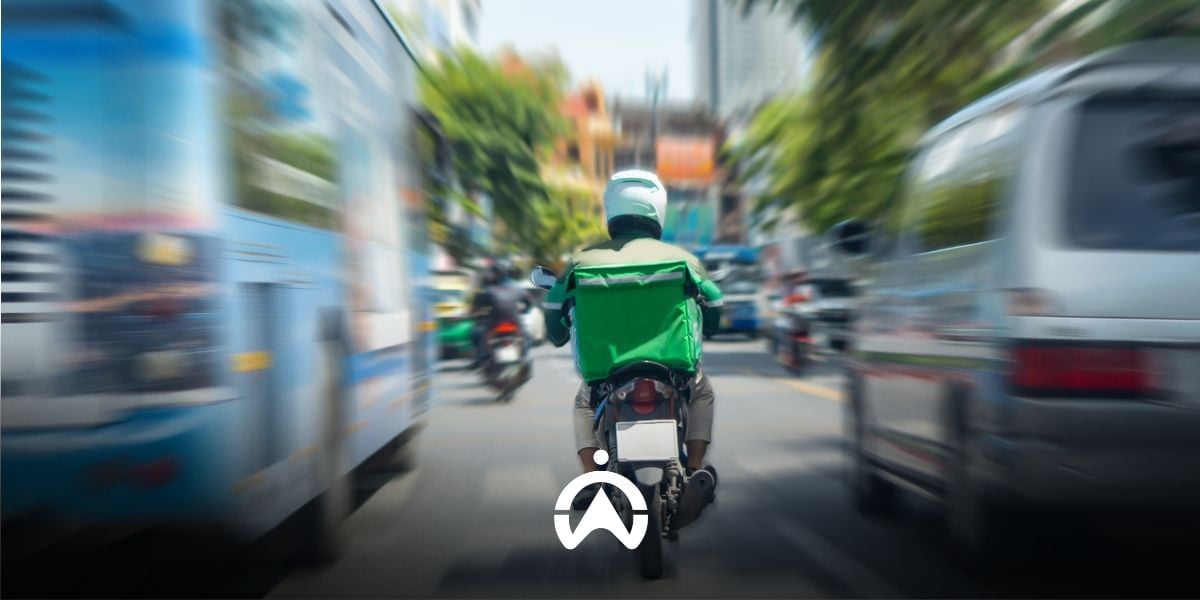
A motorcycle courier in a green uniform carries a package to identify the motorcycle's monitoring needs before installing a GPS tracker.

3. Costs according to budget

You can subscribe to Cartrack’s Bike Track motorcycle monitoring solution starting at IDR 150,000 per month per vehicle. This package enables various monitoring capabilities, including real-time location tracking, idling monitoring, driver behaviour analysis, and a range of reports. However, additional fees apply if you wish to add features such as MiFleet (cost management) and Delivery (delivery management).

Don't let your motorcycle fleet go unmonitored. Use Cartrack's Bike Tracker to monitor and manage your motorcycle fleet. Complete your information in the form on this page or click the WhatsApp button to connect with us directly.