
Know the types of heavy equipment based on its function

Heavy equipment plays a vital role in various sectors, from construction and mining to logistics. Each type of heavy equipment has its own specific function, and understanding these can help you choose the most suitable unit for a specific project.

On the other hand, the use of heavy equipment also requires proper fleet management to prevent operational costs from escalating and minimise downtime. Using Fleet Management System technology, you can comprehensively manage your heavy equipment fleet.

Types of Heavy Equipment Based on Their Function

There are many types of heavy equipment used for various needs, the following are the types of heavy equipment based on their function.

Heavy Equipment for Earthworks

Heavy equipment in this category is used for digging, moving, or leveling land. Some types of heavy equipment include:

1. Excavator

An excavator is a heavy equipment used for digging, trenching, and moving materials. This equipment has a boom, arm, and bucket, which are used to dig or move materials.

2. Buldoser (Bulldozer)

This tool is used to push soil, level areas, or clear land. The front of the bulldozer has a blade, which is used to push material during the leveling process.

3. Loader

As the name suggests, a loader is a tool used to move materials such as soil, sand, or gravel into trucks or other heavy equipment. There are many types of loaders, but they are generally equipped with a wide bucket at the front.

Read Also: How to Calculate Engine Hours and Why It's Important for Fleet Business
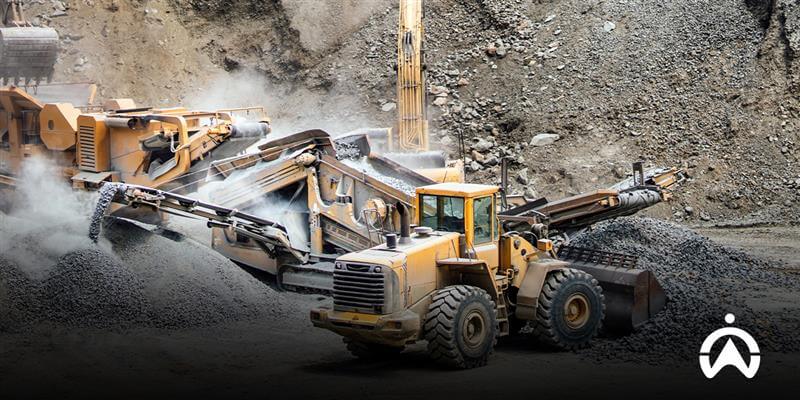
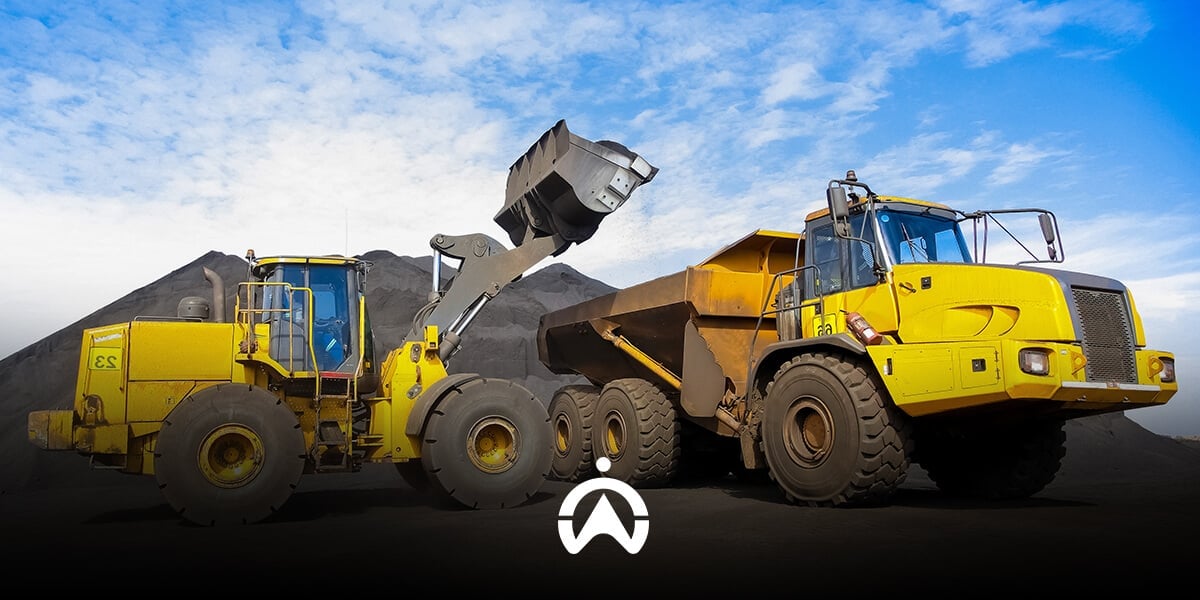
A yellow front loader type heavy equipment is moving gravel in the mining area based on its function.

Heavy Equipment for Material Transfer

The next type is heavy equipment that is used to lift and move materials in certain areas such as warehouses, ports, or construction areas.

4. Derek (Crane)

A crane is a machine used to lift and move materials vertically or horizontally. A crane has a boom, jib, and hook for attaching the object to be moved.

5. Forklift

A forklift is a tool used to lift and move pallets, boxes, or other items within a work area, such as a warehouse. The most prominent feature of this tool is the fork-shaped part, which can be raised and lowered as needed.

6. Telehandler

A telehandler is a combination of a forklift, with a distinctive fork-like front end, and a crane. The crane mast on this device allows for more flexibility than a standard forklift, making it suitable for a wider range of projects.

Construction Vehicles

Construction vehicles are heavy equipment used for various construction needs, such as dump trucks, cement mixer trucks, and tanker trucks.

7. Dump Truck

A large truck used to transport and move materials such as soil, sand, and rocks. The bed of this truck can be tilted to dump the material it is transporting.

8. Cement Mixer Truck

Concrete mixer trucks are equipped with special barrels for mixing and transporting concrete to ensure it remains fluid upon arrival at the project site. These trucks are equipped with a hydraulic system that allows the barrel to rotate continuously.

9. Tanker Truck

A truck equipped with a large tank to carry large quantities of liquids or gases. In construction projects, these trucks are commonly used to carry water for mixing cement or other liquid chemicals that may be needed during the project.

Heavy Equipment for Road Construction

The following are several types of heavy equipment commonly used in road construction projects.

10. Grader

A grader, or leveling machine, is a heavy piece of equipment used to level the ground or road surface at road or mining projects. The undercarriage of this vehicle is equipped with a blade that functions to level the ground.

11. Asphalt Paver

This machine is used to evenly spread asphalt on road construction projects. One of the key features of this heavy equipment is its hopper (asphalt reservoir) and auger (screw) for evenly spreading the asphalt.

12. Road Roller

The road roller's distinctive feature is the vibratory drum (a compacting cylinder) at the front of the vehicle. This drum allows the vehicle to compact asphalt that has been spread using an asphalt paver.

Heavy Equipment for Mining

Heavy mining equipment typically requires enormous lifting capacity and high durability. Here are some examples.

13. Mining Truck (Haul Truck)

Mining trucks are jumbo-sized trucks designed to transport enormous quantities of mining materials. These trucks are so large that they can carry up to 400 tons of material in a single trip.

14. Hydraulic Drilling Rig

As the name suggests, this tool is used to drill through soil and rock, both for mining and land clearing. This machine can move using a crawler (tracked wheel) which is suitable for mining sites.

15. Dragline Excavator

A specialised excavator typically used for digging in hard-to-reach, open areas. Unlike conventional excavators, which use hydraulic systems, this excavator uses a crane and cable system to lift its large bucket.

See Also: Heavy Equipment GPS to Prevent Misuse and Theft

Heavy Equipment Fleet Management Challenges

Heavy equipment operations are not only influenced by the selection of the right unit, but also various other challenges, such as:

1. High operational costs

Fuel is one of the largest expenses when your business uses heavy equipment for operations. Furthermore, maintenance costs, replacement parts, and repairs for unexpected damage are also potential significant expenses.

2. Downtime due to damage

Sudden unit failure will delay a project, especially if the damaged equipment plays a crucial role in the field. You could use another unit, which would also mean incurring additional costs to transport the unit to the site.

3. Difficulty in monitoring in the field

It's not uncommon for heavy equipment to be used in remote areas, making it difficult to monitor manually. When projects are conducted in rural areas, heavy equipment can potentially be used outside of working hours for side projects that are detrimental to the company.

4. Job security

The use of heavy equipment carries the risk of workplace accidents and violations of company regulations if not monitored. This will undoubtedly increase operational costs for fuel and maintenance.

5. Unit usage is not optimal

Another challenge in heavy equipment fleet management is uneven use of equipment, with some equipment being used frequently or infrequently. This can also be addressed with effective fleet management that maximises the use of all units.

See Also: 3 Benefits of GPS Trackers for Heavy Equipment Rental Companies
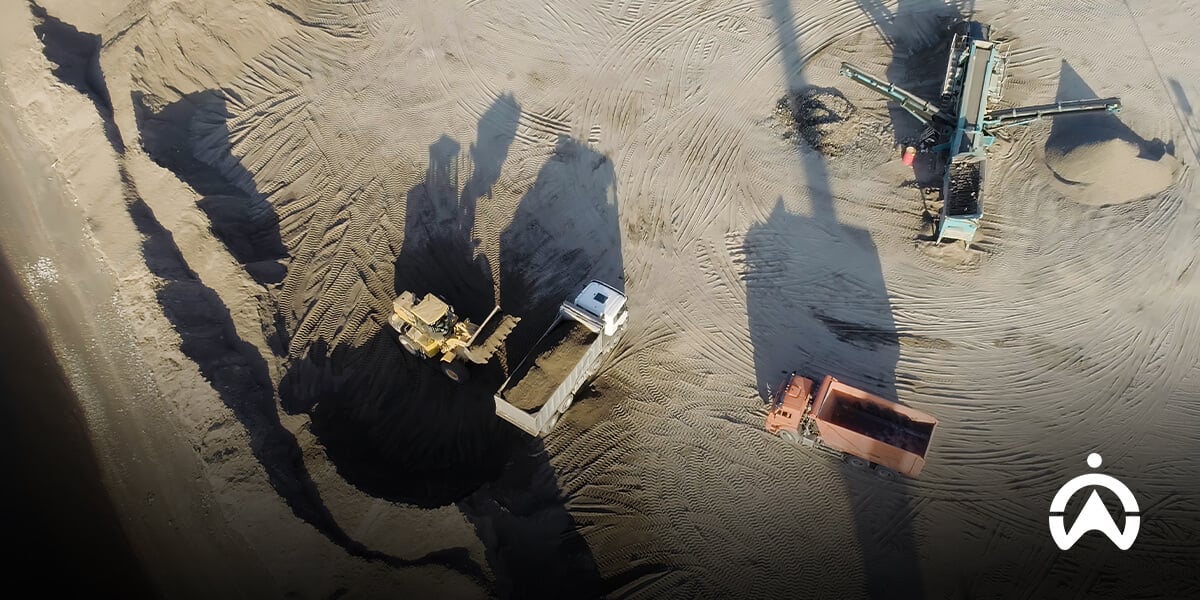
An aerial photo of a yellow excavator loading sand into a truck, showing one type of heavy equipment based on its function in the mining area.

Heavy Equipment Fleet Management from Cartrack

For companies renting various types of heavy equipment, or for companies owning multiple units, fleet management is certainly a challenge. Therefore, Cartrack offers solutions to every fleet management challenge.

Some of Cartrack's superior features for heavy equipment fleets include:

  • GPS Tracking: Real-time tracking of heavy equipment to prevent theft and misuse of vehicles.

  • Fuel Monitoring: Fuel monitoring to prevent fuel waste, misuse, and theft.

  • AI & Non-AI Camera: Camera solutions for visual monitoring of fleets to ensure vehicles are operating as they should.

  • Power Take Off Sensor: A special IoT sensor to ensure that heavy equipment does not move while it is working by using certain additional parts.

  • Cement Rotation Sensor: A special sensor to ensure the rotation of the drum on the cement mixer truck during the trip to the project location.

  • Tailgate Monitoring: Monitoring truck loading and unloading activities by tracking the tailgate activity of the rear door of the vehicle.

  • Driver Identification: A special identification mark to ensure that heavy equipment is only operated by authorised staff.

Easily monitor your various types of heavy equipment with Cartrack fleet management. Get comprehensive monitoring starting at IDR 150,000/unit/month, with prices varying depending on the package chosen and the number of vehicles.

Complete your personal data in the form on this page so that our staff can contact you to provide the best offer.
Truck Fleet Management: Logistics Company Efficiency Solutions

Truck fleet management is more than just making sure the fleet operates every day. You have to manage fuel, routine maintenance, breakdown service, to ensure on-time delivery so that operations continue to run smoothly.

Without a good fleet management strategy, your business could face financial losses and lose many customers. That is why you need a smart fleet management solution, such as the Fleet Management System.

What is Truck Fleet Management?

Truck fleet management is an operational vehicle management system that includes location monitoring, maintenance scheduling, fuel consumption, and driver performance.

This effort involves using software to help simplify fleet management processes. The goal is to improve efficiency, safety, and compliance with regulations related to operational vehicles.

Currently, fleet management itself refers to the use of GPS trackers and telematics for real-time vehicle monitoring. This internet-based system is better known as a Fleet Management System.

Read Also: What Is Fleet Management in Logistics?

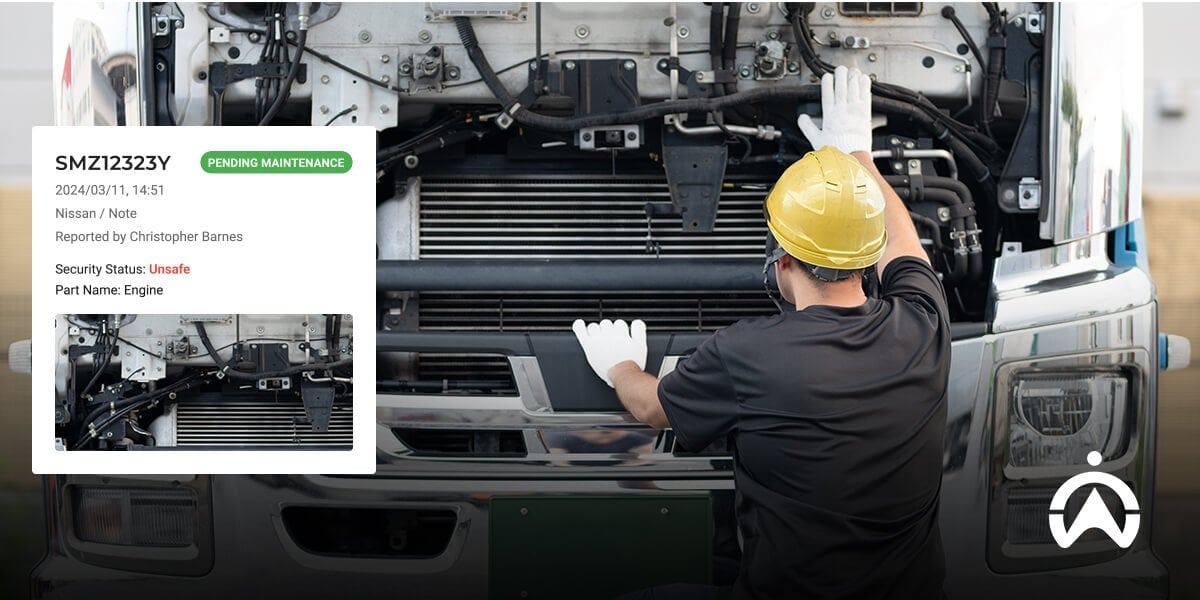
Mechanics check engines in logistics company truck fleet management for periodic maintenance reports.

What Are the Key Activities in Truck Fleet Management?

Following are some key activities that need to be implemented in fleet management for businesses and companies.

1. Vehicle monitoring

Vehicle monitoring involves using a GPS tracker to accurately determine the vehicle's location. This makes it easier for you to track the delivery's progress without having to contact the driver directly.

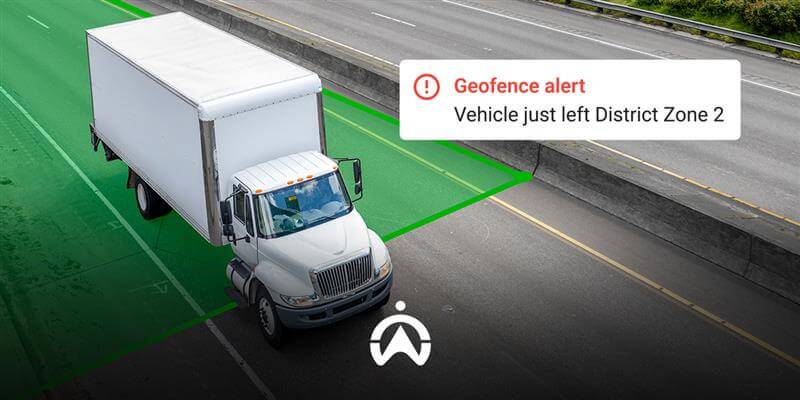
Selain itu, penggunaan   juga berkaitan dengan peningkatan keamanan, misalnya dengan fitur geofence. Ketika kendaraan dibawa kabur atau ketika pelacaknya dirusak, Anda juga akan langsung mengetahuinya.

2. Driver management and monitoring

Drivers need to be aware of many things, from their working hours and driving behavior to risky driving activities. Many drivers neglect their jobs due to a lack of monitoring.

Driving behaviors such as frequent speeding and sudden braking, or prolonged idling, can also impact fuel consumption. Meanwhile, activities like using a cell phone while driving can lead to accidents.

3. Fuel management

Fuel is one of the company's largest operational expenses and is also highly susceptible to wastage due to various factors. One of the biggest contributing factors is driver behaviour.

In addition, fuel is also vulnerable to fraud, such as manipulated fuel purchases. Cases of fuel theft are also common, and in some cases, truck drivers themselves are responsible.

4. Fleet maintenance & service

In addition to damage caused by unexpected accidents, companies often face other expenses related to sudden breakdowns. This is often due to a lack of regular truck maintenance and long working hours.

Unexpected repairs can be reduced by focusing on preventing vehicle breakdowns through regular inspections and maintenance. Not only is maintenance management cost-effective, but it also improves productivity while minimising downtime and failed deliveries.

5. Operational cost management

Fleet operating costs include fuel, maintenance and repairs, tolls, insurance, traffic tickets, and so on. Without proper bookkeeping, your expenses will be difficult to track and efficiency will be difficult.

Truck fleet management includes managing these expense records for future audits and evaluations. You can limit unproductive spending and optimise efficiency.

6. Safety & regulatory compliance

Another important aspect of truck fleet management is safety and regulatory compliance. For example, efforts to minimise accidents can be made by monitoring driver activity while driving.

In addition, there are specific regulations you need to comply with to ensure your operational vehicles can run without violating any rules. One example is the mandatory vehicle roadworthiness test (KIR), which must be carried out every six months but is often overlooked due to a lack of reminders.

7. Performance reporting

Every month, you need to monitor whether operations are running smoothly overall. Therefore, you need data containing all information about vehicle performance, drivers, activities, and routes traveled.

You can use this data going forward to identify potential waste, ineffective performance, or problematic drivers. This way, you can make strategic decisions for better operations and maximise efficiency.

Benefits of Implementing a Fleet Management System for Trucks

By implementing truck fleet management, you can get various benefits as follows:

1. Maximise efficiency

One of the main benefits of implementing truck management is increased efficiency. This can be seen in fuel consumption, routine maintenance, and faster and more efficient delivery times.

2. The location of the vehicle can be known with certainty

You no longer have to guess where your shipment is, because you can check it in real time on the monitoring platform. This monitoring is also useful for detecting vehicle theft or misuse.

3. Increased security of fleet and goods

Fleet management also enhances the security of your fleet and goods, for example, by providing notifications when a vehicle is started without authorization. Or by setting up geofences, which allow you to receive notifications when a vehicle leaves the work area.

4. Facilitate regulatory compliance

Implementing truck management will also make it easier for you to comply with regulatory requirements. For example, implementing safe driving practices, maintaining vehicle maintenance, and conducting routine roadworthiness tests on time.

5. Data analytics for business decisions

If done correctly, you'll have data and information about vehicle operations. This data can then be used to make strategic decisions for your company.

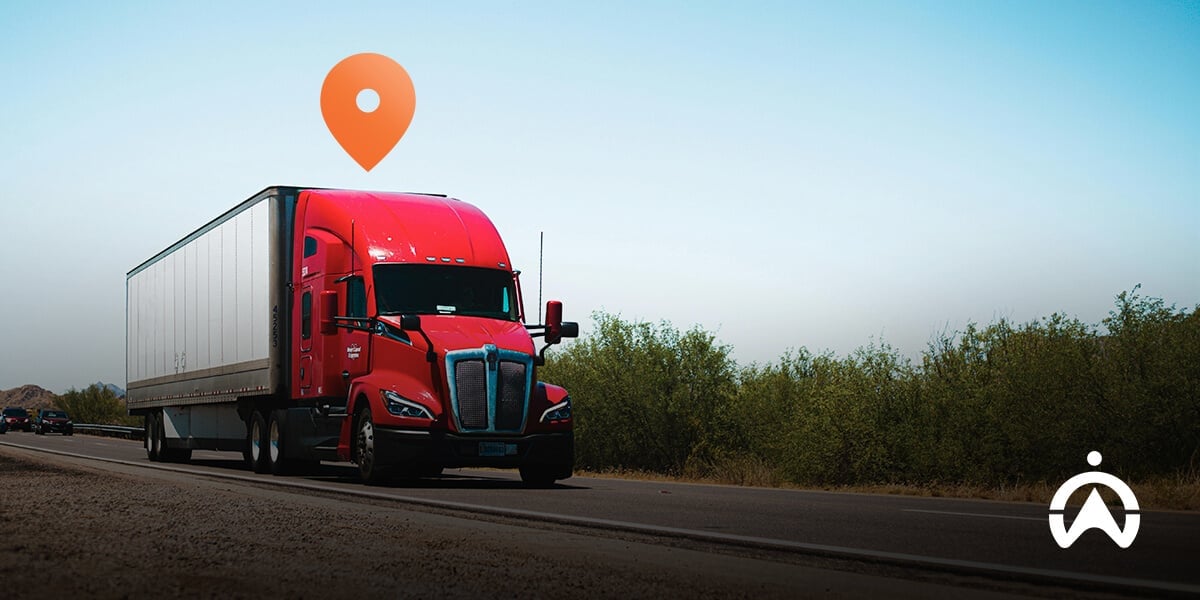
A red container truck drives on a toll road with a GPS icon as an efficient solution for logistics truck fleet management.

Cartrack Fleet Management System for Truck Fleet Management

Using a Fleet Management System will help you simplify the entire truck fleet management process. This way, you can achieve efficiency and reap all the benefits.

Cartrack's Fleet Management System offers a comprehensive solution for managing your operational fleet, namely:

  • GPS tracker: Real-time vehicle location tracking with geofence feature to detect suspicious activity.

  • Fuel Monitoring: Fuel monitoring with a fuel floater, fuel probe, or CANBus to detect waste and theft.

  • AI & Non-AI Camera: Fleet and driver camera monitoring with AI technology that can provide voice alerts when it detects risky activity.

  • Delivery: Delivery management to simplify scheduling, task allocation, route optimisation, and delivery tracking.

  • Maintenance: Fleet maintenance management, including routine maintenance, service scheduling, and accident reporting directly from the driver app.

  • Mi-Fleet: Cost management to document expenses for various operational needs, ranging from fuel, insurance, tolls, and so on.

  • Driver Scorecard: Driver assessment using scores to identify driving behavior.

  • IoT Sensor: Several sensors that can be added to trucks include Temperature Sensor, Cargo Door Sensor, and Power Take Off (PTO) Sensor.

  • Start Prevent: A theft solution that works by turning off the starter when the vehicle is turned off so it cannot be started again.

  • Panic Button: Panic button to notify the control room that there is an emergency such as robbery and so on.

Cartrack's Fleet Management System for trucks starts at Rp 150,000 per unit per month. This price includes the cost of the equipment, free installation, and training, but may increase depending on additional features desired.

Simplify your truck fleet management with Cartrack today. Fill in your details in the digital form on this page, and our team will get in touch with you to provide the best offer.
Understanding the Use of SIM Cards for GPS Trackers

Many people may not realise that GPS trackers are closely linked to the use of a SIM card. Without this card, you may not be able to track your vehicle in real time, even if its location is known to satellites.

This time, we'll discuss SIM cards for GPS trackers, which are crucial for vehicle tracking. How are they different from the cards we typically use in smartphones, and how do they work?

Why Does a GPS Tracker Need a SIM Card?

Before discussing further, we need to know first how GPS tracking devices work.

To determine a vehicle's location, at least five satellites must transmit signals that reach the vehicle's location. These signals are then received by the tracker, which can then determine the vehicle's position.

To allow you to access the data online, the tracking device uses an internet network to transmit data to the server. The data from the server can then be accessed in real-time via a Fleet Management System monitoring platform or dashboard.

See Also: What is a GPS Tracker? Read on to learn more!

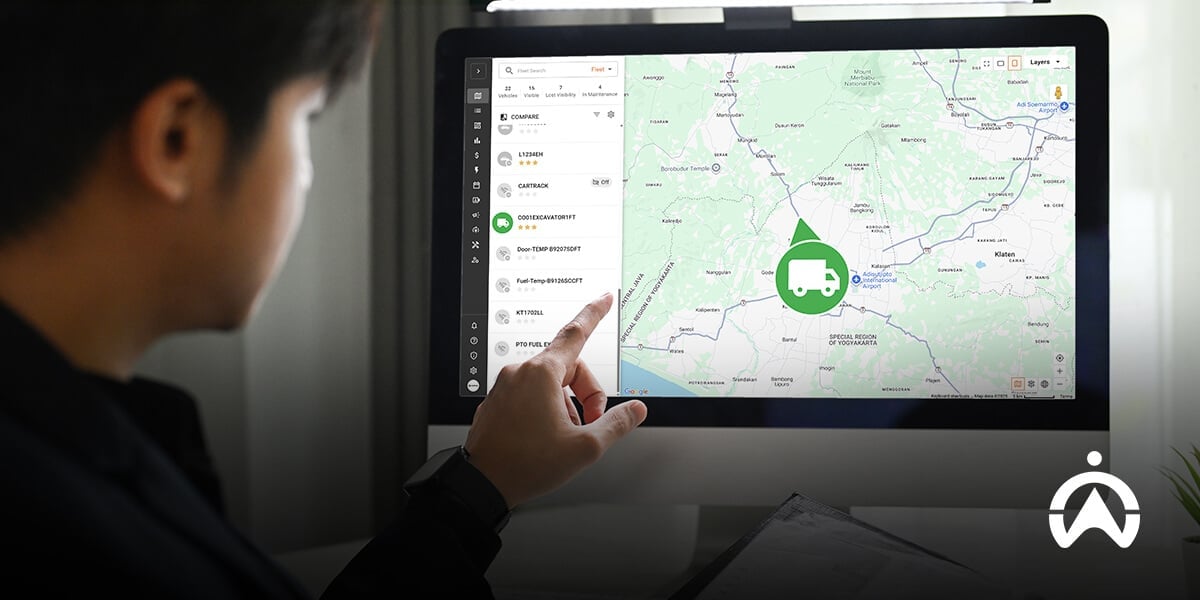
A person points to a computer screen displaying a fleet tracking map using a SIM card for a GPS tracker.

SIM Card for GPS Tracker

So, is the card used the same as the one we use in a smartphone? The answer is no. The card for a GPS is a specialised SIM designed for Internet of Things (IoT) and Machine-to-Machine (M2M) requirements.

Unlike smartphone SIM cards, which are used for human communication, SIM cards for GPS trackers focus on machine-to-machine communication. These cards allow devices to perform automation without human intervention.

For example, with GPS tracking, a SIM card allows the tracking device to automatically send data to a server. This allows location data to be tracked and settings such as notifications to be sent automatically.

Is the SIM Card for the GPS Tracker Sold Separately?

Purchasing a GPS tracker device doesn't always come with a data plan or credit to send data to the server. Often, you'll need to purchase a separate SIM card for the GPS and manually pair it with the device.

Some GPS tracking device providers offer free SIM cards and credit for a limited period. After that, you'll need to top up your SIM card yourself and ensure it's always active and has credit or data available.

Challenges of Managing SIM Cards and Credit

When purchasing a tracking device without a card and data plan, many people try using a regular SIM card. This option may seem cheaper at first glance, but it actually has its own drawbacks, such as:

  • Quota or credit runs out without you realizing it: The card must always be topped up so that GPS location data can still be accessed remotely.

  • Signal constraints: Signal quality for use   may differ from the signal quality on a regular SIM card.

  • Administrative burden: With cards that are not automatically always active, your team will need to manually check for active periods, balances, and quotas.

  • Unpredictable costs: Using data plans that are not specifically designed for IoT needs will make expenses more unpredictable.

Also Read: Best Car GPS from Cartrack

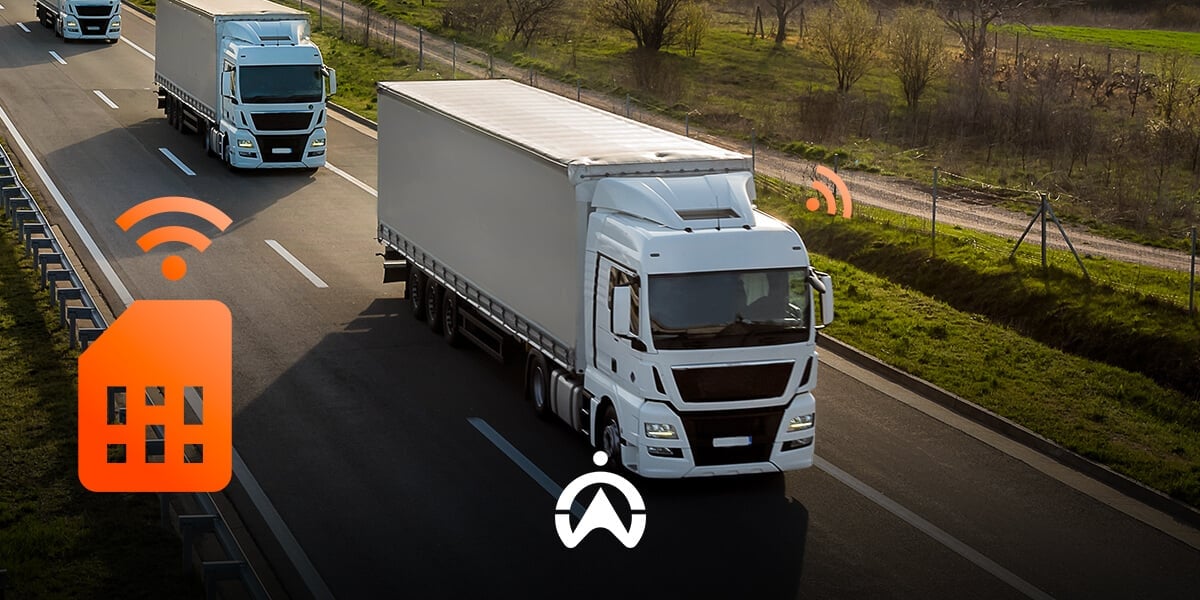
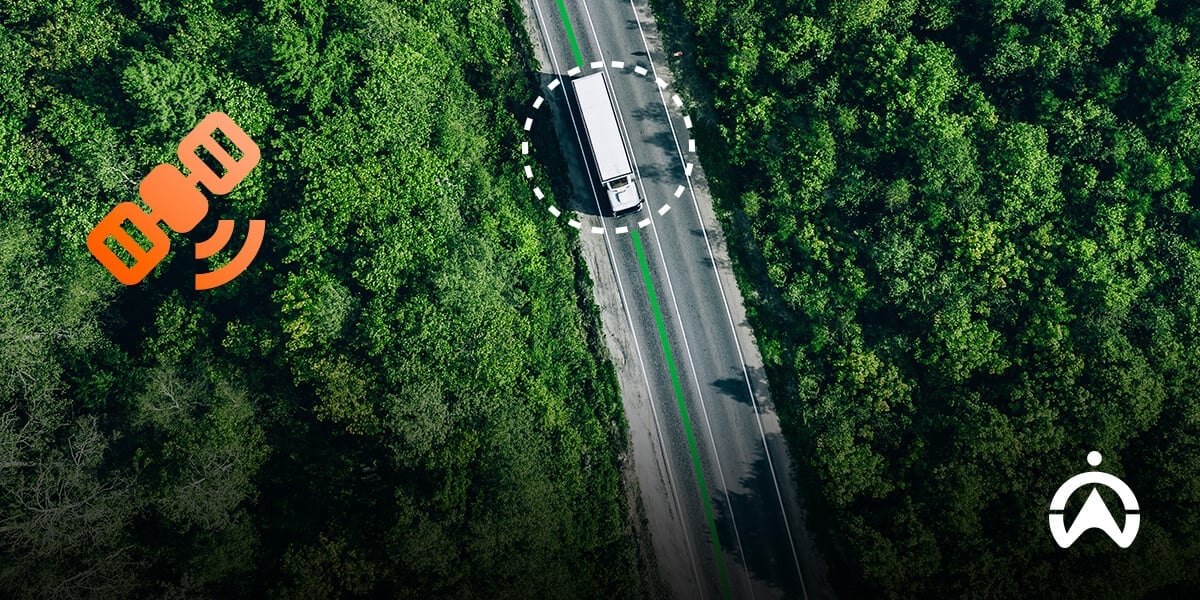
Aerial view of a truck on a forest highway connected to a car GPS tracker signal.

Cartrack GPS Tracker Subscription Free Internet Quota

Cartrack offers a different solution for GPS trackers: a subscription rental system that includes internet data. You don't have to worry about topping up your phone credit or data plan, as it's included in the subscription.

You'll also receive the tracking device without any additional costs. Furthermore, Cartrack provides free installation by our technicians.

With every subscription package purchase, you'll also receive software training from the Cartrack Trainer team. This training can be online or offline, depending on agreement and availability.

Other fleet management solutions from Cartrack that you can also add to your subscription package include:

  • Fuel Monitoring: Monitoring vehicle fuel using a fuel floater sensor, fuel probe, or CANBus.

  • AI & Non-AI Camera: Visual monitoring of drivers and fleets that allows you to live-stream video from cameras during the trip.

  • Delivery: Delivery management solutions, from scheduling, courier/driver assignments, to progress tracking.

  • Mi-Fleet: Expense management software that makes it easy for you to document expenses for various needs.

  • Maintenance: Simplify scheduling routine maintenance and receive instant reports from drivers about accidents and repair needs.

  • CarPool: Vehicle booking management that allows you to schedule the use of each vehicle.

  • Driver Scorecard: A system that scores drivers based on their driving behavior so you can identify drivers who need training.

For those of you who would like to find out more about fleet management solutions from Cartrack, please complete your details in the following form. Our staff will then contact you to provide an overview and the best quote for your requirements.

Also Read: Recommendations for the Best GPS Applications for Trucks

8 Causes of Inaccurate GPS and How to Fix Them

When you use Google Maps, there are times when your location is inaccurate, or the navigation to your destination is inaccurate. This can easily lead to you taking the wrong route and getting lost on dead ends or impassable paths.

The same thing may also happen when you use a GPS tracker to monitor operational vehicles. At times, the vehicle's location may not be accurate due to the inherent limitations of GPS technology itself.

Knowing How GPS Works

GPS location determination uses the principle of multi-location, where location is determined by collecting data from at least five satellites. A car's GPS device receives and reflects satellite signals back to determine its location.

In a fleet management system, the telematics device installed in a vehicle is equipped with a SIM card. This allows the device to transmit data to a server, making the information accessible in real-time via the fleet management dashboard.

Read Also: The Best Car GPS from Cartrack

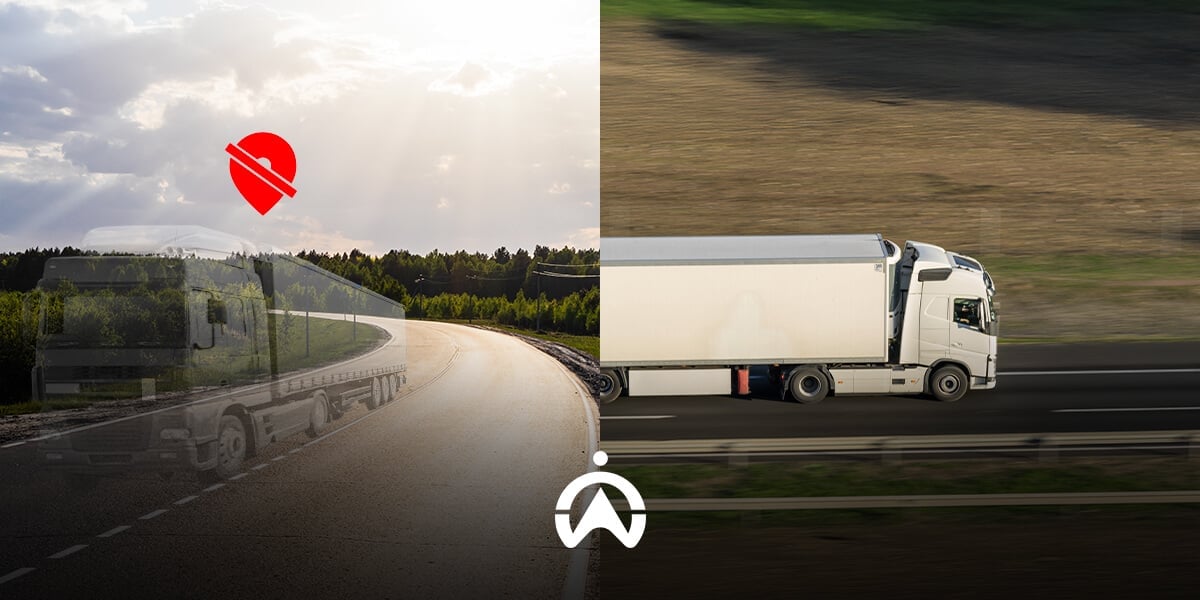
The white van was passing through a dark tunnel which triggered an inaccurate GPS problem due to signal loss.

8 Causes of Inaccurate GPS

There are several reasons why determining location with GPS becomes inaccurate or is hampered, namely:

1. Physical barriers

When you're in a location surrounded by buildings or bridges, signals can be obstructed or multi-pathed due to reflections. This can cause inaccurate location, as the reflected signals are also sent as data to the satellite, causing confusion.

2. Location indoors or in the basement

Being indoors also blocks GPS signal reception due to the concrete structure of the building. The same thing happens when you're in a building's basement or walking through a tunnel.

3. Cellular network problems

  Fleet monitoring uses the internet to send location information to a cloud server. When cellular networks are problematic, location data transmission may be delayed, resulting in inaccurate locations.

4. Cold start

A cold start occurs when a device is reactivated after a period of inactivity. The system typically needs time to download data from satellites to provide an accurate location.

5. Armored vehicles

Some types of vehicles have metal coatings, such as armored police tactical vehicles (rantis). This metal can interfere with the satellite signals needed by tracking devices to determine location.

6. Use of GPS blocker/jammer

Certain devices, such as GPS blockers or GPS jammers, can also prevent a vehicle from being tracked by GPS systems. If you track a vehicle with these devices installed, you won't be able to monitor it on a digital map.

7. Not enough satellites

GPS devices typically receive more than five satellites to accurately determine their position. Occasionally, satellites undergo maintenance or change direction, leaving certain areas out of range, causing GPS inaccuracies.

8. Problems with the device

Reason   Another possible cause of inaccuracy is a problem with the GPS device, such as a dead battery or other damage. You should check the device or notify your service provider for immediate attention.

Read Also: Understanding GNSS Navigation Systems and How They Differ from GPS

How to Fix Inaccurate GPS

Inaccurate GPS on smartphones and on GPS tracker monitoring dashboards can generally be resolved in the following ways:

1. Make sure the GPS feature is active

If you're using GPS navigation on your smartphone, first make sure the GPS or Location feature is enabled. If this feature isn't enabled, your device won't be able to receive signals from satellites and won't be able to use the navigation feature.

2. Check the internet network

Without an internet connection, applications like Google Maps can only be used within specific, pre-downloaded areas. Meanwhile, GPS trackers for fleet management use the internet to send location data to the server.

3. Update the application

If you don't have automatic app updates enabled, try manually updating GPS apps like Google Maps. Outdated software can often cause errors and bugs.

4. Hapus cache

If it still doesn't work, select the "Settings" menu on your smartphone, select the navigation app (Google Maps, Waze), then select clear cache. This will remove the app's usage "junk," making it run more smoothly and smoothly.

5. Enable high accuracy mode

You can also improve accuracy by enabling high accuracy mode in the location settings. This mode will increase accuracy by collecting data from cell towers (BTS), Wi-Fi, and Bluetooth in addition to location data from satellites.

6. Turn off battery saving mode

When you use battery saving mode, some features may be reduced in performance, including GPS or "Location." This will result in inaccurate positioning and possibly lead to "lost" navigation.

7. Go to an open place

When you're near tall buildings, in tunnels, or in basements, you'll naturally have difficulty picking up satellite signals. The only way to get an accurate location is to get out into the open and away from tall buildings.

8. Check for device damage

Finally, if the GPS is still inaccurate, you should check both the GPS device and the smartphone for possible damage. You may need to restart the device or possibly require a repair that involves disassembling it.

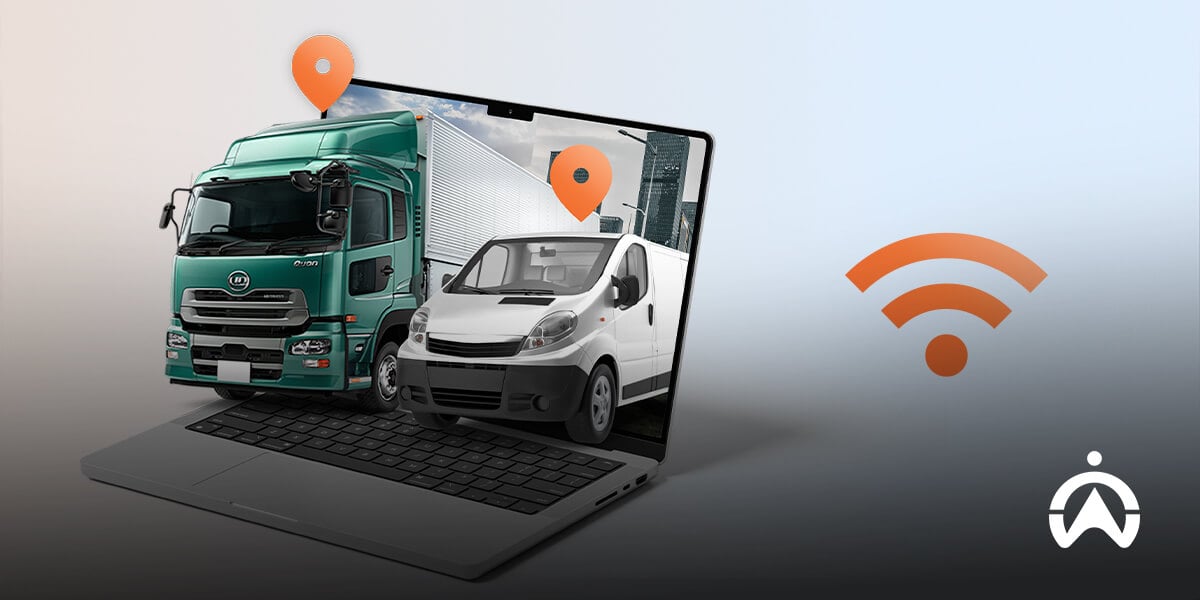
Illustration of vehicle tracking with trucks and vans coming out of a laptop screen, illustrating a solution when GPS is inaccurate.

High Accuracy GPS Tracker Recommendations from Cartrack

For fleet management needs, you need GPS tracker with high accuracy for optimal monitoring. You can use the GPS tracker which is part of Cartrack's Fleet Management System.

Some of the advantages of the GPS Tracker from Cartrack are:

With subscription rental prices starting at Rp150,000/month/unit, you won't be charged for the device or installation. You'll also receive a one-month internet quota and software training from the Cartrack team.

Furthermore, you can incorporate additional features such as fuel monitoring, AI or non-AI cameras, delivery management, and more. Provide your details in the form on this page to receive the best offer from the Cartrack team.

Temperature Sensors for Cold-Chain Logistics Fleets

Temperature sensors are key to preventing significant losses for companies, especially those in cold-chain logistics. Imagine if your food or medicine shipments were damaged simply because the temperature inside the cargo wasn't monitored.

Not only is there a financial loss from having to replace the product, your business reputation is also at risk because customer trust can be lostTherefore, you need to use a temperature sensor integrated into your fleet management system.

What is a Temperature Sensor?

A temperature sensor is a device that detects, measures, and displays the temperature of an object or environment. The data displayed on this device can be either analog (using a needle) or digital (numerical).

This device isn't just for measuring temperature; it can also be part of a specific related system. For example, a temperature sensor in an air conditioner for automatic temperature adjustment or a machine security system that can sound an alarm if the temperature reaches a certain limit.

Temperature sensors also play a crucial role in fleet management, particularly in cold-chain logistics fleets, where temperature stability is crucial. These systems can provide automatic notification if there is a significant temperature change that could potentially damage the product.

How does it work?

Temperature sensors work by responding to temperature changes and converting them into electrical signals, which are then translated into data. To detect these temperature changes, some sensors involve direct contact with the object, while others don't.

Types of temperature sensors that involve direct contact include thermocouples and thermistors. Meanwhile, sensors that don't require direct contact with an object include infrared sensors, which are often used to measure human body temperature.

Use of temperature sensors in IoT systems This allows data to be sent to a server for access on the system dashboard. Furthermore, the data can be processed to activate specific automation, such as alerts for temperature changes within a certain range.

Monitoring the quality of tomatoes and watermelons using laptops and temperature sensors for cold-chain fleets.

Why Temperature Sensors Are Important for Companies

The use of temperature sensors is very important for companies because it is related to various things, such as:

1. Maintain product quality

In industries related to food, beverages, pharmaceuticals, and other cold-chain logistics, temperature stability significantly impacts product quality. Without temperature control, products can be damaged or rot by the time they reach their destination.

For example, when shipping tropical fruits like bananas, they may ripen during transit. If the cargo temperature rises, the ripening process will accelerate, which is not ideal for supermarket stock.

2. Regulatory compliance

If you want to expand your business internationally, there are international regulations and standards you must comply with regarding temperature monitoring. Failure to comply with these regulations could result in sanctions, loss of your operating license, and damage to your reputation.

The Guidelines for Good Distribution Practice (GDP) and Hazard Analysis and Critical Control Points (HACCP) are examples of globally applicable standards. Cold chain businesses generally use these standards in their operations.

3. Early detection of technical problems

Using a temperature sensor can also help you detect problems with your cold truck. Sometimes, the temperature of cold cargo can fluctuate due to factors such as loose doors or a faulty cooling system.

By knowing the abnormal temperature changes, you can identify technical issues more quicklyThis way, you can quickly find a solution to ensure smooth delivery and avoid losses due to product damage.

4. Operational Efficiency

There are situations where refrigerated cargo experiences excessive cooling, resulting in increased fuel consumption. One cause is the difference in temperature outside the cargo and the regulated temperature inside.

Overcooling often goes unnoticed due to various factors in the field. Temperature sensors help you detect signs of overcooling so you can adjust the temperature as soon as possible. to avoid waste.

5. Customer security and trust

By monitoring temperature, you not only ensure goods reach their destination but also ensure their quality is maintained. You can also register your business for recognition for meeting certain international standards.

This will gain the trust of existing customers and attract new ones. Your brand will be strengthened, and your company's reputation will improve, especially when compared to other companies in the same industry.

Also Read: Getting to Know the Internet of Things (IoT), How It Works, and Examples of Its Use

Use of Temperature Sensors in Fleet Management

Temperature sensors are used not only in everyday life and manufacturing, but also in logistics fleets. Some of their uses include:

1. Cargo temperature monitor

In cold-chain logistics, temperature stability during shipping significantly impacts the quality of the product being shipped. The use of temperature sensors helps drivers and delivery managers ensure product quality.

By ensuring product quality is maintained until it reaches its destination, you'll avoid potential losses due to damaged goods. You can also take immediate action if your cold truck experiences problems with its cooling system.

2. Real-time alerts

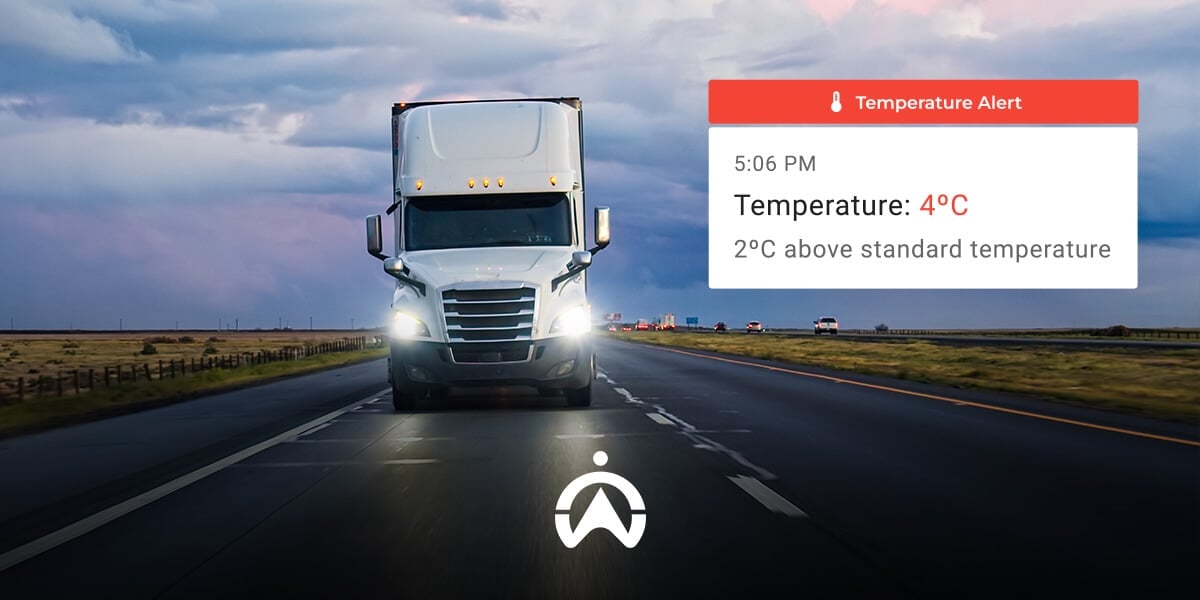
As part of fleet management, temperature sensors can also be used to automate reminders or notifications. This way, you can detect if the vehicle's cargo temperature increases or decreases below the ideal temperature during a trip.

The IoT sensors used in the Fleet Management System are connected to the internet, allowing data to be accessed remotely. This system also enables automation and instant notification.

3. Data integration with Fleet Management System

The Fleet Management System allows you to monitor your vehicles comprehensively, including using sensors. Internet connectivity also allows remote access to temperature sensor data.

Additionally, by integrating temperature sensors with fleet management, you can also receive monthly, daily, or weekly reports. This data can be used for policy analysis, performance evaluation, and more.

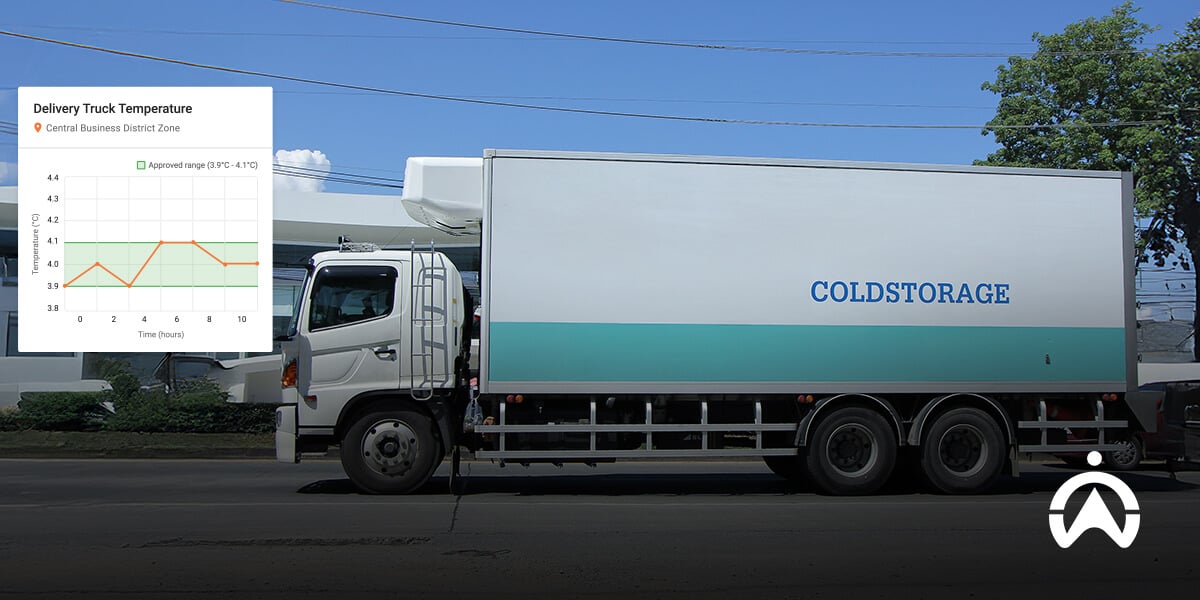
Cold-chain logistics trucks parked on the road with temperature monitoring graphs from the fleet's temperature sensors.

Temperature Sensor in Cartrack's Fleet Management System

One of the additional features you can add to Cartrack's Fleet Management System is a temperature sensor. This device is installed directly in the cargo area of ​​your fleet and connected to Cartrack's telematics system, allowing you to access the data from your dashboard.

To detect temperature changes based on cargo door opening and closing activity, you can also add a cargo door sensor. Furthermore, several other features that are equally important for comprehensive fleet monitoring include:

  • GPS Tracker: GPS tracker to find out the location of the vehicle in real-time, making monitoring easier.

  • Fuel Monitoring: Fuel monitoring using 3 types of fuel sensors according to the needs and type of vehicle.

  • AI & Non-AI Camera: Visual monitoring with dashcams and fleet cameras with or without AI technology.

  • Delivery: Delivery management solution to simplify task allocation, delivery scheduling, and route optimization.

  • Maintenance: Helps you to schedule and record routine maintenance and receive accident reports and repair requests from the driver app.

  • Driver Identification: An identification feature to ensure that only certain drivers can use authorised vehicles.

  • Panic Button: A panic button that drivers can use to notify the company if there is an emergency on the road.

All of these features will be connected into one system, so your fleet monitoring will be centralized in one system. Fleet Web monitoring dashboard, you can easily access all features and view data in real-time.

Price and How to Subscribe

You can choose the temperature sensor feature for free when you subscribe to Cartrack's Fleet Management System. Starting at Rp220,000, you'll get two additional features, installation fees, and a monthly internet quota.

Complete all your cold-chain fleet management needs with Cartrack and ensure product quality is always maintained. Fill in your personal details at the form on this page so that our staff can offer the best products and services from Cartrack for you.

Benefits of GPS Tracking for Electric Vehicle Companies

The trend of electric car adoption among businesses and corporations has increased in recent years. This is driven by demands for operational cost efficiency and the sustainability targets companies must achieve annually.

However, this transition presents new challenges for companies, from managing mileage to security risks. Therefore, using a GPS tracker for electric cars is no longer an option, but a necessity.

Why Electric Cars Need GPS Trackers

Managing an electric vehicle can be challenging due to its different characteristics than conventional cars. Here are some reasons why electric cars need a GPS tracker.

1. Vulnerable to theft

Despite their high purchase price, electric cars are equipped with sophisticated built-in security systems. However, company electric cars remain vulnerable to theft, especially since they operate without a physical key.

2. Complicated battery management

Another challenge with electric vehicles is battery management, as charging stations aren't always nearby. Route adjustments are necessary to prevent the car from running out of battery while far from a Public Electric Vehicle Charging Station (SPKLU).

3. Operational efficiency is more sensitive

One of the advantages of electric cars is their fuel efficiency and environmental friendliness. However, if used without proper route planning, the vehicle will require more frequent battery charging, which is certainly inefficient.

4. More expensive maintenance

Not only are electric cars relatively expensive to purchase, but maintenance can also be expensive if serious damage occurs and parts need to be replaced. Therefore, you need to pay attention to your driving habits and maximise preventive maintenance.

Also Read: GPS for Electric Motorcycles: Benefits of Using It for Business

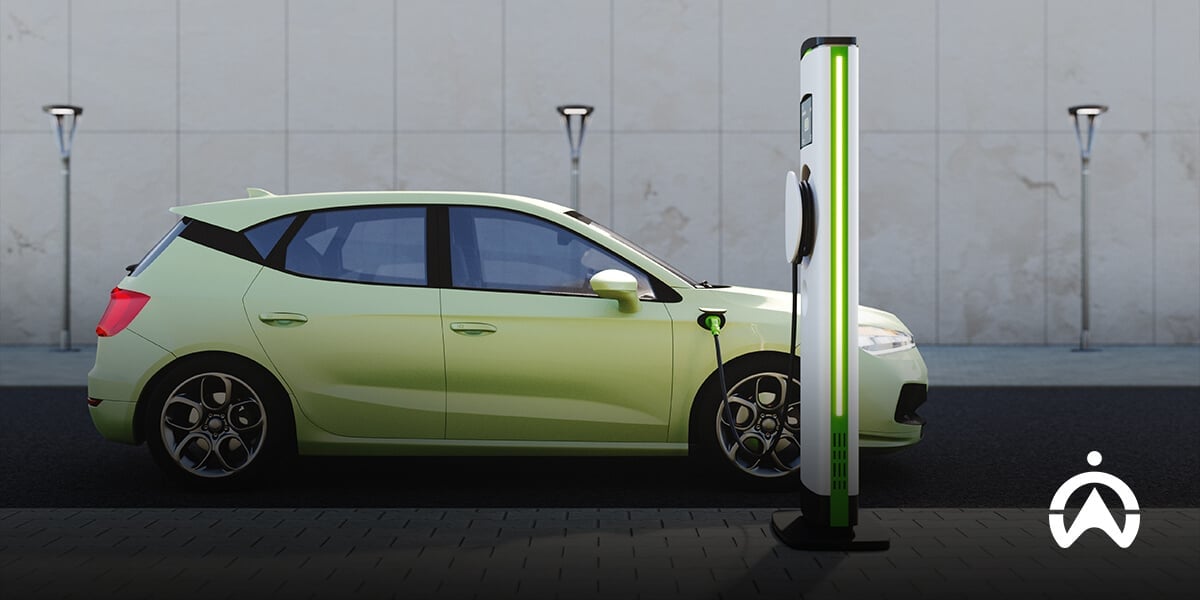
Company electric car charging at modern roadside charging stations.

How GPS Trackers Help Manage Electric Cars

GPS trackers are generally part of a Fleet Management System, which not only provides tracking but also includes fleet telematics. Some features that can help you are:

1. Real-time location tracking

This feature allows you to know the exact location of each company's electric vehicles. The GPS tracker is the foundation for other features such as route planning, geofencing, and so on.

2. Battery status monitoring

Furthermore, existing fleet telematics also makes it easy for you to remotely monitor your vehicle's battery status. This way, you can know which vehicles need to go to the nearest service station (SPKLU) or charging station.

3. Route optimisation

GPS trackers also allow you to optimise routes so your vehicle can reach more destinations with the available battery. This will undoubtedly increase efficiency in both time and electricity.

4. Maintenance reminder

The built-in telematics GPS tracker makes it easy to schedule and set reminders for your electric car's maintenance. Not only maintenance, but also regulatory requirements like vehicle inspections, driver's licenses, and vehicle registrations can be set up.

5. Prevent theft

To prevent theft, you can set up notifications if your vehicle leaves a geofence, as this could indicate theft. You can also activate notifications if the vehicle is started without authorization to detect theft early.

Also Read: Best Recommended GPS Applications for Trucks

Benefits of Using Electric Car GPS Trackers for Companies

So, how can using a GPS tracker benefit your business or company? Read on for the explanation.

1. Operational cost efficiency

One of the advantages of using a GPS tracker for electric cars is the route optimisation feature. With an optimised route, you can minimise charging frequency, maximising efficiency.

2. Productivity

Optimal route planning will also directly impact vehicle productivity by reducing downtime caused by battery charging. Vehicles can reach more destinations with optimally planned routes.

3. Data transparency

GPS trackers and telematics devices will record all vehicle travel history and activity. This will facilitate audits and evaluations, providing reliable data for decision-making.

4. Asset security

Vehicle tracking can be an added security feature for your electric car. You can also enable notifications to detect if the vehicle leaves a designated area, starts up without authorization, or fails to arrive at its destination on time.

5. Driver performance evaluation

In addition to the vehicle, the driver's driving behavior is also a crucial factor in determining the vehicle's lifespan. You can receive driver performance reports that can serve as educational resources on the importance of good driving behavior.

Users monitor their carbon footprint via smartphone to see the benefits of GPS trackers for the company's electric cars.

Cartrack's Recommended GPS Tracker for Electric Cars

Cartrack offers a Fleet Management System solution with a GPS tracker that you can rely on to manage your company's electric vehicles. Some of the advantages of Cartrack's GPS tracker are:

  • Real-time GPS tracking

  • Vehicle trip history

  • Geofence Configuration (work zones/restricted zones)

  • Detect aggressive driving behaviour (harsh braking, rapid acceleration and sharp cornering)

  • Security notification

  • Automatic and periodic reports

  • Access dashboard via web & app

  • 24/7 customer support

Not only that, you can also add various other features according to the needs of each fleet, such as:

  • AI & Non-AI Camera: Visual monitoring with cameras to know the condition of the vehicle and driver in real-time.

  • CANBus: Battery monitoring with 90–95% accuracy, data will be recorded in the system and can be accessed via reports.

  • Maintenance: Maintenance scheduling with additional applications for drivers to make it easier to report damage due to accidents.

  • Driver Scorecard: Driver assessment based on driving behavior that can be used as performance evaluation material and also educational material.

Price and How to Subscribe

Cartrack's electric car GPS tracker starts at Rp140,000 per unit per month. You'll receive free hardware and installation, a monthly internet quota, and hands-on software training from the Cartrack team.

Simplify your electric car fleet management with Cartrack and avoid operational waste. Complete your personal details in the form on this page so our staff can contact you with information and attractive offers.

Read Also: The Best Car GPS from Cartrack