
How Aggressive Driving Can Affect Fuel Efficiency

What is fuel efficiency?

Fuel efficiency refers to the distance a vehicle can travel with a given volume of fuel and is measured in liters per 100 km. The higher the litres per km travelled, the better the vehicle's fuel efficiency. Some of the most important factors to consider when it comes to fuel consumption and efficiency are driver behaviour and the vehicle's well-maintained condition.

How can someone be categorised as an aggressive driver?

Any driving behaviour will naturally affect the longevity of a vehicle and incur costs, but what sets aggressive drivers apart is the amount of fuel they waste and the increased damage they can cause in a shorter period of time. To avoid aggressive driving, you first need to know the signs of such behaviour, so let's take a look:

Sudden or hard braking: Hard braking can cause a vehicle to use up to 30% more fuel. Why? Because the vehicle's transmission, when shifting to a lower gear to regain lost momentum, requires more fuel.

Idling the engine for too long: Leaving the engine running while the vehicle is stationary for even a minute can consume more fuel, especially in heavy goods vehicles; this is according to research conducted by the Transport Research Laboratory. Idling the engine when it is not needed can also cause greater wear and tear over time.

Rapid acceleration: Accelerating a vehicle from low speed to high speed in a short time requires more energy than steady acceleration, this causes rapid fuel consumption rather than economical fuel use.

Warming up the engine: Drivers tend to warm up their cars in cold weather by warming up the engine. Since the vehicle isn't moving toward its destination, fuel used to warm up the engine is wasted and can significantly increase fuel costs.

Mengemudi dengan beban beratDriving with a heavy load: Sometimes, we tend to overload our vehicles to limit travel time, whether it's cargo for delivery or luggage on the way to vacation. Overloaded vehicles not only consume significant fuel but also increase road safety risks, as drivers struggle to brake suddenly, and cargo is more prone to tipping over during travel.

Additionally, overloading a vehicle reduces tyre pressure, causing it to overheat. This leads to higher fuel costs, as under-inflated tyres can reduce fuel efficiency.

Ignoring maintenance signs: Ignoring important dashboard signs, such as the oil level, will cause the engine to work harder due to lack of lubrication. This will result in higher fuel consumption, which in turn will cost more.

Read Also: 8 Reasons Why Fuel Management Systems Fail

How can aggressive driving damage vehicles and shorten their lifespan?

As we know, the greatest value of a fleet lies in the longevity of its vehicles. Aggressive driving can increase wear and tear on critical vehicle components such as the engine, transmission, brakes, and suspension. Routine maintenance alone is not enough to keep a vehicle running smoothly. Vehicles will require more replacements if aggressive driving persists.

Why does someone drive aggressively?

We need to remember that fleet drivers are human. Every job has its own set of pressures, and drivers face the pressure of making deliveries on time while navigating traffic. This is why fleet managers must plan routes that minimise time-consuming tasks to ensure delivery deadlines are met.
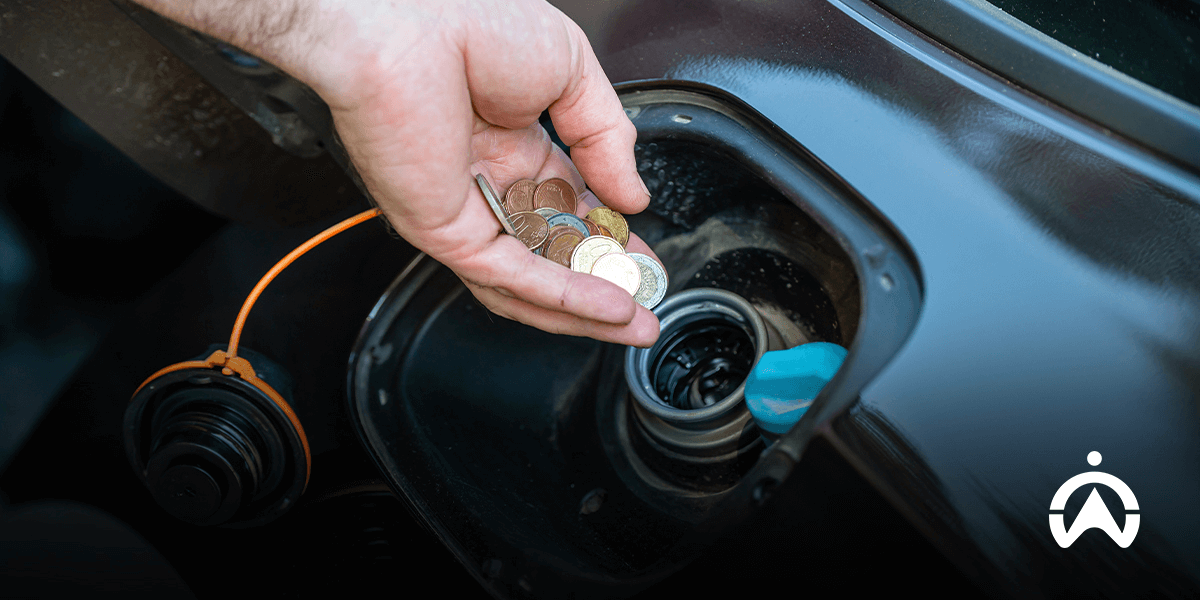
Tangan memasukkan koin ke tangki bensin mobil, menggambarkan dampak pengemudi agresif terhadap efisiensi bahan bakar.

The impact of aggressive drivers on the environment

I'm sure you've noticed that our weather hasn't been like this before. According to the International Energy Agency (IEA), road transport accounts for 15% of global carbon emissions. Burning fossil fuels like petrol and diesel releases carbon dioxide into the atmosphere. Carbon dioxide (CO2) and other greenhouse gases, like methane, cause the Earth's atmosphere to warm, leading to the climate change we're already seeing.

Net Zero Emissions

Net zero means balancing the amount of greenhouse gases we emit with the amount we remove. According to the United Nations Climate Action, the Earth is currently 1.1°C warmer than it was in the 1800s, and we need to keep it to no more than 1.5°C. To achieve this goal, global net CO2 emissions need to reach net zero by 2050, while emissions need to be reduced by 45% by 2030.

As we now know, aggressive driving burns fuel faster and is a major contributor to harmful emissions. Bad driving habits not only waste fuel but also have a detrimental effect on our climate.

Mengemudi sehat untuk efisiensi bahan bakar yang lebih baik

Seperti yang sering dikatakan, “kebiasaan lama sulit diubah,” tetapi akan menjadi lebih mudah setelah kamu memahami manfaat perubahan ini bagi efisiensi bahan bakar armada. Berikut adalah beberapa perubahan sederhana yang dapat diterapkan dalam perjalanan sehari-hari:

Keep a safe distance in traffic

Maintaining a safe distance during traffic jams helps avoid sudden braking and acceleration. You'll also become more aware of traffic flow and improve your anticipation of hazards.

Routine vehicle maintenance

Dengan rencana perawatan kendaraan yang terperinci, manajer armada dapat menghindari kemungkinan kerusakan dalam jangka panjang dan menghemat bahan bakar. Misalnya, menggunakan jenis oli motor yang direkomendasikan oleh pabrikan dapat meningkatkan jarak tempuh hingga 1% – 2%.

Choose the most efficient route

A well-planned trip means a smoother journey. Smoother trips mean less traffic, less idling, and less time on the road. Many fleet managers use fleet software to avoid unnecessary mileage, which also helps prevent road rage incidents that lead to aggressive driving.

Maintain a steady pace

Driving above the legal speed limit can cause accidents, wear out tyres, and waste fuel. Drivers should accelerate slowly and maintain a constant speed to help minimise fuel consumption.

Avoid excessive revving

After starting the vehicle, move immediately rather than revving to warm up the engine. Even while driving, unnecessary revving wastes a lot of fuel and increases wear on bearings and the engine, meaning more costs in the long run.

Check tyre pressure

Tekanan ban rendah Low tyre pressure causes the tyre to contact the ground too much, causing friction and increasing rolling resistance, making the engine work harder. Drivers should keep their tyres properly inflated and maintain the correct tyre pressure. Remember that nothing lasts forever, so you need to know when to replace your tyres.

Read also: How to Protect Your Fleet from Fuel Theft

Pengemudi manual – gunakan gigi dengan bijak

Drivers should remain in the highest possible gear for most of the journey. Changing gears too quickly results in more fuel wastage. Also, when descending a hill, it's always recommended to shift to the lowest gear.

Get a fleet management system to help monitor driver behaviour and fuel consumption.
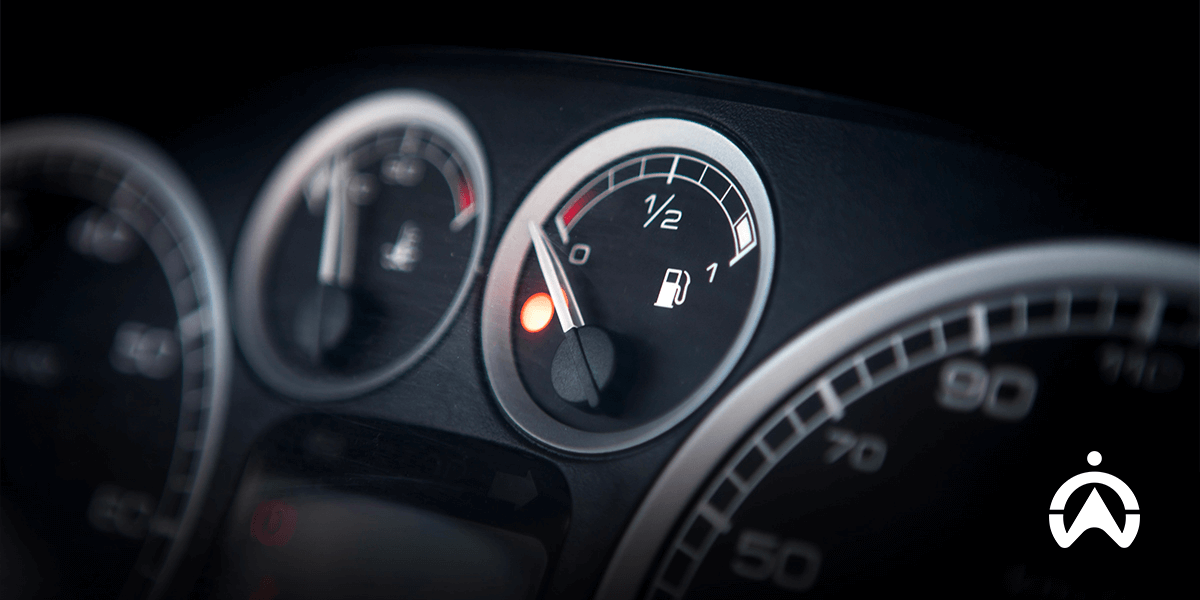
Lampu indikator bensin tiris menyala pada dasbor mobil akibat gaya pengemudi agresif yang boros efisiensi bahan bakar.

Terakhir namun tidak kalah pentingnya, dapatkan sistem manajemen armada yang akan membantu merencanakan semua rute, melihat segala sesuatu yang dilakukan pengemudi, memantau transaksi pada kartu bahan bakar, dan membantu menjadwalkan kendaraan untuk perawatan. Sistem manajemen armada yang baik akan memberikan wawasan tentang segala hal yang terkait dengan armada sehingga kalian dapat membuat keputusan yang lebih terinformasi dan melatih pengemudi jika perlu.

The best fleet management platform for fuel efficiency – Cartrack

Here's how Cartrack can help you save fuel, money, and the planet. We have a fleet management system with features that allow you to track fuel costs and driver behaviour.

Advanced Driver Assistance Systems (ADAS)

Using camera-based sensors, intelligent algorithms, and artificial intelligence (AI), ADAS helps drivers maintain a safe following distance by monitoring the distance between vehicles. This is especially useful when the goal is to avoid sudden braking and accidents.

Fuel Monitoring System

With Cartrack's fuel monitoring tool, you can monitor your fleet's fuel levels and identify any sudden changes in fuel usage. Combining fuel monitoring with MiFleet fuel validation, a fuel theft/fraud detection system, and driver scorecards, you'll be able to determine whether the cause is rough driving, fuel theft, or fraud.

AI Vision

With Cartrack's AI Vision cameras, you'll have 24/7 access to your fleet. Drivers will also receive real-time voice alerts whenever they detect mobile phone use or fatigue. The cameras will also detect excessive speed, sharp turns, and sudden braking.

Driver Scorecard

Get an overview of each driver's behaviour with Cartrack's driver reports and scorecards. This will help identify specific areas for improvement and offer coaching to enhance their skills and develop safer, more fuel-efficient driving habits.

Introduce a good and correct driving culture with solutions from Cartrack

Cartrack's innovative solutions help you save costs on maintaining and optimising fleet operations according to your needs.

Contact Cartrack now with click the following link and eliminate aggressive driving habits from your fleet!
How to Implement Green Fleet Management with Electric Trucks

What is an Electric Truck and What Makes It Different?

An electric truck is a battery-powered, rechargeable vehicle used to transport goods. Electric trucks are similar to diesel trucks but are designed for heavier loads and longer distances. Here's what sets them apart:

  • Electricity usage: All-electric trucks use lithium-ion batteries to provide electricity instead of fossil fuels. By relying on electricity, these trucks help reduce air pollution and carbon emissions.
  • Torque: The use of an electric motor instead of a combustion engine produces instant torque, allowing the truck to accelerate faster and reach full speed in less time.
  • Battery usage: Lithium-ion batteries have a high power-to-weight ratio, making them efficient and have good temperature performance. This makes them lighter than diesel trucks and less congested on the road than diesel and gasoline trucks.
  • Technology: Electric trucks have varying ranges depending on battery capacity, vehicle weight, driving conditions, and load. Advances in battery technology are extending the range of electric trucks, making them suitable for long-distance transportation.
  • Reduced Maintenance: Electric trucks have fewer moving parts, such as exhaust systems, fuel injectors, and fuel tanks. This reduces the need for routine maintenance and the financial impact of frequent fleet inspections.
  • Environmental Impact: By not using fuel, electric trucks are less likely to cause air pollution, thus saving the environment. Electric trucks offer a cleaner, quieter, and more cost-effective alternative to traditional diesel and gasoline trucks, especially as battery technology continues to advance and charging infrastructure expands.
  • Charging: Like conventional gasoline or diesel trucks, electric trucks have their own challenges. The main challenge isn't cost, but the scarcity of charging points and locations. It's possible to find available charging points that aren't compatible with your fleet.

    You'll need to know if your truck uses Level 1, 2, or 3 charging points. Levels 1 and 2 are AC (alternating current) chargers, which are alternating currents that can be generated from renewable sources using rotating generators. Level 3 charging points are DC (direct current) that travel in a straight line and can be powered by solar panels, making charging fast. The most common charging point available for electric vehicles is a Level 2 electric vehicle plug, and these are the most common electric vehicle charging points. However, most electric trucks require a ChadeMo DC charging point.

The Benefits of Fleet Decarbonisation Through Electric Trucks

Fleet decarbonisation is a crucial part of running a sustainable business. Decarbonisation is the process of reducing greenhouse gas emissions. There are many benefits to fleet decarbonisation, including some of them:

  • Reduce fleet maintenance

  • Lower costs

  • Manage and achieve fleet goals

  • A more humane corporate image

Reduced fleet maintenance: Electric trucks are said to be robust because electric motors place less stress on the engine due to minimal fuel consumption. Electric trucks require less maintenance due to regenerative braking, which allows energy to be extracted and reused. Brake wear is significantly reduced because the truck reuses energy, helping extend brake life and reduce maintenance costs.

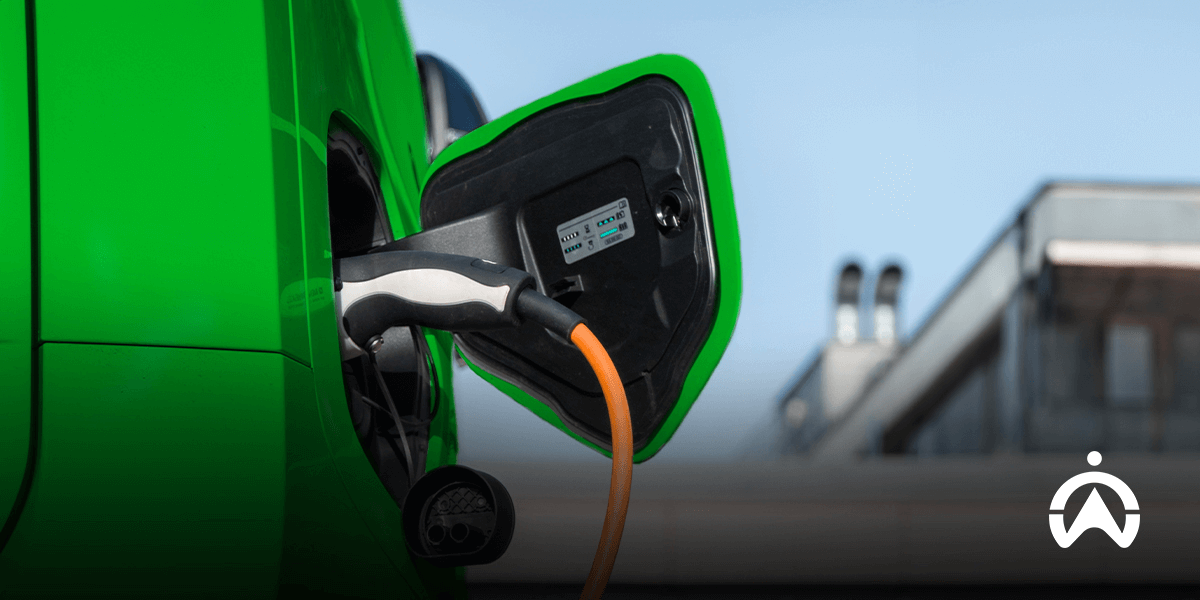
An electric truck for green fleet management is charging its battery with an orange cable in an urban area.

Lower costs: With fuel costs steadily rising since early 2024, electric trucks are an attractive alternative. Fuel consumption during decarbonisation is minimised, resulting in significant cost savings.

Managing fleet goals: If the entire fleet up-to-date With maintenance, operations can run smoothly. This allows businesses to focus on other operational goals, such as on-time deliveries and fleet efficiency.

A more human corporate image: Striving for sustainability helps improve public perception of a brand. A more humanised corporate image can help generate more sales and engagement.

Implementing Green Fleet Management

Jangan khawatir, “manajemen armada hijau” tidak jauh berbeda dengan armada biasa. Hal utama yang perlu diingat adalah seberapa banyak hal ini dapat menguntungkan perusahaan dibandingkan dengan menggunakan bensin dan diesel. Pastikan bahwa tujuan perusahaan terpenuhi baik untuk menghemat biaya atau ramah lingkungan, sehingga memungkinkan kamu untuk memiliki lebih banyak waktu dan fokus pada peningkatan keuntungan dan produktivitas. Untuk memulai, pertimbangkan untuk mengadopsi sistem telematika yang andal yang dapat melacak dan mengintegrasikan budaya hijau ke armada.

Tracking the financial benefits of going green

Switching to an eco-friendly fleet has proven profitable due to its tendency to generate higher consumer demand. So what other potential benefits might there be? There are several financial advantages to going green, including:

  • Less waste: This means recycling and reusing so that less money is spent on producing more products and less money is spent on maintenance. For example, a company that produces plastic toys finds broken toys to recycle instead of making plastic from crude oil, natural gas, and coal.
  • Government incentives: Some governments provide incentives to environmentally friendly companies to support the transition to low carbon emissions to encourage the realisation of environmentally friendly countries.
  • Innovative revenue streams: Switching to environmentally friendly vehicles can ultimately open up new business ventures, this can happen through investigating how businesses can be environmentally charged into exploring new materials and money saving techniques.

The rapid growth of electric trucks in the world

Penerapan truk listrik tanpa karbon dalam armada berkembang pesat di seluruh dunia, dan ini terlihat dari tingginya kesadaran akan armada ramah lingkungan dalam bisnis. Pemerintah memberikan insentif kepada bisnis dan merancang perubahan infrastruktur untuk mendorong pertumbuhan armada bertenaga EV dan penggunaan truk listrik untuk transportasi komersial.

As more and more vehicle manufacturers move into electric truck manufacturing, growth and supply are also increasing.

Increasing adoption of electric vehicles in logistics

Many logistics companies around the world are turning to electric trucks to contribute to securing our future. Countries like China, Germany, and the United States are leading the way in electric truck adoption. China dominates electric truck sales and production, with nearly 66,000 trucks sold in 2022. Meanwhile, Germany recorded 20,000 electric trucks by 2023.

The decline in shipping costs in logistics can be attributed to the increasing use of electric trucks as they help reduce costs thanks to high torque, less mechanical maintenance, and zero fuel usage.

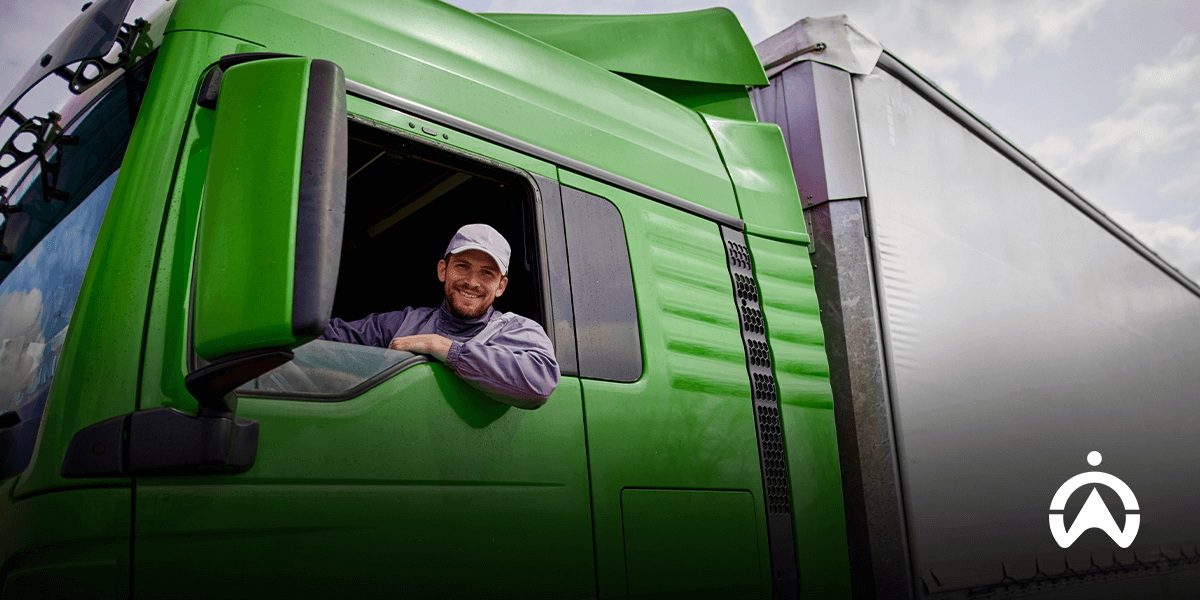
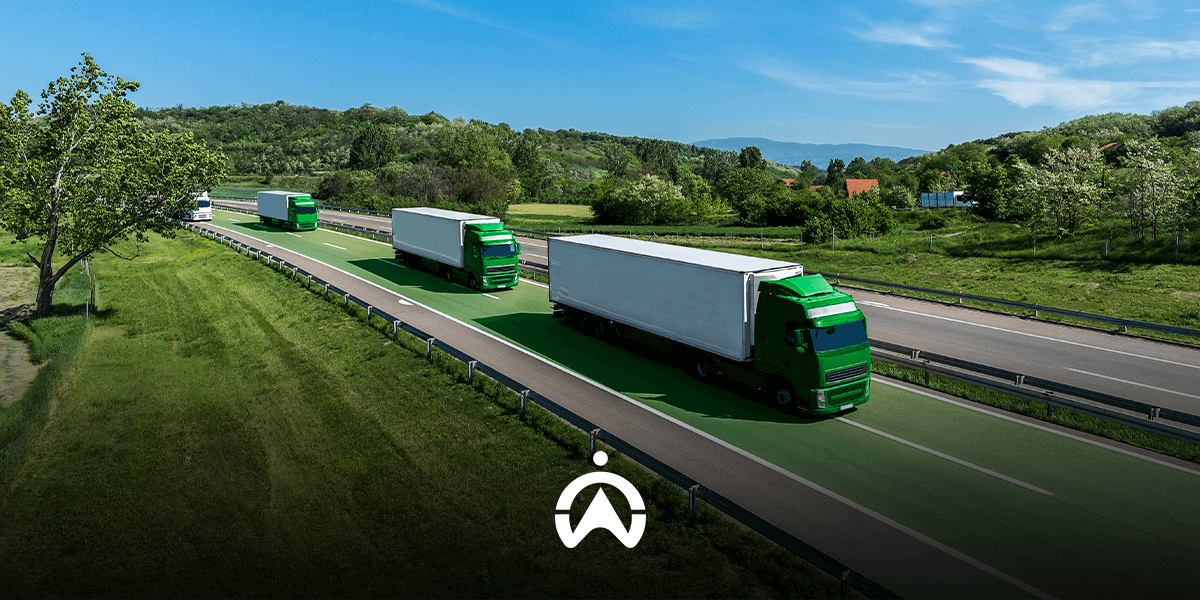
The driver smiles at the window of the green truck, ready to implement green fleet management with electric trucks.

Reducing fleet carbon emissions with Cartrack

Implementing EV trucks into your fleet will help you achieve and set higher financial and profit goals while protecting the future of our planet. However, this process can be time-consuming. Therefore, Cartrack has a solution to help increase profits while ensuring your fleet stays clean and reduces emissions.

  • Proactive maintenance: Baik mengelola armada truk diesel atau EV, pemeliharaan rutin meningkatkan umur panjang armada, yang akhirnya dapat membantu menjaga nilai jual armada setinggi mungkin. Dengan Cartrack, kamu bisa menjaga nilai dari kendaraan armada dengan menerima pemberitahuan diagnostik kendaraan secara  You can detect worn brake pads, irregular water or oil fluctuations, engine failure, and other issues; make sure you know when your vehicle needs servicing to avoid unwanted downtime.
  • Remove paper: By automating fleet administration, you can save time and money while leveraging advanced technology for accurate record-keeping, reporting, cost analysis, and reminders. It's the ideal tool for reducing administrative costs while doubling your productivity. ROI business.
  • Smart driver insights: Monitor drivers using Cartrack's AI-powered Live Vision cameras. With cloud connectivity and AI smart detection technology, drivers can receive real-time alerts, giving fleet managers access to in-cab visuals with audio. The AI ​​technology sends voice alerts to correct driver behaviour as soon as it is detected, helping to promote safe driving practices that help reduce fuel waste and harmful emissions. Contact Cartrack and find out how you can start transforming your fleet into a sustainable fleet.

How to Make Your Conventional Vehicle Greener

Not every company can afford a 100% vehicle transition all at once. But you can start by "greening" your existing fleet. Here are four ways to green your existing fleet:

  • Routine maintenance: Monitoring fleet maintenance allows you to track damage to your fleet, such as an oil filler cap that needs replacing. This is a great way to start making a difference.
  • Plan the route: To avoid driving too long and producing more carbon, route planning allows you to arrive at your destination faster, drive less, and produce fewer emissions.
  • Avoid revving: Hard driving releases more emissions. Opt for smooth driving and reduced revving, as this can help you control the road and has a better chance of reducing wear and tear on your fleet's engines, which can lead to higher costs.
  • Reduce idling: Cold winters may tempt you to warm up your car, but leaving your fleet idling causes further environmental damage. Reduce the amount of time you spend idling.

If you're ready to start operating sustainably, now is the time to reduce your fleet's carbon emissions and start switching to electric trucks.

Cartrack can help create a fleet with a lower carbon footprint.

Click the following link, to find out more!

How Fleet Management Systems Optimise Agribusiness

Let's define agribusiness

Agribusiness encompasses all activities undertaken to transform products from raw materials derived from agriculture, forestry, or marine life, into usable end products.

While this sounds promising, it doesn't mean agribusiness is without its challenges. Let's explore what those challenges are.

What are the challenges faced in agribusiness?

Let's take a look at those challenges:

Storage of raw materials

Because agribusiness encompasses the entire production process, including the storage of raw materials used to create the final product, it is crucial to running a successful operation. Unfortunately, this can be a significant challenge, impacting efficiency, productivity, and the quality of the goods supplied.

Keeps temperature-sensitive items fresh

To maintain freshness throughout the production process, cold storage facilities are essential at every stage, including storage and transportation. Even the slightest temperature change can affect the quality and freshness of these ingredients. Failure to maintain the proper temperature for these items during each stage of production can cause them to spoil and increase the risk of contamination.

High production costs:

Because agribusiness is complex, there are many costly steps involved. These include:

  • Storing raw materials: Ensure raw materials are stored according to individual needs to ensure freshness and quality. However, meeting these needs at every stage of the agribusiness can be challenging and expensive.

  • Producing finished goods from raw materials: Manufacturing processes are very complex, so it is important to keep the process efficient, safe, and cost-effective.

  • Packaging goods: Packaging goods can be very expensive, because the process and materials need to be specific to the product.

  • Delivering goods to wholesalers, retailers, and restaurants: The final stage of processing is delivering goods to the locations where they will be sold. This delivery can be complex, as routes need to be optimised, drivers need to be trained, and trailers need to be prepared for temperature-sensitive goods.

Uncovering the relationship between agribusiness and supply chain management

The supply chain management process encompasses the entire flow of goods and services. This process begins with the raw components needed to manufacture goods and continues through the delivery of the final product to the retailer. Let's explore these steps in more detail:

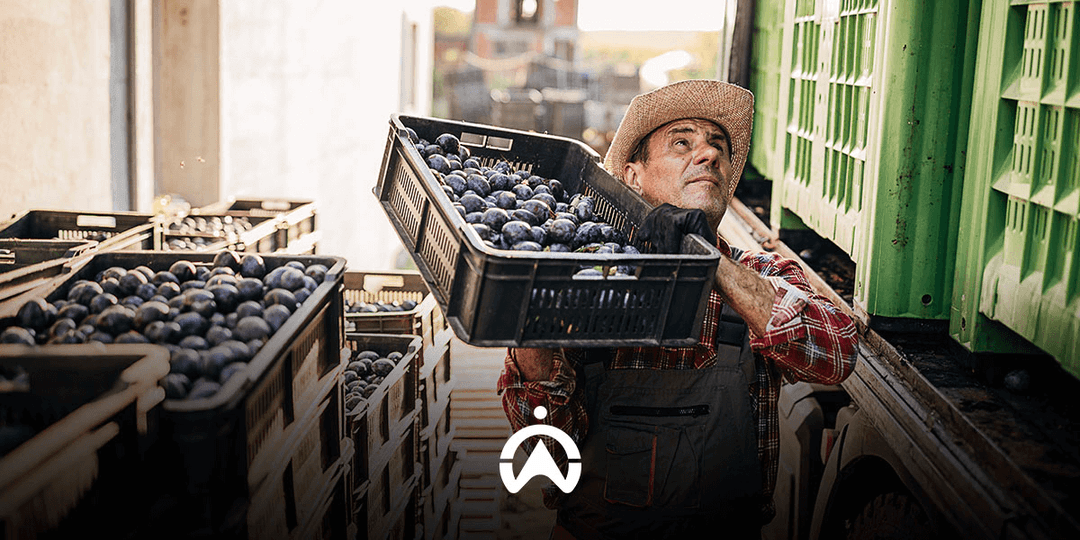
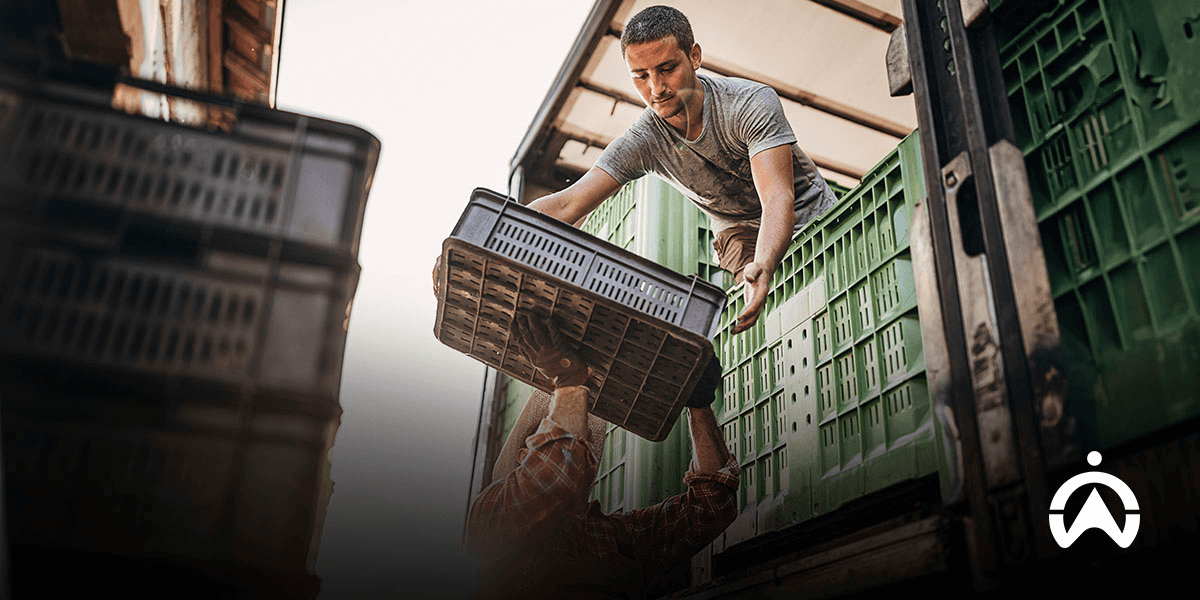
Two workers unload plastic baskets containing agricultural produce from a truck, illustrating the role of fleet management systems in optimizing agribusiness.

Planning:

When it comes to supply chain management, ensuring product availability is crucial. In this step, the supply chain needs to determine customer demand for the products they will supply, as this helps them determine exactly how much of a particular product they need to order.

Let's take Mr. Budi, who runs a frozen fruit business, for example. Before he begins planning how to package his product or where to sell it, he needs to determine the demand for it. With this information, he can budget effectively, maintain a balanced inventory, and ensure customer needs are consistently met.

Sourcing:

Sourcing, also known as procurement, involves finding and purchasing the materials or supplies needed to meet customer demand. In this stage, businesses must find suppliers, ensure purchased products meet company standards, negotiate prices, and obtain the correct quantities of products or materials needed for production.

Let's return to Mr. Budi. In this stage of the supply chain, Mr. Budi needs to order fresh fruit based on customer demand during the planning stage. With this information, he can ensure the correct quantity of fruit is ordered and avoid losing money due to excess stock spoiling.

Production:

In this stage, raw materials are transformed into finished goods using specialised equipment. This stage involves using information about the total quantity of products needed to create a finished product that will meet customer needs.

Mari kita lihat bisnis produk beku milik Pak budi. Dalam tahap rantai pasokan ini, Pak Budi mengambil buah yang dia beli, dan melewati proses pembekuan cepat menggunakan mesin khusus. Keputusan Pak Budi tentang berapa banyak paket yang perlu dia produksi didasarkan pada angka yang dia catat selama tahap “perencanaan”.

Distribution:

Now that the goods have been produced, it's time to move them to where they will be sold. This could include supermarkets, garages, convenience stores, or even customers who want to buy directly from the business.

For Mr. Budi, this step involves cold chain logistics solutions to transport frozen fruit from factories or warehouses to various locations where they will be sold.

Simplifying agribusiness with a fleet management system

Whether it's two or two hundred vehicles, fleet management helps businesses stay safe, profitable, and efficient, making it crucial to the fleet's overall success. A fleet management system simplifies the entire process, allowing business owners to keep their fleet running at optimal levels from the comfort of their laptop, computer, tablet, or mobile phone.

Three main benefits of a fleet management system for agribusiness

The unique thing about fleet management systems is that they can be tailored to the individual needs of each industry. Let's look at three major benefits a fleet management system can provide for agribusinesses:

1. Increased visibility of vehicles and cargo

If you're in the business of supplying raw materials to various businesses or delivering those products to stores, tracking your vehicles is crucial to the efficiency and safety of your agribusiness operations. With access to real-time location updates, businesses can quickly locate goods, determine their ETAs, monitor delays, and improve vehicle and cargo security.

2. Your items stay fresher longer

Whether it's fresh fruit or meat, temperature-sensitive goods need to remain fresh during shipping. Fleet management systems provide access to real-time temperature monitoring, helping businesses detect sudden spikes or drops in temperature. This system ensures that businesses can quickly address fluctuations before stock spoilage occurs.

3. Improve driver behaviour and cargo safety

Everyone behind the wheel of a fleet vehicle must drive responsibly. Fleet management systems simplify driver behaviour monitoring, helping businesses quickly identify areas for improvement that could potentially disrupt business operations and keep drivers safe at all times. In the agribusiness sector, improving driver behaviour helps ensure safer cargo transportation, ensuring goods arrive at their destinations intact.

Trust Cartrack fleet management solutions to improve your agribusiness operations.

Cartrack is an industry leader in fleet management. Let's take a look at some of Cartrack's advanced solutions:

Aerial photo of a white pickup truck parked next to green terraced rice fields, illustrating the role of fleet management systems in optimizing agribusiness.

GPS vehicle tracking:

Get real-time updates on vehicle and equipment locations with Cartrack GPS tracking. Powered by GPS technology, this solution helps business owners pinpoint the exact location of specific vehicles or heavy equipment from within the app.

Geofencing:

Gain detailed insights into vehicle and equipment usage and location with Cartrack's geofencing feature. Create virtual boundaries for vehicles and equipment, and receive instant SMS or email notifications when they enter or exit those boundaries. This helps establish restricted areas for specific vehicles or equipment, preventing them from being used in hazardous areas that could lead to costly and life-threatening accidents.

Driver ID Tag:

Ensure only skilled workers operate vehicles or equipment with Driver ID tags. Each driver will receive a tag linked to their personal information. To start the vehicle or equipment, the tag must be tapped on a sensor inside. If an unauthorised driver operates the vehicle, the business owner will receive an instant alert, and the vehicle will not start, reducing the risk of accidents caused by unskilled workers operating the equipment.

Delivery:

Streamline delivery operations with Cartrack's Delivery feature, which provides comprehensive insight into delivery operations. Simplify driver tasks by leaving notes on each assigned job with specific instructions. This feature also helps keep customers informed; from notifying them once the driver has started a delivery to sending them a link that allows them to track the delivery in real time, these steps improve customer satisfaction and company image.

Temperature monitoring sensor:

Keep temperature-sensitive goods fresh and long-lasting with Cartrack's temperature monitoring sensors. Receive instant notifications when the temperature inside a trailer changes. These alerts allow users to quickly check the temperature, helping them decide whether to send a replacement trailer to complete the delivery and limit profit losses. Monitor and analyse temperature fluctuation trends with automatically generated reports, helping users identify potential larger issues within their cold chain fleet.

Fuel monitoring:

Closely monitor your vehicle's fuel consumption with Cartrack's fuel monitoring system. Agribusinesses require high fuel consumption, and Cartrack understands this, which is why it designed a real-time fuel monitoring system. With detailed insights from this system, you can determine the reasons behind spikes in fuel consumption, identify fuel leaks, and prevent fuel theft.

Preventive care:

Unplanned downtime in agribusinesses can be prevented with Cartrack's preventative maintenance solutions. Cartrack's technology, which utilises advanced analytics, proactively monitors the health of various vehicle components, such as brake pads. It also creates maintenance plans tailored to fleet needs, preventing maintenance scheduling that disrupts daily operations. Preventive maintenance can increase fleet longevity, reduce the risk of road accidents, and keep vehicles in top condition.

Driver behaviour monitoring:

Ensure staff are operating equipment or driving as safely as possible with Cartrack's AI Live Vision Camera. With real-time audible alerts when drivers are in a dangerous or distracted condition, this cloud-connected video management software gives drivers the opportunity to correct their behaviour in real time, helping businesses ensure the safe and efficient transportation of goods.

Keep goods fresh, drivers safe, and processes efficient with Cartrack

Agribusinesses have various responsibilities, but fulfilling these responsibilities must not be at the expense of business productivity and efficiency.

Contact Cartrack today and make your agribusiness the best it can be. Click the link below!

5 Fleet Management Software Features Every Company Needs!

Why is fleet management software so popular?

Fleet management software (FMS) is considered a lifeline for many businesses operating fleets. FMS provides managers with greater visibility into all fleet activity, allowing them to easily manage their vehicles and drivers, and collect all vehicle data that can be used to improve the fleet.

The collected data is presented via a fleet management platform—a primary tool that provides instant access to all essential information regarding the fleet. With a single click, users can view fleet costs, fuel consumption, a complete inventory of vehicles, vehicle utilization rankings, driver behavior, and much more.

  • Documentation about the vehicle purchased or leased

  • Vehicle specifications and current condition

  • Maintenance schedule

  • Parts and service history

  • Insurance, licenses, and tax documents

  • Fuel transactions

  • Vehicle and operational costs

Even so, some fleet management systems are unable to keep pace with customers' business needs. Certain legacy fleet systems cannot collect as much data from the fleet, nor have they been updated to operate as quickly or offer as many solutions as modern fleet management systems (FMS)

The basics of the legacy fleet system

Legacy fleet systems are typically original fleet management systems that have been around since the early days of fleet management. These systems lack the latest features or technologies like artificial intelligence (AI) or telematics, but they still assist in fleet management to some extent.

While these systems have served their purpose, they come with limitations and challenges that can interfere with how managers efficiently monitor their fleets.

Limited scalability:

Legacy fleet systems often struggle to keep up with business growth. They lack the flexibility to handle increasing fleet size, the amount of data, and new features or applications that may need to be integrated.

Lack of real-time data

Legacy fleet systems often cannot analyse data as quickly as modern FMS, which means they may not be able to provide real-time data to managers, making it somewhat difficult to monitor and manage the fleet because we have to wait for updates on fleet operations or make decisions based on outdated information.

Security vulnerabilities:

Most businesses want to keep sensitive information as secure as possible. Legacy fleet systems tend to have security vulnerabilities. They cannot protect against cyberattacks, hacking, or data breaches.

High maintenance costs:

Because their hardware and systems are older than modern technology, legacy FMS users may need to invest extra time maintaining their fleet systems. Over time, hardware upgrades and additional software are often required, leading to high costs.

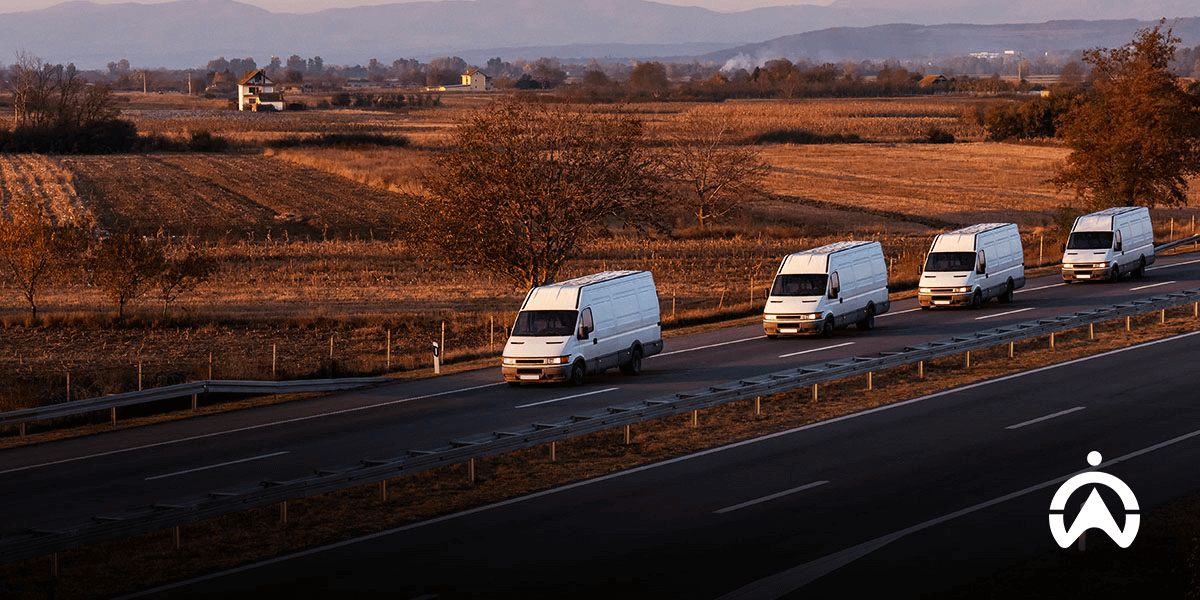
Barisan empat van putih melaju di jalan tol saat matahari terbenam, ilustrasi operasional yang dipantau dengan perangkat lunak manajemen armada.

5 FMS features every business needs

If our goal is to run an effective and productive fleet that can be easily monitored and tracked, then using an FMS and its amazing features is what the business needs.

Fleet management software offers features that can provide valuable fleet insights. These five features can transform the way we manage our fleets.

1. Vehicle Tracking

With the help of GPS technology, cellular networks, and tracking units, fleet management software can collect real-time vehicle location information, along with odometer readings and vehicle speed, allowing managers to have more visibility into the whereabouts and activities of their fleet and equipment.

How can knowing vehicle location help business?

With advanced vehicle tracking, managers can plan their delivery routes more efficiently and use route optimisation practices to shorten travel times and save fuel, ultimately reducing fleet and fuel costs.

Alerts and geofences can be set up to further monitor vehicle routes. Geofences can be created around specific areas to ensure that a vehicle operates only within those designated zones, or to trigger an alert whenever a vehicle enters a restricted or hazardous area. Each time a vehicle enters a geofenced area, the user will be notified of its location.

Real-time vehicle tracking is a distinct advantage. It allows managers to see not only where their vehicles are located but also how they are being driven. This is crucial for making informed decisions about driver behaviour, responding quickly to situations like breakdowns, and ensuring vehicles stay on schedule.

If you work in the shipping industry—frequently transporting goods, products, or gadgets—you likely understand the power of an accurate ETA. Providing clients with an ETA regarding the location of their shipped or ordered items is a surefire way to maintain customer satisfaction. Through vehicle tracking, businesses can share this information and effectively manage customer expectations.

Planning to expand your business? Cartrack's vehicle tracking technology ensures smooth growth by helping businesses track the location of every new vehicle added to their fleet. Our tracking units also provide information to facilitate vehicle allocation and resource distribution.

2. Maintenance

Any intelligent fleet management software should be able to monitor the entire fleet, track usage and mileage, and provide notifications when vehicles require inspection—whether through routine checks or full vehicle servicing. penuh.

Fleet management software tracks maintenance schedules and notifies businesses when critical tasks like oil changes or inspections are due. This proactive approach prevents breakdowns and costly repairs, ensuring reliable fleet operation.

Cartrack's proactive maintenance feature can schedule fleet maintenance by generating reminders for essential services based on mileage or manufacturer recommendations. This feature ensures vehicles remain in top condition, reduces downtime, and extends their lifespan, all of which contribute to company growth.

3. Driver Management

This FMS feature focuses on drivers and ensures their safety, both on-site and on-road. It does this by observing driver behaviour and monitoring factors such as speed, sudden braking or turning, idling time, fuel consumption, and wear and tear.

Managers can then use this information to identify areas for improvement in driver training, encourage safer driving, and implement driver safety protocols.

Cartrack can help with reports, alerts, and driver scorecards. These risk reports and driver scorecards monitor driver behaviour and detect risky actions such as excessive speeding or sudden braking. This valuable insight into fleet performance and driver behaviour can enable informed decisions for optimised operations as the company grows, as well as help effectively coach drivers to promote safer driving habits and reduce the risk of accidents, saving the business thousands in costs.

4. Fuel Management

Fuel management is one of the biggest responsibilities for fleet managers (and one of the most expensive). A fuel management system (FMS) provides fuel tracking and analysis tools to help businesses monitor fuel consumption, identify inefficiencies, and implement strategies to reduce fuel costs.

Regardless of fleet size, Cartrack helps track fuel consumption through fuel-level monitoring. It can detect fuel theft and also enables fleet managers to monitor fuel costs via MiFleetCartrack’s cost management system—which provides a comprehensive record of all fleet transactions, including those related to fuel.

The MiFleet system not only shows how much fuel is spent but also helps validate transactions by showing where the transaction occurred, the vehicle's location at the time of the transaction, the number of liters poured, and the vehicle's tank capacity. For a growing company with a growing number of fuel transactions, a tool like this is invaluable.

5. Data Reporting and Analysis

Through FMS telematics, data is automatically collected from vehicles—including fuel consumption, engine performance, and driver behavior. For deeper insight, this data can be organized into into customizable reports making it easy to analyze, identify areas for improvement, and make informed, intelligent decisions regarding fleet operations. As a business grows, keeping track of and interpreting the influx of data can become increasingly challenging. Cartrack’s fleet platform offers over 40 types of reports, consolidating all information into easy-to-understand formats for your convenience.

After seeing more of what a smart FMS system like Cartrack can do and how you can use these five amazing features to improve your fleet operations, the question is, “Do you want to stick with your legacy fleet system or do you want to move to a system with more capabilities?”

Foto udara truk oranye melintasi jalan sempit di antara pepohonan kering, ilustrasi pelacakan rute terpencil dengan perangkat lunak manajemen armada

Why businesses use fleet management software

Fleet management software is one of the most popular software in the fleet industry.

Many businesses are drawn to modern fleet technology due to the efficiency it offers, its operational scalability—capable of capturing data regardless of the business's size—its ability to adapt and grow alongside the business, and its capacity to help businesses transition from manual to automated fleet management.

From a small bakery down the street with 2 vehicles transporting their pastries to the local supermarket to a global vehicle tracking company like Cartrack with its large fleet, fleet management systems are widely used to track vehicles, monitor drivers, develop operations, improve safety measures, and so on.

Benefits that fleet management software can provide to businesses 

Jika kata-kata ‘efisiensi armada’ atau ‘operasi yang disederhanakan’ tidak cukup untuk membujuk Anda meng-upgrade sistem Anda dari sistem armada lama ke perangkat lunak manajemen armada yang canggih untuk merasakan lima fitur penting FMS, maka mungkin manfaat ini akan mendorong untuk mengambil langkah pertama dalam berinvestasi dalam sistem manajemen armada pintar yang dapat mendorong bisnis ke masa depan.

Increased fleet visibility

No more sitting and waiting for manual updates on where vehicles are or how long deliveries will take. FMS provides high levels of real-time fleet visibility. Users can see more than just the current location; they can also see vehicle engine status, trip duration, and vehicle utilisation. With full visibility, we can improve deliveries and respond faster to any issues.

Reducing risk and increasing safety

Safety is paramount, especially for your drivers. FMS promotes safer driving practices with features like driver behaviour monitoring, alerts for risky driving habits, and reports that can be used to train and improve driving habits and reduce fleet accidents.

Easy fleet data access

Say goodbye to piles of paperwork or systems that delay fleet information updates. With FMS, users can access a centralised platform where all critical information can be easily accessed. This level of convenience simplifies data management and frees up time to focus on other aspects of fleet management.

Reduce fuel and fleet costs

Quickly identify areas for financial improvement, monitor them, and find solutions to reduce costs. If there is excessive fuel consumption, for example, changing routes to shorter, more efficient ones, increasing idle time, and eliminating fuel leaks or theft can achieve the desired results. This can contribute to reducing overall fleet management costs.

How can Cartrack prepare businesses for the future?

Need a business that can help you track your fleet, manage drivers, and grow your operations with these five or more features? Cartrack is the answer.

When people think about the future of their business, they often think bigger, better, and more efficient. Planning to grow a business requires years of dedication, a strong commitment to improving operations, and smart tools that can handle a growing business.

Cartrack fleet solutions are designed to handle growing businesses, even drive them.

Cartrack offers industry-leading products that offer fleet solutions tailored to any business and industry. If you plan to grow your business over the years, Cartrack can accommodate positive changes and grow with you.

Click this link to find out more about Cartrack!

What Is Fleet Management in Logistics?

Effective fleet management is the process needed to keep a business's fleet or vehicles well maintained. The fleet manager's role is to track and monitor their fleet while managing efficiency and the effective completion of tasks. In logistics, this level of smooth operation plays an important role in maintaining service for customers.

The Role of Fleet Manager in Logistics

The difference between a fleet manager and a logistics manager is actually not that far.

A logistics manager oversees inventory and negotiates rates for the fleet, while the fleet manager's job is to make sure that inventory is delivered on time, within budget, and without issues. This is done by tracking vehicle routes, checking driver behaviour during the transport process, and analysing data that helps ensure goods are in the right place at the right time, all while keeping the fleet well maintained.

Having a fleet manager in logistics is essential to taking your business to the next level. The relationship between fleet management and logistics is one worth protecting, because it forms the basis of how goods are produced from start to finish and how consumers receive their products. Route planning and fleet tracking require precision, which should be one of the key characteristics of a successful fleet manager.

There are various ways to combine logistics and fleet management.

For example, a logistics manager might count the number of items packed into a fleet, but the fleet manager must also track the fuel and time required to ship those items. If a company that supplies uniforms to various schools suddenly struggles to meet these delivery requirements, the fleet management process can provide valuable insights to help identify the problem. Let's explore the differences between fleet management and logistics to better understand how both can drive better business operations.

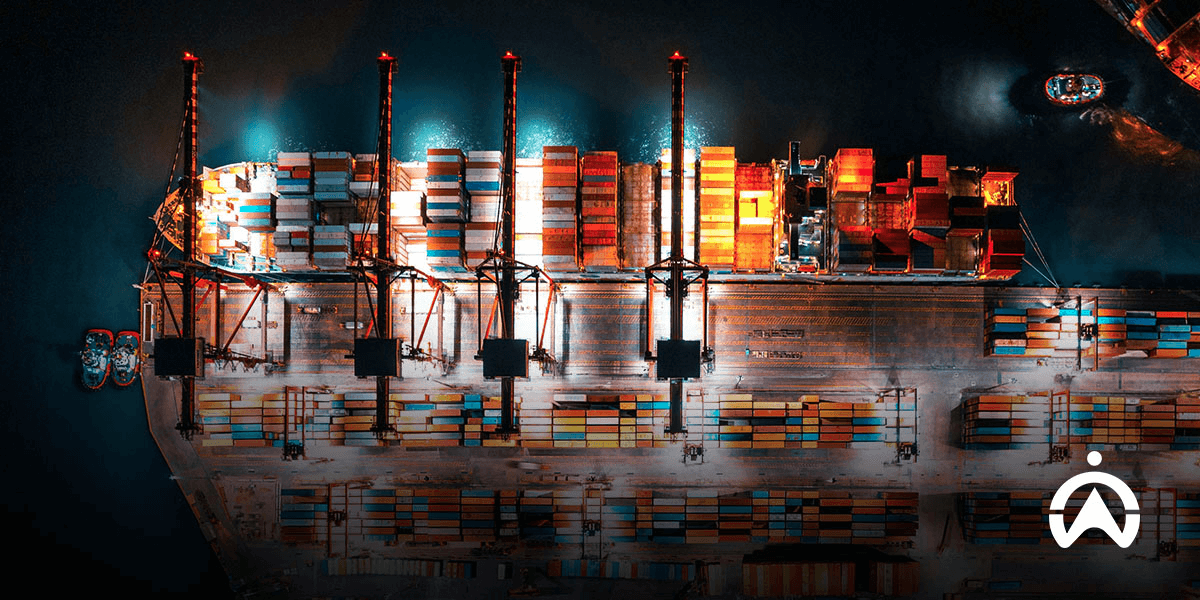
Night aerial view of cargo ships in port with containers, illustrating fleet management processes in modern logistics

What is Fleet Management vs Logistics?

I'm sure we all have a pretty good idea of ​​what fleet management is by now. However, fleet management in logistics is more specific than that. Don't worry, we'll cover each term separately with clear definitions.

What is Fleet Management?

Most of us have heard the basic definition of fleet management many times before. Fleet management is how businesses track their fleets and ensure goods arrive safely and on time. The fleet manager's job is essentially to gain insights and use data to improve driver behaviour, routes, vehicle maintenance, and compliance.

What is logistics?

Logistics is the best way to ensure goods are delivered to their intended destinations. Essentially, it's the movement of goods with a rhythm and flow that enables companies to provide exceptional customer service. The logistics process begins with loading goods onto trailers and trucks and ends with managing the flow and route control.

How Does Logistics Affect Business Operations?

Business operations depend on the delivery of products and services, so businesses need logistics to run a successful operation. However, it's important to understand the different types of logistics and how they impact overall business operations, so let's look at an example.

Clothing Industry

In the apparel industry, the key is to have a complete, ready-to-wear item. But it has to start somewhere:

The process begins with inbound logistics, transporting raw materials such as fabrics and textiles. With the next step in mind, these fabrics have been selected to realise the design and are therefore transported to the next stage, namely manufacturing/sewing. After that, we need the fabrics to reach a place where they can be manufactured into the desired product, and this is where inbound logistics plays a fundamental role.

Once the garments are sewn and ready for sale, the outbound logistics process begins. This is when the finished product is transported to the location where it will be sold. This can be online or in a physical store where consumers can feel and try on the garments before purchasing.

If a purchased garment needs to be returned, we then turn to reverse logistics. Returning products to their manufacturers is a necessary part of logistics that any business dreads. This can happen due to lack of sales or product damage, and the logistics department must then transport all the items back to where they were made. What happens to the products then depends entirely on the company, whether they are recycled or destroyed.

To effectively achieve and maintain success, businesses need to understand the flow established by logistics-based processes. From the moment raw materials are transported to the actual production phase, a sequence is established. Furthermore, the entire operation depends on how well each department performs its role and how efficiently they carry out their tasks.

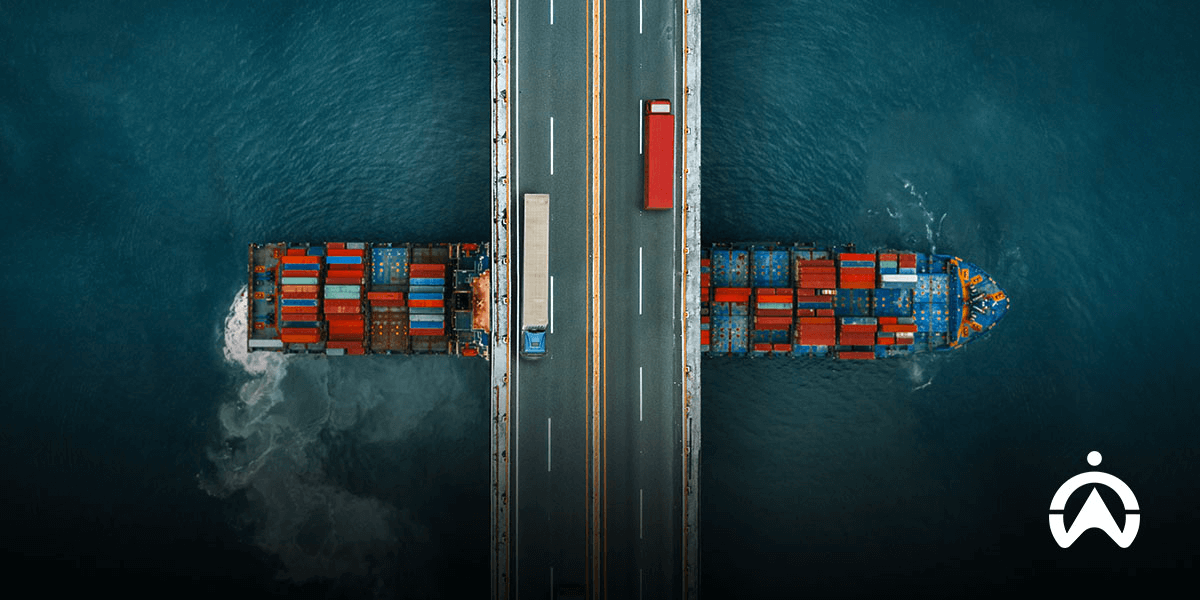
Aerial photo of a bridge with two trucks crossing and two container ships underneath, depicting a fleet management system in multi-modal logistics.

How to Optimise Operations for Efficient Logistics Management?

Now that we understand the different types of logistics, we can explore ways to improve our business operations and optimise our logistics management. Every business aspires to be the best in their industry, and the quickest way to do that is with exceptional delivery services.

It all starts with a proper packing routine. Having all items packed, safely stored, and ready for shipping requires a well-established routine. A solid packing routine also helps reduce the burden of loading and unloading and checking inventory after delivery.

Effective communication is the basis for all solutions, and communicating while implementing logistics strategies can increase their efficiency.

Fleet route planning and regular fuel monitoring help map how much time a fleet spends on the road. With route planning and fuel monitoring, businesses can measure how much fuel their fleet vehicles need, allowing them to reach their destinations economically.

In a logistics company, the top priority is delivery, and once you have a flow that works for your business, shipping efficiency will come naturally. Businesses can promote customer satisfaction by implementing systems that align with company values ​​and ensure a sustainable workflow with stakeholders.

Here's how to improve your logistics using a smart fleet management system

Transforming your business into a well-maintained machine takes time, and over time, a rhythm develops. Introducing a compatible system that covers all aspects and improves your operational rhythm is a winning recipe for smooth performance.

How Fleet Management Systems Work

Having discussed fleet management and logistics in depth, we can now see how logistics can be improved through a fleet management system. Telematics systems like Cartrack's fleet management system allow us to monitor a company's fleet while recording all events that occur along the way.

Logistics improves significantly when fleet managers can establish the following:

  • Fleet location: Determine the location of the fleet to increase the need for fast delivery.

  • Fuel consumption: Managing fuel consumption can reduce how often drivers need to stop and refuel, and lower the risk of fuel theft.

  • Fleet speed and driver behaviour: The primary goal of logistics is delivery, but safety is paramount. Fleet telematics improves fleet speed and driver behaviour through live tracking.

  • Fleet maintenance: A good fleet management system with real-time alerts and well-timed reminders lets fleet managers monitor the health and longevity of their vehicles.

How Cartrack Helps You Master Logistics Operations With the Best Fleet Management System

Cartrack offers a variety of customisable packages to meet your business needs. Cartrack's features are key to mastering business operations and providing superior service compared to competitors.

  • Cartrack delivery

Cartrack's Delivery tool simplifies task assignment and real-time tracking from dispatch through to delivery. The digital process offers full visibility into task progress and makes it easier to assign jobs to drivers. Through route optimisation, task prioritisation becomes more efficient, reducing travel time, fuel consumption, and completion time.

  • Live location tracking

Cartrack's live location tracking technology allows managers to track fleets in real-time via GPS for complete visibility. The benefit of constant, real-time fleet monitoring is that managers can check vehicle locations to increase productivity, or in the event of an emergency, dispatch assistance or track stolen vehicles.

  •  Geofencing

Cartrack's geofencing feature allows us to set virtual boundaries around specific locations. This allows logistics and fleet managers to detect vehicles entering or exiting zones with warehouses or delivery drop-off locations. This feature broadens the view of vehicle activity and helps ensure drivers stay on schedule with their assignments.

  • Camera solutions

Cartrack's SmartCabin camera solution features AI-based driver behaviour detection to help achieve real-time visual and audio contact with the driver and provide voice alerts if the camera's AI technology detects distracted or unwanted driver behaviour such as mobile phone use, smoking, or yawning.

Recording begins as soon as the vehicle is started. Drivers who are aware of their surroundings are more likely to drive responsibly, which minimises operational costs such as fuel and vehicle maintenance, and increases productivity.

Contact Cartrack to find out how to master logistics through fleet management with Cartrack's leading technology. Click this link!