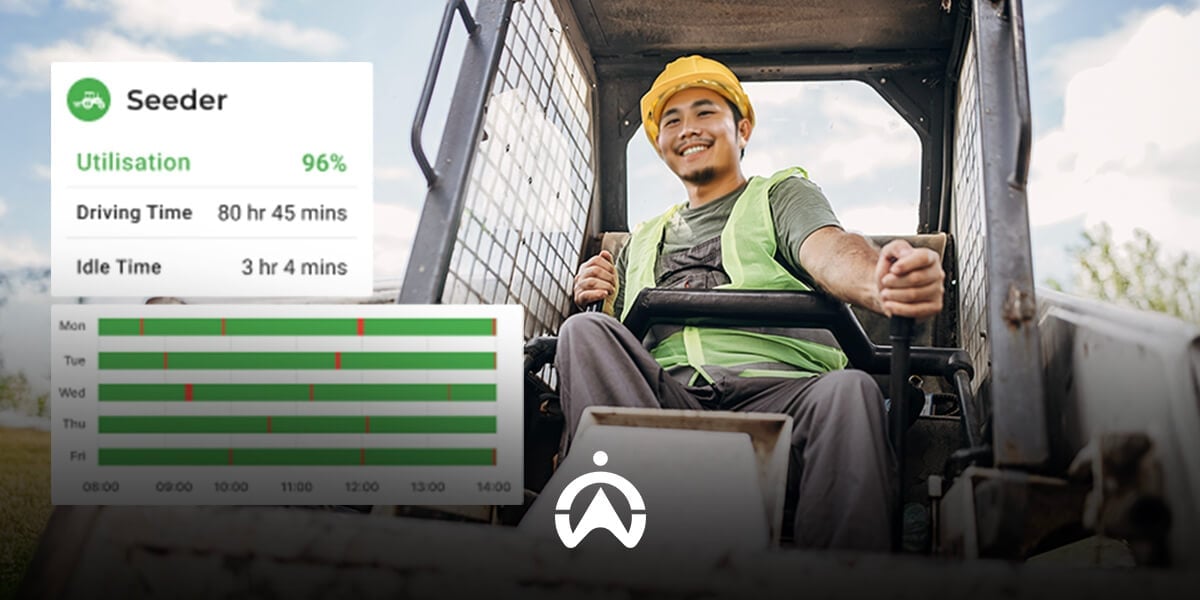

Exploring the Concepts and Benefits of Vehicle Telematics

Step into the world of modern fleet and transportation management and gain insights into your vehicles and drivers through telematics services. The telematics industry has proven successful in generating profits and driving transformation for businesses operating in this sector. Telematics has evolved rapidly in recent years, encouraging business owners to adopt the technology to enhance safety, improve efficiency, and—most importantly—reduce costs.

The demand for innovative technology is prompting more entrepreneurs to seek a deeper understanding of the functions and benefits of telematics. This article will clear up any confusion and provide the information you need before deciding whether or not to adopt telematics.

What is telematics?

Telematics—also known as fleet telematics or vehicle telematics—is a system used to collect GPS tracking data and various vehicle-related information for storage in a database. Vehicle telematics integrates wireless telecommunications and information technology (informatics) to efficiently process, transmit, and convey information via a network.

Telematics is often associated with vehicle management and GPS vehicle tracking devices. Consequently, telematics can be defined as an onboard communication system in which all fleet software is integrated and shares critical information. Telematics can also be understood as a new method for integrating various types of data, ranging from vehicle equipment to driver behaviour.
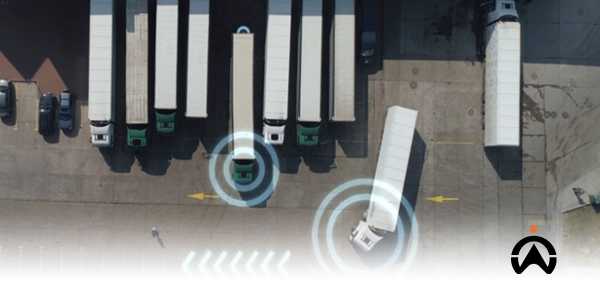
trucks

How Does Telematics Work?

For a telematics system to function effectively, several things are required:

  • Communication devices (mobile phones, computers, laptops, and/or tablets)
  • Fleet communications Software
  • GPS tracker
  • Engine interface
  • Input/output interface
  • SIM card
  • Accelerometer
  • Alert/notification

A telematics system functions by connecting a GPS tracker—or another data-logging device—to an asset. The device collects critical data regarding the asset's performance, such as real-time engine diagnostics, vehicle location, and vehicle activity. Once collected, the data is transmitted to a data center for analysis, interpretation, and compilation. Fleet managers can access the uploaded data via the telematics system software.

Telematics can be used to assist fleet managers in implementing smart ways to achieve, automate, and improve the following:

  • Managing route optimisation
  • Ensuring driver safety and compliance
  • Helps identify and correct poor driving behaviour
  • Receive notifications to perform preventive maintenance promptly
  • Reducing idling, fuel costs, and maintenance costs
  • Managing asset usage
  • Assisting drivers in complying with applicable regulations and policies
  • Reducing carbon footprint

Read Also: Exploring the Concepts and Benefits of Vehicle Telematics

Telematics and Vehicle Tracking Systems

Vehicle tracking is the most common application of telematics, particularly in the trucking and transportation industries. This technology is highly sought after due to the vital functions it offers, such as the ability to pinpoint a vehicle's exact location, speed, and maintenance status using only GPS systems and onboard diagnostics.

The following is additional information that can be obtained via telematics:

  • Location
  • Fuel consumption
  • Maintenance issues
  • Fuel consumption
  • Idle time
  • Harsh acceleration (such as hard braking or cornering)
  • Speed

To optimise this information, the telematics system analyses incident data and patterns, generating reports regarding the drivers and the vehicles used.

Integration of Telematics with Vehicles

Typically, trucks, trailers, and other vehicles are sold without tracking systems installed and are fitted with GPS tracking devices immediately after the sale. If a vehicle is not already equipped with this technology, numerous aftermarket providers offer GPS and telematics unit installation services.

Some car dealerships have even partnered with telematics providers or vehicle tracking companies, such as Cartrack, to deliver a seamless end-user experience and sell vehicles already equipped with Cartrack tracking units.
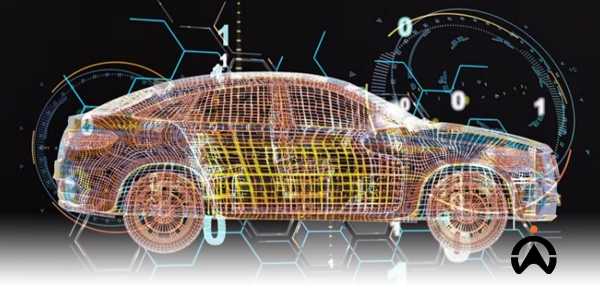
vehicle diagram

Application of Telematics Technology in Vehicles

If you already understand telematics software and have decided to implement it in your business, that’s great! It means you are ready to optimise your operations. Here are some key areas of your business that can be improved with telematics:

  1. Safety Monitoring
    Vehicle telematics allow you to track location, speed, seatbelt usage, and driving behavior. You will obtain a digital record of every aspect of your vehicle's operation, providing insights into areas for improvement to prevent accidents and enhance driver safety.
  2. Better Payroll Management
    Telematics solutions can help you reduce overtime hours and timesheet fraud by monitoring your fleet's electronic time logs and allocating wage budgets based on real data. You can optimise driver routes to eliminate wasted driving time. You will also know exactly how long and how far vehicles have been driven, making payroll calculations easier.
  3. Trailer and Asset Tracking
    Telematics can be used for more than just monitoring vehicles. You can install GPS tracking units on trailers, heavy equipment, and non-powered assets to prevent loss and help locate them more quickly in the event of theft.
    You can also set up alerts to notify you if a trailer or other non-motorised asset is moved without authorisation.
  4. Insurance Risk Management
    With the owner's consent, telematics can be used by insurance companies to monitor driver behaviour, enabling insurers to better assess risk factors and adjust insurance premiums.

Read also: 6 Ways to Improve Driver Habits and Driving Skills with Fleet Telematics Software

How is telematics applied in daily life?

The global telematics solutions market is projected to reach $62.6 billion by 2025, up from an estimated $29.9 billion in 2020. Given this figure, it is safe to assume that the transportation and delivery sectors are not the only industries benefiting from these systems; almost every industry has the potential to integrate telematics into its operations.

The following are industries that utilise telematics:

  • Heavy equipment: Maintaining heavy equipment and preventing theft through the use of telematics and asset-tracking safety features.
  • Public Safety Services: Monitoring vehicle location and driving speed during emergencies to enhance officer safety and accelerate the delivery of assistance.
  • Fleet: Trucks and various fleet vehicles are monitored to ensure that deliveries arrive at their destinations safely and on schedule.
  • Construction: Diagnosing performance, fuel consumption, and routine service schedules.
  • Oil & Gas: Monitoring oil and gas extraction and transportation processes to enhance efficiency and worker safety.
  • Refrigeration: The temperature of chilled or heat-sensitive products is monitored to reduce spoilage and ensure they remain safe for consumption.
  • Executive Fleet: Enhance maintenance for luxury vehicles to reduce breakdowns, unscheduled repairs, and parts replacements.
  • Lansekap dan perawatan taman: Memantau kinerja karyawan dan peralatan untuk meningkatkan produktivitas dan tingkat layanan pelanggan.
  • Generator: Generator conditions—such as fuel level, battery voltage, and coolant temperature—are monitored to ensure the unit remains in good health and can operate for longer periods.

Make Your Business More Profitable with Cartrack

Join the customers who have successfully improved safety and operational efficiency—for drivers, fleets, and business assets—while cutting unnecessary costs using Cartrack’s vehicle telematics. Manage your business fleet or office operational vehicles from your mobile phone or computer. Click the link below to sign up, and we will contact you shortly!

6 Easy Ways to Maintain Refrigerated Trailers and the Risks of Neglecting Them

For companies operating in the cold chain logistics sector, refrigerated trailers are essential assets for day-to-day business operations. However, without proper maintenance, these trailers can malfunction, causing transported products to spoil or degrade in quality and potentially resulting in significant financial losses. Consequently, maintaining refrigerated trailers is a top priority to ensure business continuity.

What is a Refrigerated Trailer and How Does It Work?

Ice cream arrives at its destination just as frozen as when it was loaded—exactly as you would expect—because it is transported in refrigerated trailers. A refrigerated trailer is an insulated trailer (attached to a semi-truck) equipped with a built-in cooling unit designed for the transport and storage of temperature-sensitive, perishable products.

So, how do refrigerated trailers work? Interestingly, their function is not to cool the product itself. Instead, they are designed to limit the heat entering the trailer in order to maintain the temperature during transport and storage.

Refrigerated trailers achieve this using three main components—an evaporator coil, a compressor, and a small diesel engine—which work together to keep the air inside the trailer consistently cool by removing heat or moisture through the evaporator coil.

The interior of a well-maintained refrigerated trailer is filled with stacks of logistics boxes ready for shipment.

6 Easy Ways to Maintain a Refrigerated Trailer

1. Perform routine vehicle servicing

For a company that relies on refrigerated trailers for its daily operations, maintenance issues—such as unexpected breakdowns, wear and tear, condenser or evaporator problems, temperature sensor malfunctions, and obstructed airflow—can hinder the optimal use of these trailers. Therefore, routine vehicle servicing is essential to prevent breakdowns or operational failures caused by maintenance issues and malfunctions, which could otherwise lead to delivery delays or even failed deliveries.

2. Clean the refrigerated trailer interior

Since the goods transported are perishable, reefer trailers must be cleaned using high-pressure water and detergents specifically designed for cooling units; food residue, dirt, and other debris can obstruct air circulation within the trailer, thereby compromising temperature consistency and putting the products at risk of spoilage and damage.

3. Perform a detailed check after the delivery is completed

Inspect the trailer's interior—checking for clogged drains, cracked or torn walls, and holes in air ducts—and do not overlook the exterior, including checks for oil leaks, damaged hoses and belts, unusual engine noises, trailer body damage, minor malfunctions, and tire pressure.

4. Make sure the fuel tank is full

Before transporting goods, ensure the fuel tank is full to prevent running out of fuel during the journey. If a reefer trailer runs out of fuel, the cooling unit shuts down, putting the cargo at risk of spoilage and causing major problems; this is because, as fuel levels drop, the cooling unit draws out accumulated moisture.

5. Monitor temperature

To ensure appropriate and consistent temperatures during transport, efficient temperature monitoring is necessary to prevent temperature changes that could lead to product spoilage or damage.

6. Follow the loading guidelines

To ensure the product remains well-preserved and fresh, and receives proper airflow, it is important to adhere to the following loading guidelines: – Cargo must be kept at least 2–5 cm away from the sidewalls of the refrigerated trailer – Cargo must be kept 23 cm away from the ceiling of the reefer trailer – Cargo must be kept 10 cm away from the rear doors – The evaporator must not be obstructed by any objects

Dangers of Refrigerated Trailers When Not Properly Maintained

Companies using refrigerated trailers to transport temperature-sensitive products must comply with applicable global standards and regulations to ensure the health and safety of the cargo and protect customer interests. Without proper maintenance of refrigerated trailers, companies cannot effectively monitor temperatures or execute transport operations, thereby risking non-compliance with applicable standards and regulations, such as:

  • BPOM permit and import permit authorising the transportation of temperature-sensitive products
  • Proper temperature monitoring to ensure food safety
  • Hand over the goods to the recipient by including documents stating that the temperature during the operational and transportation processes was monitored in good condition.

Also read the article: 5 Signs Your Fleet Management Is Inefficient

Poorly maintained reefer trailers can compromise product functionality and quality. This disrupts the cold chain, potentially leading to various short- and long-term issues, such as:

  • Spoilage, decay, loss of quality, and bacterial growth: These trigger local or global food insecurity due to reduced access to fresh, healthy food (such as fruits, vegetables, proteins, etc.). Furthermore, compromised vaccines and medicines can have a significant impact on public health.
  • Business failure: Damaged and spoiled products inevitably lead to waste, stock depletion, a lack of sales, and overall business losses. Beyond financial decline, low product quality and poor delivery processes—resulting from poorly maintained refrigerated trailers—can further damage the company's brand image and reputation.


A row of semi-trucks and refrigerated trailers are parked in the loading and unloading area of ​​the logistics warehouse.

Optimise Refrigerated Trailer Utilisation with Cartrack Technology 

From monitoring temperatures and ensuring routine maintenance schedules to complying with applicable regulations, managing a business that relies on refrigerated trailers is highly challenging. Rest assured, Cartrack is here to make it easy. With Cartrack’s reefer temperature monitoring software, you can:

Reducing downtime by performing preventive maintenance

Cartrack features—such as reminder alerts, routine service schedules, and engine diagnostics—help identify which vehicles require servicing, thereby reducing vehicle downtime and the need for unplanned repairs. Establishing a preventive maintenance plan boosts productivity and extends the lifespan of your vehicles.

Ensuring product freshness by monitoring temperature in real-time

Utilise Cartrack’s reefer temperature monitoring software, along with GPS tracking and IoT technologies, to monitor the location and temperature conditions of refrigerated trailers. Fleet and transport managers receive alerts regarding temperature fluctuations, enabling them to promptly contact the driver to address the issue or dispatch a replacement trailer (if necessary) to prevent significant losses. This ensures product freshness, minimises product rejections, and fosters strong customer relationships.

Route optimisation for faster delivery and fresher goods

Cartrack’s fleet management platform is highly user-friendly, making it easy for fleet managers to manage and track drivers and their work progress. Managers can view driver status to quickly assign new tasks to the nearest available driver and optimise for the fastest, safest routes—ensuring quicker deliveries so that cargo remains fresh upon handover to the recipient. The ability to track tasks and communicate via the app boosts productivity by eliminating time wasted searching for or trying to contact one another.

Always comply with applicable regulations

By using Cartrack’s software system, your cold chain logistics business will operate smoothly in compliance with applicable regulations while preventing unexpected downtime. Digitise and optimise the processes for temperature monitoring, data recording, and tracking your reefer trailers.

Monitor your refrigerated trailer with Cartrack

Contact 021 3973 0230 now to get a demo of the temperature monitoring software and maintain the quality and freshness of your products.

Understanding Cold Chain Logistics and 5 Key Elements for Maintaining the Quality of Temperature-Sensitive Products

Are you running a business in the cold chain logistics sector? Are you a transport manager at a company that ships temperature-sensitive products? Or are you looking to learn more about cold chain logistics and refrigerated trailers? Whether you operate a single refrigerated trailer or a fleet of a hundred, this blog is for you.

What is Cold Chain Logistics and How Has It Evolved?

In the 1700s, villages in Great Britain used community cooling houses to store meat, fruit, and vegetables. Later, in the 1800s, fishermen and farmers used ice to preserve their produce while transporting it from villages to towns for sale.

The method of managing a product's temperature to maintain its quality is known as the "cold chain," while the process of transporting the product while maintaining its temperature to ensure preservation is known as "cold chain logistics" or "chill chain logistics".

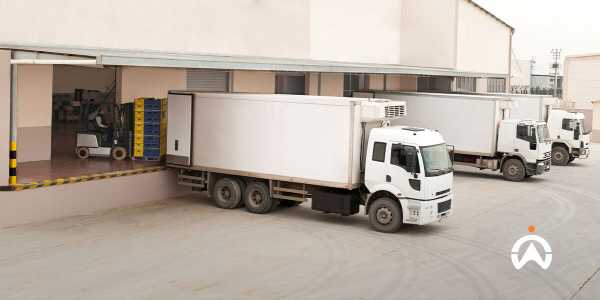
Three white delivery trucks at the loading dock are unloading cold chain logistics using forklifts.

All products classified as "perishable" or "temperature-sensitive" require effective cold chain management to ensure temperature integrity is maintained throughout shipping, transit, and storage, right up to final delivery to the customer. These perishable and temperature-sensitive products include food, beverages, and pharmaceutical products such as:

  • Vaccines and other medical products
  • Wine
  • Desserts (ice cream & gelato)
  • Meat and seafood
  • Fresh fruits and vegetables
  • Milk and dairy products (yogurt, ice cream, cheese, and other fermented products)

Companies that produce, transport, or sell the aforementioned types of goods place great importance on cold chain logistics. This is because temperature-sensitive products are at high risk of rapid spoilage and the loss of their original flavour and quality; furthermore, failure to maintain the required cold chain temperature and environmental conditions poses a risk to public health and ultimately results in financial losses.

Also Read: Understanding FTL and LTL Methods in Large-Scale Goods Delivery

Five Elements of Cold Chain Logistics

Cold chain logistics is a process involving a series of tasks—such as preparation, storage, transportation, and monitoring—required for temperature-sensitive products. The success of cold chain logistics depends on the ability to control vehicle or cargo temperatures throughout the entire process, ensuring the products remain in good condition upon delivery to the end customer.

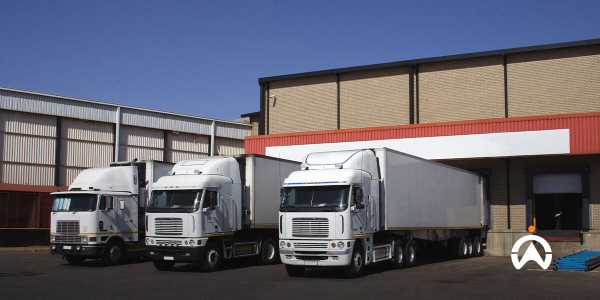
White cold chain logistics truck parked in warehouse for distribution of temperature sensitive products

There are five (5) supporting elements that you must pay attention to so that the process of transporting temperature-sensitive products can run smoothly.

1. Cooling System

It is a system used to ensure that the product temperature meets the specified requirements, ensuring that the product is at the right temperature in all aspects.  , including processing, storage, and transportation. Some food categories that require certain cold temperatures:
– Buah-buahan tropis seperti pisang atau nanas dapat mengalami pematangan saat diangkut, sehingga membutuhkan kisaran suhu yang stabil antara 12° hingga 14°C.
– Sayuran, buah-buahan, produk susu, dan daging harus didinginkan pada suhu sekitar 2° hingga 4°C.
– Daging, roti, kue, dan produk lain yang perlu dibekukan membutuhkan suhu antara -10° dan -20°C.
– Makanan laut, es krim, dan beberapa makanan beku memerlukan suhu antara -25° hingga -30°C.

2. Cold Storage Unit

Temperature-sensitive products must be stored in appropriate conditions during the interim period—prior to being transported for further processing or distribution to the market. Cold storage facilities and equipment—such as medical refrigerators, freezers, refrigerants, insulated containers, cold rooms, and chillers—are examples of the systems used to maintain and preserve temperature-sensitive products.

3. Cold Chain Management

Cold chain packaging systems—also known as refrigeration technologies—are designed to maintain products at specific temperatures, whether cool or frozen. This is achieved through the use of gel packs, dry ice, liquid nitrogen, eutectic plates, and various insulating covers.

4. Cold Transport

Good for needs   both locally and globally, cold transport will keep cold products at a stable temperature by controlling their humidity levels. There are several ways to transport products   
– Truk atau trailer berpendingin
– Kapal kargo berpendingin
– Kargo udara cold transport also uses Internet of Thing (IoT) devices for temperature tracking and monitoring to provide data real time necessary to ensure consistent temperatures, maintain product quality and integrity, and maintain regulatory and safety compliance. You can add temperature sensors from Cartrack to help monitor the temperature inside your cargo.

Also read: Providing Various Additional Sensors, Cartrack Gives Full Control Over Vehicles

5. Cold Processing and Distribution

It involves maintaining the appropriate temperature from the moment products are received from suppliers until the cargo is unloaded from trucks, trains, or aircraft onto pallets or crates, and subsequently moved into storage before being delivered to the end customer. Cold processing and distribution facilities enable multiple suppliers and distributors to ship chilled products to various destinations to meet B2B or B2C customer demand.

Enhance your cold chain logistics business with Cartrack Temperature Sensors today! Contact our marketing team at 021 3973 0230 or click the WhatsApp link below.

More Than Just Location Tracking: Car GPS Trackers Offer a Range of Other Features!

You are likely already familiar with the term GPS. GPS, or Global Positioning System, is a global satellite navigation system that provides synchronised location, speed, and time data for land, sea, and air travel. So, what is the function of GPS? Simply put, it acts as a modern digital compass, allowing you to determine specific locations, routes, and even travel times.

The most common example of GPS usage is accessing Google Maps—a navigation application that utilises GPS technology and an internet connection to guide drivers in finding the best routes and estimated travel times to their destinations.

GPS was first introduced in the 1970s for United States military purposes through the U.S. Department of Defense. To this day, GPS technology continues to evolve.

What Is a GPS Tracker?

A GPS tracker is an application or software accessible via mobile phones and laptops that allows for tracking the location of specific objects previously equipped with a GPS device.

The use of GPS trackers is essential—particularly for businesses in vehicle and heavy equipment rental, logistics, mining, plantations, cargo, freight forwarding, and delivery—due to the high risk of asset embezzlement and vehicle theft. With a GPS tracker, your vehicles are easier to track and locate based on their precise GPS coordinates.

GPS Tracker Functions

The primary function of a GPS tracker is to monitor the location of a car or object in real time. With technological advancements, various sensors can now be integrated into GPS trackers, providing a range of additional functions that are highly valuable to you as a business owner.

Cartrack Services

As the leading provider of car GPS services in Indonesia, Cartrack offers GPS trackers with advanced features.

GPS Tracker

Cartrack’s GPS tracker is a compact device—measuring 90 mm x 36 mm x 11 mm and weighing less than 100 g, roughly the size of a stapler. It takes a Cartrack technician only about 30 minutes to install the GPS unit and its sensors, ensuring no disruption to your business operations.

Installation is also free of charge—specifically within a 100 km radius of Cartrack technicians located across Indonesia.

Also read the article: 6 Things to Consider When Choosing a GPS Tracker

Asset Tracker

Cartrack’s Asset Tracker helps you manage the company's mobile assets, such as generators, containers, tents, cement mixers, and more.

Cartrack's asset tracker can be installed on generators, cement mixers, containers, and other mobile assets.

This tool automates office inventory management, reduces the risk of loss, and accelerates the asset tracking process.

Project workers are filling cement, a picture of the hard work behind the installation of the best car GPS tracker features.

Smart/AI Cameras and Non-AI Vision

To help monitor driver behavioir and investigate incidents such as fuel theft, traffic accidents, and other criminal acts, Cartrack offers AI and non-AI vision services featuring smart cameras installed in the driver's cabin, cargo area, or externally, as well as dashcams. These video recordings assist with insurance claims, legal proceedings, and court cases.

Fuel Sensor

Fuel costs represent one of the largest expenses for businesses that rely on vehicles. These fuel sensors help you monitor daily fuel consumption, verify fuel reimbursement claims, and calculate efficiency.

This fuel sensor is also equipped with an alert system that sends notifications regarding potential fuel theft.

Driver ID Tag

Managing multiple vehicles and drivers simultaneously can be a major hassle. With Cartrack’s Driver ID Tags, you can monitor how responsibly your drivers handle the vehicles entrusted to them. Additionally, these tags can send alerts whenever any suspicious driver activity occurs.

Remote Vehicle Shutdown / Start Prevention

With the Start Prevent feature, you have full control over each of your vehicles. You can shut off the engine in situations such as theft, failure to return the vehicle, late payments by renters, and various other circumstances.

When Start Prevent is activated, the vehicle's engine does not shut off immediately; instead, the vehicle cannot be restarted when one attempts to use it. This measure is designed to prevent accidents and avoid endangering others.

Temperature Monitoring

Logistics companies specialising in the transport of food and frozen goods must ensure that cargo temperatures do not fluctuate drastically, in order to prevent spoilage. Cartrack has the solution for you. With Temperature Monitoring, the freshness of your cargo is guaranteed; you receive alerts regarding drastic temperature changes and gain access to temperature reports that can be presented during the handover of goods. These reports are essential for avoiding disputes with your customers.

Integration of Controller Area Network (CANBus)

For vehicles equipped with CAN-Bus, Cartrack can integrate this with the MiFleet feature to connect directly to the dashboard and obtain accurate odometer data for your vehicle.

Door Sensor

This sensor allows you to obtain information regarding the location and timing of cargo door openings and closings. Using a door sensor provides users with added peace of mind, as it helps prevent the theft of goods.

Yellow construction crane with car GPS tracker system to track project location.

Power Take Off (PTO) Sensor

PTO sensors track every equipment activity on your construction vehicles—such as dozers, excavators, trucks, conveyor belts, rollers, and compactors. Obtaining PTO reports allows you to distinguish between productive and unproductive idling.

Also read the article: 4 Reasons Why GPS Trackers Are Important for Construction Companies

Panic Button

A panic button is an emergency button installed in your vehicle. Pressing the panic button silently sends a distress alert to the Cartrack Control Room—which operates 24/7—prompting operators to immediately provide assistance.

A panic button is essential for responding to criminal acts or situations requiring immediate medical attention—particularly in vehicles where mobile phone use while driving is prohibited, such as fuel transport trucks.

A GPS tracker is a highly recommended, advanced device for providing enhanced protection for your vehicles, drivers, and business. Given the various advantages it offers, Cartrack is the ideal choice for you.

What are you waiting for? Contact us immediately at 021-3973 0230 or click the following WhatsApp link https://wa.me/622139730230 to get our best offer.