
How to effectively monitor and secure valuable cargo

Have you ever felt anxious when shipping important items? It could be confidential documents, high-tech equipment, or even high-value items like gold and jewelry. These items are often referred to as precious cargo. Because of their high value, maximum protection is essential. But how can we monitor and secure valuable cargo? Let's discuss!

What is Valuable Cargo?

Simply put, valuable cargo is any item with high economic value. These items can be expensive, difficult to find replacements for, or have a significant impact. Examples include cash, electronics, precious metals, or essential medicines. Even some art exhibits fall into this category.

Why is it Important to Monitor and Secure Valuable Cargo?

Imagine you're shipping a cargo containing expensive goods, and then suddenly there's a problem. The driver can't be contacted, or perhaps the cargo is delivered to an unintended destination. This is why you need a monitoring tool for valuable cargo.

With a monitoring device, you can see the location of your cargo in real time. So, if you notice anything suspicious, you can take immediate action. Furthermore, some monitoring devices are equipped with additional security features like door sensors. For example, if a container door is opened in the middle of the road without permission, you'll receive an immediate notification. So, you'll not only know the location of your cargo but also ensure it remains safe from theft.

Also Read: Driver Monitoring System to Monitor Driver Behaviour

The Risks Lurking in Shipping Valuable Cargo

Shipping valuable cargo without adequate protection can pose various risks. One is theft, which often occurs during the shipping process, especially when the vehicle stops at an unmonitored location. Another risk is damage to goods due to careless handling, such as electronics that are susceptible to shock or humidity.

Furthermore, human error can also pose a threat. For example, cargo being delivered to the wrong address or not on schedule. This not only causes financial loss but can also damage a business's reputation. Therefore, it is crucial to utilise advanced technology that can minimise this risk.
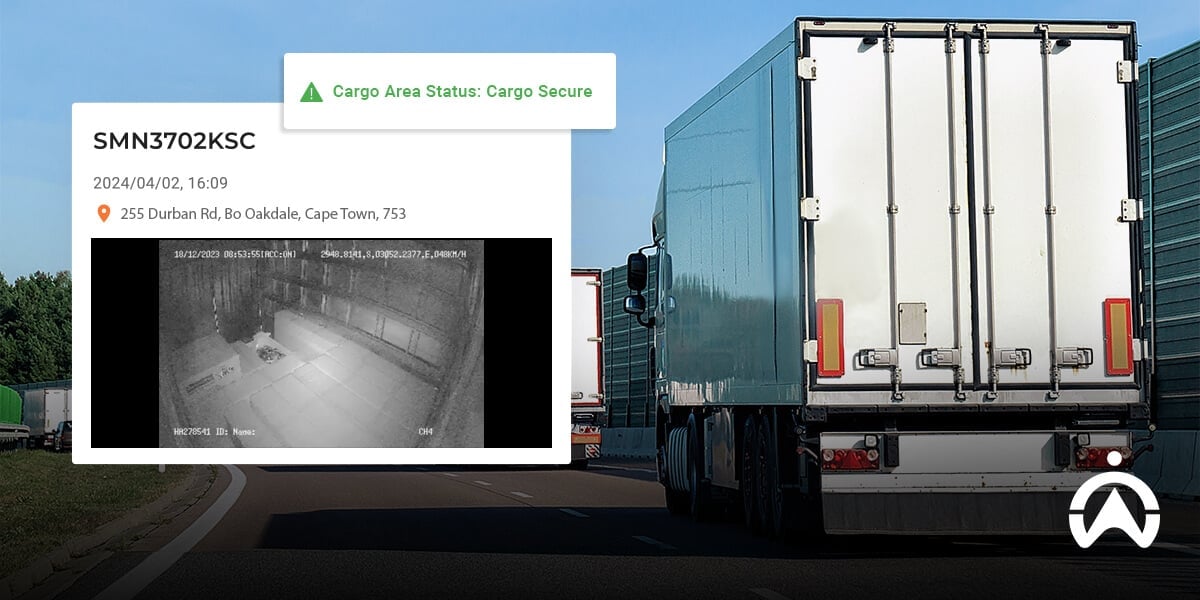
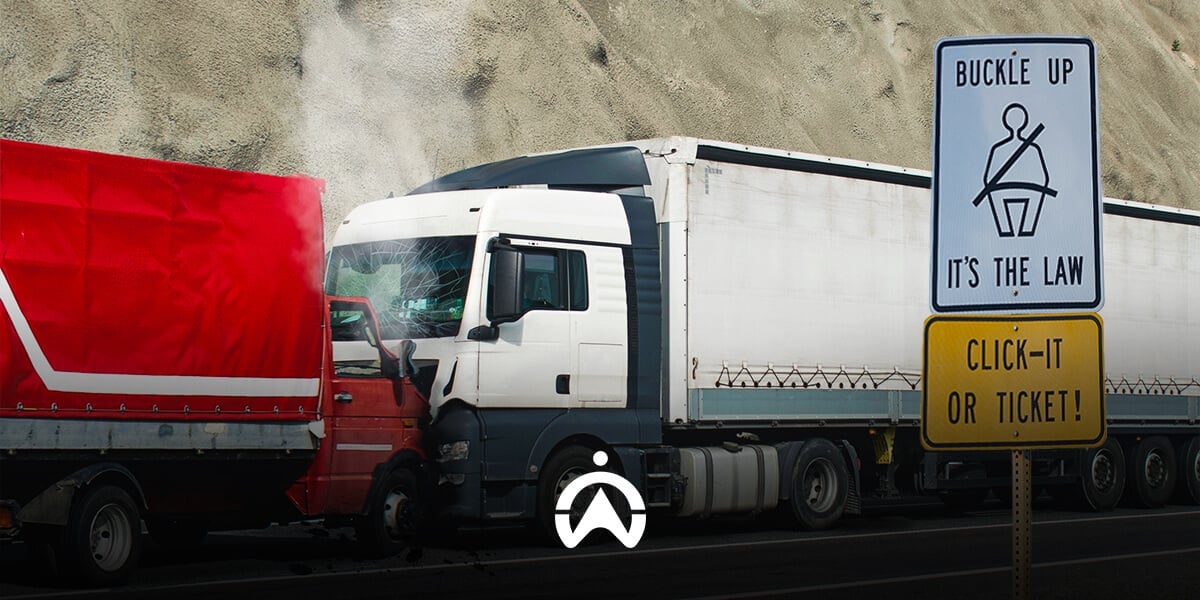
Kamera belakang pada truk yang berfungsi memantau dan mengamankan kargo saat melaju di jalan.

Technology that Supports the Security of Valuable Cargo

Currently, various technologies have been developed to support the security of valuable cargo. One of the most common is the cargo door sensor, which provides notification when the door is opened unauthorised. This technology is very helpful in preventing theft during transit.

There's also temperature tracking technology, which is crucial for cargo like pharmaceuticals or food that are sensitive to temperature changes. This technology allows managers to monitor cargo conditions in real time and take action if temperatures fall below standards.

Additionally, some security systems are equipped with surveillance cameras installed in or around the vehicle. These cameras provide an additional layer of security by recording activity occurring during delivery.

Cartrack's Premium Features for Your Cargo Security!

Cartrack is one of the best remote monitoring solutions you can use. Why? Because Cartrack not only provides location information but also offers a variety of other advanced features. Let's dive into the details!

  1. Real-Time Tracking
    With advanced GPS technology, you can pinpoint the location of your cargo instantly. Want to check on your phone or laptop? You can! Furthermore, this feature helps ensure deliveries stay on schedule and facilitates quick response if any delays occur. With Cartrack, fleet monitoring is more practical and reliable.

  2. Live Notification
    If something goes wrong, such as cargo stopping too long in an inappropriate location or there's evidence of intrusion, you'll receive an immediate notification. This allows you to take immediate action to protect your assets from potential loss.

  3. Cargo Door Sensor
    This feature is crucial for cargo carrying valuables. If someone opens the cargo door without permission, the cargo door sensor system will immediately activate an alarm. This way, you can be sure your cargo is safe during transit.

  4. Travel History
    The Cartrack system also stores data throughout the journey. If you encounter any issues with a delivery or want to evaluate a previous delivery, you can easily review your trip history. This feature allows you to analyse the most efficient routes, identify potential issues, and improve fleet management accuracy. All data is neatly stored and accessible at any time.

  1. Fleet Performance Analysis
    Cartrack provides comprehensive analytical reports, from speed and fuel efficiency to vehicle idle time. This information supports decision-making to improve your fleet's performance.

Also Read: The Important Role of Geofence Technology for Fleet Management
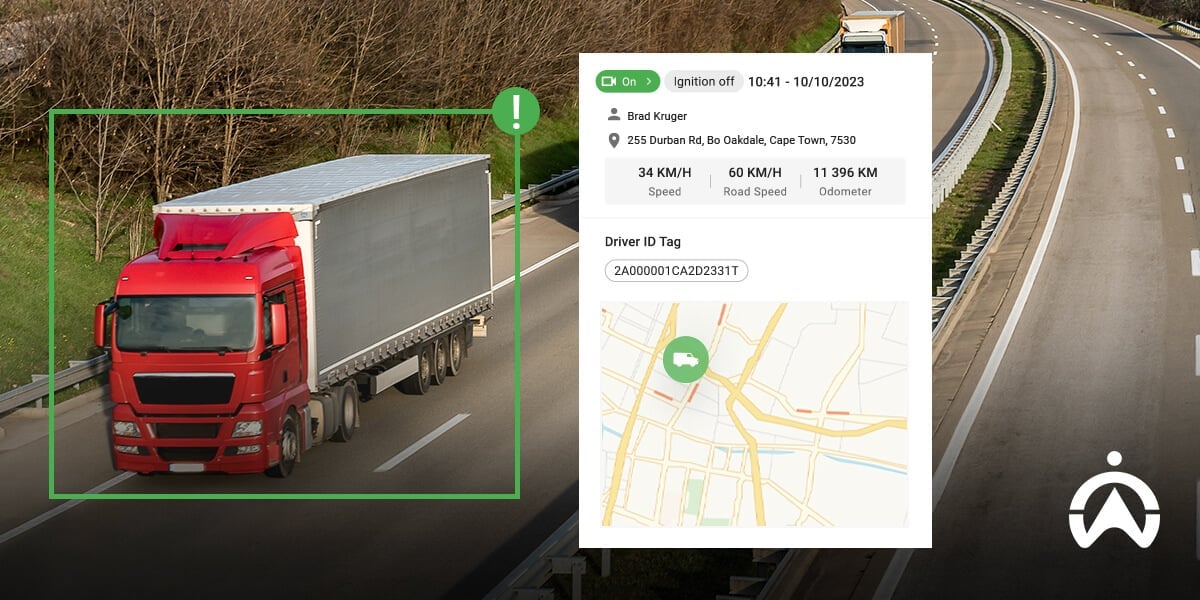
Truk di jalan tol dengan peta lokasi untuk memantau dan mengamankan kargo secara real-time.

Comparison of Cargo Security Technologies Available on the Market

There are many cargo security solutions available on the market today. However, not all offer the same combination of advanced technology and ease of use as Cartrack. Some providers may focus solely on GPS tracking but lack additional features like live notifications or door sensors.

Cartrack excels because it offers a holistic solution. By integrating features like real-time tracking, performance analytics, and additional security systems, Cartrack delivers significantly better value than its competitors. This technology not only simplifies vehicle or fleet monitoring but also ensures cargo security during transit.

Securing your valuable cargo isn't just about trusting your shipping service, but also ensuring you have full control throughout the process. With a tracking tool like Cartrack, you can not only know the location of your cargo but also prevent the risk of loss or damage. Let's protect your valuable cargo with the right technology. Click the following link, and register now to enjoy a FREE DEMO of Cartrack's cargo monitoring features!
Benefits Of Using A Vehicle Monitoring System For Business

Monitoring operational vehicle activity and performance can be quite tedious if you have a large fleet and it's still done manually. A vehicle monitoring system for businesses is essential to provide deeper fleet visibility and more efficient fleet allocation. Let's take a closer look at what a vehicle monitoring system is for a better business.

What is a Vehicle Monitoring System?

A vehicle monitoring system is a technology that allows you to remotely track and manage operational vehicles in real time. With the help of a GPS tracker and vehicle management platform, you can monitor a vehicle's position, speed, route, and condition without having to be on-site.

In addition to vehicle location, this system also monitors the driver's driving habits and behaviour. We can see data on these drivers to see if they frequently engage in bad habits like speeding, braking suddenly, or even going outside the company's designated area.

With the features in the vehicle monitoring system, business owners or fleet managers can see the driver's habits, thus minimising the occurrence of accidents because the driver is aware that his behaviour is being monitored.

Also Read: Important Driver KPIs to Monitor

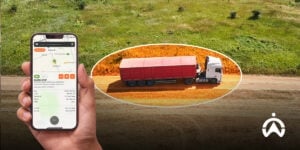
Hand holding smartphone with logistics vehicle monitoring system application, red truck on the road in background.

How Does a Vehicle Monitoring System Work?

The way a vehicle monitoring system works is quite simple. Each vehicle is equipped with a GPS tracker connected to a satellite. This device then sends data to a server, which then translates this data into a vehicle management app or platform, providing information for business owners or fleet managers. Through this app, you can view comprehensive vehicle information, such as:

With this technology, all the information you need is at your fingertips. Simply open your smartphone or computer, and your vehicle data is instantly visible.

What are the Benefits of Using a Vehicle Monitoring System?

Now for the interesting part: what are the benefits of vehicle monitoring for business? Some of them include the following:

Business Operational Effectiveness

By monitoring vehicles in real-time, we can ensure deliveries or trips are running on schedule. If there's a traffic jam, you can provide alternative directions directly to drivers to ensure orders arrive on time. Furthermore, with real-time monitoring, we can identify potential machine failures and schedule repairs promptly. By addressing breakdowns early, companies can prevent operational disruptions and maximise business effectiveness.

Fuel Cost Savings

Monitoring vehicle performance is crucial for identifying inefficiencies that lead to excessive fuel consumption. By prioritising fuel efficiency through remote diagnostics, businesses can improve overall performance, reduce environmental impact, and save costs.

Driver and Passenger Safety

With a remote monitoring system, we can ensure the vehicle is always in optimal condition, reducing the risk of accidents for both drivers and passengers. Regular monitoring through vehicle diagnostics allows us to identify potential mechanical issues, such as brake failure, thereby reducing the likelihood of accidents due to sudden breakdowns or equipment malfunctions.

Easy Vehicle Management

Imagine having 10 vehicles that you have to monitor one by one. It would definitely be very troublesome. With this technology, all vehicle data is integrated into one dashboard, making vehicle management simpler.

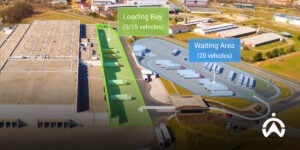
Aerial photography of logistics hubs using vehicle monitoring systems to track trucks in loading bays and waiting areas.

How Can Cartrack Help with Remote Vehicle Monitoring?

So, if you're looking for the most trusted remote monitoring solution in Indonesia, Cartrack is the right choice. Cartrack provides GPS tracker devices and a sophisticated, comprehensive vehicle management platform with features such as:

Real-time tracking

Using Cartrack's monitoring system, you can accurately track your vehicle's location at any time. This system provides detailed, up-to-date location information, allowing you to easily monitor every vehicle in your fleet. Furthermore, real-time tracking helps improve operational efficiency and vehicle safety.

Analytics and reporting

Cartrack reports provide comprehensive data on fuel consumption, driver behaviour, and vehicle performance. With comprehensive analytics, you can identify opportunities for cost savings and increased productivity. Furthermore, structured reports facilitate data-driven decision-making.

Automatic notification

Receive automatic alerts if there's suspicious activity or a vehicle deviating from its route. These notifications allow you to take immediate preventative action before problems arise. Cartrack's vehicle monitoring system is designed to deliver fast, accurate information directly to your device.

Customer Support

Cartrack Customer Service is always ready to help whenever you need it. With responsive service, any issues can be resolved quickly, keeping operations running smoothly. This support ensures the best user experience and minimal disruption.

With Cartrack, you don’t just monitor vehicles, you also optimise operations. All these features are designed to help your business run more efficiently and safely.

So, remote vehicle monitoring is no longer just an option, but a necessity in today’s digital era. With this technology, businesses can manage vehicles more easily, cost-effectively, and safely. If you’re still unsure where to start, Cartrack is ready to be your partner. Let’s use a vehicle monitoring system, click the following link for more information!


The Importance of Seat Belts and Cartrack AI Cameras for Driving Safety

From a young age, we are taught that wearing a seatbelt is essential for safety while driving or riding in a vehicle. Yet, as we grow older, we often become negligent about buckling up. Let’s take a look at why wearing a seatbelt is so important—in fact, it serves as one of the most crucial life-saving tools in any vehicle.

Seat Belts Reduce Accident Deaths by 50%

We never know what might happen on the road, as accidents caused by the mistakes of other drivers occur all too frequently. For this reason, we need seat belts to prevent or minimise the impact should an accident take place. It is important to realise that in the event of a crash, a seat belt acts as a restraint, helping to keep our bodies from being thrown out of the vehicle.

Did you know? According to data, seat belts can reduce the risk of death in an accident by up to 50%. This means your chances of survival are much greater if you take a few seconds to buckle up.

Read Also: The Use of Telematics for Fleet Businesses

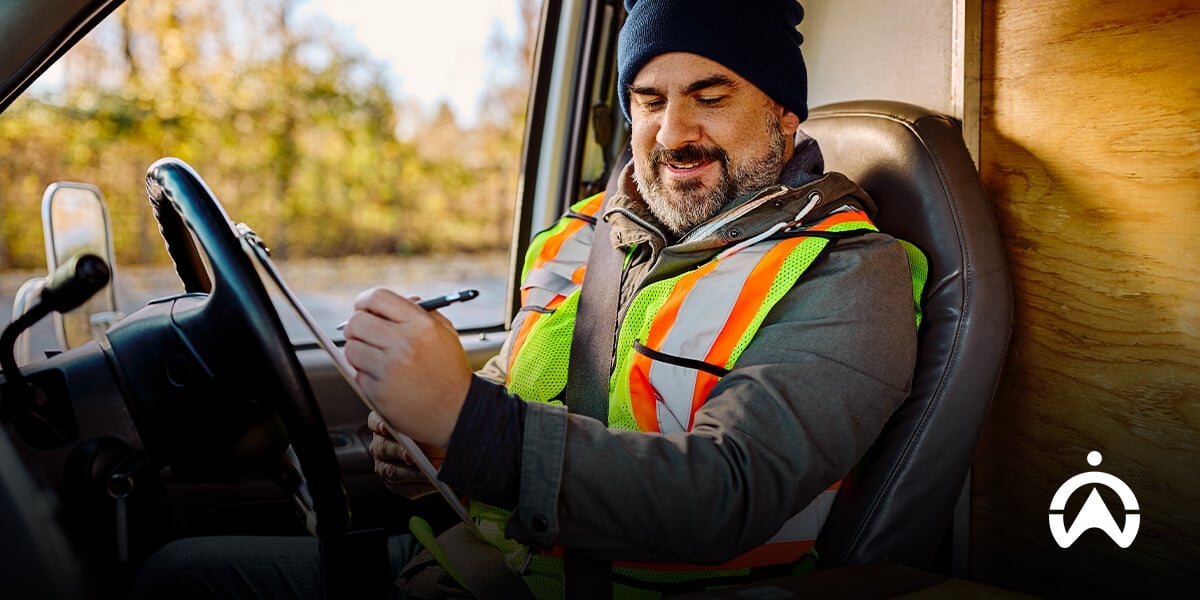
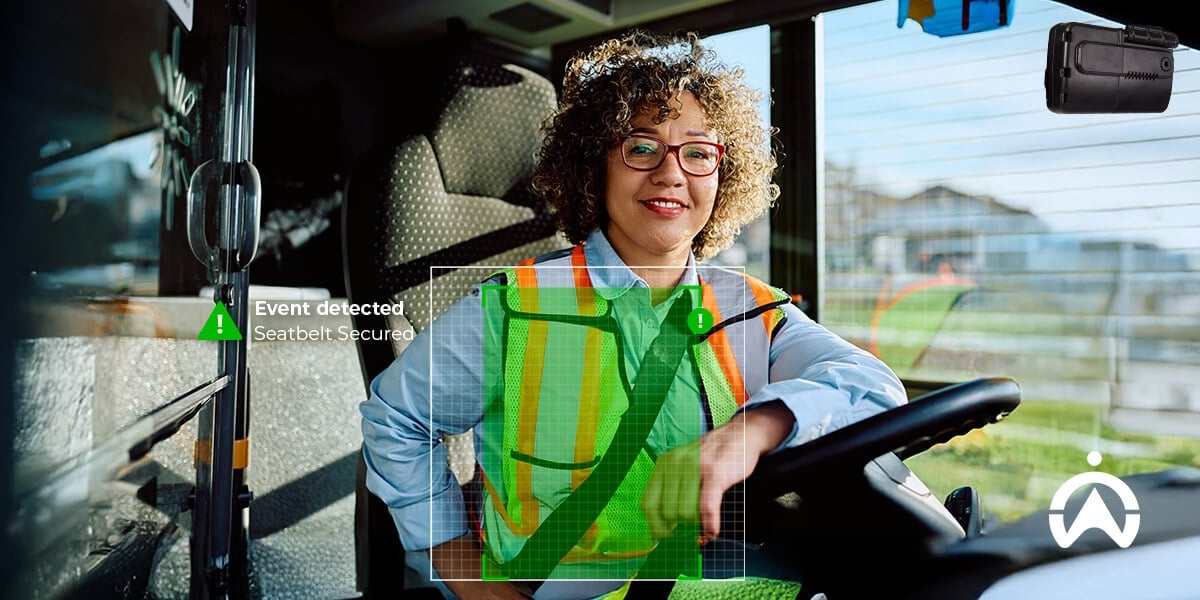
Drivers wear safety vests in the car cabin to support driving safety with Cartrack AI cameras.

Seat Belts Can Protect You From Other Harms

  1. Protecting Yourself from Serious Injury: Imagine a collision. Your body will be propelled forward at the same speed as the vehicle before it comes to a sudden stop. The seat belt will keep you from hitting the dashboard, steering wheel, or even the windshield. By keeping your body from being thrown, you will certainly avoid serious injuries that might occur.

  2. Laws and Fines: Wearing a seat belt is not only a matter of safety, but also an obligation. In Indonesia, if you don't wear a seat belt, you may be fined for violating existing regulations.

  3. Protecting Other Passengers: This is something that is often forgotten. If you don't wear a seat belt and an accident occurs, your body could be a danger to other passengers in the car. You could accidentally "hit" another passenger by being thrown around in the car. So, wearing a seat belt is not only about your own safety, but also the safety of others.

The Importance of Seat Belts for Fleet Drivers

Beyond individual motorists, fleet drivers also require seat belts as a vital piece of equipment to ensure their safety during long and demanding journeys. These drivers frequently face time pressures and unpredictable road conditions, which increases the risk of accidents compared to the average motorist.

Using a seat belt helps keep drivers safe in the event of sudden braking or a collision. Furthermore, for companies, ensuring that fleet drivers wear seat belts also serves as a means of protecting assets and investments. Accidents involving drivers who are not wearing seat belts can lead to serious injuries, resulting in both financial losses and reputational damage.

By ensuring the use of seat belts, companies can minimise the risk of accidents and provide a sense of security for both drivers and customers who use their services.

Read Also: How to Anticipate Truck Hijackings While on the Road

Female drivers wearing safety vests in the fleet, supporting driving safety with Cartrack AI cameras.

Cartrack AI Camera: Changing the Way We Drive

Okay, now we understand why wearing a seat belt is important. But how can we ensure that all drivers and passengers actually wear their seat belts? That's where Cartrack's technology comes in to help!

Cartrack’s AI-powered cameras are designed to enhance driver safety. Each vehicle can be equipped with up to eight cameras, covering the road ahead, the vehicle interior (cabin), and the exterior. Furthermore, the system includes live streaming capabilities, direct in-cabin calling, and real-time alerts that can be transmitted to the Cartrack web platform.

Cartrack's AI Camera is an AI-powered camera designed to improve driver safety. Each vehicle is equipped with up to eight cameras: one facing the road, the other facing the cabin, and the other facing the exterior. It also features live streaming, direct calls to the cabin, and real-time alerts that can be sent to the Cartrack web platform.

Seatbelts are small, but their impact is huge. Even the most sophisticated technology can't protect you if you don't start with yourself. So, starting now, let's make it a habit to wear seatbelts every time we drive, using technology like Cartrack's AI Camera to ensure driver and passenger safety.

Click the following link to get more information regarding Cartrack’s AI cameras!

Monitoring Fuel Consumption with a Fuel Sensor and Fuel Probe

Using fuel sensors is an effective way to monitor detailed fuel usage across a company's operational fleet. This monitoring is essential due to unnoticed waste and undetected fraud.

In this article, we'll discuss fuel monitoring using fuel sensors. We'll also discuss how this technology can help your business achieve maximum efficiency.

Why is Fuel Monitoring Important?

Before we discuss further about fuel sensors, we first need to know why fuel monitoring is important.

Fuel Efficiency

Monitoring fuel consumption can help you identify waste or inefficiencies. By noticing potential waste, you can investigate the causes and implement overall savings in the future.

Spending often becomes inefficient due to undetected fraud and cheating. Using a fuel sensor allows you to detect and address this fraud.

Vehicle performance

This monitoring also allows you to obtain information regarding the engine's condition. This is because fuel waste or leaks often indicate potential engine damage.

In addition, this type of monitoring typically involves fleet telematics devices and GPS trackers. It also allows you to identify fuel-wasting driving behaviours, such as frequent speeding, harsh acceleration, and excessive idling.

Fleet Maintenance Management

Read Also: What Is a Fuel Management System

Timely maintenance will make your vehicle run more efficiently, reduce the risk of major breakdowns, and extend its lifespan. Indirectly, this also helps reduce long-term operating costs.

Emission

With fuel monitoring, you can calculate how effectively you're using fuel. You can also reduce carbon emissions and keep the air clean by optimizing fuel usage.

Also Read: What is a Fuel Management System?

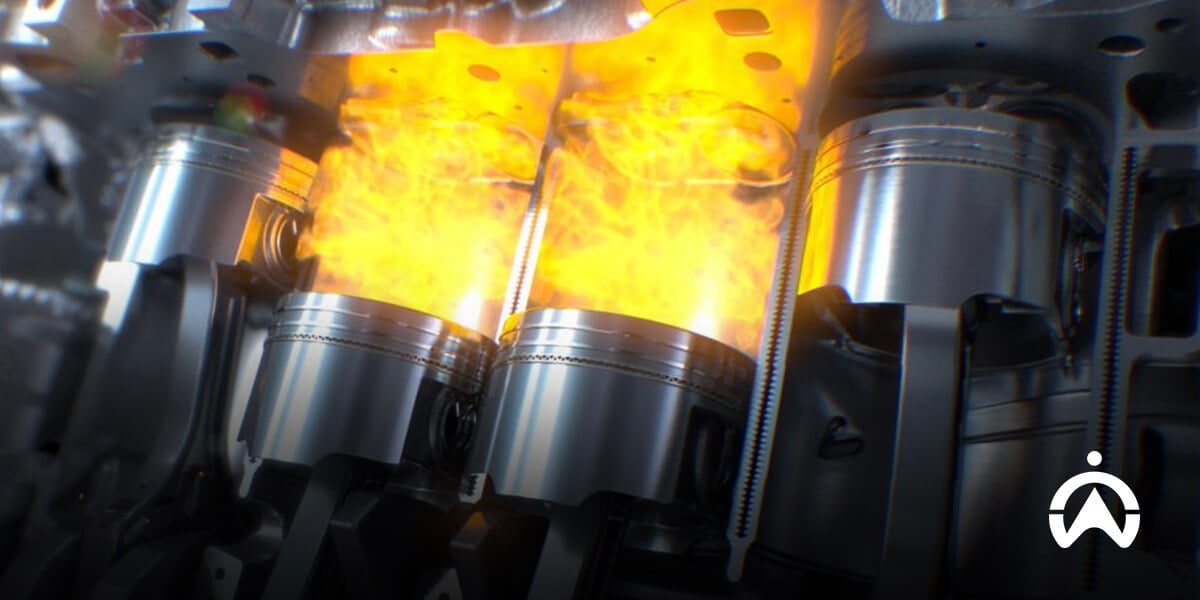
Car engine fires due to fuel problems that need to be anticipated with a fuel consumption monitoring system.

What Is a Fuel Sensor and How Does It Work?

A fuel sensor is a device used to determine the fuel level in a vehicle's tank. By measuring the fuel level in the tank, you can determine the amount in litres.

This tool is usually integrated with a Fleet Management System (FMS) and fleet telematics, allowing you to access the data in an easy-to-read format. Some devices you can use to monitor vehicle fuel consumption include:

Fuel Floater

Every vehicle is equipped with a fuel floater as a built-in sensor or monitoring device. You can see the fuel floater data on the dashboard, specifically in the fuel gauge, which generally doesn't display actual values.

In a fleet management system, this floater is connected to a dedicated telematics device to convert the data into litres. This way, when you access the data on the system dashboard, you'll know the actual figures.

Fuel Probe (Fuel Stick)

As the name suggests, this sensor is rod-shaped and mounted vertically in the vehicle's fuel tank. Unlike a floater sensor, this stick-shaped sensor is an additional sensor typically provided by the Fleet Management System.

This sensor works by reading the oil level in the tank, then the telematics device sends the data to the system. You'll then be able to view this data on the dashboard in the form of graphs or tables in reports.

CANBus

CANBus is a system that allows components in a vehicle to communicate with each other over a single channel. Unfortunately, not all vehicles are equipped with a CANBus system, and not all vehicles' CANBus systems provide fuel information.

This system isn't actually a sensor, but rather a communications centre whose data can be "tapped" by attaching specific telematics devices. This telematics system converts the data into readable formats, such as numbers and graphics.

Fuel Sensor Integration with Fleet Management System

The use of fuel sensors is inseparable from their integration with fleet management software. This is because sensors are simply tools for collecting data and require specific software or systems to read and analyse it.

This integration will also expand fleet management monitoring capabilities, as GPS monitoring is integrated with fuel monitoring. You can also validate fuel claims by viewing vehicle travel history.

Benefits of Using Fuel Sensors in Fleet Operations

Using a fuel sensor will help you obtain accurate operational expense data. Here are the benefits of using a fuel sensor to monitor fuel consumption for your company.

Reduce Expenses and Increase Efficiency

Real-time fuel consumption monitoring is an effective way to detect waste and other issues. By knowing your usage in real time, you can identify the causes of waste and correct them.

This will help you maintain a stable budget, prevent losses, and reduce repair costs. All of this will impact fleet operational spending efficiency.

Reducing Vehicle Downtime

Downtime is an operational constraint that reduces vehicle productivity. Downtime is generally caused by sudden, unforeseen breakdowns.

With fuel monitoring, you'll also be connected to fleet telematics, which can detect engine damage and repair it. Well-maintained vehicles are more fuel efficient and reduce downtime.

More Accurate Expense Analysis

As previously mentioned, fuel sensors are usually bundled with a Fleet Management System (FMS). The use of sensors and fleet telematics within this system allows for clearer data readings and measurements.

With more measurable data, you can record expenses more accurately. This will facilitate budget evaluations and audits, and can inform strategic policy development.

Also Read: Is Fuel Consumption More Economical When Driving on Toll Roads?

Car exhaust emits black smoke due to incomplete combustion, a sign that fuel consumption needs to be monitored.

Fuel Monitoring with Fuel Sensor from Cartrack

Cartrack's Fuel Monitoring includes the use of sensors tailored to each vehicle, namely:

  • Fuel Analog: Utilizing the vehicle's built-in floater or sensor by adding a telematics device so that the data can be converted into liters.

  • Fuel Probe: Uses a rod-shaped sensor embedded directly in the vehicle's fuel tank and telematics to transmit data.

  • CANBus: Adds a telematics device to “tap” the vehicle’s CANBus data to find out fuel information.

Cartrack's Fleet Management System offers several unique features to support your fleet's fuel monitoring. These include:

Driver Scorecard

This report helps you identify driving habits that contribute to increased fuel consumption. For example, speeding, harsh acceleration, sudden braking, sharp turns, and  idling too long.

You can develop targeted training materials for drivers using the data from this report. This way, you can reduce bad driver habits and maximise efficiency.

Fuel Consumption Graphs and Reports

Cartrack's Fleet Web platform allows you to view fuel usage graphs to detect waste. You can also identify a drastic drop in fuel levels, which could indicate theft.

Not only that, you can also set up notifications for any increases or decreases of a certain amount. Usage reports are also accessible in tabular form and can be set to be received weekly or monthly.

MiFleet

MiFleet is a dedicated expense management feature, including fuel expenses. This feature allows you to record and separate fuel and other expenses for each vehicle.

With MiFleet, you can validate fuel claims and detect potential fraud or misuse. MiFleet is accessible within the FleetWeb platform, and you can receive regular reports.

Monitor Your Fleet's Fuel with Cartrack Now

Fuel waste often goes unnoticed, and fraud often goes undetected. With a fuel sensor, you can track fuel usage in liters, presented in graphs, notifications, and tables in reports.

All of this will significantly reduce fuel costs, allowing you to improve your company's spending efficiency. Learn more about Fuel Monitoring now by filling out the form below.

Also Read: Easy Ways to Calculate Fuel Consumption in Your Fleet

Cartrack's fuel sensor uses advanced telematics to convert data into understandable units (litres). This allows you to see fuel consumption and analyse fuel waste more accurately.

Here's Why You Need a Vehicle Dashcam

Road accidents often occur due to careless drivers. One way to improve driving safety is to install a dashcam in your vehicle. But do you know what a dashcam is, why it's important to use one, and what its benefits are? Let's take a look at the following discussion to learn why you should install a dashcam in your vehicle.

Understanding and Function of Dashcam

A dashcam, or dashboard camera, is a camera installed in a vehicle, usually in the front and sometimes also in the rear, to record activities during the journey. Dashcams automatically start recording when the vehicle is started. Some dashcams even come with additional features such as motion sensors, nighttime recording, and the ability to store recordings in the cloud.

Benefits of Dashcams in Vehicles

You've probably seen plenty of dashcams, but you're still not sure why you need one. Let's take a look at the top reasons why you might need a vehicle dashcam.

1. Evidence of the recording during the accident

Accidents can happen at any time, even when you're being extra careful. A dashcam can provide clear, recorded evidence in the event of an accident, helping you avoid unfounded accusations. With video from your dashcam, you can accurately pinpoint what happened and who was responsible.

2. Keeping your family safe

A dashcam can be a great tool to ensure your family's safety while driving. With dashcam recordings, you can monitor the driving of your family members, such as children who are just learning to drive. This feature encourages drivers to be more responsible and comply with traffic laws.

3. Prevent Car Theft

Dashcams are also effective in preventing theft and vehicle damage. Thieves tend to think twice before acting if they see a dashcam. Some dashcams are equipped with motion sensors and parking modes that can record suspicious activity, even when the vehicle is turned off.

4. Assisting with the Insurance Claim Process

Dashcams are often the primary piece of evidence in vehicle insurance claims. Video footage helps expedite the claims process by providing clear evidence of what happened on the ground. It also helps avoid disputes between the parties involved.

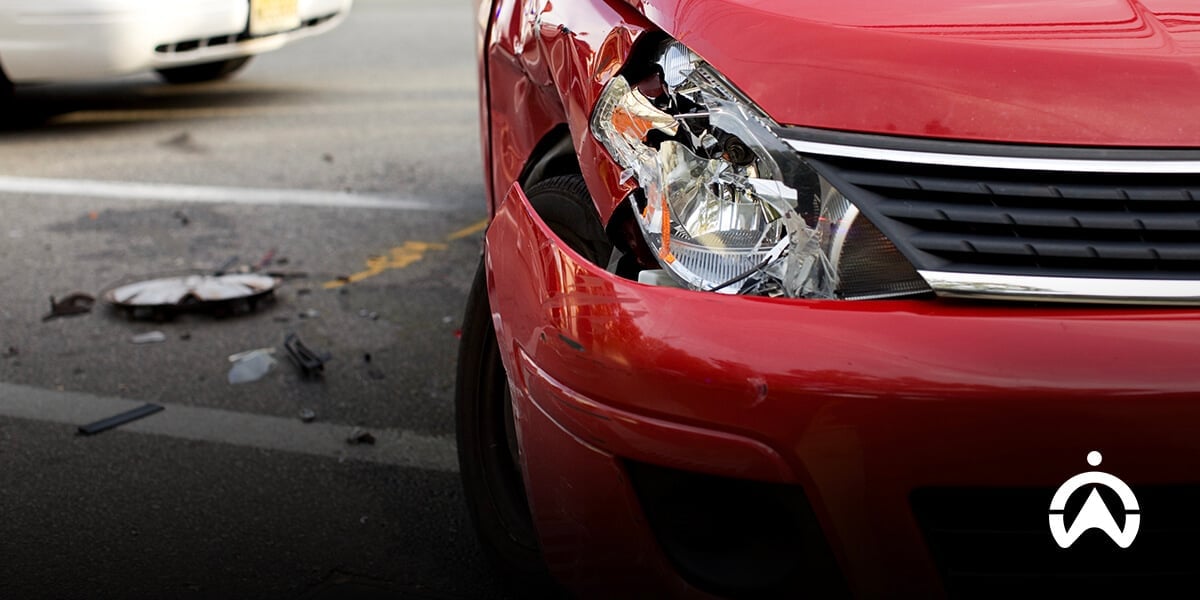
A red car with a dented front end due to an accident, shows the importance of a vehicle's dashcam as evidence.

How to Choose the Right Dashcam

1. Know Your Needs

The first step when choosing a dashcam is to understand your specific needs. Will the dashcam be used solely to record your daily commute, or do you need additional features like night vision and motion sensors? If you frequently travel long distances, choose a dashcam with long battery life and clear recording resolution. However, if your vehicle is often parked in public places, choose a dashcam with a parking mode feature to record suspicious activity when the car is not in use.

2. Pay attention to the camera resolution

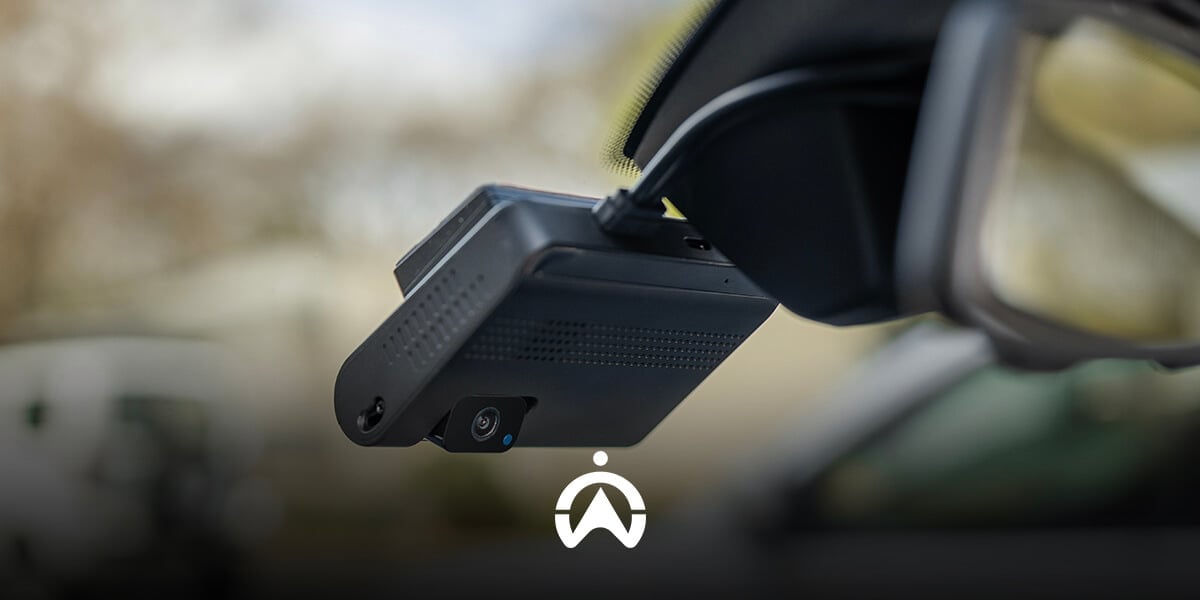
One important aspect when choosing a dashcam is video quality. It's best to choose a dashcam with high resolution for clear video, such as the Cartrack dashcam. Full HD (1080p) resolution is sufficient for most users as it provides a clear image. However, if you want more detailed recordings, especially for reading license plates, choose a dashcam with 4K Ultra HD resolution.

3. Make sure there is a night vision feature

If you frequently drive at night, make sure your dashcam has night vision or low-light recording capabilities. Cartrack's low-light recording dashcam ensures clear footage even in low-light conditions, allowing you to capture important details like license plates at night.

4. Consider Dual Camera

A dual-camera dashcam has two lenses, one for recording the front and one for recording the rear, or cabin, of the car. Dual-camera dashcams, like the Cartrack smart cabin dashcam, are suitable for online taxis or vehicles frequently used by many people, providing extra protection while traveling.

5. Choose a Dashcam with GPS Features

Dashcams equipped with GPS can record a vehicle's location and speed. This information is very useful for adding annotations to video recordings. This feature is helpful if you need to defend yourself against a violation or as evidence in the event of an accident.

6. Check Storage Capacity

Dashcams require a memory card to store recordings. Choose a dashcam with a large capacity memory card, at least 32GB, to allow for extended recording. Additionally, ensure the dashcam has a loop recording feature to automatically delete old recordings when the memory is full.

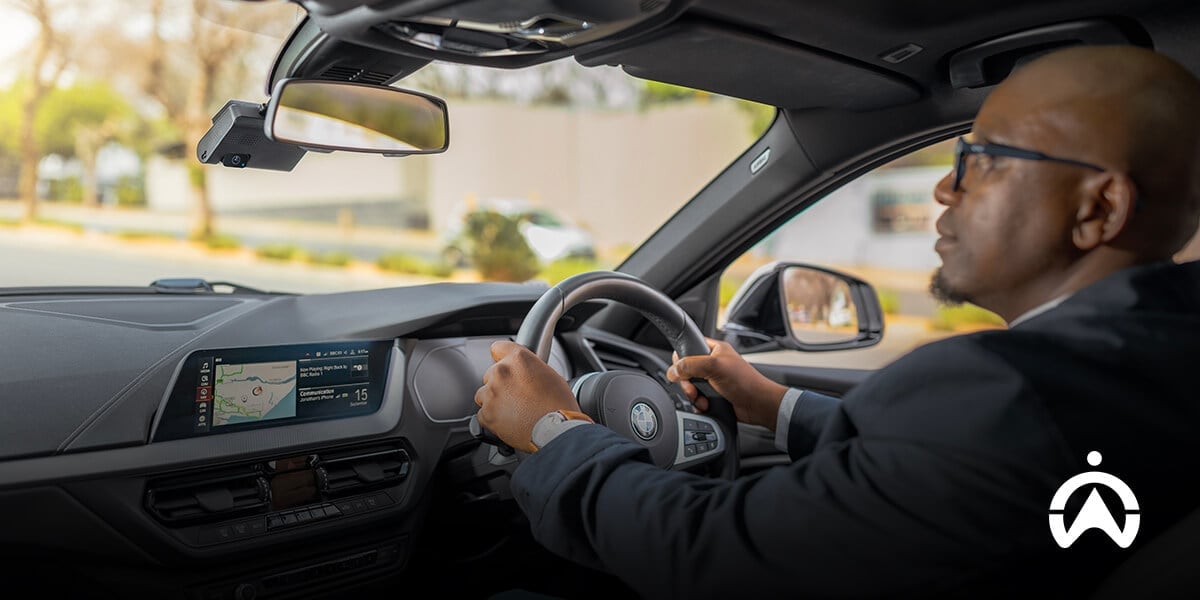
The driver focuses on driving using the vehicle's dashcam and navigation map on the car's dashboard.

A dashcam isn't just an accessory, it's an investment in your safety and security on the road. With so many benefits, from protecting your family to protecting your vehicle from crime, it's time to consider installing a dashcam in your vehicle.

Install a dashcam now and enjoy safety on every trip! Click this link for more information!

How to Reduce Business Vehicle Fuel Consumption?

In general, excessive fuel consumption can cause waste in the operational budget if not managed properly. So, how can we reduce fuel consumption of business vehicles so that we can?

Understanding fuel consumption

Fuel consumption is a measurement of the amount of fuel a vehicle uses. Fuel consumption measures fuel mileage and how many liters of fuel were used.

What influences fuel consumption?

1. Engine size

As we know, the larger the engine, the more fuel it requires. Why? This is because larger engines burn more fuel than smaller engines.

2. Tire air pressure

There's always friction between the tire and the road surface. The more uneven the road, the greater the friction; this is called rolling resistance. Tires with low air pressure create rolling resistance. which requires more energy and fuel consumption.

Car engine maintenance by mechanics to reduce vehicle fuel consumption.

3. Vehicle service

Vehicles that are serviced regularly tend to consume less fuel. When a vehicle is serviced, the technician will check several vital components and how they affect fuel consumption. Here's an explanation:

  • Air filter: The air filter prevents small particles like dust from entering and damaging the engine. A clogged air filter can restrict air circulation, causing the engine to work harder, thus consuming more fuel.
  • Fuel injection: The fuel system also requires regular maintenance to ensure it continues to deliver fuel to the engine efficiently. However, fuel injectors can sometimes become clogged, requiring cleaning or replacement to ensure they can easily deliver fuel to the engine as usual.

4. Vehicle weight

Lightweight vehicles require less engine power, while heavyweight vehicles require more. Therefore, larger vehicles burn more fuel and convert that fuel into energy.

5. Engine oil quality

Engine oil helps minimise friction, protect engine components, and regulate engine temperature. Drivers need to be careful.

Driving Habits That Increase Fuel Consumption and How to Overcome ThemInefficient Route

Have you ever felt like your gas tank is running out quickly even though you're on a short trip? It could be that your driving habits are causing your fuel consumption to be wasteful. Let's check out these points:

  • Speeding: The faster you drive, the more fuel you burn. High speeds increase wind resistance, forcing the engine to work harder.

  • Engine Running While Idling: Idling is a condition when engine is running but the car is not movingFor example, during traffic jams or when waiting for passengers. Idling can waste fuel if left unattended.

  • Speeding: Increasing the RPM without reason or speeding will make the engine have to inject fuel more often.

  • Sudden Acceleration: Immediately accelerating when the vehicle starts moving will waste more fuel than increasing speed slowly.

  • Inefficient Routes: Wrong choosing a route or frequently stopping in the middle of the journey can also increase fuel consumption.

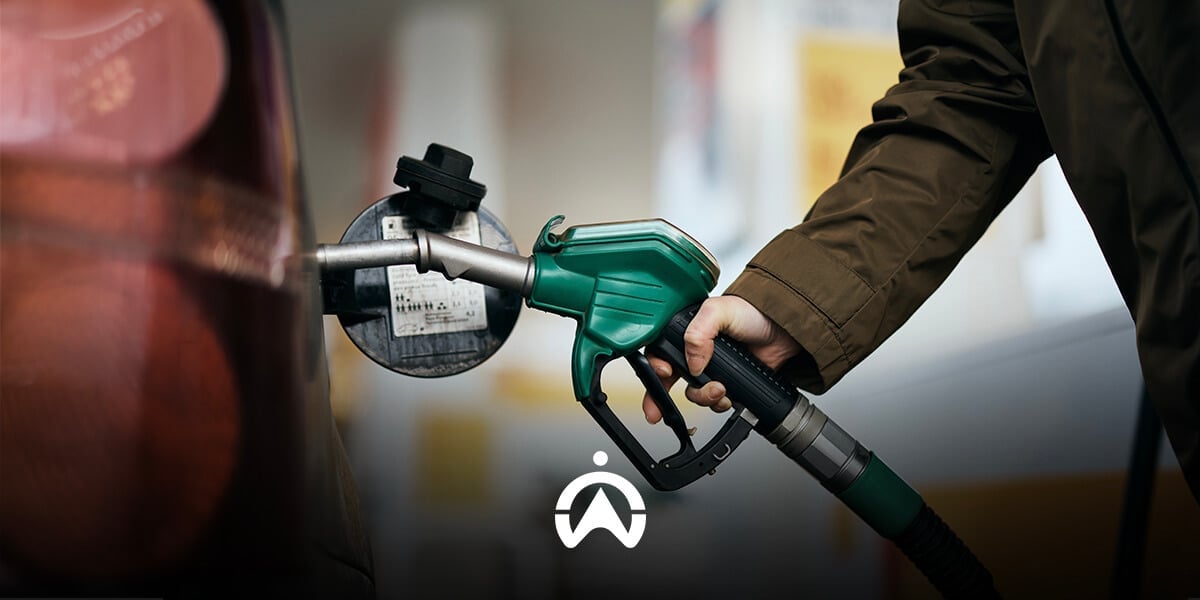
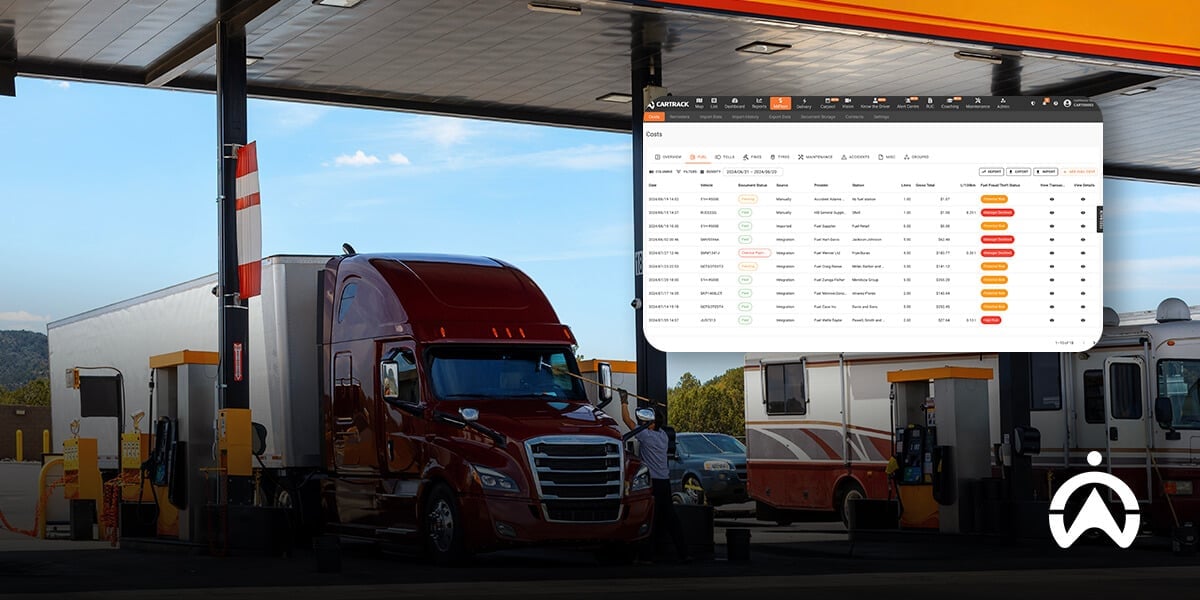
A red truck is filling up at a gas station with a digital tracking chart showing how to reduce fuel consumption for business vehicles.

Fuel-Saving Solutions with Cartrack Technology

Cartrack has technology that can help you save fuel and manage your fleet more efficiently:

  • Fuel Monitoring Tools: Monitor fuel consumption in real-time, check for potential leaks, and ensure your vehicle is fuel efficient with Cartrack's Fuel Monitoring Tools.

  • Fuel Sensors: Use a fuel sensor from Cartrack to monitor the fuel level directly from the tank.

  • Smart Camera: Cartrack's AI-powered smart cameras help prevent bad habits like using your phone or smoking while driving, which can lead to accidents.

  • Preventative Maintenance: Schedule routine servicing with Cartrack's features. Get real-time notifications about your vehicle's condition and automatic service schedules.

With Cartrack technology, you can save fuel, reduce operational costs, and maintain optimal vehicle performance. Click the following link to find out more about Cartrack products!