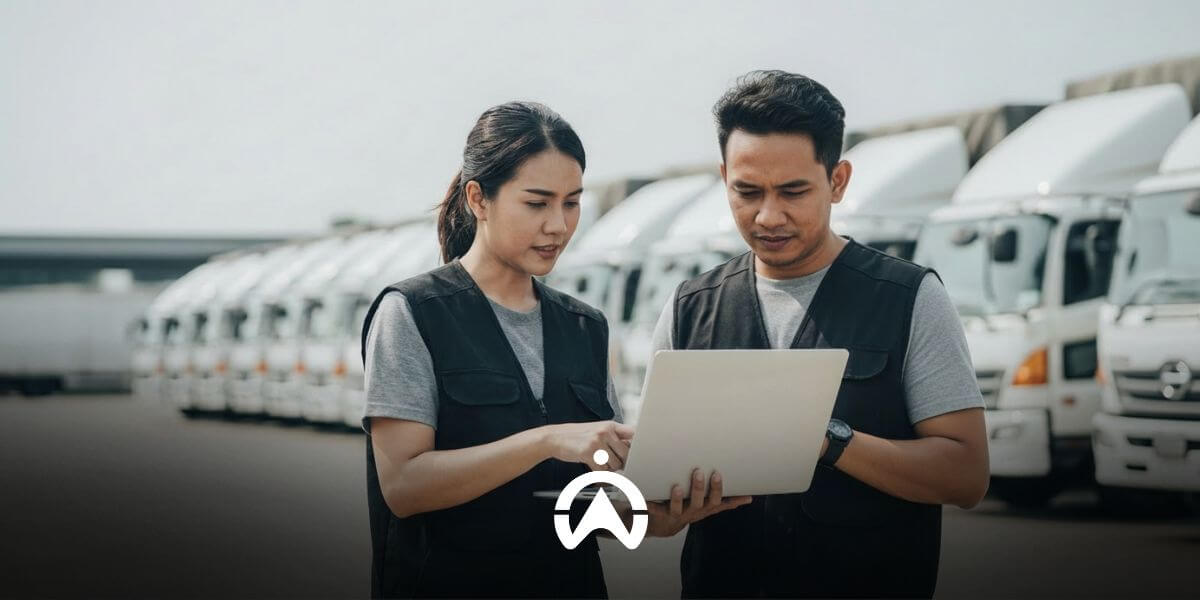

How to Save Your Fleet from Losses with Fuel Efficiency

What is fleet fuel efficiency?

Fleet fuel efficiency is a measure of how well vehicles use fuel while on the road. Fuel efficiency refers to trucks, vans, and engines using fuel effectively to deliver goods, complete routes, and keep businesses running smoothly without wasting fuel or harming the environment.

Will fuel efficiency save money?

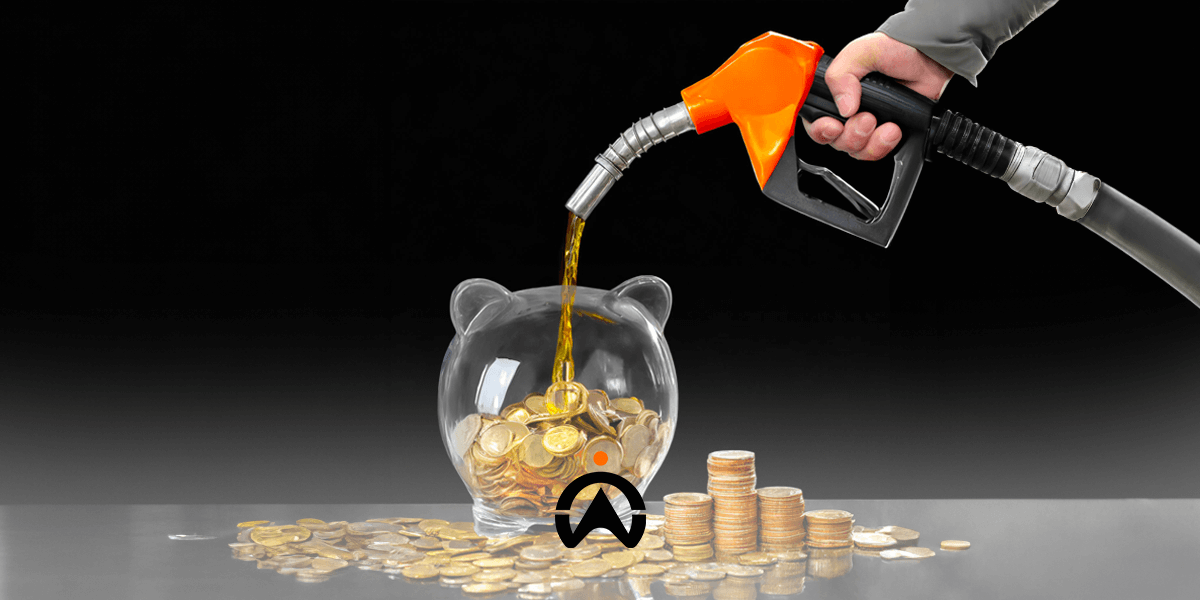
In short, fuel efficiency significantly impacts fleet costs. Fuel can be a fleet's single largest operating expense, sometimes accounting for around 60% of the total budget. That's why even small improvements in fuel efficiency can result in significant cost savings.

Efficient vehicles use less fuel, resulting in significant cost savings, especially amidst volatile fuel prices. Less fuel consumption means fewer engine breakdowns, resulting in reduced maintenance costs for labour, parts, and downtime.

Overall, fuel efficiency is a key factor in controlling fleet costs. By investing in fuel-efficient vehicles and implementing fuel-saving practices, businesses can significantly reduce operating costs and increase profits.

Money saving factors to know for fuel efficiency

For businesses that rely on fleets for transportation, fuel costs can quickly add up. To address this, fleet managers need to understand the factors that influence fuel consumption and take strategic steps to improve efficiency.

Here are some factors that influence fuel usage:

  • Road and terrain conditions: Road conditions, from smooth highways to bumpy gravel roads, can significantly impact fuel efficiency. Uneven surfaces like cobblestones or gravel roads increase drag, causing the engine to work harder and consuming more fuel.
  • Traffic density: Stop-and-go traffic causes higher fuel consumption. Planning routes to avoid heavy traffic and scheduling deliveries during off-peak hours can optimise fuel efficiency.
  • Vehicle maintenance: Regular maintenance is essential for maintaining fuel efficiency. Neglecting tasks like replacing the air filter or spark plugs can result in increased fuel consumption over time.
  • Fuel quality: High-quality fuel from a trusted fuel supplier is crucial for engine performance. Clean fuel provides optimal efficiency and engine health.
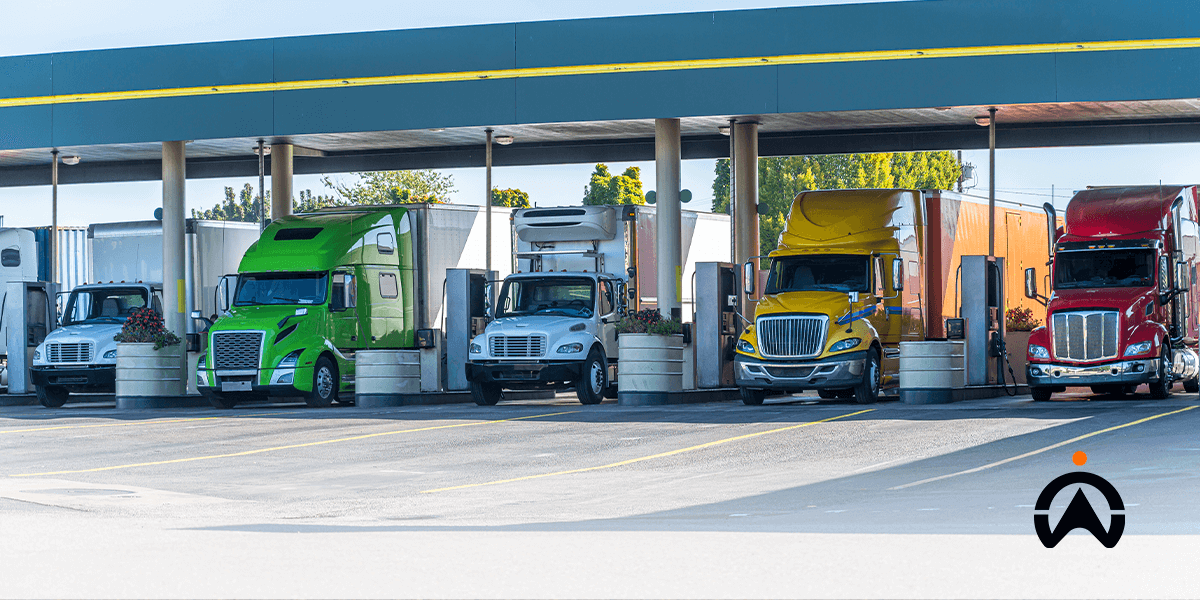
Trucks are parked in the fleet area, demonstrating fuel efficiency to reduce losses in fleet management.

How to make a fleet more efficient in fuel usage?

Now that you understand what affects fuel efficiency in a fleet, here are proven solutions to improve fleet fuel efficiency.

Key factors contributing to fleet fuel efficiency include:

Vehicle selection

Choosing a fuel-efficient vehicle with modern engine technology and aerodynamic design can significantly impact overall fleet efficiency. Hybrid or electric vehicles may also be worth considering for future savings.

Maintenance practices

Regular and proactive maintenance, including timely oil changes, air filter replacements, and tyre pressure checks, ensures that vehicles operate efficiently and helps minimise fuel consumption. It is typically recommended to conduct vehicle maintenance checks (VMC) every month, every two months, or between 20,000 km and 40,000 km.

Driver behaviour

Driving habits play a significant role in fuel efficiency. Practising smooth acceleration, moderate speeds, and avoiding unnecessary gear changes contributes to better fuel consumption. Regularly educating drivers on sustainable driving habits and implementing driver training programmes helps promote fuel-efficient behaviour.

Route optimisation

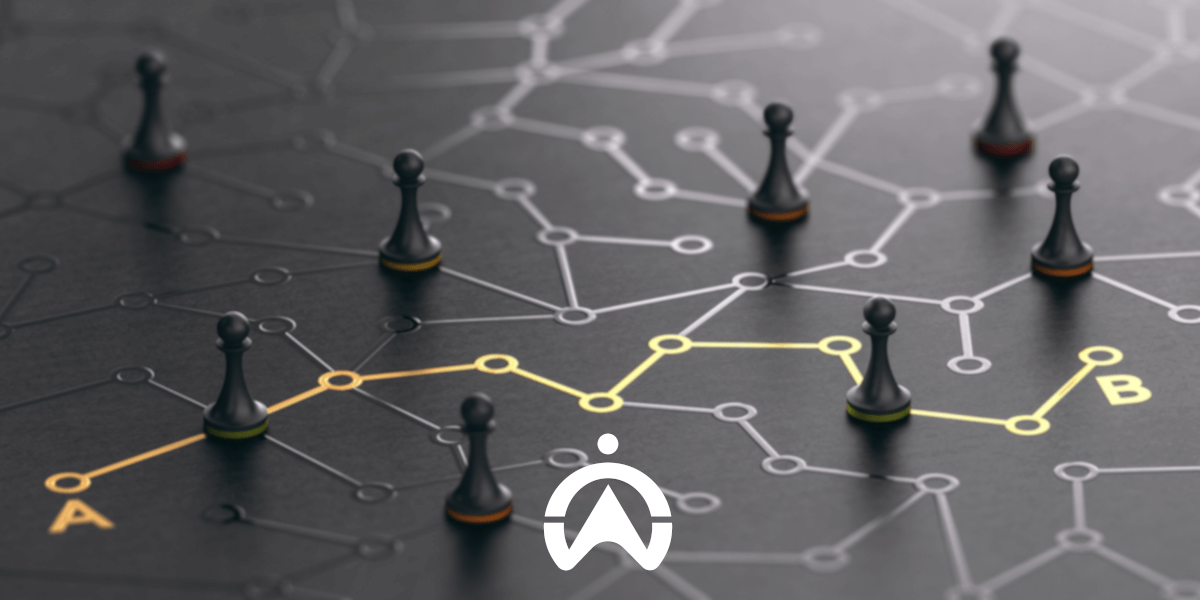
Using route planning and optimisation tools helps reduce unnecessary distance, waiting time, and fuel consumption. Efficient routing ensures that vehicles reach their destinations using the most direct and fuel-efficient routes.

Telematics and monitoring

Implementing a telematics system allows fleet managers to monitor real-time data on fuel usage, vehicle performance, and driver behaviour. This information helps identify areas for improvement and implement strategies to improve fuel efficiency.

Fuel management system

Using a fuel management system helps track fuel transactions, detect irregularities, and effectively manage fuel consumption. A fuel management system can monitor fuel card usage and implement measures to prevent fuel theft.

Technology integration

Adopting advanced technologies such as fuel-efficient driving apps can provide drivers with real-time feedback on their driving behaviour, encouraging fuel-conscious practices.

Load management

Ensuring vehicles carry optimal loads without excess weight contributes to better fuel efficiency. Avoiding unnecessary cargo weight reduces the energy required to transport goods.

Here are 5 fuel saving tips for fleets:

  1. Periodically check the tyre pressure of each vehicle.
  2. Regularly service your vehicle according to the established maintenance schedule.
  3. Train drivers in driving such as smooth acceleration.
  4. Use route planning to get the most efficient path
  5. Reduce the load when needed
  6. Invest in fleet management software to save fuel

How can fleet management software improve fleet fuel efficiency?

Streamlined fuel management

When it comes to fuel costs, fleet software makes fuel management easier by automatically syncing fuel card data with vehicle assignments. Fleet management software can even provide miles per gallon (MPG) figures, so you can keep track of your fuel usage.

Instant fuel intelligence

With an automated fuel system, you can get real-time updates on fuel usage graphs, CO2 emissions, and operational efficiency, helping you make decisions to save on fuel costs.

Hassle-free fuel transactions

Say goodbye to messy paperwork and confusing fuel records. Fleet fuel software simplifies everything, making it incredibly easy to track fuel usage and see where savings are possible.

Smarter fuel management 

By accurately tracking fuel efficiency, fleet software can help you manage fuel usage. We'll have a clear picture of how fuel is used and how it impacts our business, making it easier to manage costs and keep our fleet running smoothly.

Proactive maintenance and driving tips 

Fleet software not only helps fleets adhere to maintenance schedules but also encourages efficient driving habits for drivers.

Green route planning

Some fleet software suggests eco-friendly routes that minimise emissions and reduce fuel usage.

By using fleet management software, you will enjoy the following benefits:

  • Reduce fleet fuel consumption, thereby saving money
  • Fleets run smoother, faster, and further
  • Improve operational efficiency

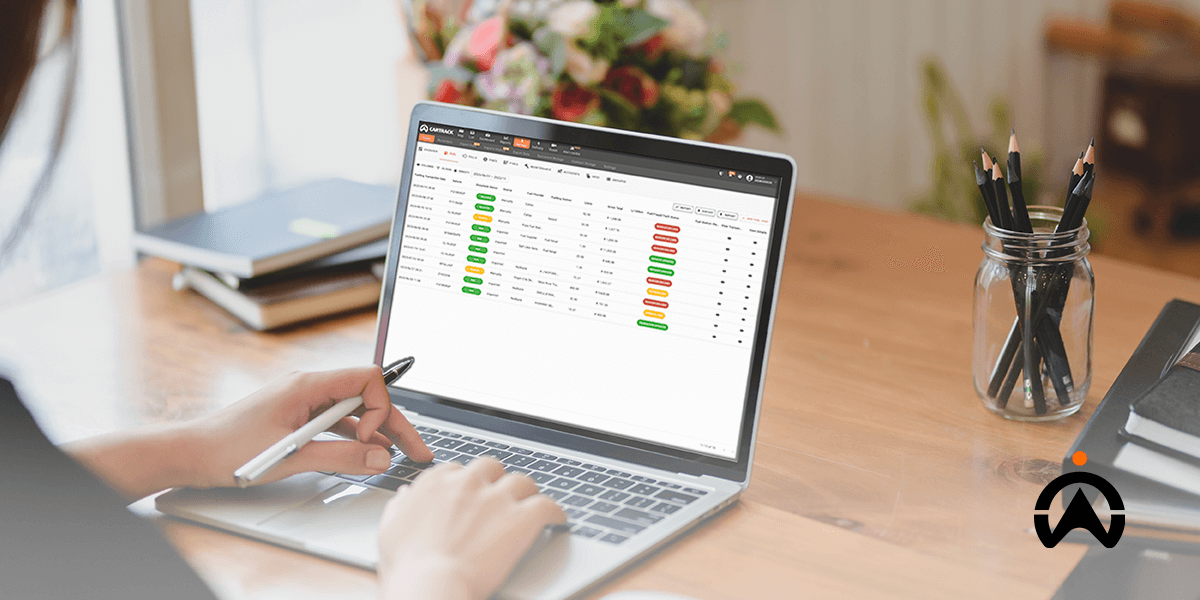
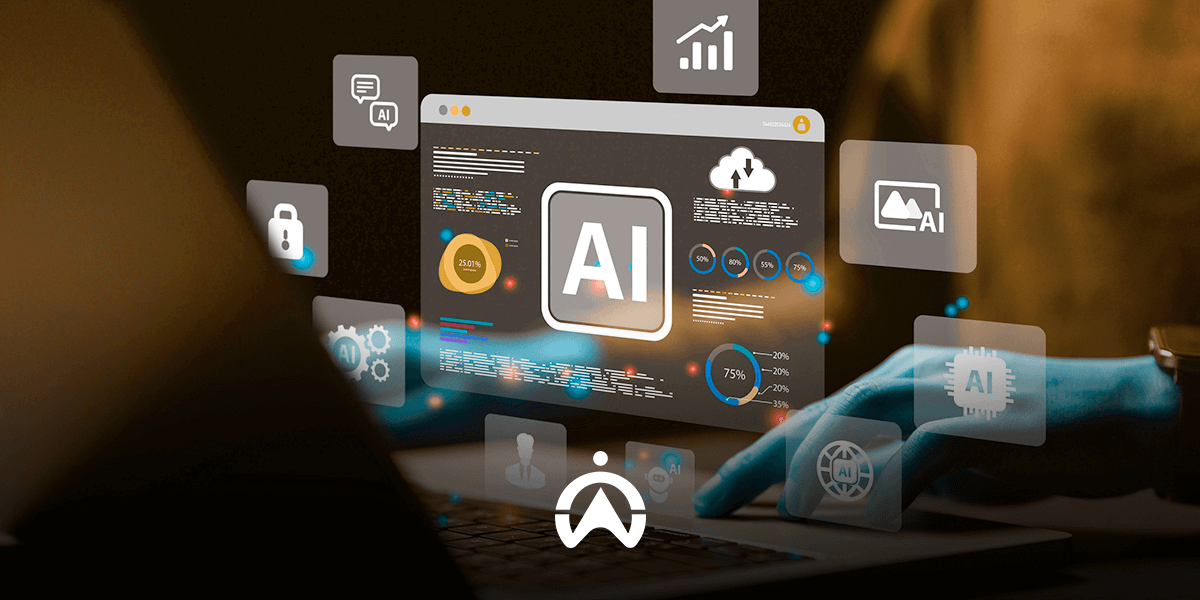
A person analyzes fuel efficiency data on a laptop to reduce fleet losses.

Reduce carbon footprint

Additionally, some governments offer tax breaks or discounts for environmentally friendly vehicles. Fuel-consumption-based emissions fees also play a role, making efficient choices more financially advantageous.

Turn your fleet into a fuel-saving machine

Cartrack Indonesia is an industry leader in vehicle tracking, fleet management, and fuel management solutions. Accurate monitoring and analytics tools can improve fuel efficiency and reduce fuel costs.

Here are 5 features and solutions of Cartrack Indonesia which can help:

  1. Vehicle maintenance and performance

    Cartrack Indonesia helps fleet managers monitor vehicle health with preventive maintenance alerts that inform managers about scheduled maintenance checks. This helps address issues quickly, promotes fleet longevity, and prevents fuel-draining problems such as engine leaks that can waste fuel, ensuring vehicles remain fuel-efficient.

  2. Fuel monitoring

    Cartrack Indonesia's fleet management system provides real-time fuel consumption monitoring using data analytics. This allows fleet managers to gain insight into vehicle performance, driver behaviour, and fuel efficiency trends for each vehicle.

  3. MiFleet

    MiFleet from Cartrack Indonesia is a cost management system that offers full visibility into fleet operating expenses. By connecting to fuel sensors or integrating with CANBus, MiFleet can monitor fuel consumption data and identify inconsistencies that may indicate fuel fraud by comparing transaction data with fleet vehicle telematics.

  4. Fuel usage reports

    The system provides contextual metrics on fuel consumption per km travelled and per job completed for each driver and vehicle, enabling fleet managers to pinpoint areas requiring attention and take corrective action.

  5. Route Optimisation

    Cartrack Indonesia's Delivery App allows driver route optimisation based on the shortest distance, ensuring drivers take the most efficient route while avoiding unnecessary fuel waste and ultimately saving on fuel costs.

Hentikan pemborosan bahan bakar dan mulailah menghemat dengan solusi manajemen bahan bakar Cartrack Indonesia. Cartrack adalah kunci untuk menjawab pertanyaan mendesak ‘Bagaimana cara menghemat BBM armada’.

Contact Cartrack Indonesia by clicking the following link and get a free demo of our fleet management system!
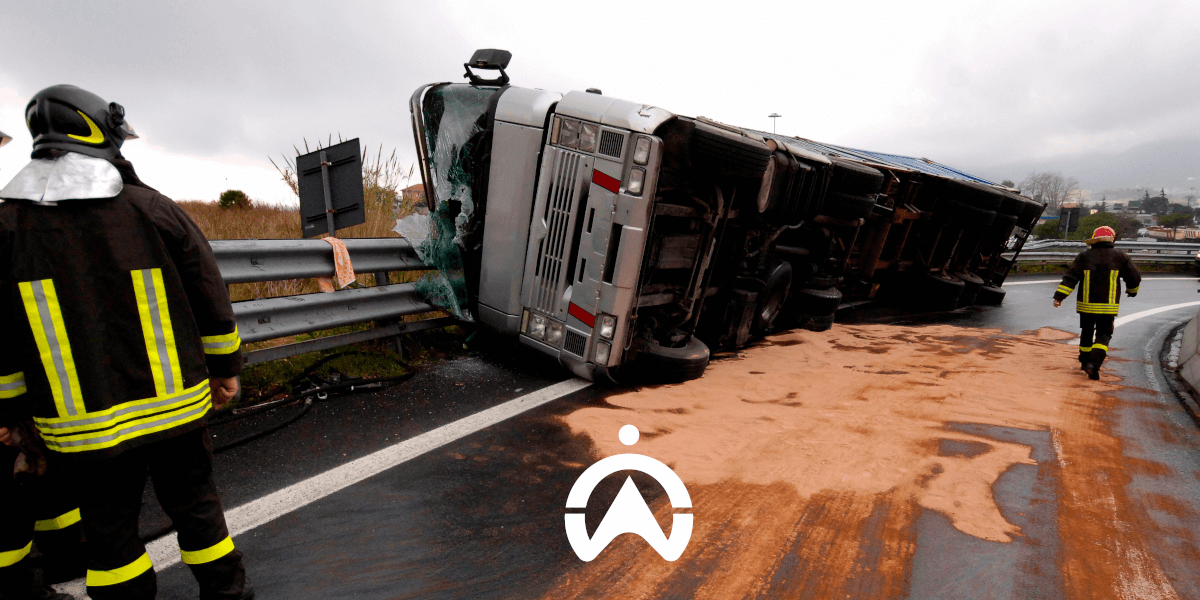
Fleet Accident Management: Causes of Accidents and How to Prevent Them

What is fleet accident management?

Fleet Accident Management is a structured process for handling fleet vehicle incidents. Fleet Accident Management encompasses everything from accident response to managing repairs and insurance claims.

An accident can potentially disrupt your entire operation. This is where fleet accident management (FAM) comes in. Fleet accident management navigates the consequences of an accident while proactively mitigating future risks.

It's like having a safety net for your drivers and vehicles, ensuring drivers have a better chance of getting out unharmed and vehicles sustain minimal damage.

What causes fleet accidents?

Fleet accidents can be caused by various factors such as driver error, distractions, road conditions, and weather.

Let's discuss them one by one!

  • Driver error: Speeding, sharp braking or turning, and driving while tired have dangerous consequences for the driver and other motorists on the road, often leading to accidents.
  • Disturbance: Using a cell phone while driving or taking your eyes off the road can lead to accidents. It only takes a few seconds of distraction to miss a stop in front of you or avoid a pothole, causing you to swerve suddenly and crash into another car.
  • Road conditions: Uneven pavement, potholes, or slippery surfaces increase the risk of accidents. Imagine a driver navigating a poorly maintained road, trying to navigate unexpected challenges.
  • Weather conditions: Rain or fog makes driving more difficult and can affect visibility on the road. Adjusting your speed and keeping a safe distance during inclement weather is recommended to ensure safety while traveling.
  • Regular vehicle maintenance: Faulty brakes or worn tires can cause accidents. A well-maintained vehicle will run smoothly, reducing the risk of engine problems.

Understanding these factors and implementing safety measures, including fleet accident management (FAM), is crucial. Implementing fleet accident management can foster a culture of safety, where drivers use their vehicles responsibly and ensure safer journeys.

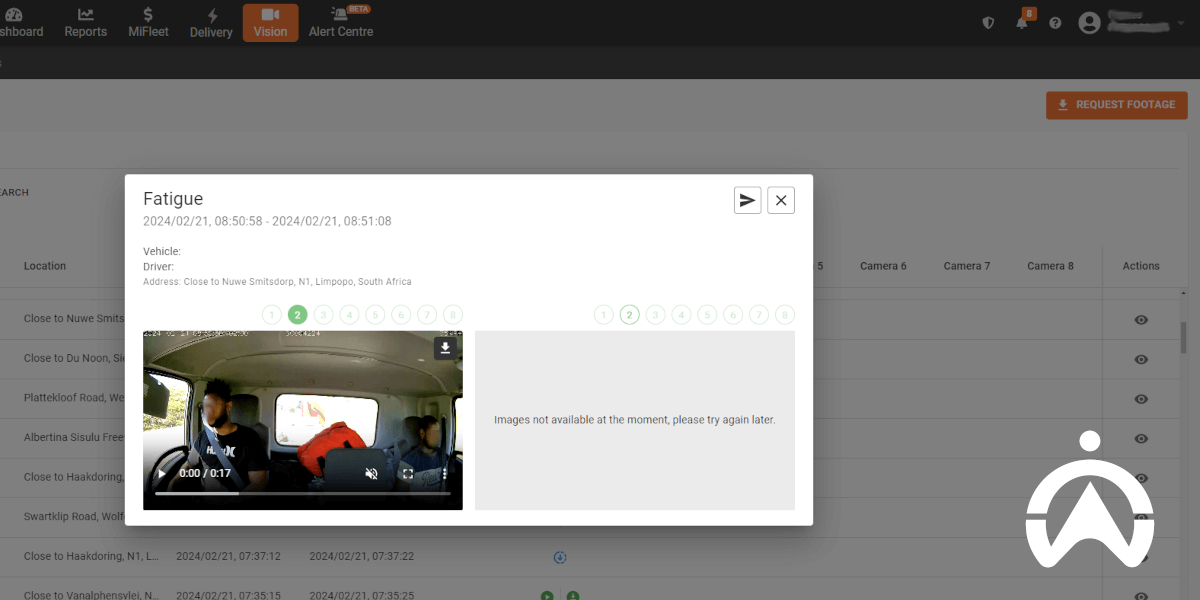
The dashboard displays driver fatigue warnings to aid fleet accident management and prevent accidents.

Why fleet accident management is important

FAM is generally considered an approach to safety and efficiency. Without proper action during an accident and its aftermath, such as delays, financial losses, insurance claims, and even injuries to drivers and others, it can potentially lead to financial losses, reputational damage, loss of vehicle operation, and even loss of driver confidence in the company.

Fleet accident management (FAM) protects against these problems and provides a safer and more efficient way to reduce accidents.

Benefits of fleet accident management

Fleet accident management (FAM) is important for several reasons. FAM impacts two of the most important business departments: safety and finance. This means the benefits of fleet accident management are directly linked to crucial business aspects.

Berikut adalah alasan mengapa FAM lebih dari sekadar “tambahan” dan mengapa harus menjadi bagian krusial dari strategi manajemen armada:

  1. Reduce accidents and costs: With a good fleet accident management program, we can reduce the number of accidents, which means lower insurance costs, less vehicle damage, and avoidable worker injuries. Proactive measures such as driver training, promoting safer driving habits, and addressing potential hazards in advance all play a role in accident prevention.
  2. Driver safety and well-being: Prioritising safety not only keeps drivers safe but also boosts morale and reduces turnover. Comprehensive training support from FAM software helps create a safety-focused work culture.
  3. Compliance and reputation protection: Ensuring compliance with safety standards not only minimises legal risks but can also enhance a company's reputation. By demonstrating a commitment to safety through a robust FAM program, we can improve public perception.
  4. Informed decision making through data: Analysing accident data provides valuable insights for continuous improvement. Identifying root causes and comparing performance can lead to informed decision-making, improving fleet safety and efficiency.
  5. Less downtime and lower costs: Responding quickly to accidents and efficiently recovering vehicles keeps your fleet running smoothly, minimising disruption and associated costs. With fewer accidents, you also benefit from significant savings through lower insurance premiums.

Important steps for fleet accident managers

Accidents are every fleet manager's nightmare and can significantly impact fleet operations and driver well-being. By being proactive and implementing FAM measures, we can minimise the impact on drivers and operations.

Here's how effective fleet accident management addresses the problem and gets drivers back on the road:

Step 1: Immediate response

Ensure the safety of all parties involved, secure the accident scene, and respond to the situation immediately.

Step 2: Comprehensive documentation

Collect important information such as photos, eyewitness accounts, and police reports for insurance claims and legal purposes.

Step 3: Vehicle repairs and reduced downtime

Coordinate vehicle repairs, handle recalls, get repair estimates, and schedule repairs with approved vendors to minimise downtime.

Step 4: Insurance claims management

Communicate with insurance companies, provide necessary documentation, and advocate for fair and timely claim resolution.

Step 5: Accident data analysis and prevention

Analyse accident data to identify trends, implement preventative measures, and offer training and support to drivers to increase safety awareness and reduce future risks.

Dengan merangkai langkah-langkah ini, manajemen kecelakaan armada dapat membantu kalian keluar dari situasi sulit. Ingat, ini bukan hanya tentang menanggapi – ini tentang mencegah kecelakaan lalu lintas dan melindungi armada.

Planning for the future: Fleet accident management solutions

The future of fleet management is about proactive planning and accident prevention. Implementing accident prevention measures is about protecting drivers, the public, and the company's reputation.

FAM is a multifaceted approach that involves several preventive solutions to ensure its smooth operation. Let's explore some of them:

Technology-based solutions

  • Telematics: Monitor driver behaviour in real-time, track fatigue levels, and identify other risky behaviours such as speeding for valuable insights and future driver training.
  • Advanced driver assistance systems (ADAS): Equip vehicles with features such as lane departure warning, automatic emergency braking, and blind spot monitoring to help drivers prevent collisions.
  • Artificial intelligence (AI): Use AI-powered systems to analyse driver patterns, predict potential accidents, and recommend tailored safety interventions.
  • Route optimisation: Efficient routes minimise unnecessary driving time and exposure to high-risk areas.

Driver training and skills development

  • Defensive driving course: Arm drivers with defensive driving skills and safety knowledge such as hazard perception, skid control, and emergency maneuvers.
  • Fatigue management program: Educate drivers about the dangers of driving while fatigued and implement policies to encourage rest and healthy sleep habits.
  • Distracted driving prevention: Implement clear policies and technology-based solutions to combat the dangers of cell phone use, texting, and other distractions while driving.

Vehicle maintenance and safety

  • Regular inspections and preventive maintenance: Ensure all vehicles are in top condition to minimise mechanical failure and damage.
  • Security technology improvements: Consider investing in features like automatic lighting, a backup camera, and electronic stability control for added safety.
  • Ergonomic support: Make sure the driver's seat and controls are properly adjusted for comfort and to minimise fatigue, especially during longer journeys.

Intelligent route planning

  • Choose a safe and efficient route: Avoid high traffic areas, construction zones, and hazardous weather conditions whenever possible.
  • Plan a realistic travel time: Avoid forcing drivers to exceed speed limits or work for unreasonable durations.
  • Take advantage of route optimisation software: Optimise routes for efficiency and safety, considering factors such as traffic congestion, weather conditions, and road closures.

Learning from data

  • Accident data analysis: Identify trends and factors to understand where and why accidents occur.
  • Compare performance: Compare safety metrics against industry standards to identify areas for improvement.
  • Use data to inform strategy: Continuously implement and improve accident prevention measures based on insights gained from data.

How Cartrack Indonesia's safety features can protect drivers, fleets and businesses

In the realm of fleet safety and accident management, Cartrack Indonesia has emerged as the leading choice for businesses seeking reliability and efficiency. Cartrack Indonesia is a global leader in fleet management technology, offering trusted safety solutions that can positively contribute to fleet accident management.

Cartrack Indonesia offers a comprehensive set of safety features specifically designed to help fleet businesses reduce accidents and improve driver safety.

  • AI-powered camera: Analyses internal and external environments, detects dangerous driver behaviour such as cell phone use, drowsiness, or lane departures, accompanied by voice warnings to help prevent accidents quickly.
  • Maintenance reminder: Stay ahead of potential breakdowns with Cartrack maintenance reminders. Receive timely notifications for scheduled maintenance, ensuring your vehicle is always in top condition while minimising the risk of engine failure.
  • Driver behaviour monitoring: Cartrack Indonesia's telematics system tracks driving behaviour in real-time, alerting managers to risky driver habits such as speeding, harsh braking, and sudden acceleration.
  • Driver score: Use driver scores and reports with live streams and camera footage to educate drivers about where safer driving practices need to be implemented.
  • Collision detection: In the event of an accident, Cartrack Indonesia's collision detection detects any sudden impact on the vehicle. It sends an alert with critical information such as the live location and time of impact, allowing the driver to take immediate action.

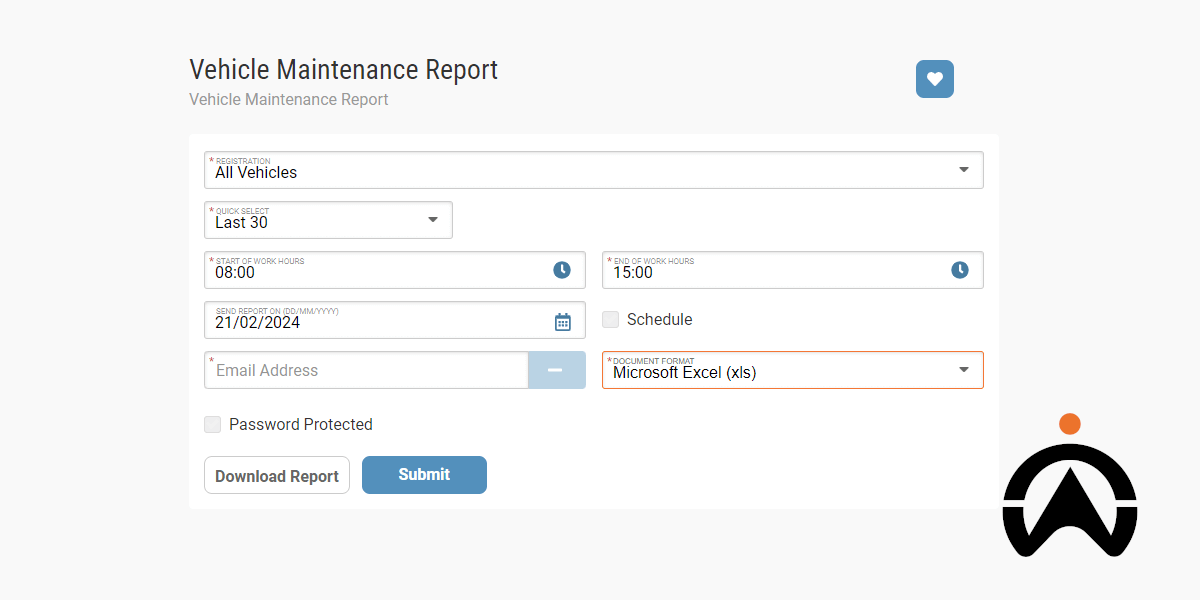
Digital vehicle maintenance reports to assist in fleet accident management and accident prevention.

Improving driver and vehicle safety with one platform: Cartrack Indonesia 

Cartrack Indonesia is dedicated to keeping fleets safe and businesses running smoothly. Take the next concrete step in ensuring fleet safety and success by partnering with Cartrack Indonesia today.

As a fleet driver, what should you do after an accident?

While every accident scene is different, here are some actions to follow if the driver is not seriously injured and is able to move:

  1. Stop the vehicle and check for injuries.
  2. Move the vehicle to a safe location, if possible. Turn on your hazard lights and call emergency services if necessary.
  3. Notify the fleet manager or supervisor
  4. Exchange contact information with affected drivers
  5. Take photos of the accident scene, including vehicle damage and injuries for insurance.
  6. Report the accident to the police within 24 hours

How can I ensure my drivers are following safety protocols?

Ensuring drivers follow safety protocols involves implementing clear and comprehensive guidelines:

  1. Start by providing thorough training on safe driving practices and emergency procedures.
  2. Continue to reinforce these guidelines through ongoing meetings, memos, and training sessions.
  3. Use technologies like telematics and GPS tracking to monitor driver behaviour on the road and whether they are following safety rules.
  4. Set up a dedicated system for reporting any safety concerns or incidents.
  5. Finally, encourage and build commitment to a culture of safety by rewarding drivers who adhere to safety protocols.

Contact Cartrack Indonesia today and start using advanced telematics technology to help prevent accidents and keep your fleet safe.

Contact Cartrack Indonesia today by clicking the following link!

How to Avoid Deviations on Travel Routes?

Definition of Deviation in Travel Route

Bayangkan jika kamu sudah memetakan rute terbaik untuk pengemudi demi menghindari kemacetan dan pemberhentian yang tidak perlu sehingga dapat mengambil rute terpendek yang memungkinkan.

Then, for some reason, the driver deviates from the route, adding miles, minutes, and fuel to the trip. Something you didn't budget for. That's an example of a route deviation—a deviation from the route that throws off schedules and budgets.

While there are some legitimate reasons for deviations in the route, they often occur because the driver does not follow the planned route as instructed.

Types and Causes of Deviations in Travel Routes

Manajer armada tahu bahwa rute yang paling teliti perencanaannya saja bisa mengalami hambatan yang tidak terduga. “Deviasi rute perjalanan” bisa disebabkan oleh berbagai faktor, terkadang karena pilihan pengemudi seperti istirahat yang tidak direncanakan atau mengambil jalan pintas yang seharusnya menghemat waktu tetapi malah berdampak sebaliknya pada biaya bahan bakar dan efisiensi.

There are 2 types of route deviation in a fleet-related context:

  1. Lane deviation – the driver deviates from the planned route, increasing travel distance and time. This can happen for a variety of reasons, from missing a turn to following poor GPS guidance.

  2. Deviasi urutan – pengemudi berhenti dalam urutan yang berbeda dari yang direncanakan dan diinstruksikan, sehingga berpotensi memengaruhi waktu pengantaran, mengganggu alur kerja, dan menambah jumlah penggunaan bahan bakar.

Memahami 2 jenis deviasi rute membantu manajer armada menemukan akar masalah perjalanan dan mengambil tindakan yang tepat. Dengan mengatasi “mengapa” di balik jalan pintas, manajer armada dapat memastikan rute yang efisien, sehingga mengurangi total biaya armada. Teknologi deviasi dan optimisasi rute yang canggih membuatnya manajer armada lebih mudah memastikan pengemudi tetap pada rute yang dialokasikan, sehingga mengoptimalkan penghematan.

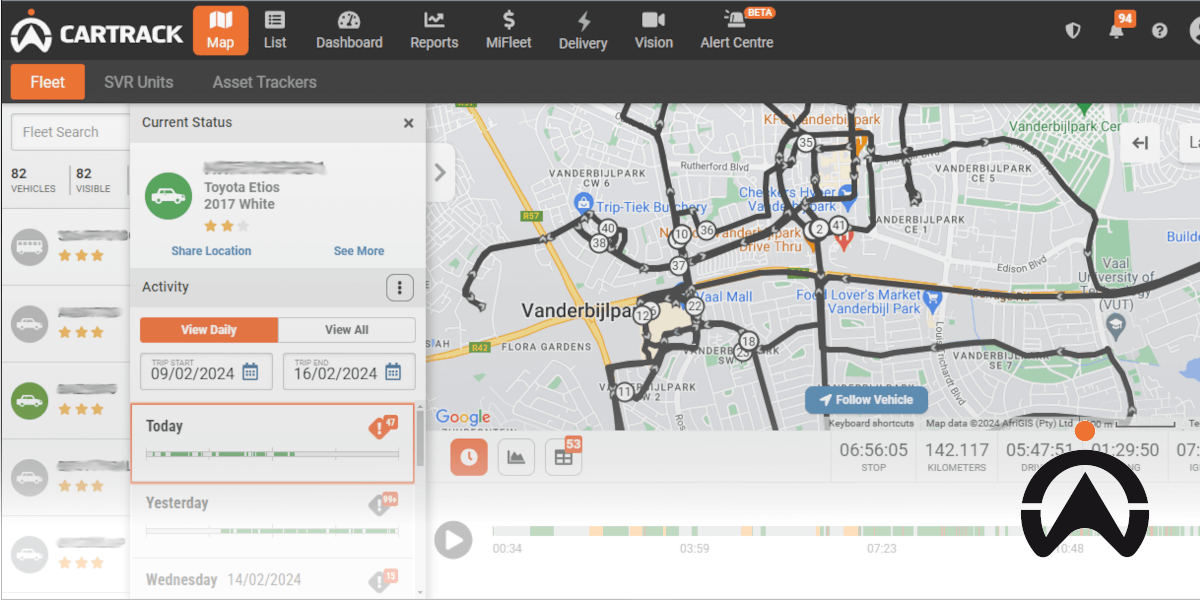
The Cartrack dashboard displays the fleet's live location and routes to help avoid deviations from the journey route.

Benefits of Route Deviation Technology in Fleet Management

Fleet management software offers route deviation systems because they are beneficial for:

Productivity: Using route deviation technology can increase productivity without sacrificing predictability. Time is money, and if fleets can operate more efficiently, fleet management can eliminate unnecessary costs.

Manajemen biaya dan pemborosan: Jika kita mengharapkan armada untuk melakukan perjalanan di rute yang telah direncanakan sebelumnya, kemungkinan besar kita memiliki alasan yang kuat, diantaranya adalah dapat meningkatkan produktivitas dan mengurangi biaya bahan bakar. Mengidentifikasi dan menemukan di mana pengemudi menyimpang dari rute yang ditugaskan membantu manajer armada menangani masalah tersebut sejak dini dan mencegah pemborosan biaya yang luas secara proaktif.

Why use deviation technology on routes for fleets?

  • Maximise Visibility: Route deviation software continuously monitors driver behaviour and vehicle location. Any deviation from the planned route is visible to fleet managers, allowing them to investigate potential issues such as unauthorised stops, inefficient shortcuts, or even potential safety issues.
  • Optimize Resource Utilisation: This technology also plays a vital role in unlocking the full potential of the fleet by optimising resource utilisation and helping ensure that every vehicle, driver, and delivery is utilised efficiently.
  • Improving Fleet Analysis: In the world of fleet management, route deviation software along with other telematics tools such as driver behavior monitoring can help identify issues such as excessive idling to turns and harsh braking, which can lead to unplanned maintenance and costly repairs.
  • Happy Customer: In industri rantai dingin, deviasi rute dapat menyebabkan produk yang rusak, sehingga pelanggan yang tidak puas. Menggunakan rute terbaik sangat krusial dalam jenis industri ini untuk memastikan kualitas produk selama  perjalanan, kepuasan pelanggan, dan mencegah pemborosan uang.

5 Effective Ways to Reduce Route Deviation in Your Fleet

Route deviation software is a tool that works best when combined with other telematics and vehicle tracking solutions. These five tools, when combined with route deviation detection, can deliver even better results. detail and accurate so that it benefits the fleet business.

  1. Route planning: Perencanaan rute masih memainkan peran penting dalam meminimalkan hambatan ini dalam manajemen armada, terutama untuk bisnis pengiriman dan layanan lapangan. Manajer armada dapat mengoptimalkan rute dengan memantau pola deviasi rute secara teliti dan alasan mengapa deviasi ini terjadi.
  2. Vehicle tracking: Teknologi pelacakan bertindak sebagai penjaga digital dalam manajemen armada, bukan hanya untuk pengemudi tetapi juga dengan memastikan peningkatan efisiensi rute. Dengan menggunakan perangkat pelacakan GPS, manajer dapat mengidentifikasi dan menangani deviasi rute sebelum menjadi jalan pintas yang mahal secara reguler. Selain itu, menganalisis riwayat perjalanan memberikan wawasan berharga tentang deviasi masa lalu. Dengan menentukan masalah yang berulang dan memahami “mengapa” di baliknya, manajer dapat menerapkan solusi yang ditargetkan seperti penyesuaian rute atau pelatihan pengemudi, yang pada akhirnya meminimalkan deviasi masa depan dan biaya yang terkait.
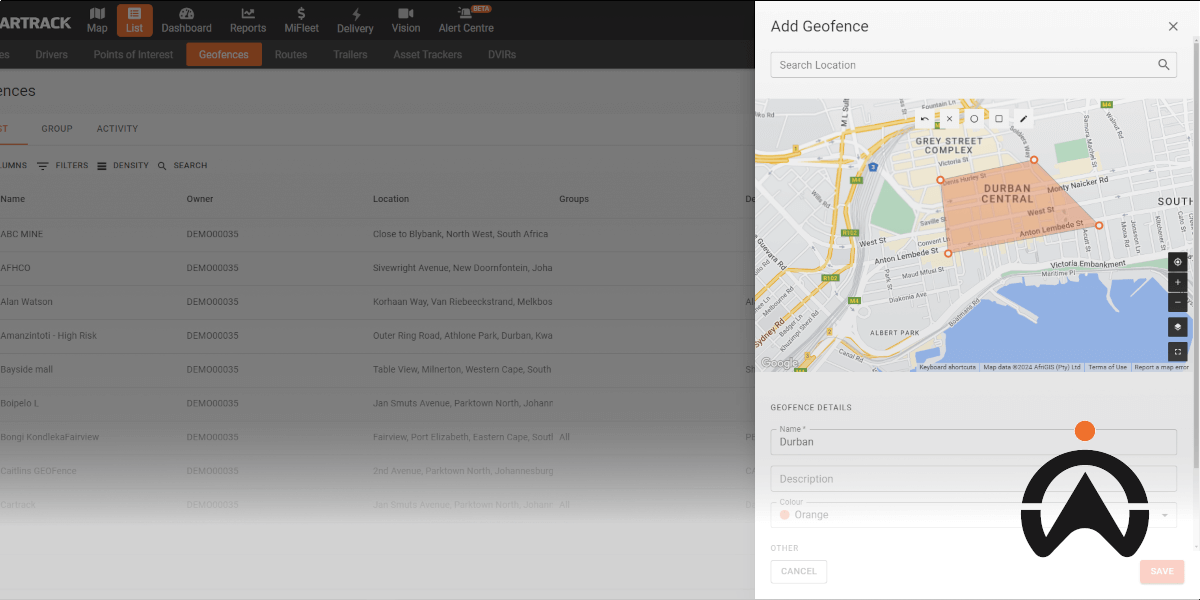
  3. Geofencing: By establishing virtual boundaries around designated delivery routes and zones, geofencing acts as a digital fence that automatically alerts dispatchers or fleet managers whenever a driver enters or exits a defined area. This helps prevent costly detours and potential safety issues. Moreover, geofencing offers more than just location tracking; when combined with real-time tracking software and driver ID tags, it provides valuable insights into employee activity within designated zones, ensuring efficient operations and optimised schedules. You will always know which driver entered a specific area and when, how long they stayed, and when they left.
  4. Regular driver performance appraisal: Kunci untuk melakukan penilaian kinerja pengemudi secara teratur adalah melacak perilaku pengemudi setiap hari. Hal ini memungkinkan kalian untuk mendeteksi perilaku yang mungkin berisiko seperti kecepatan berlebih, belokan dan pengereman yang keras, dan bahkan menganggur berlebihan, sehingga membantu untuk melakukan penilaian dan membuat program pelatihan korektif yang akurat.
  5. Live driver monitoring: Pemantauan pengemudi langsung menggunakan kamera berkekuatan AI atau siaran langsung memberikan wawasan lebih dalam tentang apa yang terjadi di dalam kabin dan mengungkap perilaku pengemudi yang mungkin menyebabkan deviasi rute tidak terdeteksi. Selain itu, pemantauan pengemudi langsung membantu memberikan wawasan tentang kecelakaan dan keadaan darurat apa pun yang mungkin dialami pengemudi, baik mereka tetap pada rute yang dialokasikan atau menyimpang.

Cartrack software exposes geofences to help avoid deviations in fleet travel routes.

We have cost-cutting tools to eliminate route deviations and optimise fleet management.

If you are looking for a product that offers an all-in-one fleet management solution, look no further. Cartrack Indonesia features an all-in-one platform designed to tackle costly fleet management issues, such as route deviation.

Route planning and optimisation: Cegah biaya bahan bakar berlebihan dan tinggalkan deviasi rute dengan perangkat lunak perencanaan rute canggih. Pilih rute yang paling efisien dengan mengurangi waktu perjalanan dan memperbaiki rute berdasarkan lalu lintas dan data historis.

Geofencing: Know when drivers enter or exit designated zones with Cartrack Indonesia’s geofencing. Create virtual boundaries around key areas, hazard zones, and work sites to optimise fuel costs and reduce route deviations.

Delivery: Save costs through faster, more efficient delivery using the Cartrack Indonesia Delivery app. With live tracking, driver performance metrics, route optimisation, and easy automated task assignment, you avoid unnecessary shortcuts and route deviations.

Driver behaviour monitoring: Improve route compliance and fuel efficiency by holding drivers accountable for harsh braking, excessive speeding, and sharp turns. As a result, you can save significantly on fuel and vehicle maintenance costs in the long run.

Eliminate route deviations by making Cartrack Indonesia your partner for fleet management.

Contact us today and start benefiting from telematics and vehicle tracking technology that helps eliminate route deviations, resulting in significant savings. Click the link here!

What are the Benefits of Fleet Management System in Travel Expense Management?

What is the total fleet mileage?

Fleet mileage refers to the total distance traveled by a fleet of vehicles over a given period. It is an important metric for assessing vehicle usage, monitoring fuel consumption, determining maintenance needs, and overall operational efficiency, typically measured in kilometers.

What is fleet travel expense tracking?

Travel cost tracking for a fleet is the practice of maintaining records of the distance travelled by each vehicle within a fleet. Its purpose is to support tax deductions and help fleet managers optimise routes, reduce operational costs, and improve overall fleet management. Travel-related expenses include tracking fuel costs, maintenance, repairs, and other operational costs that are directly associated with vehicle mileage. Fleet travel cost tracking can be carried out manually or through the use of fleet management software, which automates the process and provides valuable insights for managing fleets more efficiently.

Benefits of fleet travel expense tracking

Fleet travel expense tracking is a valuable tool for running a fleet effectively. Here are some of its benefits:

  1. Cost management: Fleet mileage tracking is crucial for accurately budgeting and forecasting fleet costs, including fuel, maintenance, and other vehicle-related expenses. By accurately monitoring mileage costs, you can ensure your fleet is operating within its budget while identifying areas of inefficiency that require cost-saving measures. These measures can range from optimising routes and minimising fuel consumption to scheduling preventative maintenance and reducing vehicle usage.
  2. Reduce mileage: Fleet travel expense tracking plays a crucial role in reducing vehicle mileage by providing valuable insights into vehicle usage patterns and operational inefficiencies. By analysing detailed mileage data, fleet managers can identify areas for optimising fleet efficiency. An example of this is using real-time GPS tracking to implement route optimisation strategies, which helps avoid traffic congestion, which can significantly increase fleet mileage and vehicle wear and tear.
  3. Monitoring driver performance: Fleet trip expense tracking plays a significant role in understanding how drivers operate behind the wheel. By identifying and addressing the root causes of increased mileage, whether due to inefficient driving behavior or unauthorised vehicle use, fleet managers can ensure their drivers are operating safely and efficiently. To provide more detailed reporting, it can be integrated with other systems to provide a comprehensive solution for tracking and managing driver behavior. Trip expense tracking simplifies managers' calculations of fuel consumption and associated costs for each driver, enabling performance comparisons and creating tailored solutions for each driver.
  4. Optimising operations: Fleet travel expense tracking provides fleet managers with comprehensive insights into vehicle utilisation levels and associated costs. This makes it easier for them to identify inefficiencies, streamline processes, and make data-driven decisions that are crucial to maximising fleet productivity and efficiency. The benefits of tracking fleet travel expenses can have a significant positive impact on a fleet, and the best way to achieve these benefits is by implementing a fleet management system.

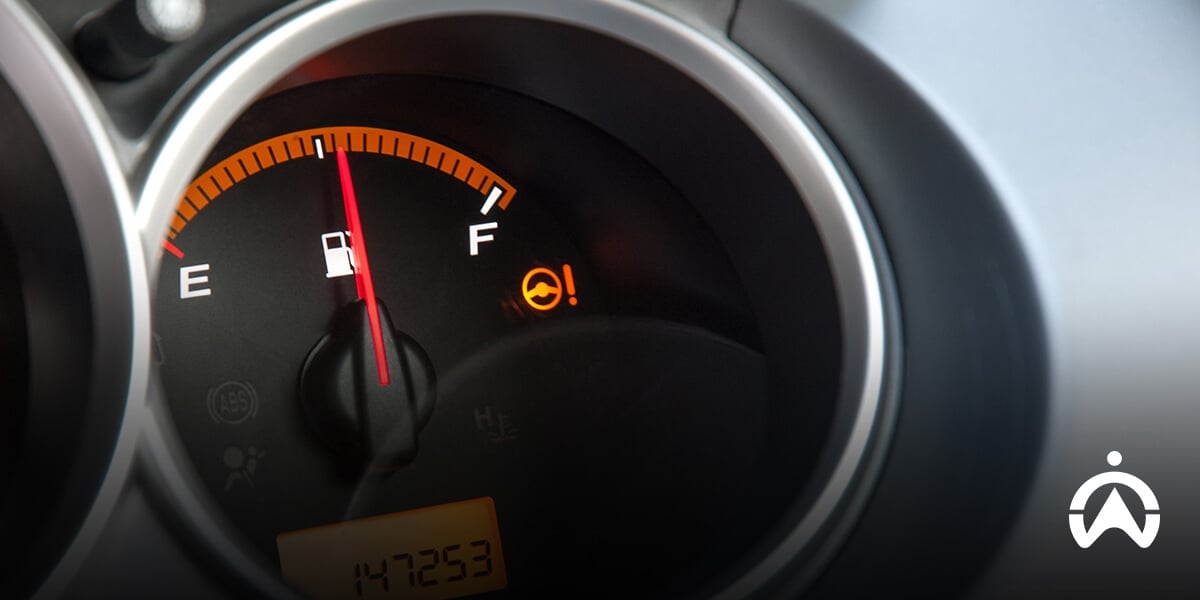
Vehicle fuel indicators help fleet management systems control travel costs more efficiently.

What is a fleet management system?

A fleet management system is a comprehensive software solution designed to simplify and optimise the management of a fleet of vehicles. It allows businesses to track vehicle location, mileage, and other data, helping streamline the fleet management process. Fleet management is the process of overseeing and coordinating various types of fleet vehicles. Key aspects of fleet management generally include vehicle tracking, vehicle acquisition, maintenance, driver tracking, and monitoring. A fleet management system streamlines all these processes, bringing them all together on a simple, easy-to-use platform, and helps improve fleet efficiency.

What are the elements of effective fleet management?

Real-time tracking: A crucial element of effective fleet management, real-time tracking involves the use of GPS technology to monitor the speed, location, and performance of fleet vehicles in real time. This plays a crucial role in providing fleet managers with a comprehensive view of their fleet's overall operations, making it easier for them to make informed decisions and optimise fleet performance.

Route optimisation: Route optimisation is closely related to real-time GPS tracking. Route optimisation focuses on finding and selecting the most efficient and cost-effective routes for fleet vehicles to travel for business purposes. Using GPS technology, advanced algorithms, and real-time road data, route optimisation not only identifies the shortest, fastest, and most fuel-efficient routes for drivers to reach their destinations but also prevents route deviations, which are a major cost driver for fleets.

Fuel monitoring: Fuel monitoring is a crucial element of effective fleet management, as it directly impacts operational costs and environmental sustainability. By closely monitoring fuel consumption, fleet managers can identify areas for improvement and implement strategies to reduce fuel use, ultimately resulting in cost savings. Fleet management system capabilities can provide real-time fuel consumption insights, streamlining the entire process.

Driver monitoring: Drivers are a critical part of a fleet, with their behavior having a significant impact on fleet success and efficiency. Effective fleet management requires integrating driver monitoring, as it helps fleet managers gain real-time insights into driving behavior, vehicle status, and operational efficiency, ultimately leading to improved safety, reduced costs, and increased fleet productivity.

What are the 3 main benefits of a fleet management solution?

Fleet management solutions are the key to a highly effective fleet, offering a wide range of benefits. Here are three key benefits that can improve overall fleet operations:

  1. Driver behavior improvements: Fleet management utilises various mechanisms designed to monitor driver safety and efficiency, including in-cab cameras and GPS tracking technology. This allows for real-time monitoring of driver performance metrics such as speed, acceleration, and braking. By triggering real-time alerts when abusive driving is detected, drivers can immediately correct their behavior. Fleet managers can then review these incidents, assist in developing customised driver training, and assist in improving driver behavior and overall fleet safety.
  2. Improved customer service: One of the biggest selling points of a fleet management solution is the complete visibility it provides managers. By helping fleet managers know exactly where all vehicles are at all times, fleet managers can provide customers with accurate information regarding deliveries and estimated times of arrival (ETAs). This allows them to optimise their routes based on real-time traffic and weather conditions.
  3. Increased fuel efficiency: Fleet management solutions provide detailed insight into how much fuel each vehicle is consuming. No more running to each vehicle at the end of the day to guess the fuel gauge. By helping assess driver behavior, fleet managers can identify and eliminate fuel-wasting behaviors, such as over-driving, ensuring the fleet remains fuel-efficient.

How fleet management can help simplify travel expense management

Automatic mileage tracking: Fleet management systems automate mileage tracking by using GPS technology to track the location and distance traveled by each vehicle. This data is automatically recorded and stored on the fleet platform, eliminating the need for manual mileage records. This is not only more convenient but also ensures accuracy in mileage tracking.

Real-time vehicle monitoring: Powered by GPS tracking technology, the fleet management system provides fleet managers with real-time data on vehicle location, speed, and status. This helps fleet managers easily verify mileage claims and ensure compliance with company policies.

Route optimisation: By providing real-time data on vehicle location, fleet management systems can suggest or optimise routes based on factors such as traffic conditions, distance, and fuel efficiency. This plays a crucial role in reducing mileage by finding the most efficient routes for drivers.

Expense reporting: By automating data collection, fleet management systems can generate detailed mileage reports for each vehicle or driver, simplifying the tracking and recording of trip expenses and facilitating the reimbursement process.

Integration with accounting software: Many fleet management systems integrate with expense management platforms, which help simplify the reimbursement process by automatically transferring mileage data and expense reports.

Drivers operate vehicles, demonstrating the benefits of fleet management systems to efficiently reduce travel costs.

Here are some of the advantages of the fleet management system from Cartrack Indonesia:

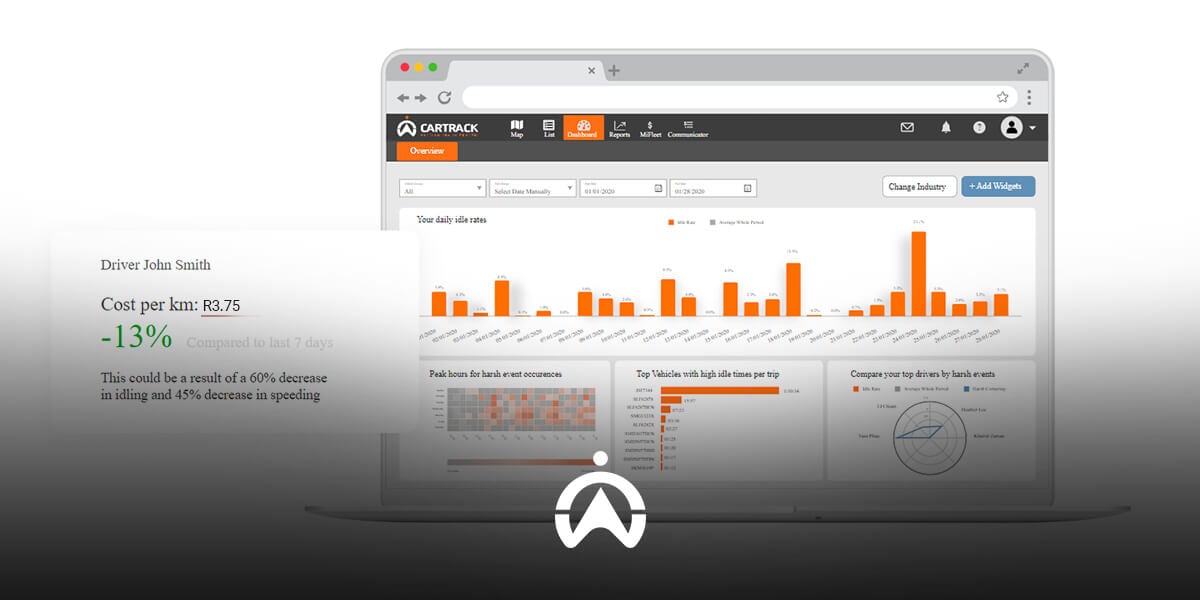
  • Driver behaviour monitoring: Track abusive driver behaviour with the Cartrack Indonesia driver scorecard. Driver behaviour can significantly impact vehicle mileage, with abusive driving behaviours like high speeding and harsh acceleration reducing fuel economy by up to 30% at highway speeds, and up to 40% in stop-and-go traffic. Use the Cartrack Indonesia driver scorecard to monitor high-risk driving behaviours like excessive speeding, harsh braking, long drives, and sudden acceleration. By providing this detailed insight into driver performance, fleet managers can identify behaviours that may be causing increased vehicle mileage and develop tailored solutions to correct them.
  • MiFleet: Know exactly how much your fleet needs to operate effectively with MiFleet Cartrack. This easy-to-use vehicle cost accounting software simplifies fleet, driver, and operating cost management. By integrating, digitising, and automating fleet administration and cost analysis, this tool helps you understand fleet operating costs and accurately determine trip costs.
  • GPS vehicle tracking: Know exactly how vehicles are being operated with our real-time GPS tracking. Our system doesn't just tell you where vehicles are in real-time. With access to a vehicle's complete trip history, fleet managers can track drivers' locations, along with gaining insights into driver status, fuel levels, and engine diagnostics. By knowing exactly how long drivers are operating vehicles, fleet managers will receive accurate reports on fleet travel costs.

Calculate fleet travel costs accurately with Cartrack Indonesia. A leading solution designed to help simplify the entire process.

Contact Cartrack today to save on your fleet's travel costs! Click the link below!

8 Ways Fleet Systems Help Mobility

What is fleet mobility?

Fleet mobility is a new approach to how companies manage the movement of their fleet staff. In contrast to manajemen armada konvensional, mobilitas armada berfokus pada fleksibilitas dalam pergerakan dan aksesibilitas dengan memanfaatkan teknologi transportasi inovatif untuk memberikan solusi transportasi yang fleksibel dan sesuai permintaan.

What is the future of fleet mobility?

  1. Electric Vehicles: Fleet electrification represents the future of fleet mobility, particularly electric vehicles (EVs), which are seen as the future due to their potential to reduce fleet costs and environmental impact. EVs offer several benefits for fleet mobility, from reduced fuel and maintenance costs to higher driver satisfaction.
  2. Autopilot: The future of fleet mobility involves the progressive evolution of automotive technology through the use of autonomous vehicles. Autonomous vehicles can operate without human intervention, and with specialised sensors, they can sense their surroundings and reach their destinations completely on their own.
  3. (IoT) Sensors: Internet of Things (IoT) sensors give fleet managers access to a wide range of real-time data about their fleets using sensors embedded in vehicles and infrastructure. This means fleet managers can make informed business decisions about factors such as vehicle maintenance, driver training, and vehicle activity. Insights gained from IoT data can help optimise route planning, reduce fuel consumption, and improve fleet efficiency.
  4. Mobility as a Service (MaaS): The future of fleet mobility is embracing shared fleet solutions, through a concept known as mobility as a service. Mobility as a service, also known as MaaS, is a user-centric approach that integrates different modes of transportation into a unified, on-demand mobility solution. In other words, MaaS offers businesses the flexibility to access a fleet of shared vehicles on demand, eliminating the need for individual ownership and maintenance, reducing fleet costs, and providing more customisable transportation solutions. For fleet operators, MaaS presents an opportunity to optimise vehicle utilisation, reduce fleet costs, and improve overall efficiency by carefully managing vehicle usage.
  5. Kecerdasan Buatan: Kecerdasan Buatan (AI) adalah simulasi proses kecerdasan manusia yang dilakukan oleh sistem komputer. Ini menggunakan berbagai teknologi yang memungkinkan mesin melakukan tugas-tugas yang biasanya membutuhkan kecerdasan manusia. Dalam konteks mobilitas armada, AI dapat dengan cepat menganalisis jumlah data besar, dengan informasi tentang kinerja kendaraan, pola lalu lintas, dan perilaku pengemudi. Data ini sangat penting untuk analisis prediktif yang memungkinkan manajer armada mengidentifikasi masalah yang eskalatif menjadi kerusakan yang tidak terduga dan mahal. Ini mendorong perawatan tepat waktu, meningkatkan efisiensi bahan bakar, dan meminimalkan penundaan waktu tidak terduga, serta meningkatkan produktivitas.
  6. V2V and V2E Communication: Komunikasi kendaraan-ke-kendaraan dan kendaraan-ke-semuanya adalah teknologi nirkabel yang memungkinkan pertukaran data antara kendaraan dan lingkungannya. V2V memungkinkan kendaraan untuk bertukar data tentang kecepatan, lokasi, dan arah baik secara nirkabel maupun real-time. Ini memungkinkan kendaraan untuk mendeteksi potensi tabrakan, mengkoordinasikan gerakan, dan menjaga jarak aman satu sama lain, yang meningkatkan kesadaran situasional dan membantu mencegah kecelakaan.V2E menggunakan sensor, kamera, dan konektivitas nirkabel untuk membuat sistem komunikasi end-to-end yang memungkinkan kendaraan untuk berbagi informasi tentang pengemudi dan lingkungan mereka. Teknologi V2E berguna untuk meningkatkan keselamatan armada, efisiensi lalu lintas, dan penghematan energi.

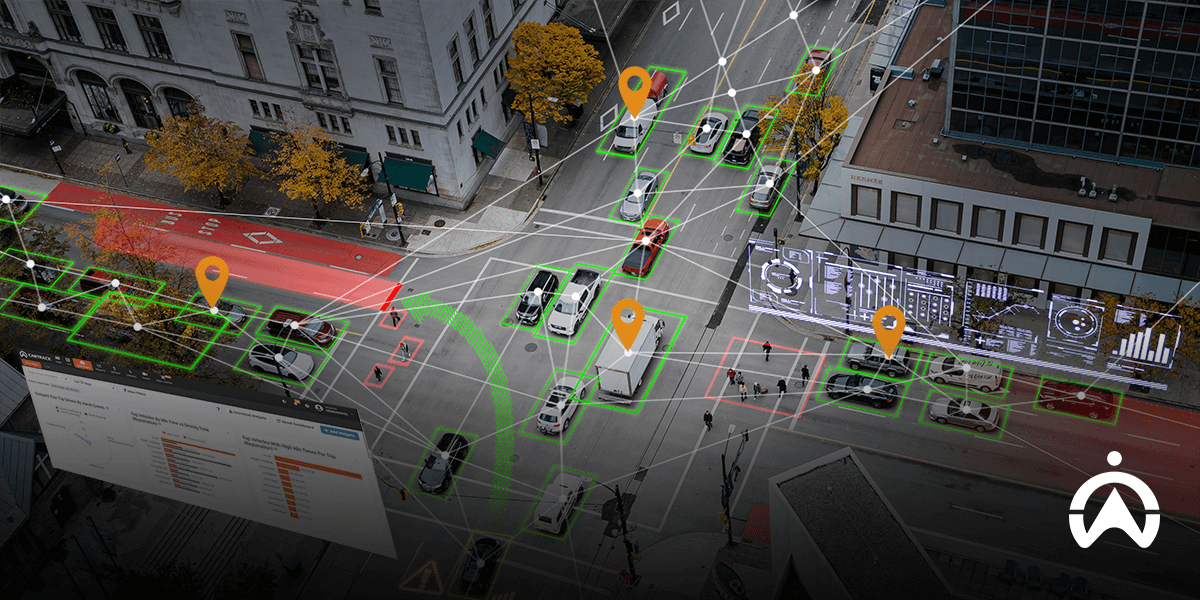
Vehicles connect to each other at city intersections, showing 8 ways fleet systems help mobility with smart technology.

What are the challenges faced with the advancement of fleet mobility?

Despite the extraordinary progress of fleet mobility, there are a number of challenges that must be faced, namely:

  • Adequate charging stations: The adoption of electric vehicles offers both opportunities and challenges for fleet efficiency. One major challenge is the lack of charging stations. While electric vehicles are lauded for their ability to reduce emissions and operating costs, the limited availability of charging stations can negatively impact fleet mobility and productivity. This leads to downtime and schedule disruptions, as drivers must travel longer distances to find charging stations.
  • Unexpected technology: Autonomous vehicles are still in development, delaying widespread adoption. Ensuring the safety and reliability of autonomous vehicles requires increased attention. Autonomous vehicles are susceptible to unexpected technical issues, which can disrupt fleet operations and compromise efficiency. Furthermore, transitioning to autonomous vehicles requires driver retraining and adapting to new operational procedures, which is costly and time-consuming.
  • Integration of new technologies: Evolusi cepat teknologi mobilitas, seperti kendaraan otonom dan telematika canggih, membutuhkan manajer armada untuk beradaptasi dan mengintegrasikan teknologi ini ke dalam operasi mereka secara efektif tanpa mengganggu fungsi armada.
  • Skilled personnel and training: Adopting new technologies means the fleet workforce needs to have the skills to operate and maintain these systems effectively. Fleet managers need to invest in training and development to ensure their teams can effectively utilise these advancements and reap the benefits.
  • Data management and decision making: Although advanced telematics provides access to a wide range of real-time data, managing and interpreting this data can be challenging. Fleet managers need software that helps them make sense of fleet data, thereby facilitating informed decision-making and operational optimisation.

What Is Fleet Management?

Fleet management is the process of overseeing a group of vehicles owned or operated by a company. Fleet management involves various fleet tasks and ensuring that the fleet operates efficiently and effectively.

What is a fleet management system?

Fleet management systems aim to provide fleet managers with real-time data and visibility into their fleet. A fleet management system is a set of tools and processes designed to help fleets measure their effectiveness. Using software and hardware, a fleet management system can provide fleet managers with unparalleled visibility into the real-time location of their vehicles around the clock, monitor the fleet's total fuel consumption, optimise routes, and ensure drivers are not exhibiting any signs of dangerous driving.

Key components of a fleet management system

An effective fleet management system needs to have the following key components:

  • Fuel management and cost control: Fuel monitoring is a key component of a fleet management system because it enables accurate tracking of a fleet's fuel consumption to optimise cost control and fleet productivity. This component is crucial because it helps fleet managers quickly identify excessive or unusual fuel consumption, promptly address the cause, and take action to minimise theft or waste.
  • Driver management and safety: Driver management is another crucial component of a fleet management system, encompassing various aspects of monitoring and optimizing driver behaviour, safety, and performance. Fleets can identify and address dangerous or distracted driving behaviour that negatively impacts fleet productivity, ultimately contributing to a safer and more efficient fleet.
  • Maintenance and diagnostic plans: Maintenance planning and diagnostics play a crucial role in helping fleet managers keep vehicles in good condition, thereby reducing unplanned downtime and optimising fleet productivity. Diagnostics involves using onboard sensors and telematics to monitor vehicle health and detect potential issues before they become serious. This data can then be used to proactively schedule maintenance and repairs, helping fleet managers keep their vehicles in good condition and maximise their productivity.
  • GPS tracking and telematics: GPS tracking uses satellite and cellular technology to monitor vehicle location and activity in real-time. By providing accurate, real-time data on vehicle movement and utilisation levels, fleet managers can ensure compliance and make informed decisions about delivery routes and job assignments. By leveraging GPS tracking, fleet managers can monitor routes, identify potential delays, and make informed decisions about route optimisation.

8 Benefits of Fleet Management System for Fleet Mobility?

What are the benefits of a fleet management system? Let's explore them:

1. Data-driven decision making

Fleet management systems can collect and analyse data on driver behaviour, vehicle performance, and fuel consumption. This data is crucial for data-driven decision-making and can be used to:

  • Optimising routes: By identifying traffic and weather conditions in real-time, fleet managers can plan more efficient routes, reduce fuel consumption, and improve delivery times.
  • Prioritise predictive maintenance: By identifying potential maintenance issues early, fleet managers can minimise unplanned downtime and avoid unexpected repair costs.
  • Improving driver behaviour: By monitoring driver behaviour in real time, fleet managers can provide personalised training and coaching to drivers. This encourages safe and fuel-efficient driving practices, even reducing the risk of accidents.

2. Adopt sustainable solutions

Fleet management systems can set a new standard for adopting environmentally friendly vehicles. This is achieved through:

  • Integrasi kendaraan listrik (EV): This system helps manage charging schedules, monitor battery health, and optimise routes, ensuring that the vehicle never runs out of battery, thus reducing the carbon footprint.
  • Improve fuel efficiency: By providing real-time insights into fuel consumption and identifying inefficient driving patterns, fleet managers can encourage environmentally conscious and fuel-efficient driver behaviour.
  • Minimising travel distance through route optimisation: Planning the most fuel-efficient routes can result in reduced total mileage and emissions, making for a greener fleet.

3. Enhanced customer experience

Customer service is crucial for fleets, and a fleet management system is what's needed to ensure the best possible customer experience. This is accomplished by:

  • Makes real-time vehicle tracking easy: By knowing where the vehicle containing the goods is located, fleet managers can provide accurate arrival time estimates to customers, thereby building trust in the business.
  • Memberikan bukti pengiriman (POD): By helping to store electronic signatures or images after goods have been shipped, fleet managers can increase customer satisfaction.
  • Optimising delivery routes: By helping find the fastest and safest delivery routes, fleet managers can deliver goods faster and more efficiently, even exceeding customer expectations.

4. Proactive risk management

Fleet management systems enable fleet managers to reduce risk and ensure regulatory compliance by:

  • Monitoring driver safety: By identifying and addressing dangerous behaviours such as hard braking, sharp turns, and high speeds, fleet managers can create a safer work environment.
  • Monitoring vehicle health: By receiving real-time alerts for potential breakdowns, fleet managers can prevent unnecessary downtime and ensure vehicle safety.
  • Simplifying compliance management: Dengan otomatisasi dokumentasi dan pelaporan untuk regulasi, manajer armada dapat meminimalkan risiko dan denda armada.

5. Ability to adapt to new mobility solutions

Fleet management systems help fleet managers stay prepared for the latest advancements in fleet mobility, including shared mobility options and autonomous vehicles. Here's how:

  • Managing autonomous vehicles: By integrating EVs with these systems, fleet managers can optimise autonomous fleet operations.

6. Longer fleet life

Fleet management helps maintain fleet health over longer periods, by providing access to:

  • Preventive maintenance: By knowing exactly when a vehicle fault is detected, fleet managers can repair damage before it becomes more severe and renders the vehicle unusable.
  • Driver Monitoring: By paying attention to driver behaviour, fleet managers can identify behaviours that can lead to vehicle damage and the need for repairs more quickly.

7. Enhanced driver safety

Fleet management systems help improve driver safety while they are behind the wheel, through:

  • Driver behaviour monitoring: By providing full insight into how drivers act, fleet managers can monitor and address aggressive and dangerous driving behaviour, which can be used to create driver safety training programs.

8. Increased fleet mileage

Fleet management systems help increase the total mileage of fleet vehicles over a given period, by providing access to:

  • GPS vehicle tracking: By monitoring and analysing vehicle metrics such as fuel consumption, idle time, and route efficiency, fleet managers can gain insight into fuel usage and know exactly when and why vehicles are traveling further than usual.

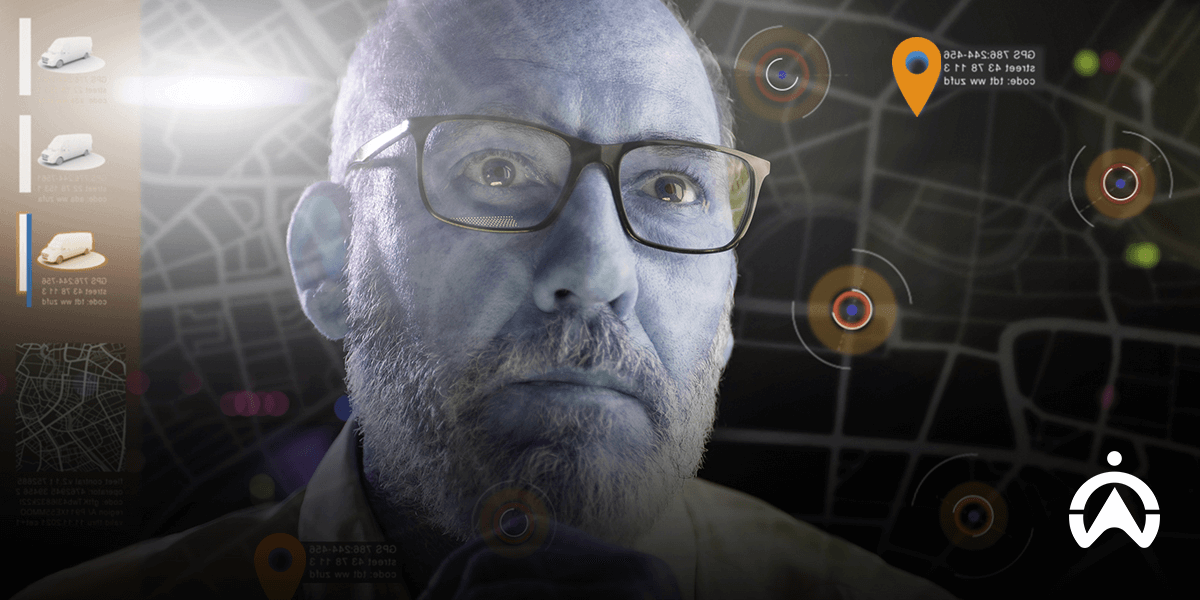
Fleet managers analyze digital maps, showing 8 ways fleet systems help make mobility more efficient.

Improve fleet mobility with Cartrack Indonesia's fleet management solutions

Cartrack Indonesia has a sophisticated fleet management system designed to improve fleet mobility through a variety of solutions, including:

  • Real-time GPS tracking: Know exactly where your fleet vehicles are at all times with Cartrack Indonesia's live GPS tracking. With immediate visibility into your fleet's location and movement, you can provide accurate delivery arrival time estimates to customers, resulting in increased customer satisfaction.
  • Route optimisation: Ensure drivers use the fastest and safest routes with Cartrack Indonesia's route optimisation. Available through the Delivery app, real-time delay alerts can help improve customer service and provide faster delivery turnaround times.
  • LiveVision AI Camera: Give drivers access to real-time warnings about driving hazards with Cartrack's LiveVision AI cameras. This cloud-connected video management software integrates AI analytics and in-cabin cameras to detect dangerous behaviours such as smoking, mobile phone use, high speeds, and yawning. When these behaviors are detected, an audible cabin alert activates, notifying the driver in real time, allowing them to correct the situation and prevent collisions.
  • Fuel monitoring: Make the most of every liter of fuel with Cartrack Indonesia's fuel monitoring system. Cartrack Indonesia's fuel cost monitoring software can review every fuel transaction and match receipts with advanced vehicle telemetry. This provides real-time visibility into fuel usage, and when integrated with fuel sensors installed in vehicle tanks, users can monitor fuel consumption in real-time. This makes it easier to identify fuel theft, reduce fuel waste, and improve fleet fuel efficiency.
  • Preventive maintenance: Ensure your fleet vehicles are operating at optimal levels with preventative vehicle maintenance from Cartrack Indonesia. Our AI-powered software and advanced analytics provide alerts on maintenance issues such as worn brake pads, low fluid levels, and service interval reminders. Using historical data and machine learning algorithms, our system can predict when batteries need to be replaced. This helps create effective maintenance plans, helping avoid costly vehicle component damage, road accidents, and breakdowns that can hinder productivity.
  • MiFleet: Know exactly how much it costs to run your fleet efficiently with MiFleet Cartrack software. MiFleet's cost management solution helps you track all your fleet costs, whether it's fuel, taxes, or vehicle permits. MiFleet's in-depth insights help you unlock the greatest fuel savings, ultimately reducing administrative time and overall costs.

Fleet success requires a variety of interventions and strategies, and without an effective fleet management system, it's impossible to achieve. If you need a solution, Cartrack Indonesia is the answer to achieving optimal fleet mobility.

Klik link berikut ini to find out more!

How to Become the Best Fleet Manager?

What is a fleet manager?

Every fleet has its own unique set of tasks and challenges, which is why fleet managers exist. A fleet manager is the individual responsible for managing a company's fleet and all its aspects. Their primary goal is to ensure the fleet remains safe, reliable, and efficient, and they accomplish this through a variety of responsibilities.

Also Read: What are the Benefits of Task Management Tools for Dispatch Controllers in a Company?

What are the responsibilities of a fleet manager?

A fleet manager is responsible for the overall management of a fleet. This may sound trivial, but when you dive deeper into the responsibilities, you'll discover a wide range of tasks:

  1. Vehicle Acquisition: Vehicle acquisition is a critical responsibility of a fleet manager. It involves the process of acquiring, managing, and maintaining a fleet of vehicles. This responsibility encompasses several stages, including vehicle selection, procurement, and oversight of vehicles essential to company operations. Fleet managers must create a clear and well-planned acquisition plan to ensure the fleet saves time, money, and potential frustration. This crucial process also involves considering factors such as financing options and the total cost of ownership. The benefits of fleet vehicle acquisition include:
    – Penghematan biaya
    – Keberlanjutan lingkungan
    – Peningkatan reputasi merek
    – Produktivitas yang ditingkatka
  2. Monitor fuel consumption and costs: Fuel is one of the most significant costs in fleet management, with most fleets spending approximately 24% of their budget on fuel. Fleet managers need to manage fuel effectively and identify effective ways to reduce fuel costs. They must constantly monitor fuel consumption and look for ways to reduce fuel costs. This means closely monitoring the fuel consumption of each of their vehicles. The benefits of monitoring fuel consumption and costs include:
    – Pengurangan konsumsi bahan bakar
    – Efisiensi armada yang ditingkatkan
    – Profitabilitas yang meningkat
  3. Managing fleet maintenance schedules: Managing a fleet maintenance schedule involves developing a maintenance plan that determines when each vehicle requires maintenance. This is based on several factors, including vehicle age, mileage, and usage patterns. This means fleet managers need to carefully and frequently evaluate fleet vehicles to determine their individual maintenance needs, identify the maintenance tasks required by each vehicle, and develop a maintenance schedule that clearly outlines when each of these maintenance activities should be performed. The benefits of managing a fleet maintenance schedule include: Longer fleet and vehicle lifespan.
    – Keselamatan kendaraan yang ditingkatkan
    – Pemeliharaan pengemudi yang ditingkatkan
    – Waktu henti minim
    – Biaya operasional yang berkurang
    – Produktivitas yang meningkat
  4. Tracking fleet: Tracking an entire fleet of vehicles is no easy task. Vehicle tracking, which is essential for fleet visibility, uses advanced technologies such as telematics and GPS to provide real-time monitoring and data collection on vehicle location and performance.

    The benefits of fleet tracking include:

    – Visibilitas armada yang penuh dan akurat
    – Perencanaan rute yang ditingkatkan
    – Penggunaan kendaraan yang ditingkatkan
    – Keselamatan pengemudi yang ditingkatkan
    – Efisiensi operasional yang ditingkatkan

  5. Comparing fleet performance: Fleet managers should regularly compare their fleet performance against industry benchmarks to help identify areas for improvement, from fuel efficiency, maintenance costs and safety records, to driver productivity and uptime.

    The benefits of comparing fleet performance include:
    – Mengidentifikasi area untuk perbaikan
    – Penetapan tujuan yang ditingkatkan
    – Pelacakan progres kemajuan
    – Tetap kompetitif

  6. Network with other fleet managers: Fleet managers must be able to share best practices, learn from others' experiences, and stay up-to-date on industry trends by networking with other fleet professionals. This can be done through industry associations, online forums, trade shows, and networking events.

    Benefits of networking with other fleet managers:
    – Belajar dari keberhasilan dan kegagalan orang lain
    – Tetap terkini tentang tren industri
    – Menemukan solusi baru untuk masalah yang ada
    – Membangun hubungan dengan mitra potensial

  7. Collaborate with industry experts: As a fleet manager, partnering with consultants and technology providers who can offer specialised expertise and support can be extremely helpful in implementing new technologies, increasing efficiency, reducing costs, and adding levels of safety.

    Benefits of partnering with industry experts:
    – Mendapatkan akses ke bentuk-bentuk khusus
    – Biaya armada yang lebih rendah
    – Efisiensi armada yang lebih baik

A fleet manager is monitoring the system using a laptop outdoors at sunset.

What makes a fleet manager so effective?

Now that we've covered the responsibilities, what really sets a fleet manager apart from the rest? The answer is their effectiveness, and this is achieved by doing the following:

  1.  They embrace technological advances: As a fleet manager, it's important to understand that the purpose of technological advancements is to simplify and optimise processes. Embracing technological advancements equates to increased fleet manager effectiveness. By leveraging advanced technologies such as telematics, GPS technology, and fleet management software, fleet managers can gain real-time insights into their fleet's performance, gain a competitive advantage, improve overall fleet performance, and drive business success.
  2. They focus on fleet safety: Prioritising the safety and well-being of drivers, passengers, and other road users can foster a culture of safety and responsibility within an organisation. This can be achieved by implementing a comprehensive fleet safety program, encompassing various elements, including vehicle maintenance, fleet monitoring systems, and driver training programs designed to improve driver safety and efficiency. When these measures are integrated with technology, fleet managers can gain data-driven insights, helping them integrate safety into every aspect of their fleet operations. By placing a strong emphasis on fleet safety, fleet managers can minimise accidents and protect drivers. According to the National Safety Council, trained drivers can reduce accidents by up to 50%.
  3. They simplify vehicle maintenance: Streamlining vehicle maintenance is a hallmark of effective fleet management, as it leads to improved operational efficiency, cost savings, and enhanced safety. This process encompasses several key aspects that help fleet managers ensure their fleets operate at peak performance. By leveraging technology solutions such as cloud-based fleet management software, fleet managers can simplify the entire vehicle maintenance process, making it more efficient. This, in turn, improves fleet fuel economy, reduces downtime, and extends vehicle lifespan. Consequently, fleet managers can focus on strategic planning and vehicle optimisation rather than constantly dealing with vehicle issues.
  4. They work to improve and simplify communication: Kita semua pernah mendengar bahwa “komunikasi adalah kunci”, dan pernyataan ini berlaku juga untuk industri armada. Komunikasi yang jelas tidak hanya memastikan bahwa anggota tim memahami peran, tanggung jawab, dan tujuan mereka, tetapi juga membantu dalam menangani masalah dengan cepat, baik itu jadwal pemeliharaan, atau mengirimkan kendaraan kedua untuk memastikan pengiriman tidak terlambat. Dengan menjaga jalur komunikasi terbuka dan nyaman, manajer armada dapat dengan cepat mengatasi tantangan, memberikan dukungan, dan mengumpulkan umpan balik berharga untuk membuat keputusan yang berdasarkan informasi dan mendorong perbaikan berkelanjutan. Tidak hanya itu, tetapi komunikasi yang efektif dalam sebuah armada memastikan bahwa armada dapat dengan mudah beradaptasi dengan teknologi baru. Hasil dari komunikasi yang efektif adalah operasi yang tersentralisasi, pengurangan biaya, dan keberlanjutan armada.
  5. They focus on data and insights: A focus on data and insights empowers fleet managers to make informed decisions about vehicle utilisation, maintenance, and optimisation, improve operational efficiency, and prioritize safety. By analysing data on a variety of fleet metrics, including fuel consumption, miles driven, and driver behaviour, fleet managers can quickly identify inefficiencies and implement strategies to improve overall fleet performance. Insights derived from this data enable proactive decision-making, such as implementing predictive maintenance strategies that can help reduce unplanned downtime and prevent costly breakdowns.

Also Read: Field Service Management: Definition, Functions, and Benefits

What are the benefits of investing in a fleet?

These responsibilities may sound like a lot for a fleet manager to handle, but if taken seriously, they can have a huge and direct impact on the fleet's success, here are some of the rewards to be had:

  1. Fleet cost reduction: Reduce fuel consumption and maintenance costs by investing in technology that optimises vehicle usage (such as telematics and route optimisation software) and reduces overall fleet costs. Training drivers in safe driving techniques can reduce the risk of car accidents. It can also eliminate fuel-wasting driving behaviours, reducing the amount of money fleets have to spend on fuel. Drivers trained in fuel-efficient driving techniques have been found to save up to 20% on their company's fuel costs.
  2. Increased productivity: Improve fleet productivity by investing in technology that helps reduce downtime, improve dispatching, optimise routes, and increase deliveries. This increased productivity leads to improved response times, better customer service, and increased profitability. Leveraging data from this technology allows for informed decision-making, positively impacting fleet productivity.
  3. Reducing employee turnover: Investing in a fleet through the implementation of fleet management solutions can significantly reduce driver stress levels and increase job satisfaction. When employees see that their managers are invested in their safety, productivity, and mental well-being, loyalty to the company is fostered, leading to driver retention.

Two fleet managers are analyzing metrics data on laptops to optimize performance.

Cartrack: The investment of choice for fleets

Cartrack offers a range of solutions designed to simplify fleet management. Let's explore the benefits of these solutions and how they can help us become better fleet managers:

  1. Cost Management System (MiFleet): Know exactly how much it costs to operate your fleet with MiFleet software from Cartrack. This vehicle cost management software helps fleet managers track all fleet-related expenses, including financial outlays, fuel costs, and taxes. This allows you to eliminate manual paperwork, detect cost leakages, and minimise human error.
  2. Fuel monitoring: Accurately track your fleet's fuel consumption with a fuel monitoring system from Cartrack Indonesia. Using fuel sensors installed in vehicle tanks, we can closely monitor vehicle fuel consumption. However, our fuel monitoring system goes beyond real-time visibility into fuel usage; it also reconciles fuel transactions, which is crucial in helping detect potential fuel theft.
  3. AI Camera Software: Keep an eye on driver behaviour with Cartrack Indonesia's AI Live Vision cameras. We provide cloud-connected video management software that provides real-time access to driver behaviour using in-cabin cameras and artificial intelligence analysis. This advanced technology can identify dangerous driving behaviours such as mobile phone use, yawning, excessive speeding, and smoking. When these behaviours are detected, an in-cabin audible alert immediately notifies the driver, allowing them to correct their behaviour in real time.
  4. GPS vehicle tracking: Know exactly where your entire fleet is at all times with Cartrack Indonesia's live GPS tracking. By providing real-time location updates, our solution gives you complete control over your fleet, allowing you to know exactly when, where, and how vehicles are being used. It also provides key performance metrics such as total downtime and distance traveled, providing complete insight into your fleet's journeys. This helps you improve fleet efficiency, promote driver safety, and optimise vehicle performance.
  5. Vehicle maintenance warning: Say goodbye to unplanned downtime and costly breakdowns with Cartrack Indonesia's vehicle maintenance alerts. Our maintenance alert software uses a combination of artificial intelligence and advanced analytics to detect potential vehicle maintenance issues before they become costly and dangerous. By analysing vehicle performance, our software can send alerts about maintenance-related issues, such as low water and oil levels, engine faults, and worn brakes. This helps avoid costly repairs later, keeps vehicles healthy longer, and saves you money.
  6. Delivery application: Improve the efficiency of your fleet's delivery tasks with Delivery Cartrack Indonesia. This feature-rich solution is designed to optimise and simplify delivery operations for both managers and drivers. The app provides access to a variety of fleet benefits, including delivery route optimisation, real-time views of all deliveries, and the elimination of excess administrative work. This results in faster task and delivery completion, increased productivity, and happier customers.

Above, we've explained how to become a successful fleet manager, along with the Cartrack software that can help you achieve that. Take advantage of Cartrack Indonesia's advanced fleet management system and become a top-tier fleet manager today! Click the link below to learn more!