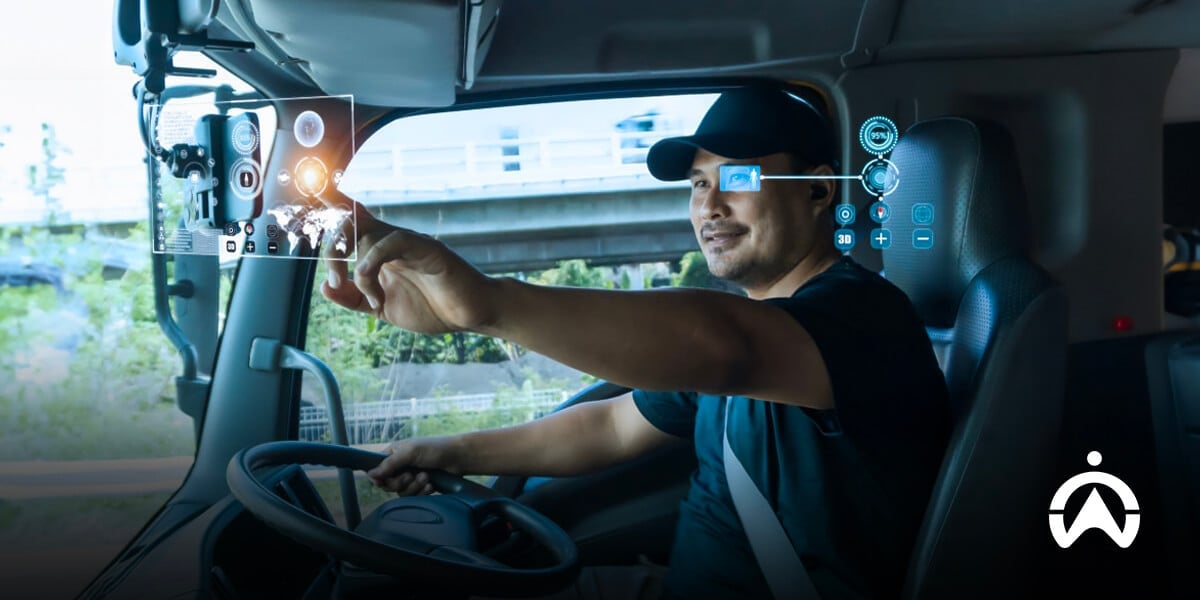

How Dashboard Cameras Protect Against Car Insurance Fraud

Imagine you're on your way home after a long day at work when another car suddenly changes lanes toward you, forcing you to brake abruptly, resulting in an unavoidable rear-end collision. After the incident, the driver behind you accuses you of wrongdoing and sues you for damages to their vehicle. So what can you do to recover from this situation? That's why using a dashcam is so important!

Let's discuss together why a dash cam is important to protect you from car insurance fraud!

Recognising car insurance fraud methods

Motor vehicle insurance fraud, especially involving cars, is not a new type of crime. Vehicle owners often commit fraud to obtain larger claim payments from insurance companies.

There are various types of car insurance fraud that may be committed by drivers and pedestrians, including:

  • False claims

  • Pretend car was stolen

  • Vehicle accident or personal accident

  • Faking an injury due to an accident

How to avoid insurance fraud with dash cam?

Typically, after an accident, the driver's insurance claim will cover more serious damage to the car's body, windows, and mirrors. Therefore, many drivers stage car accidents to commit insurance fraud.

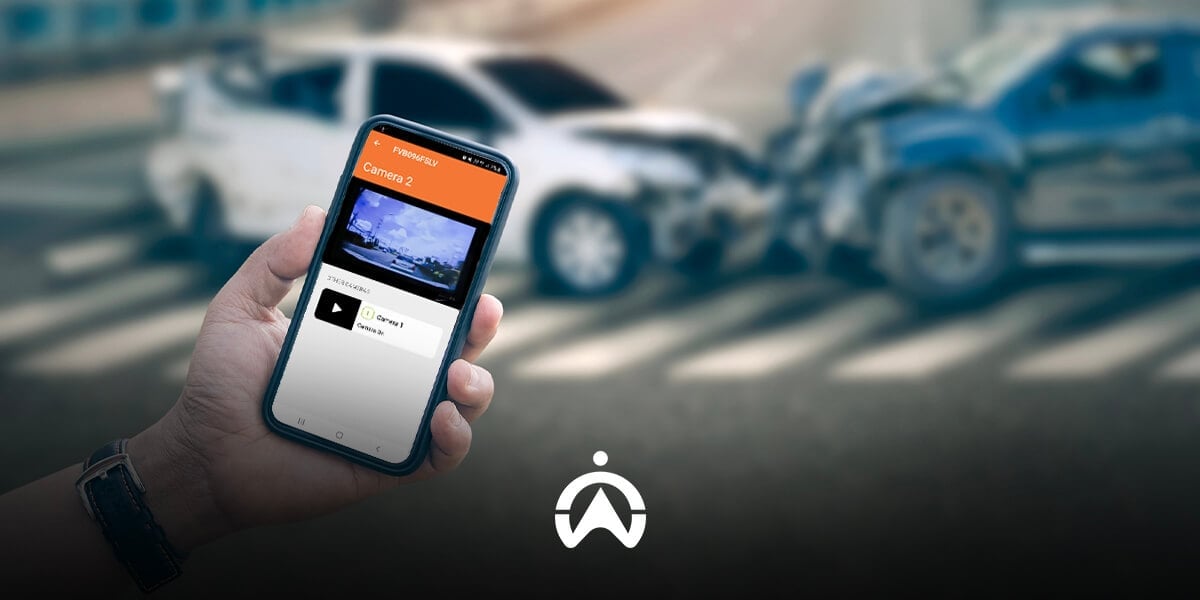
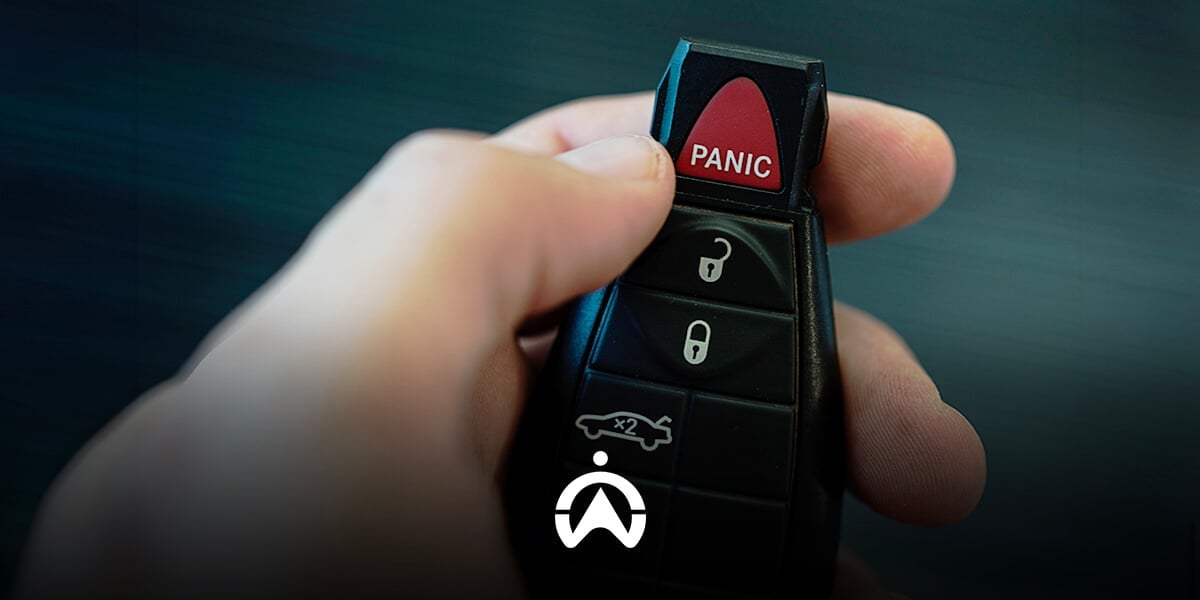
In such situations, a dashcam like the Cartrack Vision can be a solution! Installing a dashcam on the front of your vehicle can help protect you from insurance fraud by providing video evidence of the incident on the day of the accident. With access to this footage, you can provide a clear video of the incident and prove your innocence, thus clearing you of baseless charges. 
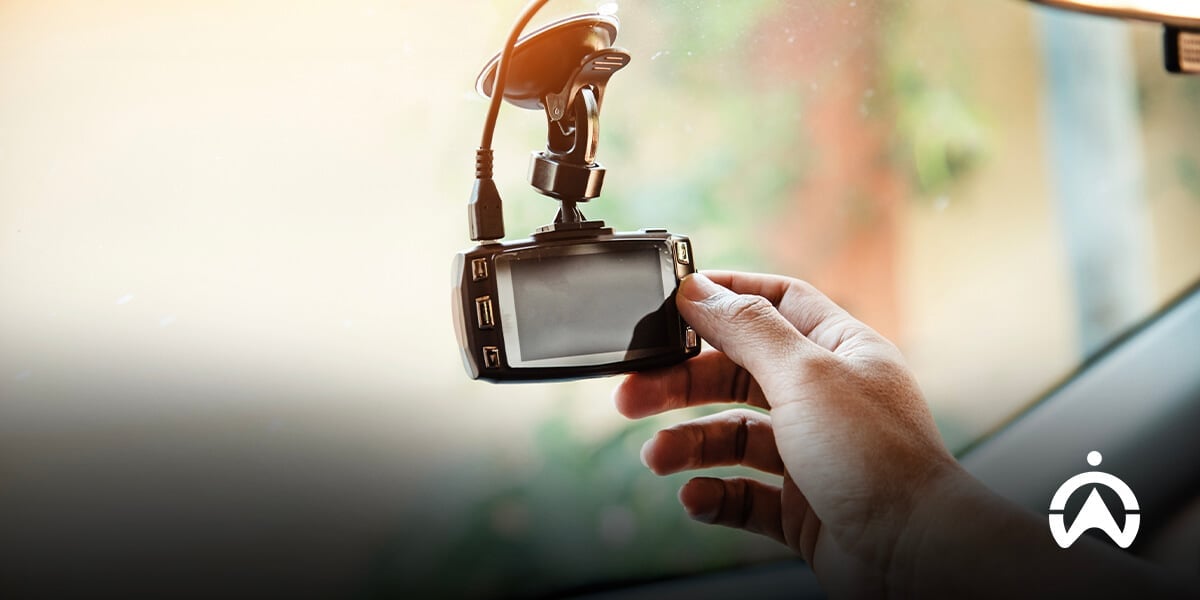
Cartrack Vision records events while driving

Cartrack Non-AI Vision is a dashcam solution from Cartrack that allows you to record real-time road conditions. With this camera installed, you can access and download recordings by date and time using the Cartrack app. This camera is also a powerful way for drivers to protect themselves from all forms of car insurance fraud. 

Not only does it protect you from fraudulent insurance claims, this dashcam also provides valuable evidence if there is any malicious activity around the vehicle, including attempts to damage the car. 

This camera has various other features that are useful for drivers, such as: 

  • Live streaming video with audio
  • Ease of downloading recorded videos via the Cartrack Application
  • ‍Live GPS tracking for vehicle location information

Cartrack AI Vision is suitable for business vehicle protection

Another camera solution from Cartrack is AI Vision, a dashboard camera equipped with AI technology that doubles your protection. This camera can help you avoid car insurance fraud and other roadside issues for business vehicles.  

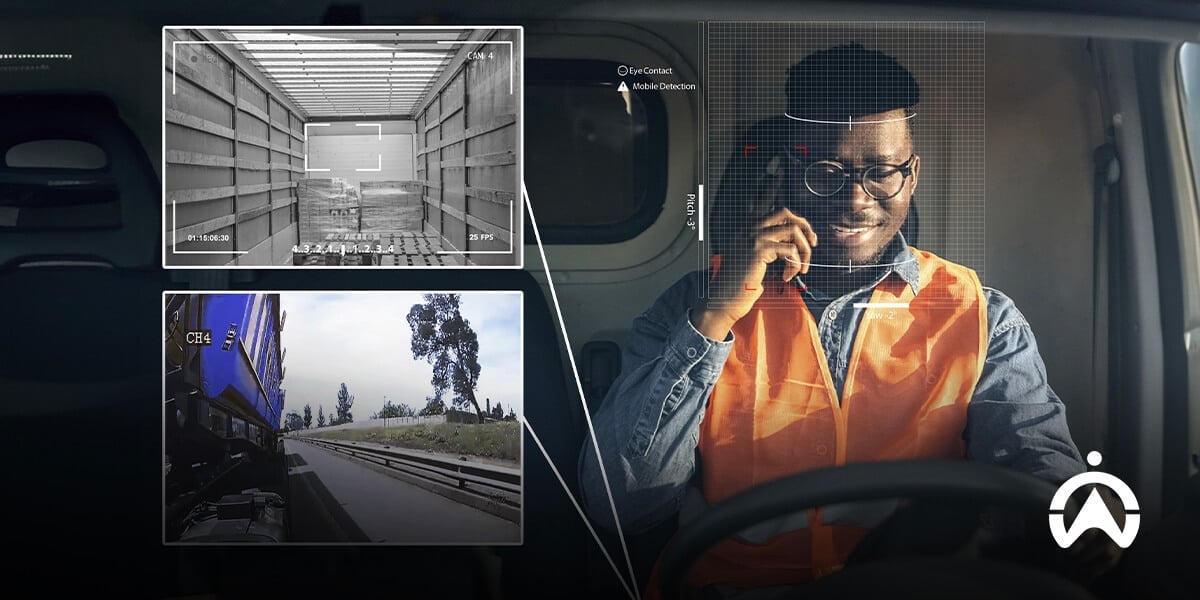
AI Vision consists of dual cameras facing the road and inward. These cameras are equipped with the following features: 

  • Forward collision warning sensor: This sensor helps prevent possible frontal collisions by warning the driver via sound.
  • Driver behaviour detection: With the help of AI technology, this smart camera can detect dangerous driver behaviour such as distracted driving, fatigue, cell phone use, and smoking.
  • Live streaming video with audio: Fleet managers can stream live video of trips and perform driver activity checks using AI Vision. 
  • Microphone and speaker on camera: For easy communication between managers and drivers, the AI ​​Vision camera has a microphone and speaker so that managers can have direct 2-way communication with drivers. 
  • Download recordings remotely: Fleet managers can download trip recordings or after-the-fact recordings based on the desired date and time from anywhere via Cartrack Fleetweb. 
Improve road safety with dashcams from Cartrack

A vehicle's dashcam is an essential protection tool for you, your family, and even your business vehicles. Dashcam footage is essential for proving your innocence and preventing car insurance fraud and other scams.

Interested in Cartrack's dashcams? Contact Cartrack for a live demo by clicking the link below!
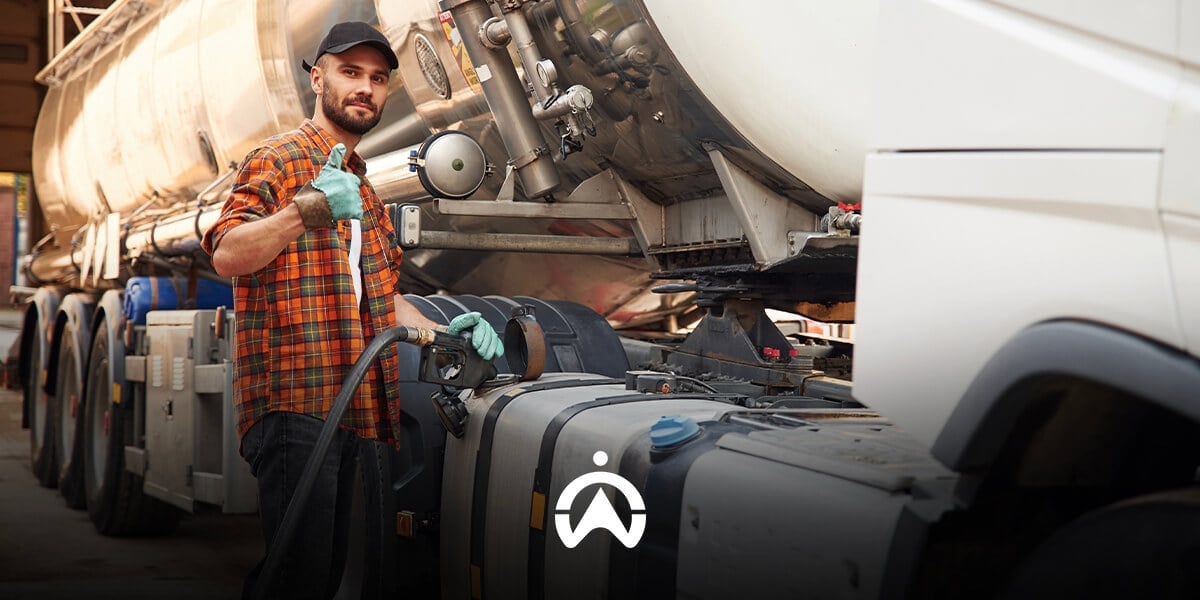
Apa Itu Fuel Management System?

For business owners who use operational vehicles, fuel consumption is undoubtedly a major concern. It's estimated that fuel costs can reach 30%–60% of total operational delivery expenses.

Oleh karena itu, bisnis yang tidak mencatat dan mengelola pengeluaran bahan bakar mereka dapat mengalami kerugian terus-terus tanpa disadari. Lantas, bagaimana cara mengatasinya? Kali ini kita akan berkenalan dengan solusi pengelolaan BBM yang disebut fuel management system.

What is a Fuel Management System?

A fuel management system is a combination of hardware and software used to optimise fuel usage. This system is used by industries that rely on operational vehicles, such as mining and transportation.

By using a fuel management system, you can monitor factors such as fuel consumption and engine performance. Both can help ensure that fuel is being used efficiently.

How does a Fuel Management System work?

Fuel management systems generally work alongside fleet management systems to manage vehicles as a whole. The fuel management system reads data from telematics devices such as fuel sensors and GPS tracker.

This data is then processed and translated into easy-to-understand formats on dashboards and automated reports. This allows you, as a fleet manager or business owner, to analyse and make decisions about efficiency.

There are several main components needed in a fuel management system, namely:

  • Fuel sensor (fuel sensor) → A sensor installed in the tank to measure fuel entering, leaving, and being used.

  • GPS Tracker → Functions to track vehicle position and calculate fuel efficiency based on route and speed.

  • Control unit → Functions as a “brain” that collects data from sensors and GPS, then sends it to the central system.

  • Dashboard/software monitoring → A place for users to view real-time data and reports on fuel consumption, trip history, fuel refills, and so on.

A person fills fuel into a jerry can with a pump nozzle, part of an illustration of the fuel management system function.

What Are the Benefits of a Fuel Management System?

The use of a fuel management system is certainly highly beneficial for those who want to prioritise efficiency. Some of the benefits you can gain include:

1. Improved driver behaviour

Perilaku berkendara tertentu dapat berpengaruh terhadap penggunaan BBM, misalnya seperti idle terlalu lama, sering mengebut, hingga rem mendadak. Sistem pengelolaan bahan bakar memungkinkan Anda memantau kebiasaan pengemudi yang menimbulkan pemborosan.

2. Reducing human error

Fuel management system technology simplifies administration and speeds up operations. Accurate and automated data management eliminates manual work, reducing human error.

3. Preventing fuel theft

You can integrate your fleet management system with fuel cards, allowing you to track and match fueling locations. You can also detect potential fuel theft early by monitoring tank levels.

4. Reducing maintenance and repair costs

Penggunaan telematika untuk memantau BBM tentunya dapat menyelamatkan armada dari kerusakan mendadak. Anda dapat segera mengetahui jika ada masalah kecil dan memperbaikinya sehingga bisa mencegah perbaikan besar tidak terduga.

What Kind of Business is a Fuel Management System Suitable for?

A fuel management system can be applied across all industries that rely on vehicle fleets for their core operations. Some of the business sectors that commonly use fuel management systems include:

  • Logistics → Improves operational efficiency and fuel usage by optimising delivery routes.

  • Car rental and heavy equipment → Track fuel usage by users and monitor risky driving behaviour.

  • Transportation → Improve security and prevent fuel theft, both by internal and external parties.

  • Company vehicles → Monitor fuel consumption, prevent misuse, and improve efficiency.

Optimise Fuel Savings with Cartrack

Cartrack's telematics fuel monitoring has helped companies across industries ranging from transportation and construction to mining save fuel. Some of Cartrack's fuel management solutions include:

MiFleet

Cost management software that allows you to detect fuel theft by validating transactions with vehicle telematics data. Validated data includes location, remaining fuel, and tank capacity.

MiFleet also allows you to receive alerts if potential theft or fraud is detected, enabling you to investigate further.

Fuel Sensor

With Cartrack, you have a choice of fuel monitoring devices or sensors that will help you know how much fuel is left in the tank.

  • Fuel Analog: Uses a float sensor in the vehicle’s fuel tank and connects it to an IoT device to translate the readings into easy-to-understand data.

  • Fuel Probe: Uses Cartrack hardware, namely a fuel probe, to measure the fuel level in the tank. Data from the fuel probe is also integrated into the telematics system, which can be monitored via a dashboard.

  • CANBus: CANBus connects the systems within a vehicle so they can “communicate” with each other. This allows the vehicle to detect fuel requirements more easily, and the data is then stored and sent to the dashboard.

Also Read: Monitoring Fuel Consumption with Fuel Sensor and Fuel Probe 

Route Optimisation

Cartrack’s route optimisation helps drivers complete tasks using routes that reduce travel distance and fuel consumption. This helps prevent inefficient route choices that can lead to unnecessary fuel wastage.

Fleet Camera

You can also install external cameras mounted outside the vehicle, including on the fuel tank cap. This allows your fleet to be more closely monitored and helps minimise theft caused by insufficient security systems.

Driver Scorecard feature

As the name suggests, a driver scorecard reports data on driving behaviour, such as speeding, sudden braking, and sharp, fuel-guzzling turns. You can then use this data to train drivers to improve their driving performance.

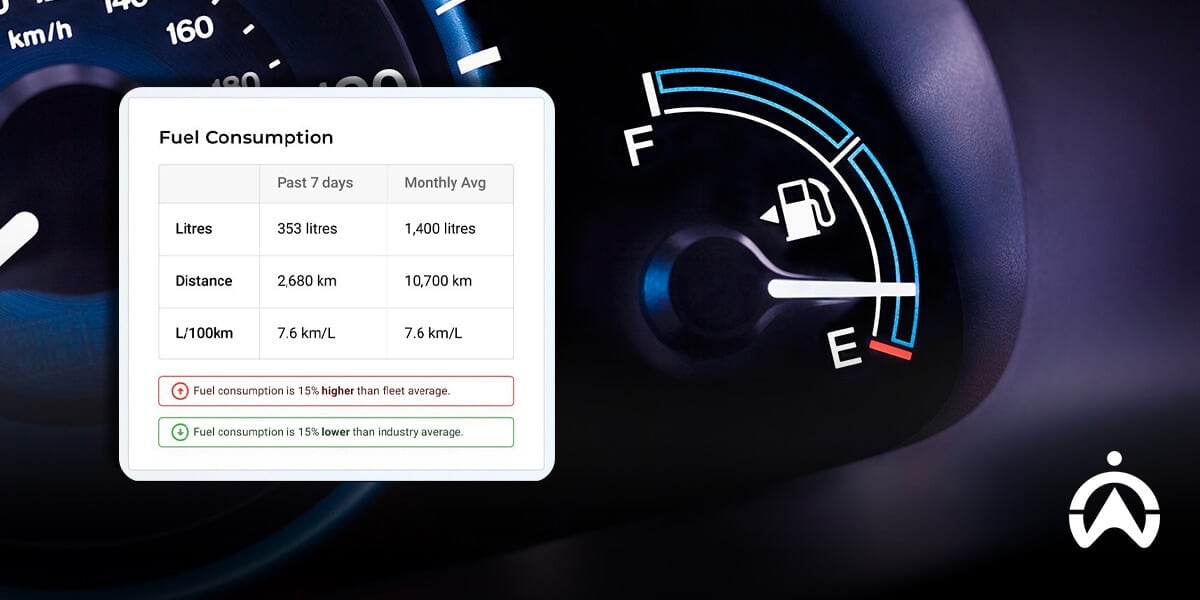
Fuel indicator dashboard and fuel consumption statistics table on the fuel management system device.

Advantages of Fuel Monitoring from Cartrack

In addition to relying on the functional features above, Cartrack's fuel monitoring also has the following advantages:

  • Time and distance tracking → You can track your fleet's fuel consumption based on time and distance traveled.

  • Anomaly Notifications → You can set up notifications if there's a sudden fuel drop above 10% capacity. This way, you can investigate potential fuel theft or fraud.

  • Daily/weekly reports → Receive automated weekly or monthly reports to gain insights into fuel usage for efficiency analysis.

  • Integration into fleet systems → Cartrack's fuel monitoring is integrated with the fleet management system, including a GPS tracker and other features.

These advantages will certainly make your monitoring more optimal and the data you obtain more comprehensive.

A fuel management system allows you to manage your fleet's fuel more efficiently. This system is typically used in conjunction with fleet telematics such as GPS trackers, fuel sensors, and so on.

Cartrack's comprehensive solution offers a fuel management system that is integrated with the fleet management system. You can obtain data and validate it more accurately because of the interconnected systems.

For business owners who want to manage vehicles and fuel more efficiently, Cartrack’s fleet management solution is the right choice. Click the following link to receive a special offer for your business!

Mileage or Vehicle Age? Important Considerations Before Buying a Car

When you want to buy your first car, you are bound to feel confused and have many things to consider. The fear of choosing the wrong model, or even being deceived, is always in the back of your mind.

There is no need to worry anymore, because we have several points you can consider before buying a car. Come on, read the explanation below!

Mileage or Age of the Car: Which Is Better?

Older cars with lower mileage or a new car that can travel longer distances? Let's start by defining both so we can better understand them.

What is mileage?

There are two meanings of the word mileage:

  1. Mileage refers to the number of kilometres a vehicle can travel per litre of fuel.

  2. The total number of kilometres the vehicle has travelled over its lifetime. (That is what we will be discussing in this article.)

Mileage shown on the dashboard is an important indicator of vehicle condition, such as the level of wear and tear it experiences over time. The more miles a car has traveled, the more likely its parts are to wear out if not replaced. However, lower mileage isn't always better because, after all, cars are meant to be driven. That is, certain vehicle parts are designed to lubricate themselves and remain functional while the car is in motion, so keeping a car in the garage for months on end won't help matters, as it will wear out more quickly.

The importance of a vehicle’s age

The older a car is, the more likely it has been driven for a long time. In most cases, when it comes to age, newer is better. What matters more is the vehicle's mechanical condition; a well-maintained older car will have fewer problems than a newer one that hasn't been maintained. However, safety features, fuel efficiency, and modern connectivity may not be available in older cars.

In addition, the warranty coverage for older cars is usually already expired or limited, so you, as the buyer, are responsible for any repair costs. In terms of financing, some banks will not finance vehicles more than five years old, which can make it confusing when buying.

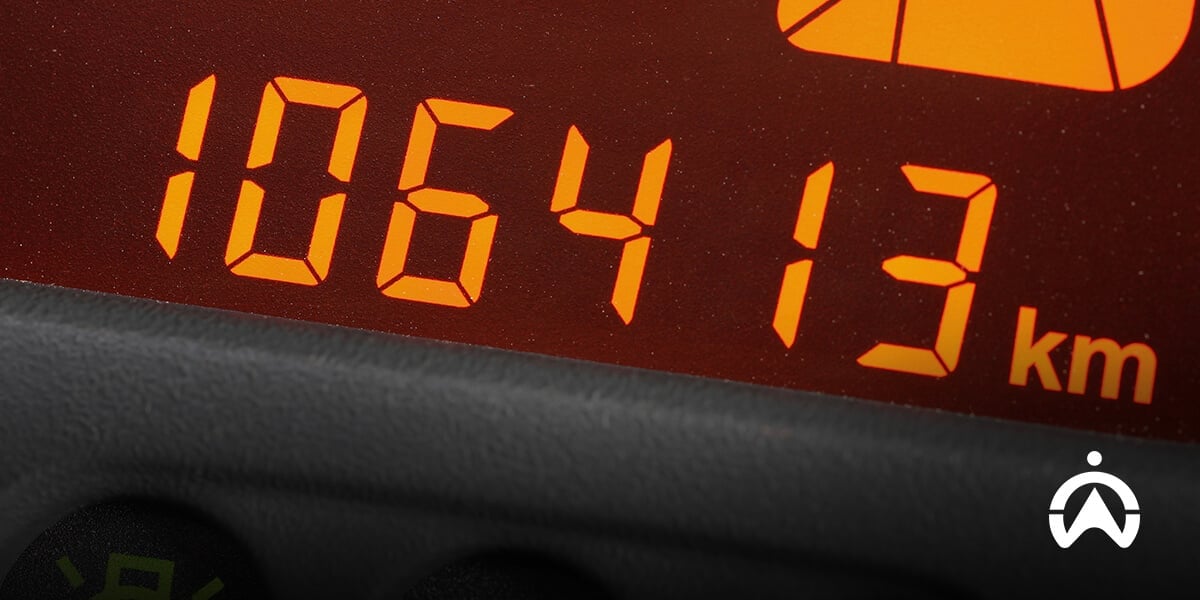
Close up of a car's odometer showing 106413 km in bright orange on a dark background.

Other Important Factors to Consider Before Buying a Car

  1. Determine your budget
    Set a budget first if your funds are limited. By deciding on a budget, you can narrow down the price range of the car you intend to buy. In addition, you also have the option to finance the purchase through credit or instalments.

  2. Check the vehicle’s condition
    Take a trusted mechanic with you to inspect the car before buying. There are many things you may not notice that a mechanic will spot, such as previous repairs that were carried out but not disclosed to you. This step also helps prevent deception about the car’s condition being reported to you.

  3. Accident history
    You need to know how many times a vehicle has been in an accident and where the repairs were carried out. With this information you can check the quality of the repairs. Vehicles that have no accident history information should be treated with caution because the previous owner may be hiding something.

  4. Vehicle insurance
    Insurance is an important factor when choosing a vehicle, especially if you buy it outright. If you purchase a car on credit, insurance is usually already provided. Insurance must be in place as a guarantee in case an accident happens one day.

  5. Buy from a trusted dealer
    Make sure you buy the car from a reliable dealer or individual. Try to check the seller’s track record as much as possible so you are not deceived.

  6. Easy access to spare parts
    Sometimes spare parts for certain car models are difficult to find. They may not only be hard to source, but also expensive. Therefore, when buying a car, choose a model that is commonly used so you can more easily find the spare parts you need.

A rusty, abandoned orange car sits parked near a weathered brick wall, surrounded by debris and overgrown plants.

How Can Cartrack Keep Your Car Secure and Help Your New Vehicle Become More Fuel‑Efficient?

Purchasing a vehicle for business purposes requires steps to save fuel and maintenance costs. Here's how Cartrack can help:

Advanced Driver Assistance Systems (ADAS)

Consisting of camera-based sensors, intelligent algorithms, artificial intelligence, and machine learning, ADAS helps enhance driver awareness by providing real-time audible alerts whenever a blind spot is detected. ADAS also provides forward collision warnings, improving road safety and helping prevent sudden braking.

Driver monitoring

The way a vehicle is driven will affect its longevity. Driving habits such as excessive idling and harsh braking contribute to greater vehicle wear and tear, resulting in higher maintenance costs and downtime. Cartrack has a driver monitoring system with solutions that will helps you track driver behavior.

Driver scorecard

Ensure your vehicle is maintained on the road with the Cartrack driver scorecard. Drivers will be rated based on events such as speeding and sharp cornering. enables fleet managers see who needs training and also get access to reports that provide better information on the issue.

Preventive maintenance

Newly purchased used vehicles need to be properly maintained to avoid unexpected breakdowns and accidents. Cartrack's preventative maintenance feature alerts you to mechanical problems, such as worn brake pads or fluctuations in oil and water levels, so you know when your vehicle needs servicing.

Mifleet

Get an easy-to-use expense management tool to help you monitor company expenses like tolls, fuel, fines, tires, and maintenance. It can also detect suspicious activity, such as: possible fuel theft and fraud.

Route planning

Another way to save fuel, cut costs, increase productivity, and maximise your fleet is by planning routes effectively. Cartrack's route planning platform helps you choose the best route to complete the job, helping you avoid unnecessary delays and ensuring on-time deliveries.

We Protect All Vehicles, Old or New

Cartrack will help you keep your vehicles well maintained, so you don't have to worry anymore. Contact us today by clicking this link!

8 Reasons Why Fuel Management Systems Fail

As your business grows, operational costs such as fuel will increase. Unfortunately, rising fuel costs do not mean company profits will also increase. For this reason, business owners are starting to use fuel management systems to secure the future of their company. In this article, let us discuss what a fuel management system is and the reasons why these systems fail.

Fuel management system definition

A Fuel Management System is a technology for managing a fleet's fuel with the aim of making operations more cost-effective and reducing risks. The system requires fuel monitoring patterns that use real-time data on ongoing fuel consumption.

Read also: How to Protect Your Fleet from Fuel Theft

Benefits of fuel management system

  1. Improve fuel efficiency
    A fuel‑management system device can provide real‑time fuel‑consumption data so fleet managers can calculate the amount of fuel used by each vehicle and identify which vehicles are the most wasteful.

  2. Analysis and fuel usage reports Fuel‑management systems can provide fuel usage reports for the required time period, such as weekly, monthly and annual reports.

  3. Fuel‑theft detection
    By reviewing fuel reports, fleet managers can match fuel‑receipts with the existing reports. If the amount of fuel filled does not match the reported consumption (filling and usage), this indicates possible fuel theft.

8 reasons why fuel management systems fail

1. Out‑of‑date vehicles

Fuel‑consumption monitoring devices will have less impact when installed on outdated vehicles. Older vehicles tend to have lower fuel efficiency. As they age, this means the vehicle will use more fuel to cover the same distance as a new car.

However, the solution to this problem is not as simple as only replacing the fleet with newer models.

2. Lack of driver training on fuel efficiency

Speeding excessively, braking suddenly, and idling too much are fuel-efficient driving practices that are often overlooked. Drivers tend not to realise how these driving behaviours affect fuel efficiency.

It is pointless if we already use a fuel‑monitoring system yet still drive carelessly. Inefficient driving causes higher fuel consumption per kilometre, which directly increases fleet fuel costs and makes it harder to control fuel expenses.

Several white trucks fill up at a gas station at sunset, illustrating a potential loophole where the fuel management system fails.

3. Short trips (stop‑and‑go)

Frequent stop‑and‑go driving on short trips leads to poor fuel savings for the fleet. When you start the vehicle, it usually requires more fuel than when driving at a steady speed.

In addition to increasing fuel costs and fleet fuel inefficiency, short trips can also make fuel theft more likely. The difficulty of monitoring fuel‑usage data in detail for vehicles frequently used for short‑distance trips can increase fraud and fuel theft.

4. Carrying unnecessary load

There is a relationship between weight and fuel savings. Managers must pay attention to this in fleet management. Extra weight can cause the engine to work harder and use more fuel when accelerating and braking.

5. Weather conditions

It may be hard to believe, but weather conditions do affect fleet fuel consumption. This is largely due to how weather influences both the vehicle and driver behaviour. For example, drivers often use air conditioning in hot weather, which can reduce fuel savings by about 25%.

Colder temperatures also cause higher fuel consumption and more difficult driving conditions, forcing the vehicle’s engine to work harder. This increased engine load and reduced efficiency in cold weather can lead to noticeably higher fuel use compared to milder conditions.

6. Fuel fraud / fuel theft

Even when using the right fuel‑monitoring tools in fuel management, the results may not be visible because of internal fraud involving employees and fleet staff. Such dishonest practices can hide actual fuel usage and reduce the effectiveness of monitoring systems.

There are several ways fleet staff can defraud the fleet, such as claiming that fuel was not dispensed into the vehicle, siphoning fuel from the vehicle’s tank, or engaging in other forms of fuel‑card fraud. These actions directly reduce the amount of fuel available for legitimate use and undermine accurate fuel tracking.

7. Poor vehicle / engine maintenance

Every vehicle and engine requires proper care to maintain fuel savings and fleet efficiency. Neglecting routine maintenance tasks such as oil changes, air filter replacements, and checking the engine and tires will reduce fleet fuel efficiency and weaken the effectiveness of fuel‑monitoring tools.

8. Lack of a modern fleet‑management system or fuel‑monitoring system

Fleet and fuel‑management systems should be equipped with more modern technology such as GPS and telematics for real‑time tracking and communication. A lack of real‑time tracking capability makes it harder for you to identify problems that affect fleet fuel consumption.

If you are already using a fuel sensor but still struggling to control fleet fuel consumption or gain insight into fleet fuel usage, the fleet‑fuel problem may be caused by other factors. Without the right fuel‑monitoring system, it is difficult to:

  • Gain visibility over fuel usage: Without the right system, managing and controlling fuel consumption across the entire fleet becomes more difficult, making it easier for fuel theft or misuse to occur.
  • Optimise fleet fuel usage: Fuel monitoring helps identify how fleet fuel is used and provides insight into adjusting delivery schedules and minimising fuel inefficiency.

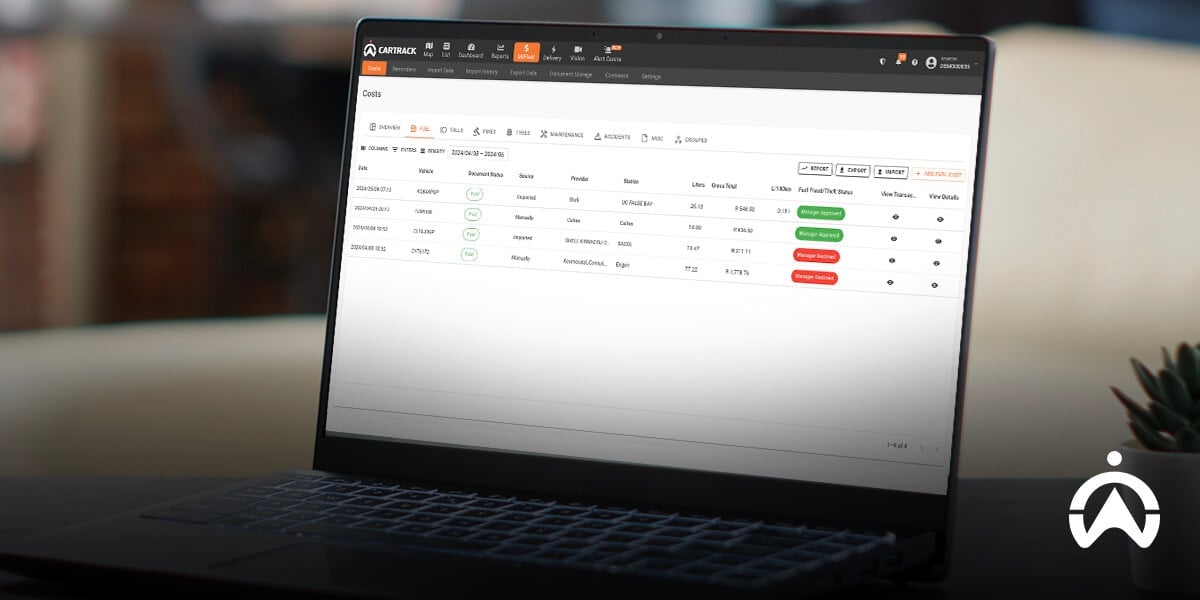
Laptop displays a cost table dashboard, illustrating operational cost monitoring when the fuel management system fails.‍

Cartrack solution: advanced fuel management

Improving fleet fuel‑management systems is the most effective way to carefully monitor fuel consumption and spending. Our fuel‑management system helps identify and address all fleet behaviors that affect fuel usage and provides data‑based insights so you can make decisions quickly.

Read also: How Aggressive Driving Can Affect Fuel Efficiency

Cartrack solution: Direct GPS tracking and fleet visibility

GPS telematics helps improve the accuracy of fuel‑management systems. By tracking the location and movement activity of vehicles, you can reduce the risk of fuel theft on short trips by comparing fleet fuel consumption with distance travelled and vehicle activity.

In addition, there are fuel‑efficiency reports designed to help you detect fuel inefficiencies in the fleet and introduce measures to reduce fleet fuel consumption, especially from untrained fleet drivers, which significantly impacts fleet fuel management and undermines all efforts to reduce fleet fuel consumption and fuel costs.

For more information about Cartrack's fleet management system, please click the link below!
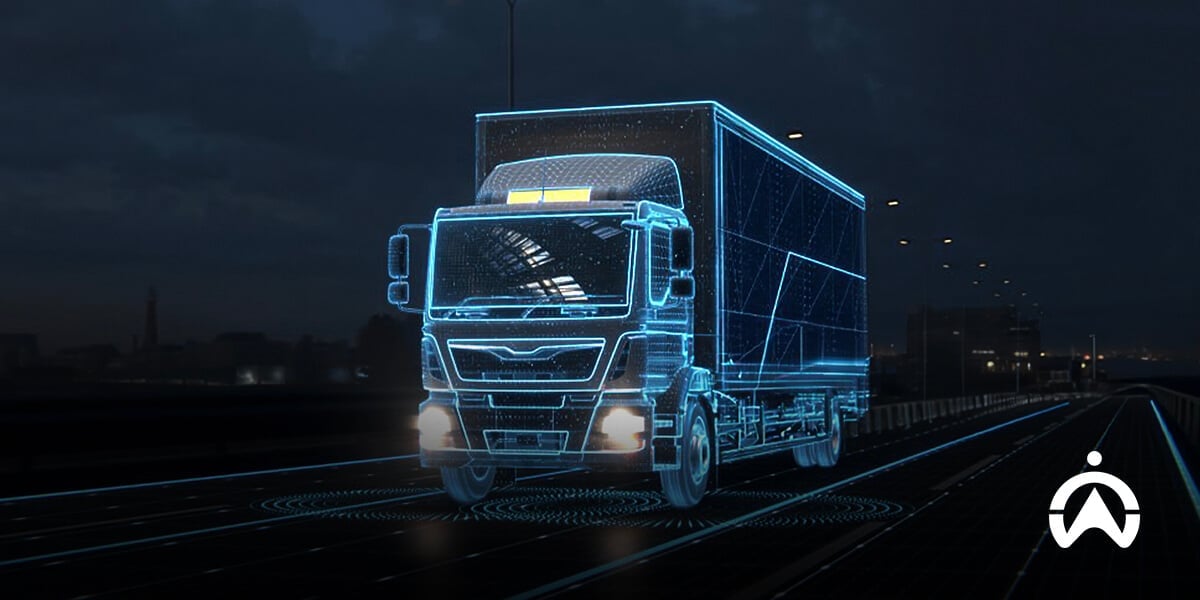
The Best Panic Button for Your Vehicle!

A sense of security while traveling is invaluable. Every day, we face the constant threat of robbery and the high risk of accidents. Fortunately, thanks to advancing technology, there are tools available to help ensure our safety and security. One such tool is the panic button. Without further ado, let’s explore the functions, how they work, and some panic button recommendations you can try!

Understanding the Panic Button and Its Function

A panic button is a button activated by pressing it, designed to summon help during an emergency. Its presence is crucial, as it allows the driver to request assistance instantly without alerting the perpetrator or attacker.

How the Panic Button Works

When the panic button is activated, a silent alert signal is sent to the fleet manager. The recipient then receives the sender's location, enabling them to dispatch assistance immediately. The panic button can alert management using connections ranging from WiFi to GSM signals.

Panic button systems are frequently used in heavy-duty commercial vehicles, such as trucks, where drivers are vulnerable to surrounding hazards. These panic buttons are portable, allowing them to be installed at various locations within the vehicle.

Benefits of Using a Panic Button

Using the panic button in general can provide benefits, namely: 

1. Improve Workplace Safety

The primary advantage of a panic button is the ease of accessing help and ensuring safety. These buttons can be installed in various locations, such as the dashboard, the steering wheel, or the driver's cabin door. They are strategically placed at specific points to ensure the driver can easily press them.

2. Cost Savings

Given the various benefits they offer, panic buttons tend to be more cost-effective than other security measures. For instance, you do not need to incur expenses for other things, such as hiring security guards.

The Best Panic Button with Advanced Features from Cartrack

Cartrack has developed advanced, smart-enabled panic button technology to help you avoid high-risk situations, theft, and loss. Cartrack’s panic button features multiple safety channels to keep you secure on the road.

Panic Button in Vehicle

A panic button can be placed anywhere inside your vehicle. When the panic button is pressed, your fleet manager will receive a signal, allowing you to immediately dispatch assistance to the driver, contacting an ambulance or the police if necessary. 

Action Button on Camera

Cartrack’s non-AI cameras feature an action button that allows drivers to immediately transmit footage in the event of an incident. Recordings from the ten seconds before and after the button is pressed are sent directly to the Cartrack Cloud, enabling fleet managers to review the footage promptly and dispatch assistance if needed.

The use of a panic button is expected to foster a sense of safety and comfort for drivers. Contact Cartrack today to learn more about panic button technology and other features that can help you proactively enhance driving safety. Click the link below!
What is Driver Coaching? Get All the Insights on How To Boost Your Drivers

What is Driver Coaching? Get All the Insights on How To Boost Your Drivers

Drivers are professionals with considerable responsibility. In industry, driver behaviour on the road affects not only the impression they give but also fuel consumption, repair costs and safety risks. Driver training is the right choice to guide drivers towards ideal driving practices. Before moving on to “Driver Training Tips”, let us first understand what driver training is.

Definition of Driver Training

Driving is not just about pressing the accelerator to reach a destination, but also about understanding and adapting to road conditions. Driver training is a step‑by‑step process of teaching vehicle drivers to improve their behaviour. The aim of driver training is to raise the level of driving safety, save fuel costs and optimise productivity.

Dasbor mobil dengan catatan pengingat keselamatan berkendara, menekankan pentingnya program pelatihan pengemudi.

Effective Driver Training Tips

Pelatihan pengemudi mempunyai peran besar pada keuntungan bisnis secara keseluruhan. Sehingga pelaksanaan pelatihan pengemudi tidak boleh dilakukan asal-asalan. Berikut beberapa tips untuk mencapai pelatihan pengemudi yang efektif:

  1. Using a driver monitoring system A driver monitoring system can provide real‑time data on business vehicles. In addition, a driver monitoring system can also help you track travel routes and monitor driver behaviour at any time.

  2. Build a close relationship with drivers
    It is important to maintain a relationship with drivers, build closeness by greeting them, treating them politely and asking about their family’s well‑being.

  3. Ensure two‑way communication in training
    Training should feel like a consultation so that two‑way communication takes place. The fleet manager gives instructions, while the driver gives feedback. Do not forget to listen to the driver’s stories and provide solutions to the problems they face.

  4. Teach training step by step
    Start with an introduction to the parts of business vehicles and basic driving aspects, up to how to adapt to road conditions and driving safety.

  5. Expert and professional instructor
    Driver guidance should be carried out by expert and professional instructors so that drivers receive the best knowledge and techniques, such as how to turn, how to park and how to reverse direction.

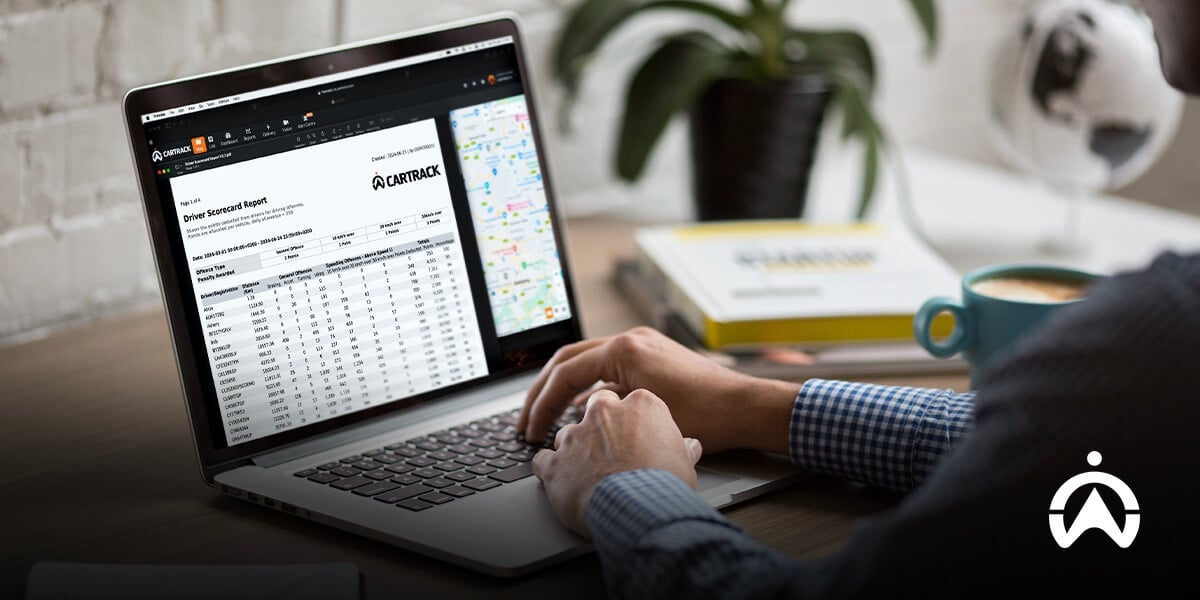
Seseorang mengetik di laptop yang menampilkan driver scorecard Cartrack untuk analisis pelatihan pengemudi.

Simplify Driver Training with the Cartrack Fleet Management System

Cartrack’s driver training tools:

Advanced Driver Assistance Systems (ADAS)

Enhance driver awareness with Cartrack's ADAS. This advanced system uses camera-based sensors, intelligent algorithms, artificial intelligence, and machine learning to warn drivers of blind spots and potential collisions.

ADAS training tools

The driver training feature on the Cartrack platform provides daily or monthly risk reports and videos of driving violations, such as seatbelt failure, fatigue, or mobile phone use. The tool also shows the number of times a driver has repeated an incident and the number of times they have been trained on that violation. You can add notes to each incident so you can track what was covered in each training session.

Driver scorecard

Cartrack’s driver scorecard displays driver rankings based on incidents such as harsh acceleration or braking. This helps you identify areas that need improvement and determine what type of training each driver requires. In addition, the driver scorecard also helps you reward drivers who follow instructions or guidelines.

Driver risk report

Easily monitor each driver's progress and identify detailed driver report data so you can make decisions based on real-time data.

Semoga dengan membaca artikel ini, kamu paham akan pentingnya pelatihan pengemudi untuk mengoptimalkan keuntungan bisnis. Buka potensi pengemudi secara maksimal, gunakan sistem manajemen armada dari Cartrack! Klik link berikut untuk dapatkan   GRATIS!

Apa Itu Efisiensi Bahan Bakar? Cara Hitung Dan Manfaatnya!

Fuel efficiency is a crucial aspect of business‑vehicle management. By improving fuel efficiency, not only will it save fuel consumption and enhance the operation of business vehicles, but it will also impact other areas. So, what exactly is fuel efficiency?

Definition of fuel efficiency

Fuel efficiency is a way to maximise fuel use to save money. Fuel efficiency is calculated by comparing vehicle distance traveled per liter. The further the distance traveled per liter of fuel, the better your fuel efficiency will be.

To improve fuel efficiency, here are several influencing factors that you need to address:

  1. Vehicle size and load

  2. Fuel quality

  3. Tyre condition

  4. Road conditions and traffic congestion

  5. Driver behaviour

  6. Poor maintenance

Mekanik menggunakan tablet memeriksa mesin mobil untuk memastikan efisiensi bahan bakar kendaraan di bengkel.

Why do we need to calculate fuel efficiency?

Memperhatikan efisiensi penggunaan bahan bakar memiliki berbagai manfaat untuk kendaraan bisnismu, di antaranya:

  1. Daily cost efficiency
    When calculating fuel efficiency, we can compare changes in fuel consumption and identify the source of the issue. We can then find solutions to maximise fuel usage, which overall helps reduce the daily operating costs of business vehicles.

  2. Positive environmental impact
    Fuel efficiency contributes to environmental protection efforts by directly reducing carbon emissions. As a result, fuel efficiency helps support a greener and more sustainable environment worldwide.

  3. Better vehicle maintenance
    After implementing vehicle efficiency measures, you will gain a clear picture of vehicle performance. By understanding performance and vehicle condition, you can schedule maintenance in the future to continuously improve or maintain your vehicle’s performance.

  4. Improved driving safety
    With a better understanding of fuel efficiency and consumption, you can focus on improving safe and responsible driving behaviour. Reducing speed and maintaining a safe following distance are some key aspects that help improve road safety while driving.

Read Also: Control Excess Fuel Costs with Fuel Sensors and Cartrack MiFleet

How can you measure the fuel efficiency of business vehicles?

The only way to know the fuel efficiency level of a business vehicle is to calculate the amount of fuel consumption in the following steps:

  1. Fill the fuel tank completely.

  2. Collect data
    Fuel consumption is a clear indicator of how efficiently fuel is being used by your business vehicles. Manually, this can be done by checking fuel receipts and tracking vehicle mileage for each trip (odometer readings). Want to collect data faster? Use Cartrack’s fleet management system, which automatically calculates fuel refills and business fleet mileage.

  3. Calculate fuel efficiency
    After collecting the data, use it to calculate the average fuel consumption per 100 km. How? Divide the amount of fuel used by the distance travelled, then multiply by 100.

  4. Compare fuel efficiency results
    Use the result you obtained to compare it against industry fuel efficiency standards.

As an example, if a vehicle travels 300 kilometres using 25 litres of fuel, then fuel consumption can be calculated as follows:

Fuel consumption = 25 liters/300 km = 12 km/liter

Calculating the amount of fuel consumption of business vehicles can increase the level of fuel efficiency and improve vehicle operation.

What is a good litres per 100 km?

If your vehicle is in good condition, any number of liters per 100 km indicates good fuel efficiency. However, other factors such as vehicle type, weight and size, and driving conditions can affect fuel consumption.

Mobil hatchback biru parkir di tepi jalan dengan latar perbukitan, mengilustrasikan perjalanan hemat berkat efisiensi bahan bakar.

Cartrack Fleet Management System: A Solution to Improve Fuel Efficiency

Cartrack can help improve fuel efficiency levels by paying attention to important aspects of fleet management such as maintenance, fleet usage duration, and driver behaviour.

Here’s how Cartrack helps your fleet achieve maximum fuel efficiency potential!

  1. Monitor real-time fuel usage

  2. Driver scorecards and driver reports

  3. Vehicle maintenance alert notifications

  4. Fuel usage reports

  5. Route optimisation for fuel efficiency

  6. MiFleet for monitoring fuel costs

Improve fuel usage and reduce fuel costs with Cartrack

Use Cartrack’s advanced solutions and start experiencing the convenience and benefits of improved vehicle fuel efficiency!

For more information about fuel efficiency and fleet management solutions,please click this link

5 Tips to Improve Fuel Efficiency for Business Vehicles

Every business that needs a lot of vehicles to operate always faces the same problem: finding ways to improve fuel efficiency and cut fuel costs without reducing the distance their business vehicles travel. If all you've done so far is advise drivers to warm up the vehicle before setting off, or shift into neutral when stopped, here are some tips you can apply to improve the fuel efficiency of your business vehicles.

Fuel efficiency explanation

Fuel efficiency is the way a vehicle uses fuel effectively based on driving behaviour, speeding habits, and vehicle type.

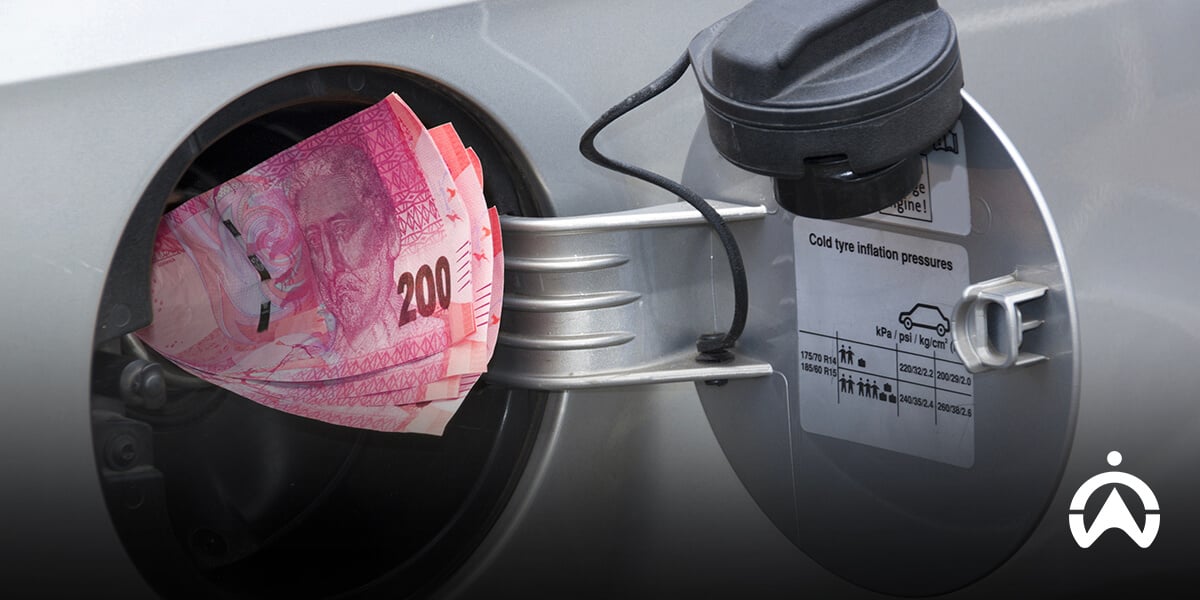
Lembaran uang kertas keluar dari tangki bensin mobil perak yang terbuka, mengilustrasikan pemborosan biaya dalam efisiensi bahan bakar kendaraan bisnis

5 Tips meningkatkan efisiensi bahan bakar untuk kendaraan bisnis

Method #1 Implement telematics software and fleet management.

Telematics software and fleet management systems are two key tools that help improve fuel efficiency. With telematics technology, you can track business vehicles and drivers in real time. In addition, you can receive alerts when driving behaviour is not up to standard, such as speeding or idling (engine running while stationary).

This data is automatically recorded and made available in a fleet management system such as Cartrack. A fleet management system helps manage all vehicles from a single platform and analyses vehicle telematics data over a specific period or evaluates fleet performance to identify areas that need improvement.

This technology can help you overcome the challenges of fuel consumption.

Cartrack telematics and fleet management software

GPS telematics can help you identify inefficiencies in business vehicles such as vehicle faults, idling, and unnecessary route deviations, all of which impact fuel consumption.

  1. GPS Tracker Tracking: Fleet managers know the location of vehicles and have full visibility of vehicle and driver activity.

  2. Cloud-based software: The FleetWeb platform and the Cartrack App are easy to use and cloud-based, so you can track drivers live, access a range of reports, receive vehicle notifications, and view workflows from anywhere.

Method #2 Use a fuel management system

No more manual fuel consumption calculations—use a smarter and more accurate fuel management system to measure fuel efficiency.

Fuel management system is the process of monitoring, managing, and improving fuel usage and costs. This process uses hardware sensors and software such as telematics systems or accounting software to track real-time consumption and calculate fuel efficiency based on reports.

Cartrack fuel management system solution

With the latest technology, Cartrack helps you identify what your vehicles need and which areas require improvement. FleetWeb and the Cartrack app are powered by telematics technology that makes it easier to identify the root causes of fuel efficiency issues.

  1. Fuel sensors and hardware: With Cartrack’s three types of sensors, you can monitor fleet fuel levels to achieve accurate fuel usage tracking.

  2. Fuel reports and analytics: Customise, download, and automate fuel reports across multiple vehicles over specific time periods to support decision-making on fuel efficiency. Fleet managers also receive alerts about driver activities that impact fuel consumption, such as idling and speeding.

Method #3 Buy and use fuel-efficient vehicles

Surveys show that a new truck or a new business vehicle can improve fuel efficiency. The technology in newer business vehicles, such as electric trucks and other hybrid vehicles, can reduce fuel consumption and fuel costs as well as cut business vehicle downtime.

Cartrack fleet management system for environmental sustainability

Cartrack’s fleet management system helps track carbon dioxide emissions to help achieve targets.

  1. Eco-driving reports: Cartrack's reports show you how business vehicles can cut carbon emissions by reviewing driving behaviour. The eco-driving report records distance travelled, excessive idling, and speeding to provide fuel efficiency data.

  2. Business vehicle maintenance history reports: These reports provide vehicle maintenance history information, so fleet managers can use the data to replace business vehicles that are no longer roadworthy with new ones for greater efficiency.

Method #4 Monitor and improve driver behaviour

Investing in drivers is just as important as investing in business vehicles. Skilled and experienced drivers are proven to improve productivity, efficiency, and safety in business operations. However, many businesses overlook the importance of monitoring driver behaviour, which ultimately affects fuel consumption.

Monitoring drivers can help eliminate bad driving habits.

Monitor drivers for fuel efficiency with Cartrack

  1. Driver ID Tag: The Driver ID Tag helps you monitor who is using the business vehicle and when it is being used. It allows you to see where the driver starts and ends each trip. In addition, trip summary reports can show where the vehicle stops, idles, or performs other activities.

  2. Driver Scorecard: The scorecard shows driver performance as a score derived from driving habits such as harsh acceleration, sudden braking, and excessive idling. The scorecard serves as a driver performance assessment that can be used for driver coaching later on.

  3. Driver behaviour reports: Behaviour reports provide detailed insights into harsh braking, speeding, aggressive acceleration, and idling by drivers. With driver behaviour reports, you can identify which actions are affecting fuel efficiency.

Method #5 Improve vehicle maintenance

Proper maintenance of vehicles will help avoid unplanned downtime and improve the fuel efficiency of business vehicles. Regular maintenance can also help maintain optimal fuel savings, ensuring that vehicles continue to operate like new.

Because fuel efficiency is linked to vehicle health, following a vehicle maintenance schedule can help improve fleet fuel efficiency. Carry out vehicle maintenance with regular oil changes and tyre pressure checks, or monitor real-time telematics data on vehicle health, which can lead to costly repairs and downtime later if overlooked.

Preventive maintenance for fleet fuel efficiency

Cartrack fleet management software helps track vehicle and engine maintenance history. The features provided are:

  1. Maintenance reminder: Schedule vehicle maintenance and specify the type of service. Cartrack software will remind you of the next maintenance due for each business vehicle.
  2. MiFleet Cartrack: Cost management and accounting software helps you keep track of vehicle maintenance schedules and manage costs for repairs, towing, servicing, tyre replacements, and more. In this way, fleet maintenance will not be forgotten, and the history of vehicle maintenance costs will not be lost.

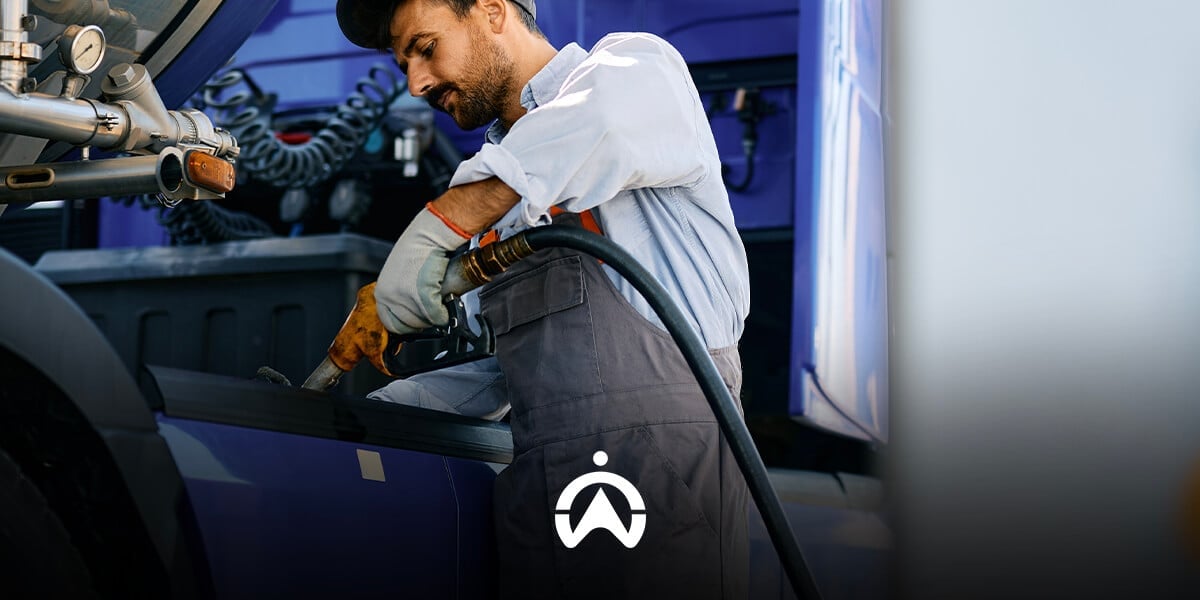
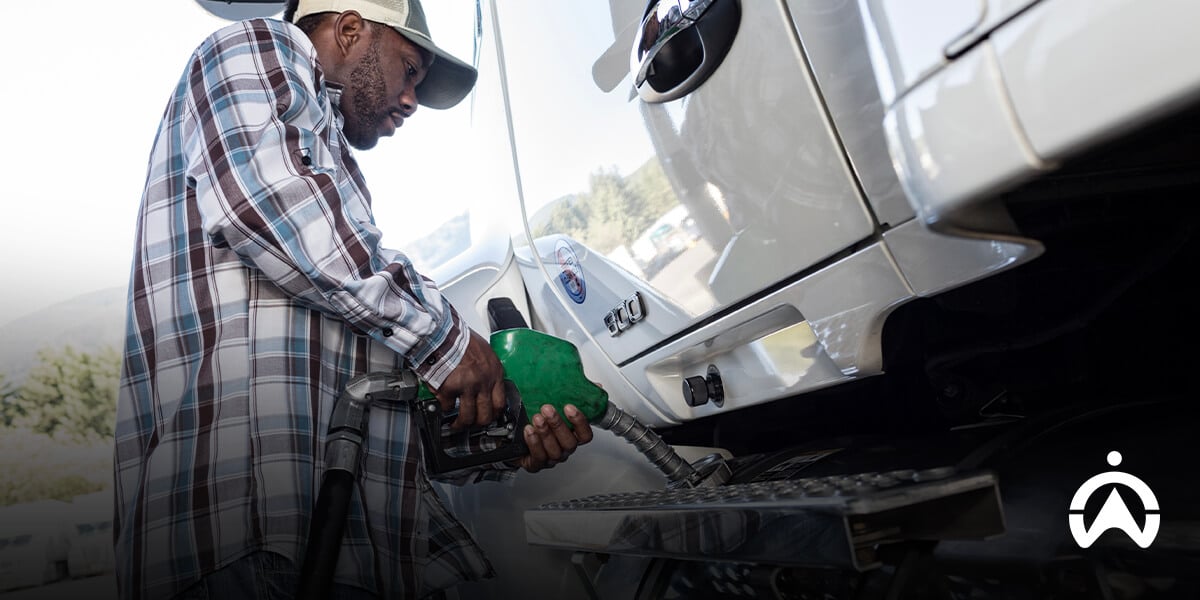
Pria mengisi bahan bakar truk putih di SPBU, langkah praktis dalam meningkatkan efisiensi bahan bakar kendaraan bisnis

Improve the fuel savings and efficiency of business vehicles with Cartrack.

Telematics-based fuel solutions can help improve the fuel savings of business vehicles. They are designed to make it easier to achieve fuel efficiency, whatever your vehicle or engine type.

Contact us for a live demo of Cartrack's fleet management and fuel management system by clicking this link!

Why Do Drivers Need Advanced Driving Training?

Introduction to Driver Safety and Risky Driving Behaviour

Sometimes, the pressure to meet deadlines and manage workload can lead drivers to prioritise efficiency over safety. This mindset may cause drivers to take risks and compromise their safety on the road, which can result in incidents.

It is widely known that unsafe driving habits cause most road accidents or incidents, which can lead to death or injury for drivers and people around them. The risk of an accident is greater when the vehicle involved is a large truck, which can cause twice as much damage as a smaller commercial vehicle. Many businesses cannot afford the consequences of these accidents, such as:

  • Increasing operating costs due to accidents and vehicle downtime.

  • Extra expenses for renting vehicles to keep operations running.

  • Costs for vehicle maintenance, repairs, or replacement.

  • Medical costs for injured drivers.

  • Higher insurance premiums due to increased risk.

  • Potential property damage costs.

Driver behaviour on the road has a significant impact on a business’s finances, reputation, and customer relationships. Therefore, when signs of risky driving start to appear, such as speeding, sharp cornering, sudden braking, or frequent stops without reason, fleet managers should provide drivers with the right tools to stay safe on the road, complete trips without issues, deliver goods without damage, and ensure the vehicles they operate are well maintained.

Pengemudi menggunakan layar antarmuka digital dalam mobil, menekankan pentingnya pelatihan mengemudi lanjutan untuk teknologi modern.

Explanation of Advanced Driving Training

After discussing why driver safety is necessary, let us talk about the solution, which is advanced driving training. This training does not only teach drivers how to get from one place to another, but also how to do so safely, follow traffic rules, drive within the speed limit, use indicators when changing lanes, and stay focused while driving.

Advanced driving training can improve the skills of licensed drivers, while also teaching safe and fuel-efficient practices such as:

  1. Vehicle Control: Controlling the vehicle properly while driving, including smooth acceleration, braking, and controlled driving techniques, especially when operating heavy vehicles.
  2. Observation: Avoid distractions and always stay aware of your surroundings in order to anticipate risks, monitor traffic conditions, and identify escape routes in the event of an emergency such as an attempted robbery.
  3. Managing Speed: Drivers learn to adjust their speed based on the type of vehicle, road conditions, and traffic so that the vehicle is not overworked or subject to sudden acceleration.
  4. Spatial Awareness: Drivers must understand the size of the vehicle and maintain a sufficient distance from other vehicles to allow adequate reaction time if an incident occurs.
  5. Fuel-Efficient Driving: Using safe driving habits such as smooth acceleration, avoiding excessive idling, and reducing fuel consumption to maintain vehicle health and prevent damage.

After these skills have been practised and tested in theory, successful drivers will receive a certificate as proof of their advanced driving knowledge and commitment to safety. This certificate may also be used to help reduce their insurance premiums.

What Makes Advanced Driving Training Different?

The difference lies in the details. This course gives a better understanding of the vehicle, how to operate it in various situations, and how to prioritise safety on the road. In addition to teaching efficient driving, the training also covers how to operate vehicles in different weather conditions, such as driving in heavy rain or thick fog, as well as handling emergency situations such as sudden braking.

This is a more practical approach to driver safety than simply offering encouragement or incentives.

Advancing Safety with Cartrack

Once drivers have completed advanced driving training, you need a fleet management platform to ensure driver safety and monitor their progress. Cartrack, a leader in fleet management and vehicle safety, is here to improve driver safety and optimise operations.

Here are the features we offer that can help companies:

  1. Advanced Driver Assistance System (ADAS) + Smart Camera with In-Cabin Audio Alerts: Our cameras record driver behaviour, such as distractions while driving or using a smartphone, and provide immediate voice alerts in the cabin to correct driving behaviour.
  2. Driver Score + Risk Report: Cartrack’s driver score provides an overview of driver performance, and the risk report highlights areas that need improvement in advanced driver training.

Model wireframe digital truk di jalan raya, visualisasi pentingnya teknologi dalam pelatihan mengemudi lanjutan.

Cartrack is there when the unexpected happens

Cartrack’s solutions do not only manage and protect vehicles, but also protect the drivers inside them

Take your fleet driving skills to the next level

Cartrack technology can enhance and simplify driver safety and learning experiences by providing data-driven advice to managers and drivers. Our solutions help managers efficiently monitor and analyse driving behaviour, providing real-time insights to improve performance and even save lives.

Interested in learning more about Cartrack’s driver scorecard? Contact Cartrack and get a free quote from our team.Click the following link

Is Fuel Consumption More Economical When Driving on Toll Roads?

As a user of a four-wheeled vehicle or more, one important consideration when driving is choosing the right route. Most drivers believe that using toll roads will save more fuel. However, is this true? fuel consumption is increasingly economical when driving on a toll road? Let's find out the answer together!

Differences Between Toll Road and Non-Toll Road Travel

In save fuel costs, operational costs of course we need to consider more deeply, which route should we use!

1. Travel via toll road 

Theoretically, the longer the distance travelled, the more fuel-efficient the vehicle's fuel consumption. Therefore, some drivers choose to use toll roads rather than non-toll roads. Besides shorter distances, the smooth, straight, and unobstructed conditions of toll roads allow cars to travel more smoothly, thus reducing fuel consumption. This is another reason why drivers prefer to pay for toll road access.

However, some toll roads are often congested due to the dominance of four-wheeled vehicles and larger. This congestion ultimately leads to wasted fuel consumption.

2. Non-toll road travel

Walaupun perjalanan via jalan tol telah menjadi pilihan utama pengemudi, beberapa pengemudi tetap memilih menggunakan jalur non-tol untuk perjalanan sehari-hari. Alasan perjalanan non-tol dipilih oleh pengemudi karena pengemudi ingin menghindari tarif tol relatif mahal. Tarif tol ini dapat menambah anggaran operasional sehari-hari dan dapat menyebabkan pemborosan.
Kedua jalur perjalanan yang telah disebutkan di atas mempunyai kelebihan dan kekurangan masing-masing. Nyatanya, apabila pengemudi tidak dapat menerapkan metode mengemudi yang benar atau tetap melakukan kebiasaan buruk saat mengemudi, pada akhirnya baik di jalan tol atau non-tol konsumsi BBM tetap saja boros.

Cars and buses are stuck in traffic jams, triggering higher fuel consumption compared to economical driving on toll roads.

Tips for Saving Fuel Consumption When Using Toll or Non-Toll Roads

In the end, every driver uses different routes, but those routes may not always support fuel cost savings. Here are some fuel-saving tips that you can apply on both toll and non-toll roads:

1. Maintain speed and increase speed when needed

Maintaining speed on toll roads is easy, but not so easy on non-toll roads. When drivers use non-toll roads, heavy traffic requires them to continuously increase and decrease speed in short bursts. In fact, vehicles use more fuel when decelerating and accelerating from a stop to a moving state. Therefore, it is recommended to maintain speed for 5 seconds after starting a journey to save fuel.

2. Speeding burns fuel faster

Speeding while driving naturally requires more fuel. Therefore, drivers should maintain a normal speed to minimise fuel consumption. An optimal speed of 50 km/h to 80 km/h is recommended.

3. Reduce idling

When the roads are busy or congested at certain times, your vehicle will definitely experience...  idling (the engine is running but the vehicle is not moving). If the vehicle does not move for more than 60 seconds, the driver is advised to turn off the engine to avoid  idling or idle. If the engine is not turned off, in 10 minutes, approximately 3 liters of the vehicle will be wasted.

4. Use safe driving techniques

Driving style can affect how much fuel a vehicle uses. Unsafe driving practices such as speeding, harsh acceleration, sudden braking, and sharp turns can increase fuel consumption. Furthermore, these driving behaviours can also cause engine damage, resulting in unplanned repairs.

5. Pay attention to routine vehicle maintenance

The healthier the vehicle, the more efficient the fuel consumption. By following vehicle maintenance schedule, vehicle performance can be guaranteed. Believe it or not, tire pressure also affects fuel consumption. Ensure tire pressure meets the manufacturer's specifications to minimize fuel consumption.

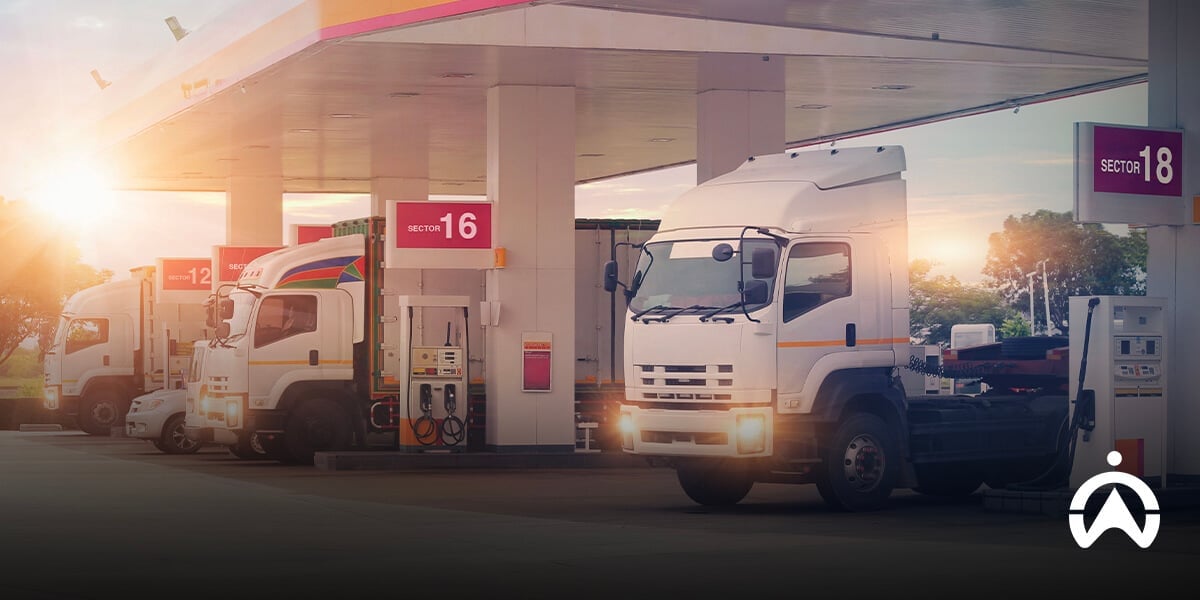
A white truck under the gas station canopy monitors fuel consumption to save fuel when driving on the toll road.

How Cartrack Can Help Minimise Fuel Consumption

Cartrack is a leading fleet management system with various features designed to optimise fuel consumption. Cartrack has more than 2,100,000 active customers worldwide. Here’s how Cartrack’s features can help improve your vehicle’s fuel efficiency:

1. Monitor fuel usage

With CANBUS and fuel sensors, fleet managers can monitor the fuel consumption of their business vehicles using real-time fuel data and accurate fuel level information.

2. Route optimisation

Use Cartrack's Delivery System to get the best navigation while on the road. The Delivery system can optimise job management by providing shorter, faster routes that avoid congestion, so you use less fuel to get the job done.

3. Driver training with Driver Scorecards

Teach efficient driving by monitoring driver behaviour through Driver Scorecards and their reports. With access to both, you can see when there is dangerous driver behaviour such as speeding, harsh cornering, or idling.

Those are the features and sensors that can help you save on fuel consumption. Did you know? With the features above, you can save 5–15% on your vehicles' fuel consumption. Contact Cartrack now for a free live demo of these features! Click this