 South Africa
 Botswana
 Kenya
 Malawi
 Mozambique
 Nigeria
 Swaziland
 Tanzania
 Zimbabwe
 Namibia
 Hong Kong
 Singapore
 Malaysia
 Philippines
 Thailand
 New Zealand
 Vietnam
 Poland
 Portugal
 Spain
 United Arab Emirates

 ID

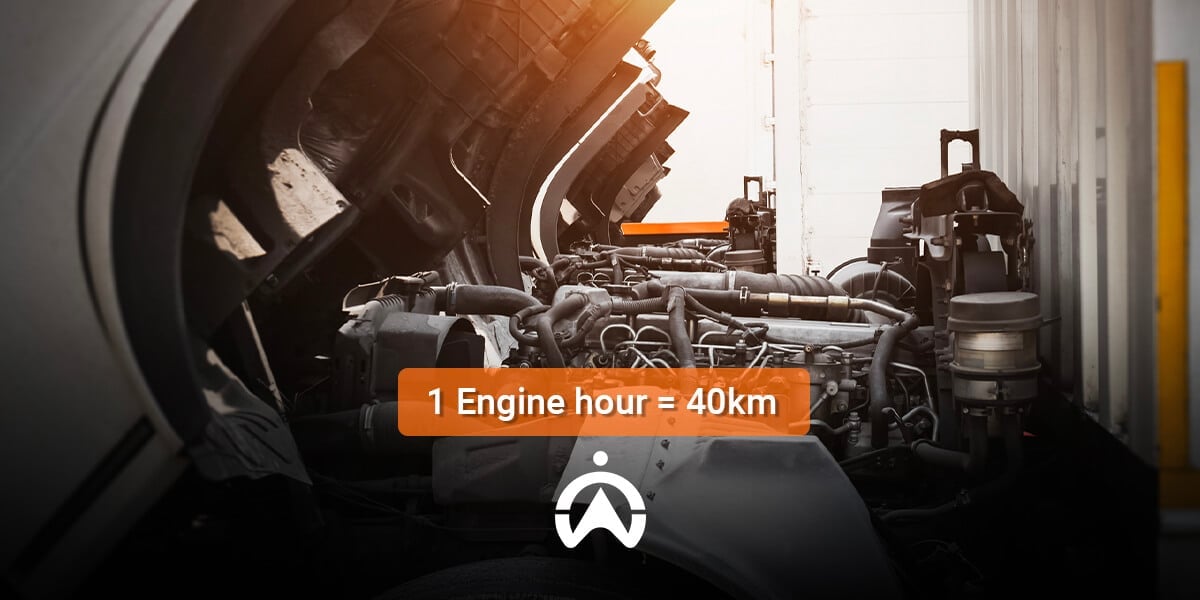
What are engine hours?
Engine hour mengacu pada seberapa lama mesin telah beroperasi selama umurnya atau selama operasi tertentu. Ini adalah metrik penting yang digunakan berbagai industri yang mengandalkan mesin dan peralatan berat. Metrik ini penting untuk membantu menentukan penggunaan kendaraan atau peralatan secara akurat.
How to calculate machine hours?
Engine hours are calculated based on the number of hours the engine has been running, regardless of whether the vehicle is moving or not. This usage time is typically measured using an engine hour meter. This meter is connected to the engine's ignition system and begins counting the hours as soon as the driver starts the engine.
However, it's important to note that when talking about engine hours, one hour isn't always equal to 60 minutes. An engine hour is determined by the number of revolutions of the engine's crankshaft, known as tach time. This means that depending on the engine's RPM (revolutions per minute), an engine hour can last longer or shorter than an hour on a real clock.
Let's see how total engine hours are calculated with an hour meter:
- Record the initial reading: Record the hour meter reading at the beginning of the vehicle's most recent operating period. For example, if the initial reading is 3,421 hours, this is the number used as the initial engine hours at the beginning of the monitoring period.
- Note the final reading: Record the hour meter reading at the end of the vehicle's operating period. For example, if the reading at the end of the trip is 3,524 hours, this is the number used as the number of engine hours at the end of the monitoring period.
- Calculate engine hours for the last trip: Gunakan data yang dicatat dari bacaan awal dan akhir untuk menghitung total jam mesin untuk perjalanan atau periode tertentu tersebut. Dengan contoh di atas, perhitungannya akan menjadi 3.524 jam – 3.421 jam = 103 jam untuk periode tersebut.
Also Read: 10 Hypermiling Techniques to Save on Fuel Consumption Costs
Are engine hours similar or related to idle hours?
Both engine hours and idle hours may seem a bit similar, and while both metrics are crucial for understanding vehicle usage, they have crucial differences.
Engine hours are used to indicate how long a vehicle's engine has been running, regardless of whether the vehicle itself is moving or not. This means that engine hours are a measure of the overall running time of the engine, while idle hours only account for the number of hours the vehicle's engine has been running while the vehicle itself is stationary.
It is important to note that depending on how the driver operates the vehicle, along with road conditions, the vehicle's idle hours will typically be higher than engine hours.
Why is measuring engine hours so important?
Monitoring engine hours isn't just another administrative task to add to the fleet management responsibilities. This measurement plays a crucial role in the following:
- Maintenance planning: Vehicles with higher engine hours are more susceptible to unexpected failures due to decreased efficiency. This makes measuring engine hours crucial for vehicle maintenance planning, as it provides valuable insight into actual engine usage and condition. Unlike traditional time-based maintenance schedules, which may not account for varying levels of stress on the engine, tracking engine hours allows for a more accurate assessment of vehicle wear and tear. By measuring engine hours, we can be more proactive in planning vehicle maintenance, thereby extending the vehicle's lifespan.
- Cost savings: Pemeliharaan kendaraan adalah pengeluaran armada yang besar, jadi ketika pemeliharaan kendaraan diprioritaskan, kerusakan mahal dihindari dan waktu henti yang tidak terencana dihilangkan. Ini berarti kendaraan armada dapat berfungsi pada tingkat optimal mereka untuk periode yang lebih lama, sehingga berujung pada penghematan biaya. Bersama dengan ini, memantau engine hour membantu dalam menilai pola konsumsi bahan bakar. Semakin sering mesin digunakan, semakin banyak bahan bakar yang dikonsumsi, yang mengakibatkan efisiensi bahan bakar lebih rendah. Bahan bakar adalah pengeluaran terbesar armada, yang menyumbang sekitar 60% dari total anggaran operasional armada, jadi kita harus cepat mengidentifikasi sumber pemborosan bahan bakar apa pun. Dengan membantu armada tidak menghabiskan terlalu banyak uang untuk bahan bakar, memantau engine hour memainkan peran utama dalam penghematan biaya, yang mengarah pada peningkatan efisiensi dan profitabilitas dalam operasi.
- Optimising vehicle usage: Measuring engine hours provides accurate insight into how long a vehicle is being used. This helps determine which vehicles are being used more than others. Excessive fleet vehicle use can lead to accelerated wear and tear, reducing efficiency, safety, and reliability. This means we risk missing customer appointments, making late deliveries, and experiencing unplanned vehicle downtime. By tracking which vehicles are used most frequently, fleet managers can optimize vehicle deployment, ensuring that none of their vehicles are at risk of overuse.
- Make informed fleet renewal decisions: Ketika kamu memantau bagaimana mesin digunakan, kamu tidak perlu lagi bingung kapan harus melakukan pembaharuan kendaraan. Pemantauan engine hour membantu kamu mengetahui kapan waktunya kendaraan perlu diperbaharui dibandingkan hanya menjalani pemeliharaan. Dengan mengetahui engine hour yang tepat dari sebuah kendaraan, manajer armada dapat memiliki pemahaman yang lebih baik tentang kondisi sebenarnya, membuat penemuan potensi masalah lebih mudah. Ini membantu kita membuat keputusan tentang penggantian kendaraan armada yang sudah tua berdasarkan data jadi lebih cepat, sehingga mengarah pada peningkatan keselamatan, keandalan, dan profitabilitas.
- Provides accurate machine records: Engine logs are essential for measuring engine hours because they accurately reflect engine operating time. Inaccurate engine logs can lead to incorrect maintenance schedules, which can increase maintenance costs and reduce vehicle lifespan. For example, if a vehicle's engine hours are not accurately recorded, it may not undergo timely maintenance, resulting in increased wear and tear, as well as unexpected breakdowns. By maintaining accurate engine logs, fleet managers can provide accurate records of fleet vehicle usage, which is important for warranty claims and resale value.
- Resale value: Melacak engine hour dapat membantu meningkatkan nilai jual kembali armada dengan mengindikasikan kondisi sebenarnya dari sebuah kendaraan dan kerusakan yang dialaminya. Dengan melacak engine hour, manajer armada dapat menyiapkan pemeliharaan pencegahan, mengoptimalkan pengiriman kendaraan, dan melacak waktu menganggur, yang semuanya berperan penting dalam mempertahankan kondisi kendaraan. Ini berarti ketika waktunya untuk menjual kendaraan armada, manajer armada tidak perlu menetapkan harga di bawah pasaran karena kendaraan tersebut masih beroperasi pada tingkat optimal.
Four different types of engine hour meters
There are several ways to calculate engine hours. Here are the four most commonly used engine hour meters:
- GPS Management: GPS management can be used as an engine hour meter by integrating a GPS tracking system with a vehicle's engine to provide accurate engine hour information and location data. This integration gives fleet managers access to automatic tracking of operating hours and operating modes, thus providing accurate vehicle usage measurements.
- Engine hour meter: The engine hour meter displays the amount of time the engine has been running and requires us to record it both before and at the end of the trip, as this data is important for calculating our final engine hour result.
- Electronic logging devices: An electronic logging device, also known as an ELD, is used to record a driver's hours of service and duty status. It can also be used to record a vehicle's engine hours, along with its movement.
- Odometer: As the least common method due to its inaccuracy, the odometer is used to measure the distance traveled by a vehicle, but only provides a rough estimate of engine usage to determine the equivalent distance traveled by the vehicle.
Read Also: How to Easily Calculate Fleet Fuel Consumption
What affects engine hours?
There are a number of factors that can affect a vehicle's engine hours, including:
- Machine usage: The more frequently an engine is used, the more engine hours it accumulates. It's important to remember that both driving and idling time can generate RPM, which contributes to engine operating time. The higher the number of revolutions per minute and engine hours a vehicle has, the more wear it is likely to experience.
- Cargo load: Berat kargo yang dibawa dapat mempengaruhi cara kerja mesin. Berat kargo di dalam sebuah kendaraan mempengaruhi seberapa keras sebuah mesin bekerja, seberapa cepat poros engkol berputar, dan seberapa cepat engine hour dapat terakumulasi. Beban yang lebih berat membutuhkan lebih banyak daya dari mesin, yang berkontribusi pada peningkatan engine hour. Selain itu, efisiensi bahan bakar juga dapat memengaruhi engine hour.
- Maintenance: Regular maintenance and inspections are one of the best ways to keep your engine operating at its optimal level, maintaining consistent RPM and engine hours. Failing to have your vehicle serviced at the required times can result in increased wear and tear.
- Machine age: Like anything else, engines wear out and become less efficient over time. As engines age, they need to work harder to perform the same tasks, leading to increased engine hours. These older engines are also more susceptible to breakdowns, leading to more frequent maintenance.
- Environment: Extreme temperatures, dust, and other factors can affect how hard an engine works and how quickly engine hours accumulate. For example, an engine may accumulate more engine hours in extremely dusty areas because of the increased workload required to operate under those conditions.
- Vehicle type: It's important to note that the type of vehicle used can significantly impact the lifespan of its engine. For example, heavy truck engines may not last as long as smaller cars due to the stress and workload they experience.
How long should an engine last?
The average lifespan of a vehicle engine has increased in recent years due to improved technology, better design, and improved maintenance practices. However, the following insights provide a general overview of vehicle engine longevity:
In the past, the average lifespan of a car engine was about eight years, or approximately 241,401 km. However, with improved maintenance standards, the average lifespan has increased to approximately 10 years, or 321,868 km. On average, a well-maintained gasoline truck engine can last about 10-15 years, and travel between 321,868.8 km and 482,803.2 km.
Things to consider about engine hours
When trying to calculate a vehicle's engine hours, it is important to consider the following two factors:
-
Mileage: Engine hours and mileage are interconnected, and each of these metrics provides valuable insights into vehicle wear, maintenance needs, and overall efficiency. Vehicle mileage refers to the distance traveled by a vehicle and is typically measured in kilometers. By providing insight into how a vehicle is used in terms of distance, mileage measurement is essential for assessing vehicle efficiency, which helps fleet managers prioritize maintenance and achieve cost savings.
-
Idle time: Memperhitungkan waktu menganggur Accounting for idle time when viewing engine hours is important for several reasons. First, idling consumes fuel without contributing to mileage, leading to increased fuel costs. Second, excessive idling can contribute to increased engine wear and maintenance costs. The engine accumulates hours and wear during idle time, which can lead to more frequent maintenance and repairs.
The solution to getting accurate engine hour records for our fleet is a fleet management system.
What is a fleet management system?
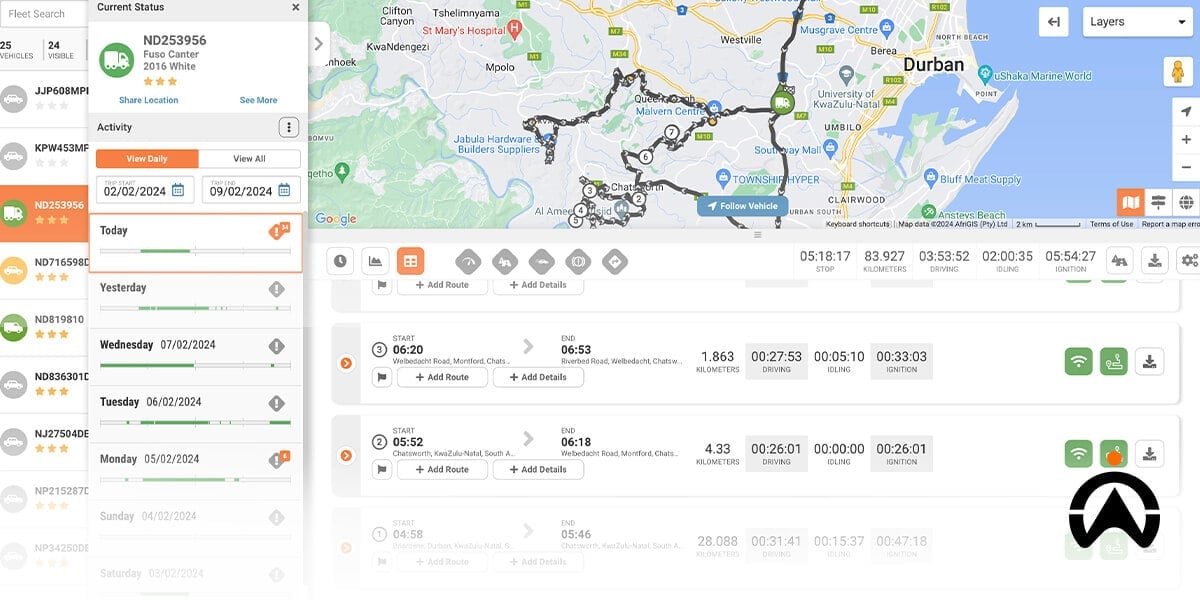
Fleet management is a general term for all the tasks that are crucial to the smooth operation of a fleet. These activities include maintaining vehicle maintenance, monitoring drivers and vehicles at all times, and tracking fleet costs. Sounds like a lot of administrative tasks, right? But that's where fleet management systems come in. They're designed to simplify all these processes, making fleet management as easy as typing on your laptop keyboard.
Benefits of fleet management systems
Some of the benefits of a fleet management system include:
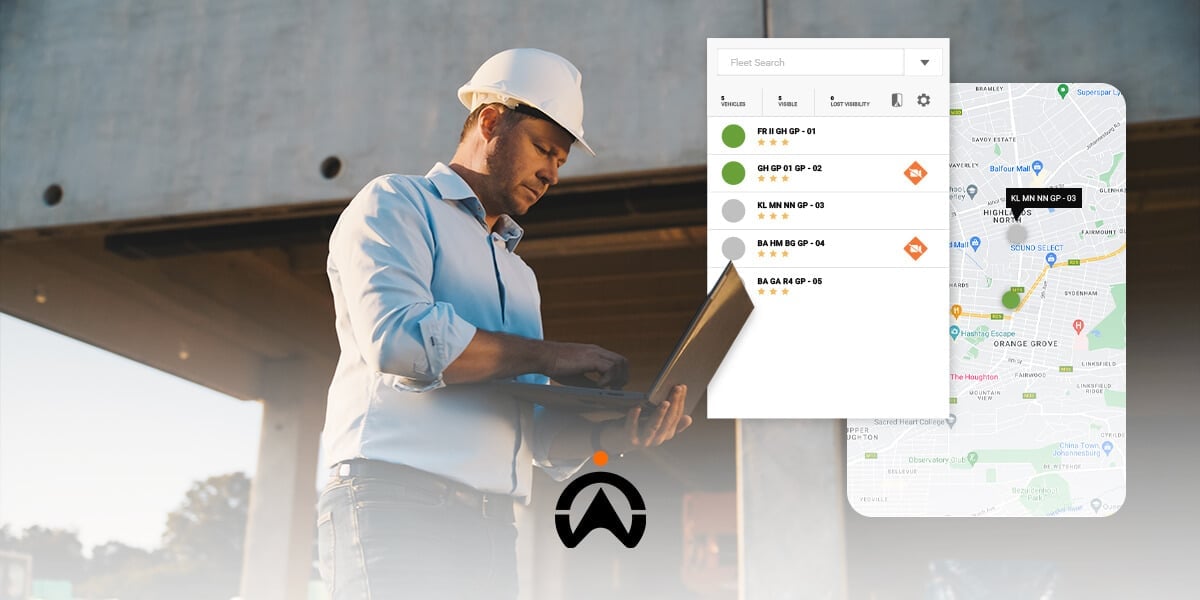
Extending vehicle health: Vehicle health is crucial to the success and longevity of your fleet, whether you have one or 100 vehicles. A fleet management system helps us monitor the health of all vehicles and helps us identify when they need maintenance before unexpected breakdowns occur.
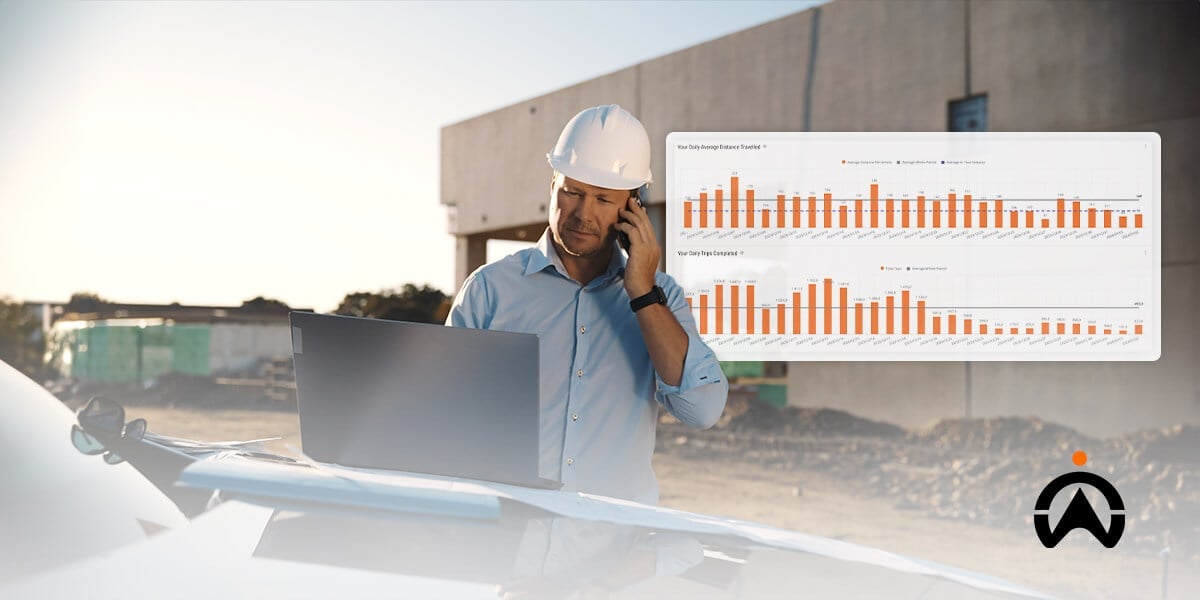
Reduce operational costs: By providing real-time data and analysis, fleet management systems enable efficient cost analysis, and enable data-driven decision making.
Increased profitability: A fleet management system helps ensure that your fleet is running on well-maintained machinery. This directly impacts net profit.
Better service delivery: Fleet management systems ensure that the fleet delivers orders and services on time, providing a positive experience to customers which leaves a positive impact on the business.
Peningkatan keselamatan pengemudi: Sistem manajemen armada memungkinkan kita memantau perilaku pengemudi. Dengan memberi tahu setiap pengemudi yang berbahaya atau terganggu, kemungkinan terjadinya kecelakaan dapat dikurangi, dan perilaku pengemudi dapat ditingkatkan secara signifikan.
Fuel consumption monitoring: Fleet management systems allow us to closely monitor how much fuel is being used by vehicles, which helps spot potential fuel theft and fuel wastage in real-time.
Also Read: Fuel Management System to Maximize Mining Industry
Get accurate insights into your fleet's engine hours with solutions from Cartrack Indonesia.
Cartrack Indonesia is a leader in the fleet management industry, and its solutions are the key to unlocking full engine hour insights. Cartrack equips businesses with:
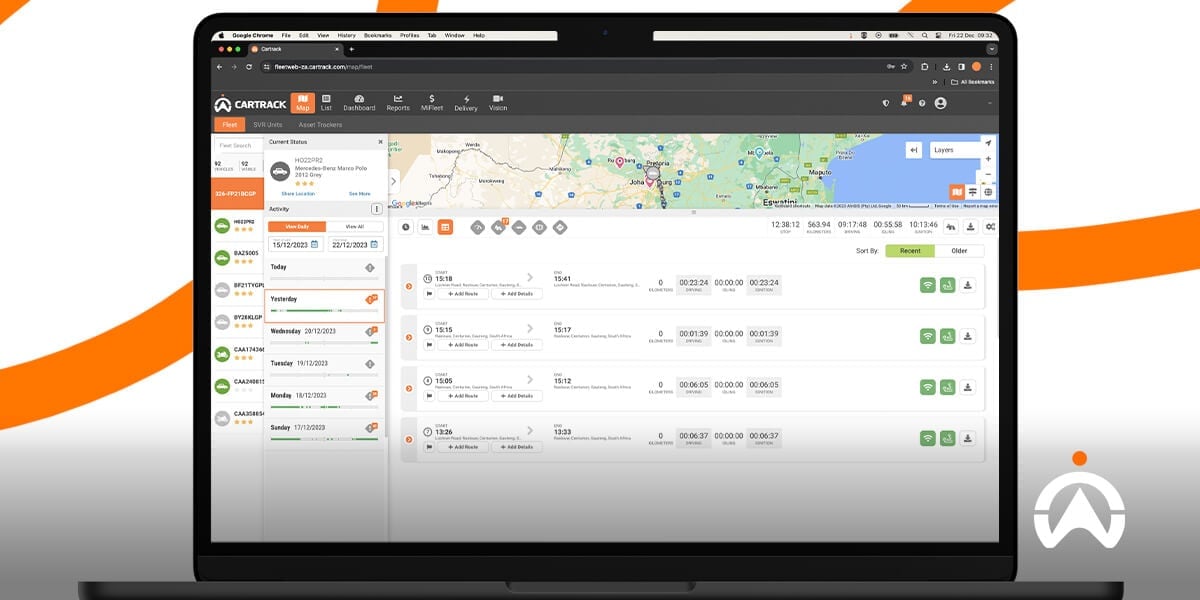
- GPS vehicle tracking: Know exactly how your vehicles are being utilized with Cartrack Indonesia GPS tracking. Real-time GPS tracking can help monitor vehicle usage by providing minute-to-minute location updates. Our solution provides real-time visibility and total control over your fleet, allowing you to know exactly how long your vehicles are being used and how effectively they're being used. Cartrack GPS tracking also provides key performance metrics such as kilometers traveled and idle time. By knowing how much time your vehicles spend idling, you can accurately determine engine hours.
- Preventive maintenance: Track vehicle engine hours with Cartrack Indonesia's preventative maintenance. Our platform automates vehicle maintenance schedules by utilizing vehicle usage hours, engine hours, and the last service date. Receive real-time alerts on all engine faults, helping predict when a vehicle needs service. This means we can track engine hours and use these accurate measurements to establish preventative maintenance schedules, helping extend the lifespan of your fleet and keep it running optimally.
- Fuel monitoring: Monitor your vehicle's fuel consumption with Cartrack Indonesia's fuel monitoring software. Hard-working engines have been shown to use more fuel. A fuel monitoring system can help identify sudden spikes in fuel consumption. Hard-working engines can have several impacts on fuel efficiency, including increased fuel consumption, reduced mileage, and unnecessary fuel waste. Our system provides real-time fuel consumption data, allowing for close monitoring of fuel usage and identifying inefficiencies. Cartrack's fuel monitoring system also provides contextualized metrics on fuel consumption per kilometer traveled and per job completed, helping to correct any inefficiencies.
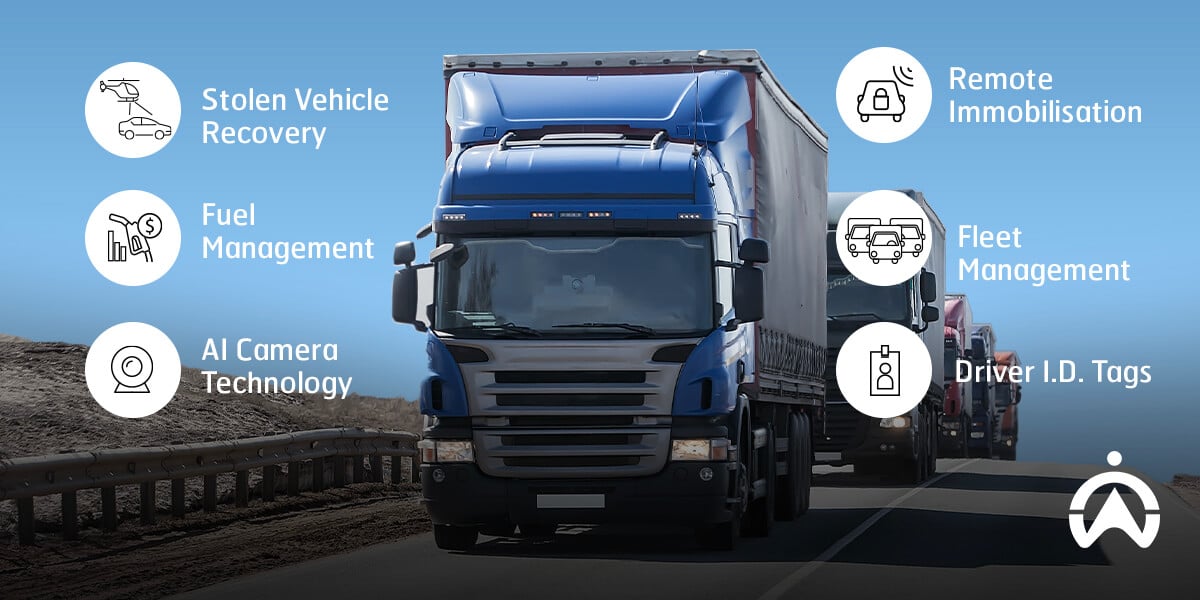
- Driver ID tag: Ensure drivers operate safely using the Cartrack Indonesia driver score. Studies have shown that harsh driving behavior not only wastes fuel but also increases wear and tear on engine components. Some examples of driver behaviors that negatively impact engine performance include harsh acceleration and cornering, sudden braking, excessive speeding, and prolonged idling. These behaviors place premature loads on the engine, causing it to wear out more quickly than expected. With the Cartrack driver score, we can determine how safely a driver drives. This is done by monitoring high-risk behaviors such as excessive idling, high speeding, and harsh braking and acceleration.
Get full control over your fleet's engine hours, using Cartrack's fleet management system!
Find out more by clicking the following link!