
Heavy Equipment Maintenance: Types, Challenges, and Effective Methods

Sudden heavy equipment breakdowns not only delay work but also result in significant unexpected financial outlays. In some cases, this can even lead to lost profits as clients switch to other providers.

We often hear the saying "prevention is better than cure" in healthcare. This also applies to heavy equipment maintenance. Not only can you reduce significant repair costs, but you can also minimise unexpected downtime.

Types of Heavy Equipment Maintenance You Must Know

Similar to other types of fleet, heavy equipment maintenance consists of preventive, predictive, and corrective maintenance.

1. Preventive Maintenance

Preventive maintenance is maintenance performed even before any damage has occurred. This includes routine cleaning, oil changes, plumbing, or inspections of specific components.

2. Predictive Maintenance

In heavy equipment, predictive maintenance typically involves the use of sensors and fleet telematics or specific systems within the equipment itself. These systems are useful for early detection of potential damage to specific components before major damage occurs.

3. Corrective Maintenance

As the name suggests, corrective maintenance is performed when damage has already occurred and maintenance is needed to repair it. Corrective maintenance can be performed when damage is discovered during a routine inspection or when it occurs unexpectedly.

In addition to these three main types of maintenance, there's also overhaul maintenance, which is performed to meet specific industry or company standards. Furthermore, there's emergency maintenance, which is typically performed in the event of an emergency, such as an accident.
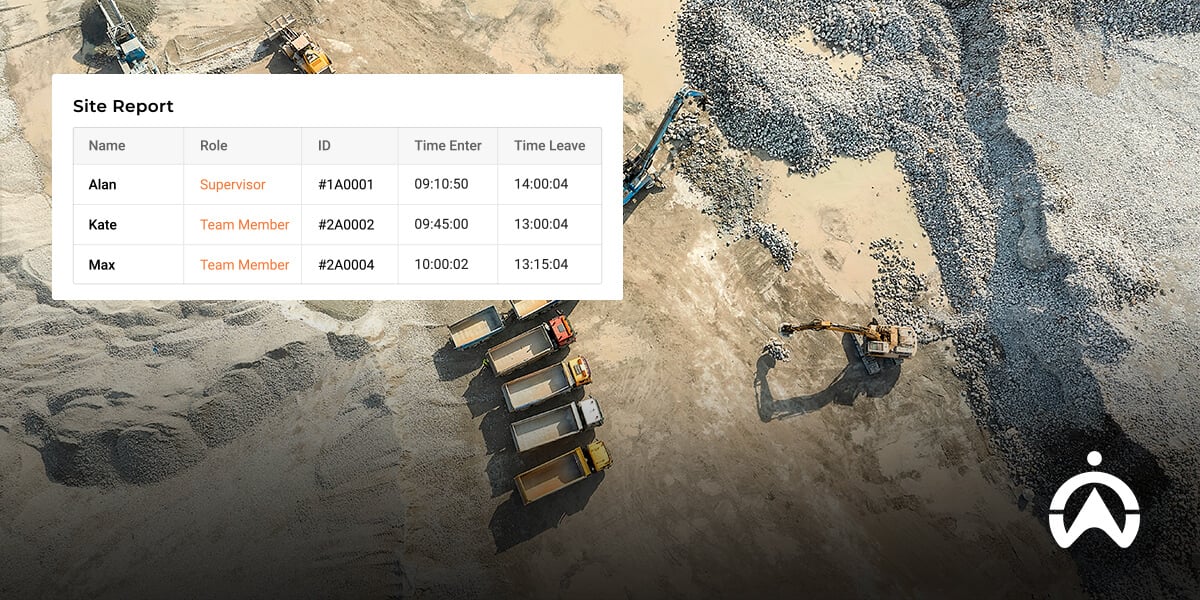
Aerial view of a construction site with trucks and excavators requiring regular heavy equipment maintenance.

Challenges in Heavy Equipment Maintenance

Heavy equipment maintenance can be a challenge in its own right. Some of the obstacles you might encounter include:

1. Forget the maintenance schedule

You may have planned for routine servicing, such as an oil change after 5,000 hours of use. However, this has been forgotten and delayed over time due to operational constraints and the lack of dedicated maintenance staff.

2. Lack of maintenance history data for each unit

When your business has a large fleet, another challenge is documenting previous repair history. You'll need to document each repair and manually record the data in Microsoft Excel or a spreadsheet.

3. Coordination problems

Poor coordination between operators, operational managers, and technicians can also contribute to delayed or missed maintenance. Furthermore, a complex operator problem reporting system can make it difficult for technicians to identify potential damage.

4. Service cost increases

Any major unit failure is almost always accompanied by a series of minor issues that may be overlooked due to a lack of regular inspections. Major failures involving major component replacement will, of course, result in significant repair costs.

Also Read: Preventive Maintenance: The Solution for a Long-Lasting, Durable Vehicle

Effective Ways to Maintain Heavy Equipment

If your company has historically only acted after damage has occurred, you need to shift your focus to prioritise preventative measures. This policy will naturally involve everyone, from operators and technicians to operational managers.

1. Implement regular check-ups

The first thing you need to do is implement routine inspections, whether daily, weekly, or monthly, as needed. This ensures the vehicle is always in good condition when you need it.

2. Clean the vehicle regularly

Using heavy equipment often involves dirt and mud that sticks and leaves marks. Therefore, regular maintenance is essential to prevent damage to critical components like the engine, wheels, and other parts.

3. Apply lubricant regularly

Moving components such as gears, hinges, and hydraulic systems are generally susceptible to damage and wear. Therefore, be sure to inspect these parts thoroughly and lubricate them regularly.

4. Replace worn parts

If any damage is detected during routine inspections or during operation, immediate servicing is required. If the problem is caused by a damaged part, consider replacing it immediately to restore optimal performance to the machine.

5. Use fleet sensors and telematics

The use of technologies such as sensors and fleet telematics will be invaluable in providing a variety of historical and real-time data. This will help you analyse and detect potential damage before major damage occurs.

6. Train staff and operators

Carrying out comprehensive maintenance requires the involvement of all parties involved. Therefore, ensure education and outreach are conducted for every policy, including when you decide to implement fleet management technology.

Also Read: Fleet Management System: Definition and Benefits for Business
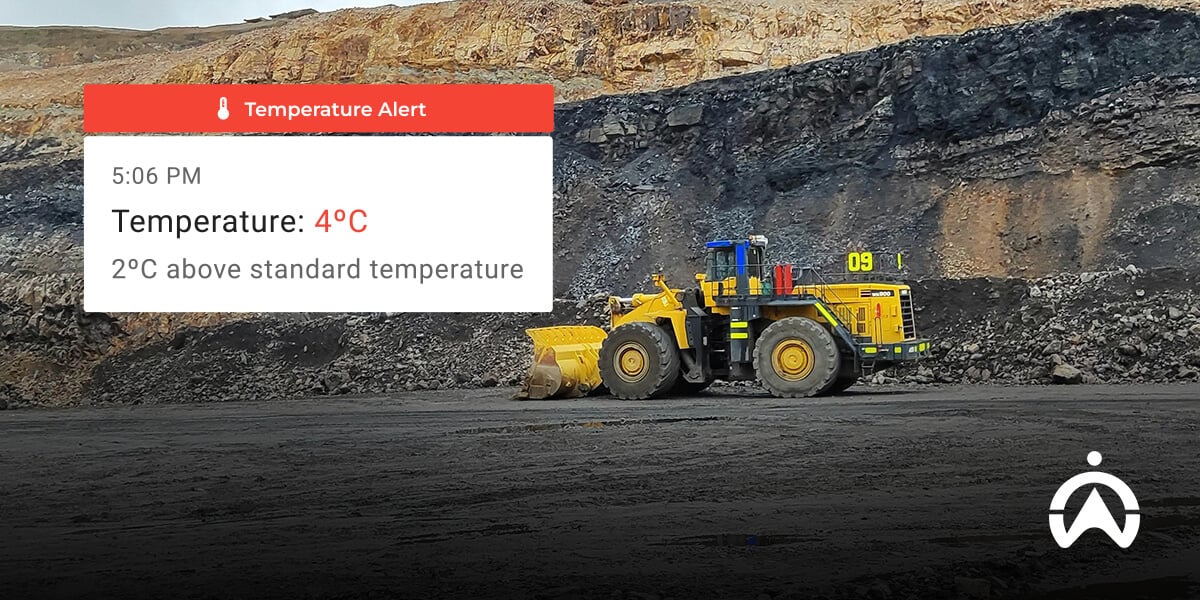
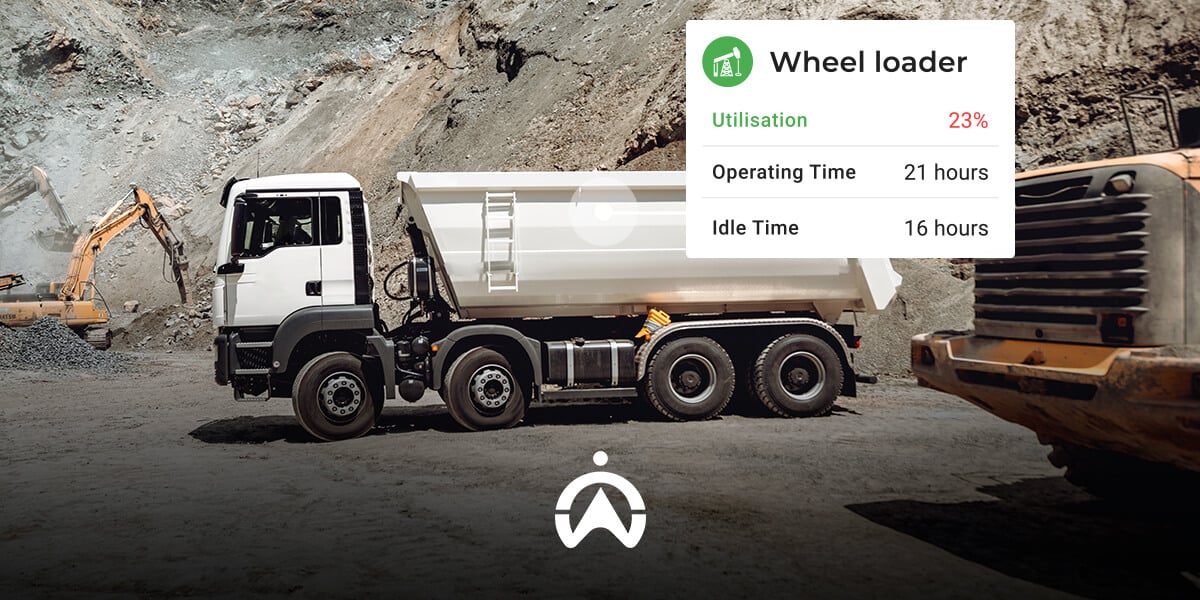
Temperature warning indicator on the monitoring monitor as part of the maintenance of heavy equipment such as mining trucks in the excavation area.

Simplify Heavy Equipment Maintenance with Cartrack

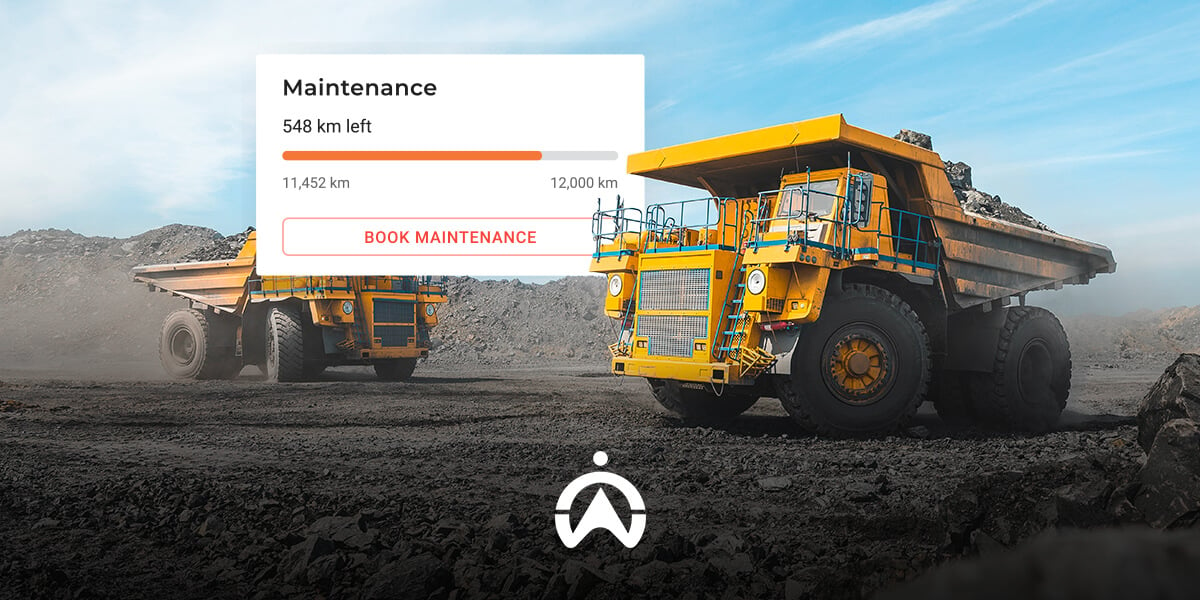
One of the featured features of Cartrack's Fleet Management System is the Maintenance feature, which allows you to manage the care and maintenance of your heavy equipment, from scheduling routine inspections and reporting accidents/incidents to repairs.

This feature eliminates the need to manually record all maintenance history in a separate system or document. Scheduled servicing also makes it easier to prepare and schedule replacement units for ongoing projects.

In addition to the Maintenance feature, Cartrack's Fleet Management System also provides other features that can help you manage operations, such as:

  • GPS Tracking: GPS tracking makes it easier for you to find out the location of heavy equipment, including those operating in remote areas.

  • Fuel Monitoring: Track fuel usage to identify waste, potential theft, and maximise efficiency.

  • AI & Non-AI Vision: Visual monitoring to ensure the unit is operating as intended and the operator is not performing any risky actions.

  • Power Take Off (PTO) Sensor: Sensor to ensure that idling occurs because the machine is being used for work.

  • Carpool: A feature for booking and scheduling fleet usage so there are no double scheduling or missed agendas.

Heavy equipment maintenance is one of the processes required to ensure smooth company operations. In addition to training and educating all staff on the importance of maintenance, you also need a system that streamlines the process.

Cartrack offers a Fleet Management System with Maintenance features that can help you simplify the complexity of maintenance management. You can access these features from a single dashboard for comprehensive fleet monitoring.

Improve efficiency in manpower, time, and costs by better managing your heavy equipment maintenance. Complete the form on this page, and our team will contact you for further information.

Also Read: Definition, Types, and Application of Vehicle Maintenance
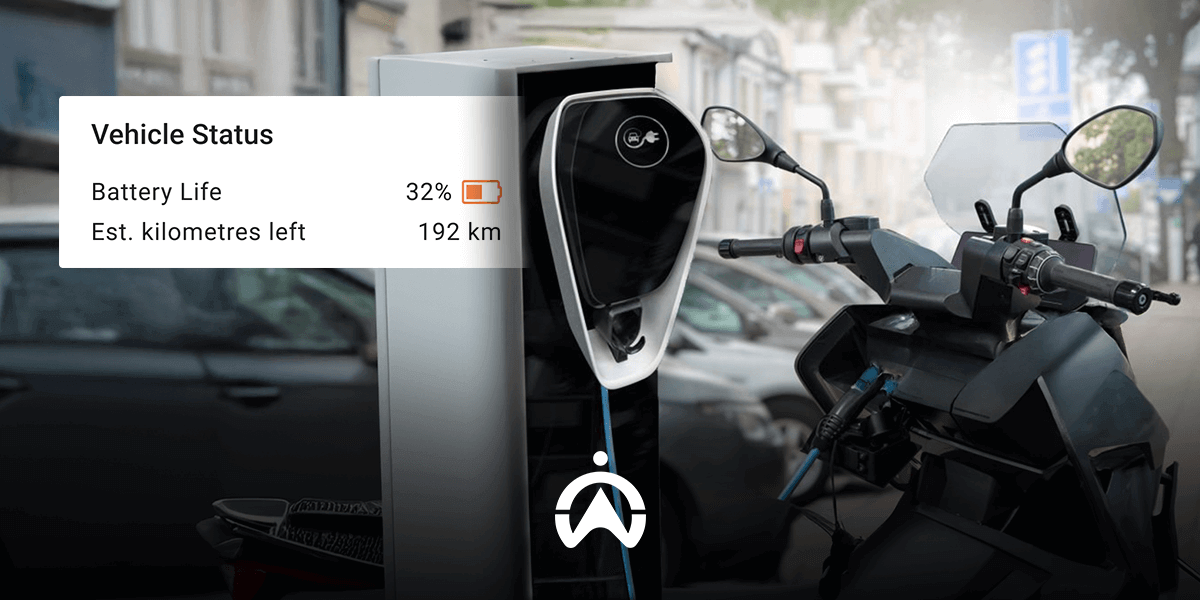
GPS for Electric Motorbikes: Business Benefits and Advantages

In recent years, electric motorcycles have become increasingly common in Indonesia, including as part of operational fleets. However, the high rate of motorcycle theft in Indonesia continues to threaten the safety of your two-wheeled vehicle fleet.

One of the best solutions you can take to improve the safety of your fleet is to use a GPS tracker. Learn more about how using GPS for electric motorcycles can help your business.

Why Electric Motorcycles Need GPS Trackers

Like motorcycles in general, electric motorcycles are vulnerable to theft because they can be resold. Not only the entire motorcycle, but even components like the battery are vulnerable to theft for resale due to their high value.

Furthermore, their quiet nature also makes them easy to steal without being noticed. Therefore, it's crucial for you as a business owner to do everything possible to prevent losses due to lost fleets.

One frequently relied-upon solution is the use of a GPS tracker. Besides simplifying fleet monitoring, this feature also allows companies to track vehicles in the event of theft, allowing them to be quickly located.

Benefits of GPS for Company Electric Motorcycle Fleets

For companies or businesses that use electric motorbikes as their operational fleet, the benefits of GPS trackers include:

1. Track fleet position in real-time

Using a GPS tracker, you can see the exact location of each motorcycle fleet in real time from a single dashboard. You can also check whether the fleet is operating and following the designated routes.

2. Limit the work area

Your company may have specific work area requirements for each fleet. With the GPS tracker's Geofence feature, you can define work area boundaries and receive notifications when your fleet enters or exits those areas.

3. Monitor driving behavior

A GPS tracker device not only provides you with data on your vehicle's location but also on driving behaviour. You'll be able to identify vehicles that frequently speed or are idling.

4. Increase security

In addition to tracking a vehicle in the event of theft, a telematics GPS tracker also allows you to set notifications when the vehicle is turned on or off. If the vehicle suddenly starts up, it could be an indication of theft and should be checked immediately.

5. Simplify fleet management

GPS tracker devices are usually integrated with a broader fleet management system. You can add Delivery Management features and schedule routine vehicle repairs, vehicle registration renewals, vehicle inspections, and more.

Also Read: Anti-Theft GPS Tracker for Motorcycles

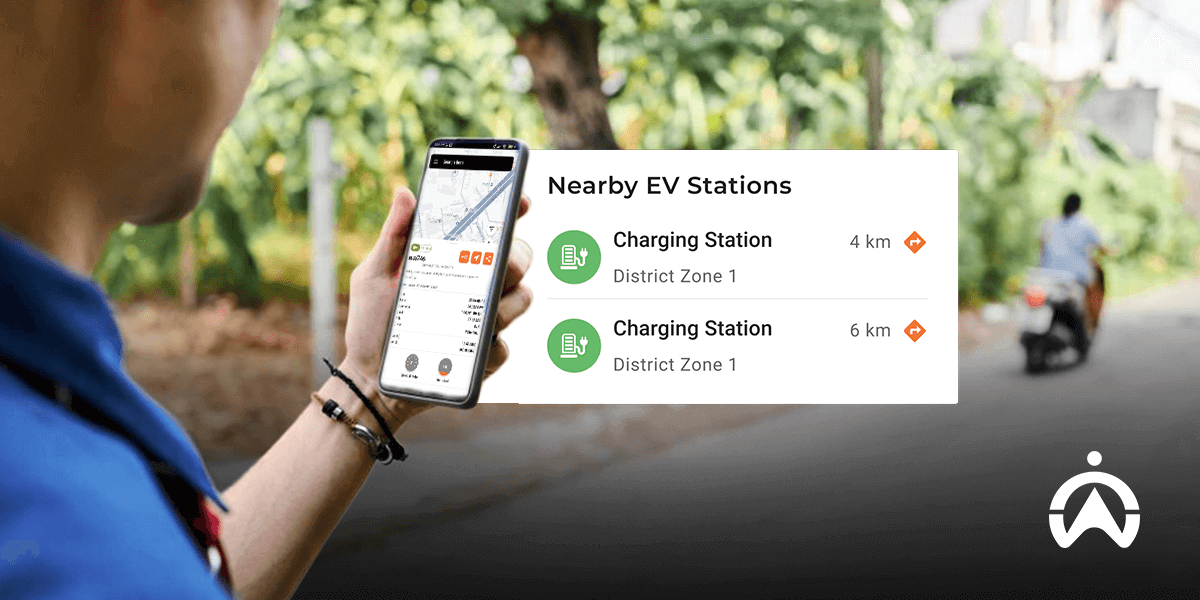
Use of a GPS application for electric motorbikes on smartphones that displays the route and location of the nearest charging station.

Important GPS Features for Electric Motorcycles

The use of GPS for business operational fleet management has certain criteria that you must pay attention to.

1. Real-time tracking

The real-time tracking feature is a key feature that allows you to track the vehicle's exact location in real time. Besides being useful for monitoring daily operations, this feature can also aid in theft investigations.

2. Geofencing

You can create virtual fences to demarcate your fleet's work area or restrict entry with the Geofencing feature. You can set up notifications if a vehicle enters or exits these areas, which could be an indication of theft.

3. Travel history

Ensure the GPS for your electric motorcycle has access to each fleet's trip history, as this is crucial for verifying driver compliance. This feature is also useful for detecting vehicle use outside of work.

4. Integration with fleet management software

Integration with a Fleet Management System (FMS) allows you to manage and monitor your entire fleet. This allows you to have data on each vehicle's usage and receive weekly/monthly reports.

5. Security notifications

Another consideration is safety notifications, which allow you to identify potential hazards early on, including indications of theft, compliance, and even risky behavior like speeding.

Cartrack's Electric Motorcycle GPS Recommendations

Cartrack offers GPS for electric motorcycles as part of its Fleet Management System (FMS), which will assist you in managing your company's fleet. Cartrack's GPS tracker features include:

  • Real-time tracking

  • Trip history

  • Geofence (zona virtual)

  • Detect aggressive driving behaviour (harsh braking, rapid acceleration and sharp cornering)

  • Security notification

  • Automatic and periodic reports

  • Access dashboard via web & app

  • 24/7 customer support

Cartrack also offers other special features and extras, such as:

  • Mi-Fleet: Cost management feature to share various expenses for each fleet.

  • Maintenance: Features for scheduling routine maintenance, repairs, and failure reporting to reduce sudden downtime.

  • CarPool: Vehicle booking management to avoid double scheduling or fleet unavailability when needed.

  • Delivery: Delivery management that makes it easy for you to organize assignments, schedule deliveries, and ensure goods have been received.

See Also: What is a GPS Tracker? Read on to learn more!

Bus Dashcams: Enhancing Passenger Safety and Vehicle Monitoring

Passenger transport vehicles such as buses are vulnerable to pickpocketing and even sexual harassment. In addition, buses are also exposed to risky driving behaviours such as mobile phone use and smoking, which can negatively affect passenger safety and comfort.

As an owner or manager, passenger comfort is undoubtedly a priority for your service. Therefore, using bus dashcams and fleet cameras is a crucial security solution.

What is a Bus Dashcam Fleet Camera?

A bus fleet camera, or bus dashcam, is a digital camera used for monitoring buses, both inside and out. Unlike dashcams for private cars, bus dashcams are typically used for fleet monitoring.

This visual monitoring is carried out using several cameras, consisting of:

  • Dual-camera dashcam: Consists of two double-sided cameras to monitor the road situation in front of the bus and monitor the driver and the interior of the vehicle.

  • Internal camera: A camera used to monitor conditions in the passenger cabin.

  • External cameras: Cameras used on the outside of the bus to eliminate blind spots and reduce the risk of hitting other vehicles.

The use of dashcams plays a crucial role in maintaining safety and providing visual monitoring of fleets and drivers. Therefore, companies typically deploy multiple cameras for comprehensive monitoring.

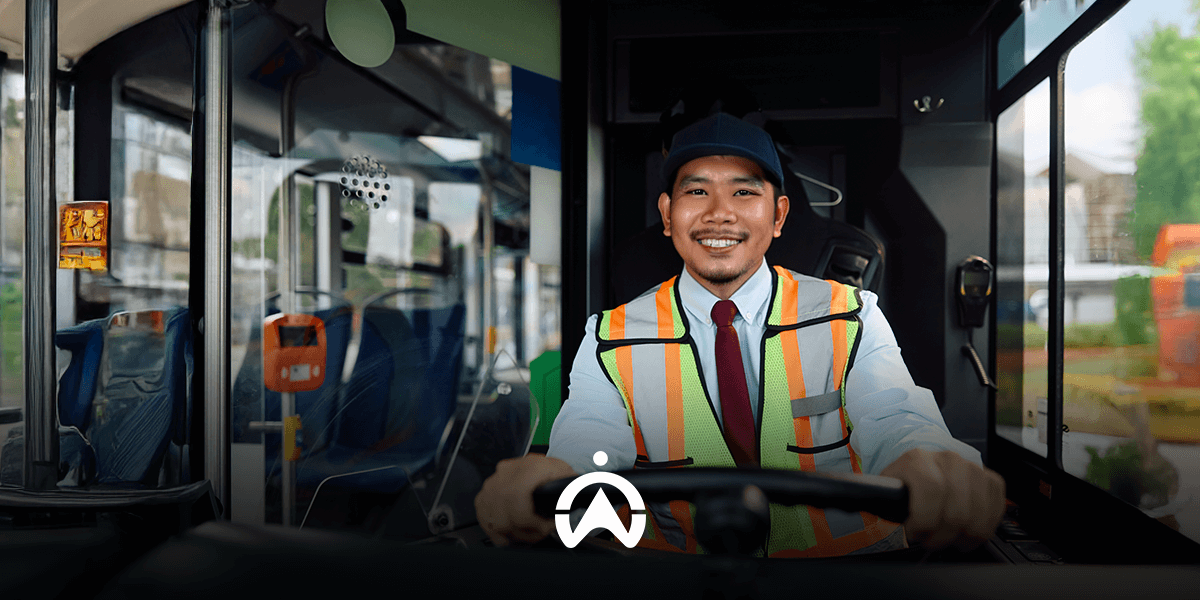
The driver drives the bus on city roads with the support of the bus dashcam feature for monitoring the safety of passenger transportation.

Benefits of Bus Dashcams for Transportation Companies

Following are the benefits of using dashcams for buses serving passengers, both long and short distances.

1. Increase security

With cameras, you can monitor the situation in the passenger compartment so you can take action if any issues arise. Furthermore, the presence of cameras often makes criminals think twice about carrying out their actions.

2. Driver monitoring

With a bus dashcam, you can document the road and monitor drivers. You can identify drivers engaging in risky behavior while driving, such as using a cell phone or smoking.

3. Reduce the risk of accidents

Some bus dashcams are equipped with AI technology that can detect risky behavior and provide audible warnings. Furthermore, buses with multiple cameras eliminate blind spots, thereby minimizing the risk of accidents.

4. Accident documentation

Dashcam footage will be invaluable in the event of an accident or traffic violation involving your fleet. This footage can be used as evidence for investigations or insurance claims.

5. Increase passenger confidence

Buses that prioritise safety and security will certainly increase passenger confidence. They'll feel safe knowing there are cameras recording, so if something bad happens, they have evidence.

Also Read: Best Dashcam Recommendations for Driving Safety

Features to Look for in a Bus Dashcam

Using a dashcam is a visual fleet monitoring solution that is a key fleet management strategy. Therefore, you should consider features that support this, such as:

1. Video Quality

To serve as evidence of an incident or accident, you'll need a camera with at least HD (720p) or Full HD (1010p) resolution. Also, ensure it has night mode to ensure clear recordings in low light.

2. Storage Capacity and Cloud Integration

Large storage capacity allows for seamless recording due to memory limitations. Cloud integration allows for remote access to recordings and live monitoring with live streaming.

3. GPS Tracking

Also consider fleet cameras integrated with GPS trackers. This will make it easier for you to track and dispatch assistance if something goes wrong during the live stream and the driver cannot be contacted.

4. AI and Warning Systems

AI-powered cameras can improve safety by detecting risky driver behavior and providing audible warnings. This can be extremely useful in alerting drivers to refocus, reducing the risk of accidents.

5. Integration with Fleet Management System

Fleet Management System is a fleet management system that allows all monitoring systems to be managed within a single dashboard. With this system, you can track vehicle locations, monitor activity with cameras, and even schedule maintenance.

Also Read: Best Personal and Fleet Car Dashcams 2025

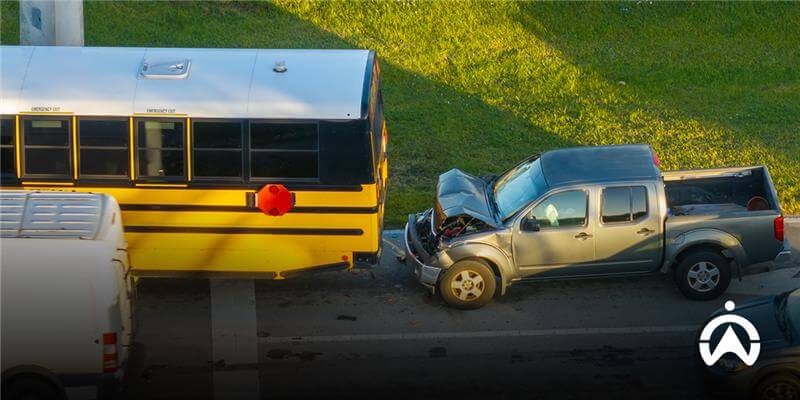
Bus dashcam footage shows a crash involving a silver pickup truck that crashed into the back of a school bus.

Cartrack Fleet Cameras and Bus Dashcams

AI & Non-AI Vision is Cartrack's camera monitoring solution, part of our Fleet Management System. For transportation businesses like buses, Cartrack provides visual monitoring tailored to your needs, including:

  • Road Vision: A single-camera dashcam that looks at the front of the vehicle for road monitoring.

  • Dual Vision: A dual-camera dashcam that looks at the vehicle's windshield and the driver's cabin to monitor the road and the driver simultaneously.

  • Multi Vision: Comprehensive fleet monitoring with up to 8 cameras per fleet.

One of Cartrack's flagship solutions is an AI camera that can detect risky driving behavior and provide real-time audible warnings. Risky behaviors that can be detected include:

  • Fatigue

  • Not focus

  • Use of mobile phones

  • Smoking

  • Use of seat belts

  • Potential accident from the front

  • Camera closure

With the presence of an audible warning, drivers who are not focused or drowsy can become alert again so that the risk of accidents will be reduced.

Price and How to Subscribe

Cartrack's bus dashcams and fleet cameras start at Rp 250,000 per month for non-AI cameras. Subscriptions for AI cameras start at Rp 550,000 per month.

The price can vary depending on the number of cameras you want to install on your fleet of buses or other vehicles. Additionally, with a Cartrack dashcam and fleet camera subscription, you'll also receive GPS tracking and fleet telematics.

Improve the comfort and safety of your bus passengers with dashcams and fleet cameras from Cartrack today. Complete your details in the form below so our staff can contact you with the best offer.

Also Read: Benefits of Using Front and Rear Car Dashcams

Idle Conditions in Vehicles and Their Impact on Companies

Idling is an unavoidable condition when a business vehicle is operating. Idling that lasts for a few minutes is considered normal, but idling that lasts for hours should be investigated.

Vehicle idling can be caused by both productive and non-productive reasons. Unfortunately, not many businesses realise that this is important to monitor, as it can impact overall business continuity.

What is the “Idle” Condition in a Vehicle?

Idling occurs when the engine is running but the vehicle is stationary or not moving. A vehicle is considered idling when it remains stationary in one spot for a significant period of time, for example when:

  • Stuck in a traffic jam

  • Queuing (entering the toll road, loading and unloading, entering the port, etc.)

  • Waiting for passengers at the bus stop

  • Repairing or checking certain parts of the vehicle

  • The driver deliberately turned on the engine to rest comfortably in the vehicle.

At first glance, the above may not seem like something that could potentially cause harm or negative impacts to the company. Many businesses feel no need to monitor things without understanding the negative impacts.

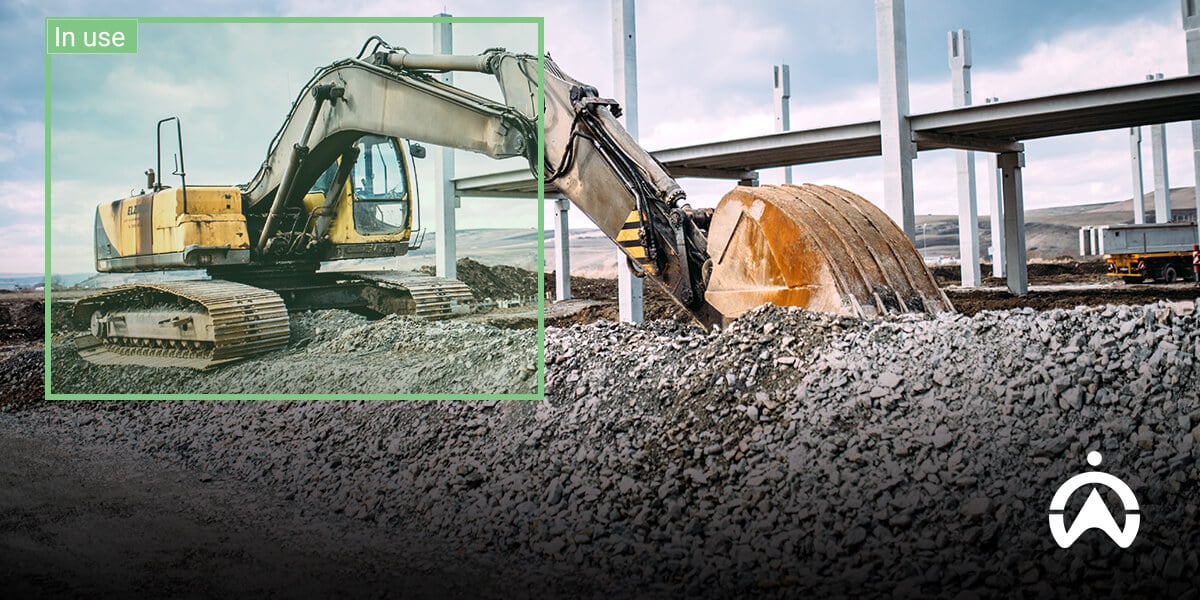
Excavators are operating in the construction area, avoiding idle conditions on vehicles for the company's operational efficiency.

Negative Impact of “Idle” on Companies

If a company's operational fleet frequently experiences idling, then there are several losses that can occur, such as:

1. Wasteful fuel consumption

You've probably heard that turning off and restarting your vehicle is more fuel-efficient than idling. In fact, idling actually wastes about 2 to 4.5 litres of fuel per hour.

Imagine having dozens or even hundreds of vehicles that frequently idle for long periods. You'd be surprised at the significant costs you could save by managing your idling time wisely.

2. Maintenance costs increase

Idling can also damage the engine and vehicle components because the fuel doesn't burn completely and leaves residue. This occurs because the fuel's energy is converted into heat energy without kinetic energy.

If left unchecked, engine failures will occur frequently, increasing service and replacement costs. This is certainly not ideal in the long run, as the waste will be significant.

3. Shorten the service life of assets

Every business wants its operational assets to be usable for the long term and with minimal wear and tear. Unfortunately, this will be difficult to achieve if your drivers habitually idle without realising the consequences.

Vehicles that frequently travel in and out of repair shops and experience ongoing breakdowns are at risk of permanent damage. This is detrimental to the company, as the asset's lifespan is reduced and it must be replaced with a new vehicle.

4. Decreased productivity

 Idling Excessive driver overtime can indicate a lack of driver productivity, which can impact operations. For example, delivery delays can occur due to drivers waiting in drive-thru lines too often or sleeping for extended periods in their vehicles.

Furthermore, vehicles that frequently experience damage due to excessive idling also experience more downtime. This can result in delayed deliveries or the company having to reschedule deliveries using a different fleet.

5. Air pollution

If your business is committed to being environmentally friendly, idling without a productive reason is a form of negligence. Prolonged idling produces emissions that contribute to air pollution and the health of drivers and passengers.

This can damage customer trust if they share the same commitment. The company's image may be damaged if its commitment to environmentally friendly shipping processes is frequently violated.

Read Also: What Is a Fuel Management System?

Idle Types: Productive and Nonproductive

Most idle conditions are unproductive and cause losses for the company. However, some types of idle are actually necessary for delivery productivity or vehicle usage.

Productive idle

One example is idling on heavy equipment, where the engine must remain running due to the use of certain peripheral features. For example, when parts like a crane, dump truck bed, or excavator bucket are being operated at one point.

Idle times on heavy equipment can be detected by installing a power take-off (PTO) sensor integrated into a GPS tracker. This sensor will provide information when any part of the vehicle is in use, ensuring productive idling.

Additionally, there are other idling functions that are also considered productive, such as those of refrigerated container trucks or ice cream trucks. Both types of vehicles require their engines to be constantly running to keep the refrigeration running and the product being transported in good condition.

Idle Nonproduktif

Nonproductive idling occurs when the engine is running but the vehicle is not moving without any specific purpose related to work or the company. For example:

  • Unloading process

  • Queuing at the ferry port

  • Queuing at the gas station

  • Queuing at a drive-thru restaurant

  • Severe traffic jam

  • Resting in the vehicle while turning on the AC and radio

Non-productive idling is actually unnecessary and drivers should turn off the vehicle if they have to stop for a long time.

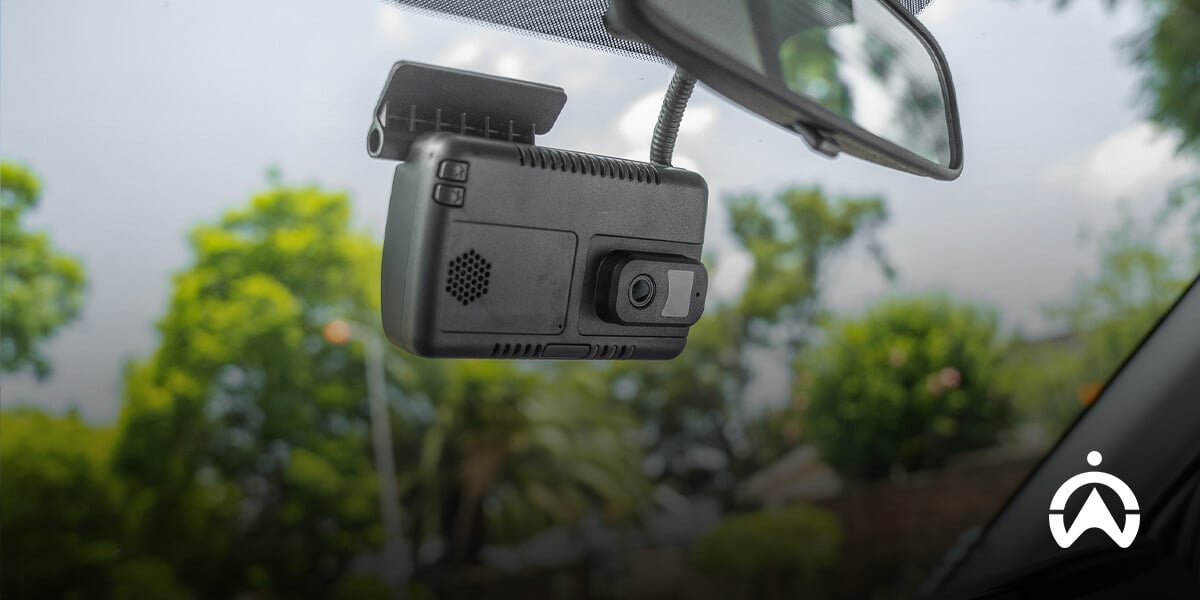
A dashcam camera is mounted on the car windshield to monitor idle conditions on company operational vehicles.

Minimise Idle with Cartrack's Fleet Management Technology

Idling can be detected and minimised using fleet telematics technology and GPS Tracker solutions such as those offered by Cartrack. With this technology, you can evaluate performance, educate drivers using data-driven insights, and set permitted durations for productive idling.

Cartrack's driver monitoring includes idle as one of its parameters, where you can view the idle status by:

  • View colour status on the map where yellow indicates idle

  • Receive idle notifications in real-time

  • Checking the fleet work dashboard

  • Get automatic reports (in PDF or Excel format)

In addition to GPS tracking and telematics for monitoring vehicle status, Cartrack also offers other solutions for fleet management, including:

  • Fuel Monitoring: Fuel monitoring using three types of sensors tailored to your operational needs and fleet type.

  • AI & Non-AI Vision: Visual fleet and driver monitoring using cameras equipped with Artificial Intelligence (AI) technology.

  • Driver Identification: Driver identification tags that ensure only authorised drivers can operate designated vehicles.

  • Start Prevent: An immobiliser security solution that automatically disables the starter when potential theft is detected.

  • Delivery: A delivery management solution that simplifies job allocation, route optimisation, and driver/courier tracking.

  • IoT sensors: Cargo Door Sensor, Power Take-Off Sensor, Tailgate Sensor, and Temperature Sensor.

  • Panic Button: An emergency alert button that notifies the company in the event of unexpected incidents such as robbery, a medical emergency, or other critical situations.

Identify idling and other factors contributing to fuel wastage with Cartrack’s fleet telematics solutions. Complete the following form to learn more about Cartrack’s Fleet Management System.

Read Also: Monitoring Fuel Consumption with Fuel Sensors & Fuel Probes

Delivery Fleet Management to Ensure Timely Deliveries

Imagine a time when customer demand is extremely high and you're struggling to organise, schedule, and ensure all deliveries. All of these issues can be addressed with a single solution called delivery fleet management.

This digital system enables you to achieve efficiency, optimise fleet operations, reduce costs, and increase customer satisfaction. With specialised software, you can overcome the challenges of delivery fleet management.

Also Read: Best Fleet Management: How to Maximise Revenue

What is Delivery Fleet Management?

Delivery fleet management is software designed to manage vehicles and deliveries. The system integrates fleet management software with specialised software for managing deliveries.

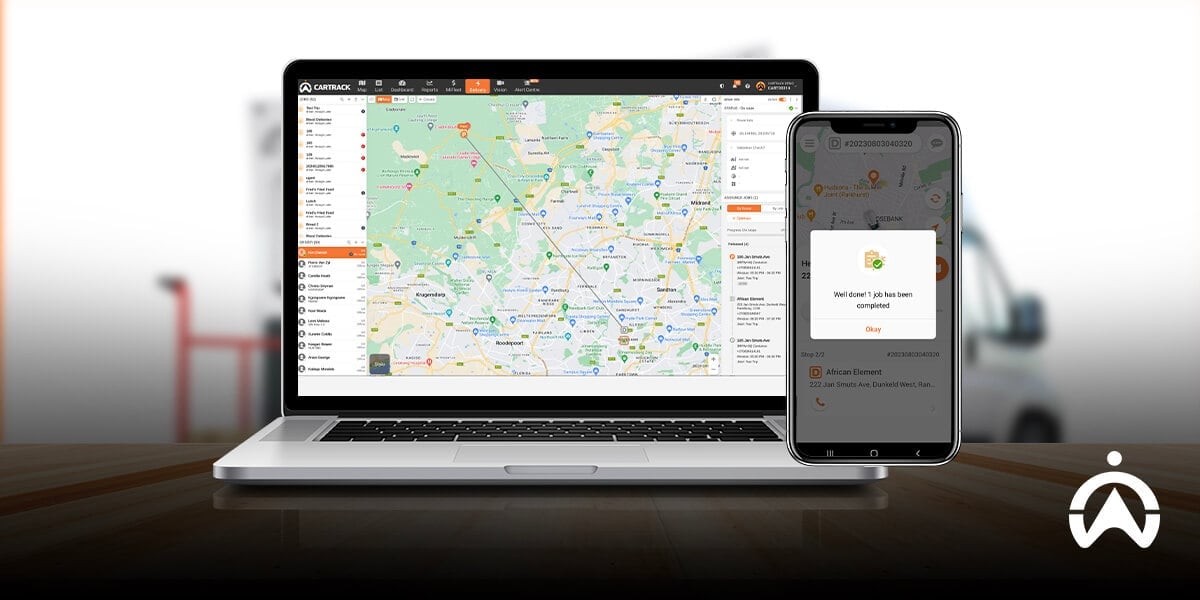
The integration of the two allows you to perform real-time monitoring, schedule fleet maintenance, and manage other tasks. Within the same dashboard, you can also manage assignments and track their completion.

What are the Functions of Delivery Fleet Management Software?

Delivery fleet management software or systems are all-in-one solutions that reduce the complexity of delivery distribution, from driver allocation and route planning to vehicle/driver tracking, expense management, and the overall customer experience.

This system typically uses Artificial Intelligence (AI) to accelerate that lengthy process and protect the business from financial losses. How exactly does a fleet management system help you increase profits?

1. Avoid waste

As a business owner and manager, you may struggle to set spending limits. Meanwhile, uncontrolled fuel consumption, unexpected breakdowns, and inefficient route planning continue to contribute to waste.

With an Artificial Intelligence (AI)-powered fleet management system, you can track fuel consumption and optimise routes. This helps you reduce fuel waste and fuel-related fraud.

2. Increase productivity

One of the biggest challenges for companies is completing deliveries faster and in greater quantities. This can be addressed by properly optimising routes to avoid waste, vehicle damage, and inefficient routes.

An ideal delivery management system can consider variables such as delivery duration, vehicle capacity, workload distribution, and start and end points. This allows the system to output reliable routes.

3. Efficient management

This software will help you streamline the entire process, from processing package details and assigning drivers to receiving customer feedback after delivery.

By integrating delivery management software with a Fleet Management System, you can effectively manage both vehicles and deliveries. This enables you to optimise maintenance, reduce fuel costs, and monitor data and reports.

4. Makes it easier for drivers

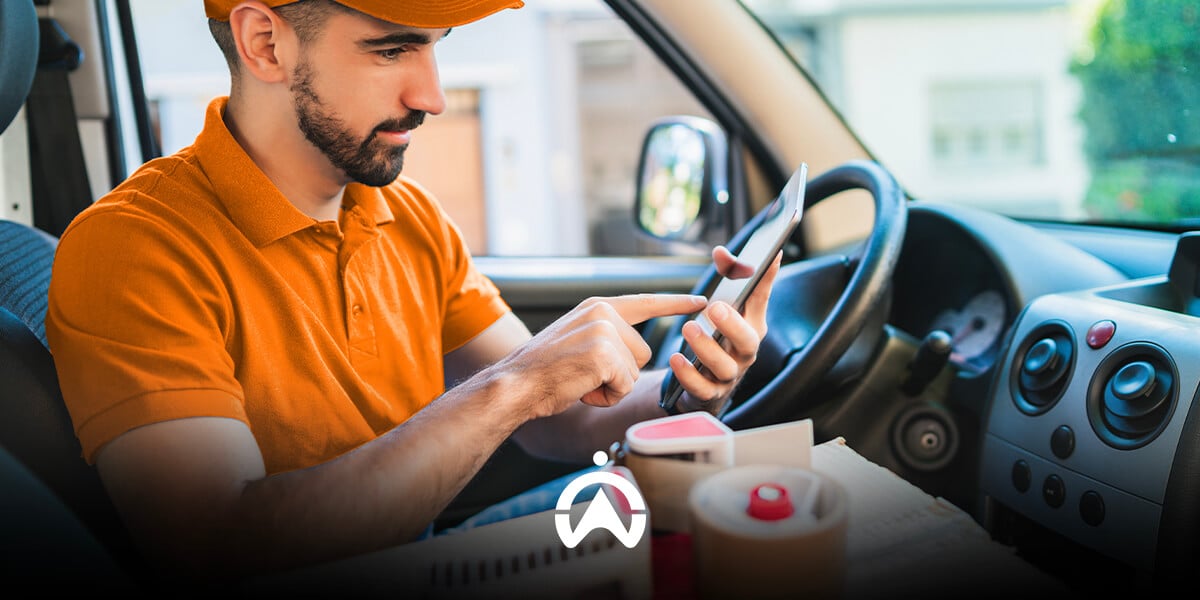
A delivery fleet management system not only helps owners and managers but also simplifies the work of drivers and couriers. They no longer need to plan routes, store delivery documents, or provide and receive updates via phone.

This technology allows you to track the delivery process without having to contact the driver directly. Through the dashboard, you can monitor the driver's location, check the delivery duration, and view proof of delivery.

5. Customer satisfaction

A delivery fleet management system also allows you to set up various automations to ensure customer satisfaction, such as delivery notifications, tracking links, and feedback prompts upon package receipt.

This way, you can provide a good customer experience, starting with fast delivery and transparent information. This positive customer satisfaction will undoubtedly contribute to customer loyalty and company reputation.

delivery fleet management

Challenges in Integrating Delivery Fleet Management Software

While this software offers many benefits, your business may face some challenges in implementing it. Some of these include:

1. High initial implementation costs

The initial cost of implementing this system is quite high, especially for small businesses with limited budgets. In addition to the cost of the equipment, you also have to allocate training time for staff, which can disrupt productivity.

2. Challenges of integration with existing business systems

If your business already has existing systems like inventory management and order management, integrating these software systems can be complex, especially if they have built-in fleet management systems that are often incompatible with other systems.

3. Data security

With the increasing use of technology, data management and security have become crucial. For businesses that work with customers, there may be concerns about the security of sensitive information such as customer details and other confidential data.

4. Complexity and learning curve

Using software will require training, which may temporarily impact business productivity. Therefore, you need to consider the software's ease of use to avoid prolonged disruption to business productivity.

5. Limited customisation options

Not all systems offer the customisation options you might expect to meet your specific business needs. Therefore, it's important to find a software provider that allows for such customisation.

6. Scalability issues along with business expansion

As your business scales, the Fleet Management System you use must be able to adapt to new requirements. It is important to find software that can keep pace with your business growth—for instance, expanding from a fleet of 5 vehicles to 100.

7. Difficulty knowing customer satisfaction

The right software should make it easy for customers to provide ratings and feedback. However, not all fleet management tools offer this feature, making it difficult to gauge customer satisfaction.

8. The challenge of ensuring safe delivery of fragile products

Another challenge arises when your business has specific needs for shipping temperature-sensitive products. You run the risk of damaged goods if your chosen fleet management system doesn't include sensor options like temperature sensors.

9. Disagreement of change from employees

Not all drivers welcome the digitalisation process, and some may even resist adapting to new technologies and workflows. This can certainly be a challenge for you as a business owner and manager.

Read Also: How Vessel Fleet Management Helps the Shipping Business

What Businesses Are Suitable for Using Delivery Fleet Management Software?

If you are the owner or manager of one of the following types of businesses, then using delivery fleet management will be very appropriate.

1. Online shops and retailers

Delivery services are often a challenge for online shops and retailers that employ in-house couriers. This system will help you save on shipping costs and maximise profits.

2. Small-scale logistics or expeditions

A delivery fleet management system can help your logistics/freight forwarding business reduce operational costs. This system helps with everything from route optimisation, fuel savings, courier tracking, and delivery progress monitoring.

3. Food and beverage delivery

Managing a food delivery fleet becomes more efficient with a platform for route planning, task management, and courier tracking. Customers can also track their packages live, significantly improving the customer experience.

4. Health and pharmaceutical business

A shipping management system helps you ensure timely and safe processing by monitoring temperature. You can also track the process and transportation options to ensure your products are properly protected from start to finish.

5. Furniture and household appliances business

Furniture and home appliance businesses often offer in-house courier delivery options. This system will help you manage your delivery fleet and optimise routes to save time and fuel.

6. Event catering services

Catering businesses rely heavily on vehicles for food delivery, which often leads to waste. This software will help you manage your food delivery fleet and improve efficiency.

Benefits of Using Cartrack Delivery

Cartrack Delivery, Cartrack's fleet management software, can help you manage your deliveries. This management solution will help you complete all delivery tasks quickly from start to finish.

This software helps all parties involved in the entire process, from delivery managers, drivers, to customers.

Benefits of Using Cartrack Delivery for Managers

Cartrack's advanced system allows fleet managers to access shipment details, driver information, and verify fleet readiness. This eliminates the need for manual spreadsheets.

Cartrack's devices can also accurately monitor the delivery process and driver/courier performance. Furthermore, managers can arrange training for drivers who need to deliver sensitive and fragile products to ensure their safety.

Benefits of Using Cartrack Delivery for Drivers

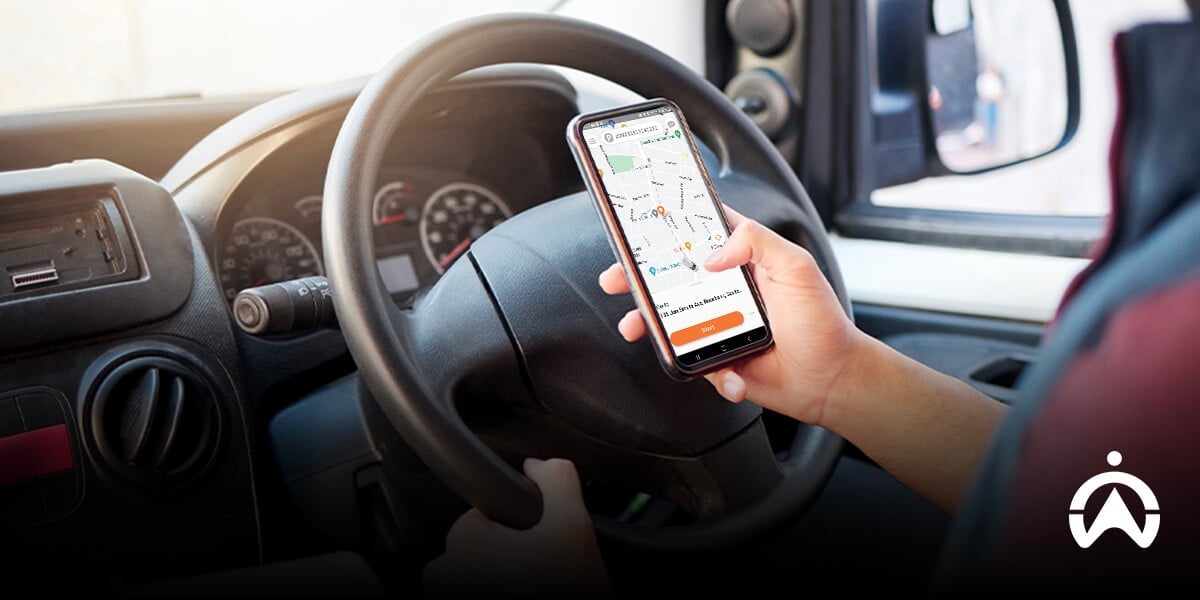
Using this system will make things easier for drivers, as they can register their attendance simply by logging in to a dedicated app. Work will also remain smooth, as the app supports both low-network and offline modes.

With this dedicated app, they can also receive updates on delivery schedules, assignments, cancellations, and priority changes. They can also submit digital proof of delivery (Proof of Delivery) in the form of a photo or signature.

Benefits of Using Cartrack Delivery for Customers

Customers will also directly experience the benefits of using this system. They can monitor the delivery process, confirm receipt of goods, and provide instant feedback.

With a live tracking link, customers can also track the driver's/courier's location in real time. This provides transparency that will undoubtedly enhance the customer experience.

delivery fleet management

Why Do So Many Businesses Love Cartrack Delivery?

There are many reasons why businesses trust Cartrack Delivery to manage their deliveries. Some of them are:

  • Cost-effective: Cartrack's route optimisation algorithm can shorten delivery distances, thereby reducing fuel costs.

  • Integration with fleet management: If you have used Fleet Management System From Cartrack, Cartrack Delivery will be very easy to integrate.

  • Real-time monitoring: You can do real-time monitoring with GPS, know the driver's location, and the delivery process in one dashboard.

  • Increased customer satisfaction: Automatic delivery notifications, live tracking links, and Proof of Delivery help customers to know the delivery process.

  • Paperless process: All shipping documents are digital, reducing the use of paper which is easily lost and damaged.

Read Also: Fleet Management System for the Mining Industry

Simplify Your Shipping Process with Cartrack Delivery

Cartrack Delivery provides a complete solution for managing your fleet and deliveries. The combination of a dashboard for managers and an app for drivers/couriers streamlines operations, from assignment to completion.

Cartrack's delivery management solution can prevent business losses and customer losses by helping you build delivery excellence and efficiency. Complete your details in the form below to request a Cartrack Delivery demo today!

GPS Tracker Fleet Management: Not Just a Tracking Tool

GPS trackers play a significant role in modern fleet management. These devices not only allow you to track a vehicle's location, but also how it's being used.

No longer just a tracking device, GPS trackers have transformed into a key component of a Fleet Management System. What benefits can you gain to manage your fleet more efficiently? Find out more!

What is GPS Tracker Fleet Management?

A fleet management GPS tracker is a specialised GPS tracker that is part of a fleet management system. This GPS is usually equipped with telematics that can track not only a vehicle's position but also its activity.

When using a fleet management system, you'll undoubtedly need a GPS tracking device. This system can also be integrated with other fleet monitoring systems, such as AI cameras for driver monitoring and sensors for fuel monitoring.

Read Also: Fleet Management System: Definition and Its Benefits for Business

Benefits of GPS Tracker for Fleet Management

GPS tracking plays a crucial role in fleet management, making it almost always a key feature in any Fleet Management System software. Some of its benefits include:

1. Real-time monitoring of fleet location

With GPS tracking in your fleet management system, you can monitor the location of your fleet of vehicles in real time. Even if you manage dozens or even hundreds of vehicles, you can view the location of each vehicle from a single dashboard.

2. Optimise routes and travel time

GPS tracker telematics also allows you to optimise routes so you can increase travel time. This will make deliveries more measurable and vehicle productivity can be increased.

3. Automatic recording of working hours & travel history

Devices installed on your fleet not only allow you to track location but also record when vehicles are started and stopped. You can also view each fleet's trip history to determine their routes and operating hours.

4. Alert maintenance

With fleet telematics from the Fleet Management System, each vehicle's mileage is recorded, making it easier for you to schedule routine maintenance. You can also create maintenance reminders to avoid disrupting operations.

5. Save long-term operational costs

With comprehensive monitoring, drivers will be more responsible in their vehicle use. This will also result in long-term savings, as wasteful and aggressive driving behavior can be detected and evaluated.

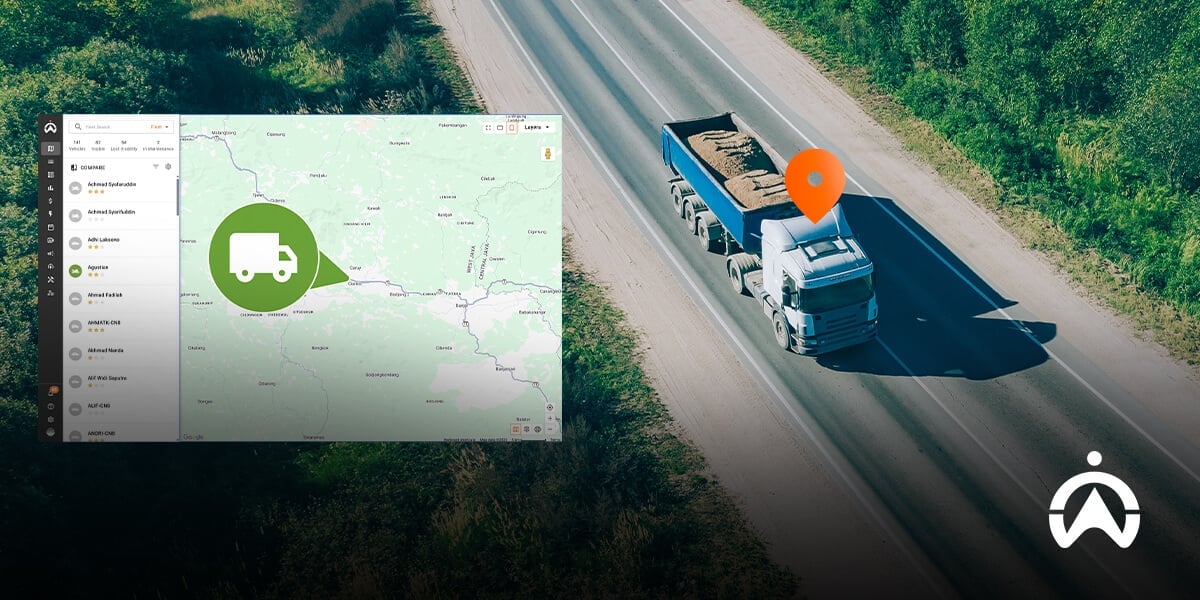
Blue dump truck on the road with digital map visualization for GPS tracker fleet management system.

Features That Must Be Included in a GPS Tracker for Fleet Management

Before making a purchase, it is important for you to pay attention to the main features that must be present in a GPS tracker on a Fleet Management System.

1. Real-time tracking

With real-time tracking, you can determine your location based on a specific time, making it easier to estimate your arrival time. This tracking also minimises driver fraud related to location and travel time.

2. Geofencing

The Geofence feature allows you to mark work areas and restricted areas for your fleet. You can also set up notifications when a vehicle leaves the work area or enters a restricted area.

3. Travel report

Next, ensure your fleet management GPS tracker can provide automatic reports on vehicle travel history and usage. This will be invaluable for evaluation, allowing you to establish strategic policies based on the data.

4. Equipped with various additional features

A Fleet Management System should be integrated with various additional features such as fuel monitoring, fleet cameras, and so on. These additional features will provide more comprehensive fleet monitoring and enhance security.

5. Maintenance Reminder

This feature will be especially helpful if you manage dozens or even hundreds of vehicles simultaneously, as scheduling routine maintenance can be challenging. This feature simplifies scheduling and reduces unexpected downtime.

GPS Tracker Fleet Management from Cartrack

Cartrack's GPS tracker is part of a Fleet Management System that offers telematics for comprehensive fleet monitoring.

Key Features:

  • Real-time tracking with GPS tracker

  • Vehicle trip history

  • Setting up work zones/no-go zones with Geofence

  • Automatic detection of aggressive driving behavior (sudden braking, harsh acceleration, and sharp cornering)

  • Vehicle security notifications

  • Automatic and periodic reports

  • Access dashboard via web & app

Additional Features (optional):

  • AI & Non-AI Vision: Fleet cameras for visual monitoring of vehicles and drivers.

  • Fuel Monitoring: Fuel monitoring using three types of sensors that can be adjusted to the type of vehicle.

  • Delivery: Cartrack's Delivery Management System makes it easier to schedule and distribute delivery tasks.

  • Start Prevent: An immobiliser feature that prevents the starter from turning on after the vehicle is turned off.

  • Driver ID Tag: A driver tag to ensure that only certain drivers can operate a particular vehicle.

  • CarPool: Management of operational vehicle usage to avoid double schedules and unavailable vehicles.

  • Mi-Fleet: Expense and administrative management that simplifies the bookkeeping of various fleet costs.

  • Maintenance: Vehicle logbook, preventive maintenance scheduling, and damage reporting by drivers.

  • IoT Sensors: Various additional sensors to maximise monitoring such as Temperature Sensors, Cargo Door Sensors, and others.

Benefits of choosing a GPS Tracker from Cartrack Fleet Management System:

  • Free device and installation

  • Free monthly internet quota

  • Software usage training by the Cartrack team

  • 24/7 customer service

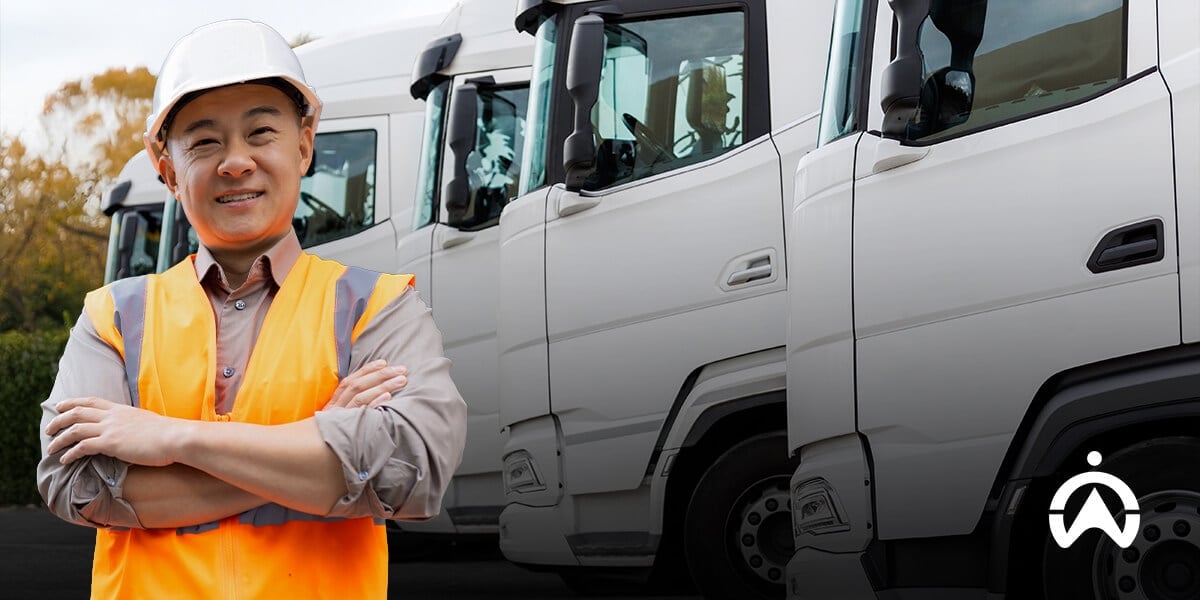
Logistics manager in orange vest in front of a fleet of trucks equipped with GPS tracker fleet management system.

Monitor Your Business Fleet Now!

A GPS tracker for fleet management is a GPS tracker specifically designed to integrate with telematics in a fleet management system. This device is useful not only as a tracker but also for collecting fleet usage data.

One reliable fleet management system platform with GPS tracking is Cartrack's fleet management solution. This system can also be integrated with other monitoring tools, such as fleet cameras and fuel monitoring.

Monitor your company's fleet with Cartrack's Fleet Management System, starting from IDR 140,000/month/vehicle. Complete your personal details in the form below so the Cartrack team can contact you with the best offer.

Read Also: What is a GPS tracker? Read on to find out more!