Basic Vehicle Maintenance Guide

Sama seperti kondisi kesehatan tubuh manusia yang sering terabaikan akibat pola hidup serba cepat, perawatan kendaraan operasional pun kerap ditunda demi mengejar rutinitas harian. Padahal, mengabaikan sinyal-sinyal kecil berupa suara aneh atau jadwal servis rutin dapat memicu risiko besar di kemudian hari, terutama saat harus berkendara di tengah musim hujan. Memahami pentingnya pemeliharaan secara serius adalah langkah awal untuk menjaga efisiensi dan keamanan armada Anda. 

Strategi Mengoptimalkan Efisiensi dan Pemeliharaan Kendaraan Operasional 

Biaya pemeliharaan dan konsumsi bahan bakar merupakan dua hal yang paling disoroti dalam pengelolaan armada. Untuk menjaga kendaraan tetap prima dengan tetap menjaga efisiensi anggaran operasional, berikut beberapa poin penting yang perlu Anda terapkan. 

Pemantauan Bahan Bakar & Perilaku Mengemudi

  • Pantau konsumsi bahan bakar dan oli secara berkala.
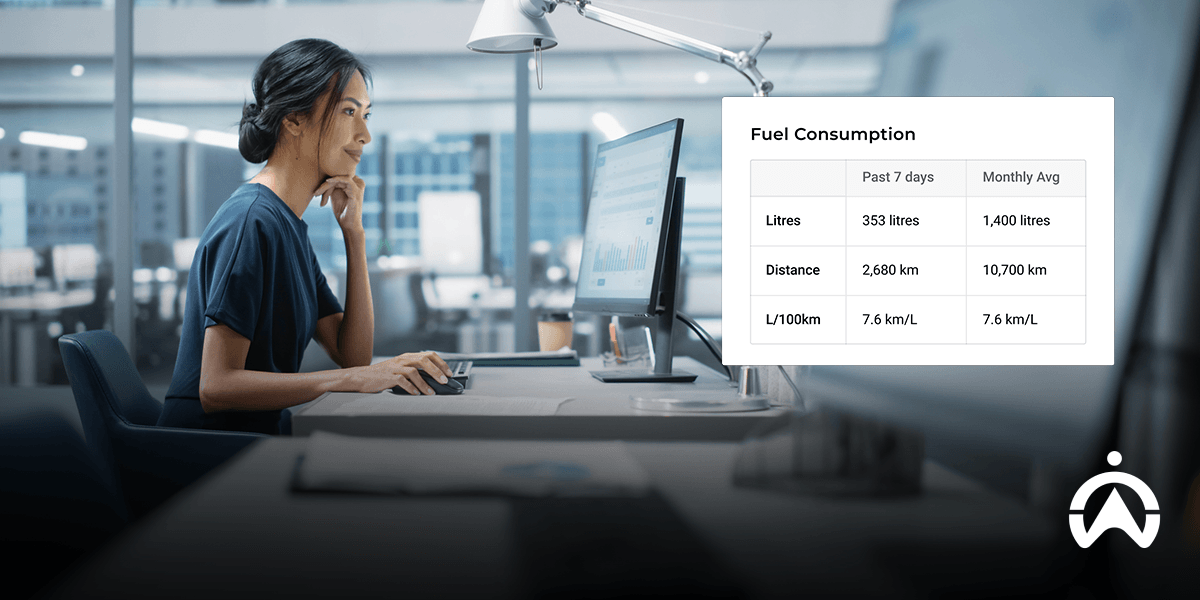
  • Avoid surprise vehicle costs and downtime with a full digital view of your fleet’s running expenses, like fuel, tolls, fines, tyres, maintenance, insurance and more to manage and maintain your fleet easily.  idling (mesin menyala saat posisi diam) secara berlebihan.
  • Hindari akselerasi mendadak karena dapat merusak komponen mesin dalam jangka panjang.
  • Edukasi dan latih pengemudi mengenai kebiasaan mengemudi yang aman serta penanganan situasi darurat.

Inspeksi dan Evaluasi Berkala

  • Berikan perhatian ekstra pada perawatan ban agar kendaraan melaju lebih jauh.
  • Lakukan inspeksi sebelum dan sesudah perjalanan (pre-trip & post-trip) untuk mendeteksi masalah sejak dini.
  • Gunakan Laporan Inspeksi rutin untuk mengevaluasi kondisi kendaraan sebelum timbul kerusakan parah.
  • Tangani malfungsi atau indikasi masalah seawal mungkin sebagai alarm pencegahan.

Efisiensi Operasional & Manajemen Rute

  • Hindari penggunaan aditif bahan bakar sembarangan yang berisiko merusak sistem ketahanan mesin.
  • Pangkas biaya operasional melalui penentuan rute yang efisien dan optimasi beban muatan.
  • Improve accountability by understanding the entire transportation chain.
  • Siapkan rencana darurat untuk hal tak terduga agar jadwal pengiriman tetap fleksibel.

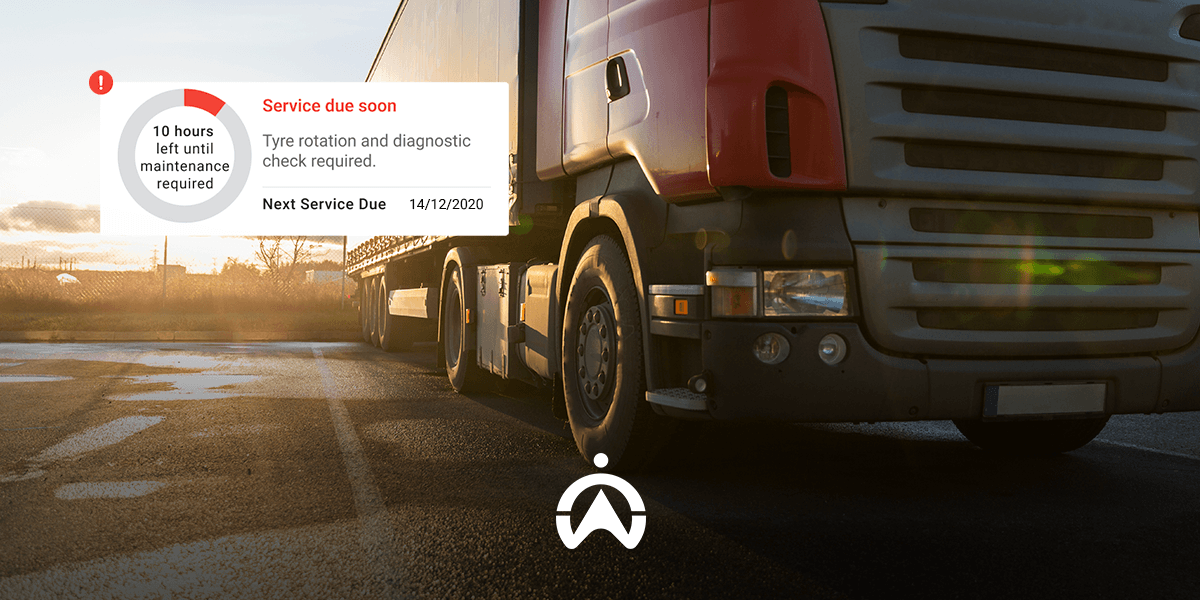
jadwal perawatan mobil agar terhindar dari kerusakan

Komponen Vital Armada yang Wajib Diperiksa Secara Rutin 

Selain langkah pemeliharaan umum di atas, ada beberapa komponen teknis utama yang memerlukan perhatian ekstra agar kesehatan armada tetap terjaga sepanjang tahun: 

Sistem Pengereman

Sistem rem merupakan komponen keselamatan paling krusial pada kendaraan. Adanya suara mencicit, gesekan kasar, atau perubahan tekanan saat rem diinjak dapat indikasi perlu adanya pemeriksaan. Teknologi pengereman modern umumnya sudah terhubung ke sensor elektronik, pastikan servis dilakukan oleh teknisi profesional sesuai standar pabrikan kendaraan Anda.

Bilah dan Cairan Pembersih Kaca (Wiper)

Komponen yang sering terabaikan adalah bilah pembersih kaca (windshield wiper) dan cairannya. Komponen ini harus diperiksa dan diganti/diisi ulang secara berkala untuk menjaga kaca depan tetap bersih dan bebas dari retakan atau serpihan. 

Kondisi Aki Kendaraan

Aki bekerja jauh lebih keras selama musim hujan. Kondisi aki yang prima menentukan apakah kendaraan dapat dinyalakan dengan lancar atau malah mogok di tengah jalan. Inspeksi aki secara rutin sangat diperlukan untuk mencegah kegagalan fungsi yang tidak terduga.  

Sistem Pencahayaan & Visibilitas

Visibility on the road is essential, so headlights, taillights, fog lights, parking lights, and reverse lights are crucial. Make sure they're all working properly and replace any that are broken immediately. 

Peran Software Manajemen Armada dalam Pencegahan Kerusakan

When problems arise, management needs to intervene. The key lies in reporting problems in a timely manner from the first signs. Does the company have a system in place to communicate these issues to the authorities in a timely manner to prevent further damage? Is that system reliable? This is where fleet management software comes into play.

Routine maintenance may seem time-consuming and a bit of a hassle. However, in the long run, it's far less expensive than allowing your vehicles to experience sudden breakdowns that threaten fleet safety. A robust vehicle maintenance program will pay off handsomely in the next five years and provide commensurate efficiency. 

It's crucial to get repairs done as early as possible, and Cartrack can help you avoid that hassle by notifying you of upcoming vehicle maintenance. Cartrack's fleet management software helps monitor everything from idling time, mileage, fuel and oil consumption, to timely notification when your vehicle is due for service.

Fuel Economy vs. Fuel Efficiency: Effective Ways to Improve Both in Your Fleet

Every fleet-related business is always looking for ways to improve fuel efficiency and optimize operational cost savings. The ultimate goal is to enable fleets to travel longer distances at lower costs. 

However, if your only way to save money is by using unproven methods, you may need to turn to a more effective solution. For example, use Cartrack's fuel monitoring system for data-driven fuel management. 

Read more to learn how to effectively improve your fleet's fuel management. 

Explanation of Fuel Economy and Fuel Efficiency

Fuel economy (fuel economy) and fuel efficiency (fuel efficiency) both relate to how well your vehicle consumes fuel, but the difference lies in the definition. 

Fuel economy directly measures the efficiency of the engine and the fuel consumption of the vehicle, which is measured in liters per 100 kilometers (L/100 km) or miles per gallon (MPG). 

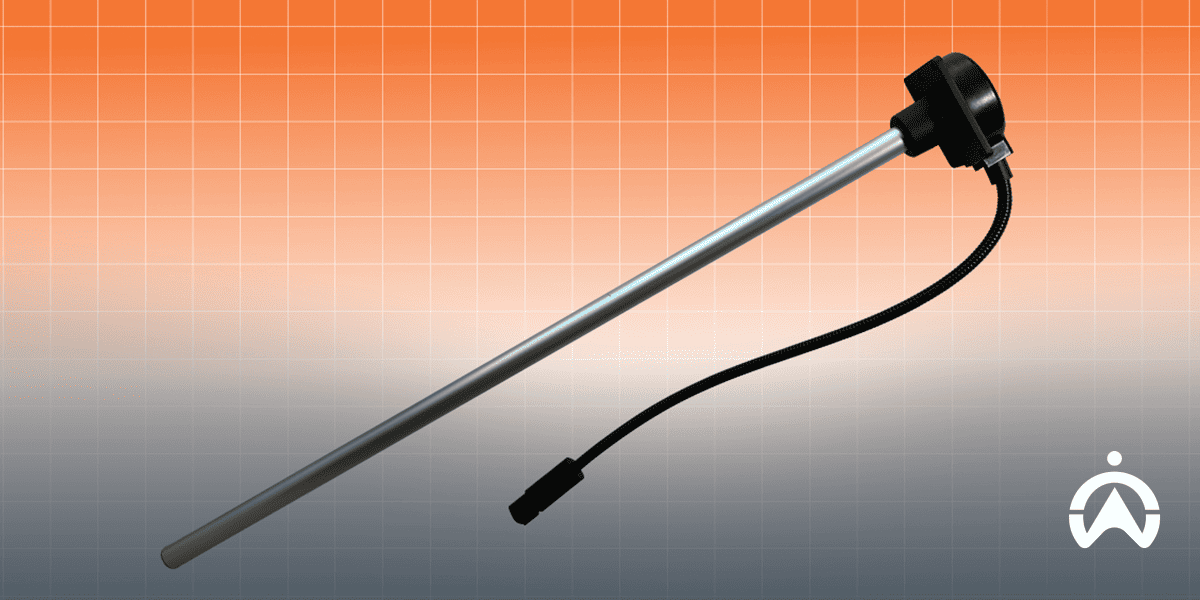
probe - fuel sensor

  fuel efficiency relates to how effectively a vehicle processes energy and consumes fuel based on engine performance and other measurable factors, such as driving style, habits  idling (engine running while idling), speeding habits, vehicle type, and use of additional technology on the vehicle. 

Practically, focusing on improving fuel economy    fuel efficiency is very important in fleet management because simple changes to fuel governance can help your business: 

  • Increasing Cost Savings
    Fleet companies must take into account fuel economy Vehicles are carefully managed to adapt to monthly fuel price adjustments and prevent budget overruns. By implementing fuel consumption reduction strategies, businesses can significantly reduce fuel costs while ensuring a return on investment (return on investment) from motorbikes, cars, trucks, to heavy equipment owned. 
  • Reducing Impact on the Environment
    Fuel efficiency is closely linked to your fleet's environmental impact. For businesses in the transportation and logistics sector, greenhouse gas emissions and pollution are key concerns. By implementing more fuel-efficient measures or retrofitting their fleets with more economical vehicles, companies are contributing to a more sustainable future. 
  • Maximizing Driver Productivity
    Some driver habits can lead to unnecessary fuel consumption and reduce productivity. A 2021 research study on driver awareness of fuel-saving factors showed that many drivers underestimate the influence of engine speed and driving conditions.  idling, and the impact of unloaded vehicles on fuel consumption. By prioritizing fuel efficiency, you can significantly impact overall operational productivity. 
  • Improving Fleet Visibility and Management
    The right fleet management system makes it easier for your business to monitor fuel usage liter by liter and improve overall fuel efficiency. This allows you to identify areas for improvement to optimize fuel consumption. fuel economy Fleet. By implementing a fleet management system, your business gains complete control over every moving asset (as well as static assets like heavy equipment). 

Ready to optimize fuel economy and achieve peak fuel efficiency in your fleet? Check out these five strategies from Cartrack.

5 New Strategies to Improve Fuel Efficiency

Building a more economical and efficient fleet offers many benefits. The following strategies are designed to simplify the process:

Strategy #1: Implement Fleet Telematics and Management Software

Telematics technology and    Fleet management and fleet management are two crucial elements for improving fuel efficiency. These two smart technologies are a great starting point for any business focused on fleet improvement. With telematics technology, you can track vehicles and drivers in real time.   as well as notifications when there is engine damage or risky behavior, such as speeding and  idling excessive. 

This data is captured instantly and accessible through the Cartrack fleet management platform. This allows you to manage all your vehicles on one platform and analyze telematics data, both for individual vehicles and overall fleet performance, to identify areas for improvement. 

Cartrack Telematics and Management Software

GPS telematics helps you identify inefficiencies across your fleet, such as vehicle technical issues,  idling, and less precise route determination. 

  • Telematics GPS Tracking: Fleet managers know the exact location of their vehicles and equipment, providing full visibility into vehicle and driver activity. 
  • Software Based Cloud: Our FleetWeb platform and Cartrack App are based on   makes it easier for fleet managers to perform live tracking, update data, access reports, and receive notifications from anywhere to streamline workflows. 

Strategy #2: Using a Fuel Management System (Fuel Management System)

Instead of manually calculating your fleet's fuel consumption or estimating your vehicle's fuel efficiency, using a fuel management system is a smarter and more accurate way. 

A fuel management system refers to the process of monitoring, managing, and improving a fleet's fuel usage and costs. This system utilizes hardware in the form of a fuel sensor,    telematics, as well as    accounting to monitor fuel usage   and calculate efficiency through data-driven reports. 

gasoline management system to be more efficient

Benefits of Cartrack Fuel Management Solutions

Cartrack's advanced technology helps you identify your vehicle's needs and areas that require improvement. 

  • Fuel Sensors and Hardware: With up to three types of sensor options available at Cartrack, you can accurately monitor your fleet's fuel volume to understand its consumption and efficiency levels. 
  • Special Reports and Fuel Analysis: Create, download, and automate custom fuel reports for different vehicle types or groups over a specific timeframe to make data-driven decisions. Fleet managers can also receive instant notifications on fuel waste indicators, such as  idling and speeding. 

Strategy #3: Use a Fuel-Efficient Vehicle

Survey by Fleet Advantage revealed that 40.7% of businesses placed increasing fuel economy as a major driving factor in purchasing new trucks. Advances in vehicle technology have encouraged many companies to operate mixed-energy fleets (mixed-energy fleet), where electric trucks (EVs) and hybrid vehicles are becoming increasingly popular. 

Fuel-efficient vehicles can travel longer distances using less fuel. Therefore, investing in fuel-efficient cars, trucks, and heavy equipment is well worth it. This helps reduce operational costs, improves environmental sustainability, and reduces emissions.    vehicles, while providing a competitive advantage for your business in the eyes of customers who care about environmental issues. 

Cartrack Fleet Management for Environmental Sustainability

Our software helps you manage your mixed energy fleet and track CO₂ emissions to achieve your company's sustainability targets:  

  • Report Eco-Driving: This special report assesses environmentally friendly driving habits based on distance traveled, duration  idling, speed levels, and rough driving habits to measure the efficiency and environmental impact of your fleet. 
  • Vehicle Maintenance History Report: Presenting detailed service and repair history data, which fleet managers can use as a basis for consideration when wanting to rejuvenate vehicles with more fuel-efficient models. 

Strategy #4: Monitor and Correct Driver Behavior

Investing in driver capacity building is just as important as investing in new vehicles. Skilled and motivated drivers have been proven to improve productivity, efficiency, and operational safety.

Driver education on the importance of prudent driving practices and fuel consumption is crucial. Furthermore, monitoring also helps detect potential fraud such as vehicle misuse, fuel theft or embezzlement, and route deviations for personal gain.

Driver Monitoring for Fuel Efficiency with Cartrack

Take strict action against careless driving habits that lead to component wear and fuel wastage:

  • Driver ID Tag (Driver ID): Helps identify who is driving a company vehicle at any given time, thereby increasing accountability and detecting route deviations through the Trip Summary Report (Trip Summary Report).
  • Cartrack Driver Scorecard: Conceptual evaluation method gamification which assesses the driver's performance on the road. The score will be reduced if the driver accelerates suddenly, brakes hard, or  idling too long. This data is very useful as driver training material.
  • Driver Behavior Report: Provide specific details about each individual's driving habits to help you train them to implement more efficient driving techniques.

Strategy #5: Improve Fleet Vehicle Maintenance

Regular maintenance on vehicles and heavy equipment helps prevent    unplanned maintenance while maintaining optimal fuel efficiency. Ensuring vehicles are always in top condition allows even older units to operate efficiently.

Educate staff and drivers about the importance of regular oil changes and tire pressure checks. Additionally, utilize telematics data.   to detect potential engine problems before they develop into serious, costly damage.

Preventive Care (Preventative Maintenance) for fuel efficiency

Cartrack software helps track maintenance history, upcoming service schedules, and cost estimates through features such as:

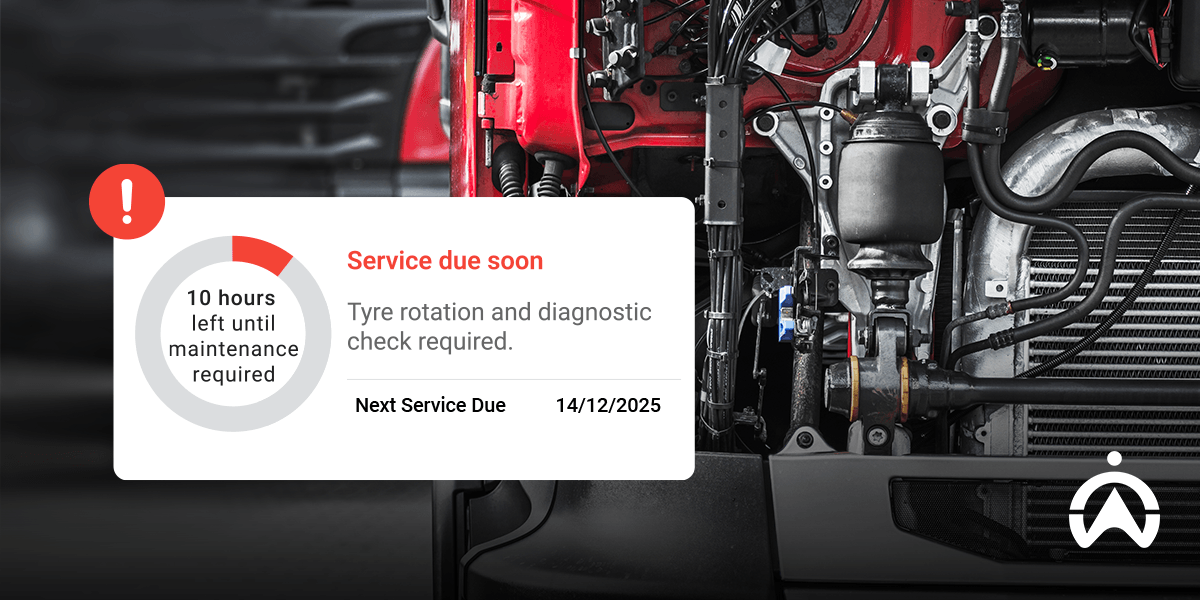
  • Maintenance Reminder (Maintenance Reminders): Set a service schedule based on machine working hours or previous service data, so the system will provide automatic notifications before the next service schedule.
  • Cartrack MiFleet:   cost management and accounting that makes it easier to manage budgets for maintenance, repairs, and vehicle transfers (towing), tire replacement, and other operational costs to keep them under control. 

Improve Fuel Economy    Fuel Efficiency Your Fleet with Cartrack

Telematics-based fuel monitoring solutions help you achieve measurable fuel efficiency, regardless of the type of vehicle or engine you use. 

Contact us now for a live demonstration of the Cartrack Fuel Monitoring System!

EV Pros and Cons: What You Need to Know

What are the biggest advantages and disadvantages of electric vehicles (EVs)? Understand the pros and cons to build a balanced perspective. 

Advantages

Emission Reduction

One of the main reasons why electric vehicles are becoming more and more popular on roads around the world is because EVs offer a real solution to combating climate change with much lower levels of harmful emissions. 

Energy Efficiency

When it comes to converting electricity or gasoline into energy, the conversion rate of electricity is much higher, making it more efficient. While gasoline vehicles only convert about 12% to 30% of the energy stored in gasoline into propulsion, EVs can convert over 77% of the energy from the electricity grid into vehicle power. This makes EVs the most logical choice for energy-efficient vehicles.

Lower Fuel & Basic Maintenance Costs

Are EV fuel costs really lower? In fact, EVs do not use the type of fuel that requires weekly refuelling. Furthermore, electric vehicles do not require fluids like engine oil, as they utilise regenerative braking systems that reduce brake wear.

Quieter Ride with Instant Torque

Powered by a battery rather than a conventional engine, EVs generate minimal noise, creating a comfortable driving experience. EV torque is produced by magnetic fields and electric current, unlike the combustion of fuel and crankshaft rotation, which take longer to generate power.

To illustrate, let's compare the Tesla Model 3 Performance to the high-performance Audi RS3. While the Audi's 0-60 mph acceleration takes just under four seconds, the Tesla surpasses it with an impressive 3.1 seconds. 

Disadvantages

Environmental Impact of Manufacturing Processes

Although operating an EV produces very minimal harmful emissions, there is debate about the environmental impact of their manufacturing process. Electric vehicle batteries require lithium mining, which can lead to carbon emissions, habitat destruction, and pollution. However, climate change activists consider this an inevitable consequence of achieving the ultimate goal of Net Zero.

EV Energy Source Limitations

One of the major challenges facing EV drivers is limited energy availability—specifically, a scarcity of charging stations. Much like the fuel tank of a conventional internal combustion engine (ICE) vehicle, which can run dry and requires refilling, an electric vehicle's battery must be charged to continue the journey. If there are insufficient charging stations, the battery could run out of power with no option to recharge, leaving the driver at risk of breaking down on the road.

Relatively Expensive Price

Because EVs are not yet mass-produced on the same scale as conventional vehicles, their production costs are generally still high. Furthermore, manufacturing lithium-ion batteries and electric motors is significantly more expensive than manufacturing internal combustion engines. As technology advances, this situation is expected to change, making EVs more affordable in the future.

Limited Mileage

The range of an electric vehicle depends greatly on brand and model. While some EVs have a decent range, others require frequent charging, making them less practical for long-distance trips. Ultimately, gasoline or diesel vehicles still offer slightly more range flexibility, as well as a much greater availability of fueling stations along the route.

Monitoring of EV excess and shortage on port heavy equipment using smartphones in the container area.

Which Vehicle Brands Produce Electric Cars?

With the rapid evolution of the EV sector, you might be surprised by the sheer number of electric vehicle manufacturers today. While many of us are familiar only with well-known brands, there is an entire ecosystem of new EV brands waiting to be explored. Here is a mix of new and established brands producing today's most popular EV models:

  • Tesla
  • WORLD
  • Rivian
  • Kia / Hyundai
  • General Motors
  • Lucid
  • Ford
  • Mercedes-Benz
  • BMW
  • Fiat
  • Alfa Romeo
  • Ferrari
  • Toyota

Other key brands involved in the manufacturing and development of electric batteries, charging stations, and EV-related technologies include Volta Charging, Electra Vehicles, WiTricity, and Proterra Inc.

Origins and History of EVs

Looking at the ultra-modern exterior design of electric vehicles, it might seem impossible to imagine that these machines have actually been around for almost two centuries. The first EV prototype was built in 1835, although in the late 19th and much of the 20th century, conventional (ICE) vehicles took center stage because mass production of internal combustion engines was much cheaper at the time. 

The following is a description of the history of the development of electric vehicles: 

  • The first full-sized version of the EV was developed in 1832.
  • The first production electric car was built by Thomas Parker using a high-capacity rechargeable battery.
  • In 1996, General Motors created one of the most famous EVs of its time, the EV1.
  • EVs finally really took off in the 21st century driven by the need to reduce CO₂ emissions.
  • Currently, Tesla is one of the most popular EV brands, while global brands such as Toyota, Ford, BMW, and Nissan are also launching their own EV models.

Environmental Need for Electric Vehicles

Although the invention of electric vehicles occurred nearly 200 years ago, the need for alternatives to conventional vehicles has only recently reached its peak. Climate change plays a significant role in global policy and the urgency of protecting the planet.

Climate Change Affects Energy Efficiency

The impact of climate change on energy efficiency is undeniable. As our planet warms, energy systems become increasingly vulnerable, highlighting the crucial role of energy efficiency in mitigating climate change. By reducing energy consumption and emissions, we can alleviate pressure on the environment and meet the challenges of a changing climate.

Badan Perlindungan Lingkungan AS (US EPA) menekankan hubungan ini dengan mengoperasionalkan efisiensi energi sebagai “cara paling hemat biaya untuk mengatasi perubahan iklim.” Dalam banyak kasus, langkah-langkah efisiensi terbukti mampu mengurangi pemborosan energi, menghemat uang, dan memfasilitasi ekspansi sumber energi terbarukan. Hal ini menjadikan efisiensi energi sebagai strategi kunci untuk mengatasi perubahan iklim serta dampaknya yang lebih luas terhadap lingkungan, ekonomi, dan kesehatan manusia.

What is Net Zero?

Imagine a world where the greenhouse gases we emit are balanced by the amount we remove from the atmosphere, creating a stable equilibrium. That is the essence of Net Zero—a crucial target for combating climate change. It is an effort to reduce greenhouse gas emissions to as close to zero as possible. This involves two key strategies:

  1. Emission Reduction: We need to drastically reduce the amount of greenhouse gases released into the atmosphere. This means transitioning away from fossil fuels, investing in energy efficiency, and implementing sustainable practices across industries.
  2. Emission Absorption: Even with significant reductions, some emissions will inevitably remain. Net Zero acknowledges this and seeks to balance the equation by removing those residual emissions from the atmosphere. Technologies such as tree planting and carbon capture continue to be developed to achieve this.

Achieving net zero is a global challenge that continues to gain momentum. The UK has set an ambitious target to reach net zero by 2050, and many other countries are following suit. This collective action reflects a growing understanding of the urgency of adopting more energy-efficient modes of travel.

A bird's-eye view of two cars on a straight road, illustrating the advantages and disadvantages of EV driving.

Are EVs Right for Your Fleet? 3 Reasons Why You Should Consider Switching to a Green Fleet

Since the rise in popularity of electric vehicles, EVs have also begun to be implemented in business fleet operations around the world. Here are reasons why transitioning to electric vehicles offers significant benefits for your business:

Eliminate Fuel Costs

For fleet managers, fueling is often a major concern due to fluctuating fuel prices and ever-increasing expenses. Budget control is a constant challenge, and switching to EVs offers a promising solution to lower fuel costs. 

Fleet Maintenance Cost Reduction

Beyond simply cutting fuel costs, EVs revolutionise fleet maintenance management. Minimal reliance on engine fluids translates to reduced downtime and lower maintenance expenses, particularly for large-scale fleets. Furthermore, real-time data and proactive maintenance keep your EVs operating at peak performance, maximising uptime and driving business growth—all while upholding eco-friendly principles. This transition is not merely a switch in fuel sources; it is a strategic shift toward cost efficiency.

Vehicle Efficiency Improvement

EVs offer a key advantage for the transportation, logistics, and trucking sectors: instant torque. Although diesel engines possess significant power, they cannot match the immediate acceleration from a standstill provided by electric motors.

This offers significant benefits for your fleet. Large trucks can reach faster cruising speeds with more efficient starting power, resulting in significant savings in charging costs. Whether transporting passengers or goods, instant torque is directly proportional to efficiency and economy. 

Cartrack Helps You Develop a Greener Fleet

Cartrack's leading fleet management technology continues to evolve, and we're ready to embrace the future with features designed to help you optimise EV implementation in your fleet. 

Be Proactive About EV Maintenance and Optimise Your Savings

 Cartrack's fleet platform allows you to run a strict predictive maintenance schedule to prevent unexpected breakdowns, costly repairs and    Vehicles, whether ICE, EV, or a combination of both, require regular maintenance. Adhering to a regular maintenance routine significantly reduces operational costs, simplifies budgeting, and allocates funds for other fleet needs.

For example, instead of conventional engine maintenance, monitoring the health and lifespan of EV batteries is crucial because battery replacement is expensive. Dedicated telematics data provides up-to-date information on your EV's health. This fleet management platform also offers valuable insights by providing accurate data on vehicle condition, engine performance, and driver behaviour. Meanwhile, the dedicated MiFleet platform helps you manage all fleet operating costs, including registration and licensing fees, to ensure legal compliance and avoid late payment fines.

Free From Distance Anxiety (Range Anxiety) And Downtime Vehicle

While recharging with gasoline or diesel can be done quickly, charging an EV takes time, and extreme temperatures can extend the charging time. In the context of fleet operations, charging time is the same as    vehicles that impact operations.

Cartrack’s fleet management platform helps you achieve greater time efficiency by optimising all operational aspects through advanced route planning and optimisation features, which also allow for routing that incorporates critical charging stations. Additionally, you can integrate charging times into your fleet workflow, monitor EV battery levels in real-time, and stay informed about range status to prevent fleet vehicles from becoming stranded due to a depleted battery.

If you're ready to add EVs to your business fleet, we're ready to maximise your eco-friendly fleet system. Contact Cartrack today and choose the most sustainable fleet management solution! 

City vs Motorway Driving: Effective Ways to Save Fuel

Fuel consumption is affected by the type of roads your vehicle travels on a daily basis. Both busy city streets and relatively quiet toll roads present their own challenges. 

Therefore, you need a basic understanding of fuel consumption in urban areas and on highways to maximise fuel efficiency. Additionally, you can reduce fuel costs through Cartrack software and routine fleet maintenance.

City Driving vs. Highway Driving: Which is More Fuel Efficient?

Each road has a different impact on your vehicle's fuel consumption. 

You likely frequently dispatch your fleet to deliver goods and packages along various routes. Have you ever compared the fuel consumption of vehicles traveling from urban to suburban areas with those traveling on toll roads to factories/warehouses? 

If you've ever driven a car, you'll find that driving on city streets puts a greater strain on your vehicle. This applies not only to fuel consumption but also to component wear and tear. The engine works harder when navigating city streets, changing speeds, decelerating, and even coming to a complete stop at intersections. 

Let's take a look at what makes these two types of routes have such a different impact on your fuel efficiency: 

Driving on City Streets

Urban routes are filled with short stretches of road separated by intersections, pedestrian crossings, traffic lights, and the like. Here are the factors that affect your fuel consumption:

  • Stop-and-Go Driving Patterns: Every time you yield at a zebra crossing or slow down for speed bumps, the engine expends energy to decelerate and then accelerate again, placing an extra load on the engine. Issues such as power outages that disable traffic lights can also increase the frequency of slowing down or stopping due to congestion, thereby triggering higher fuel consumption.
  • Traffic Lights and Stop Signs: Sudden acceleration after coming to a complete stop can significantly impact fuel consumption. Similarly, frequently stopping at red lights leads to unnecessary idling (keeping the engine running while stationary). Allowing the engine to idle for two minutes can consume as much fuel as driving a distance of one kilometre.
  • Driver Behaviour in Urban Infrastructure: The way you drive affects how much fuel you use. Risky driving behaviours such as sudden acceleration, sharp turns, or sudden braking can negatively impact fuel efficiency.

Driving on an Empty Highway

A quiet highway is kinder to your fuel tank, but there are still a few pitfalls that can affect efficiency:

  • Maintaining a Constant Speed ​​Over Long Distances: Driving at a steady, moderate speed within highway limits is far more fuel-efficient than frequently shifting gears to accelerate or decelerate. Using cruise control is highly recommended for long-distance highway driving to further enhance efficiency.
  • Vehicle Weight: Vehicle weight and the cargo it carries significantly impact fuel consumption. The heavier your vehicle, the more fuel it requires to maintain highway speeds. Reducing the load or using a vehicle better suited to handle the extra weight can improve fuel efficiency.
  • Rush Hour Congestion: If you drive during peak hours, traffic jams on the toll road can cause vehicles to be held up for extended periods, resulting in idling and stop-and-go driving patterns.

Trucks pass on the toll road at sunset to save fuel while driving.

Impact on Engine Health: Which Field is Better for Your Engine?

Just as these two types of roads affect fuel consumption, they also affect the health of your car's engine. Consider the following points when planning your daily trips or fleet routes: 

Quiet Toll Road

Driving on a traffic-free toll road without a heavy load can have a positive impact on engine health. A steady speed with minimal gear changes or acceleration can reduce engine wear and reduce the engine's workload in producing power over long distances.

City Driving

This is where your engine works the hardest. City driving demands frequent acceleration and braking. This constant fluctuation in speed increases the load on the engine and causes significant wear, particularly on the spark plugs and timing belt. If your vehicle frequently operates in urban areas, extra maintenance is required to keep it running smoothly.

Mountain Roads

Winding mountain roads—which sometimes transition into off-road tracks—place significant demands on the engine. Ascending steep inclines requires substantial power. Such terrain is typically suited for heavy vehicles like trucks, which feature more powerful engines, rugged tires, high torque, and robust braking systems. Nevertheless, regular engine tuning and maintenance remain essential to minimise the impact of these conditions.

Implementing a preventive maintenance strategy can be an effective solution to avoid mounting repair bills caused by driving in urban or hilly terrain. Focus on oil and filter changes, and keep the engine clean of dirt and carbon buildup.

Types of Cars Suitable for Urban Areas vs. Highways

How do you determine which driving environment is best suited for your fleet? Whether your fleet consists of motorcycles or trucks, assigning the right vehicles to specific environments not only impacts efficiency and operations, but also fuel consumption.

City Driving

Compact cars, hatchbacks, SUVs, vans, and delivery motorcycles are well-suited for maneuvering through narrow streets, areas requiring frequent stops, and sharp turns. These vehicles are smaller, agile, and have smaller engine capacities.

Driving on the Toll Road

Large trucks, sedans, minivans, and SUVs are better suited for highway speeds and long-distance travel. These vehicles generally have larger engines, aerodynamic designs, and greater cruising range (cruising) which is comfortable.

Electric Vehicles (EVs)

This type of vehicle is well-suited for both environments. EVs come in various body styles, offer lower operating costs, and produce minimal emissions. Due to "range anxiety," drivers generally feel more comfortable using them in urban areas—where charging stations are readily available—or for short-distance highway trips.

Three white semitrailer trucks pass on the toll road to save fuel efficiently.

Whether on the city or on the highway, these tips will help you travel further and save money

Assigning the ideal vehicle type to a specific area is just the first step in saving fuel. While it can slow down consumption, there are additional efficiency tips and tricks you can apply: 

Maintain a Steady Speed ​​and Accelerate Slowly

It's easy to maintain a steady speed on the highway, but city streets require you to constantly accelerate and decelerate. Remember, your vehicle burns more fuel when decelerating and then suddenly accelerating from a stop. Try to take about 5 seconds to reach 20 km/h from a standstill, then maintain a steady speed.

The Faster You Go, the More Fuel You Burn

Get accurate reporting and a real time dashboard to help monitor your drivers working times to increase accountability and ensure you have enough vehicles on the road at all times. cruise control at a steady speed for longer distances on flat roads in the highest gear to reduce fuel consumption. The optimal speed for fuel efficiency in various vehicles (passenger cars, vans, pickups, and SUVs) is between 50 km/h and 80 km/h; beyond this limit, fuel consumption will increase sharply.

Reduce Idling (Engine Starts When Idle)

This is a major challenge, especially when city streets and highways are congested during rush hour. However, if the vehicle remains stationary for more than 60 seconds while delivering or loading goods, it is better to turn off the engine than to let it idle. In just 10 minutes, a vehicle with a 3-litre engine can consume up to 300 ml (more than one cup) of fuel while idling.

Use Safe Driving Techniques

Driving style significantly impacts efficiency. Unsafe driving habits such as speeding, sudden acceleration, hard braking, or harsh cornering not only impair fuel efficiency but also accelerate component wear, leading to increased maintenance costs.

Don't Be Late in Doing Vehicle Maintenance

The better a vehicle's condition, the better its fuel efficiency. Adhering to scheduled service and regular maintenance ensures your vehicle performs as expected. Believe it or not, tire pressure also affects fuel consumption. Ensure your tires are inflated to the manufacturer's recommended pressure (usually listed on the driver's door pillar). 

By applying these tips, you will not only achieve fuel efficiency, but also enjoy the following benefits: 

  • Save fuel costs
  • Prevent premature wear of components
  • Reducing carbon dioxide (CO₂) emissions
  • Improving road safety
  • Extend the service life of the machine
  • Improve vehicle performance

How Cartrack Solutions Improve Fuel Management in Both Environments

Cartrack is recognised as the best vehicle tracking system by drivers who trust it for their fleet tracking and management solutions. Cartrack offers a comprehensive suite of features ready to transform your vehicles into an efficient and optimised fleet. 

Here's how Cartrack features can help you achieve your fuel efficiency goals on any route:

Fuel Monitoring

With Cartrack’s CANBus monitor and fuel sensors, managers can accurately monitor fleet fuel consumption using real-time data and precise fuel volume information.

Route Optimisation in Urban Areas (Route Optimisation)

Use Cartrack Delivery to navigate city streets. The Delivery feature optimises task management by providing shorter, more fuel-efficient routes while helping you avoid traffic congestion and other obstacles.

Driver Training with Driver Scorecard 

Encourage fuel-efficient driving habits by proactively monitoring driver behaviour through Driver Scorecards and reports. With this feature, you can track risky behaviours - such as speeding, harsh braking, sharp cornering, and idling - and use the resulting data for training purposes.

See for yourself how Cartrack can help improve your fleet's fuel consumption and cost efficiency. Contact Cartrack now for a free quote and live demo!


6 Roles of Wholesalers as Links Between Manufacturers and Retailers

Wholesale entrepreneur (wholesaler) is a crucial part of the distribution chain in the business world. They purchase goods in bulk directly from manufacturers or distributors to resell in smaller units. Their buyers are quite varied, including retailers, commercial industries, institutions, and direct product consumers.

The following are 6 functions performed by wholesaler in its trading activities.

1. Collector and keeper

Wholesalers purchase a wide variety of goods from several manufacturers before demand arises. They maintain large inventories and ensure that goods are consistently available to retailers. The time lag between the inflow and outflow of goods means that wholesalers also serve as storage facilities. Retailers can replenish their stock periodically by purchasing goods from these wholesalers.

2. Sorter, breaker and packer

Setelah membeli beragam jenis barang dari beberapa produsen, pengusaha grosir memilahnya sesuai ukuran, bentuk, kualitas, dll. Mereka kemudian membaginya menjadi lot yang lebih kecil. Beberapa bahkan mengemasnya kembali dan memasukkan merek mereka sendiri. Mereka melakukan fungsi penilaian dan standardisasi, memastikan pasokan berkualitas seragam untuk para pengecer.

3. Market analyst

Wholesalers monitor market conditions. They gather information from retailers about changing consumer tastes, fashions, and buying habits, which they can then pass on to manufacturers. They also conduct market surveys, comparing prices, quality, taste, purchasing power, competitors, and more. Based on their extensive knowledge of products from different manufacturers, they can also advise retailers.

Activities in the warehouse as a wholesaler role as a liaison between producers and retailers in managing stock of goods.

4. Price stabiliser and risk reduction

By predicting market conditions, demand, and tastes, wholesalers prepare to meet emerging demand. They help stabilise prices by ensuring supply meets demand. Not only do they stabilise prices, but they also help producers mitigate greater risks in the distribution process. Risks arise, for example, from changes in demand or damage to goods during storage. kerusakan barang saat dalam penyimpanan.

5. Capital provider

Pengusaha grosir membantu keuangan produsen dan pengecer. Untuk produsen, pengusaha grosir membeli barang dalam jumlah besar secara berkala dengan tunai, yang tentunya mendukung keberlanjutan usaha produsen. Mereka juga biasa memesan barang lebih awal untuk memenuhi permintaan yang melonjak, dengan membayar uang muka atau jaminan. Sementara untuk pengecer langganan, pedagang grosir terkadang menerima pembayaran secara cicilan.

6. Goods distributor and transportation provider

Wholesalers enable manufacturers to reach a wider range of consumers and locations. They transport goods from manufacturers to their own warehouses and subsequently to retailers. They even provide delivery services to reach more retailers and retain major clients, managing and maintaining their own fleets of transport vehicles for the movement of goods.

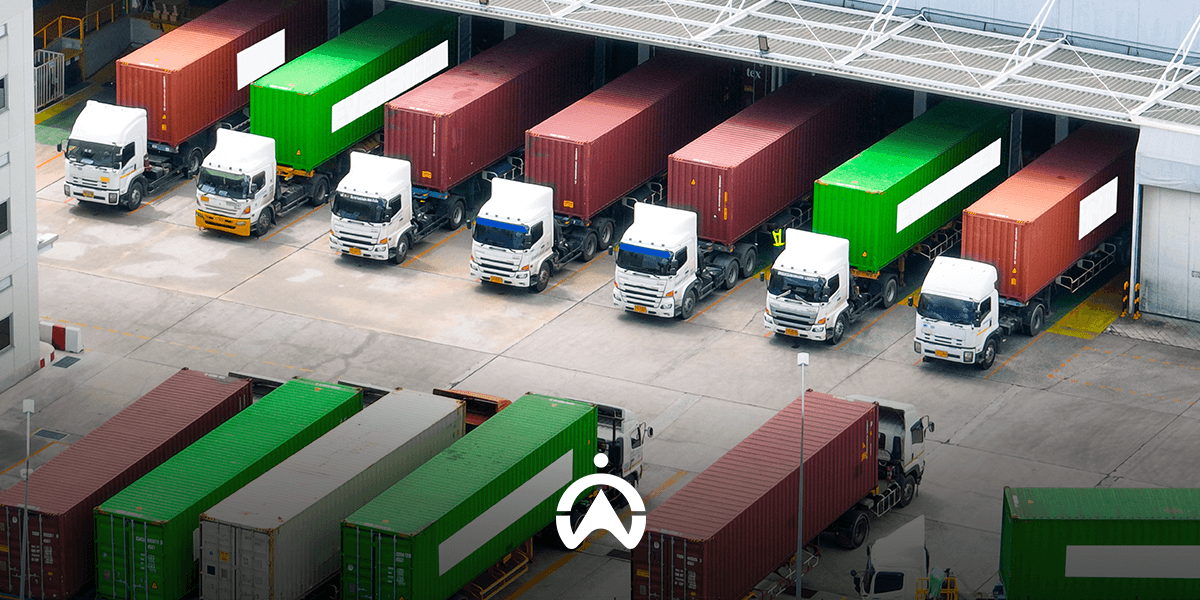
Wholesaler distribution trucks are parked in the warehouse as a link between producers and retailers.

Wholesale business owners require GPS trackers to help manage their transport vehicles and drivers. Beyond simply tracking vehicle locations, these owners can also monitor driver reliability and the security of their goods with the help of GPS trackers.

Wholesale business owners require GPS trackers to help manage their transport vehicles and drivers. Beyond simply tracking vehicle locations, these owners can also monitor driver reliability and the security of their goods with the help of GPS trackers.