
The Power and Benefits of Smart Mobility and Connected Cars

What is smart mobility?

Smart mobility focuses on creating efficient, environmentally friendly, and convenient urban transportation systems by integrating various advanced technologies and modes of transport. This revolutionary approach to transportation goes beyond simply moving people and goods from point A to point B; it's about optimising the transportation ecosystem for greater accessibility, safety, and environmental responsibility. It aims to secure a smarter, cleaner, and fairer transportation future for everyone.

What is smart mobility for fleets?

In the fleet context, smart mobility leverages advanced technology to optimise fleet transportation systems and services. This involves the use of connected devices to collect real-time data on vehicle location, condition, and driver behaviour. This data empowers fleet managers with insights that can be useful for action and help them make decisions to optimise fleet operations.

What are the keys to smart mobility for fleets?

Smart mobility in fleet management includes the entire technology ecosystem and approaches aimed at revolutionising the way we travel.

Here are some key aspects of smart mobility:

Telematics

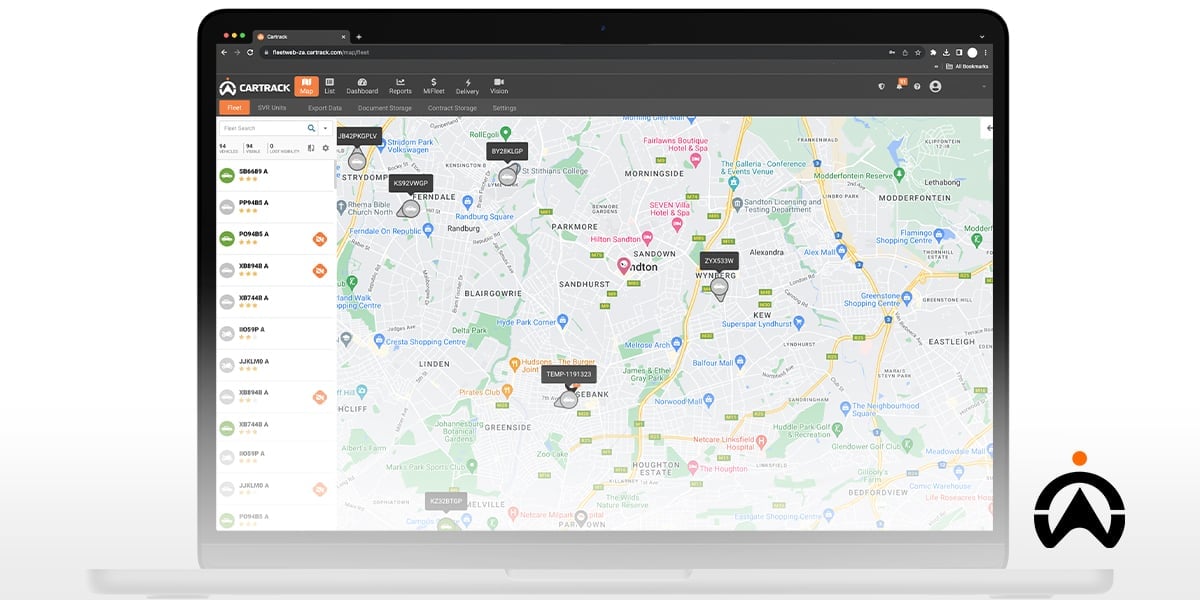
Telematics refers to the integration of telecommunications and information technology designed to collect, transmit, and analyse data. It is a crucial component of smart mobility in the fleet context, as it provides comprehensive solutions for in-depth fleet monitoring. Fleet management systems use telematics systems to track and monitor multiple vehicles, providing valuable data on key fleet metrics such as driver behaviour and vehicle performance.

Internet of Things (IoT)

IoT refers to a network of connected devices and vehicles equipped with sensors, software, and connectivity. The use of these interconnected devices and sensors works to seamlessly collect and transmit data from vehicles, drivers, and other fleet assets. IoT technology in fleet management is crucial for real-time data monitoring. This data can then be analysed and used to optimise fleet operations, improve fleet safety, reduce operational costs, and boost customer satisfaction.

Artificial Intelligence (AI)

AI refers to the use of machine learning algorithms and predictive analytics to analyse the large volumes of data generated by telematics devices and sensors installed in vehicles. By collecting data from connected vehicles, AI technology helps fleet managers spot problem areas before they become issues, create real-time training, optimise maintenance operations, and improve driver safety and accountability.  , mengoptimalkan operasi pemeliharaan, dan meningkatkan keselamatan dan akuntabilitas pengemudi.

Data analytics

Data analytics refers to the collection, processing, and analysis of large and complex datasets to generate insights, patterns, and predictions. This data can help improve various aspects of fleet management in several ways, including route optimisation, preventive maintenance, fuel efficiency, and monitoring driver behaviour. The core goal of smart mobility is to optimise fleet operations by integrating advanced technology and innovative solutions. One of the main keys to achieving this is connected vehicle integration.

What is a connected vehicle?

Connected vehicles, also known as “smart cars,” are vehicles integrated with advanced data and communication technology. This allows them to collect and transmit real-time data about various aspects of their operations. By using this data, along with advanced algorithms and artificial intelligence, fleet managers can optimise and enhance their safety and operational efficiency. Using sensors and communication systems, connected vehicles can communicate with other devices and systems outside the vehicle as well as share data with other vehicles.
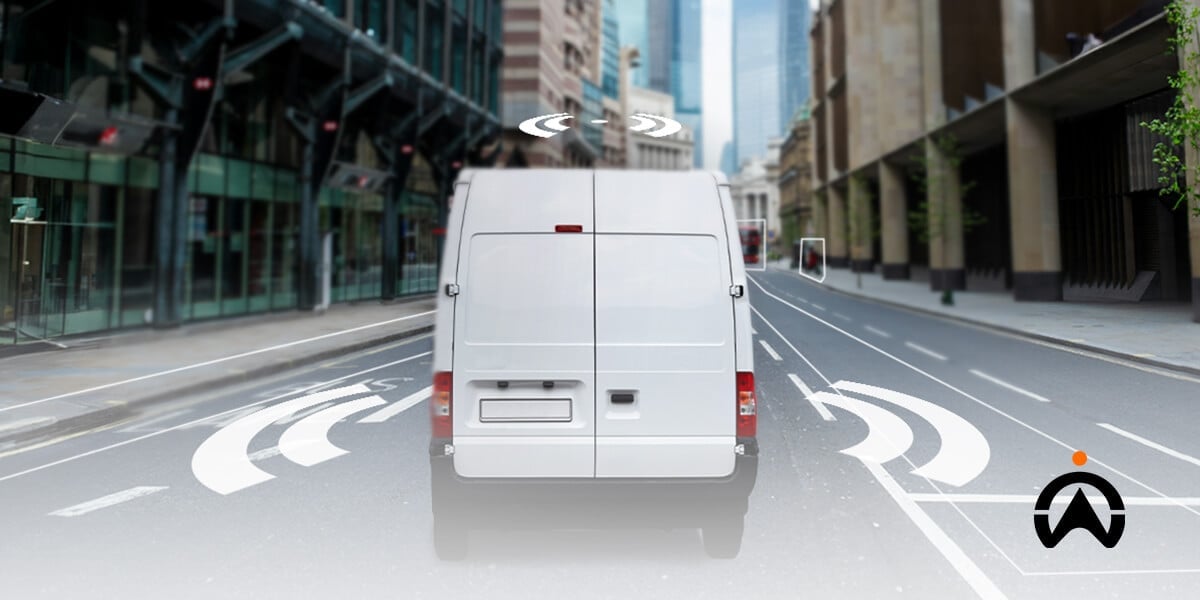
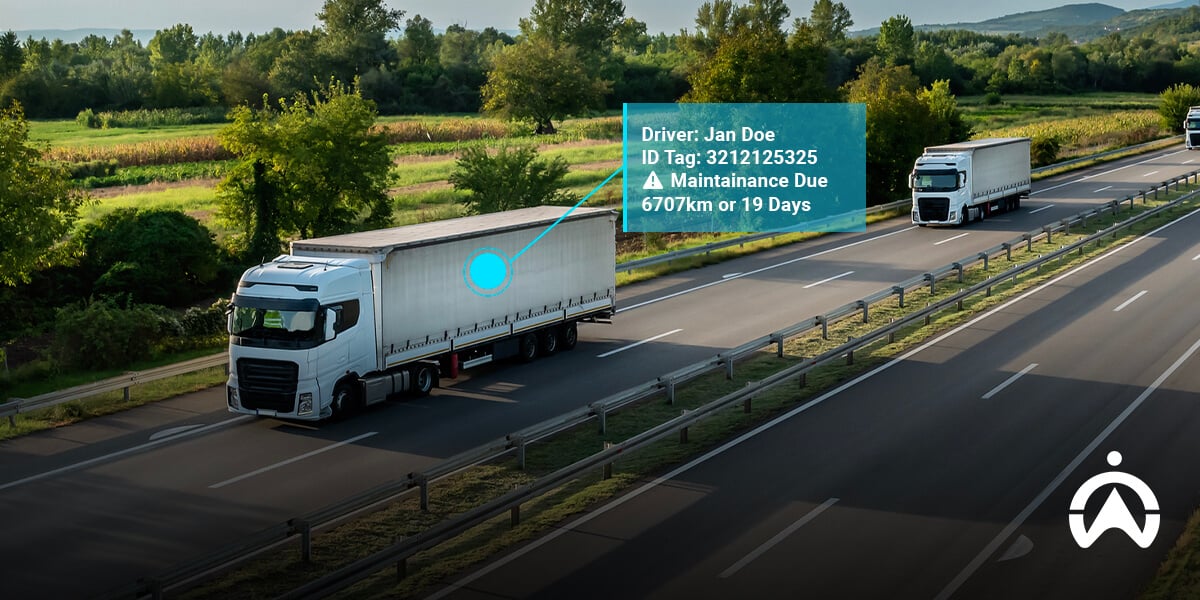
Sensor mobilitas pintar pada mobil terkoneksi yang melaju di jalan raya kota.

Why do fleets need connected vehicles?

The goal of connected vehicles is not only to collect and transmit their data to the cloud but also to record data from their environment. By leveraging embedded sensors and communication technologies that enable continuous interaction between vehicles, infrastructure, and fleet management systems, these vehicles can help fleets achieve:

Promoting optimisation and efficiency

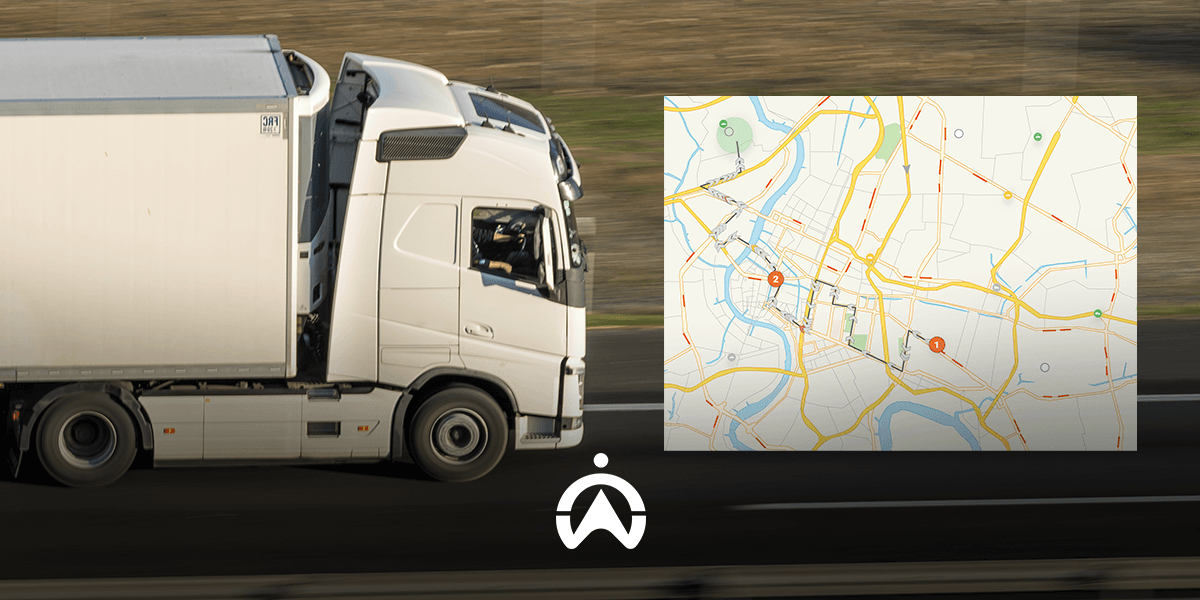
By using real-time data, fleet managers can optimise operations on the fly, avoid traffic jams, and pinpoint the most efficient routes for deliveries or services. This real-time data also helps enable predictive maintenance by constantly monitoring vehicle health, allowing for proactive maintenance or repairs before breakdowns occur.

Improve security and compliance

Connected vehicles facilitate better driver management by monitoring driver behaviours such as sudden braking, high speeds, or idling, enabling training interventions to improve overall fleet safety.

Improved customer service

Connected vehicles gain real-time visibility of the location and estimated time of arrival of their goods or services, helping to drive transparency and reliability.

Boosting fleet visibility and control

Fleet managers get up-to-date and comprehensive insight into the activity of their entire fleet. Enhanced visibility allows for precise tracking of their vehicles, real-time monitoring of schedule compliance, and optimised routes to improve efficiency.   terhadap kepatuhan jadwal, dan rute yang dioptimalkan untuk meningkatkan efisiensi.

Is there a relationship between connected vehicles and electric vehicles?

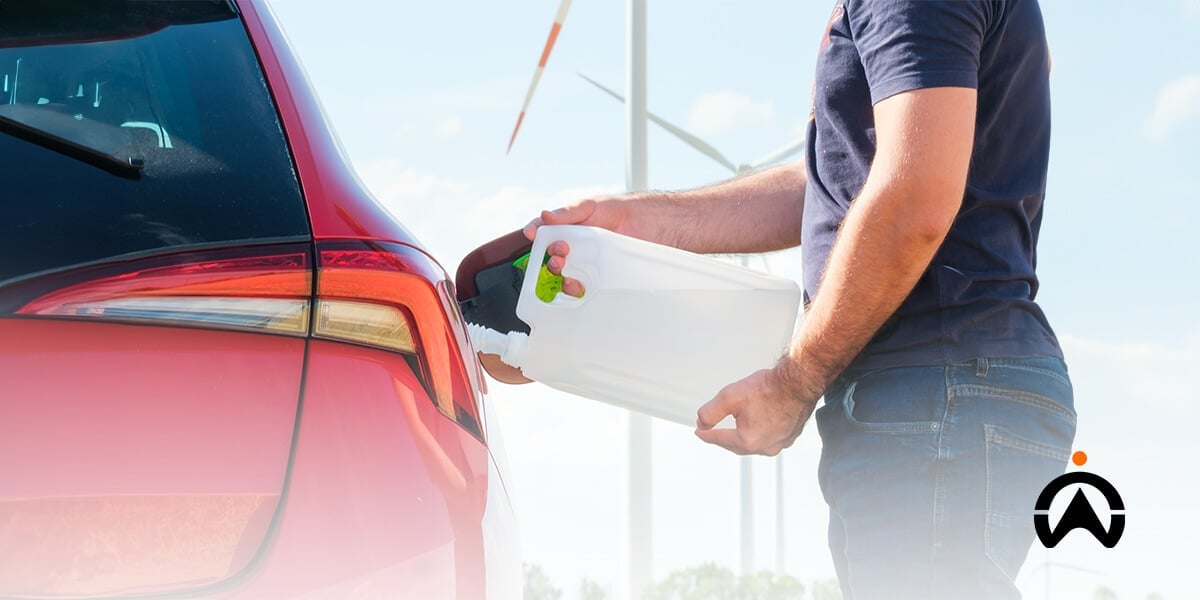
The fleet industry is seeing the rise of electric vehicles, and yes, there is a connection between connected vehicles and electric vehicles. These two technologies are linked and support each other. Connected vehicles are always online, enabling features such as cloud updates, remote operation of vehicle functions, and real-time data sharing.

Connectivity is not only beneficial for conventional vehicles but also plays a crucial role in the advancement of electric vehicles, which are beginning to dominate the fleet industry. For example, connected vehicles can provide EV drivers with critical information such as charging status, allowing them to conveniently check their vehicle's battery level from their mobile phones and schedule charging times that align with their delivery schedules.
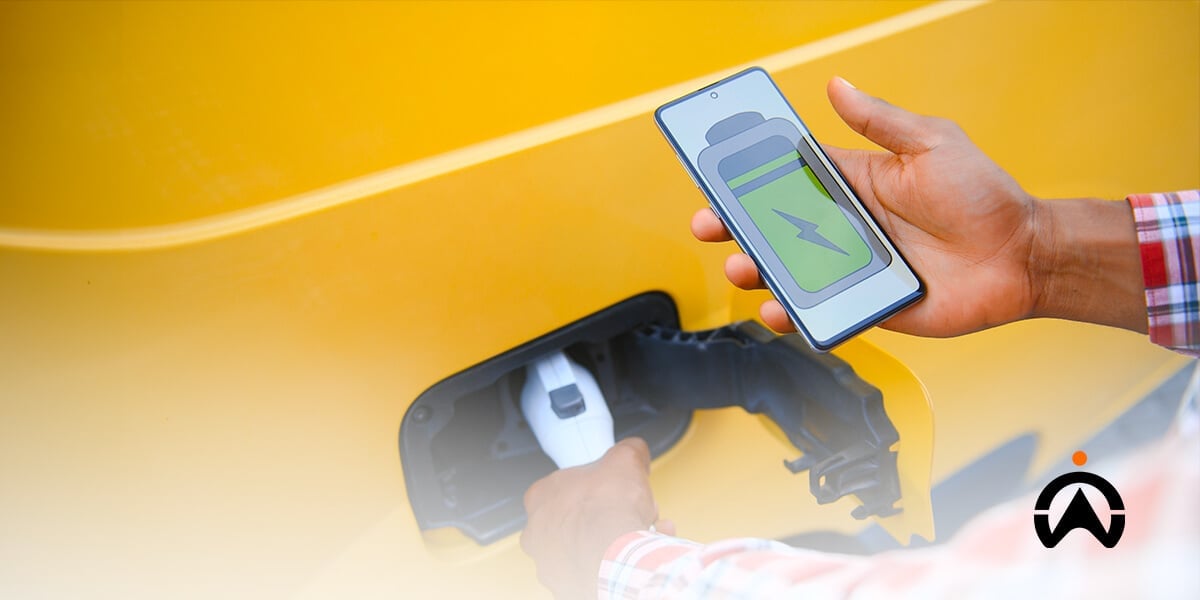
Is there a connection between connected vehicles and electric vehicles?

What is the role of smart mobility in connected vehicles?

Smart mobility plays a crucial role in connected vehicles, leveraging advanced connectivity and technology to optimise transportation systems, reduce congestion, improve safety, and create a more sustainable future. Here are some of the roles smart mobility plays in connected vehicles:

Enhancing cooperative driving

V2V (vehicle-to-vehicle) and V2I (vehicle-to-infrastructure) communication are technologies seen in connected vehicles. They allow them to talk to each other using short-range radio waves, helping them swap information about speed, position, and route planning. This communication plays an important role in preventing collisions. As a result, it reduces the risk of crashes and prevents potential accidents by enabling a more aware and responsive driving environment.

Improving fleet safety

With connected vehicles, smart mobility creates a safer environment. Real-time communication between these vehicles significantly reduces the risk of accidents. By using technology, we can prevent accidents through real-time communication and driver assistance tech to cut down on human errors.

Helping in precise route planning

Smart mobility solutions analyse data from various sources, such as GPS, traffic cameras, and weather forecasts. This data-driven approach enables connected vehicles to optimise routes, minimise travel time, reduce fuel consumption, and alleviate traffic congestion, which directly impacts the operational efficiency of connected vehicles.

Seamless Electric Vehicle Integration

The rise of electric vehicles demands a dedicated integration strategy within connected vehicle fleets. Smart mobility platforms can help by conveniently guiding EVs to charging stations and streamlining the charging process by scheduling it into daily fleet operations.

How does smart mobility optimise fleet operations?

Smart mobility has proven itself to be a transformational force that can significantly revolutionise the way operations are optimised and managed. Here's how smart mobility can help optimise fleet operations:

Optimising travel routes based on real-time road conditions

With advanced technology taking into account factors such as traffic, road conditions, and vehicle characteristics to plan efficient routes, smart mobility can perform rapid route planning and optimisation and significantly reduce travel time and fuel consumption.

Monitoring Driver Behaviour

Smart mobility facilitates driver monitoring and training through the integration of telematics systems. These systems track and analyse driver behaviour, examining aspects such as speed, braking patterns, and driver demeanor. Insights from these behaviours help drivers improve their habits, thereby promoting safer practices and reducing the likelihood of accidents.

Giving real-time GPS tracking access  

Dengan memanfaatkan kemampuan pelacakan GPS  , mobilitas pintar memberikan manajer armada visibilitas yang tepat ke lokasi dan pergerakan kendaraan armada mereka setiap saat. Ini memungkinkan pemantauan yang berkelanjutan dan meningkatkan efisiensi operasional armada dengan mengoptimalkan rute, meningkatkan penjadwalan, mempromosikan keselamatan, dan memastikan pengiriman tepat waktu.

Driving data-driven decision making

Smart mobility leverages data analytics to empower fleet managers with insights critical to fleet operations. By analysing vast amounts of data collected from connected vehicles, traffic patterns, and performance metrics, informed decisions can be made regarding maintenance schedules, vehicle utilisation, and resource allocation, leading to optimised fleet operations.

Enhancing overall fleet safety

Smart mobility puts fleet safety first by combining advanced safety features and real-time monitoring. By integrating driver alerts, collision avoidance systems, and automatic emergency braking, smart mobility takes a proactive role in reducing accidents and keeping both drivers and vehicles safe.

Maintaining the health and functionality of fleet vehicles

Smart mobility makes preventive maintenance easier by monitoring vehicle health in real time. Through predictive analytics and real-time monitoring, the system can detect vehicle problems before they become serious. This way, it can minimise vehicle downtime, cut repair costs, and extend the lifespan of fleet assets.

5 Cartrack Indonesia solutions help you achieve smart mobility through connected vehicles

Here's how:

1. Preventive maintenance

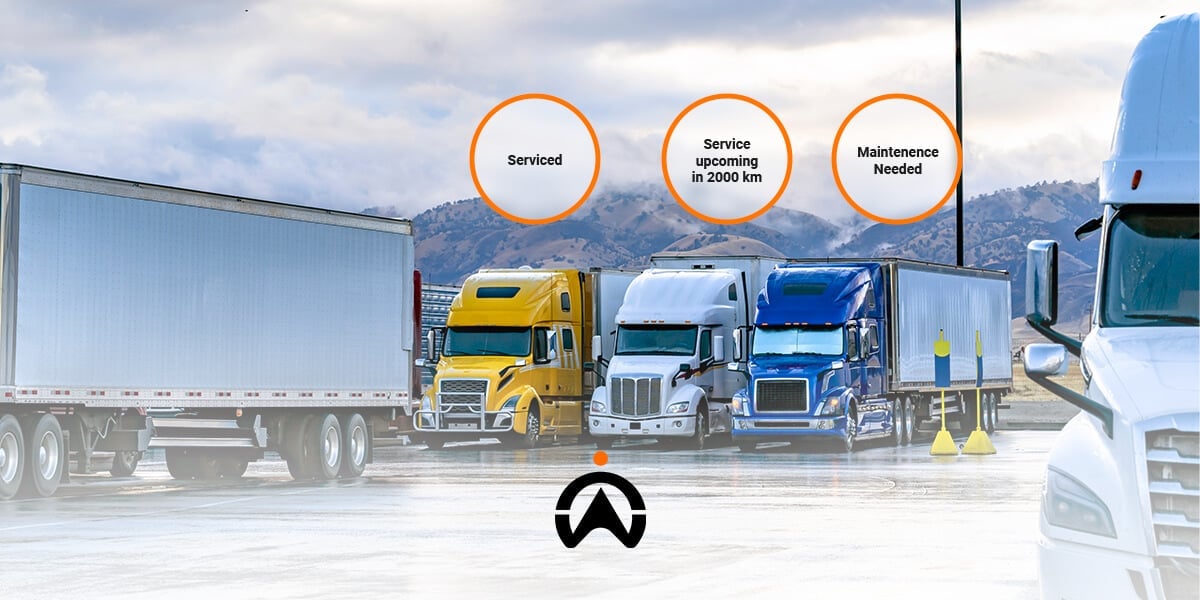
As an essential part of the fleet management platform, Cartrack Indonesia's preventive maintenance uses telematics and real-time vehicle diagnostics to enable proactive upkeep. This technology provides real-time alerts for engine faults, worn brakes, and oil and water fluctuations, allowing fleet managers to schedule vehicle maintenance in advance. By automating maintenance schedules and giving instant alerts, the platform helps keep vehicles healthy and minimises unplanned downtime. This proactive approach to maintenance aligns with smart mobility principles, using real-time data and advanced telematics to optimise vehicle health, enhance safety, and prevent disruptions, leading to a more efficient and sustainable fleet.

2. AI-based Camera

Make sure drivers are operating at their best with Cartrack Indonesia's AI Live Vision camera. It's a cloud-connected video management solution that boosts driver safety and provides real-time monitoring and alerts to both drivers and fleet managers. Powered by IoT (Internet of Things), AI-based and live streaming technology gives 24-hour visual access inside and outside the vehicle. Equipped with in-cabin audio alerts, this camera instantly notifies drivers about risky or unsafe driving behaviour (like speeding, phone use, smoking, and frequent yawning). These real-time< alerts help drivers immediately correct their behaviour to prevent accidents.

3. Advanced Driver Assistance System

Make sure drivers are always aware of their surroundings with Cartrack Indonesia's Advanced Driver Assistance System. By using sensors and cameras strategically placed around the vehicle, ADAS can record data about the surroundings, including obstacles and other vehicles. The collected data is processed in real-time and used to identify potential risks or hazards on the road using real-time safety features. This includes a forward collision warning, which alerts drivers when they approach obstacles or other vehicles too quickly, helping them avoid rear-end collisions. Other safety features include adaptive cruise control, which automatically adjusts the vehicle's speed to maintain a safe distance from the vehicle in front; blind spot detection that warns drivers of vehicles in their blind spots and helps reduce the risk of accidents when changing lanes.

4. Live real-time GPS tracking

Get full visibility and control over your fleet with Cartrack Indonesia's real-time GPS tracking. This technology is a key part of smart fleet mobility as it helps track your fleet and unlocks key security for vehicles and assets. Our solution uses GPS (Global Positioning System) technology, which helps you know exactly where your vehicles and drivers are. Using GPS technology is also useful for tracking distance travelled, rest durations, and idle time, which can be used for data-driven decision making.

5. Route optimisation

Prevent travel delays with Cartrack Indonesia's route optimisation feature. Available through the Cartrack Delivery app, route optimisation helps reduce travel delays, reduce fuel consumption, and maximise fleet productivity. By analysing distance, travel time, and real-time traffic and road conditions, this feature helps drivers find the best, deviation-free route so they can complete tasks/deliveries more timely.

Take advantage of smart mobility power with Cartrack! Contact Cartrack Indonesia now by clicking this link!
Monitor and Reduce Harsh Driving Behaviour with a Fleet Monitoring System

What Is Gravitational Force?

Gravitational force is defined as a measure of acceleration. When we stand on the ground, our weight and the force preventing us from floating are the gravitational force. This measurement is used to quantify acceleration, making it important across a range of industries, including aviation, the military, and the automotive sector. In the aviation world, gravitational force is how far you are pushed or pulled when accelerating, braking, or turning.

What Is Rough Driving?

Harsh driving can be defined as a sudden change in the direction or speed of a vehicle or truck that is traveling at a steady speed. This is often recorded as a sudden change in speed that can be monitored by an accelerometer, a device that measures changes in the speed or direction of a moving object (in this case, a vehicle).

When an accelerometer is at rest, it measures one G force, which is the gravitational force acting on it. When an accelerometer moves, it measures the difference between the gravitational force and the acceleration force acting on it. An accelerometer measures acceleration in meter per second squared (m/s²), and this can be converted to G-force by dividing the acceleration by the acceleration due to gravity (about 9.81 m/s²).

Accelerometers are widely used in transportation, including in airbags, where they detect sudden changes in a car's speed, signaling an impending collision, and triggering an electrical circuit that inflates the airbag.

How Does Gravity Relate to Rough Driving?

Rough driving behaviour is typically expressed in terms of G-forces due to its role in monitoring behaviour. This is done by measuring the magnitude of acceleration and deceleration experienced by a vehicle. Because rough driving exposes the vehicle to sudden changes in speed, direction, or both, sudden increases in G-forces experienced by the driver, passengers, and the vehicle itself are key indicators of rough driving.

Rough driving is expressed in terms of G-forces, because of their crucial role in measuring the amount of acceleration or deceleration experienced by a vehicle.

What Are The Forms of Rough Driving?

Abusive driving is a broad term used to describe a variety of driving behaviours. Here are the four most common forms of abusive driving:

  1. Hard braking: Harsh braking occurs when a driver uses more force than necessary to stop the vehicle. While there are some understandable situations where harsh braking is unavoidable (such as stopping to prevent an accident), unnecessarily harsh braking may indicate distracted driving, as it is a common effect of drivers failing to maintain a safe following distance. This increases the likelihood of a rear-end collision, as there is insufficient following distance to allow for sudden but safe deceleration.
  2. Hard acceleration: Accelerating hard occurs when a driver uses more power than necessary to move the vehicle after stopping. Often seen when a driver is waiting at a traffic light and presses the accelerator to get moving as quickly as possible, when a driver accelerates rapidly in an attempt to pass a traffic light, or when the driver is not paying attention to the flow of traffic and needs to move quickly, accelerating hard can indicate distracted driving. It often indicates a lack of focus, impatience, or an attempt to make up for lost time while not paying attention to traffic signals or the surrounding environment.
  3. Sharp turns: Sharp turns are defined as a driver accelerating while turning, causing them to turn too quickly. This is quite dangerous because it puts more stress on the vehicle's tires. This means a driver could lose complete control of the vehicle, causing an accident with another vehicle. Furthermore, it can cause tall vehicles to roll over. It also reduces visibility of the road beyond the turn, putting the driver at risk of encountering obstacles.
  4. Changing lanes: Lane drifting is defined as a driver inadvertently leaving their lane and crossing into another lane or onto the shoulder. When a driver takes their attention off the road, even momentarily, their chances of drifting significantly increase. This is dangerous, as it increases the likelihood of a collision with an adjacent vehicle and poses a risk to oncoming traffic. Lane drifting can indicate distracted driving, as taking your eyes off the road can lead to a lane change. Lane drifting can also indicate a lack of proper safety distance, increasing the risk of a rear-end collision.

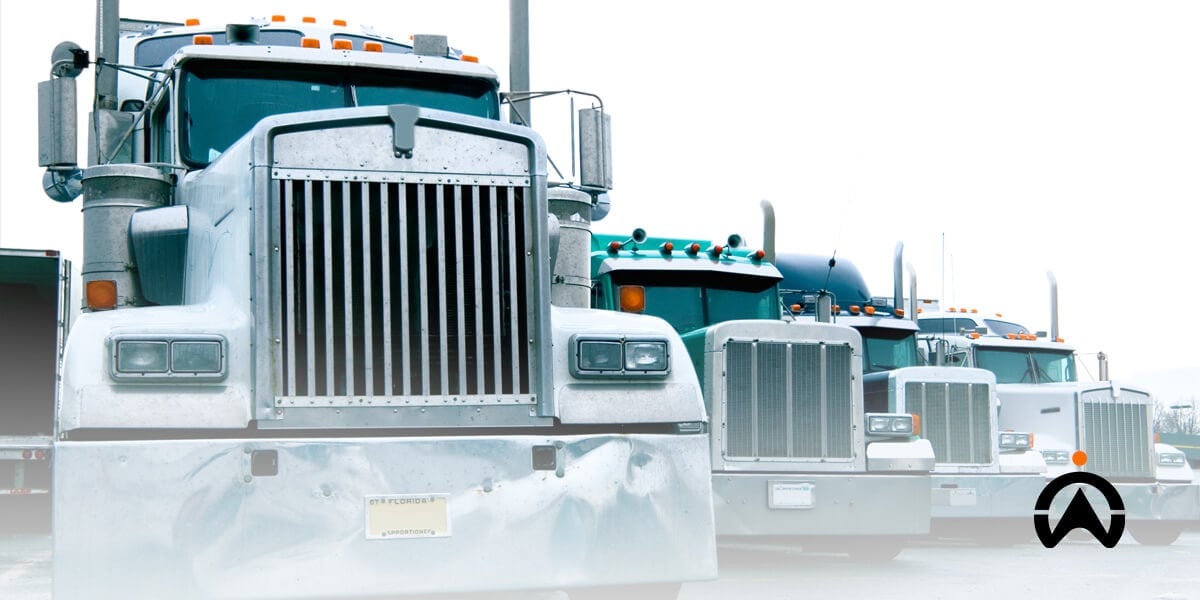
A fleet of commercial trucks with the implementation of the company's fleet monitoring system.

How Does Rough Driving Impact a Fleet?

Harsh driving can have a significant negative impact on fleet vehicles, affecting not only safety but also overall fleet efficiency. These impacts include:

  • Reducing the lifespan of fleet vehicles: Rough driving significantly affects the life of a vehicle.
  • Causes tires to wear out quickly: Harsh acceleration forces tires to grip the road tightly, increasing friction and generating heat. This excess stress causes premature tire wear, reducing their lifespan and compromising their structural integrity. Harsh braking can also cause uneven wear patterns on tires, reducing their lifespan and requiring more frequent replacement.
  • Increasing the pressure on the brake system: Frequent harsh braking results in increased wear on the brake pads, and this intense friction results in reduced brake pad life, which compromises vehicle safety.
  • Increasing the pressure on the suspension system: Rough driving puts stress on vehicle suspension components, such as shocks, struts, and bushings, reducing their effectiveness. These components are crucial for maintaining vehicle stability and proper steering function, making the vehicle more susceptible to mechanical failure.
  • Improving fleet fuel consumption: Rough driving has been shown to increase the amount of fuel used by a vehicle.
    – Increased fuel consumption due to downshifting: Harsh braking has been shown to drastically increase a vehicle's fuel consumption, thereby reducing fuel efficiency. When a driver brakes hard, the vehicle's transmission downshifts to the lowest gear. While this downshift is necessary to compensate for the sudden drop in speed, a lower gear requires higher engine rpm to maintain movement, which means more fuel is burned. Tests have shown that aggressive driving can increase fuel consumption by approximately 40%.

    – Reduced fuel efficiency: Increased fuel consumption caused by harsh driving negatively impacts fleet fuel efficiency. A study by Oak Ridge National Laboratory showed that aggressive driving can reduce fuel economy by 15%-30%.
  • Reduced tire performance: Harsh driving can have the following negative impacts on vehicle tire performance:
    – Causes uneven wear: Harsh driving causes uneven resistance on the tires. Harsh acceleration causes the tires to struggle against intense friction, unevenly wearing down the tread. Harsh braking also forces the tires to fight against the road surface, resulting in uneven wear patterns that reduce tire life.

    – Causes of flat-spotting: Harsh braking can cause flat spotting, which occurs when a tire slips or locks, causing it to slide along the road surface. Flat spotting causes certain parts of the tire tread to wear faster than others, creating an uneven wear pattern and reducing the tire's effectiveness and lifespan.

    – Increasing heat: Rough driving produces excessive friction, which causes the tires to heat up. This heating causes the tire's rubber compound to decompose, making it more susceptible to rupture and structural damage.
  • Increases the risk of collision: Rough driving increases the risk of vehicle collisions in the following ways:
    – Increases the risk of rear-end collisions: Rough driving reduces the safe distance between vehicles, reduces the driver's ability to respond to sudden changes in traffic flow, and increases the risk of collisions.
  • Reducing response time to potential hazards: Rough driving compromises a driver's ability to respond quickly to unexpected situations, such as vehicles suddenly changing lanes, pedestrians suddenly crossing the road, or obstacles in the road. This reduced response time increases the likelihood of accidents because drivers don't have enough time to avoid potential road hazards.
  • Compromising vehicle stability and control: Rough driving makes the vehicle unstable, which affects its ability to drive. This makes it more difficult to maneuver safely, especially in emergencies where drivers need to quickly adjust their driving style and take sudden action. This impaired control significantly increases the risk of an accident.
  • Increasing fleet maintenance costs: Rough driving increases fleet maintenance costs.
    – Increased wear on vehicle components: Harsh driving behaviour puts stress on critical vehicle components such as brakes, tires, suspension systems, transmissions, and engine components. This puts premature stress on these components, causing them to wear out faster than planned. This means fleet managers need to allocate more time and resources to frequent maintenance, part replacement, and repairs, leading to unplanned vehicle downtime and increased maintenance costs.
  • Detrimental to driver performance: Rough driving affects driver performance in the following ways:
    - Reduces their response time: Rough driving behaviour reduces the driver's ability to react immediately to unexpected situations, causing delayed reactions and increasing the likelihood of accidents. – Increase their stress levels: Harsh driving has been shown to induce a physiological stress response, which increases driver anxiety and tension. This increased stress not only impacts drivers' mental well-being but also their cognitive functioning, affecting their decision-making ability and reaction time.

    – Increase fatigue: Physical stress caused by rough driving, such as harsh acceleration, braking, and steering, can increase driver fatigue. Over time, this constant stress leads to increased fatigue and decreased focus, especially during long-distance driving. This reduces the driver's situational awareness, impairs their judgement, and increases the potential for accidents.

Untuk melacak mengemudi kasar, manajer armada perlu memperhatikan perilaku pengemudi armada dengan cermat. Meskipun ini mungkin tampak seperti tantangan,   adalah kunci untuk menyederhanakan seluruh proses.

What Is a Driver Monitoring System?

A driver monitoring system is an advanced vehicle safety technology that combines hardware and software to consistently track and assess driver behaviour, sobriety, and overall condition while behind the wheel. This advanced technology combines sensors, cameras, and sophisticated data processing mechanisms that work together to provide unparalleled access to fleet driver behaviour. The primary goal of this safety-oriented system is to improve safety, prevent accidents caused by driver distraction or fatigue, enhance overall driver performance, and increase overall fleet efficiency.

How Does Driver Monitoring Work?

Driver monitoring systems are complex, utilising a variety of components that work together to effectively monitor driver behaviour. These components include:

  • Camera: The camera is the foundation of the driver monitoring system. Using a driver camera equipped with an infrared light system, it can track the driver's head position, eye movements, and facial expressions. The camera is also equipped with advanced AI algorithms that work to continuously analyse driver behaviour and recognise signs of distraction, drowsiness, or impairment.
  • GPS tracking: GPS tracking is another crucial component of a driver monitoring system. By leveraging GPS tracking, fleet managers gain access to data on driver routes, stop locations, and the real-time location of their vehicles. Comprehensive video of vehicle movement provides valuable insights into driver behaviour, such as speeding, excessive driving, or unauthorised detours.
  • Driver scorecards: Driver scorecards is a comprehensive performance evaluation tool that can assess driver behaviour within a fleet. It provides fleet managers with detailed insights into driver behaviour, including factors such as speed compliance, harsh braking, and adherence to assigned routes.
  • Data processing and analysis: Data processing and analysis are integral to effective driver behaviour monitoring. By collecting and presenting a variety of data related to driver patterns, vehicle movements, and locations, the system helps fleet managers detect patterns, easily identifying cases of abusive driving.

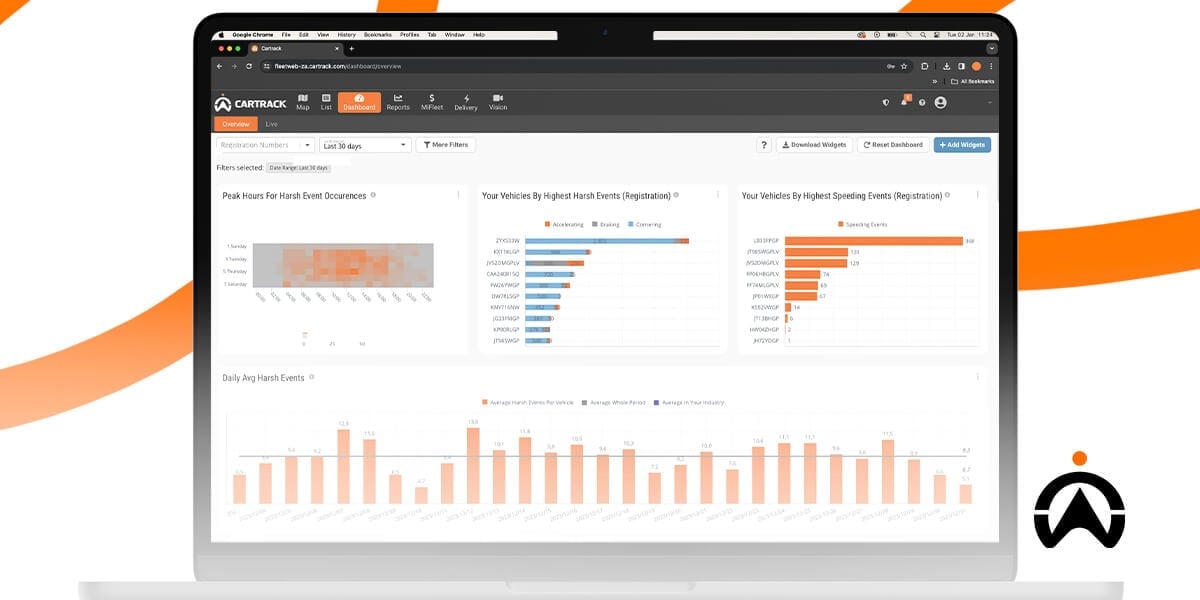
The laptop displays Cartrack graphs to monitor abusive driver behavior through the fleet monitoring system.

What Are the Benefits of a Driver Monitoring System?

While the primary reason for implementing a driver monitoring system may be to eliminate abusive driving, these systems offer a variety of benefits that positively impact the entire fleet operation. These benefits include:

  • Improving fleet driver safety: Driver monitoring systems provide a combination of hardware and software that monitors driver behaviour around the clock. This sophisticated software works to detect signs of distraction, drowsiness, and fatigue, making it crucial for accident prevention, as these behaviours can significantly increase the risk of a crash.
  • Reducing the risk of accidents: Driver monitoring systems help prevent potential accidents by identifying and alerting drivers to behaviours that significantly increase the risk of a collision and loss of vehicle control. When these signs are detected, the system can issue a warning to the driver, prompting them to refocus.
  • Reduce fleet maintenance costs: By promoting smoother and safer driving habits, driver monitoring systems help reduce wear and tear on vehicle components. They extend the life of brake components, suspension systems, and tires, directly reducing maintenance and repair costs.
  • Improving fleet fuel efficiency: Driver monitoring systems detect and alert drivers to various fuel-wasting driving behaviours, such as excessive idling, harsh acceleration, and high speeds. This helps drivers promptly correct their behaviour, thus playing a significant role in improving fleet fuel efficiency. This contributes to cost savings by reducing fuel consumption across the fleet.
  • Improve overall fleet efficiency: Driver monitoring systems significantly reduce accidents, resulting in reduced downtime. Reduced downtime due to accidents or breakdowns allows for uninterrupted fleet operations, ensuring timely completion of tasks, deliveries, or services. This leads to increased customer satisfaction and loyalty, and improves overall fleet efficiency.

Get Unrivaled Driver Behaviour Insights with Cartrack Indonesia's Driver Monitoring System

Cartrack Indonesia is here to deliver a world-class driver behaviour monitoring system directly to fleets. Equipped with a range of technologies that help take driver behaviour to the next level, our system is what you need to improve fleet driver behaviour and reap the benefits of safe fleet functionality.

ADAS

Ensure drivers are aware of their surroundings with Cartrack Indonesia's Advanced Driver Assistance Systems (ADAS). This is technology designed to improve fleet safety and efficiency. By alerting your drivers to potential road hazards, detecting and responding to obstacles, and helping them maintain a safe distance from other vehicles, ADAS works to improve driver awareness of their surroundings.

This functionality is made possible through the integration of camera-based sensors, artificial intelligence, and intelligent algorithms, all working together to provide driver assistance features to enhance driver safety. These include:

  • Data processing
  • Driver assistance features, including:
    – Automatic emergency braking: This feature quickly identifies potential collisions and automatically applies the vehicle's brakes. This helps minimise the impact or prevent a collision altogether.

    – Forward collision warning: This feature quickly alerts drivers when their vehicle is approaching an obstacle or travelling too fast, which can help them prevent rear-end collisions.

    – Blind spot detection: This feature quickly alerts drivers to vehicles in their blind spots, helping them reduce the risk of accidents when changing lanes.

AI Live Vision Camera

Get 24/7 visual access to your fleet with Cartrack Indonesia's AI Live Vision cameras, an AI-powered live streaming technology. This cloud-connected video management solution uses artificial intelligence analytics to provide real-time driver behaviour monitoring and alerts. The technology can also detect various forms of distracted or dangerous driving, including:

  • Exceeding the speed limit
  • Smoking
  • Fatigue
  • Cellphone usage

When any of the above behaviours are detected, an in-cab audio alert is triggered, immediately notifying the driver. This helps them correct their actions in real-time and prevent potential accidents. Additionally, fleet managers can receive real-time alerts and access live footage, helping them ensure preventative measures are implemented immediately.

Driver Scorecard

Get insight into each driver and their behaviour with Cartrack Indonesia's driver scorecard, which helps determine how safe they are. This is done by tracking any high-risk behaviours, such as:

  • Rough acceleration
  • Rough braking
  • Excessive driving
  • Excessive speed

This scorecard helps identify specific areas where drivers require training, thereby facilitating the provision of targeted training to help them improve their behavior behind the wheel. It is a crucial component of an effective driver monitoring system, as it helps pinpoint specific indicators of aggressive or reckless driving, along with the individual drivers who exhibit such behaviours.

Fuel Monitoring System

Track your vehicle's fuel level and quickly identify rough driving with Cartrack Indonesia's fuel monitoring system. Our real-time fuel level monitoring uses advanced sensors installed inside the fuel tank, allowing for real-time fuel consumption monitoring through our fleet management platform. By helping monitor fuel levels, fleet managers can quickly identify sudden spikes in fuel consumption, which can be an indication of rough driving, with behaviours such as over-driving, excessive speeding, and harsh braking contributing to increased fuel consumption.

Collision Detection

Ensure drivers receive immediate assistance in the event of a car accident or crash with collision detection. While drivers can employ safe driving strategies, there's no guarantee that other drivers will practice the same vigilance and safe driving habits on the road. By using our smart devices that detect collisions or crashes using specialised g-force sensors and artificial intelligence algorithms, we can detect and pinpoint the exact location of an accident in real-time. This allows us to immediately contact and dispatch emergency services directly to the driver's location if they are involved in a car accident or crash.

Let Cartrack Indonesia Helps Simplify Driver Behaviour Monitoring

Are you ready to create a safety-first driving culture in your fleet? Start your journey to better driver safety with Cartrack Indonesia and gain access to world-class technology.

‍Contact us today, with click the following link!

Bisnis Berkelanjutan – 5 Cara Baru untuk Wujudkan Armada Ramah Lingkungan

What is fleet sustainability in business?

Before we reveal how to make a business more environmentally friendly, let's first understand what fleet sustainability is in business.

Fleet sustainability refers to the process of reducing the negative impact of fleet operations on the environment by introducing environmentally friendly/sustainable practices and advanced technologies.

By 2024, more businesses will be interested in improving fleet sustainability to help the environment. Businesses are faced with concerns about how to make their fleets greener and how much it will cost to implement greener solutions.

Fleet sustainability challenges in business

Businesses have a responsibility to ensure that their fleet operations have a more positive impact on the environment. Fleet sustainability is currently a key challenge for businesses, as more policies and regulations require them to strive to develop environmentally friendly fleets.

A fleet sustainability strategy has value for businesses faced with:

  • High levels of carbon emissions

  • Inefficient fuel consumption practices

  • Reckless driver behaviour and poor productivity

  • Compliance with regulations

  • Eliminate paper-based processes

Given these challenges, it would be a mistake to think that electric vehicles are the sole solution to fleet sustainability. While fleet electrification is an excellent opportunity for businesses to go green, there are more direct ways for businesses to improve their sustainability practices.

Fleet managers are the starting point for sustainable fleet operations for businesses, here's why!

The role of managers in sustainable fleet management

Fleet managers oversee all movements and activities of fleet vehicles and their drivers to ensure deliveries are made and jobs are completed on time. They also ensure drivers remain safe by practicing good driving behaviour and complying with regulations.

Overseeing all fleet operations can sometimes be a tiring and confusing task. For efficiency, fleet managers use a fleet management system to improve the visibility and management of their assets.

With the use of a fleet management system, fleet managers can:

  • Reduce total fleet costs

  • Improve fuel efficiency and cut fuel costs

  • Monitor vehicle movement

  • Optimising delivery

  • Improving fleet safety

  • Improving driver retention

  • Set up a vehicle maintenance schedule

  • Comply with regulations for drivers and vehicles

The role of managers in sustainable fleet management

Five guaranteed ways to make your fleet greener

The best way to create an eco-friendly fleet is by developing a sustainable fleet management strategy, which of course involves a few things. Here’s how to make your fleet more environmentally friendly:

1. Reducing Carbon Emissions

According to Our World in Data, transport accounts for about 20% of total global carbon dioxide (CO2) emissions. 15% of this comes from land travel, through cars and buses carrying passengers, as well as trucks transporting goods. Stats like this show why the transport industry needs to adapt to help protect the environment.

Companies across all industries and sectors must understand the carbon emissions from their operations and how to calculate their carbon footprint. This way, companies can understand how carbon emissions contribute to global warming.

High carbon emissions mean a business has unsustainable practices, and is negatively contributing to the environment and worsening global climate change.

Here are some simple ways to quickly lower your fleet's carbon emissions:

  • Introduction of low or zero emission vehicles

  • Ensure fleet size meets requirements

  • Track fuel usage

  • More efficient route planning

2. Improve Fuel Management

Reducing carbon emissions goes hand in hand with fleet fuel efficiency. Without an efficient fuel management strategy, businesses will experience excessive fuel consumption, high fuel costs, fuel theft, fuel card fraud, and other losses.

In addition, several driver behaviors and maintenance issues also contribute to high fuel consumption in fleets, such as:

  • Unnecessary idling

  • Excessive speed

  • Poor tire condition

  • Neglected care

  • Shorter travel distance

  • Broken machine

  • Bad driving habits (gear, clutch use)

  • Overload

By improving fleet management with fuel management, the company will benefit from lower costs and fuel consumption. More importantly, the company will adopt sustainable green practices by reducing fuel use and cutting unnecessary fuel emissions.

3. Maintain Vehicle Maintenance

Environmental sustainability can be improved through proper vehicle maintenance. Through regular maintenance, businesses can extend the lifespan of their vehicles and, as a result, ensure their fleet's carbon footprint remains stable.

Because vehicles wear out over time, vehicle maintenance can help businesses manage fleet wear and tear. Did you know that vehicle issues like engine failure, worn brakes, gears, and clutches also contribute to a fleet's environmental impact? One of the benefits of vehicle maintenance is how it improves a fleet's environmental sustainability.

Well maintained vehicles:

  • Improving fleet life cycle

  • Helping fleets burn less fuel

  • Reduce total fleet costs

4. Telematics Solutions

Telematics is a technology that uses telecommunications and informatics to collect GPS fleet tracking data and various other vehicle information. The information obtained from fleet management systems or telematics solutions can be used to help businesses implement green solutions.

Telematics systems work by collecting and organising all the data needed to understand the fleet. By using a telematics system, you can get detailed information about vehicle speed, braking, and the areas the vehicles travel through. Use fleet technology to track emissions, idling, and other metrics as part of an eco-friendly fleet operation.

5. Improve Driver Behaviour

Did you know that speed, idling, poor driving techniques and habits can waste your fleet's fuel? Also, bad driving habits can lead to pollution. According to the Energy Department, idling for more than 10 seconds uses more fuel and produces more emissions than stopping and restarting the engine.

Five guaranteed ways to make your fleet greener

Do electric vehicles guarantee lower fleet CO2 emissions?

Electric vehicles (EVs) are revolutionising the way businesses operate, offering sustainability, cost savings, and competitive advantages. But what exactly are electric vehicles, and does their use guarantee lower fleet CO2 emissions?

Electric vehicles, commonly referred to as EVs, are vehicles designed to operate entirely or partially using electricity as their primary power source. Unlike conventional vehicles, which rely on gasoline or fossil fuels, electric vehicles use electric motors that draw energy from rechargeable batteries or fuel cells.

There are two types of electric vehicles:

  • Battery Electric Vehicles (BEVs): These are powered entirely by electricity stored in batteries.

  • Plug-in Hybrid Vehicle (PHEV): This has an electric motor and a regular gasoline/diesel engine.

Adopting low or zero emission vehicles has many benefits for businesses:

  • Positive impact on the environment

  • Sustainable energy sources

  • Reducing fleet fuel costs

  • Reduce maintenance costs

But this is often the most difficult solution to implement for business sustainability. Here are some factors that hinder this implementation:

  • High prices of electric vehicles

  • Availability of charging stations for vehicles

  • Battery breakdown and replacement costs for vehicles

While purchasing an electric vehicle may seem like the only impactful solution to improving sustainability in business.

There's another solution that companies often overlook which they can easily adopt, and that's a fleet management system.

Four ways Cartrack Indonesia fleet management software runs a sustainable business

Effective fleet management software can help businesses achieve sustainability and implement sustainable strategies for their fleets. Here are some ways Cartrack Indonesia's fleet management system helps achieve business sustainability:

Preventive Care

Cartrack Indonesia's fleet management system helps take care of all your fleet maintenance needs. Fleet managers can set up maintenance schedules, track maintenance intervals, and get reminders for service and repair dates. Plus, fleet managers can get real-time alerts about vehicle conditions like engine failures, brake pads, oil and water fluctuations, and other vehicle diagnostics. Preventive maintenance is a great way to keep your fleet in top condition for operations, and doing this helps ensure your fleet has a lower carbon footprint and reduces greenhouse gas emissions. Well-maintained fleets also minimise the negative impact of vehicles on the environment.

Route planning

Companies using Cartrack Indonesia's route optimisation feature have been shown to save more fuel. This is because Cartrack Indonesia's route optimisation tool selects the best route for drivers, allowing them to avoid traffic jams or drive shorter distances to reach their destinations. Route planning helps ensure fleets reduce their carbon footprint and fuel consumption. These two features can help businesses instill sustainable driving practices to reduce their impact on the environment.

Monitor Driver Behaviour

Reduce your carbon footprint by monitoring driver behavior. Driver behaviour reports from Cartrack Indonesia are sent directly to fleet managers, allowing them to identify when drivers are speeding, braking hard, idling for long periods, or driving recklessly. Monitoring driver behaviour helps fleet managers identify driver training needs and ensure safer and more environmentally friendly driving practices are implemented within the business.

Fuel Management System

Cartrack Indonesia's fuel monitoring system helps businesses easily track their fuel consumption, fuel costs, and fuel waste. Fuel monitoring accurately monitors fuel consumption with per-kilometer reporting. The fuel monitoring system enables fleet managers to easily identify and address fuel waste and uneconomical driving issues, helping to achieve a greener and more sustainable fleet.

What are the benefits of implementing sustainable practices in business?

Implementing sustainable practices isn't just an ethical obligation for businesses, or a box they can check to say they've done their part. Sustainable practices benefit not only the environment but also businesses.

Here are some of the benefits of adopting an environmentally friendly fleet:

  • Improve fuel economy Since fuel is one of the largest costs for a fleet, adopting sustainable practices, such as fuel management, route optimisation, and environmentally friendly driving practices, will reduce fuel costs and improve your fleet's fuel economy.
  • Less fleet maintenance Through preventative maintenance and keeping track of fleet needs, businesses can ensure fleets run smoothly. Ultimately, fleets will benefit from reduced maintenance and fewer unexpected costs.
  • Improve reputation Using an eco-friendly fleet demonstrates a business's concern for its environmental impact. This will undoubtedly enhance its reputation with partners, customers, and other companies.

Make your vehicle environmentally friendly with Cartrack

Make your business sustainable and eco-friendly with Cartrack! Find out more by clicking the link below!

Mistakes You Should Avoid When Buying a Car

Have you been thinking about buying a car lately? Before you start test-driving and negotiating at the dealership, prepare yourself with various knowledge about preparing for a new car purchase. Here are some things to consider before buying a new car, including:

Worst Car Buying Mistakes

Avoiding common car buying mistakes is crucial for a smooth purchasing experience. To avoid getting lost in a maze of bad decisions, here are the top 5 mistakes to avoid in the car buying process:

  1. Focused only on monthly payments: When considering a budget for a new car, don't just focus on the monthly payments. Discussing the overall vehicle price and financing terms separately is key to avoiding higher overall costs.
  2. Letting emotions into decision-making: Falling in love with a particular car can lead to overspending. It's important to remain practical, do your research, compare models, and ask yourself if the vehicle meets your needs and affordability.
  3. Skipping the test drive: Don't judge a vehicle solely by its design. Get in the driver's seat and see what else the vehicle has to offer. A test drive is crucial to ensure the vehicle meets your expectations and to prevent any surprises after purchase.
  4. Checking used cars: When buying a used car, don't always take the dealer's word for it. Get a trusted mechanic to inspect the vehicle thoroughly. This is crucial for detecting potential problems and avoiding unexpected costs.
  5. Research shortcomings: Not visiting and comparing other dealers or not having enough knowledge about your own car's condition, such as pricing and financing options, can lead to over-payments and making uninformed decisions.

Now that you know what not to do when buying a car, let's backtrack to the basics of car buying and teach you everything you need to do to keep your new car from rolling off the lot and into the garage.

How to Buy Without Losing Money

Buying a car is a serious decision, with some people spending months considering makes, models, years, fuel consumption, and more. Before deciding to buy a car, consider the following questions:

What are your needs?

Buying a car should involve careful consideration of various factors such as financial planning, lifestyle preferences, and car features to ensure the choice aligns with priorities.

  • Financial planning: Choose a car you can comfortably afford, including insurance, fuel, and maintenance. Set a budget that fits your individual needs.
  • Lifestyle and needs: Do you drive in the city or frequently travel out of town? Consider what kind of vehicle you need for your daily life, depending on your activities, and how big it should be, depending on the size of your family.
  • Car features: First, focus on the essentials, like car safety. Then, consider extras like advanced technology or comfort. Typically, the more comfort you want, the more expensive it will be. But if you want an affordable car, buying a used vehicle is a good option.

What Is the First Step in Purchasing a Vehicle?

Here are the steps to buying a vehicle so that the process can run smoothly:

  • Do your research: Research trusted car brands online, learn as much as you can about different types of vehicles, and ask your peers for their opinions.
  • Explore: After reading articles and brand pages, visit car dealerships, check online listings, and don't forget to consider used cars. If you've made your decision on a particular car, schedule a test drive and get a feel for it.
  • Get a quote: Once you've found the right one, get car quotes from various dealers and online car sales platforms to compare prices and financing options.

Pay Attention to the Small Details of the Document

When it comes to document collection, you need to understand the fine details. Pay attention to the following:

  • Insurance: Once a car is on the road, its value decreases, and problems like windshield damage or theft can occur. Having insurance is crucial for protection. Choose coverage that suits your needs and budget.
  • Care package: Consider a maintenance plan that suits your car's needs and usage. Invest in an extended warranty or maintenance package to improve vehicle safety, extend its lifespan, and reduce future repair costs.

Pen over the contract documents to avoid mistakes when buying a car.

How Do You Know Which Used Car You Should Buy?

It is important to remember that these vehicles are not new so there are several steps to consider to ensure the car you choose does not have any hidden scratches.

  1. Maintenance notes: Check for a history of regular inspections from a reputable repair shop. This inspection history can tell you if the car has been well-maintained. If you can't find these records, or if they're inconsistent, it could mean the car hasn't been properly maintained or has hidden issues that could cost you money in the future.
  2. Hidden Damage: Don't just focus on shiny leather and the new-car smell. Thoroughly inspect the car for scratches and rust, especially in hidden areas. When driving, pay attention to any strange noises or handling issues.
    - Tips: If you notice a different paint colour or uneven bodywork, it could mean the car has been repaired. Ask the seller directly about any past accidents.
  3. Check Interior: Look for signs of wear and tear, such as worn seats, torn upholstery, and malfunctioning electronics. Test everything – AC, radio, windows – to ensure they are in good condition. Pay attention to any strange odours or stains, which may indicate water damage or other problems.
  4. Mileage: Consider how many miles the car has been driven. High mileage doesn't necessarily mean the car is in poor condition, but it may require more repairs. Compare the maintenance records to be sure.
  5. Check the VIN: Make sure the vehicle identification number (VIN) matches the vehicle's documentation. Use a VIN check service to find out if the car has been in an accident or has other issues. Always double-check; if the VIN doesn't match, it could mean the car has been stolen.

Learn a lot about a car's history by checking previous owners and the reasons why it's being sold. An additional precaution to consider is finding out how many previous owners the car has had.

Get a Tracking Device for Your New Car!

Jadi kamu telah memilih kendaraan, misi berikutnya yang harus dihadapi adalah keamanan. Saat ini, keamanan mobil adalah prioritas utama bagi kebanyakan pengemudi. Oleh karena itu, perangkat pelacakan kendaraan lebih dari sekadar aksesori opsional – perangkat pelacakan kendaraan adalah langkah proaktif untuk melindungi aset berharga kalian.

Benefits of tracking devices

Security and protection

  • Reduced risk of theft: Without tracking, a stolen car is much harder to recover. With a tracking device installed, they can alert you in real-time and assist the police in locating the vehicle.
  • Emergency assistance: If you are stuck or involved in an accident, you can use the provided mobile app to receive emergency assistance, or if the tracking unit has collision detection, the company will send emergency assistance to the accident site.
  • Can prove the truth: In cases of false accusations or hit-and-run accidents, proving the location and driving behaviour history through the device can help in validating the truth.

Peace of mind and comfort

  • Proper driver monitoring: Stay informed about vehicle location and usage. For example, if a vehicle is being used by a driver, track the driver's adherence to safe driving practices.
  • Reduce anxiety and stress: Eliminate uncertainty by always knowing where your car is, even during night trips or unfamiliar routes.

Financial aspects

  • Lower insurance premiums: As mentioned above, some insurance companies offer discounts for cars with tracking devices due to the lower risk of theft and fraudulent claims.
  • Potential depreciation impact: A car without tracking may be less desirable to future buyers, affecting resale value.
  • Costs associated with recovery: In the case of theft, without tracking, recovery efforts can be time-consuming and very expensive, especially if the vehicle cannot be found and a new vehicle must be purchased.

Checklist icon above the vehicle list to avoid mistakes when buying a car.

Choose the Right Tracking Unit for Your New Car!

Among the many vehicle tracking device companies, there is one that has one of the highest stolen vehicle recovery rates, namely — Cartrack Indonesia.

At Cartrack Indonesia, installation is free, no fees!

Find out about the most advanced tracking devices, Cartrack Indonesia by clicking the following link!

Sistem Manajemen Logistik Armada – Tingkatkan Rantai Pasokan dan Optimalisasi Biaya Armada

What is logistics?

The logistics industry encompasses a comprehensive process of efficiently managing the transportation, storage, and distribution of goods—from production to consumption—and plays a critical role in supply chain management. Consequently, the scope of the logistics industry is far broader than that of the transportation industry, as it is not limited solely to the transport and delivery of goods.

Logistics management is a component that maintains the integrity of the supply chain by ensuring the smooth flow of goods, services, and information both forward and backward to efficiently meet customer needs. This involves coordinating vehicles for optimal efficiency and cost reduction. Therefore, the logistics sector remains a core component of every industry.

What are the key components of logistics management?

While logistics management may seem complex, it is fundamental to any business. The key components of logistics management are:

  • Transportation: This component is considered the most critical because it plans and supports the distribution of goods to their final destination. It involves selecting the most efficient and cost-effective mode of transportation for various types of goods and distances.
  • Demand Planning: Proper planning is a key component of the supply chain. Planning helps determine all aspects of logistics and maintains a balance between demand and supply.
  • Warehouse and Storage Management: This component deals with providing a secure, centralised location for storing goods until they are ready for distribution. In a world where market demand can suddenly increase, it's necessary to have a surplus of goods to meet sudden customer needs.
  • Inventory Management: This involves regularly checking inventory levels to monitor the flow of goods in and out of the warehouse. This helps businesses ensure they maintain optimal stock levels to meet customer demand.
  • Fleet Management: Fleet management involves overseeing and monitoring the vehicles involved in logistics. It's important for ensuring timely deliveries, cost efficiency, and optimal use of resources, covering all activities related to acquisition, maintenance, scheduling, and route optimisation.

See Also: Familiar with FTL and LTL methods in large-scale Freight Forwarding

What is fleet logistics?

Fleet logistics refers to the strategic planning, organisation, and coordination of a company's fleet to transport goods efficiently. Elements of fleet logistics include:

  • Vehicle management: This element includes the supervision and coordination of a fleet of vehicles to efficiently transport goods. It also extends to monitoring and recording couriers and delivery personnel, assisting in the efficient management of drivers, fuel consumption, and vehicle speed.
  • ‍Manajemen bahan bakar: Elemen ini mencakup manajemen dan pemantauan konsumsi bahan bakar untuk kendaraan armada. Dengan mengumpulkan data terkait bahan bakar, termasuk konsumsi bahan bakar, perusahaan dapat melacak dan mengelola penggunaan dan pembelian bahan bakar mereka sehingga meningkatkan penghematan biaya dan efisiensi bahan bakar armada.
  • Route planning: Route planning elements are useful for optimising freight transportation by strategically planning routes. By considering factors such as vehicle type, road conditions, and driver availability, route planning helps fleet managers improve efficiency and productivity, reduce fuel costs, and adhere to delivery time windows.
  • Driver management: Driver management involves monitoring driver activity, which is crucial for freight delivery. This helps fleet managers identify driver behaviors that negatively impact business efficiency and provide specific training to address these behaviors.

What is the current state of the logistics sector?

The logistics sector is experiencing rapid growth, driven by technological advances. The logistics industry has seen a surge in e-commerce and new markets, such as apparel, food, and pharmaceuticals, leading to rapid expansion in online retail and delivery.

Companies in this sector have been using various technologies to stay ahead in fast-moving developments. From real-time monitoring to data analysis, these solutions can be summed up in two simple words: fleet management.

What Is Fleet Management?

Fleet management is the process of overseeing and coordinating the operations and movements of a fleet of vehicles. It involves strategic planning, logistics coordination, and operational control, all aimed at maximising efficiency, productivity, and cost-effectiveness. To achieve this, fleet management systems incorporate a range of features, such as proactive vehicle maintenance, enhanced driver safety measures, and unparalleled fleet visibility.

Manajer logistik memegang clipboard di samping barisan truk armada cargo

Why do logistics companies need fleet management?

Fleet management is crucial for the success of a logistics company as it provides the following benefits:

  • Reducing fleet costs: By using fleet analysis to manage vehicle expenses, lower accident rates, and streamline operations with fleet software, fleet management helps make logistics run smoother. A fleet management system can cut maintenance costs by up to 14%, accidents and related expenses by up to 20%, and fuel consumption by up to 25%, all of which means more maximised fleet cost savings.
  • Making real-time tracking easier: Fleet management systems are equipped with GPS vehicle tracking devices, giving fleet managers access to fleet management and real-time tracking. With GPS tracking, fleet managers can easily find drivers' locations anywhere within seconds, instead of having to contact each driver manually or guess their estimated arrival times during deliveries.
  • Assists in effective route planning: Fleet management software enables fleet managers to plan routes with the shortest possible delivery duration. Furthermore, route planning allows them to track fuel usage and measure it against their fleet's performance, which is essential for achieving fuel cost savings.
  • Providing advanced analytics: Fleet analytics offer deeper insights into driver behaviour, helping to address safety concerns and prevent accidents. By utilising fleet analytics, fleet managers can identify drivers prone to reckless driving habits—such as speeding, harsh braking, and excessive idling.
  • Providing fleet maintenance monitoring access: Fleet management systems allow fleet managers to track the health of vehicles and their maintenance dates. This monitoring helps managers reduce the chances of sudden breakdowns and costly emergency repairs or vehicle replacements.

What are the benefits of implementing fleet management in logistics companies?

Let's reveal what are the benefits of fleet management for logistics companies:

  1. Improve fleet efficiency: Combine logistics and fleet management to simplify operations, optimise routes, reduce fuel consumption, improve fleet efficiency and reduce costs.
  2. Real-time monitoring: Fleet management systems let you track vehicle locations and usage in real time, helping managers optimise routes, keep an eye on fuel consumption, and deal with issues right away.
  3. Improving driver safety: Fleet management systems can help identify risky driving behaviors and implement training programs to enhance driver safety, thereby reducing the likelihood of accidents and their associated costs.
  4. Improving customer satisfaction: Combining logistics and fleet management can result in increased customer satisfaction by enabling fleet managers to provide accurate and timely deliveries of goods to customers.
  5. Reducing unexpected downtime: Preventive vehicle maintenance through a fleet management system can help avoid unexpected downtime, extend vehicle lifespan and lead to cost savings.

What are the benefits of implementing fleet management in logistics companies?

Improve supply chain efficiency with logistics fleet management from Cartrack Indonesia

Here are 6 fleet management solutions to help logistics businesses:

Delivery App Cartrack

Streamline your logistics business’s delivery processes with the Delivery App from Cartrack. Designed for both fleet managers and drivers, Cartrack Indonesia offers an intuitive, user-friendly platform for managing deliveries—from scheduling and tracking to processing payments. The app includes a route optimization feature that helps prevent transit delays, lowers fuel costs, and boosts overall efficiency. By analysing travel distances and times, this feature enables fleets to achieve faster, more efficient deliveries. Route optimisation ensures that logistics companies meet scheduled arrival times and reach more delivery points while consuming less fuel.

Real-time GPS tracking

Unlock top-notch security for vehicles, assets and goods with live tracking from Cartrack. Use GPS (Global Positioning System) technology to see where all your vehicles and drivers are in real-time. This level of insight lets you optimise fleet performance by giving key metrics like distance travelled, speed, rest times, fuel levels and idle periods. This info not only allows you to keep tabs on your assets efficiently but also gives full control over logistics operations and boosts overall safety for the vehicles and goods being transported.

Preventive care

Avoid unexpected downtime and cut maintenance costs with preventive care from Cartrack Indonesia. The system sends real-time diagnostic notifications for mechanical issues, including engine problems and worn brake pads, helping fleet managers quickly identify vehicles that need servicing to prevent costly repairs and accidents. The platform also tracks each vehicle's usage hours to automate maintenance schedules and help simplify the maintenance process.

Fuel monitoring

Cartrack Indonesia’s fuel monitoring system is designed to help optimize fuel consumption. Gain access to real-time data on fuel consumption per kilometer and per job through daily, weekly, or monthly reports. These reports provide comprehensive insights into your fleet’s fuel usage and help identify sudden spikes in consumption. Easily detect potential fuel fraud with a system that automatically cross-references fuel receipts with vehicle location and fuel status. Identify drivers with excessive idling time, enabling fleet managers to provide training and guidance to improve driver behaviour and reduce fuel consumption.

Special sensors

Cartrack Indonesia offers a variety of sensors that can be utilised to provide enhanced security for every shipment. First, use cargo door sensors to receive real-time alerts whenever a cargo door is opened, helping fleet managers closely monitor cargo and keep it secure. Second, use temperature sensors to ensure cargo remains in good condition, with instant alerts triggered whenever temperature fluctuations are detected. Third, use rear-door sensors to monitor the security of heavy cargo, receiving immediate notifications whenever a trailer’s rear door is accessed.

Live-streaming Camera

Get full visibility over your cargo using Live Vision, the advanced camera from Cartrack Indonesia. This cloud-connected video management solution uses real-time alerts and smart detection to keep your goods safe. The Live Vision camera with live-streaming technology also comes with AI that monitors driver behaviour such as lack of focus, speeding, smoking, and mobile phone use. The AI-powered technology features real-time audio alerts inside the cabin, notifying drivers when these behaviours are detected so they can correct them immediately and avoid accidents or collisions.

Integrate fleet management into your logistics business and optimise all your operations today! Powered by technological advancements from Cartrack Indonesia, keep supporting the growth and adaptability of the logistics sector.

Contact Cartrack Indonesia today to stay ahead in the logistics business in Indonesia! Click the following link!

Digitising Fleet Inspection with the Cartrack App

What is a vehicle inspection?

A vehicle inspection is a government-mandated procedure to ensure a vehicle meets established safety and emissions standards. It involves a thorough inspection of the vehicle's components, functionality, and compliance with established standards. The purpose of a vehicle inspection is to ensure the safety and reliability of the vehicle.

This comprehensive assessment covers various components and systems within the vehicle, from brakes and tires to the exhaust system and engine. Each of these elements requires a thorough inspection to ensure they are functioning optimally. Another purpose of vehicle inspections is to ensure fleet managers are always aware of the condition of their vehicles.

Why are vehicle inspections so important for fleets?

As a fleet manager, you're likely aware that regular vehicle inspections are crucial to maintaining your fleet's effective and safe operation. Vehicle inspections are a trackable indicator of your fleet's condition. Regular inspections help identify potential vehicle issues, allowing you to quickly repair any existing or potential mechanical problems.

Here are some reasons why vehicle inspections are so important:

  1. Improving road safety: Vehicle inspections help identify potential vehicle problems that could lead to accidents and other safety risks. An example of a safety risk is brake failure. Brake failure is the second leading mechanical cause of road car accidents, accounting for 11.4% of all car accidents.
  2. Increased driver productivity: Regular inspections mean less downtime, allowing drivers to stay on schedule and complete all their tasks with little or no delay. Furthermore, well-maintained vehicles, due to regular inspections, operate more efficiently, allowing for faster task completion.
  3. Maximising fleet life: Regular inspections help extend the lifespan of your fleet by identifying potential issues quickly before they become more serious. This reduces the need for vehicle component replacement and allows you to get the most out of each vehicle.
  4. Save costs: Regular inspections can reduce maintenance costs by identifying and addressing problems before they become major and expensive issues.

Here are some reasons why vehicle inspections are so important

What are the risks of not having a vehicle inspection?

Not performing vehicle inspections can pose significant risks, impacting both safety and legal compliance. Here are some risks every fleet manager should avoid:

  1. Increased risk of accidents: Failure to properly inspect vehicles increases the risk of accidents. This has negative financial consequences for fleet operations.
  2. Unscheduled time: Not performing frequent vehicle inspections can result in unscheduled time that not only disrupts schedules but also impacts fleet productivity.

  3. Poor maintenance and safety: Lack of effective inspections results in poor maintenance of vehicles, increasing the risk of mechanical failure and road safety hazards.

  4. Compliance and fines: When vehicles are not inspected, a fleet may fail to meet regulatory standards, which can result in fines and penalties for non-compliance. This negatively impacts the fleet's finances and reputation.

What is a digital vehicle inspection?

Digital vehicle inspection (DVI) is a process that uses digital technology to inspect vehicles and maintenance processes in the fleet industry. This digital version of vehicle inspection uses digital tools and software to perform vehicle inspections accurately and efficiently.

By replacing traditional paper-based inspection methods such as paper-based checklists and manual vehicle inspections, digital vehicle inspections enable technicians to perform, document, and communicate vehicle inspection findings more efficiently and accurately.

What are the key components of an effective digital vehicle inspection system?

  1. Compatible mobile device or tablet: Digital vehicle inspection software should be available for use on mobile devices or tablets. This eliminates the need for paper-based checklists and allows for real-time data entry and reporting.
  2. Checklists: Digital vehicle inspection software should provide standard and customisable checklists and inspection templates that cover various aspects of vehicle health, including the engine, brakes, tires, and fluids. These checklists are tailored to the various vehicles used, along with the inspection objectives.
  3. Communication tools: A digital vehicle inspection system should be able to generate comprehensive reports that are easily shared between managers and drivers.

8 reasons why you should consider digitising your fleet vehicle inspection process

In a world where everything is going digital, making fleet inspections as paperless and seamless as possible is something worth considering, here are 8 reasons why:

  1. Save time and resources: Digital vehicle inspection simplifies the inspection process by digitising it. This allows inspection data to be captured in real time and immediately transmitted to a centralised database. This means faster reporting, quicker decision-making, and reduced administrative time, freeing up resources for more pressing business tasks.
  2. Improve data quality and accuracy: By using standardised checklists and real-time data capture, digital vehicle inspections ensure that all critical vehicle components are systematically inspected, reducing the possibility of oversights and human errors associated with manual data entry.
  3. Improved security and accessibility: Digital vehicle inspections minimise the need for physical document storage and prevent processes that could result in lost or damaged forms. By facilitating real-time information transfer, seamless accessibility to inspection documents and data from any location is ensured.
  4. Improved communication: A digital vehicle inspection system provides real-time access to inspection results and reports, enabling rapid communication between fleet managers and drivers. This open communication streamlines collaboration and ensures timely action on potential issues.
  5. Reduced fleet costs: By simplifying inspections, reducing errors, and improving communication, digital vehicle inspections lead to increased cost savings by reducing labor costs, maintenance costs, and improving asset utilisation.
  6. Improving preventative maintenance: Digital vehicle inspections can analyse historical inspection data to identify vehicle patterns and trends, enabling preventative maintenance practices. This proactive approach can help prevent unexpected breakdowns, reduce repair costs, and extend the lifespan of your fleet.
  7. Improving driver safety: This data-driven approach collects daily information about drivers and fleet vehicles, making it easy to quickly identify and address potential vehicle issues as quickly as possible. Digital fleet inspections mean rapid, proactive intervention, which can help improve driver safety by reducing the risk of accidents.
  8. Drive data-driven decision-making: Digital vehicle inspections allow inspection data to be centrally stored in a digital system. This allows fleet managers to gain valuable insights into vehicle performance, maintenance trends, and potential areas for improvement. This ensures they can make data-driven decisions to optimise fleet operations.

How Does Cartrack Indonesia Preventive Maintenance Work?

Our preventive maintenance plan uses automatic diagnostics, vehicle hours, and the last service time to predict when a vehicle needs maintenance. Cartrack Indonesia helping entrepreneurs extend the life of their vehicles and reduce maintenance costs.

This platform integrates with various systems, working not only to automate processes but also to streamline operations. This integration reduces repetitive administrative tasks and allows all team members (drivers and fleet managers alike) to easily access or upload information from one user-friendly platform.

How Cartrack Indonesia Preventive Care Works

4 benefits of having a preventive maintenance schedule in business

Preventive maintenance schedule Cartrack Indonesia designed to help businesses manage their fleets more effectively, avoid unplanned downtime, reduce maintenance costs, and extend vehicle lifespan. This can be done by helping:

Gain access to real-time alerts: Cartrack Indonesia can provide businesses with real-time alerts on any vehicle issues, including engine failure, worn brake pads, oil and water fluctuations, and other diagnostics. This is a crucial part of helping fleet managers quickly predict which vehicles require maintenance. Not only that, but live alerts also help determine which vehicles will be out of service and when they will be available again.

Create a seamless, automated maintenance schedule: Cartrack Indonesia's platform can automate maintenance schedules for each fleet using hours of use and the last service time. Fleet managers can use this to alert drivers about scheduled maintenance on their previously used equipment, helping to maintain a smooth workflow. Maintenance schedules enable hassle-free maintenance and service routines, preventing driver frustration and fleet downtime. If a fleet is unavailable, fleet managers can immediately assign a new vehicle to the driver.

Get customisable reports: Fleet managers have the option to access hundreds of reports or have them tailored to their specific needs, delivered to their inbox. This ensures fleet managers have all the information they need at their fingertips. These reports allow businesses to analyse various aspects of their fleet operations (including engine performance, fuel consumption, vehicle utilisation, and vehicle location) to optimise performance. and ensure they are not faced with unexpected problems.

Receive automatic maintenance reminders: Never miss a maintenance appointment with Cartrack Indonesia's automatic service reminders. Using real-time vehicle diagnostics to establish effective maintenance schedules, Cartrack software sends automatic reminders to fleet managers when vehicles need to be checked. This helps fleet managers plan maintenance effectively and minimise unscheduled time.

Enter the digital era of vehicle inspection with Cartrack Indonesia

The world of fleet management keeps evolving, and with vehicle inspection going digital, fleet managers won't be left behind. Save time, boost driver safety, and cut fleet costs for your fleet in just a few simple steps with Cartrack Indonesia.

Use Cartrack Indonesia and say goodbye to paperwork and admin in the vehicle inspection process. Find out more by clicking the link below!

What are the benefits of an Asset Management System for Fleet operations?

Keterlambatan pengiriman, aset yang kurang dimanfaatkan, penundaan waktu karena pemeliharaan yang tidak teratur, dan pekerjaan kertas yang tak berujung – dapat terjadi karena tidak adanya sistem manajemen aset armada.

Understand the importance of a fleet asset management system and how it will transform your fleet operations.

What is fleet asset management?

Di mana ‘manajemen aset’ biasanya berbicara tentang kekayaan dan barang yang dimiliki oleh seseorang atau organisasi. Manajemen aset armada adalah metode yang digunakan manajer armada untuk mengawasi dengan baik semua aset bisnis mereka, memastikan bahwa semuanya tercatat, dalam kondisi kerja baik, dan semuanya digunakan dengan seimbang agar terus memberikan pengembalian positif dan tidak menghabiskan lebih banyak biaya bisnis dari yang seharusnya.

Fleet asset management involves monitoring, maintaining, and strategically utilising every vehicle in a fleet. All of this is necessary to improve operational efficiency, reduce costs, and extend asset life.

What is considered a business asset?

The assets mentioned here can be divided between physical assets such as physical tools, vehicles, etc., and intangible assets, such as the software used.

Physical assets consist of various objects, here are some types:

Vehicle

  • Cars, trucks, vans, buses, motorcycles, etc.
  • Trailers, semi-trailers and other towed equipment
  • ‍Peralatan konstruksi, seperti buldoser, ekskavator, dan derek
  • Material handling equipment, such as forklifts and pallet jacks

Equipment

  • Tools used for maintenance, repair, and various tasks
  • Mobile technology gadgets, such as tablets and scanners
  • ‍Alat komunikasi, termasuk radio dan pelacak GPS
  • Office equipment, such as computers and printers

Infrastructure

  • Garages, workshops and other facilities such as work locations
  • ‍Owned storage and refueling stations
  • Parking lot and loading dock
  • Offices and administrative buildings

Intangible assets are those that do not have a physical form but still have significant value to the business:

  • Perangkat lunak dan teknologi seperti fleet management software which is used
  • ‍Data and analytics obtained from vehicle telematics, fuel card transactions, etc.
  • Intellectual property (IP) such as business trademarks and patents

What is the importance of fleet asset management?

Fleet asset management ensures that every vehicle is operating smoothly, equipment is in top condition, and machinery continues to run smoothly.

Proper management of these assets is not just a task, but a crucial part of driving a fleet towards success. Without it, the rhythm of operations can become disrupted, with breakdowns, delays, increased costs, and many other factors impacting profitability.

Benefits of using fleet asset management software

  • Monitoring of all assets

  • ‍Asset management from any location

  • ‍Provides insights for strategic fleet risk planning

  • ‍Improved time management

  • ‍Pemantauan kinerja armada

  • ‍Life cycle tracking and cost of acquired fleet assets

What is the importance of fleet asset management

How is fleet asset management different from general fleet management?

Let's imagine asset management of a fleet as a guard watching over all valuable resources, and fleet management as the skilled expert handling specific vehicle and machinery challenges.

Asset management looks at the big picture, maintaining everything from vehicles to machinery and even office equipment. Asset management ensures everything is in the right place, performing optimally, and contributing to overall success.

Fleet management, on the other hand, focuses on the unique challenges of vehicles and machinery. It ensures fleet operations run smoothly, addressing issues such as maintenance, fuel efficiency, and driver behaviour.

How to establish an asset management plan?

Untuk mengelola aset dengan lebih baik, kamu harus membuat rencana manajemen aset. Merancang rencana yang dengan hati-hati untuk mengelola aset armada dapat meningkatkan produktivitas dan memperpanjang umur sumber daya. Strategi ini berguna untuk membuat model bisnis yang lebih berkelanjutan dan efektif serta membuka potensi penuh aset.

Here's a simple six-step guide to optimal asset performance:

  1. First, clearly define your fleet goals and ensure they are specific, measurable, achievable, and time-bound. This forms the basis of your plan.
  2. Next, examine your current fleet, considering factors such as vehicle type, age, condition, and usage. This assessment helps identify areas for improvement and opportunities for savings.
  3. It's important to track vehicles, equipment, and machinery and create a detailed inventory of everything. To do this, use technologies like GPS, telematics, and the Internet of Things (IoT) to monitor them in real time.
  4. Plan regular fleet maintenance to keep vehicles in good condition and avoid unexpected breakdowns through preventative maintenance. Train drivers on safety and fuel efficiency, and ensure they follow traffic laws.
  5. ‍Control operational costs by monitoring fuel usage, maintenance, and fleet costs such as speed limits and insurance costs.
  6. Prepare for emergencies with a contingency plan. Review and update your fleet asset management plan regularly to adapt to changes and improve it over time to reflect current conditions.

Determine the type of fleet asset management

To better understand it, there are several types of fleet asset management, including physical asset management, financial asset management, human asset management, and contractual asset management.

Let's break this down in a little more detail:

  1. Physical asset management: Focuses on monitoring physical assets such as vehicles and equipment to ensure longevity and efficiency.
  2. Financial asset management: Involves managing financial instruments such as stocks, bonds, and cash to optimise investment portfolios.
  3. Human asset management: Involves the administration of human resources, including employees or contractors, and skills within an organisation to improve workforce performance and development.

What factors contribute to effective fleet asset management?

Effective asset management includes strategic oversight of vehicles, equipment, and machinery. This comprehensive approach is the foundation of a successful business. We must ensure that these assets are not merely operational tools but critical components that contribute to the overall success and sustainability of the company.

  1. Operational efficiency: Carefully organise and monitor vehicles and machinery. Whether it's delivery trucks or heavy equipment, a well-structured system reduces downtime and maximises productivity.
  2. Cost savings: By implementing a preventive maintenance schedule, monitoring fuel consumption, and proactively addressing potential issues such as risky driver behavior, you can significantly reduce operational costs.
  3. Asset lifespan: Regular maintenance and timely repairs contribute to asset longevity. This not only protects the initial investment but also reduces the need for frequent replacements, resulting in long-term savings.
  4. Safety compliance: Asset management ensures fleet compliance with safety regulations. This ranges from routine inspections to implementing safety features. Compliance with standards protects assets, employees, and the business's reputation.
  5. Data-driven decision-making: Using technology for asset management generates valuable data insights. Real-time tracking, performance analytics, and predictive maintenance empower you to make informed decisions, enriching your overall business strategy.
  6. Resource optimisation: Allocate resources effectively by understanding asset usage patterns. Whether deploying vehicles for optimal routes or scheduling maintenance during off-peak hours, resource optimisation improves operational efficiency.

What_factors_contribute_to_effective_fleet_asset_management

Fleet asset management from Cartrack Indonesia

Cartrack Indonesia's leading fleet management software is the perfect choice for any business looking to manage its assets smoothly. Cartrack Indonesia's comprehensive solution is specifically designed to meet all your needs and take fleet management to the next level.

Here are 5 ways Cartrack Indonesia helps you gain full visibility and control over all your assets:

  1. Proactive maintenance: Cartrack Indonesia's predictive maintenance can anticipate potential vehicle issues before they become critical. Through advanced equipment data analytics, all equipment data is analysed to predict when service is needed and immediately notify fleet managers. For example, predictive maintenance can identify worn parts on forklifts and immediately notify fleet managers to take preventative action with replacements. This prevents costly and unexpected breakdowns, minimises downtime, and maximises asset life.

  2. Fleet management platform: See asset usage patterns with Cartrack Indonesia's fleet management platform and ensure assets are used evenly by scheduling them remotely across all project sites. This way, you can spot underused assets, like cranes, and quickly allocate them to busier projects.

  3. ID Tags: Cartrack Indonesia's driver ID tags help restrict machine use to authorised operators only. These uniquely identify drivers to fleet managers, allowing them to know which drivers are operating their vehicles/machines, and ensuring only trained and authorised personnel operate the equipment, enhancing asset security and safety.

  4. Asset Tracking: Cartrack Indonesia uses GPS and IoT sensors to get real-time location data and information about equipment conditions. This boosts inventory management, improves security against theft, and helps with preventive maintenance.

  5. Geofence: Create virtual boundaries around work sites, restricted zones, or other important areas using Cartrack Indonesia's geofencing technology. Notifications are sent to fleet managers whenever assets enter or leave these digitally set boundaries. This helps prevent potential theft and allows managers to keep track of vehicle activity.

Turn assets into profits with Cartrack Indonesia

Get complete control and visibility over every vehicle, piece of equipment, machine, and fleet. Choose Cartrack Indonesia for fleet asset management and experience a new era of efficiency, cost savings, and peace of mind.

Use Cartrack Indonesia! Find out more with click the following link!

9 Solutions to Improve Fleet Management Workflow

What Is Fleet Management?

Essentially, fleet management is the comprehensive supervision and administration of fleet vehicles to improve efficiency and reduce costs. It includes all actions required not only to run fleet operations, but also to ensure they are carried out efficiently, at the lowest possible cost, and with maximum profitability. Whether managing a large or small fleet, you need to track all moving parts. Fleet management makes this possible!

What Is a Fleet Management Workflow?

A fleet management workflow is a series of repeatable and measurable steps or tasks arranged in a precise sequence to achieve a defined goal. This complex workflow involves several interrelated stages, strategic planning, and operational execution to build a smooth and effective fleet management system.

Why Is Fleet Management So Important to Fleet Success?

Fleet management is a critical component of fleet success due to its diverse impact on operational, financial, and safety aspects. Its significance lies in optimising resources and reducing operational costs through careful control of vehicle usage, maintenance, and fuel consumption.

Data graphs on a tablet above a laptop, showcasing solutions to improve fleet management workflows.

What Are the Benefits of Fleet Management?

Fleet management provides various benefits for various aspects of fleet operations, including the following:

  • Improving Fleet Efficiency: Fleet management improves fuel efficiency and reduces operational costs, resulting in increased overall efficiency.
  • Extend Vehicle Life: Fleet management contributes to extending the life of vehicles by identifying and addressing potential problems early.
  • Improving Delivery Services: Fleet management contributes to customer satisfaction through on-time deliveries, improved delivery services, and customer loyalty.
  • Improve Safety and Maintenance: Fleet management contributes to increased safety, proactive maintenance, and reduced downtime, resulting in cost savings and increased operational safety.
  • Enables Remote Management: Fleet management systems provide a comprehensive view of operations, enabling real-time remote management.
  • Improves Data-Driven Decision-Making: Fleet management provides valuable data and insights into various aspects of the fleet, enabling data-driven decision-making.
  • Reduce Costs: Fleet management software can help save money on fuel and maintenance, and significantly reduce overall fleet costs by tracking fuel usage, identifying fuel-wasting behaviour, and planning maintenance.

What Are the Key Elements of an Effective Fleet Management System?

The key to a successful fleet management system relies on several carefully designed elements to streamline operations, increase efficiency, and ensure optimal performance of the company's vehicle fleet. These elements include:

  • Vehicle Tracking and Monitoring: Vehicle tracking and monitoring in fleet management involves the use of advanced technologies, such as Global Positioning Systems (GPS) and telematics. This allows fleet managers to monitor, track, and collect critical data about the whereabouts, performance, and operational metrics of their vehicles.
  • Maintenance and Repair: Maintenance and repair in fleet management is a systematic approach to managing the maintenance, service, and repairs required for a fleet of vehicles. It is a critical aspect of fleet management, aiming to ensure vehicles remain in optimal operational condition, optimise reliability, safety, and fleet life while minimising unforeseen breakdowns and associated costs.
  • Fuel Management: Fuel management in fleet management involves monitoring and controlling fuel-related activities, working to optimise fuel usage, reduce costs, and improve efficiency across the fleet. It encompasses a variety of processes and practices aimed at effectively managing fuel consumption, monitoring fuel costs, and ensuring vehicles operate at maximum efficiency.
  • Driver Behaviour Monitoring: Driver behaviour monitoring involves the systematic observation, analysis, and management of how drivers operate vehicles while performing their duties. It utilises cutting-edge technologies such as telematics and onboard sensors, which work to collect and assess various aspects of driver behaviour and performance.
  • Data Analysis: Data analysis involves the collection, analysis, and interpretation of data generated by various monitoring systems, sensors, telematics devices, and the software used to collect the data. It aims to extract meaningful insights to optimise fleet operations, improve efficiency, enhance safety, and reduce costs.
  • Security Measures: These safety measures are essential to ensure driver well-being, protect assets, minimise risks, and protect against potential threats.

What Are the Main Challenges Faced In Fleet Management?

Navigating the fleet management landscape involves more than just handling it. There are various challenges that can significantly impact operational efficiency if left unmanaged. These challenges can include:

  • Increase in operating costs: This includes the increased total costs associated with maintaining, operating, and managing a fleet of vehicles. These costs include various elements such as fuel costs, vehicle maintenance and repairs, and technology upgrades.
  • Increase in maintenance costs: Refers to the increased costs incurred for maintenance, repair, and ensuring the proper functioning of vehicles in a fleet.
  • Fuel theft: Fuel draining is a significant challenge in fleet management. It involves unauthorised fuel extraction from fleet vehicles (e.g., by siphoning) or fuel-wasting behaviour by drivers.
  • Vehicle downtime: Downtime in fleet management refers to the period when a fleet vehicle or asset within a fleet is unusable due to various reasons such as maintenance, repairs, accidents, breakdowns, or other unforeseen issues that render the vehicle inoperable.
  • Data overload: Data overload refers to the excessive volume or complexity of fleet information generated by the various monitoring systems, sensors, telematics devices, and software used to collect data. This occurs when fleet managers are bombarded with vast amounts of data that exceed their capacity to process, analyse, and derive insights from their fleet, vehicles, and drivers.
  • Damage or deterioration of goods: Most shipped items are temperature-sensitive, such as food and medicines. This makes timely delivery crucial to ensure freshness and quality.

9 Solutions to Improve Fleet Management Workflow

The challenges above can be a major source of stress for fleet managers and impact the overall efficiency of the fleet. Here are nine fleet management workflow solutions that can help:

  1. Take advantage of fleet management software:

    Fleet management software is a computer program that helps businesses and organisations manage their fleets of vehicles. It can be used to perform a variety of fleet-related activities, helping businesses save money, increase efficiency, and reduce environmental impact.

  2. Implement vehicle and asset tracking  :

    This technology uses GPS and other sensors to track the location and status of vehicles and fleet assets in real-time. This is important for a variety of reasons, including:
    – Enhanced visibility: Real-time location updates allow fleet managers to have a comprehensive view of vehicle and asset movements, reducing uncertainty about their whereabouts.

    – More effective route planning: Real-time vehicle visibility helps identify road conditions that could cause delays, such as traffic congestion. This helps fleet managers plan and improve routes in real-time.

  3. Adopt a fuel management system: 

    Fuel management is a crucial part of fleet management. It plays a crucial role in addressing various fleet challenges by optimising fuel usage, reducing costs, and improving operational efficiency. Involving the monitoring, analysis, and control of fuel consumption, it is essential for:
    – Cost reduction: An effective fuel management strategy helps monitor fuel consumption patterns, identify inefficiencies, and reduce overall fuel costs through better utilisation.

    – Fuel theft prevention: Monitoring fuel levels and usage can help detect and prevent fuel theft in a fleet.

  4. Preventive maintenance:

    Preventive maintenance is a proactive approach to fleet maintenance that involves scheduling regular inspections, maintenance, and repairs to prevent potential problems and maximise vehicle functionality and availability. Preventive maintenance is important for:
    – Reducing fleet downtime: Ensuring vehicles are maintained helps minimise the occurrence of unexpected breakdowns and expensive repairs.

    – Extend vehicle life: Timely maintenance, such as oil changes and filter replacement, can extend the life of a vehicle and reduce the frequency of replacements and associated costs.

  5. Route optimisation:

    Route optimisation is a crucial aspect of fleet management, involving planning and selecting the most efficient routes for vehicle travel. It significantly helps address various fleet challenges by increasing efficiency, reducing costs, and improving overall performance. It is essential for:
    – Improving customer service: Optimised routes help in timely deliveries thus leading to increased customer satisfaction.

    - Real-time adaptability: Route optimisation software offers real-time updates, allowing dynamic adjustments in response to traffic congestion, accidents, or unexpected delays.

  6. Driver behaviour monitoring:

    Driver behaviour monitoring solutions can identify and address risky driving behaviour. They can also provide feedback to drivers to help them improve their driving habits.
    – Reducing accidents: By addressing unsafe driving behaviours, fleets can significantly reduce the frequency of accidents and associated costs, including vehicle repair costs, medical expenses, and downtime.

    – Enhanced safety: Monitoring driver behaviour helps identify dangerous and distracting driving habits such as speeding, harsh braking, etc., thus enabling corrective action to reduce the risk of accidents.

  7. Strengthen cargo security:

    Cargo security in fleet management involves specific strategies, practices, and technologies used by fleets to protect goods during transportation and storage. It is a critical aspect of fleet management because it plays a role in:
    – Protection of valuables: Protect your cargo by monitoring it constantly. Loss of cargo, whether due to theft, misplacement, or damage, causes financial losses and negatively impacts a business's reputation.

    – ‍Risk mitigation: Cargo security reduces the risk of damage, theft, or loss of cargo during transportation, thereby minimising potential financial losses for the fleet.

  8. Income data automatic:

    Automated data entry refers to the use of automated technology to collect, process, and input data into a fleet management system. This can help streamline operations, reduce manual data entry errors, and improve overall efficiency.
    – Improved accuracy: Automated data entry reduces human error associated with manual input. This not only ensures accuracy in data collection and input, but also reduces time spent on manual tasks, allowing fleet managers to focus on more strategic, value-added activities.

    – Simplified operations: Automatic data entry helps fleet managers know exactly what is happening with their fleet at all times.

    – Drive data-driven decision-making: By digitising and automating data entry, fleet managers can make accurate, data-driven decisions about their routes, fuel efficiency, and vehicle condition.

  9. Decision-making based on data:

    Data-driven decision-making involves collecting fleet data from multiple sources, including telematics, GPS, maintenance records, and vehicle diagnostics, to make informed and strategic decisions. This is essential for:
    – Accurate resource allocation: Analysing usage data helps optimise vehicle and driver allocation, ensuring optimal use of available resources, and reducing downtime.

    – Improve fleet efficiency: By analysing historical and real-time data, fleet managers can identify inefficiencies in routes, operations, and vehicle usage, helping them optimise fleet processes and improve fleet efficiency.

The laptop showcases Cartrack software as a solution to improve corporate fleet management workflows.

Improve Fleet Workflow with Cartrack Indonesia

We've outlined ways to improve fleet management workflows. Now, let's explore how Cartrack Indonesia can simplify fleet workflow management with a single fleet management solution.

Fuel management system: Cartrack Indonesia's fuel management system is a comprehensive solution that revolutionises the way businesses manage fuel consumption. The fuel management system integrates advanced technology and to provide real-time monitoring, analysis and control over fuel usage within the fleet.


This software improves fleet management workflow through:

– Real-time fuel consumption data: Cartrack Indonesia’s fuel management system provides fuel consumption data alerts, enabling fleet managers to monitor fuel usage and identify areas for improvement.

– Prevent fuel theft and card fraud: Cartrack Indonesia's artificial intelligence algorithm automatically compares fuel receipts with the vehicle's location and fuel status. It automatically flags suspicious fuel activity, even if it's caused by fuel theft (e.g., siphoning), helping reduce fuel waste.

– Reduce fuel waste: Monitor your vehicle's daily fuel tank level and know how much fuel your vehicle consumes throughout the day. This data helps identify areas of fuel waste and take steps to optimise fuel efficiency.

Real-time vehicle and asset tracking:

Real-time vehicle and asset tracking is a key feature in fleet management workflows to improve operational efficiency. Cartrack Indonesia provides a reliable tracking solution that utilises GPS and telematics technology to provide real-time monitoring and reporting on the position, speed, and status of vehicles or assets. This helps improve fleet management workflows by:

– Improving fleet visibility: Cartrack's real-time vehicle monitoring provides enhanced visibility across the entire fleet, enabling fleet managers to accurately track vehicle movement and status, even when vehicles are off-site or in transit.

– Route optimisation: Real-time vehicle monitoring allows fleet managers to dynamically plan and optimise routes based on current traffic data and road conditions. By selecting the most efficient routes, fleet managers can improve delivery efficiency and reduce travel times.

‍- Enhanced safety: Real-time tracking helps improve fleet safety by providing rapid monitoring and response to emergencies, accidents, or other unexpected events.


Maintenance and repair management:

Cartrack Indonesia's maintenance and repair management is an integrated solution designed to maximise vehicle performance and lifespan through intelligent maintenance planning and condition monitoring. It is a critical component of the fleet management workflow by:

– Scheduled maintenance: Cartrack's maintenance management system helps create a regular maintenance schedule based on vehicle usage and operating hours. This includes periodic inspections, oil changes, part replacements, and other maintenance tasks recommended by the vehicle manufacturer.

– Vehicle condition monitoring: Cartrack Indonesia’s telematics sensors and onboard devices provide real-time vehicle condition monitoring, enabling early detection of potential problems or failures. This helps reduce the risk of unexpected breakdowns and costly urgent maintenance.

– Maintenance warning: The system provides automatic maintenance alerts based on condition monitoring and scheduled maintenance schedules, notifying fleet managers of required maintenance work. This helps prevent maintenance delays and ensures vehicles remain in optimal operating condition.


Overcoming Fleet Management Challenges With Cartrack Indonesia

Cartrack Indonesia offers integrated solutions to help businesses address fleet management challenges, improve efficiency, and optimise overall fleet performance. By providing advanced technology and powerful data analytics, Cartrack can improve fleet management workflows through:

– Real-time vehicle and asset tracking: Gain enhanced visibility across your entire fleet, monitor vehicle position and status in real-time, and optimise routes to improve operational efficiency.

– Maintenance and repair management: Plan and monitor scheduled vehicle maintenance, monitor vehicle conditions in real-time, and receive maintenance alerts to avoid disruptions and extend vehicle lifespan.

– Fuel management: Monitor fuel consumption in real-time, detect fuel theft, and identify waste areas to optimise fuel usage and reduce costs.

– Driver behaviour monitoring: Identify risky driver behaviour, provide feedback to drivers, and improve fleet operational safety and efficiency.

– Data analytics: Leverage powerful data analytics to gain meaningful insights, make data-driven decisions, and optimise fleet operations.

Cartrack Indonesia offers integrated solutions that include real-time vehicle and asset tracking, maintenance and repair management, fuel management, driver behaviour monitoring, and data analytics. By leveraging advanced technology, Cartrack helps businesses improve fleet visibility, optimise resource usage, increase operational efficiency, and reduce overall fleet costs.

Integrating Cartrack Indonesia into your fleet management workflow can make fleet operations more efficient, safe, and successful. Learn more by clicking the link below!

Debunking the Myth: Why Fuel Saving Devices Don't Work?

The Appeal of Fuel-Efficient Devices

The appeal of fuel-saving devices lies in their promise of effortless fuel savings and a quick approach to all fuel-use challenges. Many consumers who are skeptical or don't have the time to learn traditional fuel-efficiency tips find these devices very appealing. However, things aren't always as they seem.

Most of these devices are based on unsubstantiated scientific claims or use ineffective methods to purportedly improve fuel efficiency. Many methods are ineffective or even harmful to the vehicle. Before purchasing a fuel-saving device, it's important to conduct thorough research and consult with experts to ensure its safety and effectiveness.

The reality is, there is no magic pill for improving fuel efficiency, only effective fuel and fleet management solutions, so be wary of claims that sound too good to be true.

Gasoline pipe nozzles at gas stations for education on the efficiency of vehicle fuel-saving devices.

Do Fuel Saving Devices Really Work?

The simple answer is no. Fuel-saving devices generally don't work as expected and don't even provide significant improvements. Here are some common myths about fuel-saving devices:

  • Myth 1 – Magnetic Fuel Savers:
    Starting with the most popular myth, these devices claim to improve fuel economy by arranging fuel molecules using powerful magnets. This claim is based on the idea that arranging the molecules will make them burn more efficiently. However, there is no scientific evidence to support this claim. Studies have shown that magnetic fuel savers have no effect on fuel economy.
  • Myth 2 – Fuel Injector Cleaners:
    This method claims to remove deposits, prevent new deposits from forming, and improve vehicle fuel injector performance, which they claim will improve fuel atomisation and combustion efficiency. However, modern fuel injector systems are designed to be kept clean, and fuel injector cleaners only make a difference with regular use, and it all depends on the quality of the cleaner.
  • Myth 3 – Air Intake Vortex Generators:
    These devices are designed to create a swirling airflow at the engine intake, which they claim will improve combustion efficiency. However, studies have shown that these devices have no measurable impact on fuel economy.
  • Myth 4 – Engine Performance Chips:
    Also known as performance tuners, they are electronic devices installed in a vehicle's computer system to alter the engine's programming and improve fuel economy and power. However, the effectiveness of these chips has been debated, as there is no evidence that they work.
  • Myth 5 – Hydrogen Fuel Additives:
    These additives claim to improve fuel efficiency by increasing the amount of hydrogen in the fuel. However, there is no evidence that they are effective, and they can even be dangerous if handled improperly.

While the idea of ​​a quick-acting fuel-saving device is tempting, it's often better to stick to basic principles like regular maintenance, good driving habits, occasional vehicle service, and the use of a proven fuel management system.

What is a Fuel Saving Device?

Let's first understand what a fuel-saving device actually is. Fuel-saving devices help improve fuel efficiency, reduce emissions, and optimise engine performance in vehicles. Fuel-saving devices are often marketed as a way to save money on fuel costs without requiring additional maintenance or modifications to the vehicle.

The effectiveness of these devices is often debated, and some still claim to provide small improvements in fuel efficiency. It's important to use fuel-saving devices with caution and always consider the potential risks and limitations before investing in one for your vehicle.

A Fuel-Saving Solution That Really Works

There are several proven methods that can be used to save on fuel costs, such as:

  1. Adopt a fuel-efficient driving style
  2. Perform proper vehicle maintenance
  3. Efficient route planning
  4. Adopting fuel-saving technology

The Benefits of Saving Every Litre of Gasoline and Diesel in the Fleet

Every drop of wasted fuel is a loss to the business, and it adds up every day. Fuel efficiency is crucial because it offers a number of benefits that can directly impact profits, environmental impact, and the overall sustainability of a fleet. By using fuel savers, fleet managers can optimise fuel consumption, reduce fuel costs, and improve fleet performance.

Refueling a car near a wind turbine to test the function of the fuel saving device.

Benefits of Fuel Saving Devices for Your Business!

  1. Cost Savings: Businesses, especially those with large fleets, can achieve substantial savings by adopting fuel-efficient strategies. This directly impacts operational costs and frees up resources that can be reallocated to improve overall profitability.
  2. Increased Fleet Productivity: Fuel-efficient practices not only cut costs but also improve overall fleet efficiency. Optimising fuel usage extends vehicle mileage, reduces downtime, and facilitates better route planning. Fuel-saving devices result in increased productivity, reduced maintenance costs, and more efficient use of fleet resources.
  3. Employee Safety: Adopting fuel-efficient driving practices promotes safer driving habits, reduces the risk of accidents, and reduces associated costs such as insurance premiums and vehicle repairs. Not only does the use of fuel-efficient devices ensure a safer work environment, but they also contribute to a healthier and more productive workforce.
  4. Environmental Impact: Fuel-efficient practices directly reduce greenhouse gas emissions, aligning with the growing demand for environmentally friendly initiatives from consumers and investors. The impact of fuel efficiency extends beyond a company's operations to impact the entire supply chain. Collaborating with suppliers and prioritising fuel efficiency can reduce negative environmental impacts.
  5. Fleet Maintenance: Regular vehicle maintenance is essential for optimal performance and preventing unexpected breakdowns. By prioritising fuel efficiency, businesses can contribute to longer vehicle lifespan and lower maintenance costs.

To maximise fuel savings, there is only one proven and trusted fuel-efficiency solution: The fleet management solution from Cartrack Indonesia. Cartrack Indonesia’s fleet management solution can improve fuel management and help reduce unnecessary fuel expenses. Want to learn more? Click this link!

The Secret to Start-up Success: Route Optimisation with a Fleet Management System

In today’s highly competitive business environment, successful start-ups must be able to manage their resources efficiently. One crucial aspect that is often overlooked is fleet management. In this article, we will discuss the secrets to start-up success through the implementation of a fleet management system and how a fleet management system can be the best solution for maximising your business.

What Is a Start-up?

A start-up is a term used to refer to a newly established company or business that is usually in its early stages of development. The definition of a start-up can vary depending on the context and industry, but some common characteristics of a start-up include:

  • Newly Established: Start-ups are generally business entities that have just been established or have not been operating for long. This can include companies that have just begun operations or are in the process of developing a product or service.
  • Innovation-Oriented Start-ups are often founded with the goal of bringing innovation or new solutions to the market. They may create a product or service that has never existed before or offer a new approach to an existing problem.
  • Rapid Scale: One common goal of startups is rapid growth. They often have the potential to grow significantly in a short period of time, whether in terms of increased revenue, customer base, or expansion into new markets.
  • High Risk: Start-ups tend to operate in a business environment full of uncertainty and risk. They may face challenges such as limited funding, fierce competition, or difficulty gaining support from investors.
  • Engagement with Technology Many start-ups are involved in the technology industry and rely on technological innovation to achieve a competitive advantage. This can include developing software, online platforms, or other technological solutions.
  • Flexible Business Model: Start-ups often have flexible business models that can change over time. They may iterate their business model as the market changes or as they learn from early experiences.

Benefits of a Fleet Management System for Start-Ups

Operational Optimisation:

Start-ups are often under pressure to optimise operations in order to compete in a highly competitive market. A fleet management system can help start-ups optimise the use of their fleet, reduce operational costs, and improve overall efficiency.

Improved Fuel Efficiency:

One of the main constraints in fleet operations is fuel consumption. Fleet management systems can reduce fuel consumption through the use of various features such as fuel sensors, thereby helping start-ups save costs.

Security and Compliance:

Fleet security and compliance with traffic regulations are important aspects. Fleet management systems, such as Cartrack Indonesia, can help start-ups monitor and ensure compliance with regulations, as well as improve the safety of drivers and vehicles.

Preventive Maintenance:

Start-ups can avoid unexpected maintenance costs by implementing preventative maintenance on their fleets. Fleet management systems can provide early warning of needed maintenance, allowing start-ups to avoid costly downtime.

Data Analysis for Decision Making:

Collecting and analysing operational data can provide valuable insights. Data analysis from a fleet management system can be useful in generating insights and serving as a basis for making smarter and more strategic decisions.

Truk di jalan tol dengan grafik konsumsi bahan bakar, menunjukkan pengoptimalan rute dari sistem manajemen armada.

How Does Fleet Route Optimisation Help Start-Ups Grow?

Route optimisation is one of the key features offered by fleet management systems and refers to the process of determining the best or most efficient route from one location to another for a fleet. The goal is to reduce travel distance, travel time, or operational costs while considering factors such as traffic conditions, vehicle limitations, and route preferences.

Uses of Fleet Route Optimisation

  • Operational Efficiency: Cartrack Indonesia allows start ups to automatically optimise their fleet routes. By leveraging tracking and mapping technology real-time, companies can identify the fastest and best routes for each fleet trip. Companies can achieve operational efficiencies and save up to 15% on operating costs.
  • Fuel Savings: Route optimisation not only impacts time efficiency but also fuel savings. Route optimisation can reduce fleet fuel consumption by up to 20%. Cartrack Indonesia helps fleets avoid congested routes or choose routes with lower elevations, thereby reducing fuel consumption and associated operational costs.
  • Preventive Maintenance: With real-time vehicle monitoring and continuous analysis data, Cartrack Indonesia can provide early warnings of required maintenance. Start-ups can implement preventative maintenance, reducing the risk of serious damage to their fleet and avoiding unexpected maintenance costs by up to 20%.
  • Improved Customer Service: With route optimisation, startups can provide more efficient service to customers. On-time deliveries and effective route management can increase customer satisfaction, which in turn can help business growth and bolster the company's reputation. A fleet that follows optimal routes can provide faster and more reliable service, increasing customer satisfaction by up to 90%.

Maximise Your Start-Up Business with Cartrack Indonesia

By implementing a fleet management system, startups have the opportunity to increase efficiency, reduce costs, and maximise their business potential. Through route optimisation, startups can find shortcuts to significant efficiency and cost savings. Benefits such as reduced fuel costs, preventative maintenance, and increased fleet productivity are undeniable pillars of success. Fleet management systems, especially sophisticated ones like those offered by Cartrack Indonesia, provide startups with powerful tools to manage and maximise the potential of their fleets.

Cartrack Indonesia can be an effective partner in optimising startups' fleet operations. Therefore, let's work together to unlock the door to success by embracing the secret to startup success: a fleet management system that not only gets them to their destinations faster but also opens up new opportunities for growth and competitive advantage.

Chat with Cartrack Indonesia today!