
How to Optimise Fleet Performance with a Workforce Management Platform

What Is Workforce Management?

This involves optimising and tracking your organisation’s most important resource - people.

To achieve successful workforce management, employers should strive to strategically allocate their people and resources, track staff attendance and comply with workplace laws and regulations that change. This will optimise the productivity of their workforce and reduce various risks, such as paying employees less than what they should be due to mismanagement.

In addition, workforce management contains processes that are well-integrated, especially if an organisation has multiple departments with many employees, which could make it more difficult and complex to manage these employees. They need to be in sync and communicate well together to get the work done.

This is where a good work management software solution comes into play but how can we apply this to a business?

What is An Example of Effective Workforce Management Software?

In the fleet management industry, a software solution that offers work log reports and driver ID tags, such as Cartrack's, can help a fleet manager improve his workforce and easily manage his drivers on the road.

The technology makes it compulsory for drivers to tap the tag sensor in the vehicle or machine in order to start or stop operating it. This unique tag can, in turn, indicate their actual working hours. These times are then fed through to the fleet platform where a fleet manager can pull up a report with all the vehicle activity data, and even receive alerts letting them know when drivers clock in or out. This gives them full visibility of driver attendance and fleet activity, which helps them pay wages more accurately, and improves employee accountability.

Another reason fleet managers love Driver ID tags is the control it gives them. They can assign drivers certain tags that only work for certain vehicles. This helps them prevent any unauthorised usage of vehicles or equipment, helping them protect and manage their fleet. It's also a great time saver. All this data and activity is recorded so managers don't need to manually do this, which frees them up to focus on more pressing tasks.
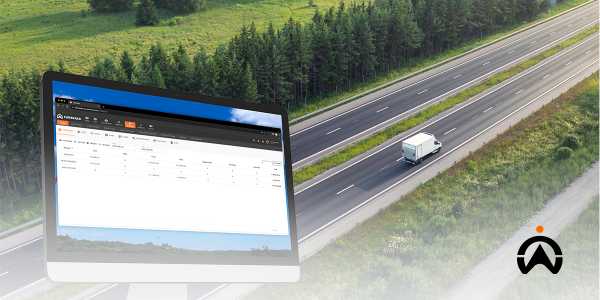
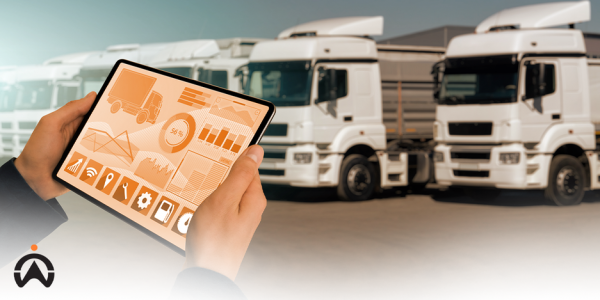
On-road delivery vans coexist with a workforce management platform dashboard to optimize fleet performance.

6 Key Benefits of Workforce Management Solutions

1. Control staffing costs

Software technology will enable employers to know exactly how much manpower is needed to complete all their tasks. It will give them a better overview of tasks to meet business demands and will help them easily pinpoint where staff is over and under-resourced, so they allocate staff accordingly. If there’s overstaffing and excessive overtime is being used, businesses can incur major unnecessary costs in cases where staff and overtime are excessive, so just being able to identify and rectify this can save a business money.

2. Effective payroll

There’s a way for you to have a more reliable payroll system in place, with the right software, which will automatically analyse hours worked, pick up overtime and will then calculate how much employees need to be remunerated. This will eliminate repetitive data entry and manual calculations, in turn minimising human errors and payroll inefficiencies.

3. Measure the productivity of your workforce

A software platform will help you create key performance indicators and task schedules for your staff. You can also analyse their progress with tasks, using reports from the platform. This will help you see if they are being productive. You can also analyse if schedules are effective and see if changes are needed for your workforce to meet business objectives.

4. Create smarter schedules

With real-time data, employers can easily see which shifts need to be filled, so they can immediately fill them before they face a staff shortage. They can also create schedules by location, department or job for improved scheduling in the company.

5. Empower your employees

Use workforce software to improve communication with your employees, so you can make them feel more informed and help them reach your business standards easily. This will make them feel more empowered and motivated at work. You can also empower your employees further, by creating fair schedules that help them also meet their personal obligations, while still meeting the demands of the business. For example, they can have a say in their schedules with self-service features to update availability, swap shifts, request time off, and pick up extra shifts.

6. Fewer errors and less administration

Automate the attendance of your employees to minimise any human errors. A system can accurately calculate how many hours an employee has worked and automatically send that through to payroll. This creates less admin for HR because they won’t need to manually call the employees regarding hours worked or if there are any changes in the system.
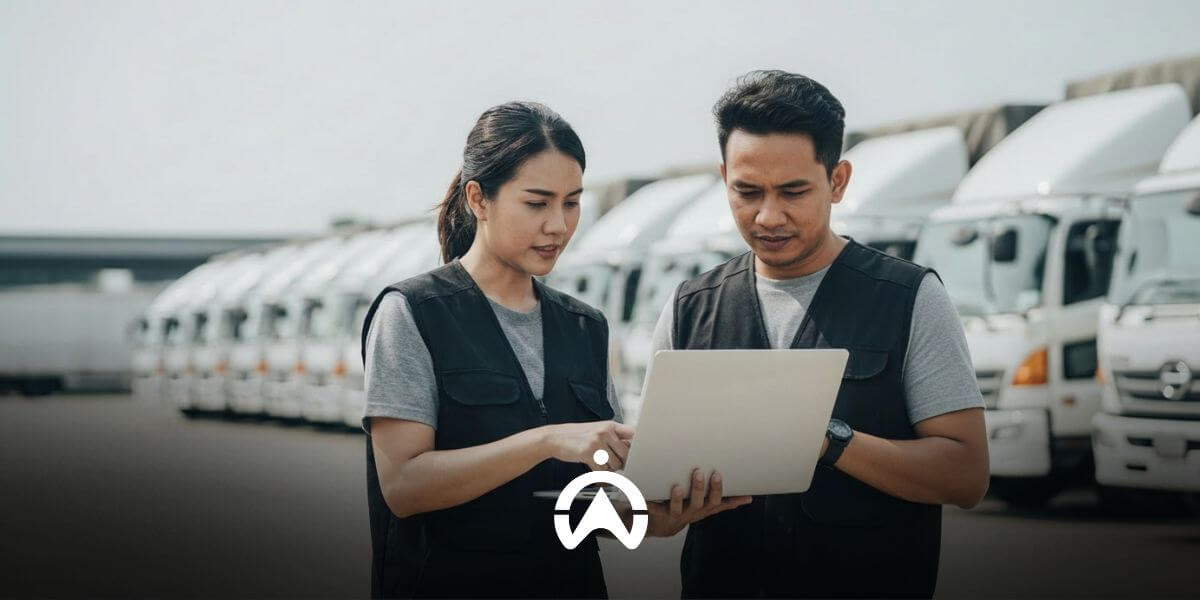
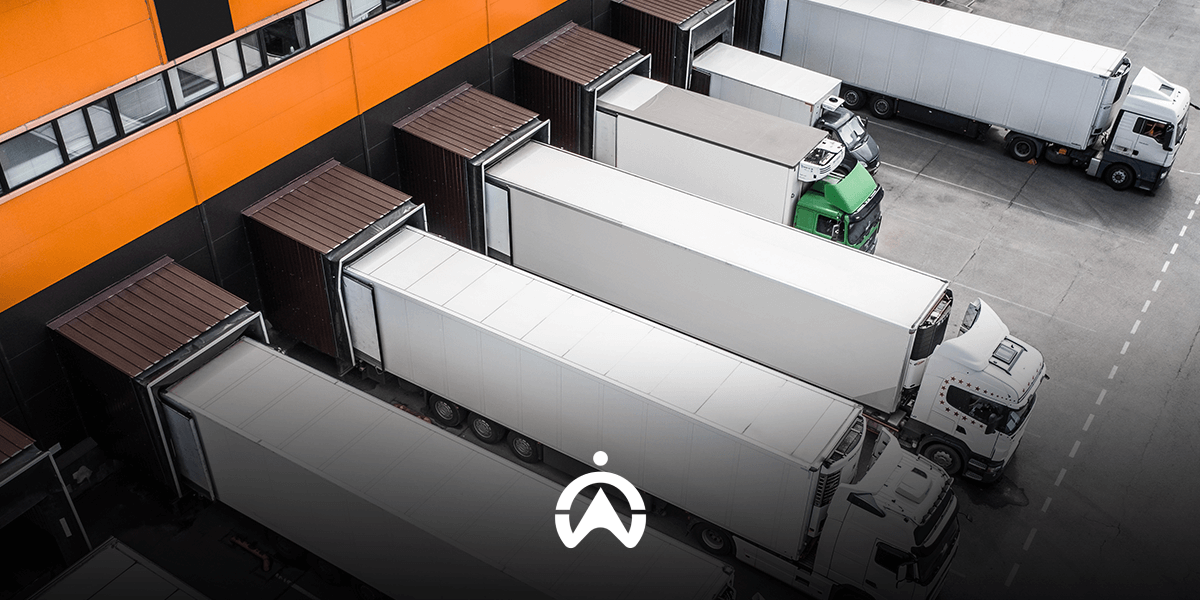
A row of trucks outside the warehouse is ready to go to optimize fleet performance with workforce management.

How to Improve Your Workforce and Fleet with Cartrack’s Software

Here’s how a telematics software platform from Cartrack Indonesia can help you take your fleet from good to great:

1. Create driver schedules and communicate effectively with your drivers

Schedule drivers to jobs or deliveries easily. Use Cartrack Delivery to view driver statuses and assign jobs in real time to your nearest available drivers. Drivers can also accept or reject tasks and review their schedules ahead of time. This allows them to communicate with managers via the mobile app, and notify them on the progress of deliveries, just by tapping the status buttons on the app. Managers can also view driver statuses to easily assign tasks to their nearest available drivers, and use the magic optimising tool to ensure the quickest and safest routes are taken for faster delivery turn-around times.

2. Enhance driver training with data insights

You can receive detailed, automated driver behaviour reports for each driver from the Cartrack platform. These reports can show you where your drivers are speeding, braking harshly, idling excessively and cornering fast. You can then use these insights to help grow your workforce by showing drivers where they need to improve, making them more accountable, and creating a safer, more efficient driving culture in your business.

3. Keep your entire workforce connected

Seamlessly connect drivers on the road with the team in the office. When drivers are assigned a job, they can automatically provide progress updates.  , allowing office staff to see the status and progress of each job. If a vehicle breaks down or is delayed, fleet managers can immediately see and use insights from the tracking software.   Cartrack Indonesia untuk membantu pengemudi mereka.

4. Accurate and easy fleet payroll

Give each of your drivers ID tags that require them to tap the sensor on the vehicle or equipment in order to start and stop using it. Fleet managers will receive automated log reports, indicating the exact hours spent on a job. You can use these reports to help accurately pay staff wages – eliminating payroll errors and any wage disputes.

5. Increase driver safety and productivity

Use AI-powered and live-streaming camera technology to track driver behaviour. These cameras are designed to audibly alert drivers in real time when it detects forms of dangerous driving gestures like fatigue, smoking, cell phone use and more, allowing your drivers to quickly rectify their behaviour and prevent a possible collision. This technology makes drivers more aware and accountable for their actions, which in turn makes them more productive and professional when on duty.

When it comes to finding the best workforce management tool for your fleet, Cartrack Indonesia is miles ahead of the game. With over 15 years of experience in providing businesses of all sizes with industry-leading telematics software, let Cartrack Indonesia take your fleet's workforce from average to optimal.

Chat with Cartrack Indonesia today!
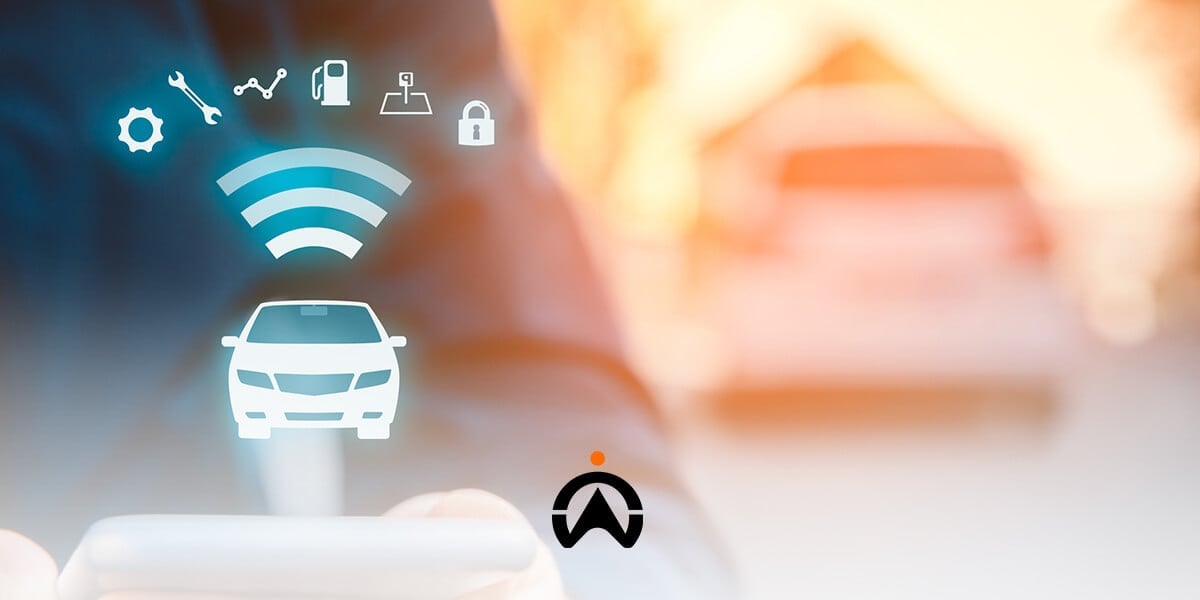
What Is The Impact Of IoT On Fleet Management Systems?

Introduction to IoT

How technology changes the way you manage a fleet involves various aspects, from fuel monitoring to driver and task management. As a fleet manager, overseeing and manually managing anywhere from one to a hundred or more vehicles can be an incredibly exhausting task.

Fortunately, today’s comprehensive and automated fleet management solutions are powered by IoT (along with data capture, telematics, and cloud technology). The term IoT, or Internet of Things, refers to the connection of everyday objects (known as “things”) to the internet. This concept goes beyond simply providing internet access to desktops and smartphones. The scope of IoT extends to a wide range of devices and assets, such as household appliances, smartwatches, and even buildings equipped with sensors and network connectivity that enable them to “communicate” with one another and with us.

It can be said that IoT has paved the way for the transformation of fleet management in areas such as:

Advanced computing performance, wireless technology, and cloud storage: The combination of advancements in wireless communication technology, cloud storage, and improved computing capabilities has revolutionised fleet management, enabling fleet managers to access and collect data about their fleet. As a result, fleet managers can now access real-time or stored data and make faster, more accurate decisions, which has significantly improved fleet management efficiency.

Easily accessible AI and ML technologies: Artificial intelligence (AI) and machine learning (ML) have brought significant advancements in fleet management software development. These advancements empower fleet managers to continuously monitor data from across their entire fleet. Through real-time feedback and detection of changes or deviations, fleet managers gain actionable insights, such as real-time alerts about potential issues (like maintenance reminders), enabling them to make informed decisions to improve fleet performance.

Comprehensive and extensive data: IoT has made business data more accessible and actionable in fleet management. By using sensors, telematics, and other IoT technologies, fleet insights have become broader and more actionable. This valuable information enables businesses to better understand fleet operations, leading to improved performance optimisation and more informed strategic decision-making.

Wireframe hand touching the blue digital interface visualization of the influence of IoT in logistics fleet management systems

7 Key Benefits of IoT in Fleet Management

Using IoT connectivity has had a significant impact on fleet management. Let’s explore 7 major benefits of using IoT in fleet management:

  1. Improved route planning and tracking: Advanced route planning and tracking capabilities have brought remarkable transformation to GPS tracking. Fleet managers now have 24/7 vehicle monitoring thanks to the seamless integration of GPS and IoT technologies. This integration delivers accurate, reliable, and real-time data, enabling fleet managers to improve productivity, reduce fuel expenses, and respond quickly to critical situations such as unexpected breakdowns.
  2. Automation of manual and administrative tasks: Today, streamlining manual tasks and administrative processes is achieved through the optimisation of IoT-powered fleet management software. This advanced software facilitates data collection, storage, and analysis, leading to the automation of routine administrative tasks and manual data entry. By eliminating time-consuming and repetitive tasks, you can focus on higher-value activities.
  3. Vehicle preventive maintenance: Through a range of digital data, IoT enables comprehensive vehicle assessment, providing fleet managers with timely notifications about maintenance needs. This proactive approach facilitates the scheduling of preventive maintenance, ensuring optimal fleet upkeep and extending vehicle lifespan.
  4. Fuel efficiency: IoT solutions play a vital role in providing valuable insights into engine performance and fuel efficiency through continuous monitoring of vehicle engine operations. By leveraging real-time data on fuel consumption, fleet managers gain valuable visibility into driver behaviour, particularly idle time, helping to optimise fuel usage, reduce emissions, and improve overall efficiency. By utilising IoT technology, you can gain actionable insights that support data-driven decision-making to enhance fleet performance and fuel efficiency.
  5. Enhanced delivery management: IoT fleet management solutions and GPS technology have transformed delivery management by offering end-to-end automation. Through seamless integration of various functionalities such as streamlined operations, route optimisation, coordinated dispatching, real-time vehicle location monitoring, and delivery progress tracking, fleet managementsystems improve efficiency and reduce costs. This approach also enhances customer satisfaction by ensuring on-time deliveries and addressing any issues or delays that may arise.
  6. Driver safety monitoring: IoT sensors provide comprehensive visibility into driver behaviour, such as engine start and stop frequency, speed, braking patterns, accelerator usage, and fatigue monitoring. With access to this data, fleet managers can implement targeted driver training programmes that promote a culture of safer driving practices and effectively reduce accident rates.
  7. Improved customer satisfaction: With the use of IoT in fleet management and delivery operations, you can offer customers greater convenience, efficiency, and personalised experiences. IoT enables data collection for tailored user insights, monitoring and optimisation of service deliveries, and rapid issue resolution, thereby fostering long-term loyalty through meeting customer needs more effectively.

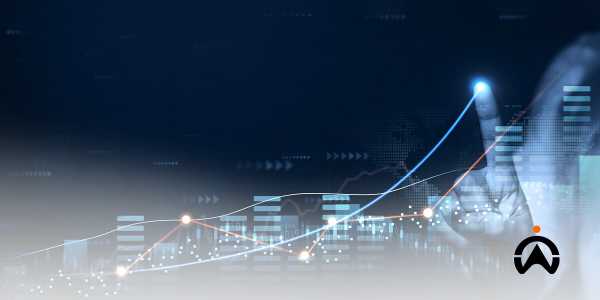
A_hand_touches_a_digital_graph_rising_over_the_cityscape_showing_the_growth_of_efficiency_and_IoTs_impact_on_fleet_management.

How IoT Solutions from Cartrack Indonesia’sFleet Management System Improve Fleet Efficiency

Real-time camera technology with artificial intelligence (AI): Use 8 smart cameras to boost driver, fleet, and cargo safety. Our real-time alerts keep drivers informed about potential safety violations and live voice notifications let them make corrections instantly. Plus, you can access recordings straight away.

ID Tags and specialised sensors: Driver ID Tags from Cartrack Indonesia enable the identification of authorised drivers using a vehicle and support tracking of driver activity. In addition, specialised sensors such as CANBus provide real-time data on vehicle mileage, RPM, and diagnostics, including engine health, brake pads, and lights.

Temperature sensors: Protect the freshness of refrigerated cargo with Cartrack’s advanced temperature monitoring solutions. Our sensors enable real-time temperature monitoring and instant alerts for temperature fluctuations in refrigerated trucks or trailers to keep goods fresh. Gain greater peace of mind with comprehensive reports on temperature monitoring for every trip, which can be easily attached to electronic proof of delivery, providing valuable assurance to customers.

Fuel sensors: Improve fuel efficiency and cost savings with Cartrack’s advanced fuel monitoring solutions. Fuel sensors from Cartrack Indonesia can accurately record and analyse fuel consumption data. By monitoring fuel sensor data, you can effectively reduce fuel consumption and minimise the risk of fuel card fraud or theft through a system that matches fuel receipts with vehicle location and status.

GPS tracking: The accurate and reliable technology from Cartrack Indonesia enables real-time tracking of vehicles and assets, as well as monitoring changes in tasks. With this GPS tracking system, you gain unprecedented control and visibility over vehicles and assets, empowering you to optimise resource allocation, streamline operations, and achieve peak productivity.

Trailer tracking: Take control of trailer and cargo security with Cartrack’s trailer tracking technology. Our advanced system enables real-time trailer location tracking and provides comprehensive trip history reports to monitor their whereabouts and ensure optimal security measures. With integrated cargo door and temperature sensors, you can protect cargo from unauthorised access and maintain ideal cargo temperature conditions.

Vehicle diagnostics: Improve maintenance planning and ensure optimal vehicle health with Cartrack’s vehicle diagnostic system. This advanced system provides instant notifications to fleet managers about engine faults, worn brake pads, and fluctuations in oil and coolant levels, allowing you to take proactive action to prevent breakdowns and reduce the risk of accidents.

How_Cartrack_Fleet_Management_System_IoT_Solution_to_Improve_Fleet_Efficiency

Want to know more about the System Fleet Management Platform supported by IoT from Cartrack Indonesia?

Click the link below!

What You Need to Know About AI And Machine Learning in Fleet Management

Artificial intelligence (AI) is a field that combines computer science with powerful data sets to solve problems and bring about innovation. Sub-fields of AI include machine learning (ML), pembelajaran mendalam (deep learning), robotika, dan lain-lain. Bersama dengan sub-bidangnya, AI dapat didefinisikan sebagai teknologi yang memungkinkan mesin (terutama sistem komputer) untuk berpikir atau bertindak dengan cara yang lebih ‘manusia’ dengan mengumpulkan informasi dari lingkungannya dan menentukan respons berdasarkan apa yang dipelajari.

Why are AI and ML important?

Dari penggunaan pengenalan wajah untuk membuka smartphone kita hingga meminta Siri, Alexa, dan Google Assistant memutar lagu favorit kita – AI and ML AI has become a part of our daily lives. There are many reasons why it is important in today's world:

  • Repetitive and manual tasks can be automated: AI and ML automate repetitive manual tasks such as business administration (filing, data entry, and scheduling meetings). This improves efficiency and productivity while saving time and money spent on human resources.
  • Smarter products: By adding intelligence such as voice and speech recognition, as well as virtual assistance to existing products, AI and ML have opened up a world of advanced products and innovations. These products have enhanced the business world—from biometric systems for tighter security to data and behavioural analytics for detecting and preventing fraud.
  • Customer service becomes instant and better: Thanks to AI and ML, chatbots can quickly process requests and answer questions accurately 24/7, allowing customers to get the help they need instantly. This automation of customer service saves time on routine tasks, reduces costs, and gives employees the freedom to focus on more complex tasks.
  • Data becomes useful: Data in business today matters more than ever, because it can give you a competitive edge. Fortunately, AI and ML are able to process vast amounts of data. That data can then be used to make accurate, well-informed business decisions.
  • Personalised customer journeys: AI and ML enable the analysis of customer purchase history, shopping habits, search history, and other data. With this, businesses can personalise products and services to better suit existing customers and attract potential customers. A personalised customer journey not only improves customer satisfaction and brand loyalty but also increases sales.

Why AI and ML are important

How Artificial Intelligence (AI) and Machine Learning (ML) Are Used in Fleet Management

AI and ML have opened up new possibilities in the development of fleet management software. Let's look at how various fleet industries use AI- and ML-powered fleet management software in their fleet operations:

Rental and Leasing

The use of AI and ML in the car rental and leasing industry is rapidly growing to enhance customer experience and business performance. Some of the ways AI and ML are being used in this industry include:

  • Customer service: Instead of visiting a car rental and leasing company, customers can interact with AI-powered chatbots and virtual assistants to book vehicle rentals, receive answers to frequently asked questions, and access personalised packages based on their preferences and rental history.

  • Predictive maintenance: Car rental and leasing companies can carry out preventive maintenance to make sure vehicles are in the best possible condition for renting or leasing. This preventive maintenance uses AI and ML algorithms that analyse data such as vehicle mileage and the last service date to predict when a vehicle may need maintenance. In this way, rental and leasing companies can reduce breakdowns while a vehicle is rented or leased, improve vehicle reliability, and build customer loyalty.

  • Competitive pricing: By using AI and ML algorithms, rental and leasing companies can offer competitive prices by relying on vehicle preference data, demand, and rental and leasing habits to set strategic prices, as well as detect and report fake credit cards or false IDs, keeping losses minimal and prices competitive.

Construction

Construction companies are increasingly relying on AI and ML to improve safety, enhance efficiency, and reduce costs. Here are some of the ways AI and ML are being used in the construction industry:

  • Improved safety: Given the nature of the construction industry and the high potential for safety hazards that can lead to accidents, injuries, and fatalities, construction companies must follow strict safety protocols. AI and ML technologies (such as AI-powered cameras) can detect and alert workers to potential safety hazards, including falling objects, unsafe working conditions, and individuals not wearing protective equipment. This helps reduce the number of accidents, injuries, and fatalities that may occur on construction sites.
  • Resource optimisation: AI and ML systems can maximise the use of resources by scheduling equipment, vehicles, and labour efficiently. Large construction companies working on major projects, multiple projects, or renting out their assets to other businesses use AI and ML systems to avoid project scheduling conflicts and ensure that assets are utilised efficiently and productively.
  • Quality control: Construction companies must ensure that all projects are completed to the highest standards. ML and AI can be used to monitor the construction process from start to finish. Data from sensors (e.g., temperature sensors to monitor construction site temperature, humidity, and vibration) is analyzed by algorithms. AI and ML to detect even the smallest changes quickly and accurately and predict potential problems before they arise, enabling better quality control.

Transportation and Logistics

With the growth of e-commerce and increasing expectations for fast delivery times, goods are no longer simply moving from point A to point B within the supply chain, but also to homes, offices, and everywhere in between.

Here are some of the ways AI and ML are used in transportation and logistics:

  • Route optimization: Due to high demand, fast turnaround times, and the transportation of sensitive products, the fastest and safest routes are crucial. AI and ML systems are used to analyze traffic patterns, weather conditions, and other data to optimize routes and avoid potential delays, reducing delivery times and reducing fuel consumption.
  • Asset tracking: Asset tracking is an important aspect of transport and logistics, because it keeps goods secure from pickup through to delivery. Here, AI and ML can be used to improve visibility and prevent cargo loss and damage. For example, AI and ML technologies such as GPS can be used to track the location and condition of vehicles and cargo, and AI and ML systems can track driver performance in real time, analysing data such as driving speed, braking patterns, and other behaviours — keeping things secure at every point in the supply chain.
  • Enhanced security: Cargo theft in the supply chain can lead to significant losses. AI and ML-supported security, such as cameras installed in warehouses and vehicles to detect suspicious activity, as well as driver identification tags to prevent unauthorised vehicle use or warehouse access, can help prevent theft and losses by providing real-time notifications and alerts.

Transportation and Logistics

AI and ML Innovations for Fleets

Cartrack Indonesia is a leading global Software-as-a-Service (SaaS) platform. With Cartrack Indonesia, you can transform fleet operations and achieve operational excellence through the power of AI- and ML-driven fleet management solutions, such as:

  • AI-powered cameras and live streaming technology: Using AI-powered LiveVision, you can equip your fleet with up to eight internal or external cameras to ensure the safety of drivers, vehicles, and cargo. With AI-based cameras, you can monitor your entire fleet in real time. In addition, LiveVision cameras can detect potential frontal collisions, drivers smoking, driver fatigue, and mobile phone usage. This, together with ML-based alerts, enables drivers to immediately correct their behaviour and ensures road safety.
  • Perangkat lunak pemantauan bahan bakar: Save on fuel costs with fuel monitoring software, MiFleet, which collects fuel cost data. MiFleet shows how much fuel a vehicle uses during a trip. Furthermore, the software can detect fuel card fraud, fuel theft, and fuel wastage, saving you money on fuel and only paying for what you use.
  • Vehicle and asset tracking with GPS: Track accurately and get full visibility of your entire fleet in real time with GPS technology. GPS collects location data from vehicles and assets so you can track completion rates, productivity, and efficiency, and receive informative insights (such as idle status, fuel levels, and engine diagnostics) to make well-informed business decisions.
  • Special sensors: Sensor khusus kami memberikan wawasan detail kepada manajer armada tentang operasi armada. Sistem pemantauan pintu kargo dan sensor suhu dapat digunakan dalam logistik rantai dingin untuk memberikan pemantauan suhu dan pintu kargo secara   serta mengirimkan peringatan kepada manajer armada segera setiap kali terjadi fluktuasi suhu atau pintu kargo terbuka, memungkinkan mereka untuk segera berhubungan dengan pengemudi untuk mengatasi masalah atau mengirimkan trailer pengganti jika diperlukan untuk menjaga barang dan mencegah loss of profit.
  • Automated preventive maintenance: Our platform automates maintenance schedules for each vehicle by using vehicle usage hours and the last service date to create an effective maintenance plan without complexity. This helps reduce maintenance costs, extend vehicle lifespan, and minimise unnecessary downtime.

That was AI and ML innovation for your fleets! Click this link to find out more!

What Are the Benefits of a Fuel Monitoring System for Your Business?

Many fleet businesses don't know where and when fuel is being stolen, are unaware of fuel siphoning, and ultimately lead to spikes in fuel consumption. Fuel monitoring systems (Fuel Monitoring System) will help you monitor fuel consumption levels accurately, detect possible fuel theft, and significantly reduce fuel costs.

Let’s discuss why a fuel monitoring system can be useful for our business!

What is the purpose of a fuel monitoring system?

According to experts, the most important cost variable in the transport and logistics industry is fuel. Unmonitored fuel usage can lead to increased expenses and wasted operational costs. Conversely, good fuel management can help prevent a business from going bankrupt.

What is fuel consumption monitoring? Fuel monitoring means taking all possible steps to control fuel usage across the entire fleet. Essentially, it is about knowing where every drop of fuel is used.

There are many ways for fleet managers to monitor fuel. For example, they can use Fuel Monitoring System in real-time which is usually called a platform  

But first, let’s look at some risks of fuel wastage:

Fuel Theft Methods and Risks

  • Siphoning: This method is one of the most common fuel theft techniques in Indonesia. It is usually carried out using a hose to siphon petrol or diesel from the tank into a container. The purpose is to steal the fuel and transfer it into another vehicle.
  • Fake transactions: This can occur when a fuel station swipes a fuel card multiple times for a single refuelling session, making the cardholder responsible for each transaction of fuel they did not actually receive.
  • Fuel card fraud: Fuel card fraud occurs when someone uses a company fuel card to purchase fuel for their personal vehicle.
  • Fuel card cloning: Fuel card cloning is also a common method of fraud. In this case, fuel card data is stolen to create a duplicate card, which is then used to refuel other vehicles at the expense of the original cardholder.

The red truck is filling up with petrol with a fuel monitoring system for business logistics efficiency.

Why is a fuel monitoring system beneficial for business?

  • Basic cost savings: Fuel is one of the largest expenses in a fleet business. With fluctuating fuel costs, managers need to control the amount of fuel used in trucks. Inefficient fuel usage can affect business productivity and negatively impact profits. For example, if a business spends excessively on fuel, it will have less money to allocate to other areas of the business.
  • Monitor fleet operations: With a Fuel Monitoring System, you can see where trucks are and whether they are operating efficiently. Business owners can assess how the fleet consumes fuel and take action against fuel inefficiencies immediately. For example, if a business owner has two drivers travelling to the same destination in identical vehicles, and one uses more fuel than the other, they can take further action using this GPS data to prevent fuel waste in the future.
  • Identify risky driver behaviour: In addition to monitoring fuel consumption, fuel monitoring system software can also provide insights into driver behaviour. By tracking drivers’ behaviour on the road and highlighting poor driving habits, it can help improve unsafe driving behaviour and increase fuel efficiency across the fleet.
  • Reduce engine idling: One of the main causes of unnecessary fuel waste is leaving the engine running while a vehicle is stopped for a long period. A Fuel Monitoring System helps identify how long a truck has been idling, measures the amount of fuel used, and notifies drivers so they can reduce fuel waste and unnecessary engine running.
  • Simplify fuel tax reporting: If fuel expenses are significant, administrative work increases, especially when preparing reports on fuel rates and taxes. Submitting reports requires extensive information on when and how far the fleet has travelled during the year. Don’t worry! With integrated advanced technology, a Fuel Monitoring System can generate reports in a short time. Through the fuel monitoring process, fleet managers can simplify fuel usage reporting tasks.

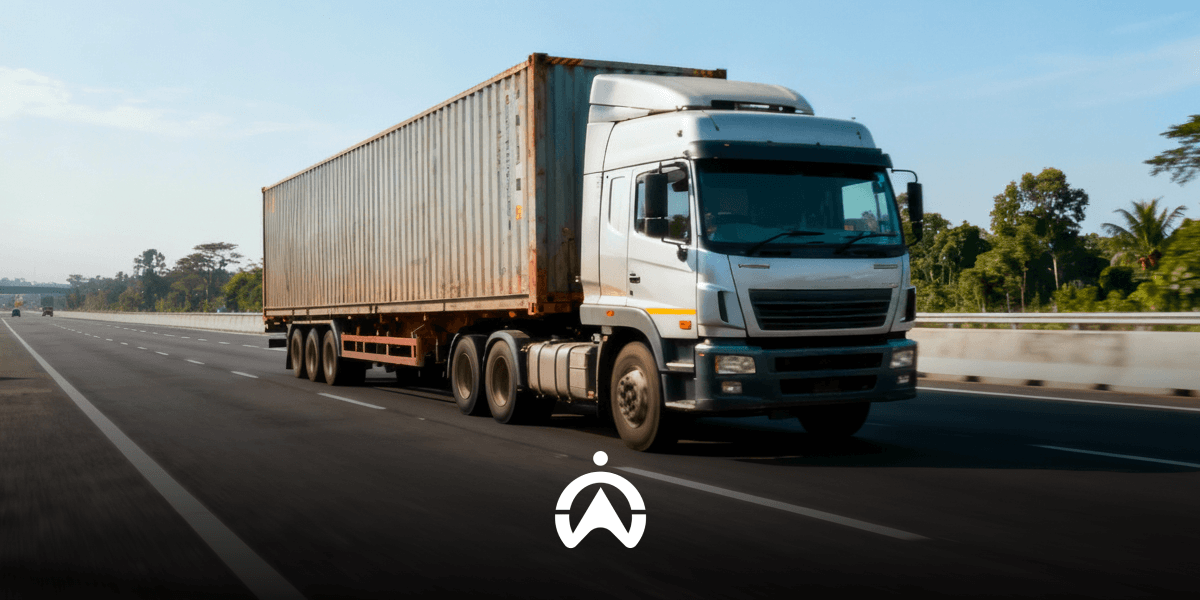
Logistics truck on highway with inset graphic of digital fuel monitoring system for business efficiency.

How does a Fuel Monitoring System work?

It is important to know that a fuel level sensor is installed directly into the fleet’s fuel tank so that it can monitor the fuel volume in real time.

Here is how the fuel sensor from Cartrack Indonesia works:

    • The fuel sensor (fuel probe) is installed inside the vehicle’s fuel tank by a technician to monitor fuel levels.

    • The fuel sensor measurement system has a tube connected to the sensor.

    • When fuel is added, it fills the tube and the surrounding space.

    • After three refills have taken place, the sensor is calibrated and ready for use.

    • Any decrease or increase in fuel levels is accurately measured by the sensor.

    • The sensor sends information about the fuel level in the tank to our telematics system.

    • The following data can be obtained from our system: litres, vehicle location, and tank capacity.

    • All of this data is sent to the Cartrack Indonesia platform and can be compiled into reports.

    • Notifications can be set up to monitor any fuel loss or fuel additions and can be sent via email or SMS.

Interested in installing a fuel sensor or using a Fuel Monitoring System for your fleet? Click the link below!

How Task Management Platforms Can Simplify Business Growth

What is task management and why is it important?

Task management is the monitoring of all work steps, decision-making, and completion. The stages of task management begin with planning, testing, tracking, and reporting.

Task management is used to ensure we can meet deadlines, improve work quality, manage workload, encourage collaboration, and increase productivity.

Platform perangkat lunak armada menawarkan fitur manajemen tugas yang dapat membantu mengelola pekerjaan   agar menjadi lebih mudah dan efisien. Platform perangkat lunak yang kamu pilih akan berdampak pada seluruh tim saat mengorganisir tugas.

Pebisnis menggambar panah pertumbuhan di samping ikon truk untuk manajemen tugas logistik.

4 Ways to Grow Your Business with a Task Management Platform

  1. Track work more accurately: Use data to understand whether your work has the correct process and progress. A task management platform provides various types of data reports you need. For example, if one of your goals is to save fuel, you can access fuel reports and analyse the data to see whether fuel consumption is increasing or decreasing. After reviewing the reports, you can develop a plan to save fuel and find ways to reduce it.
  2. Remote work control: With a task management platform, you can manage work from anywhere. The more flexible it is, the faster and more efficiently you can complete tasks. Cloud-based task management platforms provide access to different parts of the system directly from your smartphone. You can receive instant notifications on your smartphone if a vehicle leaves a designated area or requires servicing.
  3. Automated reports: To make tasks more efficient, task management platforms can save time in report creation. The fleet task management platform from Cartrack Indonesia ensures that administration, operations, and finance teams have everything they need from a single platform. There are various types of reports and insights that business owners can download, receive automatically, or send directly to their teams to help simplify administration and communication. For example, if the finance team needs to calculate fuel expenses for the month, the business owner can access a monthly fuel consumption report for their fleet and share these insights with the finance team.
  4. Optimise workforce: Simplify processes across all tasks to increase staff productivity by using a task management platform. For example, if you want to streamline vehicle maintenance procedures, you can schedule maintenance while enabling instant notifications to remind you of each vehicle’s service schedule. As a result, staff do not need to manually check each vehicle’s maintenance timing one by one. Staff only need to perform servicing when they receive notifications from the platform.

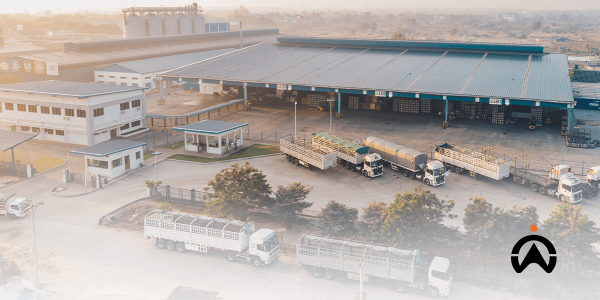
Aerial view dari gudang industri besar dengan armada truk logistik, menggunakan platform manajemen tugas untuk perkembangan bisnis.

5 Key Benefits of Using a Task Management Platform

  1. All tasks in one place: If you often struggle to find tasks because you have stacks of notes, a task management software platform can help organise and store all tasks in one place. For example, fleet software platforms have dashboards with various tabs that can be customised to meet fleet information needs. These dashboard tabs reduce the time that would otherwise be spent searching for information. As a result, staff can stay on schedule because tasks are easy to track from anywhere.
  2. More control for businesses: Platform yang terorganisir menghilangkan sebagian stres dan tekanan bagi pemilik bisnis karena mereka memiliki gambaran dari semua tugas – pada dasarnya mudah untuk melakukan multitasking. This is very useful when they have daily problems that need to be resolved immediately. For example, there are indications of fuel theft that occurs regularly. real-time, and the fuel consumption rate is very high. A businessman can take immediate action by looking at the platform  , dan menemukan kendaraan mana yang mengkonsumsi lebih banyak bahan bakar daripada yang lain, lalu menyelidiki hal ini.
  3. Business growth opportunities: Platform manajemen tugas dapat membantu interaksi dengan pelanggan menjadi lebih lancar dan efisien. Contohnya, dengan platform  , pemilik bisnis dapat berkomunikasi dengan pelanggan tentang progres pengiriman mereka. Termasuk menjawab pertanyaan pelanggan, cek progres secara teratur, dan pembaruan progres pengiriman melalui email.Kedepannya, demi mengembangkan perusahaan, pemilik bisnis dapat fokus lebih pada peluang penjualan dan pemasaran atau produk dan layanan yang lebih banyak karena efisiensi produktivitas perusahaan membuka aliran kas yang lebih banyak.
  4. Remote work trend: Companies that fail to keep up with technological advancements and software systems may fall behind their competitors. One example of this innovation is the global rise of remote working. Businesses need to keep up with the times by adopting more modern communication systems or risk facing bankruptcy.
  5. Improving team productivity: According to SaaSList, online project and task management software can save an average of 498 working hours per employee per year. Smoother communication can help prevent miscommunication or conflicts between managers and staff. Companies can also reduce business costs, as they may require fewer employees due to improved and more efficient workflows.

Too many tasks, deadlines, administrative duties, and teams to manage?

Let's manage tasks using the task management features of the Cartrack Indonesia fleet management platform!

Click the link below to find out more!

How To Digitise Fleet Management With Cartrack

What is vehicle fleet management?

Fleet management is a critical aspect for any business that relies on commercial vehicles—whether cars, buses, vans, or trucks—to operate. This is because it encompasses the measures taken to manage all vehicles and fleet assets, ensuring the business operates efficiently and punctually while adhering to established budgets and profitability targets.

Manajemen armada yang efektif dapat dicapai melalui pelacakan kendaraan atau GPS, manajemen konsumsi bahan bakar, pemantauan perilaku pengemudi, dan pemeliharaan kendaraan – semuanya ini ada dalam kendali seorang manajer armada.

Software for Fleet Management Digitalisation

Fleet management software is a technology that helps fleet managers obtain and manage information from all fleet operations and complete tasks efficiently and on time. The purpose of fleet management software is to record real-time GPS vehicle location data, vehicle diagnostics, and identify risky or unsafe driver behaviour.

With this fleet management software, fleet managers can save time, money, and energy at the same time. Fleet managers receive automated reports that help them make decisions related to fleet operation coordination while reducing operational costs and ensuring fleet safety and efficiency.

How Cartrack Indonesia Helps with Fleet Management Digitalisation

Cartrack Indonesia is a Software-as-a-Service (SaaS) platform that helps small, medium, and large businesses automate fleet management administration—optimising fleet utilisation, driver and vehicle safety, risk management, and workforce efficiency—by leveraging data to drive business growth.

Laptops feature GPS tracking to digitize fleet management with Cartrack.

Here are some fleet management digitalisation solutions from Cartrack Indonesia:

  • Actionable Trip Reports The Cartrack Indonesia fleet management system monitors vehicle and driver behavior patterns against predefined rules. This data is compiled into reports that assist fleet managers in overseeing vehicles, driver behavior, completion rates, and even fuel consumption. There are approximately 40 types of standard reports available, including mileage logs, driver scorecards, and reports on speeding and productivity.
  • Actionable Trip Reports The Cartrack Indonesia fleet management system monitors vehicle and driver behaviour patterns against predefined rules. This data is compiled into reports that assist fleet managers in overseeing vehicles, driver behaviour, completion rates, and even fuel consumption. There are approximately 40 types of standard reports available, including mileage logs, driver scorecards, and reports on speeding and productivity.
  • Instant and Real-timeWith the fleet management platform from Cartrack Indonesia, fleet managers can manage types of vehicle violations such as speed limits, sudden braking, bends, acceleration, as well as entering and leaving geofence areas. If there is a violation, an instant notification will be sent to the fleet manager so it can be handled immediately.
  • Operational Cost Monitoring with MiFleet MiFleet is an operational cost monitoring system from Cartrack Indonesia. MiFleet monitors everything from vehicle fuel consumption to maintenance costs for each vehicle, enabling fleet managers to reduce operational expenses quickly and accurately. Additionally, MiFleet can detect potential fuel theft or inefficient driving habits.
  • Route Optimisation Route optimisation is a feature that organizes and manages the routes drivers are to follow. If a driver deviates from the planned route, Cartrack Indonesia’s software can send real-time notifications to the fleet manager. Route optimisation helps prevent wasted operational costs and ensures that both drivers and cargo remain on the correct path.

Three white trucks with red containers parked at a logistics warehouse, illustrating Cartrack's digitalization of fleet management.

By creating software   The most advanced, Cartrack Indonesia is committed to providing solutions for all businesses and industries in Indonesia.

Use Cartrack Indonesia today to start taking control of your fleet! Click the link below!

Cartrack GPS Tracker The Key To Vehicle Recovery After Theft

Vehicle theft, hijacking, or car theft are terms that refer to illegal acts involving vehicles. In most cases, vehicle thieves gain access to unattended parked vehicles and tamper with the ignition system to start the vehicle, such as through hotwiring or other methods used to force the vehicle into operation.

In other cases of vehicle theft, criminals forcibly take a vehicle by threatening the driver or passengers and ordering them out of the vehicle before driving away with it. In more serious incidents, drivers or passengers may be held hostage inside the vehicle.

Cartrack_GPS_Tracker_Key_Vehicle_Recovery_from_Theft

What is GPS tracking and how does it work for vehicle recovery?

SVR, short for Stolen Vehicle Recovery, is a technology and data from vehicle tracking used to recover stolen or hijacked vehicles safely and return them to their owners. The vehicle recovery process begins even before the vehicle is stolen. It all starts when the vehicle is equipped with tracking software.

Let's discuss this software in more detail!

We start with GPS (Global Positioning System), which is a network of satellites used to determine the position of an object on Earth. With various benefits, one of the main advantages of GPS is that it serves as a guide to help drivers find routes and track vehicles.

Vehicle tracking systems require a tracking device or GPS installed in the vehicle or asset. The device provides information about the vehicle's location even when it moves – this is called real-time tracking. Therefore, GPS tracking systems are key for recovering stolen vehicles as they are used to monitor the location and activity of the stolen vehicle.

Vehicle tracking systems can increase the chances of recovering stolen vehicles and even reduce the risk of theft. This is because some GPS tracking devices include a Geofence feature that sends instant notifications if a vehicle leaves a designated area or is taken away without authorisation.

Recover stolen vehicles with the help of the GPS tracking system from Cartrack Indonesia. Gain full control over your vehicle using world-class tracking technology. The features below help ensure your vehicle's safety and increase the chances of its safe recovery in the event of theft:

  • Geofence: Geofence is a virtual boundary or virtual fence created on a digital map. This virtual fence can be used to mark restricted or high-risk areas, and instant notifications can be triggered when a vehicle enters or leaves these areas.
  • Safe and reliable tracking device installation techniques: Recover stolen vehicles with the help of the GPS tracking system from Cartrack Indonesia. Gain full control over your vehicle using world-class tracking technology. The features below help ensure your vehicle's safety and increase the chances of its safe recovery in the event of theft:
  • 24/7 emergency support team: Our emergency support team is always ready to assist you at any time, especially in unfortunate events such as vehicle theft or hijacking.

The use of Cartrack GPS tracker makes it easier for the police in the process of recovering vehicles from car theft.

As explained above, using tracking devices or GPS can reduce the risk of vehicle theft and even increase the likelihood of recovering a stolen vehicle.

If you are looking for advanced security features, Cartrack Indonesia provides various features such as 24/7 vehicle location monitoring, trip history tracking, and checking vehicle status (idle/moving), as well as geofencing. Enhance your vehicle’s security starting now—use Cartrack GPS Tracker!

Visit Cartrack Indonesia for more information.

Benefits Of Task Management Tools For Dispatch Controllers In Companies

Because their work is behind the scenes, the role of a dispatch controller is not widely recognised by others. However, dispatch controllers are the backbone of a trucking company. This means they need to be efficient and effective task managers. In this article, we will discuss the role of dispatch controllers, task management tools from Cartrack Indonesia, and their benefits.

First of all, what is a dispatch controller and what are their responsibilities?

A dispatch controller is an individual who oversees a business’s delivery operations. A dispatch controller assigns drivers to deliveries, optimises driver routes, tracks vehicle locations, collaborates with drivers, and communicates with customers.

Even though dispatch controllers are not physically with large trucks all day, they work hard behind the scenes by coordinating and managing drivers’ schedules and routes to ensure goods are delivered safely and on time.

Here are 6 things dispatch controllers typically do every day:

1. Managing operational costs 

Every day, dispatch controllers are responsible for coordinating and managing fleet operations to achieve established goals with the highest productivity and lowest operational costs. Dispatch controllers must quickly find creative ways to solve problems and optimise routes to save time, resources, and money.

2. Staying organised and focused

A dispatch controller's daily routine is quite busy. They coordinate deliveries, make calls, and manage drivers, vehicles, and routes. Amidst all this busyness, dispatch controllers need to be highly focused, stay organized with their to-do lists, and be able to manage high customer expectations and high driver stress levels.

3. Optimising technology  

Technology is a tool used by dispatch controllers every day, from GPS tracking devices and smartphones to fleet management systems from Cartrack Indonesia fleet management. Dispatch controllers in the trucking industry use technology daily to keep operations running smoothly, safely, and on time.

4. Collaborating with drivers

As a dispatch controller, communication and collaboration are crucial. Every day, dispatch controllers communicate constantly and conduct routine check-ins with drivers.

5. Ensuring fleet compliance

A dispatch controller’s responsibility is to ensure that company operations comply with fleet regulations. Every day, dispatch controllers ensure that drivers are fit and healthy, well-rested, and that vehicles are safe and roadworthy.

6. Maintaining client satisfaction 

Unhappy clients can result in dispatch controllers losing their jobs and damaging the company’s reputation. Ensuring customer satisfaction is a major part of a dispatch controller’s responsibilities.

A dispatch controller wearing a safety vest and helmet, smiles in front of a row of company fleet trucks using task management tools.

Why is task management so important?

Dispatch controllers must know what, how, and when all tasks need to be completed. That is the main reason why task management is so essential.

Task management plays an important role in the success of fleet operations because it helps dispatch controllers keep everything running smoothly. All fleet operations—from planning, reporting, analysis, evaluation, creation, to execution—require task tracking to remain efficiently controlled in real time.

Task Management Tools enable dispatch controllers to track tasks accurately and understand everything they need for each task in order to meet customer and business expectations perfectly.

7 Benefits of Using Task Management Tools

Every type of business can benefit from task management tools to manage employees, teams, assets, tasks, and other resources such as time and budget. Task management tools allow you to:

1. Organising all tasks on a single platform  

With the right task management tool, dispatch controllers can manage all their work from one platform. Dispatch controllers can easily delegate tasks, monitor them at a glance, and promptly address any delays or issues.

2. Prioritising tasks based on urgency

Not all tasks have the same priority. With task management tools, dispatch controllers and teams can focus on tasks according to their urgency, from most important to least important.

3. Improving team collaboration

Task management tools include features to enhance collaboration, such as user mentions and comments within tasks, and help teams communicate efficiently. Teamwork makes work easier, making it easier to achieve shared goals.

4. Breaking down complex tasks and managing multiple tasks

Task management requires planning for smooth execution. Small delays or errors can cause major problems for fleet-based companies. Task management tools make the process of creating and completing multiple tasks easier and more efficient.

5. Automating tasks

Some tasks, such as monthly reports, occur on specific dates throughout the year. Instead of setting recurring tasks manually, task management tools use automation to create tasks every month or week, based on the dispatch controller’s needs.

6. Real-time access to task progress

Dispatch controllers manage multiple drivers, vehicles, clients, and deliveries at the same time. With task management tools, dispatch controllers can monitor the progress of all these tasks on a single platform.

7. Increasing profitability

Profit is a benefit that business owners across all industries aim for. Customer satisfaction and business profitability are positively influenced by task management software such as Cartrack Indonesia, which offers the benefits mentioned above. With the right task management tools, businesses can take advantage of each of these benefits. Good task management tools include features that prepare businesses for sustainable success.

A delivery truck speeds along the highway, illustrating the benefits of task management tools to improve the work efficiency of a company's dispatch controller.

There are several task or fleet management tools available, but companies need to choose the best one!

Choose Fleet Management Tools from Cartrack Indonesia! Get the ease of managing tasks, tracking progress, and collaborating seamlessly—all from a single platform.

Contact Cartrack Indonesia now to get the best task management solution in Indonesia!