
Car KIR: Definition, Requirements and Costs 2025

As a commercial vehicle owner or user for business operations, you're likely familiar with the term "vehicle inspection." However, if you're new to the commercial vehicle business world, you might not fully understand the term. Find out more about vehicle inspections, including their definition, procedures, and costs, in the following article.

What is the Kir Test?

A roadworthiness test (KIR) is an inspection of motor vehicles, particularly for business vehicles such as buses and trucks. This inspection is mandatory every six months to inspect vehicle components to ensure safe driving.

According to Indonesia's Minister of Transportation Regulation No. 19 of 2021, the following types of vehicles are required to undergo periodic inspections:

  1. Public passenger cars

  2. bus

  3. Goods truck

  4. Trailer

  5. Patch train

Regulations regarding this matter are discussed in Law Number 22 of 2009 concerning Traffic and Road Transportation, Article 53 paragraph 1. In addition, this inspection is also regulated in Minister of Transportation Regulation No. 133/2015.

As a mandatory requirement stipulated by law, there are of course sanctions stipulated in Article 76 paragraph 1 of Law Number 22 of 2009 concerning Road Traffic and Transportation (LLAJ). These sanctions include written warnings, fines, suspension of road permits, and even revocation of road permits. Therefore, vehicle roadworthiness tests are mandatory for all business/company operational vehicles.

By conducting regular vehicle inspections, you ensure smooth operations and ensure road safety. This, of course, also indirectly minimizes losses for both the company and other road users.

In addition, you will also avoid lengthy matters with the authorities when random inspections occur which of course disrupt operations.

Read Also: Improve Road Safety with Fleet Management Technology
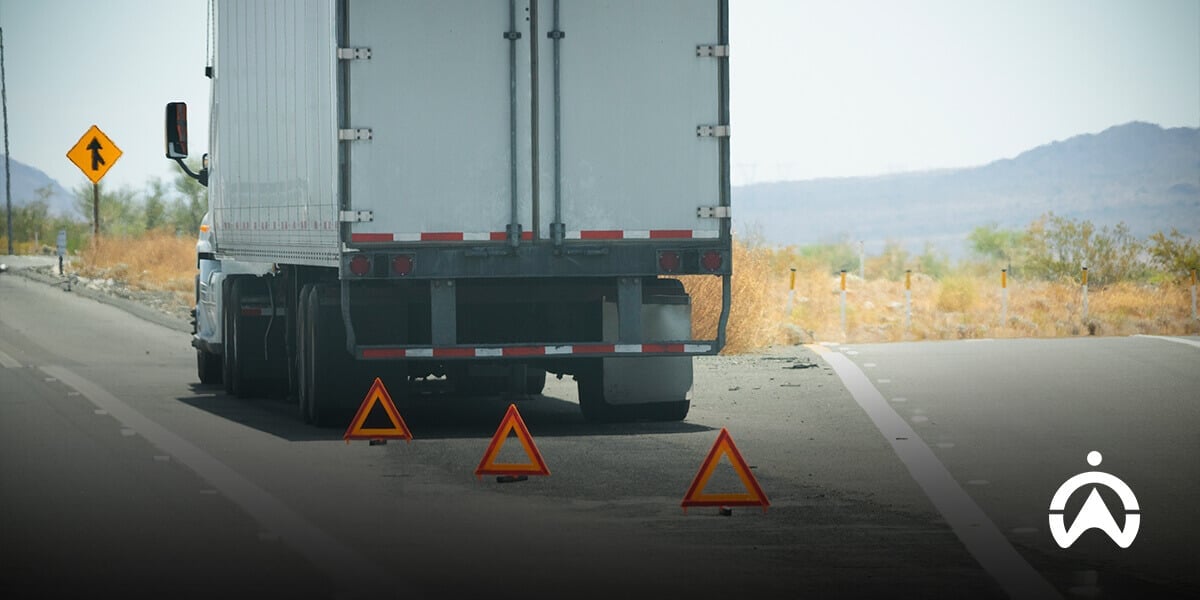
The white truck stopped at the side of the road with a safety triangle, meeting the safety standards for car roadworthiness tests.

Vehicle Inspection Test Implementation Time

Indonesian Minister of Transportation Regulation No. 19 of 2021 also regulates the timing of periodic inspections, as follows.

1. Periodic Registration Test

In other words, the Periodic Registration Test is the first time your vehicle will undergo a roadworthiness test. The requirements are as follows:

  • You can register within 13 working days from the issuance of the STNKB (Motor Vehicle Registration Certificate) for passenger cars, buses and goods vehicles.

  • For trailers and attached trailers, you can register 13 working days from the issuance of the SRUT (Type Test Registration Certificate).

  • Valid for one year from the date of issuance of the STNKB or SRUT.

2. First Periodic Test

The First Periodic Test is the first periodic test or inspection after the Registration Periodic Test. The following are the provisions:

  • It is carried out after the periodic registration test period ends (after 1 year).

  • Valid for 6 months.

3. Periodic Test for Extension of Validity Period

The Periodic Renewal Test is a mandatory periodic test that must be performed within a specified period, namely every six months. At this stage, you no longer need to register the vehicle, making the process shorter than before. The requirements are:

  • It is carried out after the first periodic test period ends (after 6 months).

  • Repeated every 6 months.

Also Read: Pre-Trip Checklist: Safety Steps in Fleet Management

Procedures and Stages of Car Vehicle Inspection Test

After understanding the timing and flow of vehicle inspections, here are the procedures and stages you will go through when conducting periodic inspections.

1. Registration

Registration for the vehicle inspection test can be done directly or online via the website/application.

Offline Registration

Offline registration can be done by visiting the Transportation Agency office in your city or district.

  1. Visit the registration counter.

  2. Complete the registration files.

  3. Heading to the pre-test and roadworthiness inspection location.

Online Registration

Several regions, such as Jakarta and Tangerang, have implemented online registration systems, both through websites and smartphone apps. To find out if your region has implemented an online registration system, you can check on the Play Store.

  1. Open PlayStore on your smartphone (Android)

  2. Ketik “kir [nama kota/kabupaten]” pada kolom pencarian

  3. Download and install

  4. Perform user registration by filling in the data

  5. Select the “First Test List” or “Regular Test List” service.

  6. Prepare supporting documents in scanned format as well as photos of the front and side of the vehicle in JPEG/JPG/PNG format.

2. Checking the required documents

After registration, you will enter the required file check, which is as follows:

  • BPKB (Motor Vehicle Ownership Certificate)

  • STNK (Vehicle Registration Certificate)

  • Original ID card of the owner or power of attorney if the person requesting the inspection is not the owner.

  • Route permit for public transport or operating permit for passenger transport

  • Type Test Registration Letter (SRUT)

3. Pre-Test Inspection

At this stage, Transportation Agency officers will conduct a visual inspection to ensure the completeness of the components that ensure driving safety. Some of these include:

  • Frame number and condition

  • Number and type of drive motor

  • Condition of fuel tank, fuel filler funnel, fuel line pipe.

  • Condition of the converter kit system for those using high pressure fuel

  • Condition and position of the drain pipe

  • dll.

The KIR car document requirements are the STNK and the motor vehicle periodic inspection card.

4. Roadworthiness Inspection

Next, the officer will check the roadworthiness requirements which include:

  1. Exhaust emissions

  2. Noise level

  3. Main braking capability

  4. Parking brake capability

  5. Front wheel cup

  6. Headlight beam capability and direction

  7. Accuracy of speedometer

  8. Tire tread depth

5. Submission of Vehicle Inspection Test Results

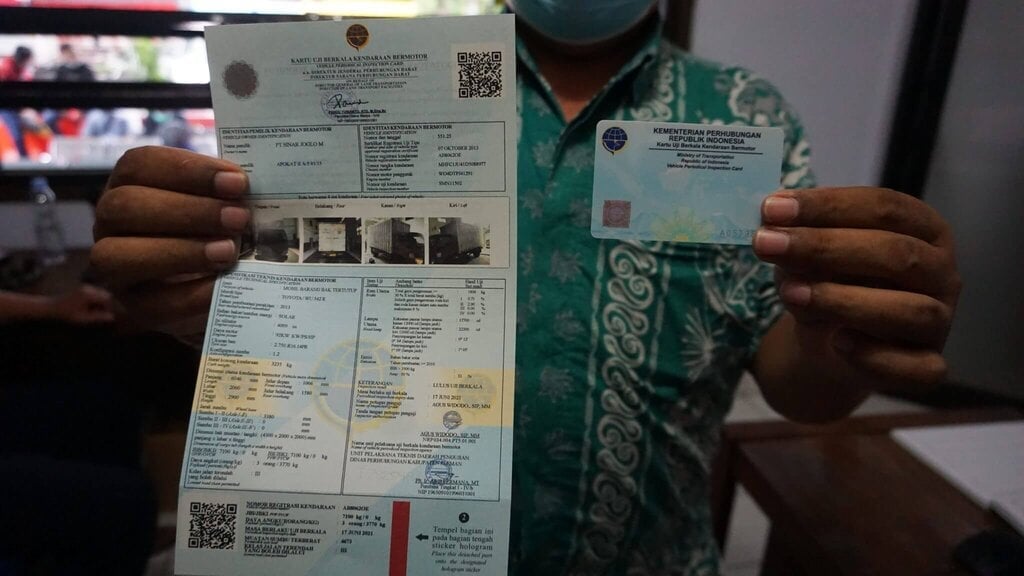
After a series of inspections, you will receive a proof of passing the vehicle inspection. Since 2020, the vehicle inspection certificate, which was previously in book form, has been replaced by an electronic form, BLU-e (Electronic Proof of Passing the Vehicle Inspection). The BLU-e itself consists of:

  • Two certificates of passing the examination

  • Hologram sticker with QR code attached to the windshield

  • One smart card with NFC technology

Source: Sleman Regency Transportation Agency

The vehicle inspection certificate is valid for six months after the inspection. Therefore, you must ensure your vehicle is registered for the inspection on time. You can also check by entering your vehicle registration number on the Transportation Agency's dedicated website.

  • Visit spionam.dephub.go.id

  • Select “Check Vehicle”

  • Enter the license plate number using capital letters and numbers. (Example: B1234FG)

  • Click “Search”

The results of this search will be in the form of information including vehicle number, company name, and SRUT number (Type Test Registration Letter).

Also Read: What is a Driver Monitoring System?

2025 Vehicle Inspection Test Costs

Since January 5, 2024, vehicle inspection fees have been free. This policy is based on Law Number 1 of 2022 concerning Financial Relations between the Central Government and Regional Governments and Government Regulation Number 35 of 2023 concerning Regional Taxes and Levies.

That concludes the discussion and complete information regarding the ins and outs of vehicle roadworthiness tests. If you own a commercial vehicle, don't forget to ensure your fleet undergoes regular inspections.
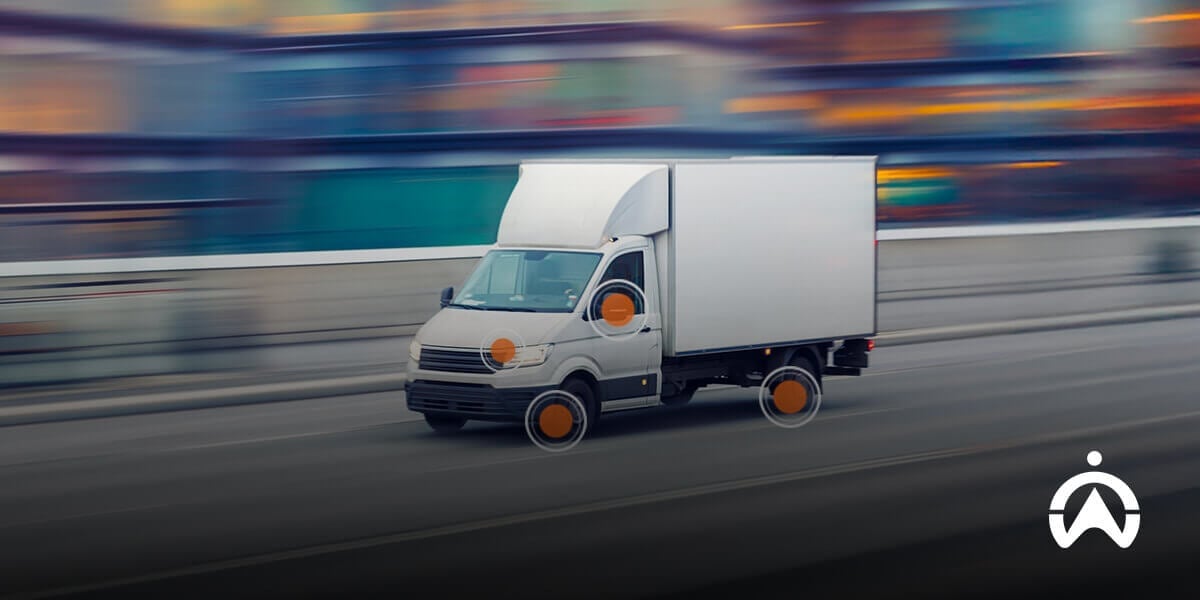
A delivery truck drives on a city street, depicting a commercial vehicle that is required to pass a car KIR test.

Ready for the KIR Test with Maintenance Management from Cartrack

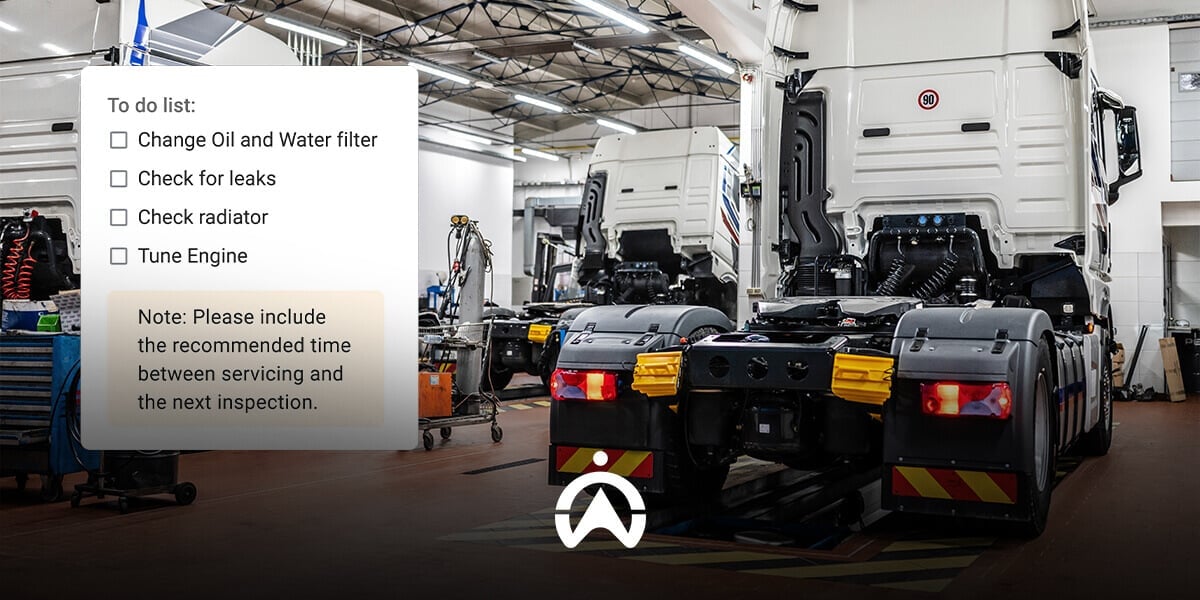
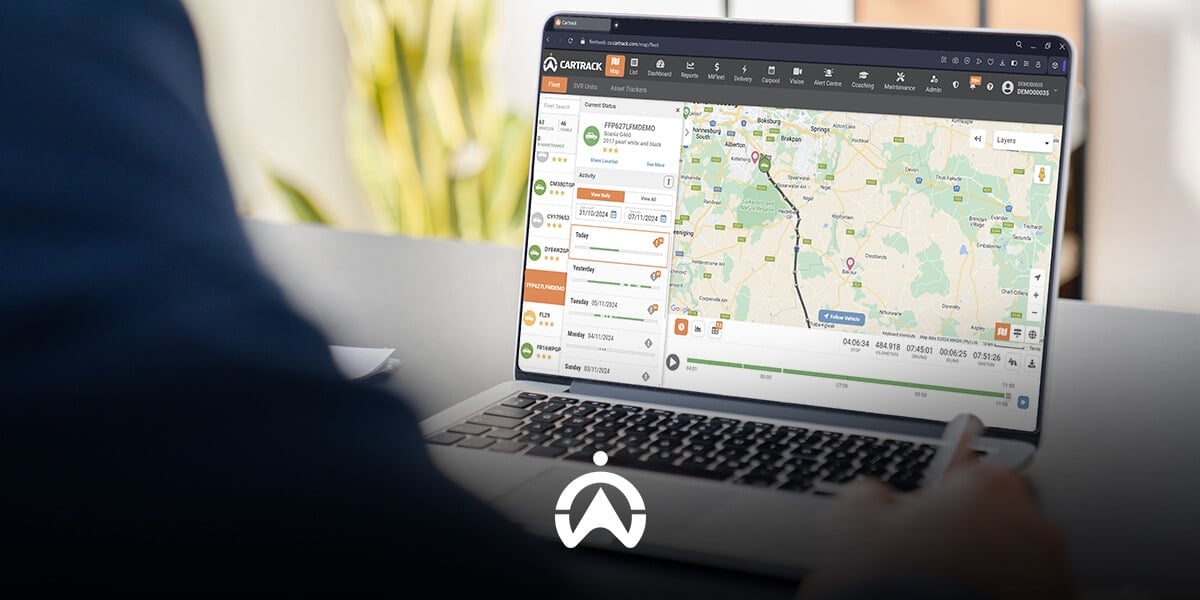
To ensure your vehicle is always ready for roadworthiness tests and passes them without any issues, you must perform routine maintenance and constantly monitor its condition. Cartrack offers a fleet maintenance management solution that helps you, as a business owner, maintain your vehicle's condition. With automation, you can:

  • Schedule regular servicing according to vehicle mileage and usage.

  • Receive automatic alerts before the KIR test expires, so there are no delays.

  • Monitor the condition of machines and critical components in real-time to avoid sudden breakdowns.

  • Analyze vehicle maintenance history to make it easier to budget for repairs and spare parts replacement.

With vehicle management from Cartrack, you can ensure compliance with vehicle regulations while avoiding downtime due to unexpected problems.

Manage your commercial vehicle maintenance with Cartrack to keep every unit in top condition. Get a free demo now by filling in your details. form follows! 

Tips to Avoid Car Theft While Shopping in Indonesia

Car Safety Tips When Shopping in Indonesia

Shopping at a mall should be a fun and safe experience. However, in Indonesia, car thefts often occur while shopping. For example, in October 2024, a BMW was stolen from the parking lot of a luxury hotel in Semarang by its former owner, who used a duplicate key and installed a GPS without the new owner's knowledge. Cases like these highlight the importance of taking precautions to protect your vehicle.

There is no need to worry, as there are several steps you can take to keep your car safe while you are shopping. This article will share some simple tips to keep your vehicle secure, as well as how Cartrack's tracking and security technology can provide additional protection.

Car Safety Tips When Shopping

Shopping should be a fun activity, but the risk of car theft remains a serious concern in Indonesia. With the rise in vehicle thefts, it's important to take extra precautions. Here are some practical tips to keep your car safe:

1. Park in a Bright and Crowded Place

Criminals tend to operate in dark, deserted areas. One of the best ways to deter them is to park your car in a well-lit, busy area. Shopping malls often have parking areas close to entrances, which offers better visibility and security.

If possible, choose a parking space with visible security systems, such as CCTV cameras or regular security patrols. These measures not only make your vehicle less attractive to thieves but also provide additional security for you.

2. Lock the vehicle properly and hide valuables.

It may sound simple, but many people forget this basic step. Always make sure your car is locked, no matter how briefly you leave it. It only takes a moment for thieves to break into your vehicle. Also, never leave valuables like bags, gadgets, or groceries visible. Store these items in the trunk or glove compartment.

3. Use Additional Security Tools

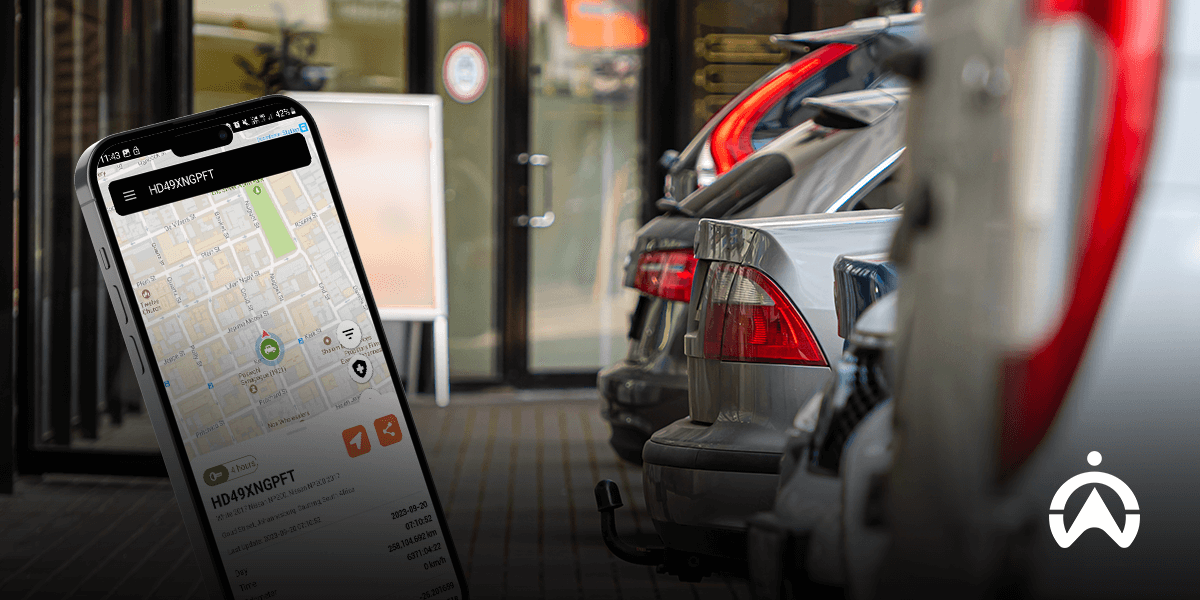
Adding physical security devices such as steering wheel locks, pedals or immobilisers can strengthen vehicle security. In addition, technology such as Cartrack’s GPS tracker allows you to track your vehicle’s location in real time, giving you peace of mind anytime, anywhere.

4. Beware of Modern Theft Methods

Car theft cases in Indonesia often involve sophisticated methods. For example, thieves may install a GPS tracker in a second-hand car they are selling, then steal the vehicle after it has been purchased. Make sure you check the vehicle’s history thoroughly and be wary of suspicious sellers.

avoid car theft in the mall

5. Use Cartrack Technology for Added Security

Cartrack offers advanced GPS tracking solutions that can provide additional protection for your vehicle. With features like real-time location monitoring, geofencing, and signal interference detection, you can rest assured your car is safe.

  • Real-Time GPS Tracking: Monitor your vehicle's location in real time.

  • Geofencing Alerts: Create virtual boundaries around parking areas, and receive notifications if your vehicle leaves the designated zone.

  • Suspicious Activity Alerts: Get instant notifications if there is any suspicious activity, such as a vehicle being moved or vandalized.

6. Avoid Parking Between Large Vehicles

Large vehicles like SUVs or vans can obstruct your car's visibility, giving thieves the opportunity to operate unnoticed. Try to park your vehicle in an open, visible area.

7. Pay attention to your surroundings

Self-awareness is one of the most effective ways to avoid becoming a victim of car theft. When walking to or leaving your car, remain alert for suspicious activity. If something seems amiss, don't hesitate to find another parking spot or ask mall security for assistance.

Protect Your Vehicle While Shopping

With the holiday shopping season approaching, busier shopping malls and crowded parking lots create more opportunities for thieves. Follow these tips to keep you and your vehicle safe:

  • Shop at Quiet Times: If possible, plan your shopping at quieter times, such as early morning or late evening.

  • Hide Shopping Bags: Don't leave shopping bags in plain sight; store them in the trunk or cover them to keep them out of sight.

  • Stay Alert: Stay focused when loading items into your car or walking back to your vehicle.

tips to avoid car theft

Cartrack: The Ultimate Security Solution for Your Vehicle

Cartrack offers a range of solutions designed to provide maximum security for your vehicle. With advanced technology, you can protect your car anytime, anywhere.

Real-Time Tracking: Track your vehicle’s location in real time. Stolen Vehicle Recovery: Our recovery team is ready to assist if your vehicle is stolen. Activity Alerts: Receive instant notifications if suspicious activity is detected. Signal Interference Detection: Cartrack remains active even when attempts are made to interfere with the GPS signal.

Don’t wait until something bad happens. Protect your vehicle today with trusted technology from Cartrack.

Route Optimisation: A Cost-Effective Solution for Your Business

Fuel costs have been a persistent issue for businesses in Indonesia. With the latest gasoline price hike in May 2026, businesses are feeling the pressure even more. Therefore, companies are encouraged to take steps to reduce fuel waste in their fleet operations.

Every liter of wasted fuel eats into a company's operating budget. This is why route optimisation is a crucial solution. By utilising Cartrack's route optimisation system, companies can significantly reduce fuel waste and its negative impact.

Let's take a closer look at how route optimisation can help businesses save costs and contribute to a more sustainable future.

What is Route Optimisation?

Route optimisation is a process used by fleet managers to plan delivery routes. In an effort to build an efficient fleet and reduce unnecessary operational costs, managers can implement strategies to minimise fuel waste. This is achieved by leveraging technologies such as GPS, real-time traffic data, and algorithmic programs to calculate, analyse, and predict effective routes.

These features take into account factors such as traffic conditions, road closures, and vehicle capacity to provide the most efficient routes while improving business operational efficiency.

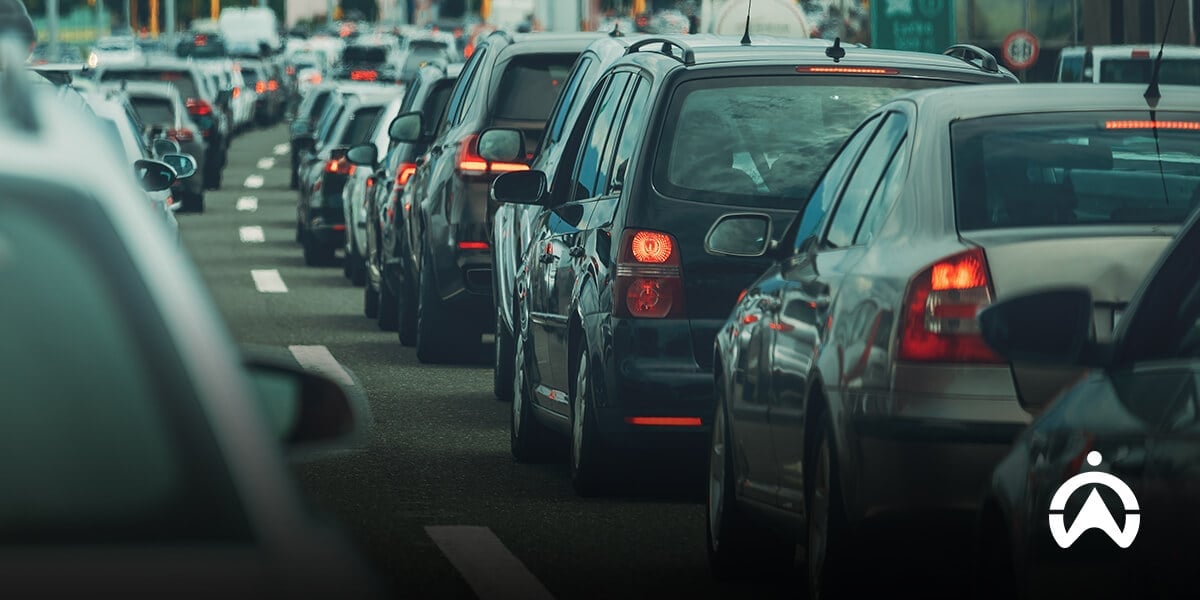
Traffic jam with rows of cars and illuminated brake lights.

How Route Optimisation Minimises Fuel Waste

Traffic congestion

With rapid urbanisation, limited infrastructure, and a rising number of vehicles, roads are becoming increasingly congested. According to the TomTom Traffic Index, vehicles in Jakarta can spend around 84 hours a year stuck in traffic during rush hour. When caught in traffic, drivers tend to leave their engines running, resulting in wasted fuel.

A route optimisation system using real-time data enables fleet managers to identify the most congested roads, allowing them to reroute drivers to avoid delays. This helps reduce time spent in traffic and fuel waste.

Road Infrastructure

Bridges, tunnels, and one-way roads are often overlooked when planning routes. This can force large fleets to take detours, prolonging journeys and wasting fuel.

The route optimisation system identifies road infrastructure and takes these obstacles into account to provide an optimal route that allows large vehicles to pass unhindered.

Aggressive Driving Habits

Driver behavior such as rapid acceleration, high speeds, and sudden braking can accelerate fuel consumption.

Route optimisation provides insights into driver behaviour on the road. This real-time data enables managers to take immediate corrective action, directly reducing fuel waste.

Overload

Vehicle loads are often underestimated, leading to fuel wastage. Overloaded vehicles are more difficult to control and use more fuel to move.

Route optimisation systems help fleet managers assign loads based on vehicle capacity. By analysing data, these systems ensure vehicles are not overloaded, thus reducing fuel waste.

Also Read: The Secret to Startup Success: Route Optimisation from a Fleet Management System

Unauthorised Use of Vehicle

Sometimes, drivers use company vehicles for personal purposes, which causes unnecessary fuel consumption.

A route optimisation system integrated with geofencing enables managers to monitor fleet vehicles in real-time. Geofencing creates a virtual boundary around the optimised route to ensure drivers adhere to the plan.

A person in a high-visibility vest sitting inside a vehicle cabin.

Benefits of Cartrack Route Optimisation Software

Route optimisation isn't just about advanced maps and AI-based software, it's also about making smart decisions that save costs and ensure your business's success.

Reducing Fuel Waste and Operating Costs

Rising fuel prices are a major challenge. The Cartrack system helps reduce fuel waste by streamlining routes and monitoring driver behavior, such as speeding and sudden braking.

Improving Vehicle Utilisation and Efficiency

Cartrack's route optimisation algorithm ensures every trip is more efficient by analysing vehicle capacity and load volume. This maximises vehicle efficiency and prevents fuel waste.

Also Read: Route Optimisation Software for Powerful Fleet Planning

Improving Driver Productivity

Effective route planning can reduce traffic congestion and idle time. This boosts driver productivity and lowers stress levels, encouraging fuel-efficient driving habits.

Grow Your Business with Cartrack

Take control of your fleet, reduce costs, and contribute to a more sustainable future. Start optimising your routes today and experience the benefits.

Fleet Dashcams: Find the Best Solution for Your Business

Have you ever wondered how technology can make travel safer, both for drivers and company fleets? One cutting-edge solution that's gaining popularity is the fleet dashcam. Let's explore what a fleet dashcam is, how it works, and why it's important, especially for companies that manage a large number of vehicles.

What Is Fleet Dashcam and How Does It Work?

A fleet dashcam is a camera device installed in a vehicle to record activity both inside and outside the vehicle. Typically, these dashcams are connected to a fleet management system, allowing business owners to monitor in real time or review footage as needed.

How it works is quite simple:

  1. Dashcams are mounted in strategic locations, such as the dashboard or windshield.

  2. This device records video and stores the data in the cloud or local storage.

  3. Some dashcams even feature AI sensors to detect things like driver fatigue, sudden braking, or collisions.

With fleet dashcam technology, fleet managers have an additional monitoring system to ensure everything is running smoothly.

Also Read: How to Choose the Best Fleet Management Software?

Benefits of Using Fleet Dashcam

Why are so many companies starting to invest in this technology? Here are some reasons:

  1. Enhanced Driver Safety: Fleet dashcams help monitor road conditions. If an incident occurs, such as an accident or suspicious activity, the footage can be used as strong evidence.

  2. Reducing the Risk of Loss: With recordings, companies can prevent or address fraudulent insurance claims. Furthermore, this technology helps identify problems more quickly, thus minimising losses from vehicle breakdowns or accidents.

  3. Improving Driver Discipline: Drivers know they're being monitored and are more likely to be cautious while driving. The result? A reduced risk of traffic violations or bad habits like using a cell phone while driving.

  4. Operational Efficiency: With the data collected by fleet dashcams, managers can analyse travel patterns and find ways to save fuel or improve travel routes.

Two drivers in the truck cabin who prioritize the safety and well-being of the drivers during the trip.

Meet Cartrack's AI Vision Dashcam

Cartrack's fleet dashcam, called AI Vision, isn't just installed to monitor the fleet's surroundings; it also focuses on driver safety and fleet efficiency. Cartrack's AI Vision dashcam features advanced technologies such as:

  1. Fatigue Warning: This dashcam can detect signs of fatigue on the driver's face, such as frequent yawning or prolonged eye closure. If detected, the system will alert the driver to help them regain alertness.

  2. Collision Warning: This dashcam comes with sensors that can predict potential collisions. If there's a vehicle ahead too close to our fleet, the system will signal to slow down.

  3. Real-Time Recording: Everything that happens inside and outside the vehicle is recorded in real-time. So, if any emergencies or incidents occur, the company can take action immediately.

  4. Legal Evidence: In the event of an incident, data from the fleet's dashcam can also be valid legal evidence to protect the driver from baseless accusations.

In addition, the Cartrack AI Vision Dashcam also has other features such as:

  • Live Streaming: The manager can check the cabin situation anytime.

  • Cloud storage: All recordings are automatically saved in the cloud, so there's no need to worry about losing data.

  • Night Vision: The dashcam still works perfectly at night or in low light conditions.

  • Integrated Alerts: All notifications are directly connected to the app, so you won't miss any important information.

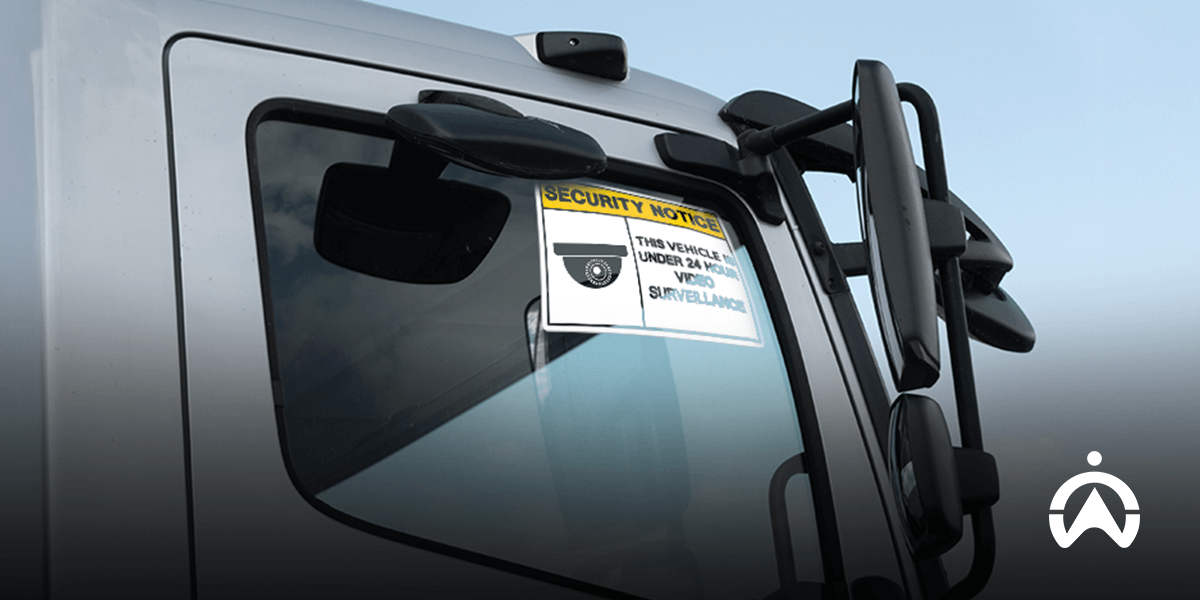
Safety stickers on truck windows to support the safety and well-being of fleet drivers.

Also Read: Fleet Accident Management: Causes of Accidents and How to Prevent Them

With this technology, you not only monitor your fleet, but also protect your company's most important asset: your drivers.

Investing in fleet dashcams isn't just about technology; it's also about creating a safe and comfortable working environment for drivers. By using solutions like Cartrack's Dashcam AI Vision, companies not only maintain vehicle security but also improve driver well-being.

So, are you still unsure about switching to this fleet dashcam? Let's improve the safety and efficiency of your fleet by using a fleet dashcam starting now! Click the following link!

Fleet Management System: Definition and Benefits for Business

What is a Fleet Management System?

A Fleet Management System (FMS) is a technology solution designed to help companies efficiently manage and monitor their vehicle fleets. By leveraging technologies such as GPS, the Internet of Things (IoT), and data analytics, an FMS enables companies to track vehicle locations, schedule maintenance, monitor fuel consumption, and monitor driver behavior to improve operational safety.

This system is crucial for modern business operations, as it provides the ability to optimize fleet management, increase productivity, and reduce operational costs. This ensures businesses avoid unnecessary losses. Furthermore, an FMS also helps companies ensure their fleet complies with applicable legal and safety regulations. This prevents companies from violating government regulations, which can be very complex to resolve.

Read Also: Understanding Transportation Management Systems and Their Benefits for Businesses

How Fleet Management System Works

The way a Fleet Management System works is quite simple. Vehicle data such as location, speed, and other data are recorded by a device installed on the vehicle (hardware). The data from this device is then sent in real time to a control centre via an internet connection. At the control centre this data is processed and presented on a software dashboard to provide information about vehicle data to the fleet manager.

For example, if a vehicle deviates from its planned route, the system will notify the operator to take action. Alternatively, the FMS can also monitor driver behavior, such as excessive speeding or sudden braking, to ensure driver safety, vehicle safety, and operational efficiency.

Drivers operate business fleet trucks with fleet management systems to monitor trips.

Devices Needed in a Fleet Management System

In order for the Fleet Management System to function optimally, several main devices are required, including:

  1. Telematics Devices (hardware): GPS trackers and other sensors installed on vehicles to collect data.

  2. Internet Connection: To transfer data in real-time to the control center.

  3. Fleet Management Software: A platform used to analyze data and provide reports.

  4. Dashboard Monitoring: A user interface that allows fleet managers to monitor vehicles in real time.

  5. Mobile Device: An application that makes it easier for drivers to receive instructions and report vehicle status.

Also Read: 6 Tips for an Effective Fleet Management System in Indonesia

Key Features of Fleet Management System

Modern Fleet Management Systems are equipped with various features designed to meet business needs, such as:

  1. Real-Time Tracking: Provides information to fleet managers to know the location of vehicles or fleets in real-time at any time.

  2. Maintenance Management: Provides automatic reminders to fleets or vehicles that require regular servicing. This helps prevent breakdowns and accidents on the road by ensuring the fleet receives regular maintenance.

  3. Fuel Monitoring: Monitor fuel consumption to identify waste or theft. Fuel theft is common in Indonesia, which increases operational costs.

  4. Reports and Analysis: Provides detailed reports on fleet performance, providing greater visibility into which fleets are most productive.

  5. Driver Behavior Monitoring: Monitoring driving habits to improve the safety of drivers and other vehicles on the road.

What Does the Fleet Management System Promise?

Fleet Management Systems offer various benefits for companies with fleets of vehicles. In addition to increasing efficiency and reducing operational costs, FMS also provides fleet managers with access to monitor driver behavior. Managers can view data such as average speed, braking time, and acceleration patterns to ensure drivers are operating according to safety standards.

Furthermore, FMS promises increased productivity through route optimization and better fleet utilization. This ensures fleet trips are made via the shortest route, saving time and fuel. The system also helps companies comply with industry regulations by providing complete and accurate records.

Implementation of Fleet Management System in Various Industries

Mining Fleet Management System

The mining industry faces unique challenges, such as difficult terrain and high safety risks. Fleet Management System Mining systems are designed to monitor heavy equipment and operational vehicles in mining areas. With an FMS, mining companies can improve heavy equipment efficiency, reduce downtime, and ensure driver safety on high-risk work sites.

Logistics and Transportation

In the logistics sector, FMS is used to optimize delivery routes, ensure timely delivery of goods, and increase transparency to customers through tracking systems. These systems help logistics companies manage their fleets more efficiently, while enhancing customer experience and trust in the logistics company.

Construction

In the construction industry, FMS is used to manage heavy equipment and project vehicles. With maintenance tracking and management features, construction companies can optimize heavy equipment usage across various project sites, thereby increasing productivity.

Its implementation in the construction industry also involves preventing vehicles from idling or standing still. This is a common occurrence in Indonesia. When vehicles frequently idle, work takes longer to complete, leading to cost overruns.

Also Read: What is Fleet Management Software and What Are Its Functions?

Distribution and Retail

For distribution companies, an FMS simplifies fleet management to ensure inventory is always available in stores. By integrating an FMS with an inventory management system, companies can reduce delivery delays.

Services and Government

Fleet Management Systems are also used to manage official and emergency service vehicles, such as ambulances and police vehicles. This system ensures vehicles are always operationally ready and responds to emergencies more quickly.

Read Also: How to Calculate Engine Hours and Why They Are Important for Fleet Businesses

Man holding mobile phone sailing annual meeting schedule fleet management system for business.

Companies that Provide Fleet Management System Services: Cartrack

Cartrack is a leading Fleet Management System provider, offering a complete fleet management solution. With advanced technology and intuitive features, Cartrack helps companies improve efficiency, reduce costs, and ensure operational safety.

Cartrack offers a range of services, including real-time GPS tracking, fleet performance reporting, and driver behavior monitoring. Responsive customer support and customizable solutions make Cartrack an ideal choice for companies across a wide range of industries.

Want to learn more about Cartrack's Fleet Management System solution? Learn more and try a free demo now!